
Ishigaki Island, Okinawa: Kabira Bay, Ferries, Beaches and Flights
Ishigaki is a two-to-three hour domestic flight from mainland Japan, and the boats to Taketomi, Iriomote and five more inhabited islands all leave from one terminal in the middle of town. This guide covers the flights and the airport bus, Kabira Bay and the glass boats, which beaches are supervised and which are not, every island fare, and the night sky that got its full dark sky certification in May 2026. Prices, opening hours and closing days are the operators’ own, checked in September 2026.
| Getting there | Fly, because there is no passenger ship to Ishigaki from Okinawa’s main island or from Honshu, and Naha is about an hour away while Haneda is a little over three. |
|---|---|
| Airport to town | The direct bus to the ferry terminal costs ¥550 and takes about half an hour, and a taxi for the same trip runs about ¥3,500. |
| Kabira Bay | You cannot swim there, so the glass boat is the way to see it, at ¥2,300 for adults with the first sailing at 09:00 and the last at 17:00. |
| Island boats | Taketomi is ¥970 each way and about ten minutes out, Iriomote is ¥2,520 to Ohara, and rough seas close the Uehara and Hatoma runs before any other. |
| The Taiwan ferry | The Keelung route opened on 28 May 2026 and the operator suspended it from 1 October 2026, with no restart date announced. |
| Money and timing | Two island ports take cash only, typhoons run through the summer and autumn, and a lodging tax of 2 percent starts on stays from 1 February 2027. |
1. What is on Ishigaki, and how many days it takes
2. Getting there: it is a flight, not a boat
3. The Keelung ferry: a route that opened, then stopped
4. From the airport into town, and around the island
5. Kabira Bay, and why you cannot swim in it
6. The sea: which beaches are supervised, and the manta rays
7. Round the island: viewpoints, the cave and the village
8. The other islands: one terminal, seven destinations
9. Taketomi: the easiest island, and the buffalo carts
10. Iriomote: mangroves, waterfalls and water buffalo
11. The night sky, and the certification it got in 2026
12. Eating on Ishigaki: the beef, the noodles and the market
13. Weather, typhoons, money and the lodging tax
14. Where to stay: town, west coast or resort
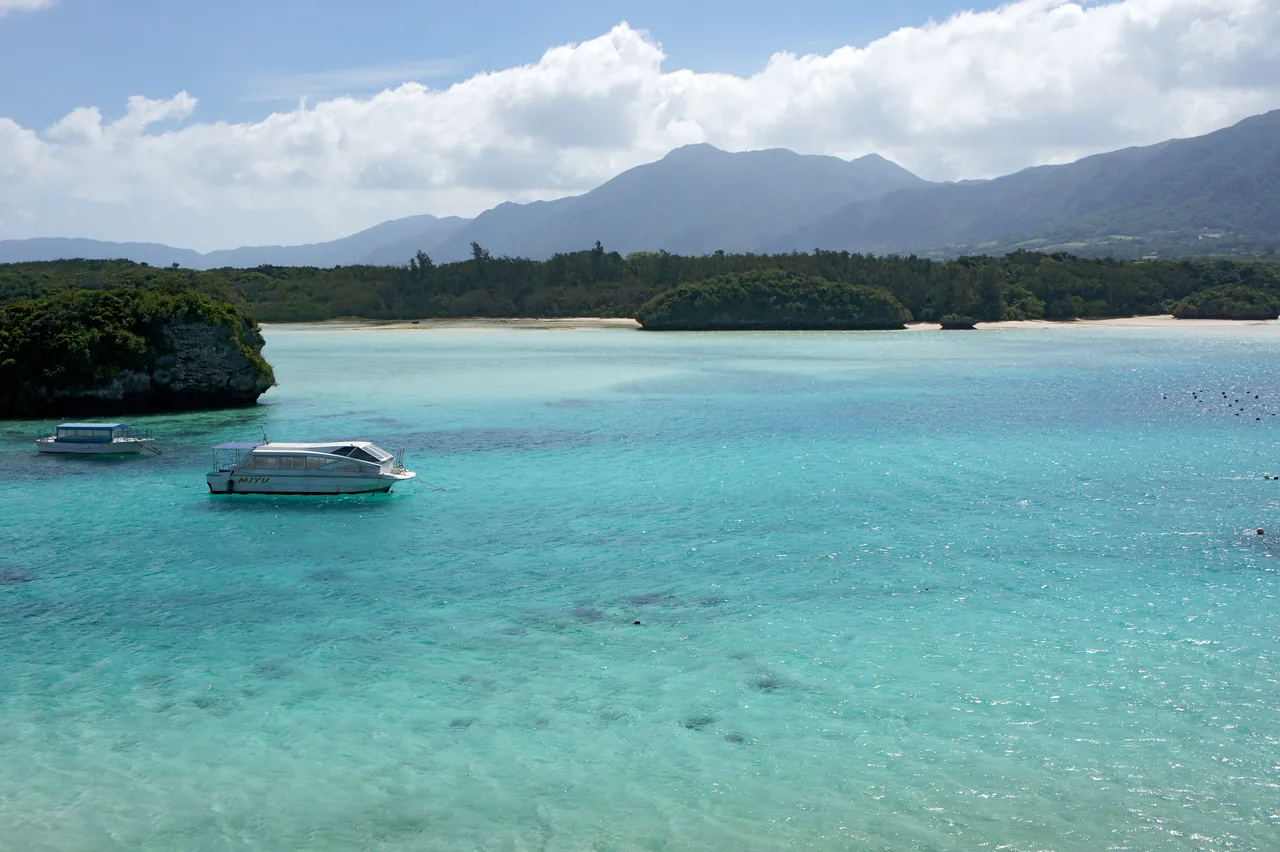
1. What is on Ishigaki, and how many days it takes
Ishigaki is a proper island with a town on it, and the single most useful thing to understand is that it does two jobs at once. It has its own coastline, viewpoints, cave and beef, and it is also the place you sleep while you take day boats out to Taketomi, Iriomote, Kohama, Kuroshima, Hatoma and Hateruma.
Four days works well. Give two days to Ishigaki itself with a rental car, and two days to the boats. Three days is the honest minimum if you want to see Kabira Bay and set foot on one other island without rushing either. Anything under three turns into a lot of transport for very little island.
| Place | How far from the airport | Adult price |
|---|---|---|
| Kabira Bay and the glass boats | About 40 minutes by car | ¥2,300 for the boat |
| Ishigaki Port Ferry Terminal | About 25 minutes by car | ¥970 one way to Taketomi |
| Tamatorizaki lookout | About 25 minutes by car | Free |
| Hirakubozaki lighthouse | About 45 minutes by car | Free |
| Ugan-zaki lighthouse | About 40 minutes by car | Free |
| Ishigaki Island Limestone Cave | Near the town, south side | ¥1,200 |
| Ishigaki Yaima Village | Nagura Bay, west side | Paid at the gate |
The town itself is small and walkable. The ferry terminal, the public market, the Euglena Mall arcade and most of the restaurants sit within about ten minutes of each other on foot, which is why a lot of people base themselves there and only pick up a car for the days they go north. Map
A workable four days
Day one is the west coast by car: Kabira Bay, the glass boat, Yaima Village and a beach in the afternoon. Day two goes north up the east coast to Tamatorizaki and the Hirakubo lighthouse, with the limestone cave or a snorkelling trip filling whatever is left.
Day three is Taketomi, which is close enough that you can be back in town for dinner. Day four is Iriomote, which is not, and which needs an early boat and a plan made the night before.
Book the car before the flight. Ishigaki has a limited rental fleet and it sells out in the summer and over Japanese holiday weeks. The same applies to hotels: this is a small island with a fixed number of rooms and no overflow anywhere nearby.
2. Getting there: it is a flight, not a boat
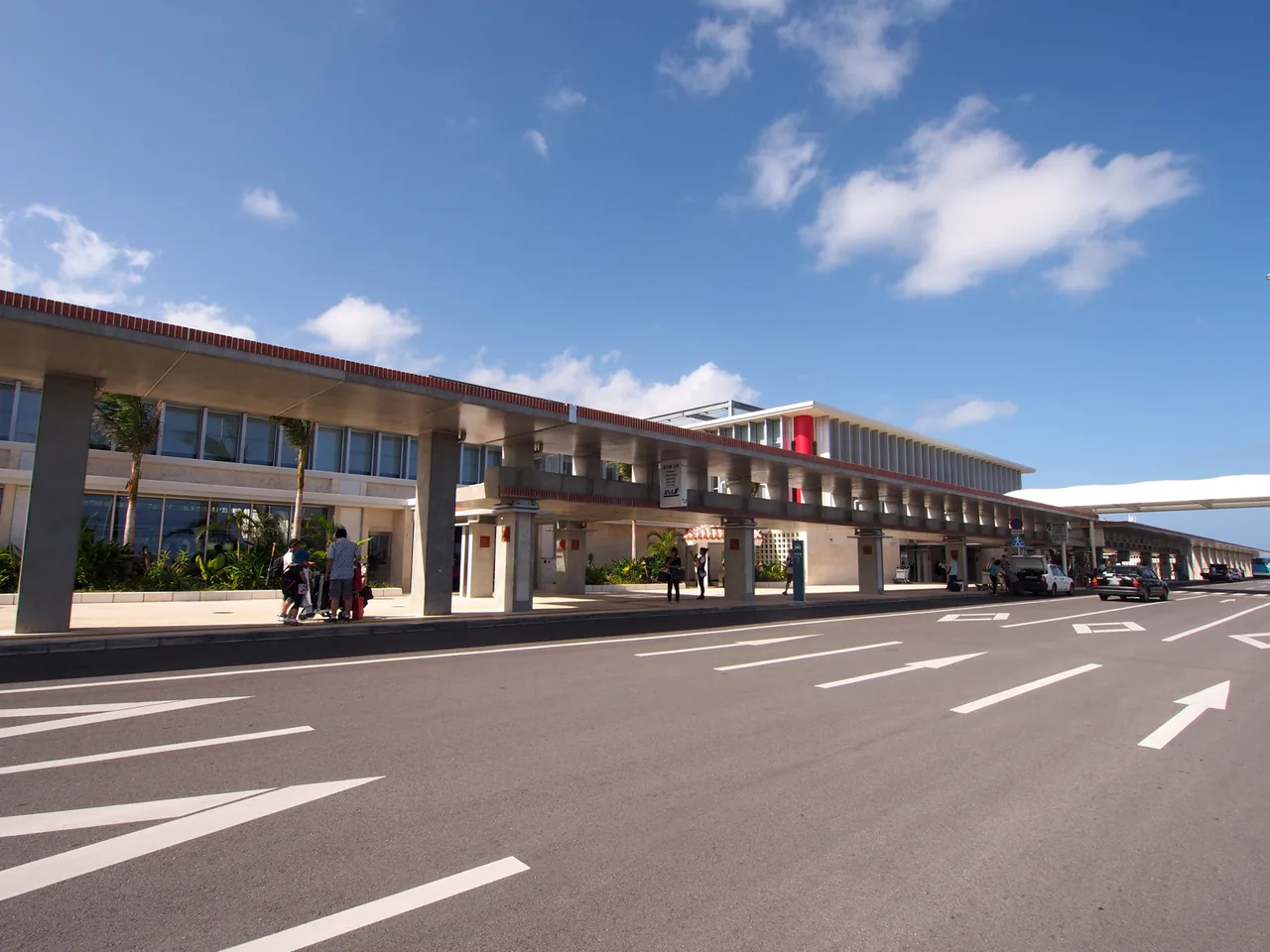
There is no scheduled passenger ship to Ishigaki from Okinawa’s main island, from Kyushu or from Honshu, so every arrival from within Japan is a flight. The airport is called Painushima Ishigaki Airport, it opened on the east side of the island, and it handles both domestic and international traffic from one small terminal. Map
| From | Airlines | Approximate flying time |
|---|---|---|
| Naha | JTA, RAC, ANA, Solaseed Air | About 1 hour |
| Tokyo Haneda | JAL, ANA | About 3 hours 10 minutes |
| Tokyo Narita | Peach | Longer than Haneda |
| Osaka Kansai | JTA, ANA, Peach | About 2 hours 45 minutes |
| Nagoya Chubu | ANA | About 2 hours 50 minutes |
| Fukuoka | Peach | About 2 hours 15 minutes |
| Miyakojima | RAC, ANA | Short hop |
| Yonaguni, Tarama, Hateruma | RAC and Daiichi Air | Short hop |
Most Western visitors come through Haneda or Naha. Connecting at Naha is the flexible option because four carriers fly the sector and there are departures through the day, and it also lets you stop in the capital for a night on the way. Our Naha guide covers what to do with that night.
The international flights
Ishigaki has four international routes, all of them short. Tigerair Taiwan flies from Taipei Taoyuan and, since 2 September 2026, from Kaohsiung. Hong Kong Express flies from Hong Kong and Jin Air flies from Seoul Incheon.
These matter less for arriving and more for what they do to the island. A flight from Taipei is under an hour and a half, which is why a large share of the visitors you see on Ishigaki are from Taiwan, and why menus and signs often carry traditional Chinese alongside Japanese.
Inside the terminal
Check-in and arrivals are on the first floor, departures on the second, and there is an observation deck on the roof. The terminal has ATMs, currency exchange, eSIM and Wi-Fi counters, luggage delivery, and a cycle station. It is small enough that none of this takes long to find.
Typhoon season closes this airport. Between roughly July and October a passing typhoon can cancel every flight for a day or two, and the backlog takes another day to clear. If you have an international connection out of Tokyo or Naha, leave a spare day at the end rather than connecting the same afternoon.
3. The Keelung ferry: a route that opened, then stopped
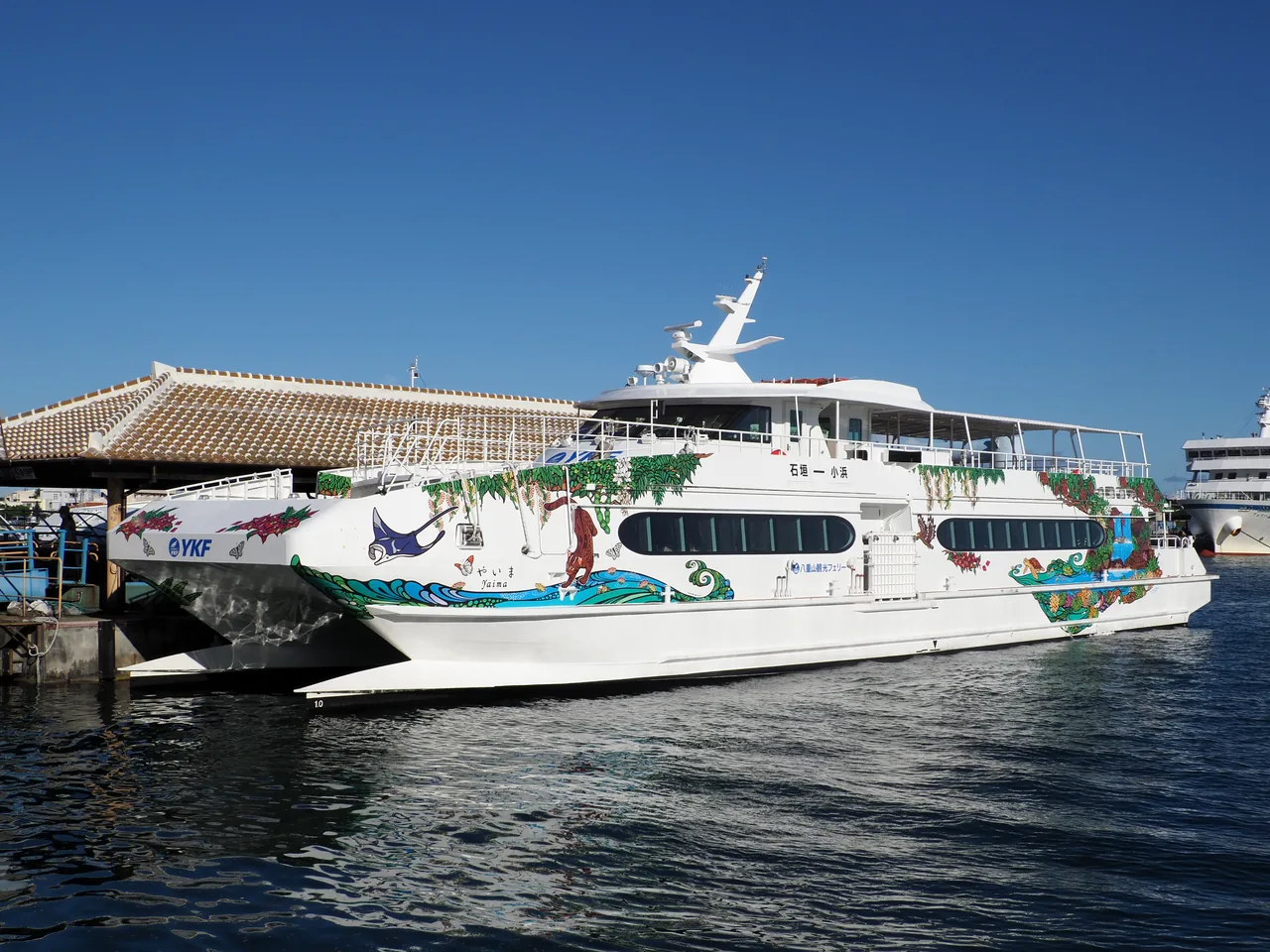
A scheduled international ferry between Taiwan and Ishigaki started on 28 May 2026, and its operator suspended it from 1 October 2026. The ship is the Yaima Maru, run by Shosen Yaima with Ishigaki City, sailing between Keelung in northern Taiwan and Ishigaki Port International Terminal. Map
While it ran, it was the only international passenger ferry in Japan this far south. The schedule settled into two round trips a week from July: out of Keelung on Tuesday and Thursday nights at 23:00 for an 08:00 arrival, and out of Ishigaki on Sunday and Wednesday nights at 21:00.
| Cabin | Beds | Per person, one way |
|---|---|---|
| Royal suite | One double | ¥54,600 |
| Deluxe suite | Two singles | ¥29,120 |
| Family room | Four mattresses | ¥29,120 |
| Standard A | Six mattresses | ¥25,480 |
| Standard B | Two singles or bunks | ¥21,840 |
| Standard G | Fifteen mattresses | ¥14,560 |
A tax of ¥3,000 per person applied on top in each direction, children under two paid ¥1,800 without a bed, and a bicycle cost ¥3,000 one way as long as it was folded or dismantled into a bag.
Why it stopped, and what that means for a trip now
The operator’s notice gives three causes: cargo handling never got going properly, running costs including fuel came in above what was planned for, and passenger numbers were heading into the quiet part of the year. No restart date has been announced, and the notice says only that one will follow once the route is restructured.
Bookings were never sold on the operator’s own site in any case. They went through Klook or through named travel agencies in Taipei and one on Ishigaki, with a cut-off ten days before sailing and no tickets at all on the day. Weather also took out sailings regularly through the summer, with full refunds each time.
Do not plan around this route until it restarts. Secondary travel sites still describe it as a seven-hour crossing running three times a week, which was never what the operator published. If you are coming from Taiwan in the meantime, the flights from Taoyuan and Kaohsiung are the route that works.
Cruise ships are a different thing again and they still call at Ishigaki. Our the Keelung cruise guide covers that port at the Taiwanese end.
4. From the airport into town, and around the island
The airport sits on the east side of the island and the town is on the south-west, so every arrival starts with a 25 to 30 minute transfer. There are three ways to do it and the cheapest and the fastest are the same price within a few hundred yen.
| Option | Adult fare | Notes |
|---|---|---|
| Karry Kanko route 55 direct bus | ¥550 | Children ¥280. First from the airport 08:35, last 19:05 |
| Azuma Bus routes 4 and 10 | ¥550 | Return ticket ¥1,000, so buy the return if you are coming back |
| Taxi to the ferry terminal | About ¥3,500 | About 25 minutes |
| Taxi to the ANA InterContinental | About ¥2,900 | About 20 minutes |
| Taxi to Kabira Park | About ¥5,600 | About 40 minutes |
| Taxi to Hirakubozaki | About ¥7,100 | About 45 minutes |
Karry’s direct bus takes cash or a contactless credit card tapped on board, and it does not accept Japanese IC cards or QR payment apps. Azuma’s buses take cash. Neither takes Suica or Pasmo, so do not land expecting to tap the card you have been using in Tokyo.
The direct bus that is no longer direct
Azuma Bus route 14 used to be the quick link between the airport, the bus terminal and the ferry terminal. From 1 September 2026 it was cut to a single run a day: 16:45 from the bus terminal, 16:50 from the ferry terminal, and 17:45 back from the airport.
Treat it as gone. For the airport use route 4, which goes by way of Hirae, Ohama and Shiraho, or route 10, which goes by way of the Art Hotel and the ANA InterContinental. Both end at the bus terminal in town. Map
Bus passes, and how the one-day pass is timed
| Ticket | Adult | Child | Where to buy |
|---|---|---|---|
| One-day free pass | ¥1,000 | ¥500 | Bus terminal window or on any bus |
| Michikusa three-day pass | ¥2,000 | ¥1,000 | Bus terminal window or on any bus |
| Airport return ticket | ¥1,000 | ¥500 | Bus terminal window or on airport buses |
| Unnamed sheet ticket | ¥1,100 of value | Bus terminal window only |
The one-day pass runs for 24 hours from the moment you buy it rather than to the end of the calendar day. Buy it at four in the afternoon on your arrival day and it covers the next morning as well, which is worth a minute of thought at the counter. Neither pass is valid on the scheduled sightseeing coach.
The bus terminal window opens 08:00 to 17:00, with tickets sold until 17:30, every day of the year. The line to Kabira is route 9, the Yonehara campsite line is route 11, and routes 2 and 3 circle the island.
Most people rent a car anyway. Buses run to the main sights but not often, and the island is big enough that waiting an hour for a return bus eats a morning. Our guide to renting a car in Okinawa covers the licence paperwork, which is the same for Ishigaki as for the rest of the prefecture.
5. Kabira Bay, and why you cannot swim in it
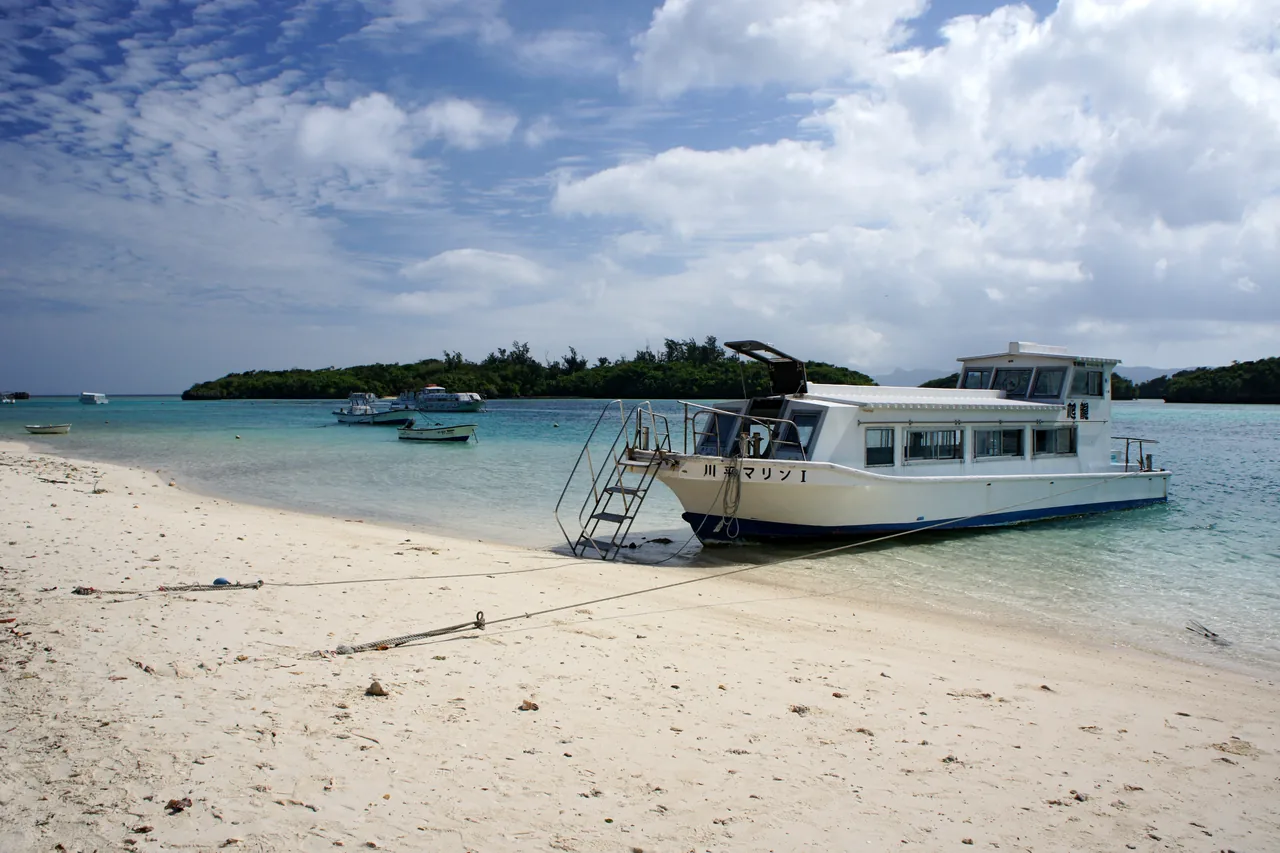
Kabira Bay is the picture everyone has seen of Ishigaki, it carries three stars in the Michelin Green Guide, and swimming in it is not allowed. The tide runs hard through the bay and black pearls are farmed in it, so the way to see the water is from a glass-bottomed boat. Map
| Glass boat | Price |
|---|---|
| Adult, 12 and over | ¥2,300 |
| Child, 4 to 11 | ¥1,200 |
| Under 3, no seat | Free, one per adult |
| With a disability certificate | ¥1,700 |
| First sailing | 09:00 |
| Last sailing | 17:00 |
| Frequency | Every 15 to 20 minutes |
| Time on the water | About 30 minutes |
Two long-established local operators run these boats from the same waterfront, Kabira Marine Service and Marine House Gurukun, at the same fares. Both operate every day of the year, both ban food on board while allowing water, and both book online. Gurukun discounts online bookings by 22 percent and has a free car park with about 40 spaces.
Getting there and parking
By car it is about 40 minutes from the airport and about 30 from the ferry terminal. By bus, get off at the Kabira Koen stop and the boats are a minute’s walk away. The free operator car parks are small, and when they fill you use the municipal car park at ¥200 for the first hour and ¥100 for each hour after.
Go in the morning, and check the same-day notice. Rough weather regularly pulls the last sailing forward. The operators post the day’s final departure on their own sites, and in one recent week it moved to 16:30 on one day and 16:00 the next. An afternoon plan that assumes a 17:00 boat can come apart.
The bay is also worth a walk on its own. There is a viewpoint above the beach, a short path down to the sand, and a cluster of shops and cafes behind it. Sunlight matters more here than at most places: the colour in the water only appears when the sun is on it, so an overcast afternoon is a poor use of the drive.
6. The sea: which beaches are supervised, and the manta rays
Ishigaki has five designated swimming beaches with jellyfish nets, and everywhere else is unsupervised water. The city tourism association names them as Maezato, Sukuji, Fusaki, Sunset Beach and the artificial beach at Painushima-cho, and it advises against swimming anywhere that has no lifeguard.
| Beach | Where | Status |
|---|---|---|
| Sukuji | Near Kabira, west coast | Designated, jellyfish net |
| Fusaki | South-west, by the resort | Designated, jellyfish net |
| Maezato | Close to town | Designated, jellyfish net |
| Sunset Beach | North-west, near Hirakubo | Designated, jellyfish net |
| Painushima-cho artificial beach | South of town | Designated, jellyfish net |
| Yonehara | North coast | Not designated, parts marked as dangerous |
Sukuji is the one to aim for if you are already going to Kabira, since the two are minutes apart and Sukuji is where you actually get in the water. Map Fusaki is the easiest from town. Map
Yonehara needs more care than its reputation suggests
Yonehara has the best reef right off the sand and it is the beach most snorkellers are sent to, but parts of it are formally designated a swimming danger area because of how fast the water moves out through gaps in the reef. There is no permanent lifeguard. Maps of where the outflow happens are posted at the entrance and by the toilets, and reading them before you get in is the whole job. Map
Habu jellyfish are in the water from about May to October, and the months with the most stings are July to September. That is exactly the season people come to swim. Inside a netted beach you are fine. Outside one, a rash guard or a full skin suit is the sensible call, and the vinegar stations at the designated beaches are there for a reason.
Manta rays
The dive site north of Kabira is called Kabira Ishizaki Manta Scramble, and it is one of the reasons divers fly to Ishigaki rather than anywhere else in Japan. Mantas come in to be cleaned at a shallow coral head, which puts them at a depth snorkellers can also reach on a boat trip.
The season is broadly summer into late autumn. In winter the north wind blows straight onto that coast and operators often cannot reach the site at all, so a January trip built around mantas is a gamble. Boats leave from Kabira and from the town side, and both need booking ahead in the summer.
7. Round the island: viewpoints, the cave and the village
One full day with a car covers the north of the island, and the stops are close enough together that you can do the loop in either direction. Nothing up there charges admission except the cave and the village, and the two lookouts are free with free parking.
The east coast and the northern tip
Tamatorizaki is a planted hillside lookout about 25 minutes from the airport, with a car park, toilets and a vending machine, and a view over the narrow waist of the island where you can see water on both sides at once. Map
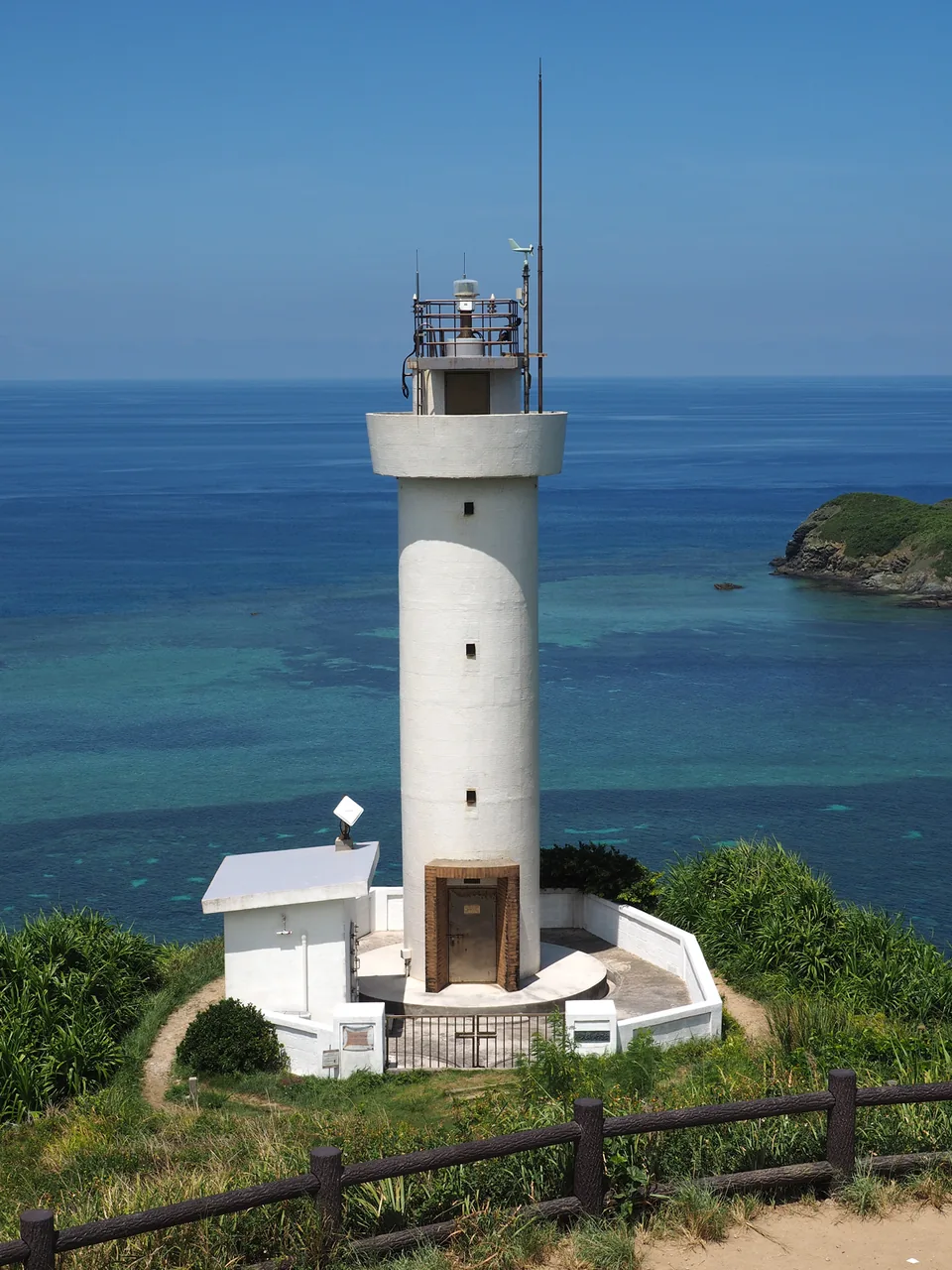
From there the road runs north for another twenty minutes to Hirakubozaki, the lighthouse at the top of the island. The car park holds about ten cars and there is no bus, so this one is for drivers and taxis only. Map
On the opposite side, Ugan-zaki is a lighthouse on a headland about 40 minutes from the airport and the usual place to watch the sun go down. Map
Ishigaki Island Limestone Cave
| Ticket | Price |
|---|---|
| Adult | ¥1,200 |
| Child, 4 to junior high | ¥600 |
| Groups of 15 or more | ¥1,080 and ¥540 |
| Open | 09:00 to 18:30 |
| Last entry | 18:00 |
| Restaurant | 11:00 to 15:00, last orders 14:30 |
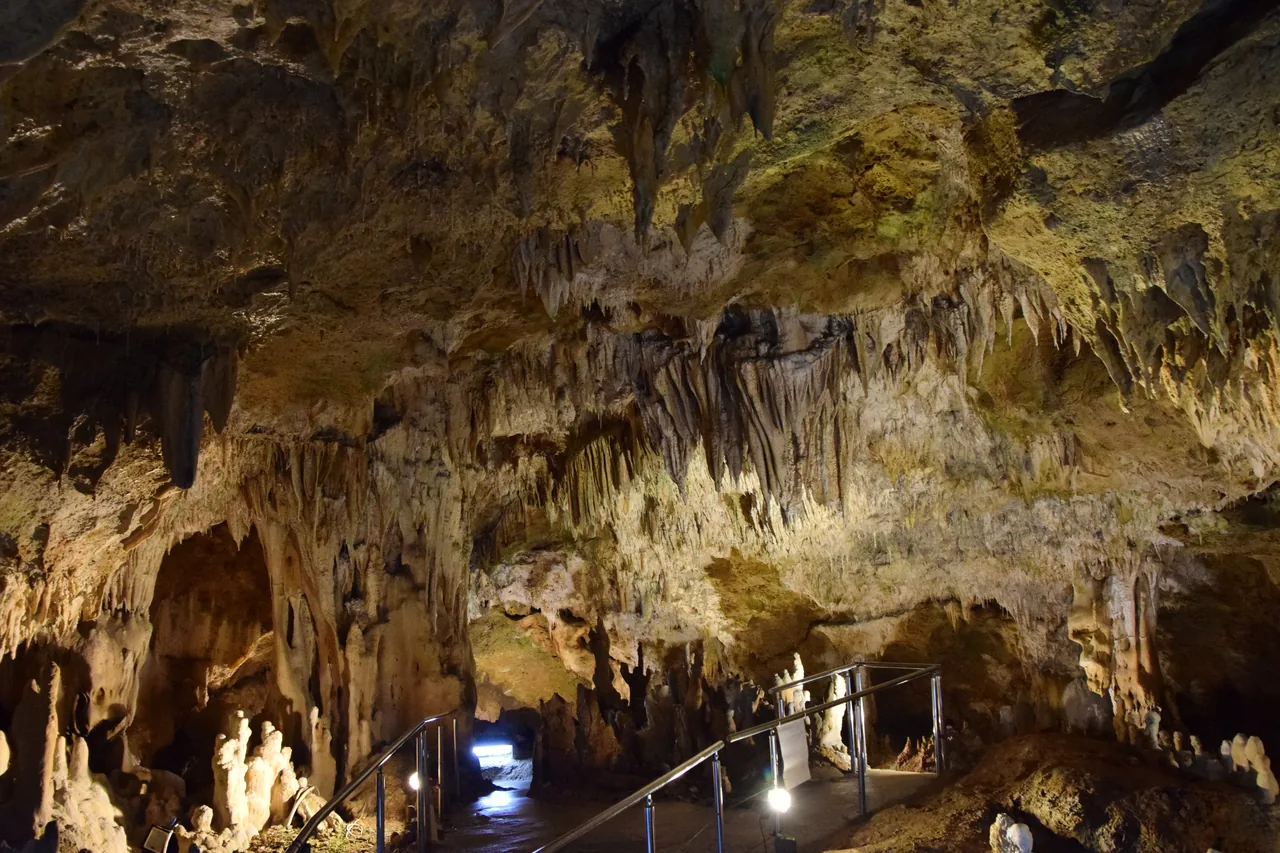
The cave is on the south side of the island near the town rather than out in the country, which makes it the obvious wet-weather stop. The walkway is lit and paved, and the late closing time is unusual for an attraction on Ishigaki, so it also works as something to do after a beach day. Map
Ishigaki Yaima Village
Yaima Village is an open-air museum on the Nagura Bay side, open 09:00 to 17:30. Traditional Okinawan houses were moved here and rebuilt, and they are registered as national tangible cultural properties, with recorded commentary playing in each one.
There is also a squirrel monkey enclosure, a boardwalk out over the mangroves so you can look at them without walking in them, an aviary for the crested serpent eagle that lives on these islands, and a water buffalo pond. The attached Anpal drive-in restaurant serves soki soba and rice dishes and can be used without paying to enter the village. Map
Banna Park is the free version of the view. It sits on the ridge behind the town with lookout towers on the road up, and it costs nothing. On a clear day you can see Taketomi and Kohama from the top. Map
8. The other islands: one terminal, seven destinations
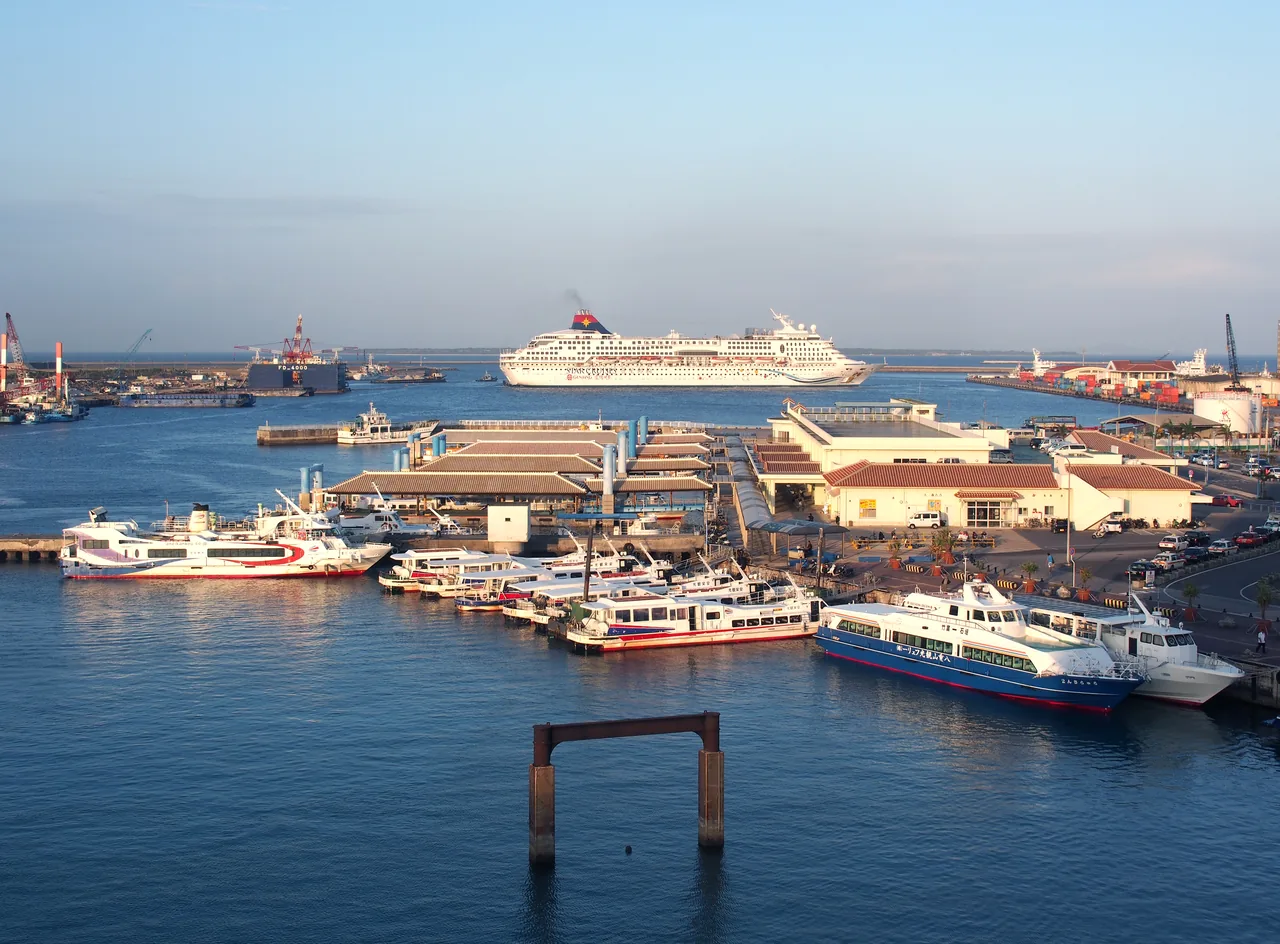
Every island boat leaves from Ishigaki Port Ferry Terminal in the middle of town, and two operators run the same routes at the same fares. Anei Kanko and Yaeyama Kanko Ferry both have counters in the building, and you can walk in and buy a ticket for the next sailing on most days.
| To | Adult one way | Adult return |
|---|---|---|
| Taketomi | ¥970 | ¥1,880 |
| Kohama | ¥1,720 | ¥3,340 |
| Kuroshima | ¥1,850 | ¥3,590 |
| Iriomote, Ohara | ¥2,520 | ¥4,880 |
| Iriomote, Uehara | ¥3,290 | ¥6,370 |
| Hatoma | ¥3,290 | ¥6,370 |
| Hateruma | ¥4,990 | ¥9,670 |
Primary school children pay roughly half. A preschool child rides free on an adult’s lap, and pays the child fare if they take a seat. Return tickets are open-dated and valid for 14 days, so you are not locked into a particular boat back.
How booking and boarding work
Online tickets close at 18:00 the day before you sail. After that, buy at the counter, which is open 06:00 to 19:00 every day except when a typhoon shuts the port. One boarding QR code covers a whole group, so if half your party wants a later boat, book them separately.
Two island ports take cash only. Ishigaki Port takes cards and most e-money. Ohara, Uehara and Kohama take cards. Hateruma takes cash and PayPay. Taketomi, Kuroshima and Hatoma take cash and nothing else, so carry notes for the return leg.
Cancellations, and which routes go first
The operators post a daily sailing status, and it is the first thing to check each morning. Rough seas hit the northern routes first: Uehara on Iriomote’s north coast and Hatoma are the two that stop running while everything else carries on. Ohara, on Iriomote’s south coast, holds up far better.
That has a practical consequence. If your Iriomote plan depends on Uehara and the forecast is poor, switch it to Ohara rather than cancelling the day. The Hateruma route also has its own non-sailing days tied to the cargo boat schedule, which is the main reason people get stuck there overnight.
There are also inter-island hops that save you a return to Ishigaki. Ohara to Taketomi leaves at 14:00 and takes 40 to 50 minutes for ¥2,320, and Uehara to Hatoma takes 10 to 15 minutes for ¥1,230, leaving Uehara at 09:30 and Hatoma at 17:25.
9. Taketomi: the easiest island, and the buffalo carts
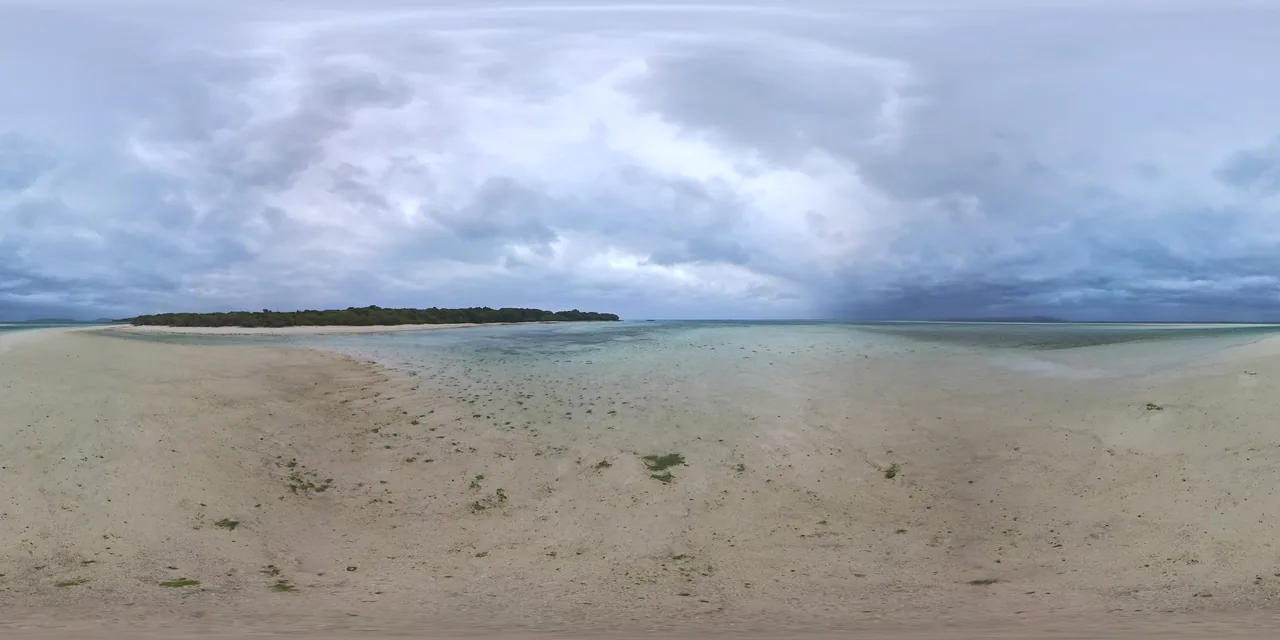
Taketomi is about ten minutes off Ishigaki by fast boat and it is the one island almost everyone adds to the trip. The whole village has been an Important Preservation District for Groups of Traditional Buildings since 1987, which is why the red tiled roofs, the coral stone walls and the white sand lanes all look the way they do. Map
| Water buffalo cart | Detail |
|---|---|
| Ride length | About 20 to 30 minutes |
| First departure | 09:00 |
| Last departure | 15:30 |
| Booking | No phone bookings, walk up to the counter |
| Payment | Cashless only, no cash accepted |
| Port shuttle | Free, for cart passengers |
| Ferry plus cart package | ¥4,700 adult, ¥3,400 child |
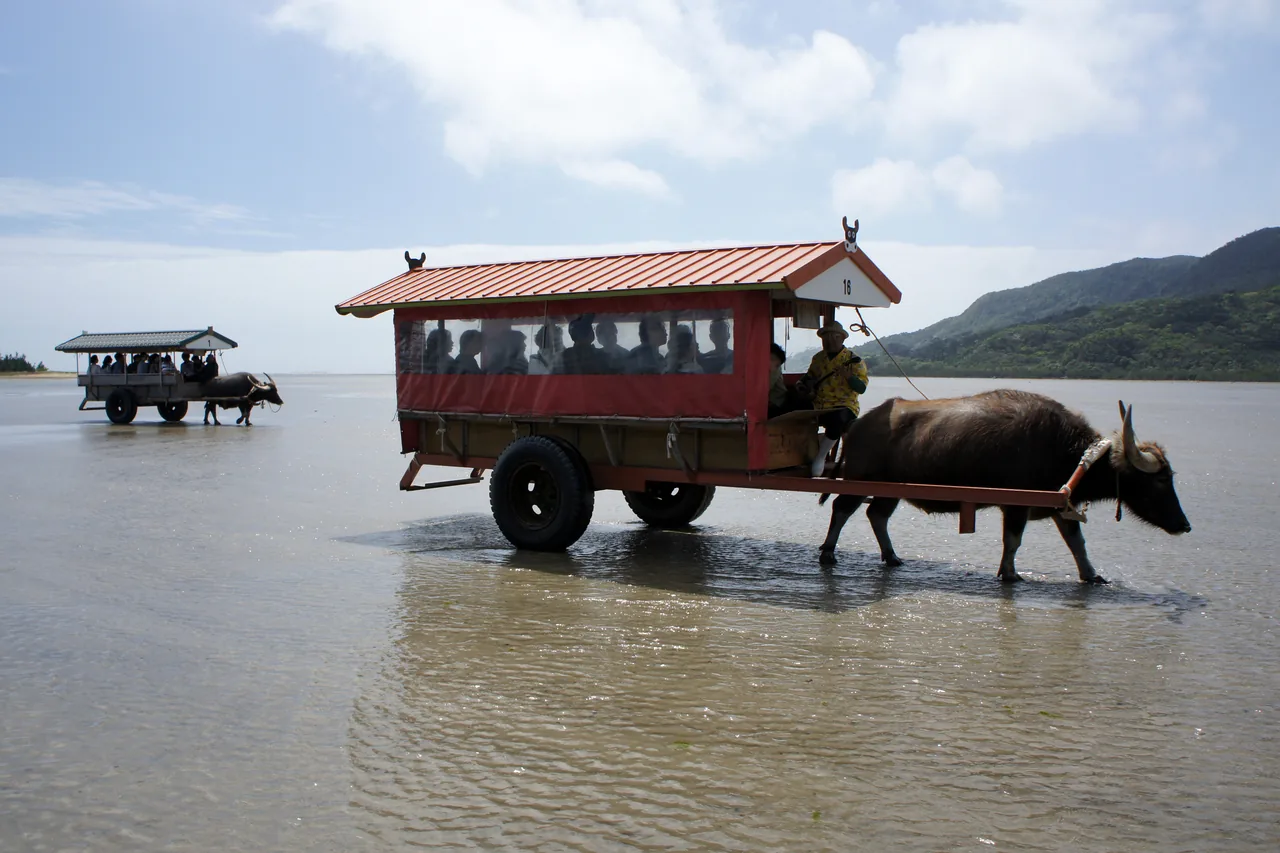
The cart is pulled at walking pace through the lanes with a driver playing sanshin and talking about the houses. It goes out in most weather, and the ride lengthens or shortens depending on how the buffalo is feeling, which the operator says plainly on its own site.
Booking direct by phone is not possible. You either walk up on the day, or buy a package through one of the ferry operators that bundles the return boat with the cart. The counter is cashless, so a card or a phone wallet is compulsory even though the ferry port on the same island is cash only.
The rest of the island
Taketomi is small enough to cycle in an hour and the rental shops are by the port. Nagomi no To is the lookout in the middle of the village. Kondoi Beach on the west coast is the swimming beach, and Kaiji Beach next to it is where people hunt for the star-shaped sand. Map
A cheaper way to do the island is the return ferry plus two rides on the circular island bus, sold as a set for ¥2,900 for adults and ¥1,900 for children. That gets you to the village and back without the cart.
Go early or stay late. Taketomi takes a heavy load of day trippers between about ten and three. The first boats of the morning and the last hour before the evening return are when the lanes are quiet, and the village is a genuinely different place then.
10. Iriomote: mangroves, waterfalls and water buffalo
Iriomote is the big one, almost entirely forest and mangrove, with a road that runs along part of the coast and no road at all across the middle. It has two ports and picking the right one is the single decision that shapes the day. Map
| Ohara, south | Uehara, north | |
|---|---|---|
| Adult one way | ¥2,520 | ¥3,290 |
| Reliability in rough seas | Holds up well | First route to be cancelled |
| What it reaches | Yubu Island, southern mangroves | Urauchi River, Hoshizuna beach |
The Urauchi River boat
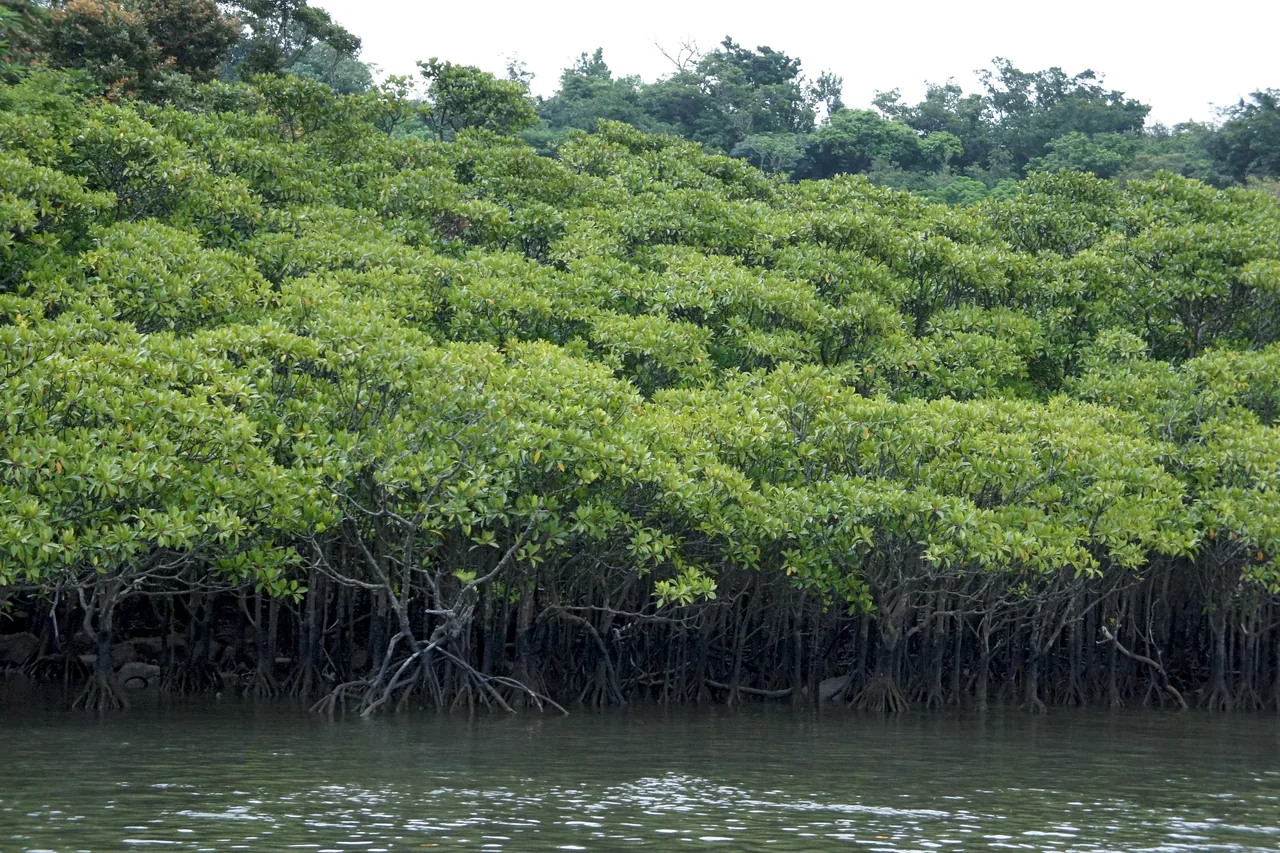
The Urauchi River cruise is the standard Iriomote outing from Uehara. A boat runs up the river through the mangroves to a landing, and from there a marked path continues on foot to two waterfalls, Mariyudu and Kanpire. Map
The boat costs ¥3,500 for adults and ¥1,750 for children, with departures at 09:00, 10:00, 11:30, 12:30 and 14:30. The operator runs a free shuttle that leaves Uehara Port at 09:20 and reaches the landing at 09:40, returning from the river at 13:30. The walk to the falls and back takes between one and two and a half hours depending on which boat you take.
Yubu Island and the buffalo crossing
From the Ohara side, the thing to do is cross to Yubu Island, a small botanical garden island reached by water buffalo cart across a shallow channel at low tide. Map
A return cart ride with admission costs ¥2,000 for adults and ¥1,000 for primary school children. The island is open 09:15 to 16:30 with last entry at 15:45, and carts leave Iriomote every half hour from 09:15 until 15:45, coming back from Yubu between 10:00 and 16:30.
Iriomote is not a half-day island. Ports are far apart, buses are infrequent, and most activities are booked tours that include pick-up. Decide on Ohara or Uehara before you buy the ferry ticket, because getting from one to the other on the island eats most of a morning.
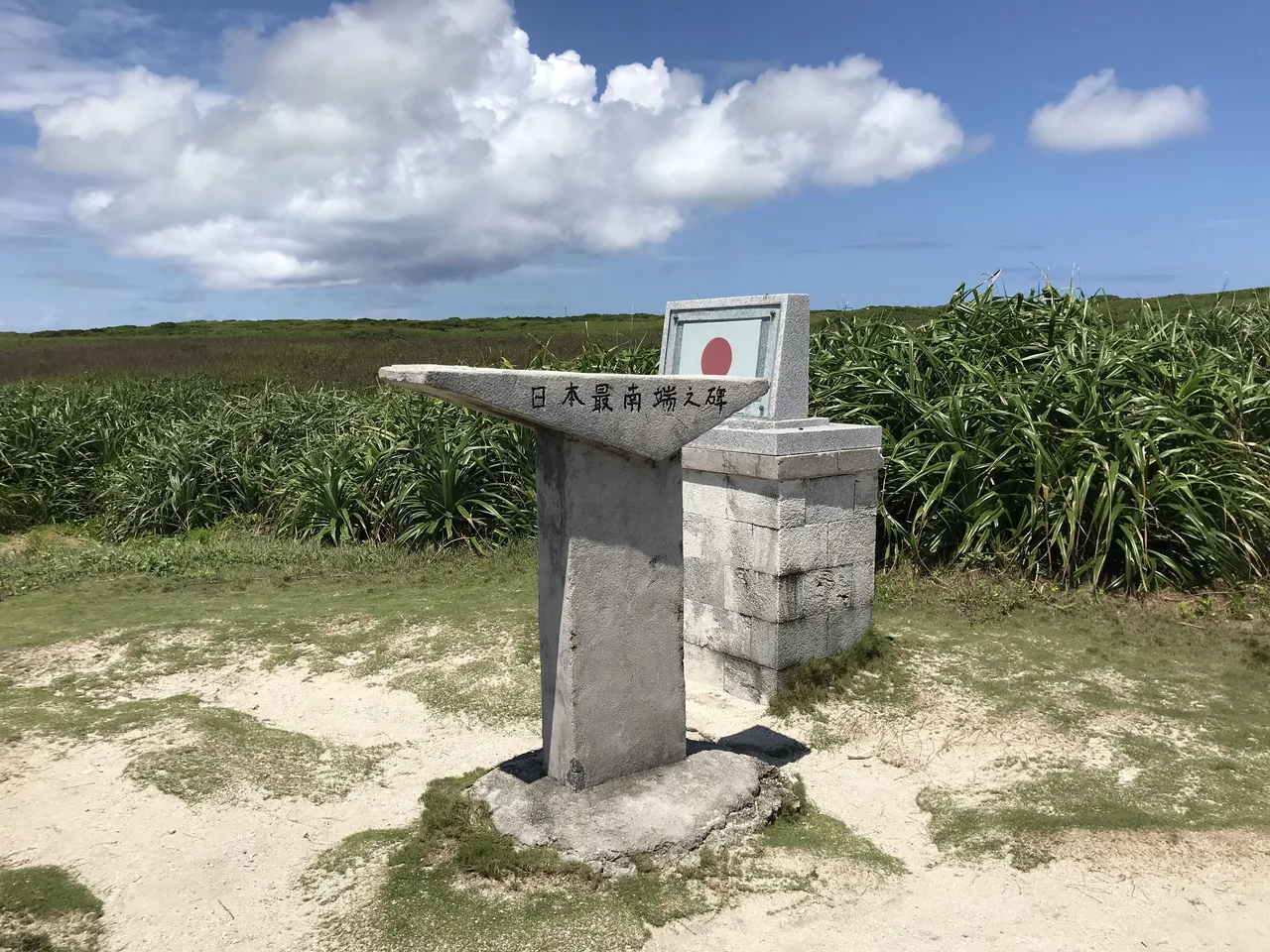
Hateruma, the southernmost inhabited island in Japan, is the other trip people ask about. It is ¥4,990 each way, the crossing is long and rough, and the route has scheduled non-sailing days. Treat an overnight there as likely rather than unlikely. Map
11. The night sky, and the certification it got in 2026
Iriomote-Ishigaki National Park received full Dark Sky Park certification on 27 May 2026, having held provisional status since 2018 as the first such place in Japan. The certified area spans Ishigaki City and Taketomi Town, so it covers Ishigaki, Taketomi, Iriomote, Hateruma and the smaller islands together.
Provisional status was granted first because some street lighting did not meet the standard. The lifting of it in 2026 followed years of replacing and shielding outdoor lights across both municipalities, and it was awarded by DarkSky International, the body that runs the scheme worldwide.
What that means for a visitor
In practical terms it means the sky over the north of Ishigaki and over the outer islands is genuinely dark, not just darker than a city. Every constellation in the Japanese catalogue can be seen from these latitudes, which is not true anywhere on Honshu, and the Southern Cross is visible low on the horizon in the spring.
| Where to look up | Why |
|---|---|
| Hirakubozaki, northern tip | No settlement anywhere near it |
| Kabira and the west coast | Away from the town lights, easy to reach |
| Taketomi, if you stay the night | Village lighting is deliberately low |
| Hateruma and Hatoma | The darkest measurements in the park |
The town side is the wrong place to try. Ishigaki’s centre has ordinary street lighting and the difference between standing there and standing forty minutes north is obvious.
There are trained local star guides. The city tourism association runs a course that certifies residents as star guides for the Yaeyama sky, and several tour operators on the island are staffed by people who have passed it. A guided session costs less than most marine activities and does not depend on the sea being calm.
One practical note: a new moon week is worth building the trip around if the sky is your reason for coming, and cloud matters more than anything else. The same weather that cancels boats also cancels stars.
12. Eating on Ishigaki: the beef, the noodles and the market
Ishigaki beef is a protected local name with a written definition, and it is the one thing on the island that is genuinely worth planning a meal around. Ishigaki City sets out what qualifies: Japanese Black cattle, born and raised in the Yaeyama district, fattened there for roughly 20 months or more, and graded by the national meat grading association before JA Okinawa issues the label.
| Grade name | What it means |
|---|---|
| Tokusen | Yield grade A or B with meat quality 5 or 4 |
| Meisan | Yield grade A or B with meat quality 3 |
That definition rules a lot out. Beef raised elsewhere and finished on Ishigaki does not qualify, and several other local brand names you will see on menus, including farm-specific ones, are separate products rather than cheaper Ishigaki beef. Reading the label is the only way to know which you are buying.
The usual formats are yakiniku, where you grill it yourself, and steak. A yakiniku dinner with good cuts runs into the upper price bracket for the island, and the same restaurants often do a far cheaper lunch of the same beef in a rice bowl or a hamburger steak.
What else is local
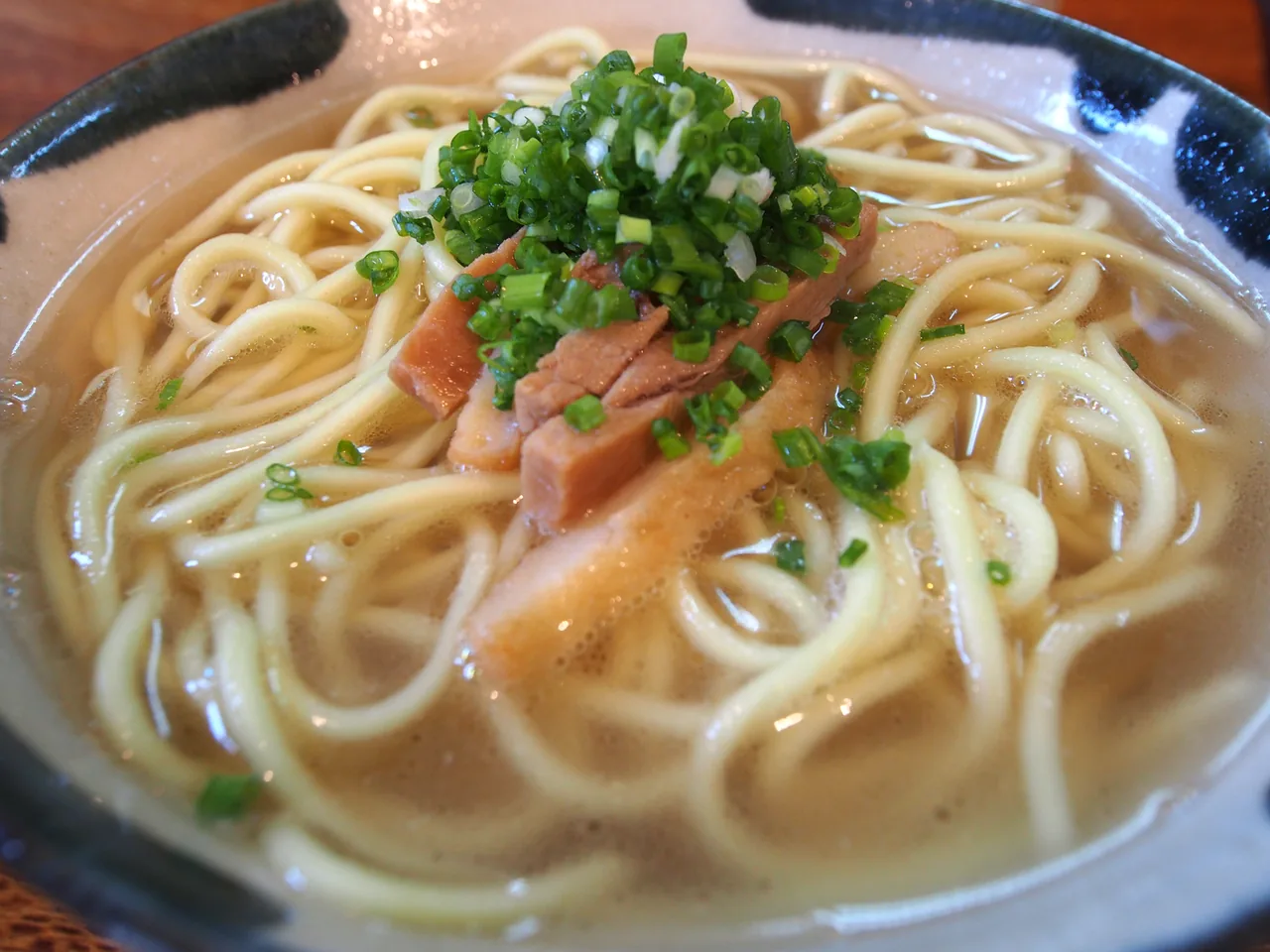
Yaeyama soba is the island noodle: a round, thin wheat noodle in a clear pork and bonito broth, served with small cubes of pork rather than the sliced belly you get on Okinawa’s main island. Soki soba, with braised spare ribs on top, is the version to order if you want the substantial one.
Beyond that, look for goya champuru, sea grapes served cold with vinegar, and awamori, the distilled rice spirit made across these islands and usually drunk with water and ice. Ishigaki’s own distilleries sell bottles that do not leave the prefecture.
Where to buy things
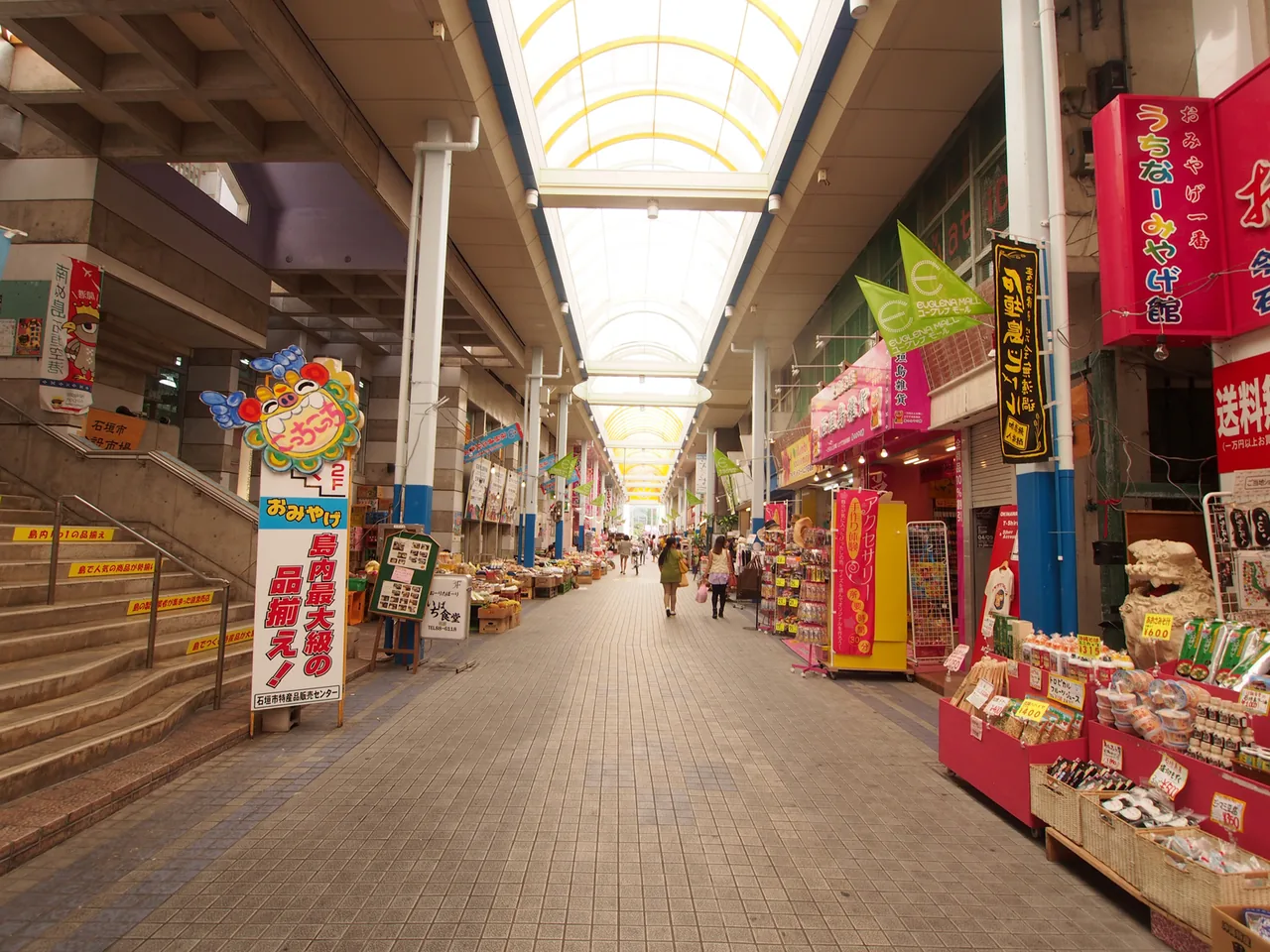
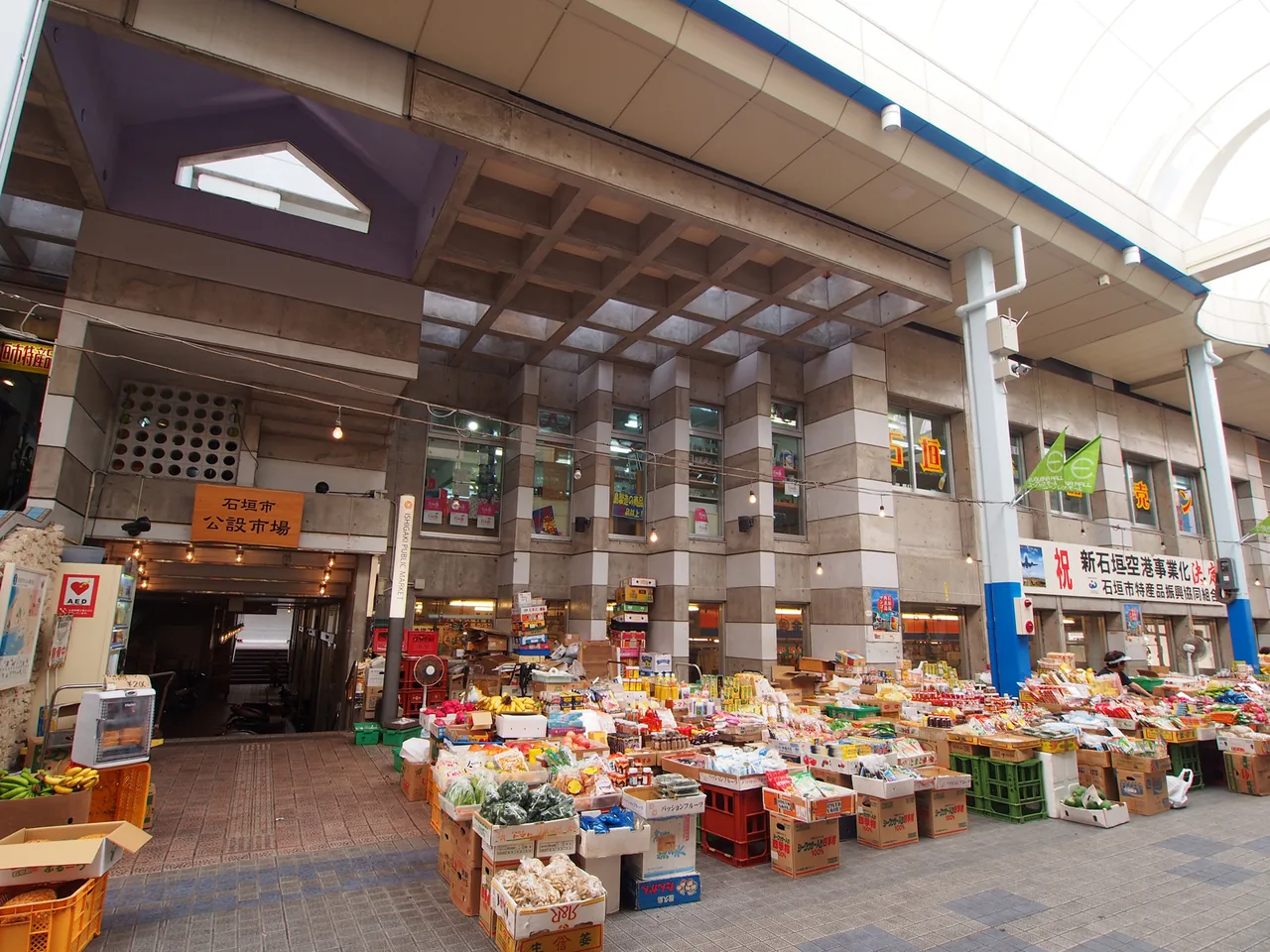
The Ishigaki Public Market in the town centre has fish, meat, awamori and produce downstairs and a food floor above. Map Around it, the covered Euglena Mall arcade is the main shopping street and the easiest place to pick up chilli oil, salt, and the beef vacuum-packed for the flight home. Map
The island festival is in early November. Ishigaki Island Festival runs over a weekend at the start of the month and fills the town with parades and stages. The tourism association also runs an evening of Yaeyama folk song and dance on a regular schedule through the year, which is a short, cheap and genuinely local thing to do on a night when the sea is closed.
13. Weather, typhoons, money and the lodging tax
Ishigaki has a subtropical oceanic climate with an annual mean temperature of 24.3 degrees, which means it never gets cold and it is warm enough to swim for most of the year. What varies is not the temperature but the wind and the rain.
| Period | What to expect |
|---|---|
| March to May | The steadiest seas of the year, comfortable heat |
| Late May to June | The rainy season, warm and wet |
| July to October | Hot, best underwater visibility, and typhoons |
| November to February | Mild but windy, north wind closes northern dive sites |
Typhoons are the thing that actually disrupts a trip here. A close pass shuts the airport, stops every ferry, closes shops and keeps buses off the road, and the island is small enough that there is nowhere to drive away from it. Hotels handle it calmly and stock water, and the airport publishes typhoon guidance of its own.
Buy travel insurance that covers weather delays, and do not book a same-day international connection. Flights out of Ishigaki resume before the backlog clears, so a cancelled afternoon often turns into two lost days rather than one.
Cash, cards and the lodging tax
Hotels, restaurants in town, rental car desks and the Ishigaki ferry counters take cards. Small island ports, some family-run places and a few of the buses do not. Carrying twenty or thirty thousand yen in cash for a four-day trip is about right, and the convenience store ATMs in town accept foreign cards.
From 1 February 2027, every property in Okinawa Prefecture, Ishigaki included, adds a lodging tax of 2 percent of the room-only rate, capped at ¥2,000 per person per night. Meals and other charges are excluded from the calculation. School trips and participants in sports or cultural competitions are exempt on production of a certificate.
Ishigaki City has separately passed its own municipal lodging tax ordinance, which will sit on top of the prefectural one when it starts. Our guide to Japan’s lodging tax tracks the rates city by city as they come into force.
Connectivity and health
Mobile coverage is good on Ishigaki and patchy on Iriomote away from the villages, which matters because ferry operators warn that card and e-money payments fail when the signal drops. The prefectural Yaeyama Hospital is the main hospital and it is about 20 minutes from the airport by taxi.
Do not dive and fly on the same schedule. With only one airport and limited flights, a diving day followed by an early flight leaves no margin. Leave a full day between your last dive and your departure, which is standard practice and easy to get wrong on a short island trip.
14. Where to stay: town, west coast or resort
There are three usable bases on Ishigaki and the right one depends entirely on whether you are taking boats or driving. If your trip is built around day trips to Taketomi and Iriomote, stay in town near the ferry terminal and nowhere else.
| Area | Suits | Trade |
|---|---|---|
| Town, near the ferry terminal | Island hopping, eating out, no car | No beach at the door |
| South-west coast | A beach and a short drive into town | Needs a car or a shuttle |
| Kabira and the north | Dark skies, diving, quiet | Far from the boats and restaurants |
The town has the widest range of prices, from small guesthouses to business hotels to the larger properties on the waterfront. It is also where the restaurants are, which matters more than it sounds: outside town, dinner often means the hotel restaurant or a drive.
The south-west coast is where the resort properties sit, close enough to reach town in fifteen or twenty minutes and with their own beaches and pools. Their shuttles run to the airport, not into town: Fusaki’s town shuttle is suspended, so plan on the Route 9 bus or a taxi before you decide against a car.
The north and the Kabira area is the quietest and the darkest, and it is the right choice if you came for diving or for the sky. It is also the furthest from everything else, and the drive back after dinner is a long one on unlit roads.
Book early for summer and for Japanese holiday weeks. Room stock on Ishigaki is finite in a way it is not on Okinawa’s main island, and Golden Week, Obon and New Year sell out months ahead. The same is true of the rental cars.
If you are combining Ishigaki with the rest of the prefecture, the Okinawa travel guide covers the main island and our guide to where to stay in Okinawa breaks it down by area. The Miyakojima guide covers the other island people pair with this one. For the wider trip, start at our Japan travel guide.
🎡Things to Do10
🏨Where to Stay6
🚇Getting Around3
🗾Japan trip essentials29
Ishigaki FAQ
Four is comfortable and three is the working minimum. Two days covers Ishigaki itself with a car, and the other days go to the boats. If you only have two days, pick Ishigaki plus Taketomi and leave Iriomote for another trip.
No. There is no scheduled passenger ship to Ishigaki from Naha, from Kyushu or from Honshu. Every arrival from within Japan is a flight, and Naha to Ishigaki takes about an hour.
Not at the moment. The Yaima Maru started sailing between Keelung and Ishigaki on 28 May 2026 and its operator suspended the route from 1 October 2026, citing cargo handling that never got established and running costs above forecast. No restart date has been announced. Tigerair Taiwan flies from both Taipei Taoyuan and Kaohsiung in the meantime.
Only for the days you explore Ishigaki itself. Buses reach the main sights but run infrequently, and a return trip to Kabira or the north can eat half a day in waiting. If your trip is only boats and town, skip the car and use the direct airport bus.
The Karry Kanko route 55 direct bus costs ¥550 for adults and ¥280 for children and runs from 08:35 until 19:05 from the airport. Azuma Bus routes 4 and 10 cost the same and sell a return ticket for ¥1,000, which is cheaper than two singles. A taxi takes about 25 minutes and costs around ¥3,500.
No. The tide runs hard through the bay and there are pearl farms in it, so swimming is not allowed. The glass-bottomed boats are how you see the water: ¥2,300 for adults, about 30 minutes, first sailing at 09:00 and last at 17:00, though bad weather often pulls the last one forward.
The five designated beaches with jellyfish nets are Maezato, Sukuji, Fusaki, Sunset Beach and the artificial beach at Painushima-cho. Yonehara has the best reef but parts of it are designated a swimming danger area and there is no permanent lifeguard, so read the current maps posted at the entrance before you get in.
Habu jellyfish are in the water from roughly May to October, and most stings happen between July and September. Inside a netted beach you are protected. Outside one, wear a rash guard or a skin suit.
Adult one way: Taketomi ¥970, Kohama ¥1,720, Kuroshima ¥1,850, Iriomote Ohara ¥2,520, Iriomote Uehara ¥3,290, Hatoma ¥3,290, Hateruma ¥4,990. Returns are slightly cheaper than two singles and stay valid for 14 days. Online booking closes at 18:00 the day before, and the terminal counter is open 06:00 to 19:00.
The northern routes stop first. Uehara on Iriomote and Hatoma are cancelled while the rest keep running, and Ohara on Iriomote’s south coast holds up much better. The operators publish a sailing status every morning, so check it before you leave the hotel and switch an Uehara plan to Ohara rather than losing the day.