
Miyakojima Travel Guide: Beaches, Bridges, Cars and Direct Flights
Miyakojima has no rivers. It is a raised coral reef, flat across its whole width, and rain soaks straight into the limestone instead of washing soil out to sea. Here are the beaches, the bridges, what there is to do in the water, the two airports and why you will need a car.
| The sea | no rivers, so it stays clear even after heavy rain. |
|---|---|
| Airports | two of them, and international flights use the one on Irabu. |
| Direct flights | Jin Air from Seoul and Busan, Starlux from Taipei and Taichung. |
| Transport | five bus routes in total, so plan on renting a car. |
| Bridges | the Irabu Bridge is the longest toll-free bridge in Japan. |
| Time needed | two days to drive the island, more if you want water days. |
1. Miyakojima has no rivers, and that is why the sea looks like it does
2. When to go
3. Getting there: there are two airports
4. Getting around: you will want a car
5. The bridges, and the island you can only reach by boat
6. The beaches are on the east and south sides
7. What there is to do in the water
8. Capes and lookout points
9. Eating on the island
10. Things to do when you are not in the sea
11. Where to stay
12. Souvenirs and shopping
13. How many days you need
14. Practical things worth knowing
15. How Miyakojima differs from the Okinawa mainland
16. Planning a first trip
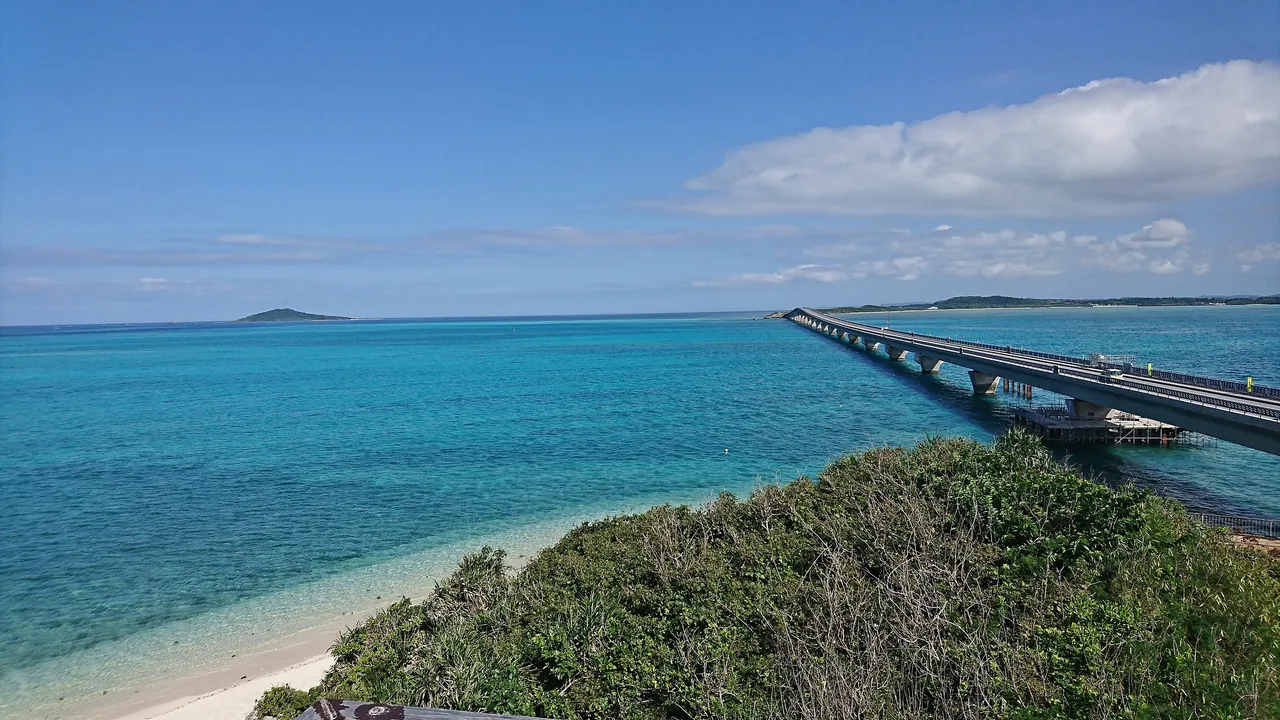
1. Miyakojima has no rivers, and that is why the sea looks like it does
There is not a single river or lake on Miyakojima. The island is a raised coral reef, flat all the way across, and the ground is Ryukyu limestone. According to the Okinawa General Bureau of the Cabinet Office, roughly 40% of the rain that falls soaks straight into it.
That is the reason the water is clear. With no rivers, no soil is carried down to the coast. It is also why the sea does not turn cloudy the day after heavy rain, which is not true of most places in Okinawa.
| Item | Detail |
|---|---|
| Area | 204.18km² |
| Terrain | Flat plateau, no mountains |
| Geology | Uplifted coral reef, Ryukyu limestone |
| Rivers and lakes | None |
| Water supply | Entirely groundwater |
The water is stored underground instead
With no rivers there is nowhere to build a dam. So Miyakojima builds walls underground and holds the water in the rock. The Sunagawa and Fukuzato subsurface dams, both in the Gusukube area, hold 20 million cubic metres between them.
These were the first subsurface dams in the world to be put into practical use. An experimental one at Minafuku came first, in the late 1970s, and the two large ones followed. Water is pumped up through wells and irrigates most of the island’s farmland.
There is a subsurface dam museum in Gusukube. Map You cannot see the dam itself, so the exhibits explain the structure with models and panels.
No hills means the sea is visible almost everywhere
Nothing on the island is high. Lookout points sit at modest elevations, but nothing blocks the view seaward. Driving across the island you get long stretches with sugar cane on both sides and open water beyond.
About half the island’s surface is farmland, mostly sugar cane and mango. In summer you will pass roadside stalls selling mangoes on almost any route.
Flat ground makes the driving easy
No hills means no mountain roads. The whole island is gentle, which takes a lot of stress out of driving on the left if you are not used to it. The road layout is close to a grid, so keeping your bearings is straightforward.
The downside is shade. There is very little of it, and a car parked in summer heats up fast. Finding a shaded space is often not an option.
Water was the island’s oldest problem
Having no rivers was a serious difficulty for the people who lived here. Water was carried up from caves where groundwater surfaced, and from springs at the base of coastal cliffs, and that work fell mainly to women. The town did not get its first communal tap until the middle of the twentieth century.
The subsurface dams are how that was solved. To a visitor this is just a clear sea. On the island, holding on to water was the question that took decades to answer. The other island people compare this one with is covered in our Ishigaki Island guide.
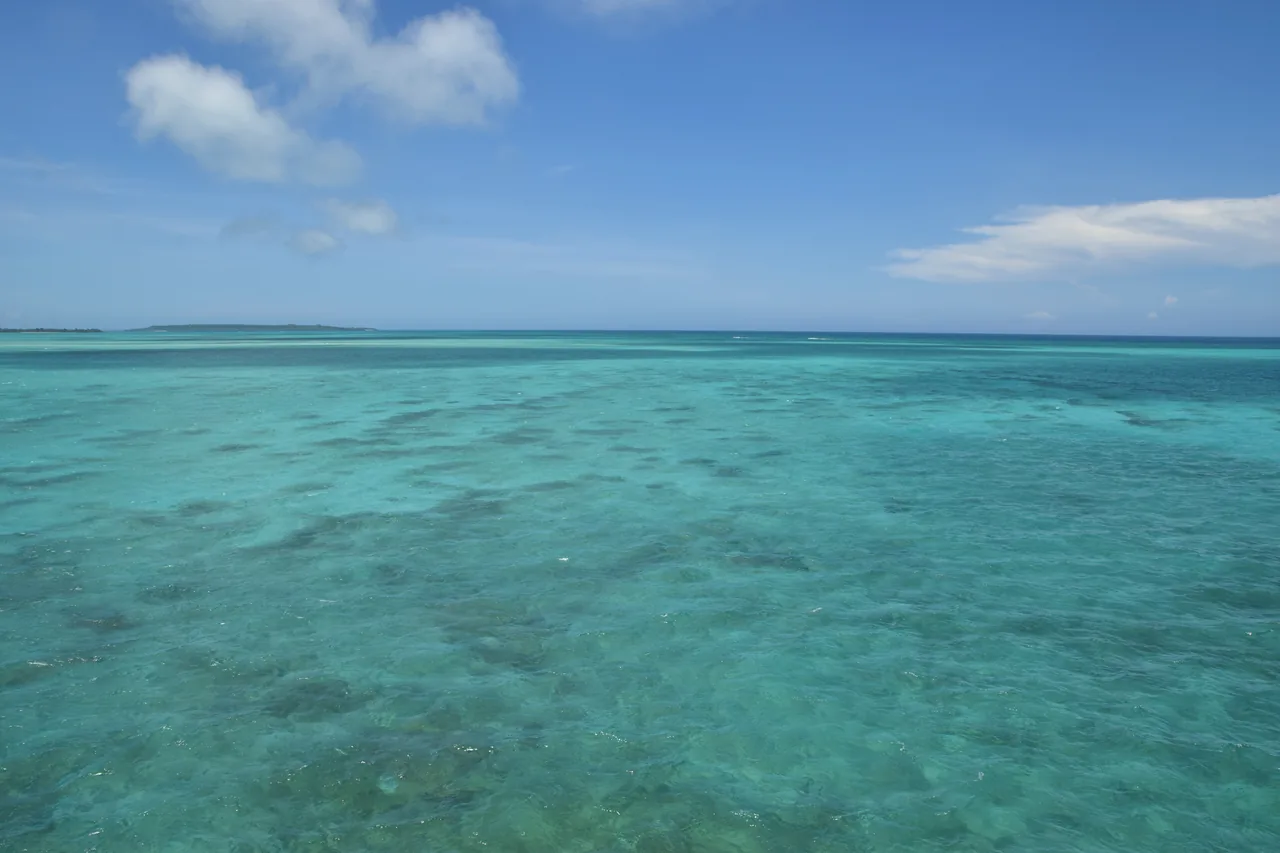
2. When to go
Miyakojima is warm through the winter, but the wind is the thing to plan around. Even in the coldest month the average is 18.3C and the low sits at 16.3C. Clothing is not the issue. A strong northeasterly is, because it makes the sea unusable.
Summer is less extreme than you might expect. The hottest month peaks at 31.7C, below what mainland Japanese cities reach. Humidity and sun are what you notice rather than the temperature.
| Period | Temperature | Sea | Character |
|---|---|---|---|
| March to May | 20 to 25C | Swimmable | Calmest winds of the year |
| June to August | 28 to 29C | Best | Strong sun, busiest |
| September to October | 25 to 28C | Typhoon dependent | Wettest months |
| November to February | 18 to 23C | Rough | Quiet, international flights pause |
Look at the wind before the temperature
May has the lightest winds of the year; October and December the strongest. Winter brings a persistent north-northeasterly, and in summer it swings round to the south.
Wind decides whether boats run. Snorkelling trips and the boats out to Yabiji are cancelled when it blows. If your trip is built around getting in the water in winter, check this first.
Humidity stays high all year
The island is humid in every month, peaking in early summer and easing in midwinter. That is why the same temperature feels warmer here than on the mainland.
Laundry dries slowly and camera lenses fog when you step out of air conditioning. It is worth knowing if you are carrying equipment.
The rain comes in late summer and early autumn
Annual rainfall is over 2,000mm. September is the wettest month and August is close behind, which is also when typhoons pass. Flights, boats and airport buses can all stop together.
February is driest, but it is also windy with short hours of daylight. Summer gets close to three times the sunshine hours that winter does. Our guide to typhoon season in Japan covers what to check when one is approaching.
Winter closes some of the ways in
The international and domestic services at Shimojishima Airport run from spring to autumn only. In winter you come through Miyako Airport, which from Korea or Taiwan means connecting at Naha.
In exchange, the island is quiet and rooms are easy. If your plan is to drive around and look at things rather than swim, winter works perfectly well. On temperature alone it reads like spring. For how the seasons work across the country, see the best time to visit Japan.
The temperature is workable year round. If you intend to get in the water, the wind forecast tells you more than the thermometer does.
3. Getting there: there are two airports
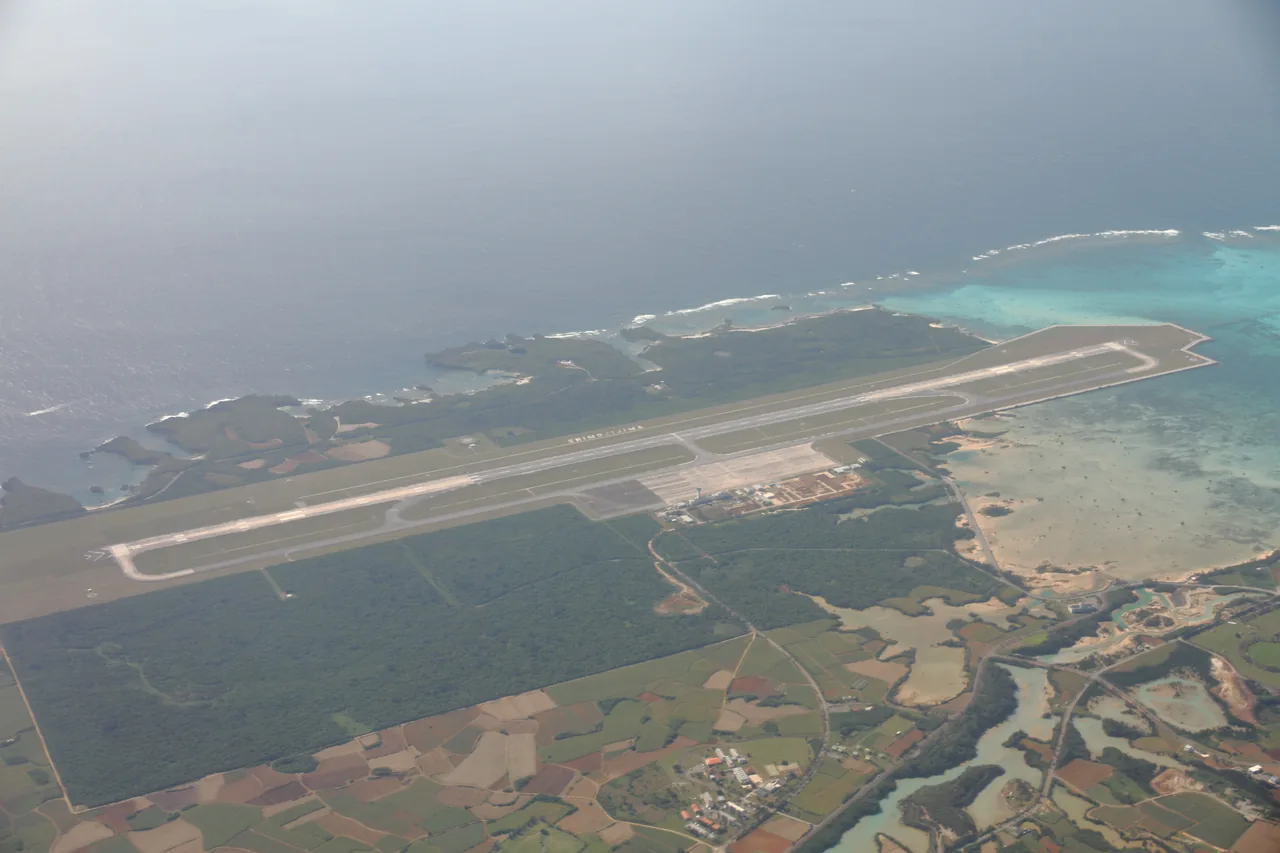
Miyakojima has two airports, and every international flight uses the smaller one. Miyako Airport is near the middle of the island. Miyako Shimojishima Airport is at the western end of Irabu, across the bridge.
Direct flights from Korea and Taiwan all land at Shimojishima. Miyako Airport has no international services at all.
| From | Airline | Days | Arrives |
|---|---|---|---|
| Seoul Incheon | Jin Air | Daily | Shimojishima 11:00 |
| Busan | Jin Air | Thu, Sun | Shimojishima 17:00 |
| Taipei Taoyuan | Starlux | Varies by period | Shimojishima 13:00 |
| Taichung | Starlux | Mon, Wed, Fri, Sun | Shimojishima 09:40 |
The Korean routes are recent
Jin Air operates both Korean routes and is the only carrier on either. Incheon runs daily, leaving in the morning and landing around lunchtime, so your first day stays usable. Busan runs twice a week and lands in the evening, which shortens it.
The Busan route was the first direct link to Miyakojima from southeastern Korea. Before it opened, everyone from that part of the country connected through Naha or Incheon.
Starlux flies from two Taiwanese cities
Taipei Taoyuan and Taichung both have direct services into Shimojishima. Taichung runs Monday, Wednesday, Friday and Sunday, with an extra Saturday service added in the summer. The Taipei pattern changes from period to period, so check the schedule for your dates rather than assuming.
There is a one-hour time difference between Miyakojima and Taiwan, with Miyakojima ahead. The timetables show local time at each end, so subtracting one figure from the other gives you the wrong flight duration.
In winter you connect through Naha
Everything at Shimojishima runs seasonally. Outside that window you fly to Naha and take a domestic flight on from there, which takes under an hour.
If you were going to see the Okinawa mainland anyway, that routing is the natural one. Our Okinawa guide covers what to do with the days at that end.
Domestic flights use Miyako Airport
Services from Tokyo and Osaka land at Miyako Airport. Skymark also flies into Shimojishima from Haneda, Kobe, Fukuoka and Naha, but only within the seasonal window, and the Fukuoka service starts later in the year than the others.
International flights land at Shimojishima, on Irabu island. Knowing which airport you arrive at is what stops your first day going sideways.
Miyako Airport is right next to Hirara town, Map so transfers from it are short whichever area you are staying in. Shimojishima means crossing the bridge, which makes the first day longer. It is worth choosing your accommodation with your arrival airport in mind.
4. Getting around: you will want a car
Miyakojima runs on rental cars. On the tourism association’s own list of transport operators, car hire firms outnumber everything else by a wide margin, and only a handful of companies run buses.
There are five scheduled bus routes and they are not frequent. Building a sightseeing itinerary around them is not realistic.
| Option | Reality |
|---|---|
| Rental car | By far the most operators; this is the default |
| Taxi | Available, but few |
| Scheduled bus | Five routes, infrequent |
| Airport bus | One service per flight, not a timetable |
In high season the cars go before the rooms
Summer demand concentrates on car hire because the island gives you no alternative, and the supply of vehicles does not grow to match.
Book the car when you book the flight. Holding a room with no car changes the whole shape of the trip. Our guide to renting a car in Okinawa covers the permit paperwork you need to bring with you.
If you drink at dinner, you are not driving
Japan enforces drink-driving law strictly, and on an island you cross by car that has consequences. Designated-driver services are not something you can rely on here.
Which means where you sleep decides how your evenings work. Only some areas let you walk to dinner. Our guide to where to stay in Miyakojima goes through this area by area.
The airport bus is attached to your flight
At Shimojishima, one bus is assigned to each arriving flight rather than running to a clock. From Incheon it departs at 12:00, from Busan at 18:00, and from Taipei or Taichung at 10:40. The adult fare is 800 yen, or 600 yen as far as Hirara Port.
Miss it and there is no next one. If your flight is cancelled the bus is cancelled with it.
The roads themselves are easy
Flat ground, simple layout, few traffic lights and light traffic. The one thing to watch is the narrow lanes between cane fields, where the crop grows high enough to block your view at junctions.
You cannot stop on any of the three bridges. Map Each has parking at both ends, so pull in there and walk back out if you want photographs.
Fuel and shops thin out fast
Petrol stations cluster around Hirara. If you are returning a car full, fill up near the town or the airport rather than assuming you will find something on the way.
The same applies to convenience stores. Driving the east or north of the island, carry water with you rather than expecting to buy it.
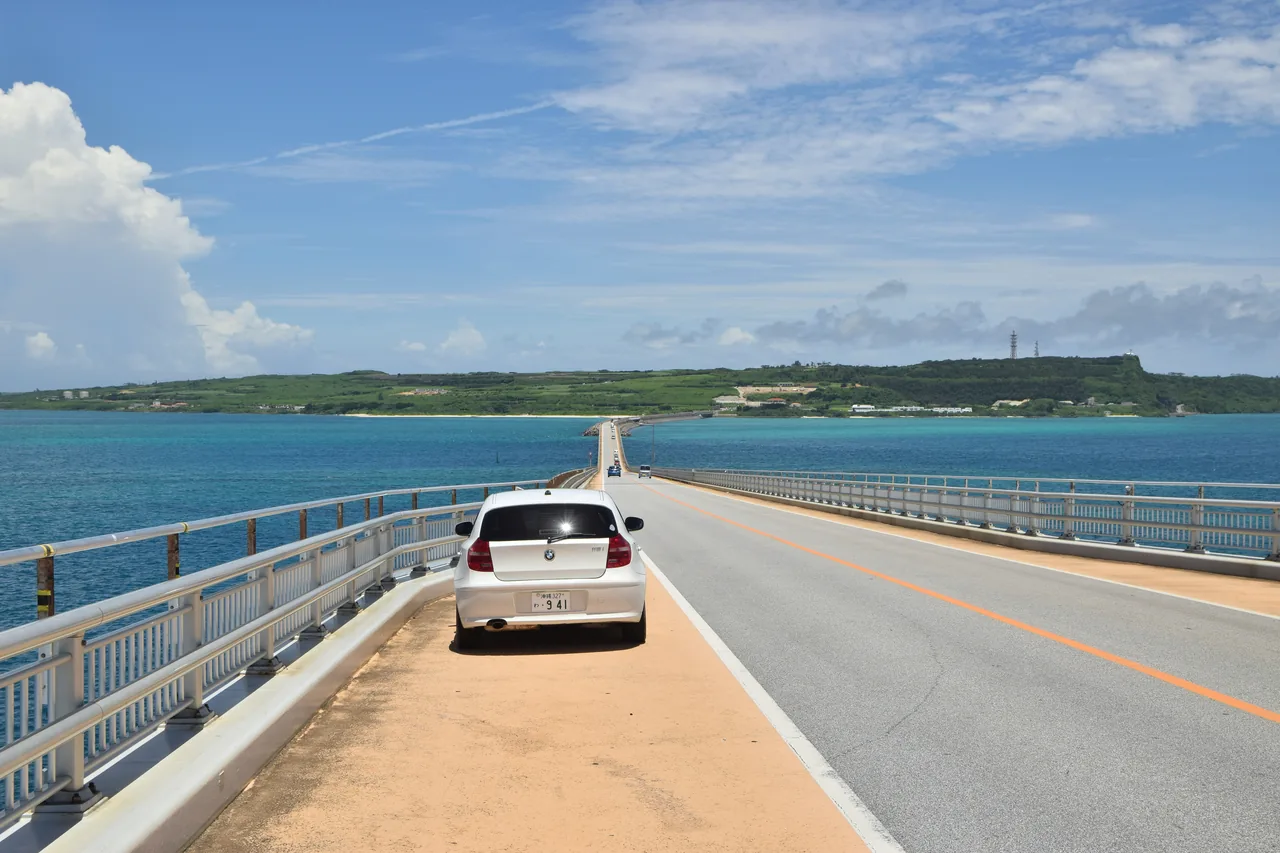
5. The bridges, and the island you can only reach by boat
Three of the islands around Miyakojima are connected by bridge, and one is not. None of the bridges charges a toll.
| Bridge | Connects | Length |
|---|---|---|
| Irabu Bridge | Irabu island, and on to Shimojishima | 3,540m |
| Kurima Bridge | Kurima island | 1,690m |
| Ikema Bridge | Ikema island | 1,425m |
The Irabu Bridge is the longest toll-free bridge in Japan
It runs 3,540m from the Hirara Port side across to Irabu. It forms part of an Okinawa prefectural road, and once across, the road continues to Shimojishima Airport. Map
There is a gentle rise and fall built into the middle of it, so the water appears at different heights as you drive. Both ends have parking, which is where you stop if you want to walk out onto it.
Kurima has a lookout tower
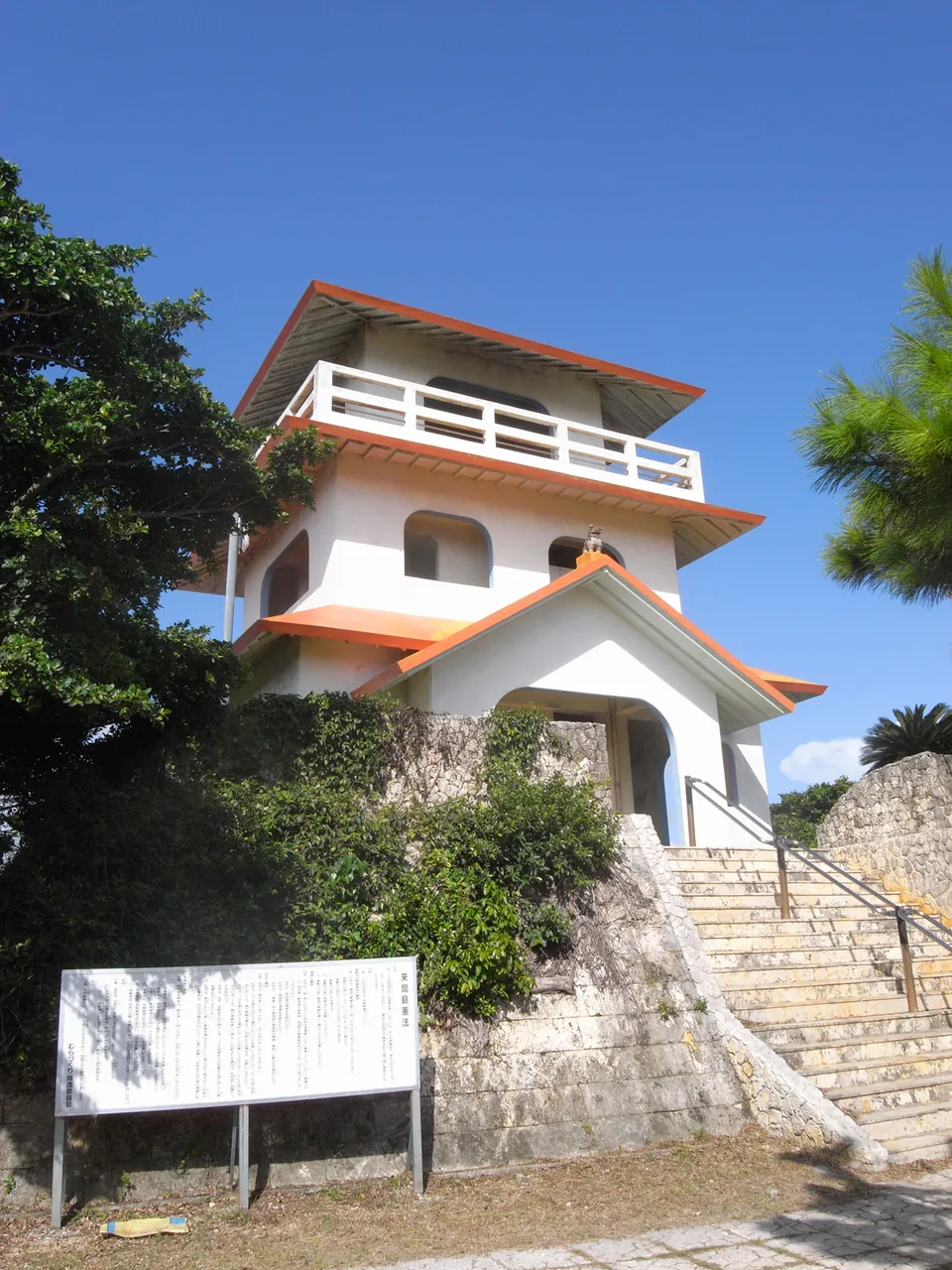
Cross the Kurima Bridge and you are on a small island with the Ryugujo lookout on it. Map From the top you see Maehama beach and the bridge together.
Nagamahama is on the far side of the same island, Map a quieter beach with little in the way of facilities. Driving right around Kurima takes very little time.
Ikema is the northern tip
The Ikema Bridge takes you across to Ikema island, Map with a viewing facility beside it that looks back along the bridge. The island itself has wetland and a lighthouse.
Boats out to Yabiji leave from near here, so anything you do in the northern waters tends to start in this corner of the island.
All three are free to cross
No tolls on any of them. The Irabu Bridge is prefectural road; the Kurima Bridge was originally built as a farm road, which is how it came to be the longest of its type in Japan when it opened.
Driving all three in one day is possible but inefficient, because Irabu and Ikema sit at opposite ends. Splitting them across two days keeps the driving down.
Ogami island is boat-only
One island has no bridge. Ogami is reached by boat from Hirara Port, Map and it is small with almost no facilities.
The sailings are fixed, so a visit shapes your whole day around them. There are a number of places on the island that the community holds sacred and that visitors should not enter. Look for the signs and stay out of anything marked.
6. The beaches are on the east and south sides
The tourism association lists eleven beaches, concentrated in Gusukube, Shimoji and Irabu. Hirara, where the town is, has exactly one.
They differ a great deal from each other. Some have facilities, some have nothing but a car park. Some are places to snorkel and others are places to look at.
| Beach | Area | Character |
|---|---|---|
| Maehama | Shimoji | The best known; very fine sand |
| Yoshino Coast | Gusukube | Known for snorkelling |
| Aragusuku Coast | Gusukube | Coral close to shore |
| Imgya Marine Garden | Gusukube | A sheltered inlet, calm water |
| Boragaa | Gusukube | Cave tours depart here |
| Sunayama | North | A rock arch over the sand |
| Toguchi-no-hama | Irabu | A long stretch of sand |
| Sawada-no-hama | Irabu | Rock uncovers at low tide |
| Nagamahama | Shimoji (Kurima) | Few people |
| Shigira | Ueno | Inside the resort |
| Painagama | Hirara | Walkable from town |
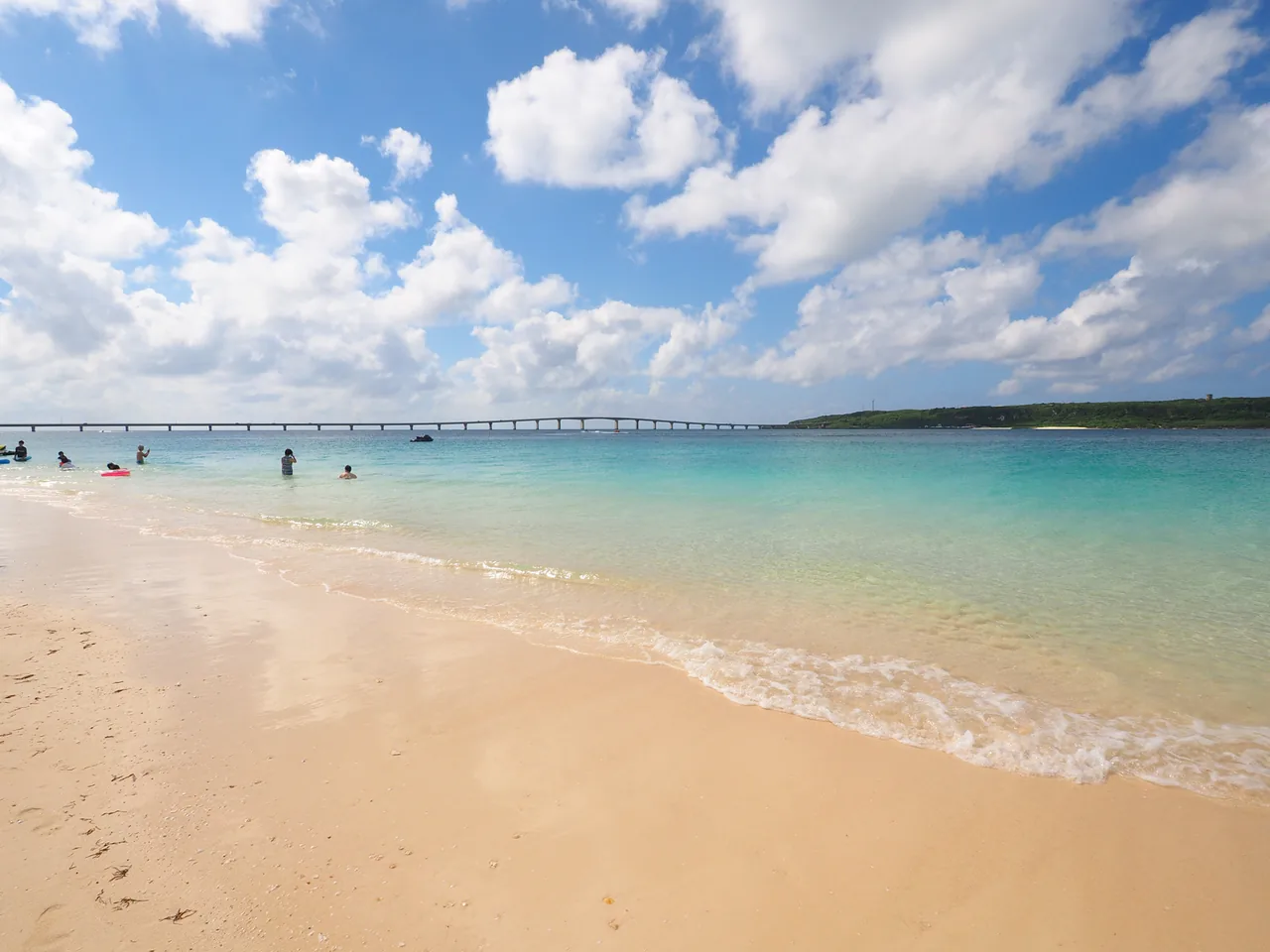
Maehama is the one everyone knows
Fine sand, a long shoreline, and the Tokyu Hotel standing directly behind it, which makes walking out of your room and into the sea a real option. Map
The Kurima Bridge is visible across the water, with nothing in between, which is why so many photographs are taken from this stretch of sand.
Snorkelling happens on the east coast
Yoshino Coast and Aragusuku Coast Map are the two known for being able to see coral and fish from close to shore, walking in rather than taking a boat. Aragusuku is the next bay along. Map
Currents do run on some days. Follow local advice, and if there is a flag or a sign, stay out. Equipment hire is available at some of these beaches and not at others, so do not count on it.
Facilities vary a lot from beach to beach
Some have toilets and parking; some have nothing. Showers are rarer than toilets. The association’s pages list facilities for some beaches and not for others, so it is worth checking before you drive out.
Very few beaches have lifeguards on duty. If you are getting in with children, look at the conditions rather than assuming somebody is watching.
Imgya Marine Garden is the calm one
It sits in a sheltered inlet in Gusukube, so the water stays flat when other beaches are choppy. That makes it the easier option with small children. There are walking paths and viewpoints around it.
Boragaa, also in Gusukube, is a different proposition. The cave tours leave from there, so people arrive for the trip rather than the beach.
Sunayama involves a climb
From the car park you walk over a sand dune to reach it. On the far side there is a large arch worn through the rock with the sea behind it.
The sand underfoot makes it awkward with a lot of gear. Wear something on your feet rather than carrying flip-flops over the dune.
Sawada-no-hama changes with the tide
On the west side of Irabu, Map it uncovers a wide field of rock as the water drops, so it looks entirely different depending on when you arrive.
Toguchi-no-hama, Map on the same island, is the opposite: a long clean stretch of sand facing the sunset. Staying on Irabu lets you take one in the morning and the other in the evening.
Some have toilets and parking and some have nothing at all, and lifeguards are rare. Read the signs at the entrance before you get in.
7. What there is to do in the water
Water activities on Miyakojima come down to snorkelling, diving, paddling and the cave tours. Those four dominate the association’s activity listings.
There is a real difference between what you can walk into from a beach and what needs a boat. Anything that needs a boat is at the mercy of the wind.
Yabiji can only be reached by boat
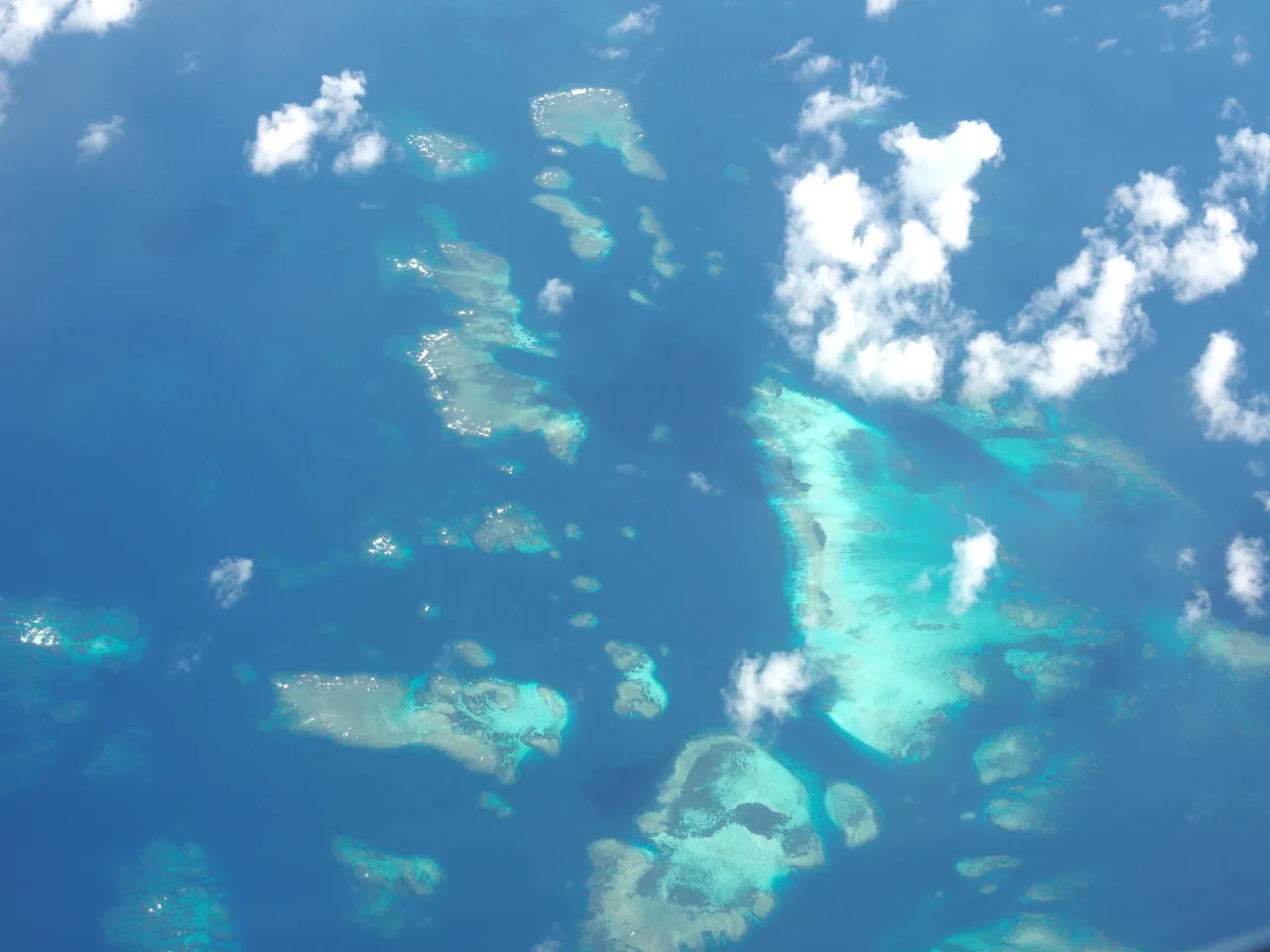
Yabiji is a large reef system in the sea north of Ikema island. It sits underwater most of the time, and only on the few days a year when the tide drops far enough does part of it surface. On those days boats run out and you can walk on the reef.
The dates are fixed by the tides and there are only a handful of them, so if that is what you have come for, build the trip around those dates rather than the other way round. Snorkelling and diving trips around Yabiji run at other times of the year regardless.
The cave tours go in by kayak
The Pumpkin Hole tour leaves from Boragaa beach in Gusukube. You travel by boat and kayak and then go inside a cave with stalactites in it. Limestone geology is what produces caves like this.
Entry timing is dictated by the tide, so the departure time changes from day to day. Check the time for your date when you book. Map
Diving here is about the terrain
Miyakojima’s reputation among divers rests on rock formations more than on coral. Water has cut arches, tunnels and chimneys through the limestone, and the best known of these sit off the coast of Irabu.
The association lists several dive operators. Some accommodation runs diving as part of the business, so if the water is the point of your trip, choosing your hotel for that is a reasonable approach.
Kayaking and SUP happen in the sheltered spots
Kayak and stand-up paddle trips are on the activity list too, and they mostly run in sheltered inlets or in the mangroves rather than on open water.
The mangroves at Shimajiri and Upukaa are where the kayak trips go. On a windy day those can still run when the sea trips cannot, which makes them a useful fallback.
Equipment: hire it or bring it
Joining an operator’s programme includes the gear. Renting separately at a beach works in some places but not all, because not every beach has a hire point.
If you only want to snorkel, bringing a mask is simpler. Bring something for your feet too, because standing on coral hurts you and damages the coral.
Some days nothing goes out
Wind cancels trips. In winter the northeasterly makes cancellations common, and in summer an approaching typhoon can stop everything for days.
If the water is the core of your trip, leave slack in the schedule. Booking a single day for it means you may not get out at all.
You can see the reef without getting wet
Miyakojima Marine Park, in the north, Map is built into the water with windows below the surface. It is useful if you do not swim or are travelling with small children.
Visibility depends on the sea state. On a windy day the water through the glass is not clear.
Water trips are cancelled when it blows. Check the day before, and keep a spare day at the back of the trip.
8. Capes and lookout points
The association files more than twenty places as scenic spots or lookouts, and nearly all of them are outside the town. Neither Hirara nor Ueno has a single listed lookout point.
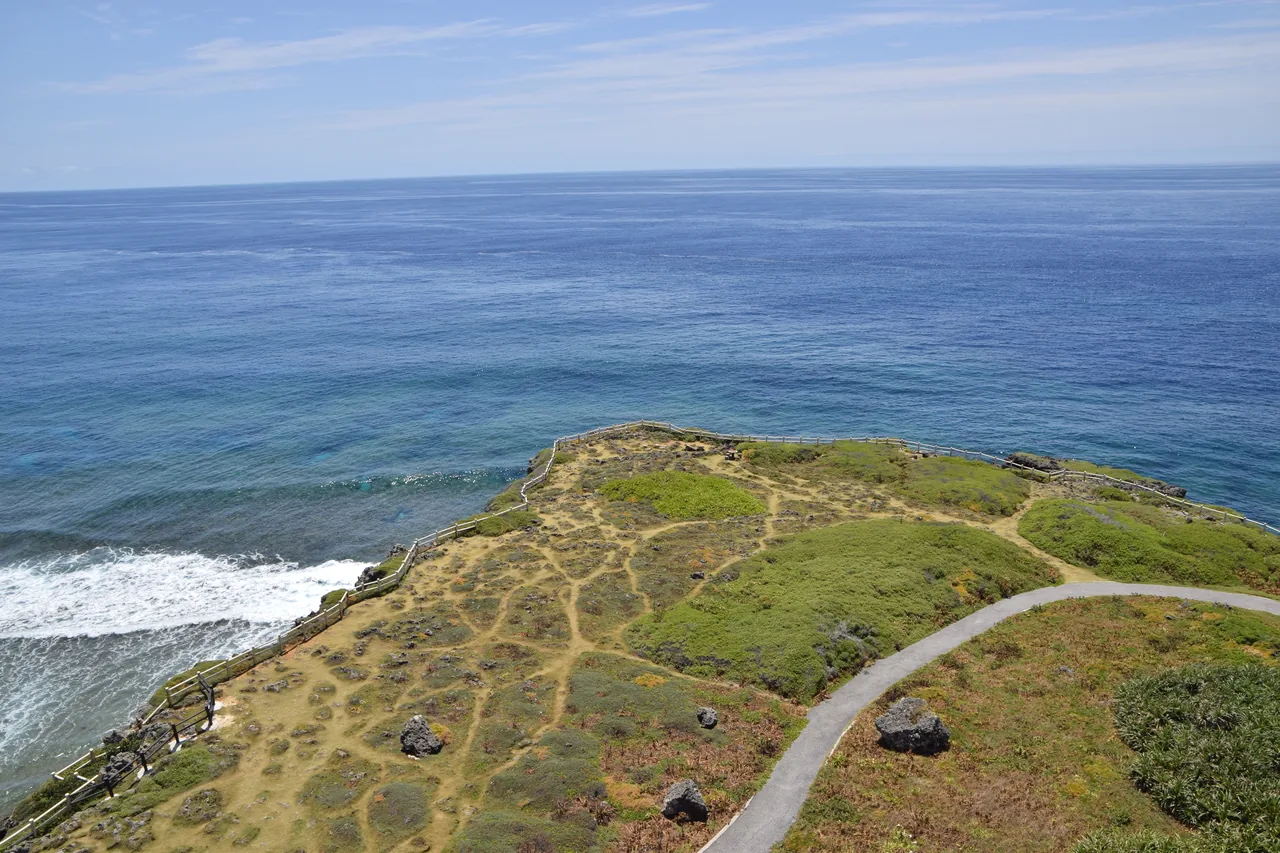
With no high ground, none of them is far above sea level. What they have instead is an uninterrupted line of sight out to sea.
Higashi Henna-zaki is the eastern point
A long cape reaching out into the sea with a lighthouse at the end. There is a walking path from the car park, and water on both sides of you the whole way. Map
It is always windy. In winter there are days when walking out to the end is genuinely hard work, and a loose hat will not survive the trip.
Nishi Henna-zaki is at the opposite end
A cape running out to the northwest. Map The names are similar but the two are on opposite sides of the island and feel quite different. From this one you look across at the Ikema Bridge and a line of wind turbines.
Doing both in one day means crossing the island twice. Splitting them between two days makes more sense.
Irabu has the densest cluster of viewpoints
The Makiyama lookout and Funausagi Banata are both on Irabu. Map From Makiyama you see the Irabu Bridge and the main island; Funausagi Banata is a clifftop looking straight down at the water.
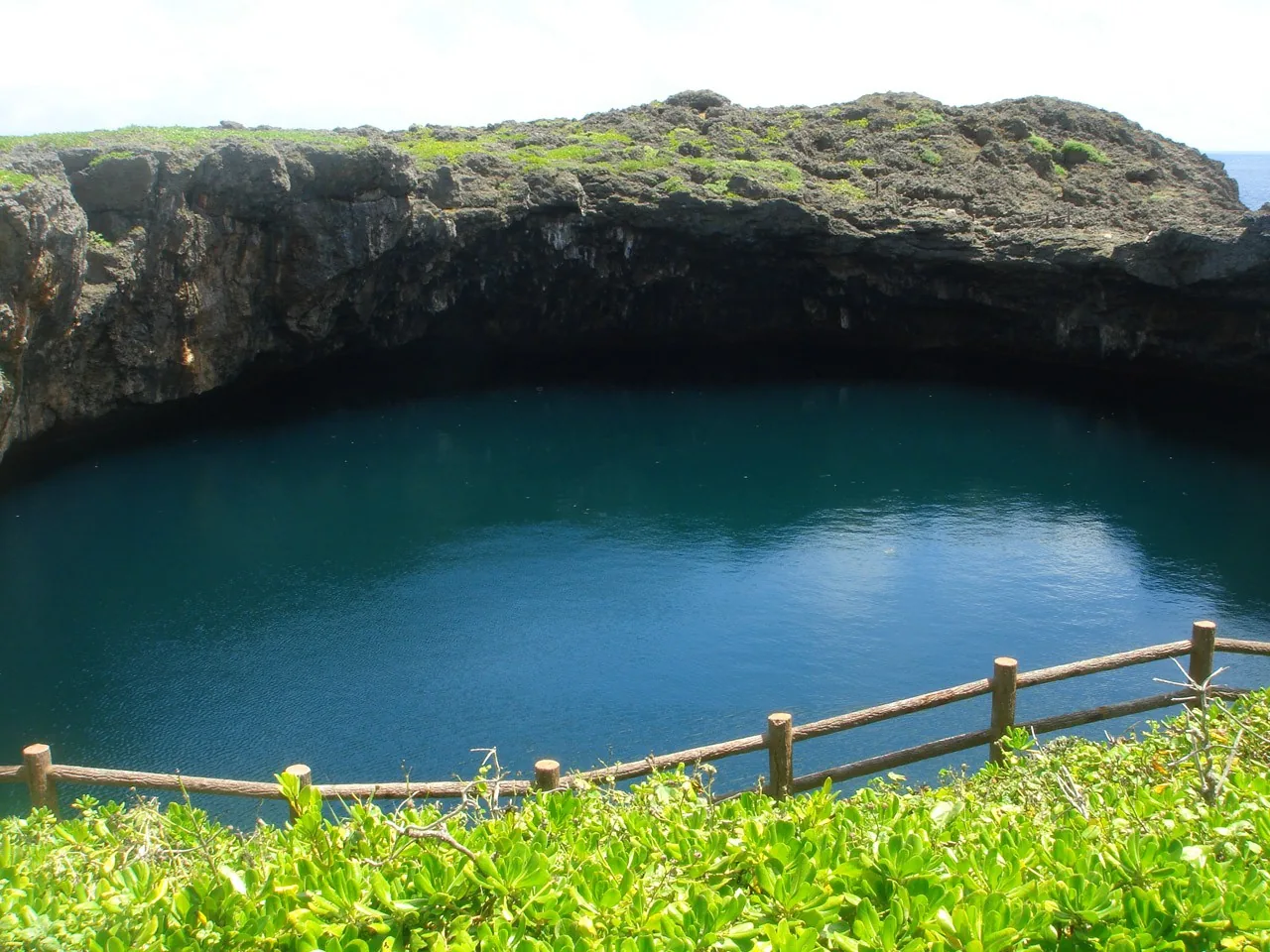
Toriike is on the same island. It is a pair of pools, deep blue, connected to the open sea underground.
Toriike has water a different colour from everything else
From the surface the pools look like ponds surrounded by woodland. They are connected to the sea through the rock, so seawater moves in and out and the colour is much deeper than a pond should be.
There is a viewing point a short walk from the car park. Divers use it as an entry point, so you may see people surfacing while you are standing there.
The Ryugujo lookout is on Kurima
You reach it by crossing the Kurima Bridge and driving up. Maehama beach and the bridge fit into one frame from the top. It is a built tower, so there are stairs.
The Upukaa mangrove is nearby. Mangroves on an island with no rivers sounds unlikely, but there are a few patches, and there is another at Shimajiri in the north.
9. Eating on the island
Food on Miyakojima divides into Miyako soba, Okinawan cooking and what comes out of the sea. The restaurants are concentrated in Hirara town and Ueno.
The other four areas have almost nothing. If you are driving the east or north of the island and you miss a mealtime, you will struggle, so build that into your route.
Miyako soba is not quite Okinawa soba
The noodles are similar, but Miyako soba traditionally hides the toppings underneath the noodles rather than arranging them on top. Plenty of places now serve it the conventional way.
The shops the association tags for it are in Hirara and Ueno. Aparagi Hime 63 serves it alongside other local cooking.
Only two areas serve drinks in the evening
Everything the association tags as an izakaya, a bar or a night spot is in Hirara town or Ueno. The other four areas have none at all.
In Hirara that means places like Ryukyu Kappo Faimiru and Super Star out in the town; in Ueno it means The Shigira Lounge and Funky Flamingo inside the resort. On an island you drive around, planning an evening drink means choosing where you sleep accordingly.
Breakfast is a separate category
The association tags morning openings separately, and those are in Hirara and Ueno with a few on Irabu. If your accommodation does not include breakfast, that is where to look.
Cafés split the same way. The Surf Seaside Scene Miyakojima on Irabu is one of the ones positioned to look at the water.
Mango and sugar cane are the island’s crops
Half the island’s area is farmland, mostly cane and mango. In summer roadside stalls sell mangoes almost everywhere.
Utopia Farm Miyakojima in Ueno and Maipari Miyakojima Tropical Fruit Garden in Shimoji both grow tropical fruit and are set up for visitors.
Salt is what people take home
The Yukishio Museum in the north Map makes salt from the island’s groundwater, and you can see the plant while you are there. It is one of the standard souvenir stops.
Sweets and baked goods are better bought in Hirara. Monte Doll and Miyakojima Gift are both in town, and the range there beats the airport.
Restaurants cluster in Hirara and Ueno. Driving the east or the north, carry food with you rather than hoping.
10. Things to do when you are not in the sea
Some days the wind or the rain will keep you out of the water. What there is to do instead is concentrated in Hirara town and Ueno.
The association’s activity listings include workshops, golf and farms alongside the water sports, so a washed-out day is not a lost one.
| Place | Area |
|---|---|
| Miyakojima City Museum | Hirara |
| Tropical botanical garden | Hirara |
| Traditional crafts centre | Hirara |
| Ueno German Culture Village | Ueno |
| Utopia Farm Miyakojima | Ueno |
| Maipari Tropical Fruit Garden | Shimoji |
| Miyakojima Marine Park | North |
| Yukishio Museum | North |
| Subsurface dam museum | Gusukube |
The museum is in town
Miyakojima City Museum Map covers the island’s history and daily life, including the Ryukyu Kingdom period and the long problem of finding water. It is in Hirara, so you are not driving far for it.
The botanical garden and the crafts centre are close by. Miyako jofu, a woven textile, has been made on this island for centuries, and the crafts centre shows how.
The German village has an actual reason to exist
The name sounds arbitrary until you know the story. Map A German merchant ship was wrecked off this coast in the nineteenth century and islanders rescued the crew. The facility in Ueno commemorates that.
Utopia Farm Miyakojima is in the same area, with a bougainvillea greenhouse and tropical fruit. Both work well with children on a day you cannot swim.
There are golf courses
Golf appears on the activity list. Emerald Coast Golf Links in Shimoji and Ocean Links Miyakojima in Gusukube are two of them.
The courses run along the coast, so wind is a permanent factor. The temperature allows year-round play; the wind is what you are actually negotiating.
Workshops run whatever the weather
Several operators are filed under making things. GuruGuruGlass in Shimoji works with glass, and there are craft workshops on the Hirara side too.
These are among the few activities you can book on a wet day. If a boat trip gets cancelled, this is what you swap it for.
Craft workshops run whatever the weather, which makes them the natural swap for a cancelled boat trip.
11. Where to stay
The tourism association divides the island into six areas and files accommodation under them. Half the properties are in Hirara town and the rest spread across the other five.
| Area | What it is | Dinner |
|---|---|---|
| Hirara town | The most rooms | Walk to it |
| Ueno | A resort complex | On the property |
| Irabu | The international airport | Nowhere to drink |
| Shimoji | Maehama beach | Almost no restaurants |
| The north | Whole-house rentals | Cook for yourself |
| Gusukube | The most beaches | Almost no restaurants |
Hirara is both the town and the luxury
Nearly all the business hotels are here, which sets the practical floor on price, and so are Rosewood Miyakojima and Hilton Okinawa Miyako Island Resort at the other end of the market.
Splitting the island into town versus resort does not work. The widest price range on Miyakojima is inside Hirara itself.
The resort complex is in Ueno
Shigira accounts for most of the Ueno listings. Several properties at different price levels share one estate, with a beach, restaurants and an onsen inside it.
Hot springs are not common in Okinawa. Shigira Ogon Onsen is one of the few, which is a reason people choose this area specifically.
The type of property tracks the area
Business hotels are almost exclusively in Hirara, whole-house rentals cluster in the north, and the island’s one glamping site is in Shimoji.
Deciding what kind of place you want therefore narrows the area for you. Resort hotels are the exception, because they turn up in all six.
A night near the airport can make sense
Landing at Shimojishima in the evening, staying on Irabu for the first night and crossing in the morning saves a drive in the dark. The Busan arrival in particular lands late enough for this to be worth doing.
Our guide to where to stay in Miyakojima goes through all six areas with the property names and how dinner works in each.
An accommodation tax starts in 2027
Miyakojima City begins charging on 1 February 2027, at 2.0% of the room rate with a cap of 2,000 yen per person per night. Stays before that are not taxed.
The whole of Okinawa Prefecture starts on the same day, so a trip combining the mainland is affected identically. See our guide to the Japanese accommodation tax for the city-by-city position.
Only Hirara and Ueno have places that serve drinks in the evening. In the other four areas you eat where you sleep.
12. Souvenirs and shopping
What people take home from Miyakojima is salt, sweets and awamori. They are sold in Hirara town, at the airport, and at the Yukishio Museum in the north.
The association lists more souvenir shops in Hirara than anywhere else. The airport sells the same things in a narrower range.
Yukishio is made from the island’s groundwater
The Yukishio Museum in the north produces and sells it, and you can see the plant. With no rivers, all the water here is groundwater, and that is what the salt is made from.
It is sold as salt and worked into sweets and seasonings as well. It is light, which makes it an easy thing to carry back.
Buy sweets in town rather than at the airport
Monte Doll is a long-established confectioner in Hirara, best known for a banana-flavoured sweet. Miyakojima Gift is in the same part of town.
The airport shops carry a limited selection. If you have time, look in town; if you do not, the airport will cover it.
Mango is seasonal
Mangoes appear only in summer, sold at roadside stalls and at the farms. They need refrigeration and the import rules differ by country, so check before you plan to carry any home.
Processed products are available year round, as sweets and preserves, and they travel without any of that difficulty.
Awamori is distilled here too
Awamori, the Okinawan distilled spirit, is produced on Miyakojima as well as on the mainland. There are distilleries on the island and the shops in town stock their output.
It is strong, so check your carry-on and checked baggage rules. Smaller bottles are sold for exactly this reason.
Salt and processed mango carry home without trouble. Fresh mango needs refrigeration and clears customs differently by country.
13. How many days you need
Two days is enough to drive the whole island. Add anything in the water and three becomes the comfortable minimum, because wind will take a day out of your schedule sooner or later.
| Length | What fits |
|---|---|
| 3 days | The three bridges, several beaches, the capes |
| 4 days | Plus a full day of snorkelling or diving |
| 5 days or more | Yabiji or the cave tour, and Ogami island |
A three-day trip looks like this
Day one is dictated by your arrival. From Incheon you land around midday and can take in Irabu on the way to your hotel. From Busan you land in the evening and go straight there.
Day two covers the east: Higashi Henna-zaki and the Gusukube beaches are all in the same direction. Day three takes in Maehama and Kurima in the morning before your flight.
With four days, one goes in the water
A fourth night lets you commit a whole day to the sea. Most snorkelling and diving programmes run half a day, so you go out in the morning and take a beach in the afternoon.
That leaves two days to split between the east side and Irabu, which is comfortable. Only the last day needs shaping around which airport you fly out of.
Put the water days early
Boat trips get cancelled for wind. Scheduling one for your final day means that if it is cancelled you have lost it.
Put it near the front and leave a day open at the back to absorb the slip. The later in the year you travel, the more this matters.
Combining with the Okinawa mainland
Routing through Naha lets you do both. Naha to Miyako is under an hour on a domestic flight.
In winter you are connecting at Naha anyway because the international services pause, so a few days on the mainland followed by Miyakojima is the natural shape. See our Okinawa guide for that end of the trip.
Ishigaki is harder to combine than it looks
Ishigaki, in the Yaeyama group, appears close on a map but there is no scheduled ferry between the two. Doing both means connecting through Naha or entering each separately.
Planning on map distance alone will not work here. If you had both in mind, settle the transport question before anything else.
Driving the whole island takes two days. Add a third if you want a day in the water.
14. Practical things worth knowing
The things that catch people out on Miyakojima are the sun, the wind, and places you should not walk into. None of them is obvious if your recent trips have been to cities.
The sun is stronger than the temperature suggests
The latitude is low and the summer sun is fierce. The air only reaches about 31C, but an afternoon on an unshaded beach will burn you.
Bring a hat, long sleeves and sunscreen. A rash guard is easier than reapplying cream in the water, and reef-safe products are worth choosing here.
The wind never really stops
It is an island and it is exposed. In winter there are days when standing at the end of a cape is difficult, and a loose hat is gone.
Wind also decides whether boats sail. If you have a water trip booked, check the day before rather than turning up.
Some places are not for visitors
Across the island there are sites called utaki. They are still in active use by the community, and there are areas visitors should not enter. Ogami island has a particular concentration of them.
Anywhere marked with a sign or a rope is off limits. Even unmarked, anything that looks like a shrine is better left alone.
Shops and fuel thin out quickly
Outside the town there is not much. Driving the east or the north, carry water and something to eat rather than assuming you will find a shop.
Petrol stations are concentrated around Hirara too. Fill up near town or the airport before returning a car. For how cash and cards work here, see money in Japan, and for data, Japanese eSIMs.
Getting into the water safely
Few beaches have lifeguards. Some have currents, and there are times of year when jellyfish are present.
Read the signs first and do not swim far out alone. Coral cuts feet and gets damaged in the process, so wear something on yours.
Few beaches have lifeguards, and standing on coral cuts your feet and damages the reef. Wear something on them.
15. How Miyakojima differs from the Okinawa mainland
Coming from the Okinawa mainland, what you notice first is that there is no public transport and no city. The mainland has a monorail, a bus network and Naha. Miyakojima has none of those.
| Item | Okinawa mainland | Miyakojima |
|---|---|---|
| Getting around | Monorail and buses | Rental car |
| City | Naha | Hirara only |
| Sea | Varies by area | No rivers, so generally clear |
| International flights | Year round | Spring to autumn |
| Scale | More than a few days | Two days to circle it |
The clarity has a physical explanation
The mainland has rivers. When it rains, sediment reaches the sea and some areas cloud over. Miyakojima has none, so that does not happen in the same way.
The limestone takes the rain straight down into the ground instead. It is why the day after a downpour looks much like the day before it.
There is less to see, and that is the point
No large theme park, no aquarium. For an aquarium you would go to Churaumi on the mainland, and for a sea cave, the Blue Cave on the mainland’s west coast. What there is comes down to beaches, bridges and lookouts, which is why two days covers the ground.
What you get instead is time in one place. The days become about sitting on a beach or being in the water rather than moving between attractions. It is a trip you plan by deciding where to spend time, not what to tick off.
The Ryukyu history connects to the mainland
Miyakojima was part of the Ryukyu Kingdom, but the court was on the mainland and Miyako was on the tribute-paying side of that relationship. Traces of the period remain on the island.
Miyakojima City Museum in Hirara covers it. Our guide to why Okinawa is a different Japan sets out the kingdom’s history in full.
The mainland has a monorail and buses. Miyakojima has neither, so the car comes before the hotel.
16. Planning a first trip
A Miyakojima trip is shaped by which airport you fly into, whether you have a car, and the wind. Settle those and the rest falls into place.
| Check | Why |
|---|---|
| Which airport you fly into | International flights land on Irabu |
| Whether you have a car | In summer cars go before rooms |
| When your water days are | Wind cancels boats |
| Which area you sleep in | Your evenings depend on it |
| What time of year | International flights pause in winter |
If the sea is the point
May through September is when the water is best: light winds and warm sea. August and September overlap with typhoon season, so you are accepting that risk.
Stay near a beach, put the boat trips early in the trip, and keep a spare day at the end.
If you are here to look around
Spring and autumn are easier. Not too hot, wind manageable, and the best conditions for driving all day.
Hirara town works well in those months, because you drive out during the day and walk to dinner in the evening without thinking about it.
With children
Imgya Marine Garden is the calmest water. Miyakojima Marine Park lets them see the reef without swimming, and the German Culture Village and Utopia Farm both fill an afternoon.
A kitchen in the accommodation helps more here than in most places, because only two areas have restaurants and driving out for every meal gets old quickly.
What to read next
For accommodation broken down by area, with the airport bus times and the accommodation tax, see where to stay in Miyakojima.
If you are combining this with the mainland, the Okinawa guide and where to stay in Okinawa cover that side, and renting a car in Okinawa covers the driving paperwork.
Flights, then the car, then the room. In high season the cars go first.