
Naha, Okinawa Travel Guide: Shuri Castle, Kokusai-dori and the Monorail
Shuri Castle’s rebuilt main hall opens to visitors on 23 November 2026, and admission goes up the same day. Here is what each of Naha’s seven main sights costs, when it shuts, and how to reach it without renting a car.
| Shuri Castle | The rebuilt main hall opens to the public on 23 November 2026, and adult admission rises from ¥400 to ¥1,000 on the same day. |
|---|---|
| Booking | Going inside the main hall needs a ticket for a set date and time, the booking itself is free, and the admission price is identical whether you have one or not. |
| Getting around | One monorail line links the airport, Kokusai-dori and Shuri, and a day pass costs ¥1,000 for adults. |
| Closing days | Shikinaen closes on Wednesdays, the Prefectural Museum and the Tsuboya pottery museum on Mondays, and Tamaudun has no closing day at all. |
| Off the line | Shikinaen needs a city bus, and the Karate Kaikan is in Tomigusuku rather than in Naha itself. |
| Money | Hotels and larger shops take cards, the market stalls want cash, and an accommodation tax starts on stays from 1 February 2027. |
1. The seven places worth your time in Naha
2. The monorail does almost all of the work
3. Shuri Castle: the main hall opens again on 23 November
4. Tamaudun, the royal tomb next door
5. Shikinaen, the royal family’s garden
6. Kokusai-dori and the Makishi Public Market
7. Tsuboya Yachimun Street, where the pottery is made
8. The Okinawa Prefectural Museum and Art Museum
9. The Okinawa Karate Kaikan, in Tomigusuku
10. Naha Airport and the first hour
11. Money, closing days and the accommodation tax
1. The seven places worth your time in Naha
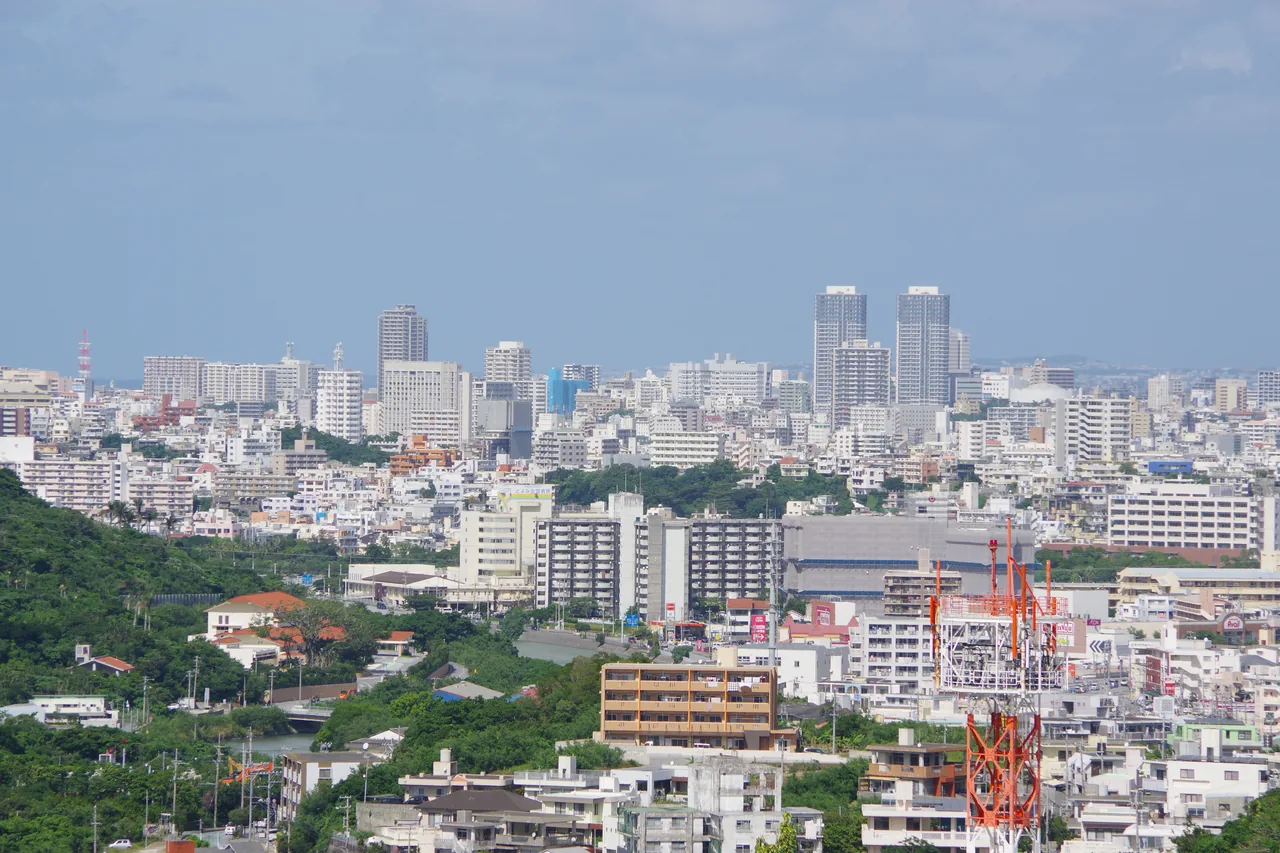
Naha has seven places that earn a slot in a short trip, and one monorail line reaches all but two of them. Shuri Castle is the one most people fly in for, and its rebuilt main hall opens to visitors on 23 November 2026. The rest are the royal mausoleum at Tamaudun, the garden at Shikinaen, the shopping street Kokusai-dori, the pottery street at Tsuboya, the Prefectural Museum and Art Museum, and the Karate Kaikan.
| Place | Getting there | Adult admission |
|---|---|---|
| Shuri Castle | Shuri station, then a walk uphill | ¥400, rising to ¥1,000 |
| Tamaudun | Beside Shuri Castle, 15 min from Shuri station | ¥300 |
| Shikinaen | City bus to Shikinaen-mae | ¥400 |
| Kokusai-dori | Between Kencho-mae and Makishi stations | Free |
| Tsuboya Yachimun Street | 12 min walk from Makishi station | Free to walk |
| Prefectural Museum and Art Museum | 10 min walk from Omoromachi station | ¥530 museum, ¥400 art museum |
| Okinawa Karate Kaikan | In Tomigusuku, by bus or taxi | ¥310 |
Most people picture Okinawa as a rental car and a week on the west coast. That picture is right for the rest of the island and wrong for the capital. Inside Naha the sights sit close together, parking is the worst part of the day, and the monorail runs from the airport door. Pick the car up on the morning you leave the city, not the morning you land. If the rest of the island is on your list, our full Okinawa guide covers what sits beyond the city limits, and renting a car in Okinawa covers the part where you do need one.
Two days is the honest answer for the list above. One day gets you the castle, Tamaudun and Kokusai-dori. A second day absorbs Shikinaen, the museum and Tsuboya at a pace where you can sit down for lunch.
2. The monorail does almost all of the work
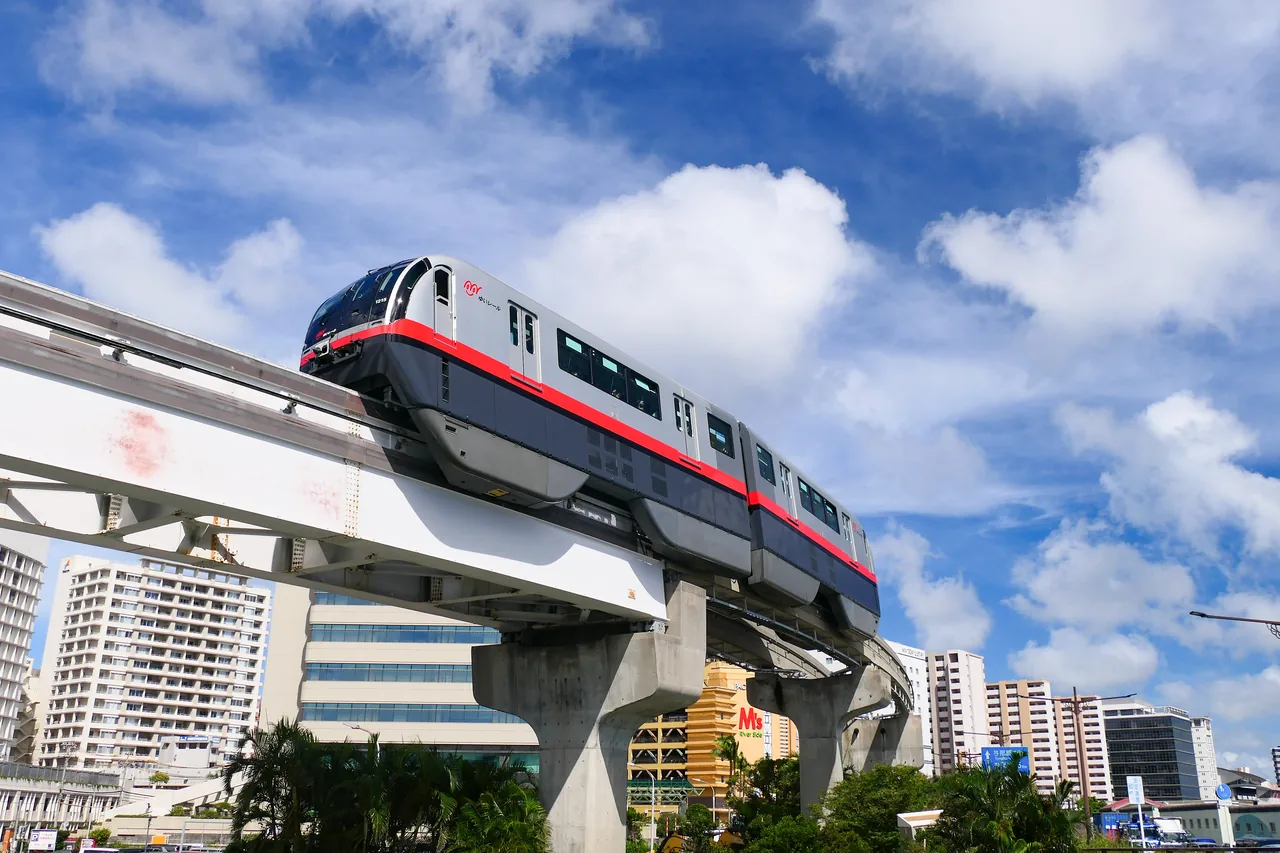
One line, called the Yui Rail, runs from Naha Airport through the city centre and up the hill to Shuri and on to Tedako-Uranishi. Nineteen stations, and 37 minutes from one end to the other. For a trip inside the city, that single line is the whole transport question.
The three stations you will actually use are Kencho-mae and Makishi, which bracket Kokusai-dori, and Shuri for the castle. From the airport, Kencho-mae takes 13 minutes and Makishi 16.
Fares from Naha Airport
| Station | Adult fare | Time |
|---|---|---|
| Akamine | ¥250 | 4 min |
| Oroku | ¥250 | 5 min |
| Onoyama Koen | ¥290 | 7 min |
| Tsubogawa | ¥290 | 9 min |
| Asahibashi | ¥290 | 11 min |
| Kencho-mae | ¥290 | 13 min |
| Miebashi | ¥320 | 14 min |
| Makishi | ¥320 | 16 min |
| Asato | ¥320 | 18 min |
| Omoromachi | ¥320 | 19 min |
| Furujima | ¥360 | 21 min |
| Shiritsu-byoin-mae | ¥360 | 23 min |
| Giho | ¥360 | 25 min |
| Shuri | ¥360 | 27 min |
| Ishimine | ¥390 | 29 min |
| Kyozuka | ¥390 | 32 min |
| Urasoe-Maeda | ¥390 | 34 min |
| Tedako-Uranishi | ¥390 | 37 min |
Children pay about half. The cheapest single hop is ¥250 and nothing on the line costs more than ¥390, so the fare never becomes a reason to plan differently.
The day pass
| Pass | Adult | Child |
|---|---|---|
| 1-day | ¥1,000 | ¥500 |
| 2-day | ¥1,800 | ¥900 |
If you would rather not think about passes, tap in. The local IC card is OKICA, and with it a one-station hop drops from ¥250 to ¥200. Suica and the other national IC cards work here too, and so does tapping a credit card at the gate.
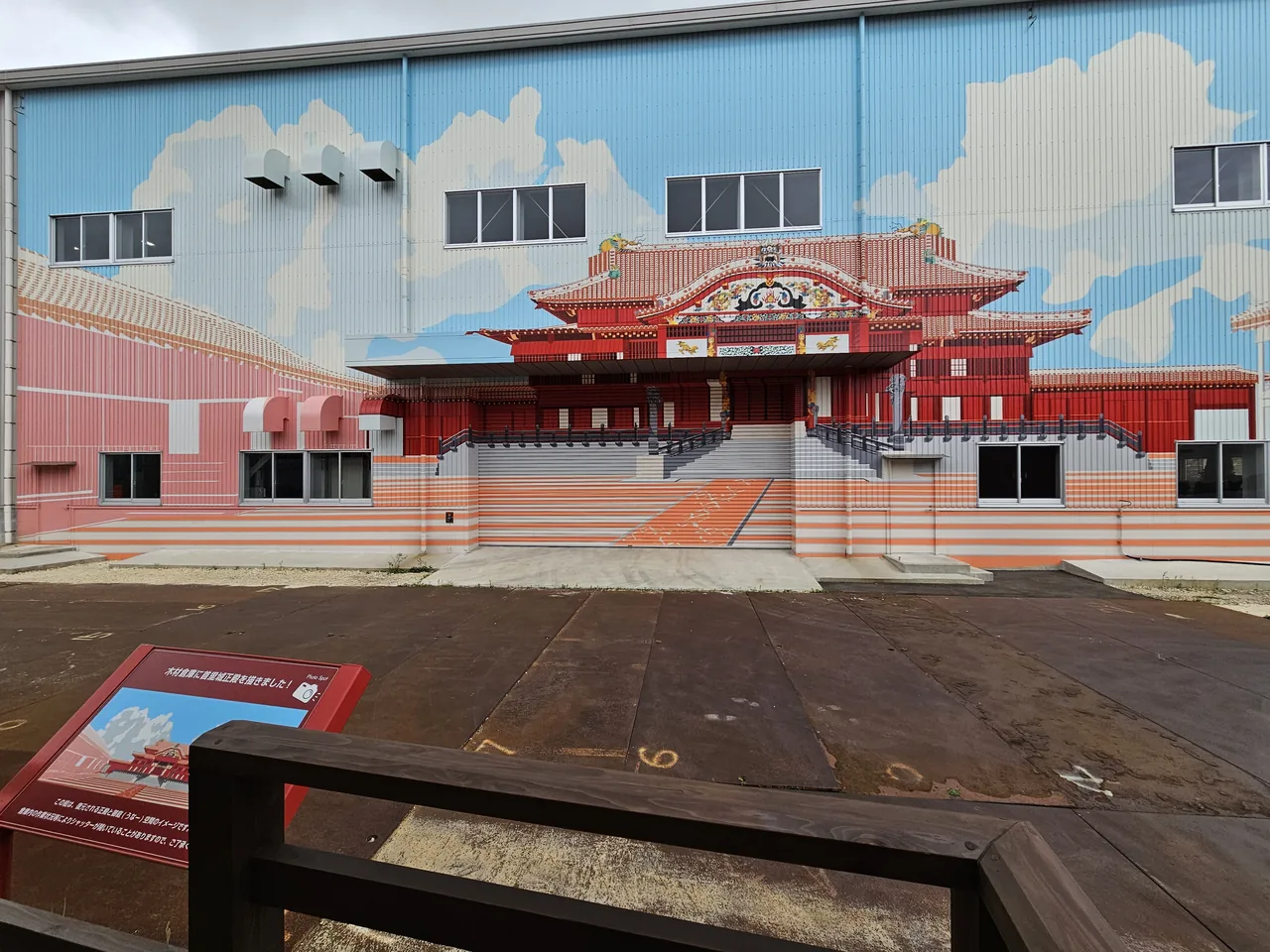
3. Shuri Castle: the main hall opens again on 23 November
The rebuilt main hall opens to the public on 23 November 2026. To walk inside it you need a ticket booked for a set date and time. That booking costs nothing extra, and the admission price is the same whether you have one or not.
Read that last part twice. It decides how you plan the day. Turn up at the gate without a booking and you pay exactly what a booked visitor pays. You just stay outside the building. Nobody gives you a discount for missing the thing you came to see, so book before you fly.
The main hall burned down in a fire in 2019. What opens in November is the end of that rebuild. The walls, the gates and the grounds have stayed open through the work, and the completion ceremony is held on 22 November, the day before the public can go in.
Admission
| Ticket | Now | From 23 November |
|---|---|---|
| Adult | ¥400 | ¥1,000 |
| High school | ¥300 | ¥760 |
| Primary and junior high | ¥160 | ¥370 |
| Under 6 | Free | Free |
The jump is large, and it is worth knowing which side of it your trip falls on. Before the opening, the paid area is cheap and the main hall is not yet open. After it, you pay full price and the hall is what you are paying for.
Opening hours
| Area | April to November | December to March |
|---|---|---|
| Free area inside the walls | 08:00-19:30 | 08:00-18:30 |
| Paid area | 08:30-19:00, last entry 18:30 | 08:30-18:00, last entry 17:30 |
The free area is still worth walking. The outer gates, the walls and the view down over the city are all inside it, and from April to November it stays open well past sunset. If you are short on money or short on time, an hour up there at dusk is a reasonable visit on its own.
Getting up there
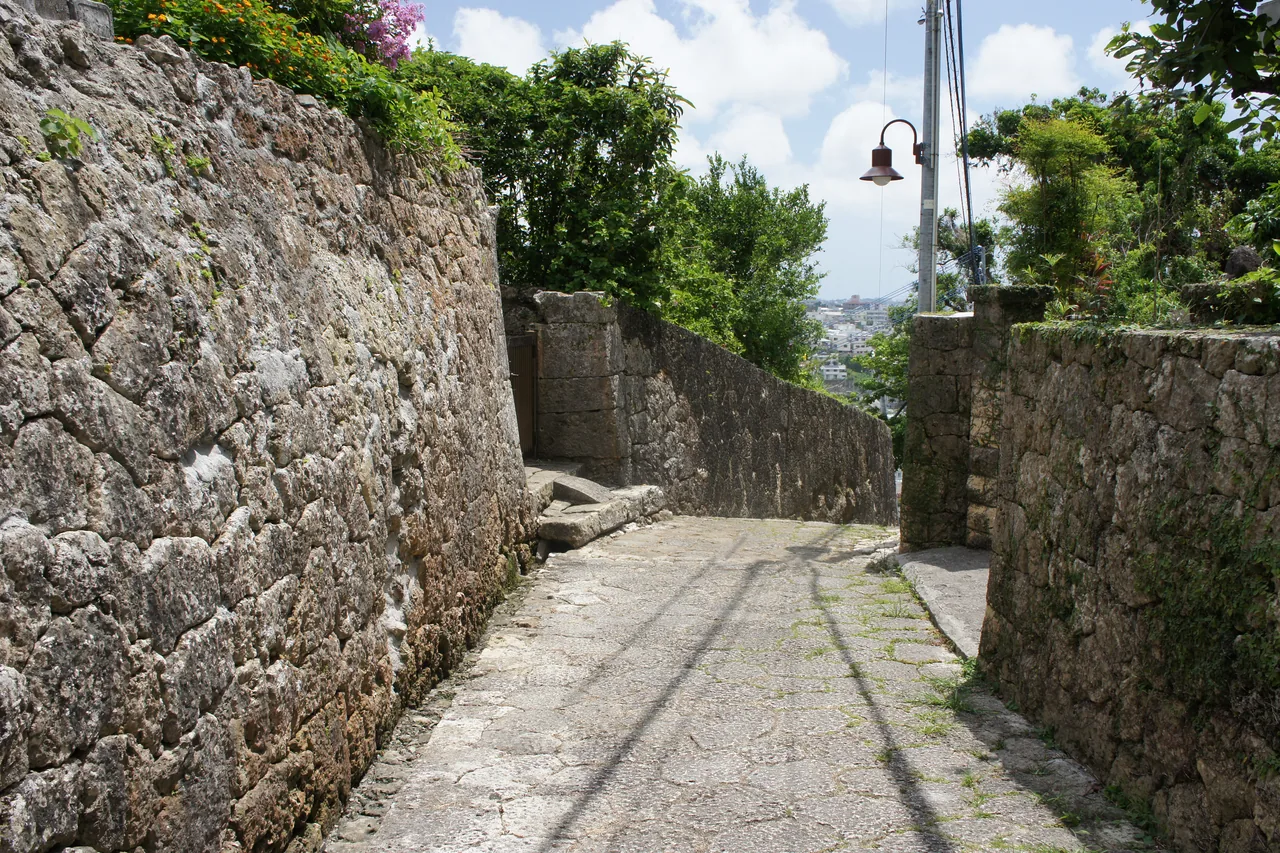
Get off at Shuri station and walk. The climb is gentle and signposted, and the castle sits on the high ground above the city, which is why the kings put it there. Coming back down, take the Kinjocho stone-paved road instead of the way you came up. It is a narrow lane of old paving stones running down the hill below the castle, past houses and stone walls, and it drops you back towards the city on foot.
MapThe castle was the seat of the Ryukyu Kingdom, which ran its own trade with China and Southeast Asia for centuries before Okinawa became a Japanese prefecture. Knowing that changes what the buildings look like, and the history of the Ryukyu Kingdom fills in the rest.
Map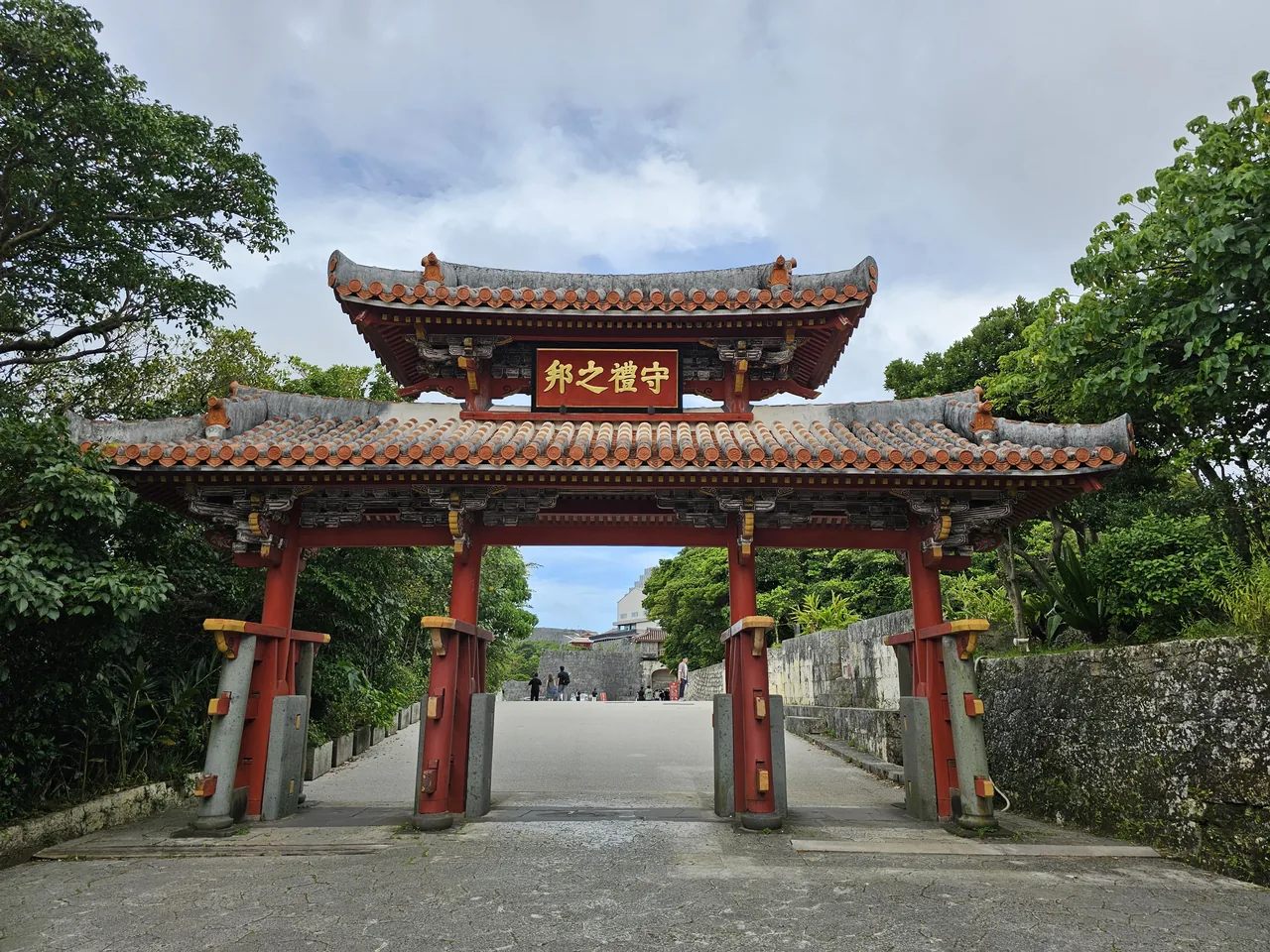
4. Tamaudun, the royal tomb next door
Tamaudun is the mausoleum of the Ryukyu kings, cut and built in 1501 and standing a short walk from the castle gates. It is a stone courtyard with three chambers behind it, and it takes about twenty minutes to see properly.
It has been on the World Heritage list since December 2000, and in December 2018 it became a National Treasure, the first building in Okinawa to hold that status. That matters more than it sounds. Most of what stood in Okinawa before the war did not survive it, so an original structure of this age is unusual here.
| Item | Detail |
|---|---|
| Admission | Adult ¥300, child ¥150, pre-school children with an adult free |
| Hours | 09:00-18:00, last entry 17:30 |
| Closing day | None. It shuts only when a typhoon storm warning is out |
| Address | 1-3 Shuri Kinjocho, about 15 minutes on foot from Shuri station |
Because it never takes a day off, Tamaudun is the safe thing to pair with the castle on a Monday or a Wednesday, when most of the rest of the city’s museums are shut. Buy the two together in one morning and you have the kingdom’s palace and its graves inside a few hundred metres.
Map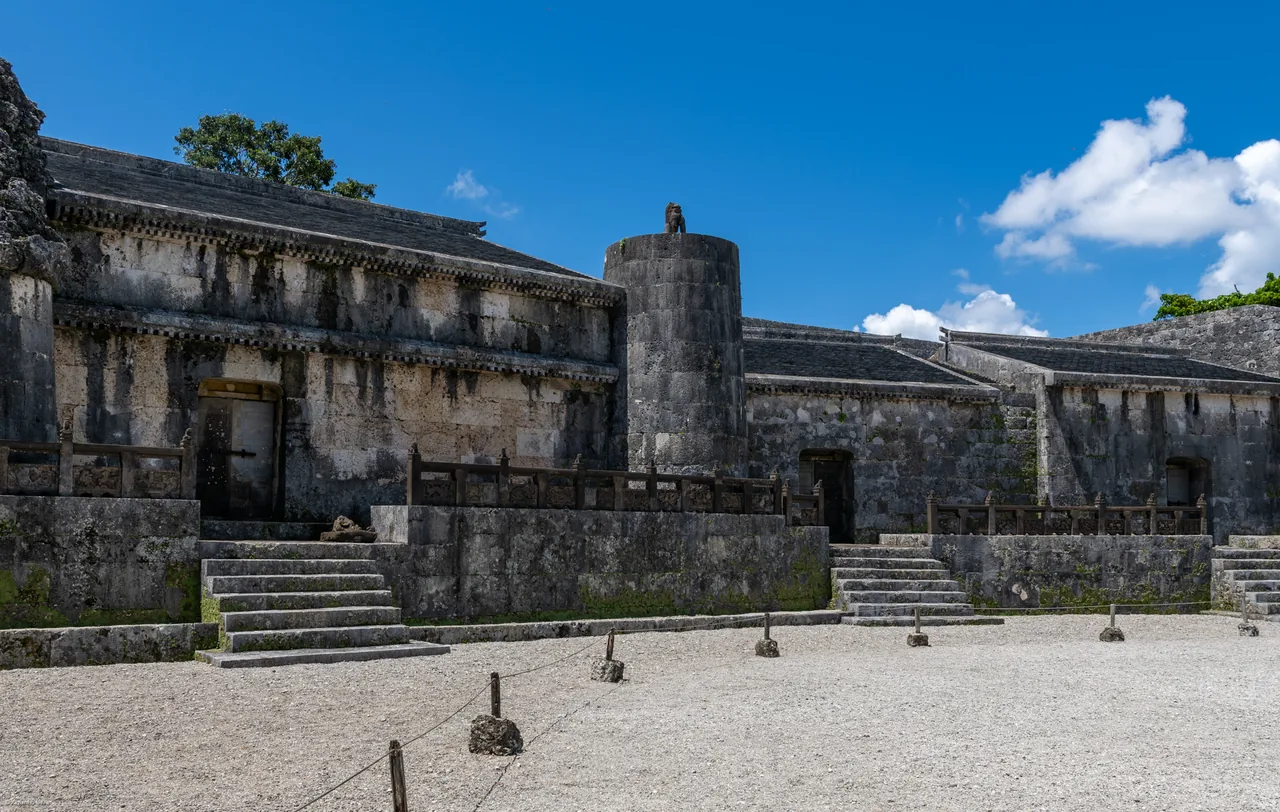
5. Shikinaen, the royal family’s garden
Shikinaen was the second residence of the royal family, a wooden house with a pond, a stone bridge and a circular walking path around it. It is also on the World Heritage list. Where the castle is ceremonial and steep, this is flat, quiet and green, and an hour is enough.
| Item | Detail |
|---|---|
| Admission | Adult ¥400, child ¥200. Groups ¥320 and ¥160 |
| April to September | 09:00-18:00, last entry 17:30 |
| October to March | 09:00-17:30, last entry 17:00 |
| Closing day | Wednesday |
The closing rule has one wrinkle. If that Wednesday is a public holiday, or if it is Irei no Hi, the garden opens anyway and closes the following day instead. Irei no Hi falls on 23 June and is Okinawa Memorial Day, marking the end of the fighting here in 1945. It is a prefectural holiday, so it is an ordinary working day on the mainland and a day off in Okinawa. Shikinaen is one of the few places that writes it into its opening rules by name.
Map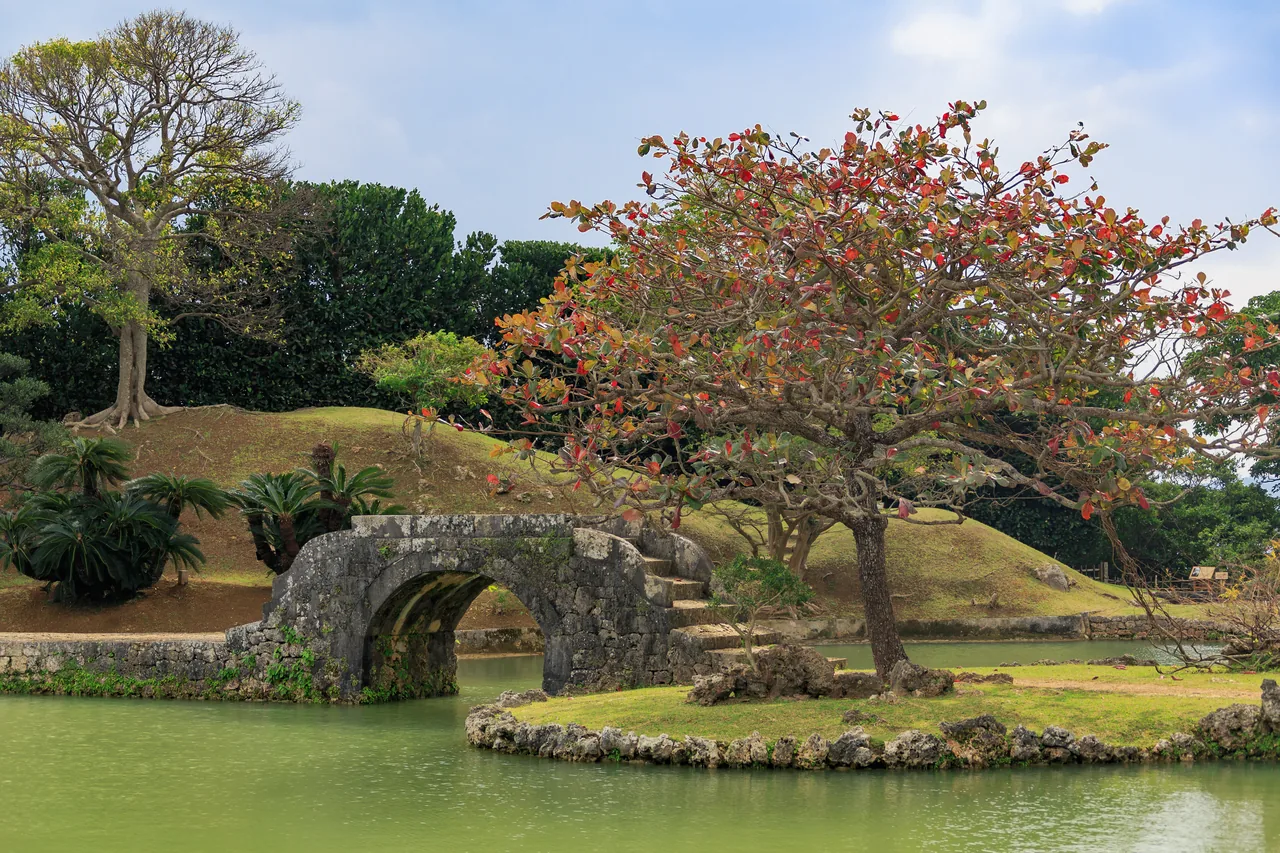
6. Kokusai-dori and the Makishi Public Market
Kokusai-dori runs about 1.6 km through the middle of the city, from Kencho-mae station at one end to Makishi station at the other. More of Naha’s shops, restaurants and small sights sit on this street and in the lanes off it than anywhere else in the city, which makes it the default place to eat and the default place to stay.
The street itself is busy and commercial. The interesting part is one block back, in the covered arcades and side alleys that run off it towards the market.
Sunday afternoons, the street closes
Every Sunday from 12:00 to 18:00 the main stretch is shut to private cars and given over to people on foot. The closed section runs about 1.3 km, from the Kencho-kita-guchi junction to the Saionbashi junction. It is cancelled if it rains.
The market
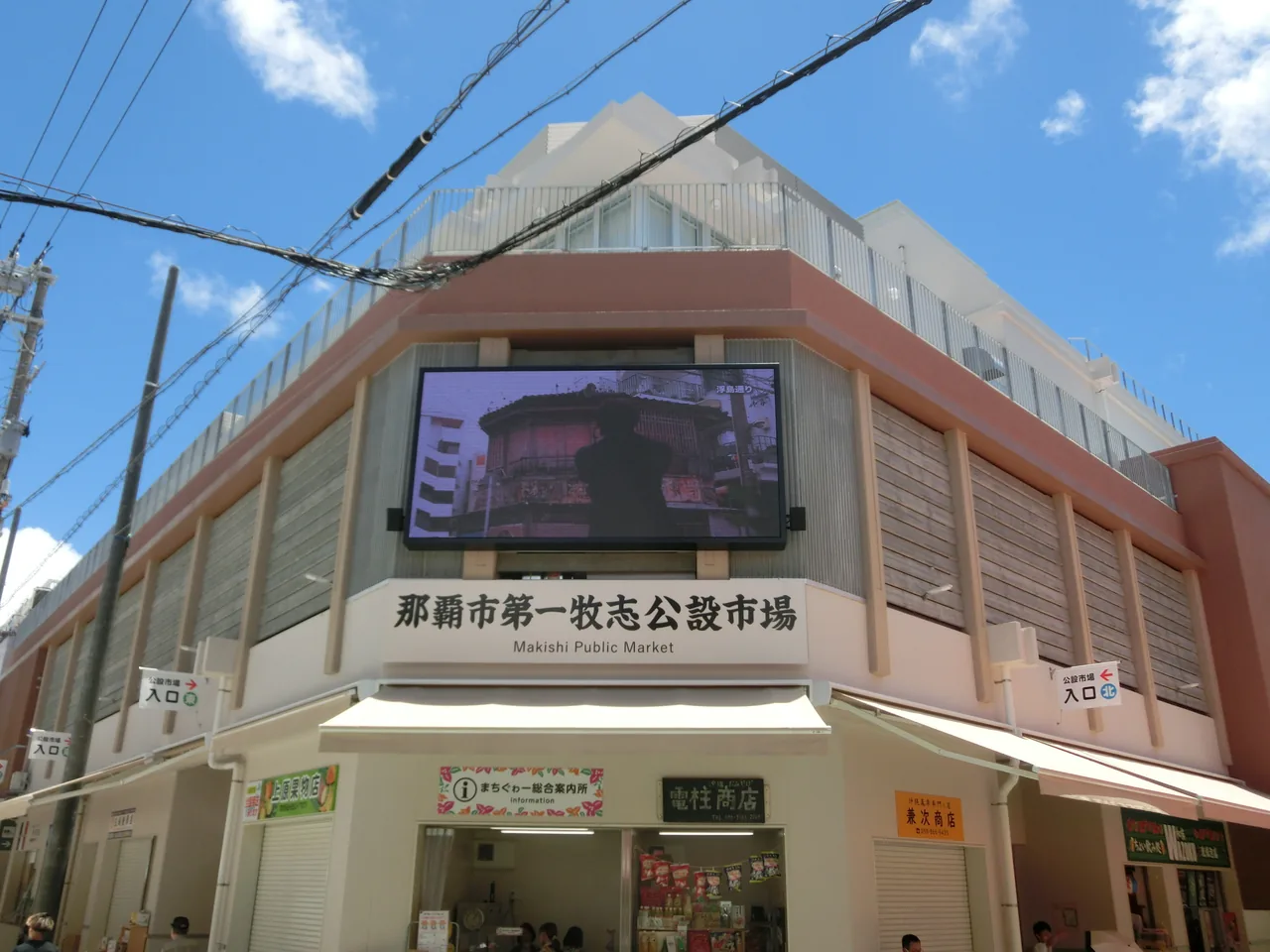
Makishi Public Market is down a side street off Kokusai-dori. It opened in 1950 and moved into a new building in March 2023, so the structure is modern and the trade inside it is not. The stalls sell fish in colours you will not see at home, and pork in every cut there is.
The thing to do here is called mochiage. You buy fish or meat from a stall on the ground floor, carry it upstairs, and a second-floor kitchen cooks it for you for a fee on top. You eat what you picked, which is the opposite of ordering from a menu.
| Item | Detail |
|---|---|
| Hours | 08:00-22:00, varying by stall |
| Last cooking order, ground floor | 19:45 |
| Last order, second-floor restaurants | 20:00 |
| Closed | Fourth Sunday of the month except December, 1-3 January, Lunar New Year, and the two days after the Okinawan Obon |
Bring cash. The bigger shops on Kokusai-dori take cards without a problem, but the stalls inside the market mostly do not.
MapMap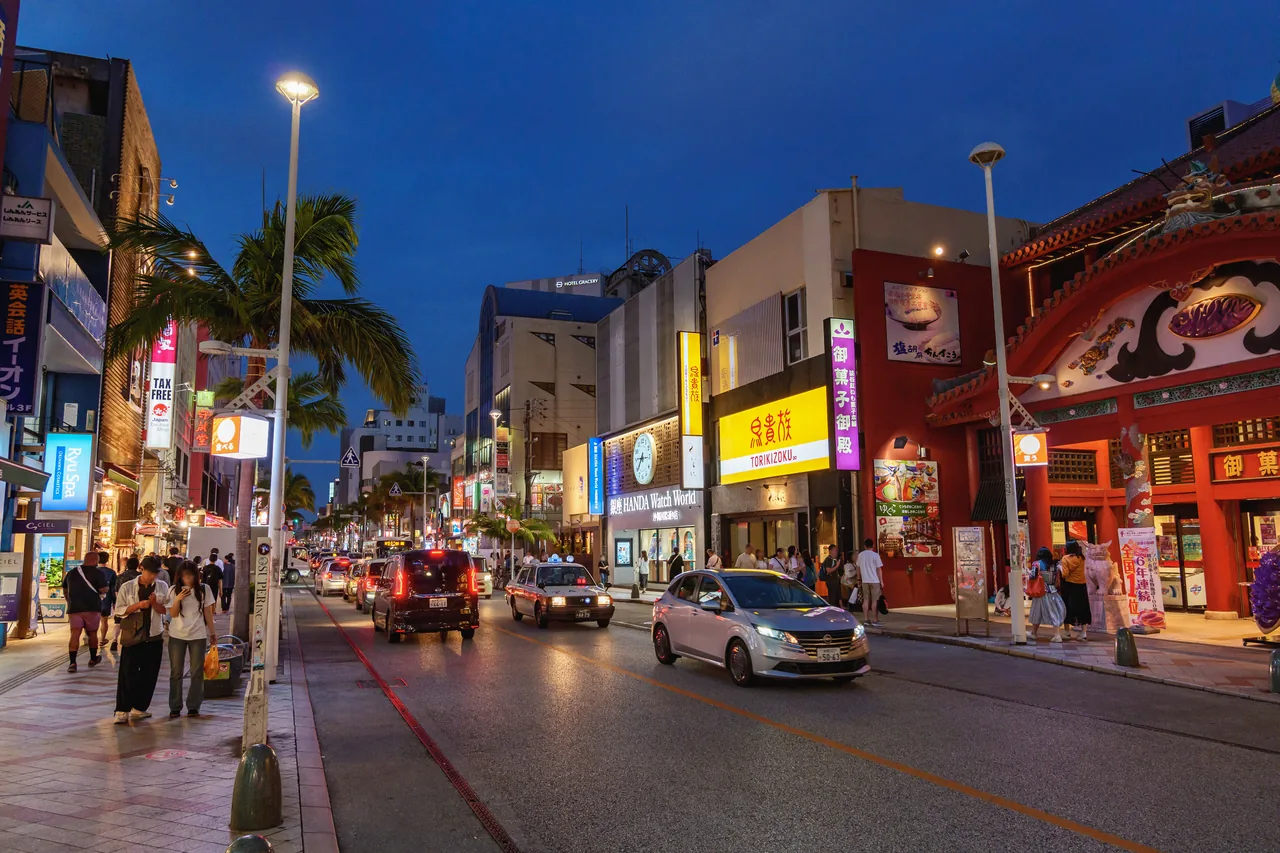
7. Tsuboya Yachimun Street, where the pottery is made
Okinawan pottery is called yachimun, and Tsuboya is the quarter where the kilns and the shops that sell their work sit together. It is about 12 minutes on foot from Makishi station, at the far end of the arcades behind Kokusai-dori, and walking the street costs nothing.
What the shops sell is heavy glazed everyday ware: cups, plates, flasks and the shisa lion figures you see on roofs all over the island. There are small cheap pieces and there are studio pieces, and most shops will wrap something well enough for a suitcase.
| Item | Detail |
|---|---|
| The street | Free, always open |
| Tsuboya Pottery Museum | 10:00-18:00 |
| Museum closing day | Monday, and 28 December to 4 January |
| Exception | It opens if that Monday is a public holiday or falls in Golden Week |
The museum is small, and you can decide when you get there. It is on Yachimun street among the shops. It explains how the kilns worked and why the pottery ended up in this one district, which is worth half an hour before you start buying.
Map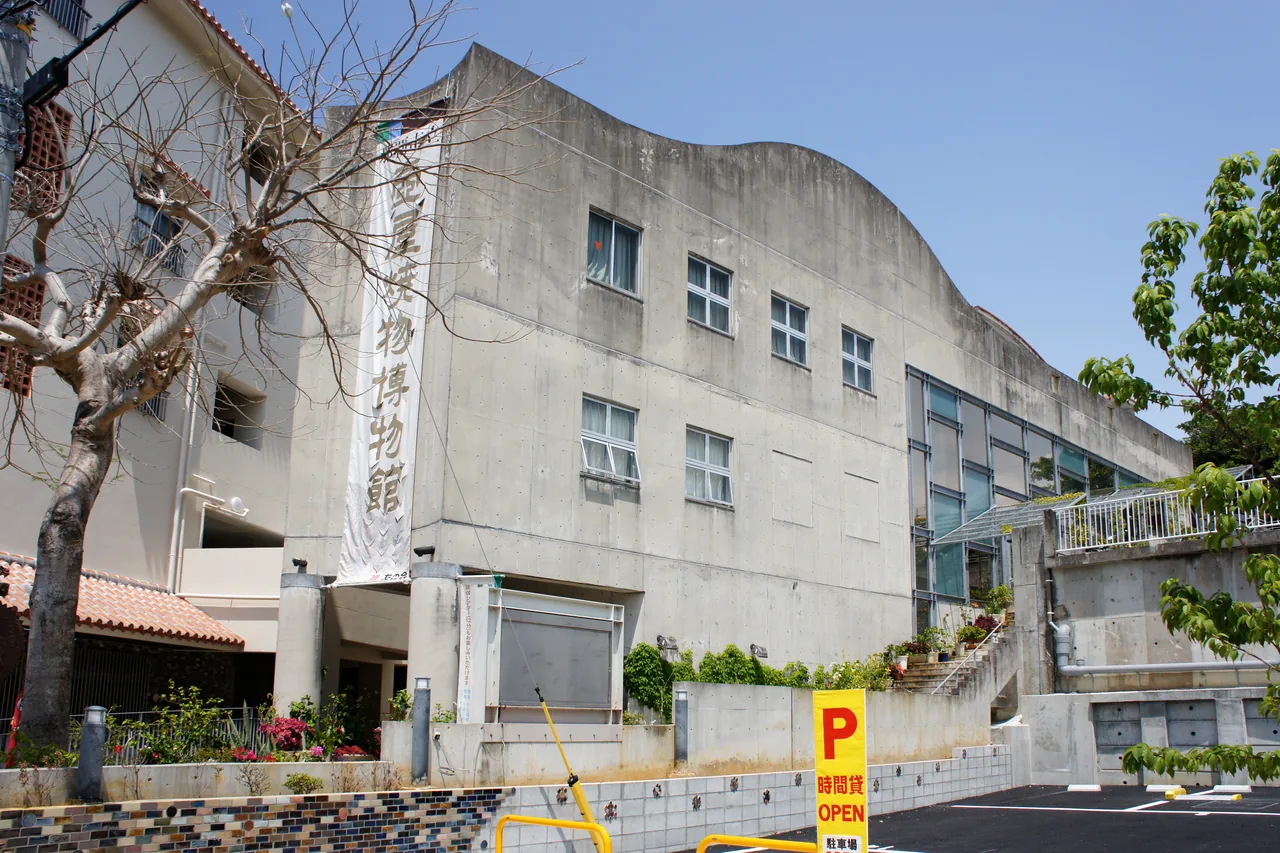
8. The Okinawa Prefectural Museum and Art Museum
Two institutions share one building in the Shintoshin district, about 10 minutes on foot from Omoromachi station. One half is a museum of the islands and their history, the other half is an art museum. You can visit either on its own, and they are ticketed separately.
This is the place to go on the day it rains, and it is the place to go before Shuri Castle rather than after, because it explains what you are about to look at.
| Day | Hours |
|---|---|
| Tuesday, Wednesday, Thursday, Sunday | 09:00-18:00, last entry 17:30 |
| Friday and Saturday | 09:00-20:00, last entry 19:30 |
| Monday | Closed |
The late Friday and Saturday hours are genuinely useful. They turn the museum into something you can do after a full day outdoors, which almost nothing else in this guide allows.
| Ticket | Adult |
|---|---|
| Museum permanent exhibition | ¥530 |
| Art museum collection exhibition | ¥400 |
| Over-70s, pre-school children, Okinawan primary and junior-high pupils | Free |
Those prices are for the permanent exhibition and the collection exhibition. Special exhibitions are charged on top. When the Monday is a public holiday, a substitute holiday or Irei no Hi, the building opens and takes the next weekday off instead. It also closes over new year.
Map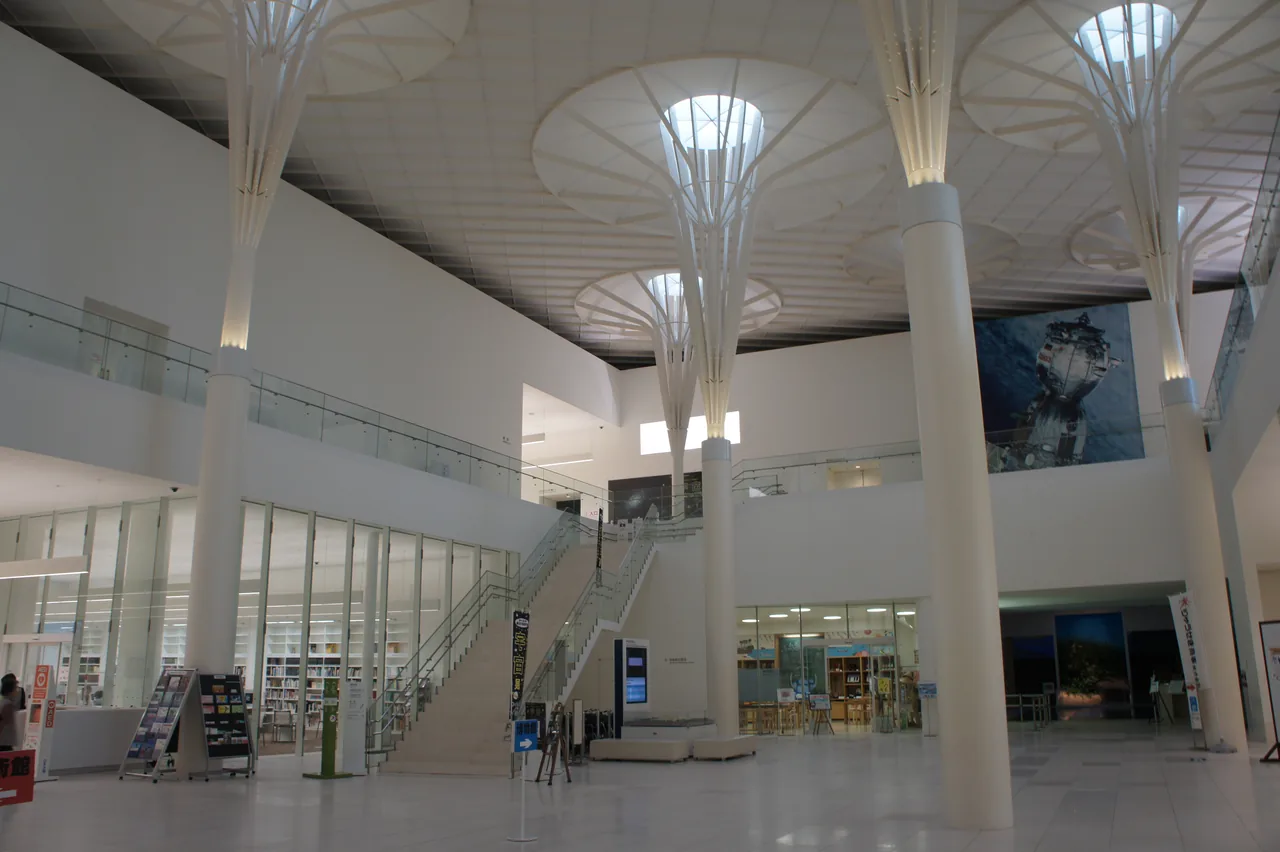
9. The Okinawa Karate Kaikan, in Tomigusuku
This one is not in Naha city. The Karate Kaikan stands in Tomigusuku, just south of the capital, and the monorail does not reach it. Go by bus or taxi, and treat it as a trip out rather than a stop on a walk.
It opened in March 2017, and the point of it is straightforward: karate began in Okinawa, and this is the place that shows how. There is an exhibition building, a dojo that is used for training rather than display, and grounds you can walk around. If you have ever trained in a dojo yourself, the visit will mean more to you than it does to most visitors.
| Item | Detail |
|---|---|
| Exhibition building | 09:00-18:00, last entry 17:30 |
| Dojo | 09:00-21:00 |
| Admission | Adult ¥310, high school and university ¥210, primary and junior high ¥100 |
| Closed | Wednesday, and 30 December to 3 January |
The admission is low enough that the only real cost is the travel time. If karate means nothing to you, skip it without guilt and give the afternoon to Shikinaen, which is closed on the same day of the week.
Map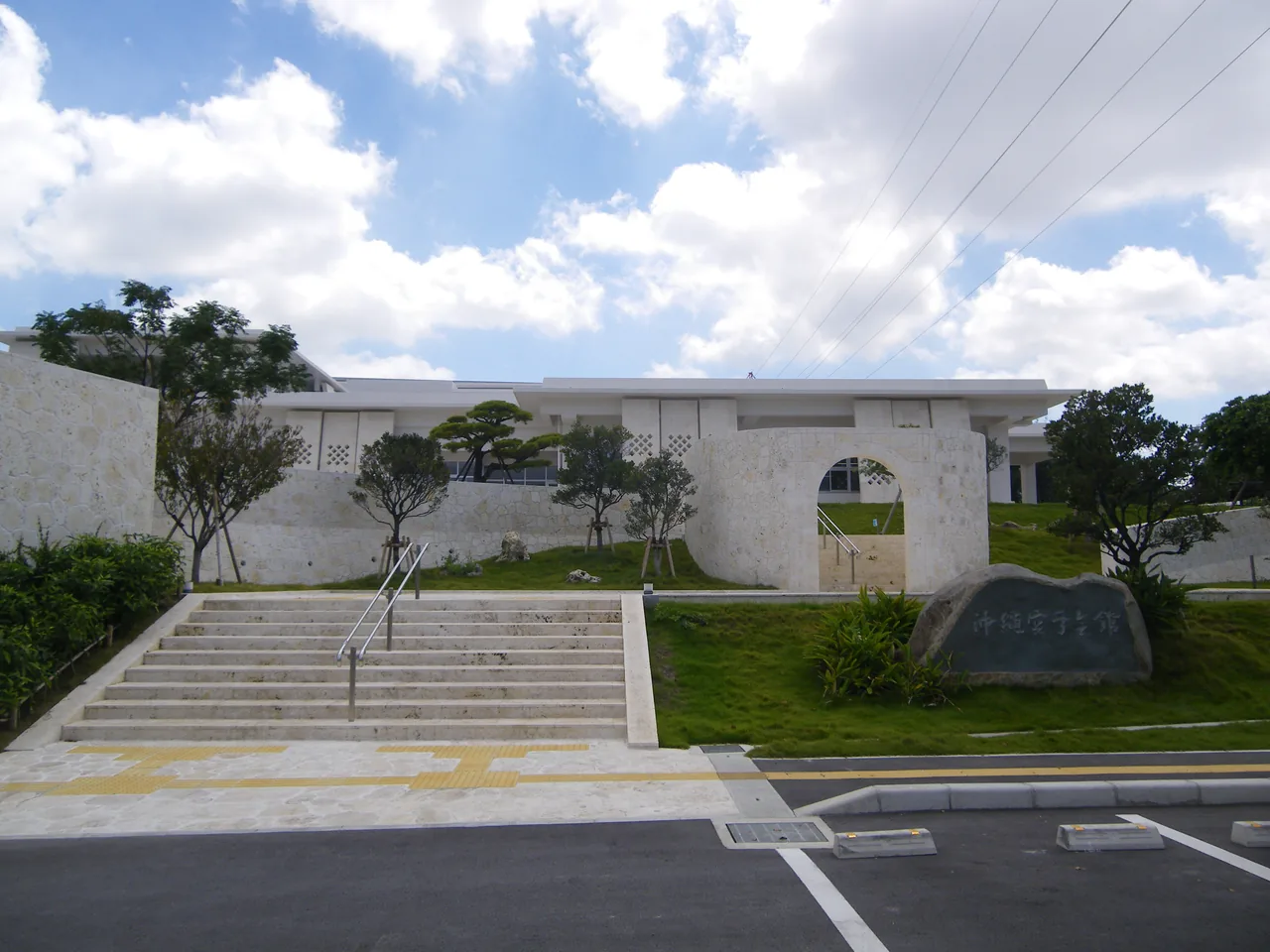
10. Naha Airport and the first hour
You will almost certainly arrive by air. Some international flights come straight into Naha, and if you are already in Japan, Okinawa is a domestic flight from Tokyo or Osaka, booked the same way as any other internal flight.
The domestic and international terminals have been joined on the 2nd and 3rd floors since March 2019, so you walk between them inside the building without going out to the kerb. End to end the terminal runs roughly 300 to 400 metres, which is worth knowing if you land international and connect domestic with a bag.
Into the city
| Route | Time | Notes |
|---|---|---|
| Monorail to Kencho-mae | 13 min | ¥290, station is inside the terminal |
| Monorail to Makishi | 16 min | ¥320, the Kokusai-dori end |
| Bus 125 or 120 to Matsuo | About 20 min | From in front of the domestic terminal |
Naha Airport station is the end of the line, so you always get on at the start and you never have to work out which direction you are facing. If your hotel is on Kokusai-dori, the bus drops you closer to the middle of the street than either station does, but the monorail is simpler and runs more often.
11. Money, closing days and the accommodation tax
Before you go
Most Western passports get 90 days in Japan visa-free on arrival, and Okinawa is an ordinary Japanese prefecture for that purpose, so nothing extra applies to landing at Naha. Check your own nationality before you book, since the list is not identical for everyone.
Cards work in hotels, department stores, chain restaurants and the larger shops on Kokusai-dori. They do not reliably work at market stalls, small family diners or the older shops in the arcades. Carry a few thousand yen in notes and you will not get stuck. Bank ATMs often reject foreign cards, so use the ones in convenience stores instead.
What closes on which day
Closing days here do not work the way they do on the mainland. Shops in central Naha mostly do not take one at all, and of the places that list a closing day with the tourism association, most say they never close. What does shut things down is the Okinawan Obon, which runs on the lunar calendar and has no mainland equivalent, and the days around new year.
The museums and gardens are the exception. Each one closes on a weekday, and they do not all close on the same one.
| Place | Closing day |
|---|---|
| Shikinaen | Wednesday |
| Okinawa Karate Kaikan | Wednesday |
| Fukushuen | Wednesday |
| Prefectural Museum and Art Museum | Monday |
| Tsuboya Pottery Museum | Monday |
| Naha City Museum of History | Thursday |
| Makishi Public Market | Fourth Sunday of the month |
| Tamaudun | None |
So a Monday in Naha means Shikinaen and the castle, a Wednesday means the museum and Tsuboya, and any day at all means Tamaudun.
The accommodation tax
Okinawa Prefecture begins charging an accommodation tax on stays from 1 February 2027. It is two percent of the room rate, capped at ¥2,000 a night, and it is worked out on the room-only price rounded down to the nearest ¥1,000. Meals and packages do not count towards it.
Your hotel collects it at check-in or check-out rather than at the time of booking, so budget for it separately from the room price you were quoted. How Japan’s accommodation taxes work covers the same charge in other prefectures, and where to stay in Okinawa covers which part of the island to sleep on.
A few other places, if you have the time
- Fukushuen: a Chinese garden in the Kume district. 09:00 to 21:00, closed Wednesdays.
- Tomari Iyumachi: the working fish market, open from six in the morning. Go early or do not go.
- Naha City Museum of History: one minute from Kencho-mae station, 10:00 to 19:00, closed Thursdays.
- Naminoue Shrine: a shrine on the cliff above the sea, with the city’s beach directly below it.
Everything north of the city is a different trip and needs a car or a tour bus. Churaumi Aquarium is at the far end of the island, and the Blue Cave is up the west coast. Neither one is a morning out from Naha.