Cash or Card in Japan? The Answer Surprises People
Japan still runs on cash more than you’d expect — but you don’t need a brick of yen in your pocket. Here’s how much cash to carry, where cards actually work, how to pull yen from an ATM, and what’s changing with tax-free shopping.
| Japan is not cashless yet | big stores, chains and convenience stores take cards happily, but small restaurants, izakaya, shrines, rural buses and old ramen counters are still often cash only. |
|---|---|
| The winning combo | an IC card (Suica) + one contactless card + about ¥20,000–30,000 in cash per person covers 85–90% of a normal trip. |
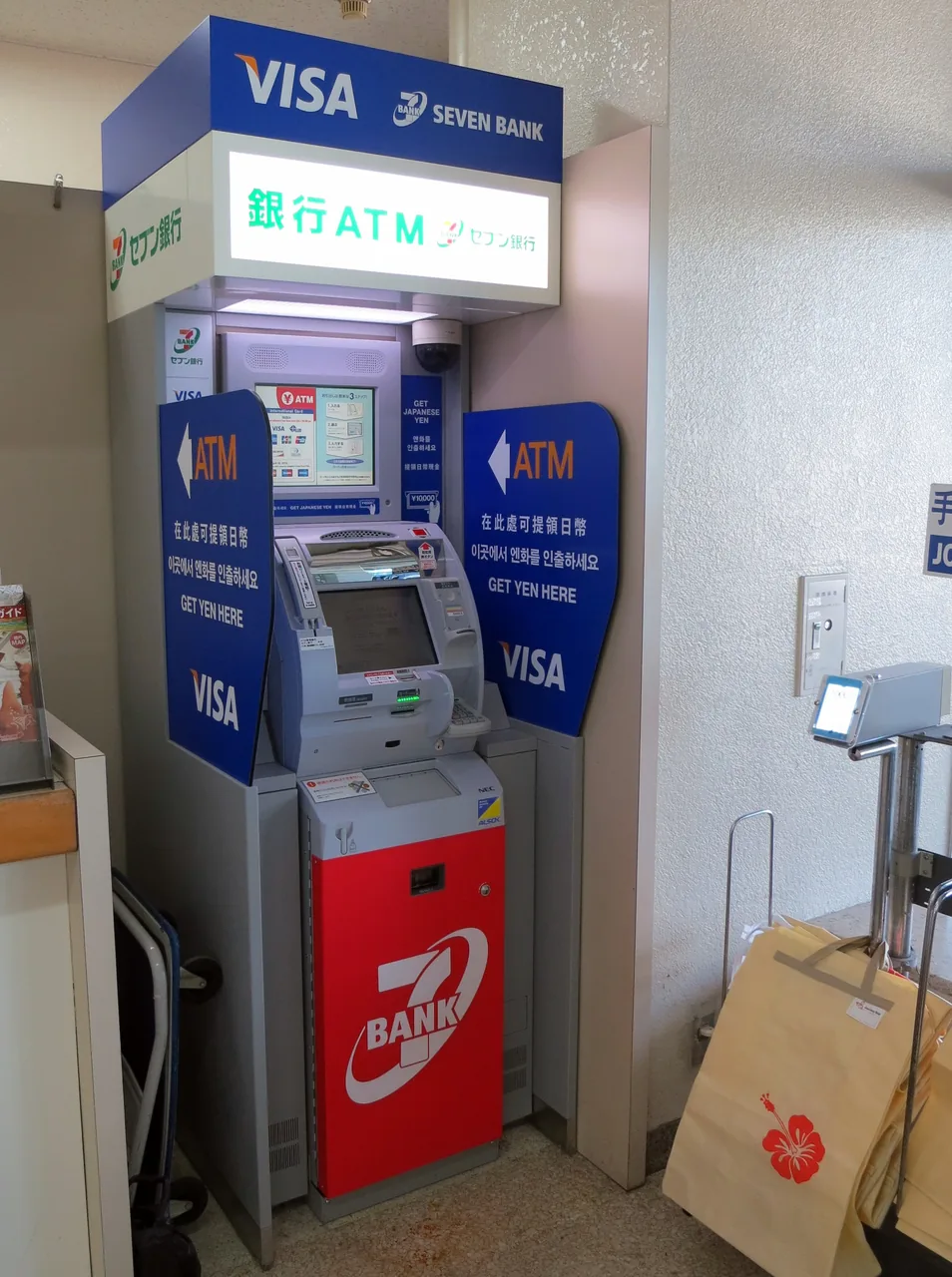
| Get cash from the right ATM | 7-Eleven (Seven Bank) and Japan Post ATMs reliably take foreign cards, 24/7, with English menus. Skip the airport exchange counters. |
| Always pay in yen | if a card machine offers to charge you in your home currency, say no — pick yen and dodge a rotten exchange rate. |
| Tax-free is changing 1 Nov 2026 | instead of paying the tax-free price in-store, you’ll pay the full price and claim the refund at the airport on departure (purchases over ¥5,000, within 90 days). Good news: no tipping, anywhere. |
1. First, the surprise: Japan still loves cash
2. The setup that just works
3. Before you fly: the best way to carry money
4. How much cash should you actually carry?
5. Getting yen from an ATM (7-Eleven & Japan Post)
6. Where cards work — and the fees to know
7. Can you use PayPay and the QR apps?
8. Tax-free shopping is changing — 1 November 2026
9. Reading price tags: tax-included vs tax-excluded
10. No tipping — plus small cash habits
11. Quick picks by situation
12. What to read next
1. First, the surprise: Japan still loves cash
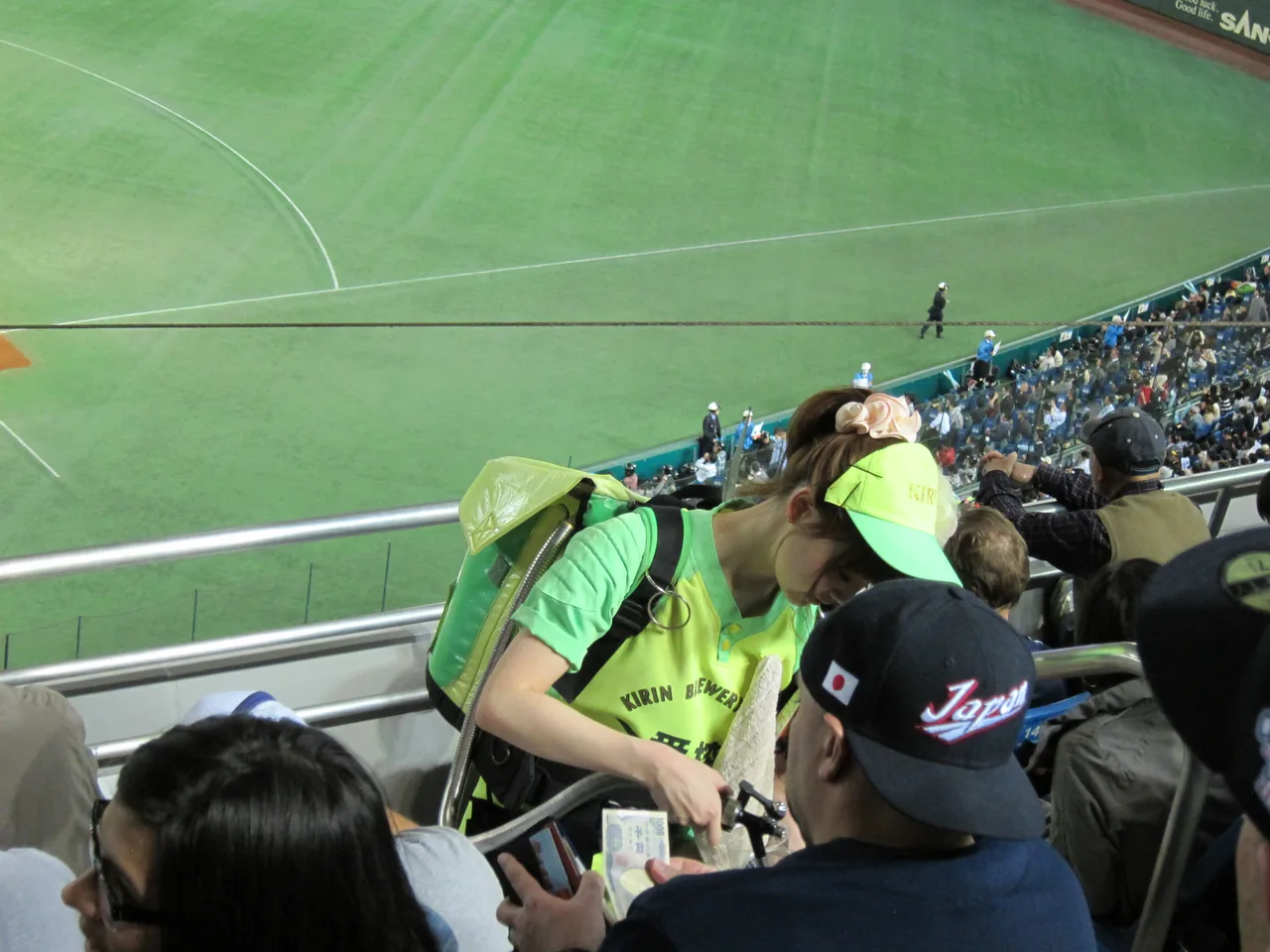
If you’re used to tapping your phone for everything back home, Japan can catch you off guard. Even in Tokyo and Osaka, plenty of places are cash only. Contactless Visa and Mastercard are spreading fast and big stores, chains and convenience stores take cards without blinking — but the little family restaurant, the neighbourhood izakaya, the shrine offering box, the rural bus and the old ramen counter often still want coins and notes.
Don’t let that scare you into carrying a fat wad of yen, though. Between cards and a travel card you’ll cover most of your spending, and cash becomes a backup for the smaller places. This guide is really about getting that balance right so you’re never stuck at a counter.
2. The setup that just works
Here’s the answer up front, so you can stop overthinking it. For almost every visitor, this trio handles a trip cleanly:
| What | What it’s for | How much |
|---|---|---|
| IC card (Suica / ICOCA) | Trains, buses, convenience stores, vending machines — small everyday taps. | Load ¥2,000–3,000 to start |
| One contactless card | Restaurants, shopping, hotels, ATMs. Your main way to pay. | — |
| Cash | Cash-only spots: small eateries, shrines, rural buses. | ¥20,000–30,000 per person |
This works because the jobs don’t overlap. Tiny taps go on the IC card, bigger spends go on the card, and the cash-only places get covered by cash. Carry all three and you almost never hit a wall.
The IC card has its own full guide — Suica vs ICOCA, the mobile version, how to top up: see Japan IC cards (Suica & ICOCA) explained.
3. Before you fly: the best way to carry money
You’ve got a few options for getting yen, and these days the smart ones are pretty clear. The big idea: a multi-currency travel card for most of it, plus a modest amount of cash.
| Option | Good for | Watch out |
|---|---|---|
| Wise / Revolut (multi-currency) | Near-interbank exchange rates, hold yen in the app, tap to pay, low-fee ATM withdrawals. | Free ATM withdrawals are capped each month — check your plan |
| Your normal debit/credit card | Backup, and big purchases. Visa/Mastercard work widest. | Foreign-transaction fees (often 1–3%) unless it’s a no-FX-fee card |
| Cash from a home bank | Having some yen in hand before you land. | Home-bank exchange rates are usually mediocre — keep it small |
| Airport exchange counter | Emergencies only. | Worst rates — avoid if you can |
In short: lead with a Wise or Revolut-style card (great rates, tap to pay, cheap ATM access), bring a no-FX-fee credit card as backup, and carry a little cash. You can always draw more yen at a 7-Eleven once you land.
4. How much cash should you actually carry?
Most people change far too much. In Japan, cash is for the places cards don’t reach, so it goes slower than you’d think. Here’s a rough feel:
| Trip style | Cash per person | What it’s for |
|---|---|---|
| City-focused, card-heavy | around ¥20,000 | Small eateries, vending machines, shrines, change |
| Includes onsen / rural towns | around ¥30,000 | The above + rural buses, cash-only ryokan, local diners |
| Long trip / family | Top up at ATMs as you go | Don’t carry a lot — refill from convenience stores |
The trick is not carrying it all at once. Start with about ¥20,000, and pull more from a 7-Eleven ATM when you run low. For a sense of scale, ¥1,000 is roughly US$6–7 (rates move — check the day you go), so ¥20,000 is around US$130.
5. Getting yen from an ATM (7-Eleven & Japan Post)
When you need cash on the ground, not every ATM takes foreign cards — but two are dead reliable. Remember these names and you’ll never be stuck.
| ATM | Where | Why it’s good |
|---|---|---|
| Seven Bank (7-Eleven) | Inside 7-Eleven stores, everywhere | Best foreign-card support · 24/7 · English menu |
| Japan Post Bank (Yucho) | Post offices, some stations | Takes foreign cards · English · hours can be limited |
Using one is simple:
- Pick English on screen and insert your card.
- Choose Withdrawal and enter the amount.
- Enter your PIN (usually 4 digits) and the yen comes out.
6. Where cards work — and the fees to know
Card acceptance is growing fast. Department stores, drugstores, chain restaurants, convenience stores, hotels and train tickets are nearly all card-friendly, and contactless is increasingly normal.
- Works well: convenience stores, drugstores, department stores, chain restaurants, hotels, supermarkets, JR/subway ticket machines. Visa and Mastercard are the safest bets.
- Often won’t work: small independent restaurants, izakaya, old shops, shrine offerings, rural buses, some market stalls. Cash here.
- Amex: fine at big places, sometimes declined at small ones. Carry a Visa/Mastercard as backup.
Beyond DCC, your own card may add a foreign-transaction fee (often 1–3%) unless it’s a no-FX-fee or travel card. That’s exactly why a Wise/Revolut-style card or a no-FX-fee credit card pays off on a Japan trip.
7. Can you use PayPay and the QR apps?
You’ll see PayPay QR codes absolutely everywhere in Japan — even tiny shops proudly display them. So it’s natural to wonder whether you should set it up. Honest answer: probably not.
PayPay and most Japanese QR-pay apps generally need a Japanese phone number and a Japanese bank account or card to load and use. That puts them out of practical reach for short-term visitors. A few tourist-friendly workarounds exist, but they’re not worth the hassle for a trip of a few days.
8. Tax-free shopping is changing — 1 November 2026
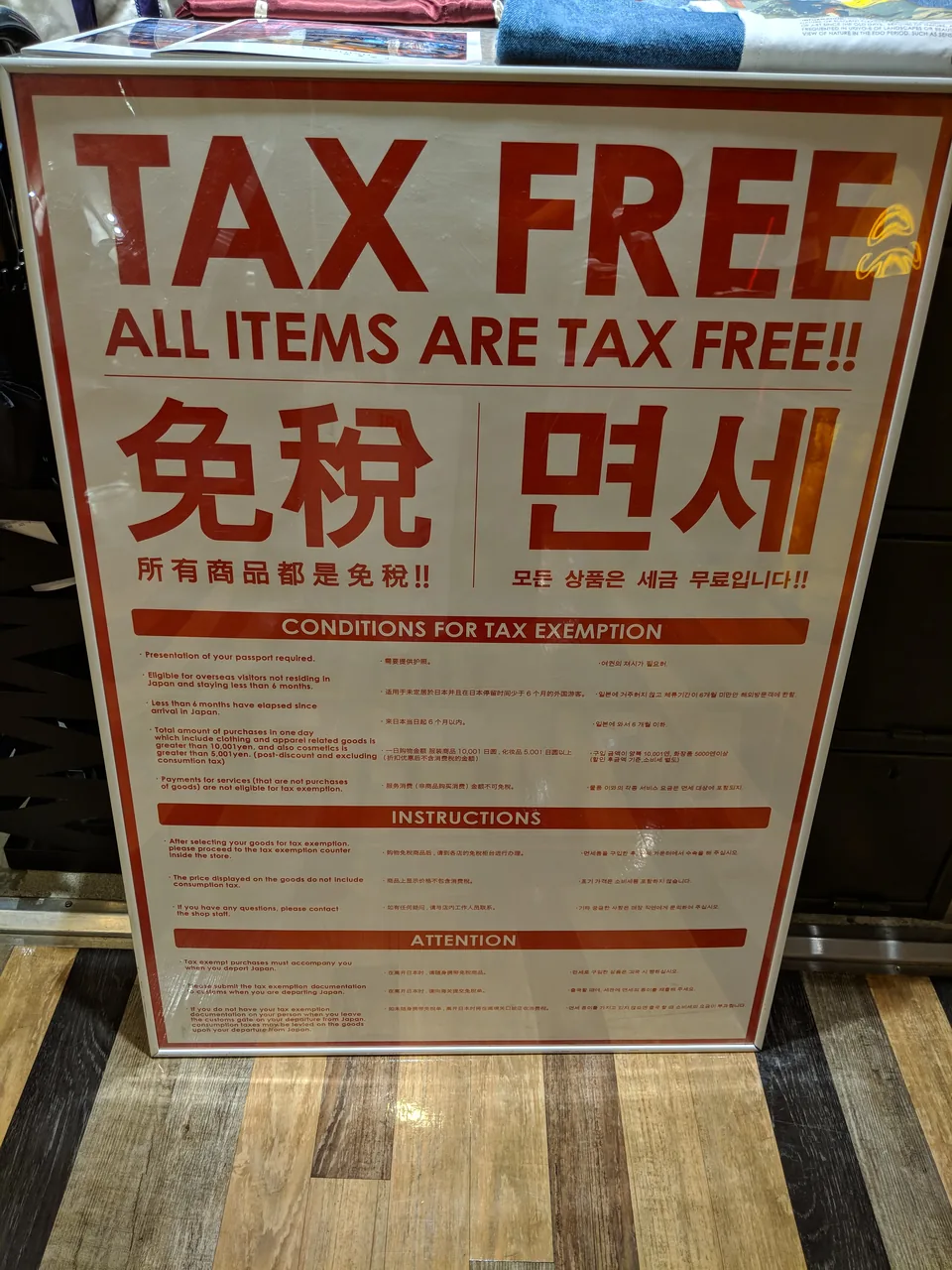
If you plan to shop, read this. Japan’s tax-free (免税) system changes significantly on 1 November 2026. Foreign visitors can claim back the 10% consumption tax on purchases over ¥5,000 at registered stores — but the way you get it back is shifting.
| When | System | How it works |
|---|---|---|
| Until 31 Oct 2026 | Old (in-store) | Show your passport and pay the tax-free price right there. Consumables go in a sealed bag. |
| From 1 Nov 2026 | New (pay first, refund later) | Pay the full tax-included price in the shop, then claim the refund at the airport on departure. The sealed-bag rule and the general/consumable split are scrapped. |
- The ¥5,000 minimum stays the same.
- Under the new system you must depart within 90 days of purchase and complete the refund at the airport for the tax-free status to hold.
- You need your passport either way — carry it when you shop.
9. Reading price tags: tax-included vs tax-excluded
Japanese price tags sometimes show two numbers, which can throw you. It’s the consumption tax — and two words clear it up.
| Label | Means | Read it as |
|---|---|---|
| 税込 (zeikomi) | Tax included | This is what you actually pay |
| 税抜 (zeinuki) / 本体価格 | Tax excluded | Tax gets added on top |
The consumption tax is 10% as standard, but food, drink (takeaway) and supermarket groceries are 8% (a reduced rate). That’s why the same drink at a convenience store can ring up differently depending on whether you take it away (8%) or eat in (10%). Nothing to stress about — just know that if the big number is 税抜, you’ll pay a touch more.
10. No tipping — plus small cash habits
Here’s a relief: Japan has no tipping culture. Not in restaurants, not in taxis, not at hotels. Leave money on the table and staff may chase you down thinking you forgot it. You pay exactly what’s on the bill — that’s it.
- The payment tray: at many tills you don’t hand cash directly to the cashier — you place it on a small tray, and your change comes back the same way. It’s normal, not rude.
- Managing coins: cash means coins pile up fast. Clear them on vending machines, convenience stores or coin lockers, or push small change onto your Suica.
- Big notes: a ¥10,000 note can be awkward at a tiny shop. Break it at a convenience store first and you’ll have easy change.
11. Quick picks by situation
Short city trip
Travel card as your main + IC card + ¥20,000 cash. Cards cover almost everything; cash is for small eateries.
Onsen / rural towns
Lean a little more on cash (¥30,000). Rural buses and cash-only ryokan happen. Refill at konbini ATMs.
Planning to shop
After Nov 2026 you pay full price and refund at the airport. Bring your passport, keep receipts, leave card headroom.
Hate exchanging money
Get a Wise/Revolut-style card, hold yen, tap to pay, and draw cash from a 7-Eleven when you need it.
With money sorted, the other first-day essential is an IC card (Suica / ICOCA) for trains and convenience stores. For data, see our guide to eSIMs in Japan. And for the big picture — when to go, the JR Pass, budgets, where to base yourself — it’s all in the complete Japan travel guide.
12. What to read next
Money sorted. Here’s what slots in from day one.
🎫 Suica & ICOCA
The tap card for transport and konbini small change.
🚄 JR Pass & Shinkansen
Long-distance fares, and whether a pass pays off.
🧾 Departure tax
The airfare-bundled exit tax, rising in 2026.
📱 eSIM & data
You’ll want data to check rates and find ATMs.
✈️ Airport to Tokyo
First-day transfer and what it costs.
🗺️ Japan Travel Guide
The budget and itinerary big picture.