
Japan’s Departure Tax Is Now ¥3,000 — What It Means for You
Since 1 July 2026, Japan’s departure tax has risen from ¥1,000 to ¥3,000. The good news: it’s already baked into your airfare, so there’s nothing to pay at the airport. Here’s who pays, when to book to lock the old rate, and the other airport charges people mix it up with.
| What’s changing | the departure tax (the ‘sayonara tax’) rose from ¥1,000 to ¥3,000 on 1 July 2026 — roughly US$6 to US$19. |
|---|---|
| How you pay | it’s already included in your air or ferry ticket. There’s no separate counter or cash payment at the airport. |
| How to pay less | tickets issued on or before 30 June 2026 still carry the old ¥1,000 rate under a transitional rule — even if you fly later. It’s the ticketing date that counts, not the travel date. |
| Who’s exempt | infants under 2, and transit passengers who leave within 24 hours, don’t pay. |
| Don’t confuse it | the departure tax is not the shopping tax-free refund or the hotel accommodation tax — we’ll untangle all three below. |
1. The short answer: ¥3,000 from July, built into your ticket
2. What is the departure tax (sayonara tax)?
3. What’s changing (¥1,000 → ¥3,000)
4. Who pays, and who’s exempt
5. How do you pay it? (Not at the airport)
6. Booked before 1 July? You still pay ¥1,000
7. What about other airport charges?
8. Departure tax ≠ tax-free ≠ accommodation tax
9. So how much does it really affect your trip?
10. What to read next
1. The short answer: ¥3,000 from July, built into your ticket
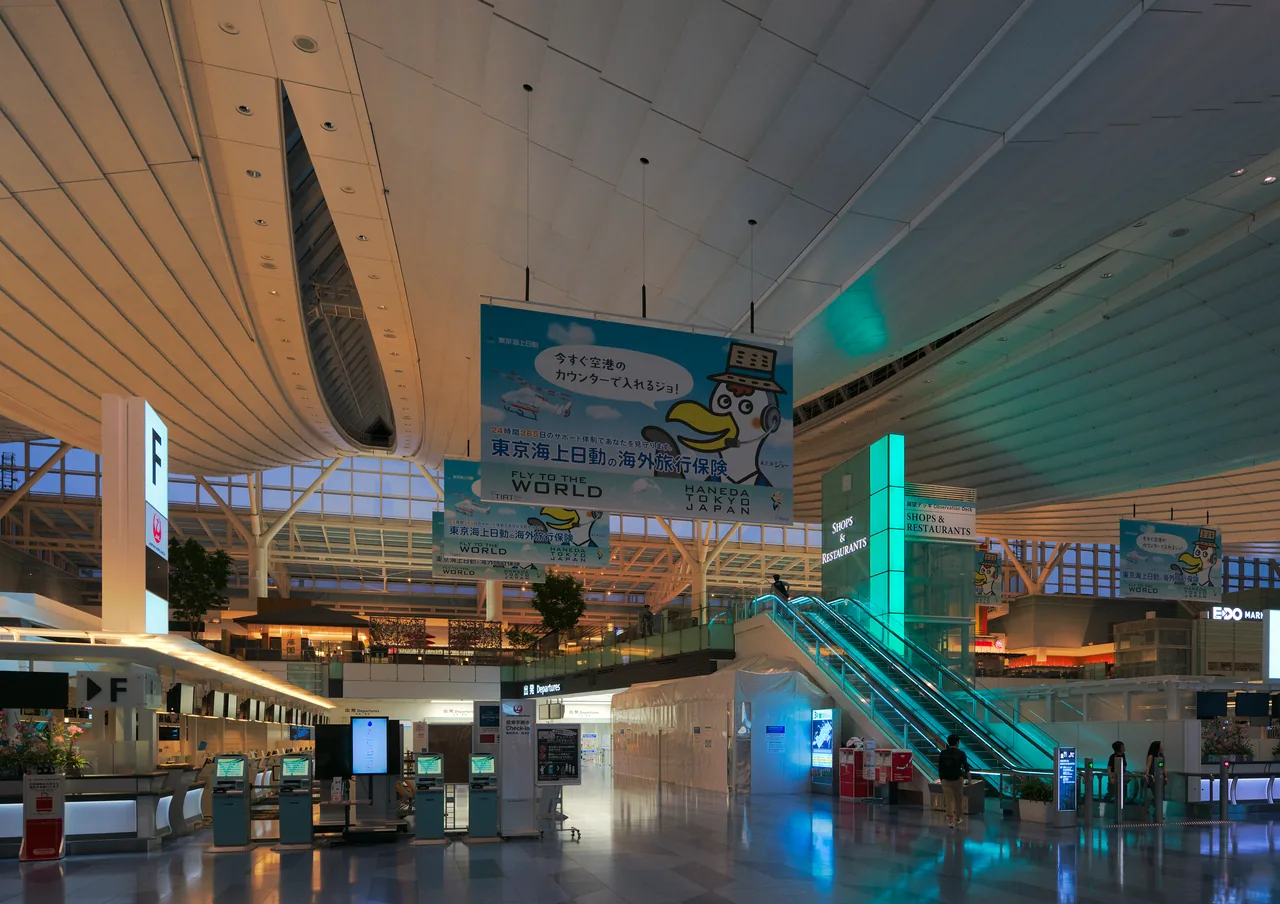
You may have seen the headlines: Japan is raising its departure tax. Here’s the gist. The departure tax — officially the International Tourist Tax, nicknamed the ‘sayonara tax’ — goes from ¥1,000 to ¥3,000 on 1 July 2026. That’s about US$19, up from roughly US$6.
But don’t lose sleep over it. The tax is already included in the price of your plane or ferry ticket, so you never queue or hand over cash for it at the airport. It sits quietly inside the taxes line of your fare. Still, it’s worth knowing how much it is and when to book to pay less — so let’s walk through it.
2. What is the departure tax (sayonara tax)?
Its official name is the International Tourist Tax, but everyone calls it the ‘sayonara tax’. It’s a per-person charge on anyone leaving Japan by plane or ferry — Japanese nationals and foreign visitors alike.
It was introduced in 2019 at ¥1,000, with the money meant to fund tourism and airport infrastructure as visitor numbers climb. This is its first increase in seven years, tripling to ¥3,000 as Japan handles record inbound tourism.
3. What’s changing (¥1,000 → ¥3,000)
Only one thing changes: the amount.
| When | Departure tax | Roughly |
|---|---|---|
| Until 30 June 2026 | ¥1,000 | about US$6 |
| From 1 July 2026 | ¥3,000 | about US$19 |
That’s ¥2,000 more per person. Trivial if you’re solo, but for a family of four it’s ¥8,000 (around US$50) — enough that when you book starts to matter (next section).
4. Who pays, and who’s exempt
In short, almost everyone leaving Japan by air or sea pays it. There are a few exemptions:
- Infants under 2: exempt.
- Transit passengers leaving within 24 hours: if you’re only connecting through Japan and depart within 24 hours (without clearing immigration), you’re exempt.
- A few others: diplomatic and official cases, which won’t apply to ordinary travellers.
5. How do you pay it? (Not at the airport)
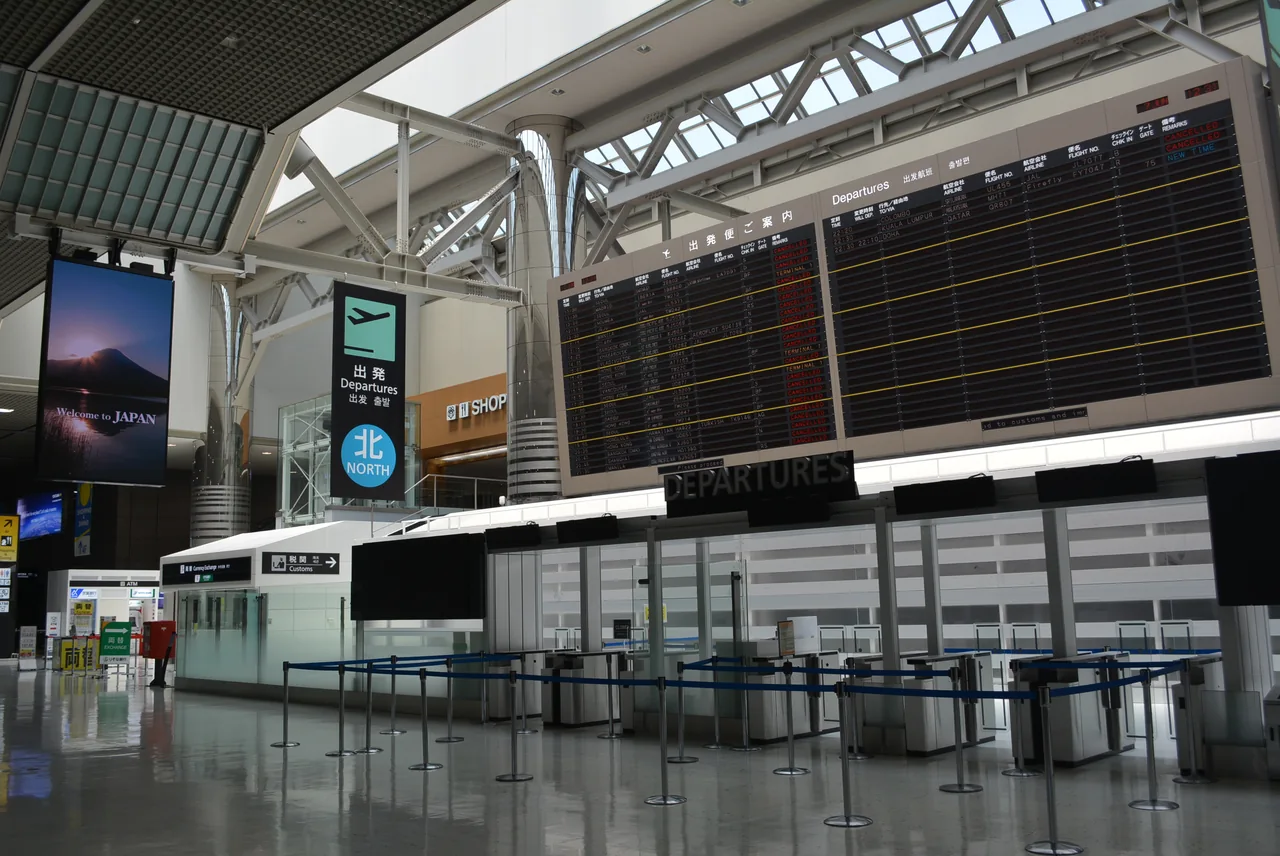
This is where people get confused, so let’s be clear: you have nothing to pay separately.
The departure tax is automatically included when you buy your plane or ferry ticket. The carrier collects it and passes it to the Japanese government. So there’s no counter at departures where you line up or pay cash — it’s tucked into the taxes and fees portion of your fare, sometimes without its own line item.
6. Booked before 1 July? You still pay ¥1,000
A transitional rule still applies to tickets bought before the rise.
What matters is when your ticket is issued, not when you fly. Air and ferry tickets issued (purchased) on or before 30 June 2026 keep the old ¥1,000 rate — even if your departure is in July or later.
| Ticket issued | Departure date | Tax applied |
|---|---|---|
| On/before 30 June 2026 | Even if July or later | ¥1,000 (old rate) |
| From 1 July 2026 | — | ¥3,000 (new rate) |
7. What about other airport charges?
Besides the departure tax, there’s another charge people lump in as an ‘airport tax’: the Passenger Service Facility Charge (PSFC), for using the airport’s facilities. The bottom line is the same — it’s included in your airfare.
- The amount varies by airport. Narita, Haneda, Kansai and others each set their own, and it differs for international vs domestic and departure vs arrival.
- It’s also bundled into your ticket, so there’s rarely anything to pay at the airport (a few transit and edge cases aside).
- For a traveller, that means departure tax and facility charges alike are already paid when you buy the ticket.
8. Departure tax ≠ tax-free ≠ accommodation tax
Japan has several travel taxes that often get muddled. These three are completely different — here they are side by side.
| Charge | What it is | Direction |
|---|---|---|
| Departure tax (sayonara tax) | A tax to leave Japan. ¥3,000 from July. | You pay (in your fare) |
| Tax-free (consumption-tax refund) | Getting back the 10% consumption tax on shopping over ¥5,000. | You get money back |
| Accommodation tax | A small per-night tax in some cities (Tokyo, Osaka, Kyoto, etc.). | You pay (at the hotel) |
So: the departure tax is paid in your fare when you leave, tax-free gives you money back on shopping, and the accommodation tax is paid at your hotel. The tax-free system changes significantly in November 2026, so if you plan to shop, read our guide to money, payments and tax-free too.
9. So how much does it really affect your trip?
Honestly, across a whole trip it’s not a big deal. It’s ¥2,000 more per person, and it’s folded into your airfare, so you never reach for your wallet for it.
- Solo or couple: ¥2,000–4,000 difference — about one meal out.
- Family: ¥8,000 for four (around US$50) — enough to make booking in June worthwhile.
- Fine even if you didn’t know: because it’s in the fare, not knowing won’t trip you up at the airport. Knowing just lets you save a little on timing.
For how to plan your budget, handle cash and cards, and pick when to go, see the complete Japan travel guide and our money and payments guide.
10. What to read next
Departure tax, covered. Here’s what slots into the rest of your planning.
🛂 Visa & entry
Visa-free limits, Visit Japan Web, immigration.
💴 Cash vs cards
Money, payments, tax-free and airport fees.
📅 Best time to visit
Seasons, airfare and crowds.
✈️ Airport to Tokyo
Narita and Haneda into the city.
🎫 Suica & ICOCA
Your day-one transport card.
🗺️ Japan Travel Guide
The whole itinerary in one place.