
Secondhand Shopping in Japan: Hard Off, BOOKOFF, 2nd STREET, Mandarake and the Vintage Districts
Japanese secondhand shops are sorted by category, not by neighbourhood. Clothing is 2nd STREET, cameras and instruments are Hard Off, manga and figures are Mandarake. Here is which sign sells what, which branches process tax-free, and where the vintage districts are in Tokyo and Osaka.
| Order of decisions | pick the item first and the shop follows. |
|---|---|
| Hard Off | cameras and instruments, with a junk shelf that carries no guarantee. |
| BOOKOFF | books through to designer bags, with categories that differ by branch. |
| Mandarake | manga and figures, opening at noon every day of the year. |
| Tax-free | used goods qualify but only at certain branches. |
| Vintage districts | Shimokitazawa and Koenji in Tokyo, Amerikamura in Osaka. |
1. Decide what you want first, and the shop chooses itself
2. These are shops, not charity stores
3. Hard Off runs six different signs
4. The junk corner comes with no guarantee
5. BOOKOFF stopped being a bookshop a long time ago
6. For clothing, start with 2nd STREET
7. Manga and figures mean Mandarake
8. Designer goods and general resale have their own names
9. Records and cameras have dedicated specialists
10. Opening hours are not the same from shop to shop
11. Tax-free works, but only at certain branches
12. How to read a condition grade
13. For clothing, read the measurements, not the size label
14. Check the voltage before buying electronics
15. Whether the branded goods are genuine
16. You can sell as well as buy
17. Which Tokyo district to head for
18. Osaka and the rest of the country
19. Paying, carrying and getting it home
20. Building it into a day
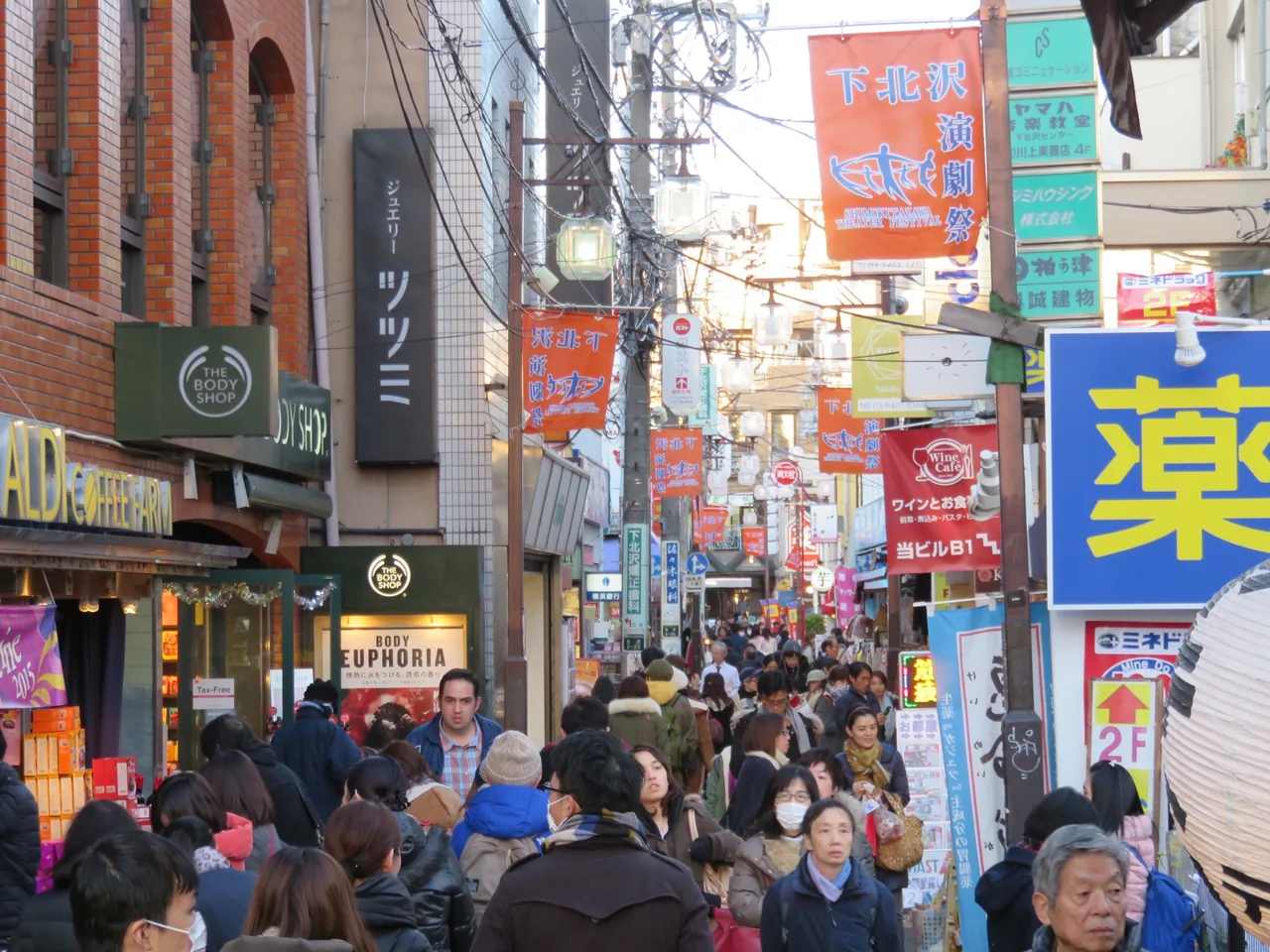
1. Decide what you want first, and the shop chooses itself
Japanese secondhand shops are sorted by category, not by neighbourhood. Each chain runs several different shop names, and each name handles a different kind of item. Once you know what you are looking for, there is usually only one sign to look for.
| What you want | Sign to look for |
|---|---|
| Clothes, bags, shoes | 2nd STREET, Mode Off, Treasure Factory Style |
| Cameras, audio, instruments, consoles | Hard Off, Map Camera |
| Books, manga, trading cards | BOOKOFF |
| Vinyl and CDs | Disk Union, BOOKOFF |
| Figures and anime goods | Mandarake, Hobby Off |
| Furniture, tableware, household goods | Off House |
| Designer bags and watches | KOMEHYO, BOOKOFF SUPER BAZAAR |
The name on the door is the category
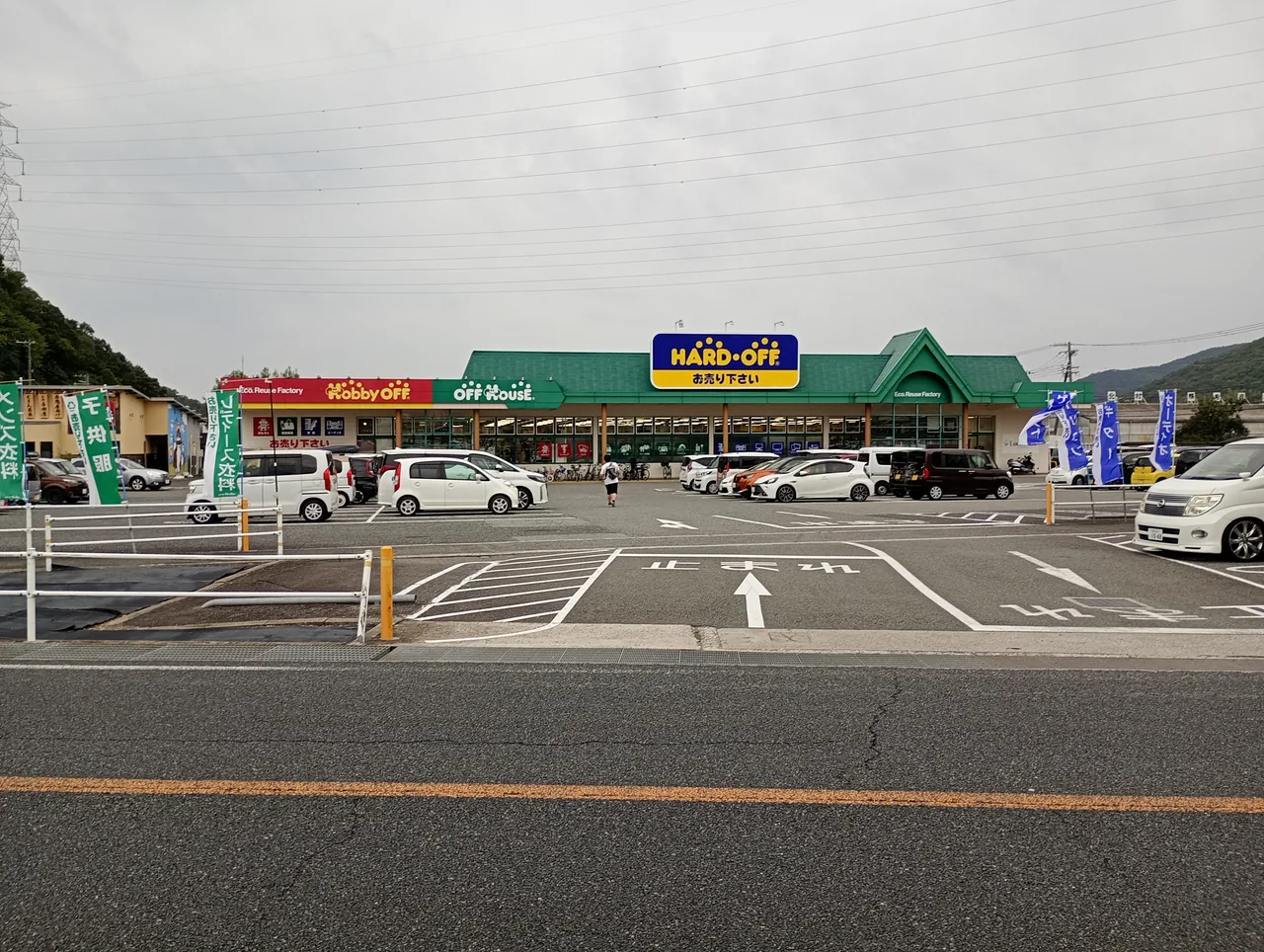
Hard Off and Off House belong to the same company and sit in the same car park, but they sell completely different things. Walk into the wrong one and you simply walk back out.
Stock is local, so branches differ
Everything on the shelves was sold in by people living nearby. Two branches of the same chain in different parts of a city will look nothing alike, which is why regulars visit several rather than one.
What is covered elsewhere
Buying new, and the tax-free system itself, are set out in the Japan tax-free shopping guide. Payment and cash are in the Japan money and cards guide.
2. These are shops, not charity stores
Secondhand retail in Japan is a mainstream commercial business. If your reference point is a charity shop or a thrift store, the difference will be obvious within a minute of walking in.
Items are inspected and cleaned before they go out
Hard Off states that everything it buys is checked and cleaned before it reaches the shelf, and that some items are sold with a used-goods warranty slip. That is the general standard across the large chains.
Prices are fixed
Tickets are printed and there is no haggling. Staff will not negotiate, and asking puts everyone in an awkward position.
The industry calls itself reuse, not recycling
2nd STREET says on its own site that it deliberately uses the word reuse rather than recycle. Recycling means breaking something down for materials. Reuse means the same object being sold on and used again, which is what these shops do.
Stock turns over quickly
Because each item is unique, what you saw last week will not be there this week. If you find something you want, that is the moment to decide.
3. Hard Off runs six different signs
Hard Off is one company operating a family of shop names, each with its own category. Large sites often have three or four of them side by side sharing one car park.
Which sign sells what
| Sign | What it sells |
|---|---|
| Hard Off | Audio, cameras, computers, consoles, instruments, watches |
| Off House | Clothes, furniture, tableware, household goods |
| Mode Off | Clothing and accessories only |
| Hobby Off | Toys, figures, trading cards |
| Garage Off | Car accessories, fishing and camping gear |
| Liquor Off | Alcohol |
Some branches narrow it down further
There are camera-only branches, instrument-only branches and a tool branch. The company says it splits shops this way so staff can specialise in one category rather than know a little about everything.
They reach every prefecture
The group covers all forty-seven prefectures, having filled the last gap when it opened in Okinawa. Most of the large branches sit on suburban main roads rather than in city centres, which makes them a good fit for a day when you already have a car or are taking buses.
Look for the clustered sites
A site with Hard Off, Off House and Hobby Off together lets you cover electronics, clothing and toys in one stop. These are usually the biggest branches and hold the deepest stock.
4. The junk corner comes with no guarantee
Every Hard Off has a section marked junk. These are items that are broken, untested, or visibly damaged, and the company sells them openly as such.
Junk is priced for people who repair things
Prices drop sharply, which is why the section draws attention. Nothing there is guaranteed, and an item that turns out not to work cannot be returned.
Working stock sits in the same room
Inspected items with a used-goods warranty slip and untested junk are often on shelves a few steps apart. The label is the only thing separating them, so read it before you carry anything to the till.
How it is marked
Junk is flagged by a different ticket colour or by the word ジャンク printed on the tag. It turns up most often among cameras, lenses and older audio equipment.
Accessories are frequently missing
Chargers, cables and lens caps often do not come with the item. Even outside the junk section, anything sold without its box and manual is priced lower for that reason.
5. BOOKOFF stopped being a bookshop a long time ago
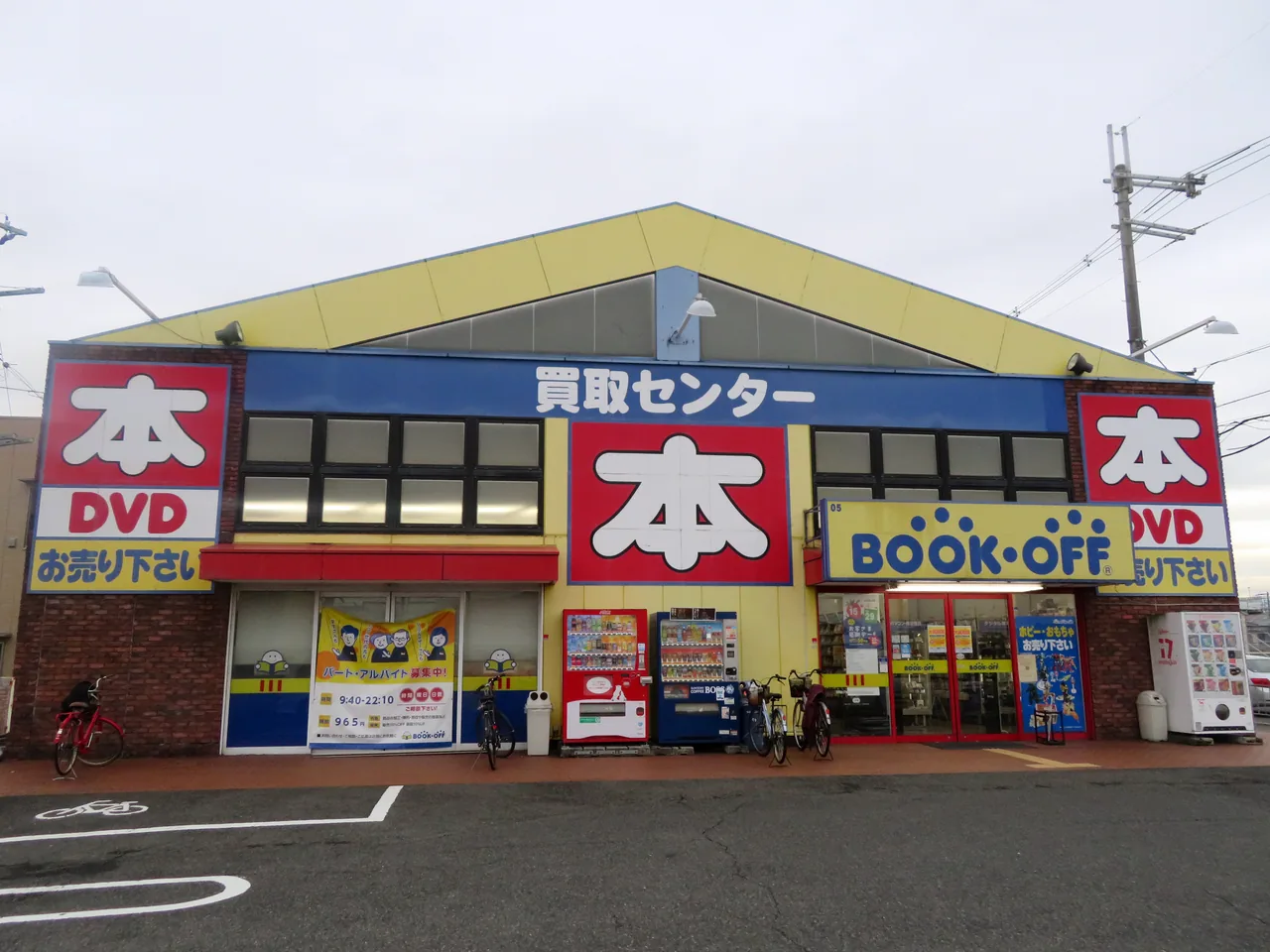
BOOKOFF started with secondhand books and now sells clothes, electronics and designer bags in most of its branches. Skipping it because of the name is a common mistake.
The big branches have a different name
The larger full-range stores are called BOOKOFF SUPER BAZAAR. One of these covers books through to branded handbags under a single roof, which makes it the right choice if you only have time for one shop.
Branches carry different categories
One branch will sell clothing and the next will only stock books and games. The company’s own store pages list every category with a handled or not-handled mark, so it is worth checking before travelling across a city.
What the range covers
Books and manga, CDs and DVDs, games, trading cards, figures, anime goods, phones, cameras and computers, home appliances, instruments, clothing, kimono, sports gear, branded bags, precious metals and tableware.
Trading cards have taken over floor space
Card sections have been expanded and some branches now include tables where people play. If cards are what you are after, check that the branch has that section before setting out.
Some branches stay open late
Opening hours vary by branch and a number stay open past ten at night. That makes BOOKOFF the one category of secondhand shop you can still reach after dinner.
6. For clothing, start with 2nd STREET
2nd STREET is the largest clothing-led secondhand chain in Japan. Bags and shoes sit alongside the clothes, and the bigger branches add furniture, appliances and household goods.
It is in almost every city
There are well over nine hundred branches in Japan, including regional cities, so it is the easiest name to find when you want to look at clothes without planning a trip around it.
There are brand-only branches
The same company runs separate shops that only buy and sell branded goods. If the general branch has little in the way of designer bags, that is where the stock went.
Shimokitazawa has several
The chain concentrates branches in Tokyo’s main secondhand clothing district, so you can compare its stock against the independent shops on the same walk.
MapYou may have one at home already
The same sign operates in the United States, Taiwan, Hong Kong, Singapore, Thailand and Malaysia. The Japanese branches carry a wider range and much deeper stock, so they are still worth a visit even if the name is familiar.
Furniture is a look, not a purchase
The large suburban branches have full furniture floors. They will not ship abroad, so treat that part of the shop as something to look at rather than buy from.
7. Manga and figures mean Mandarake
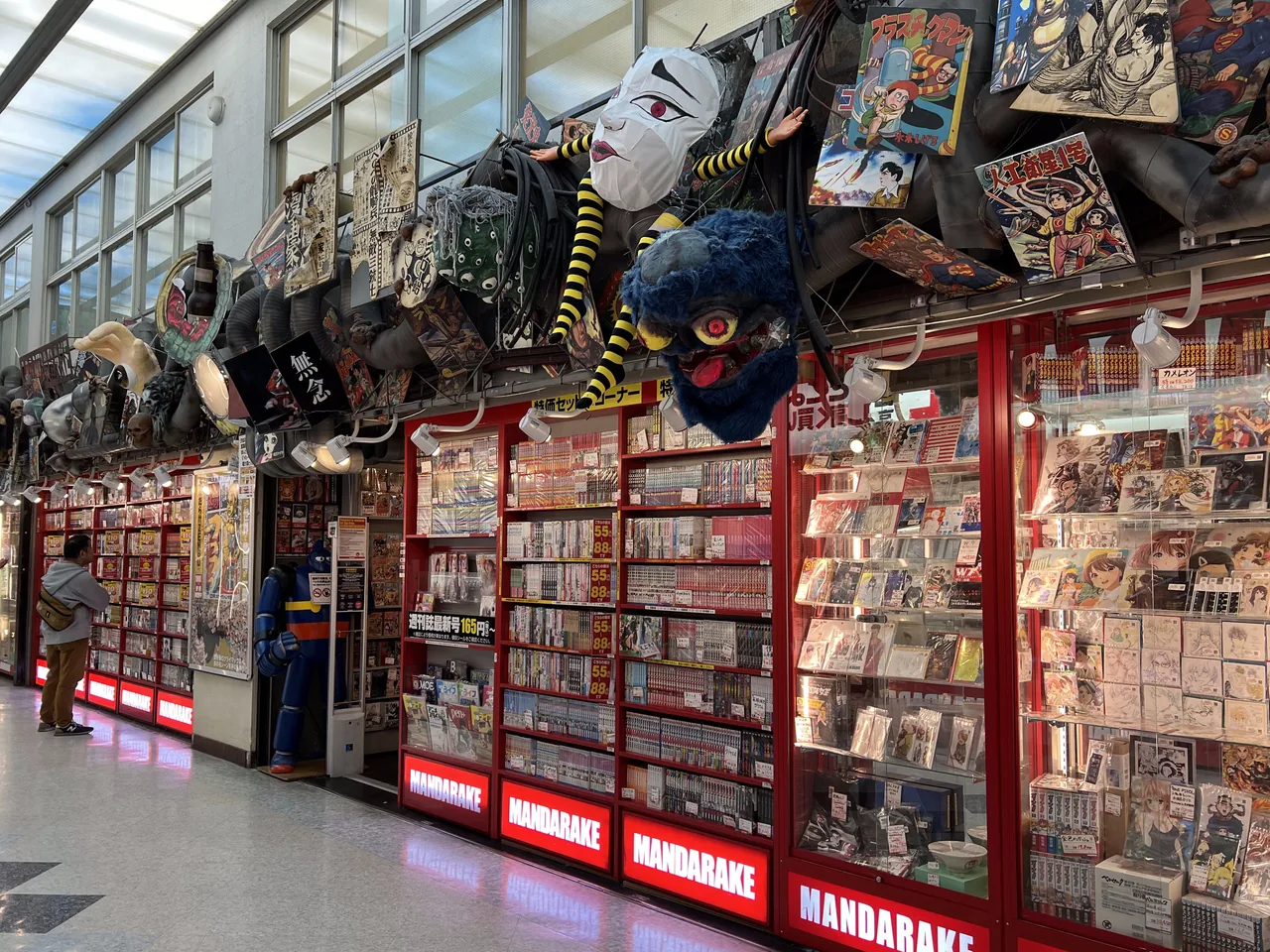
Mandarake sells secondhand manga, anime goods, figures and doujinshi. In Tokyo the two large sites are Nakano and Akihabara.
The Nakano shop is not one shop
It occupies a series of separate units spread across the floors of the Nakano Broadway shopping complex, each with its own name and specialism. There is a card unit, a film-materials unit, a costume unit and a main store. The floor guide is worth a look before you start climbing stairs. The buying counter is on the third floor.
MapThe building itself is the attraction
Nakano Broadway runs from a basement level up to the fourth floor, and Mandarake shares it with independent dealers in cards, old toys and collectibles. The basement has food shops, so you can break in the middle without leaving.
Akihabara has a vertical branch
Mandarake Complex is a few minutes on foot from the electronics-town exit of Akihabara station. Each floor handles something different, so going all the way up is the point.
MapCheck the opening time before you go
Mandarake opens at noon and closes at eight in the evening, every day of the year. Putting it in a morning plan means finding the shutters down.
8. Designer goods and general resale have their own names
Higher-value goods sit with specialist chains rather than general shops. The general chains do have brand corners, but the depth of stock and the level of authentication are different.
KOMEHYO
A designer resale chain built around jewellery, watches, bags and clothing, later extended to kimono, cameras and instruments. It began in Nagoya and now has branches in Tokyo and Osaka.
Treasure Factory
General stores plus a set of specialist signs for clothing, sports and outdoor gear, instruments, anime goods and golf equipment. The clothing sign is called Treasure Factory Style.
Some counters only buy
Buy-only counters inside department stores exist for people selling, not shopping. If the sign says 買取 and nothing else, there is nothing on sale inside.
Secondhand kimono
BOOKOFF and KOMEHYO both carry used kimono at a fraction of new prices, and some shops sell the obi and accessories separately. It is one of the few categories where secondhand is the normal way to buy.
9. Records and cameras have dedicated specialists
Vinyl and used cameras are held by long-established specialist shops rather than the general chains. If you know exactly what you want, going straight to them saves a day.
Disk Union
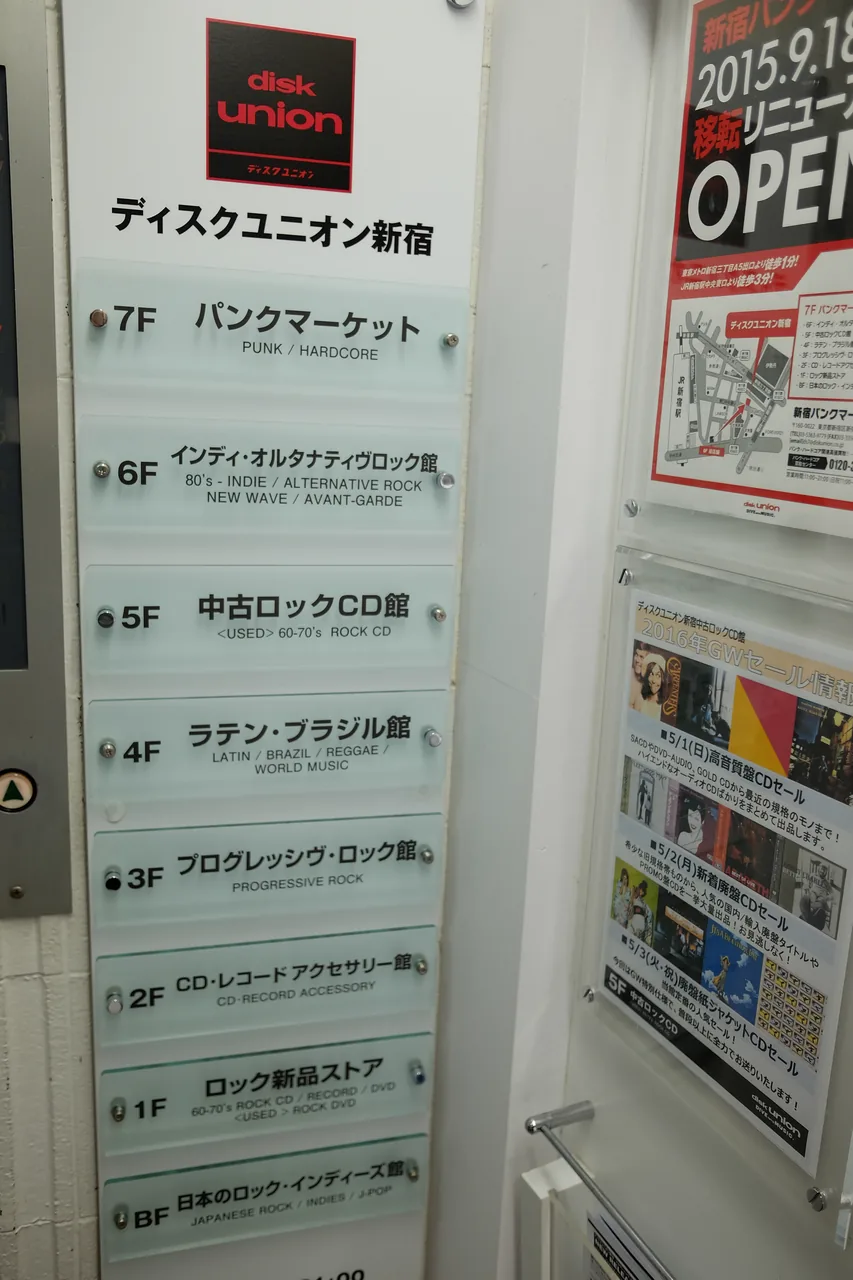
A chain of secondhand record and CD shops concentrated in Shinjuku, Ochanomizu and Shibuya. The company publishes an English map of those three areas because visitors ask for it. Genres are split across separate shops, so the jazz branch and the rock branch may be in different buildings.
MapMap Camera
A used camera and lens specialist with English and Chinese versions of its site. The same company runs a separate watch shop and a fountain pen shop, which is worth knowing if either of those is on your list.
Film cameras split between two places
Older film bodies turn up both in specialist shops and in the Hard Off junk section. Buy from a specialist if you want it tested, and from the junk shelf if you intend to repair it yourself.
Instruments
Guitars and brass are concentrated in the Hard Off instrument branches. They are awkward to carry, so leave them until the end of a trip.
Japanese pressings
Records pressed in Japan are collected internationally for their production quality and their inserts. That is a large part of why the record shops here are worth the detour.
10. Opening hours are not the same from shop to shop
Secondhand shops keep a wide spread of hours. Some cannot be visited in the morning at all, and a few can only be visited at night, so this is the thing to check first when planning the day.
| Time of day | What is open |
|---|---|
| Morning | Mostly closed |
| Midday to afternoon | Nearly everything, Mandarake included |
| Evening and night | Large BOOKOFF branches, some vintage shops |
| Overnight | Unstaffed shops |
Independent vintage shops open late
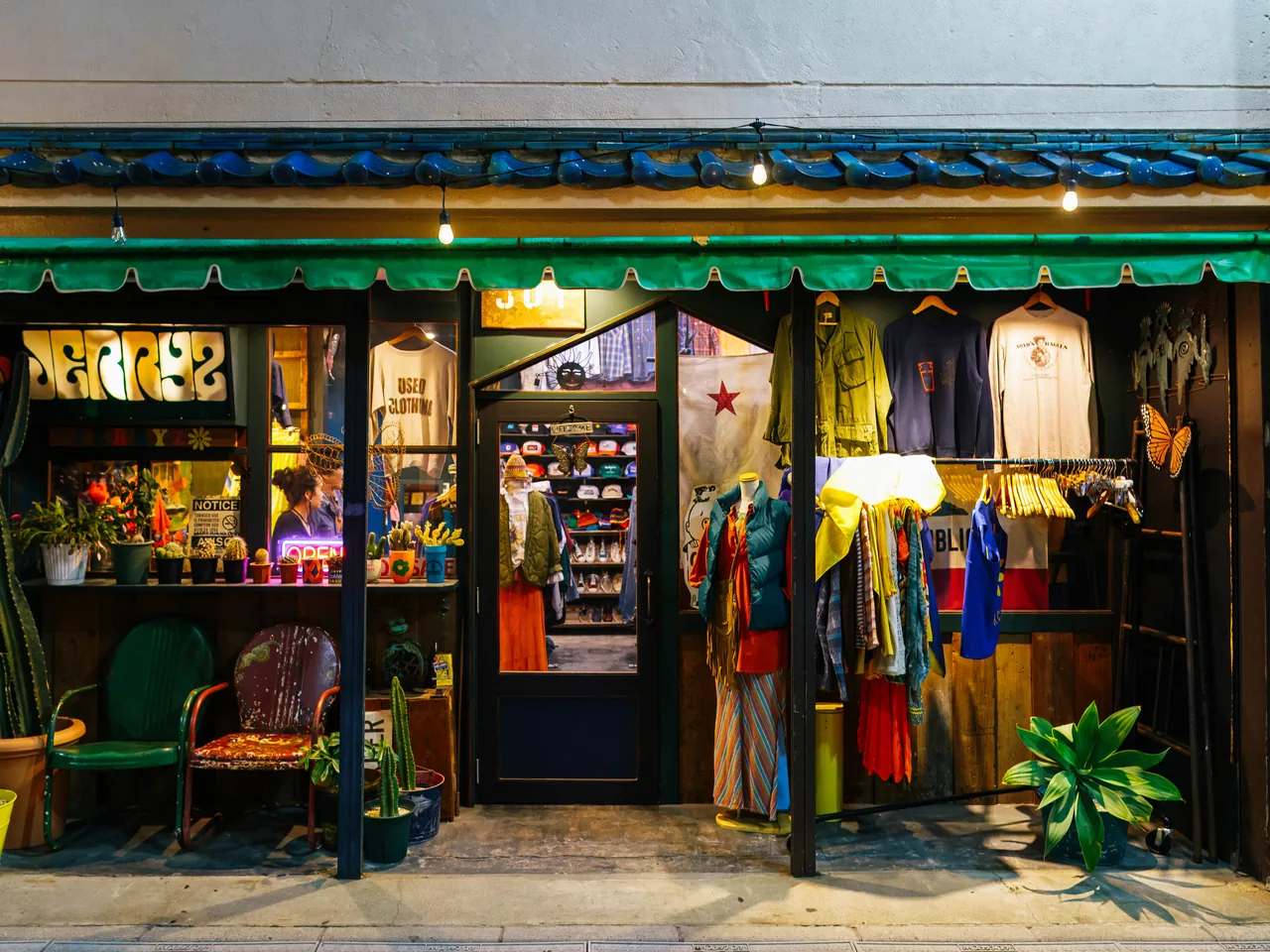
Owner-run vintage clothing shops commonly open at noon or one in the afternoon. Arriving in Shimokitazawa or Koenji in the morning means walking a street of closed shutters.
One shop has no staff at all
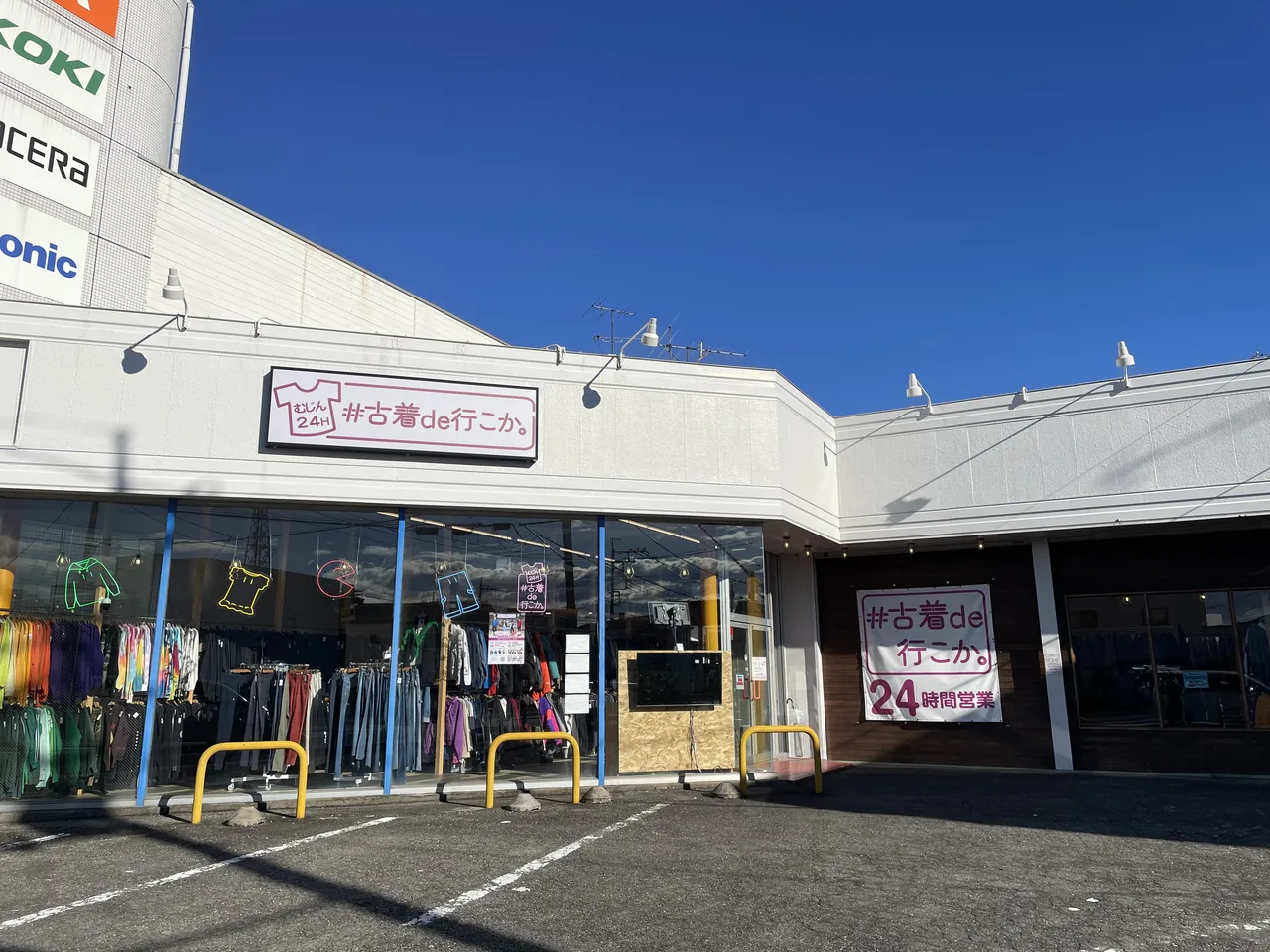
Koenji has an unstaffed vintage clothing shop called SLAT, in a basement on the Look shopping street. It is open around the clock with no closing days and takes cards and contactless payment. It is the one option worth knowing about if you land late or have an early gap before check-in.
MapFill the morning with something else
On a day built around secondhand shops, put temples, parks or a morning market in the first half and start the shops after lunch.
You will be checking store pages as you walk
Which branch handles which category, and when it closes, are things you look up on the move rather than plan in advance. That needs data on your phone.
11. Tax-free works, but only at certain branches
Secondhand goods qualify for tax-free shopping. Not every branch is set up to process it, so a large purchase needs a little planning.
BOOKOFF lists its tax-free branches
The company publishes a visitor page with the participating branches by region. The conditions are that your stay is six months or less, that you spend 5,000 yen or more before tax, and that you show your passport at the till.
There is a handling fee
BOOKOFF states that a three per cent handling fee applies to tax-free purchases, and notes that this can vary by branch. On a small purchase it is simpler to pay the tax and skip the paperwork.
Not everything qualifies
Bags, snacks and alcohol fall outside the scheme. Books, CDs, games, cameras, clothing, bags, watches, instruments and sports equipment are all inside it.
2nd STREET does it at some branches only
The chain offers tax-free service for overseas visitors but not across the whole network, and keeps a separate list of the branches that do.
Independent shops generally cannot
Small owner-run vintage shops rarely have the paperwork set up. If tax-free matters to you, plan the large purchases at a chain branch.
12. How to read a condition grade
Used items carry a condition grade, usually written as a letter. The scale runs down from nearly new to visibly worn, with junk below that.
The usual order
S covers unopened, unused or factory-refurbished stock. A is close to new. B shows use. C and below have visible faults. Junk sits underneath the whole scale.
Chains apply it differently
One company’s A is another’s B. Treat the grade as a filter for what to pick up rather than as a promise, and look at the item itself.
Being able to inspect it is the real advantage
Photographs online hide a lot. In a shop you can check the seams and cuffs on clothing, the corners and handles on a bag, and the sole on a pair of shoes.
Read the accessory line too
Tags usually note whether the box, warranty card and charger are present. When two apparently identical items differ sharply in price, this is normally where the difference sits.
13. For clothing, read the measurements, not the size label
Size labels on vintage clothing will mislead you. American and European garments run larger than Japanese sizing for the same letter, and vintage sizing has drifted over the decades on top of that.
Many shops post the measurements
Shoulder width, chest and length are commonly written on the tag. Measuring something you already own and wear before you travel makes this immediately useful.
Ask whether you can try it on
Chain branches have fitting rooms. Small shops sometimes do not, but asking is normal and staff will tell you.
Returns are rare
Each item is unique, so most shops do not exchange. The decision has to happen before you pay.
Smell and staining do not photograph
This is the part of buying used clothing that only works in person. Underarms, collars and cuffs show it first.
Check the soles on shoes
Uppers can look clean while the sole is worn through. Uneven wear on one heel is worth noticing as well.
14. Check the voltage before buying electronics
Japan runs on 100 volts. An appliance built only for the domestic market will fail in a country with a higher supply voltage.
It is printed on the unit
If the body or the adapter reads 100 to 240 volts, it will work anywhere. If it reads 100 volts only, you need a step-down transformer, which is heavy and usually not worth it.
Manufacturer warranty will not follow you home
A used appliance bought in Japan is unlikely to be repairable under warranty elsewhere, and the shop’s own used-goods warranty applies only within Japan.
Cameras are the easy case
Camera bodies and lenses avoid most of the voltage problem and travel well. What to check instead is that the shutter fires and that there is no fungus inside the lens elements.
Consoles carry region markings
A lot of the stock dates from when hardware and software were region-locked. Confirm which region a machine and its discs are for before buying.
Anything with a battery
Power banks and battery-equipped devices are subject to airline rules and generally have to travel in the cabin rather than in checked baggage.
15. Whether the branded goods are genuine
The large chains authenticate before anything reaches the shelf. BOOKOFF states that it only buys branded items that were in use inside Japan and that experienced staff check them.
Keep the receipt
For anything expensive, keep the receipt and whatever paperwork comes with it. It is what you need if you ever resell, and it is what customs will ask about.
An unusually low price has a reason
When the same item is far cheaper in one shop, the reason is normally condition or missing accessories, most often the box and the authentication card.
Counterfeits cannot be taken out
Goods that imitate a trademark are blocked at the border in many countries. Buying from a large chain keeps you clear of this.
Specialists refurbish before selling
Designer resale chains clean and repair bags before putting them out. Prices are higher for that reason, and condition is more consistent.
16. You can sell as well as buy
These shops buy from the public, which is where all the stock comes from. Travellers occasionally use that to shed weight before flying home.
Identification is required by law
Japanese law obliges secondhand dealers to verify the identity of anyone selling to them. A passport works. You will fill in a form with your name, address and date of birth.
The buying counter closes early
Counters commonly stop taking items half an hour before the shop shuts, which is how Mandarake runs it. Do not leave selling until the end of the evening.
It takes time
Each item is examined and priced individually, so a full bag can take a while. Go on a day when you are not in a hurry.
The branch has to handle that category
BOOKOFF splits its store search into what you want to sell and what you want to buy. A branch that does not sell clothing will not buy clothing either.
Expect less than you hoped
Buying prices sit far below shelf prices. Treat it as a way to lighten a suitcase rather than as a way to recover money.
17. Which Tokyo district to head for
Tokyo splits by category, so the district follows from what you want. Clothing and manga are in different parts of the city and are not worth combining.
| District | What it is for |
|---|---|
| Shimokitazawa | Vintage clothing. Close to the station, shops packed together |
| Koenji | Vintage clothing. More walking, narrower and deeper stock |
| Nakano | Manga, figures, cards |
| Akihabara | Anime goods, used electronics |
| Shinjuku and Ochanomizu | Records and CDs |
Shimokitazawa
A short train ride from Shinjuku or Shibuya. Clothing shops run along the lanes in every direction from the station, so you can cover a lot on foot. This is the district to pick if you want volume rather than a specific find.
Koenji
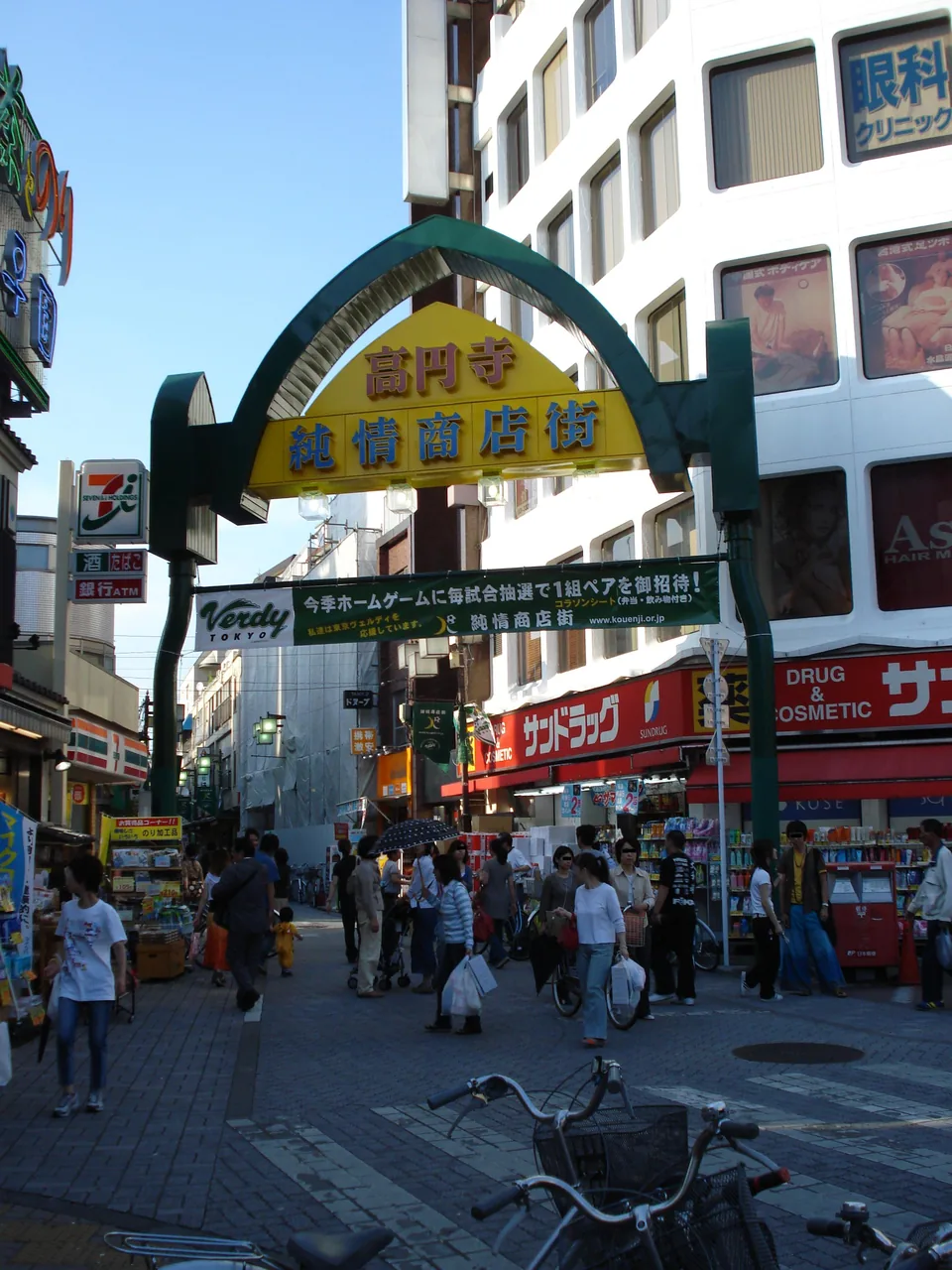
Also close to Shinjuku, but the shops sit inside the covered shopping streets rather than by the station exit. European vintage and narrower specialisms concentrate here.
Nakano
A few minutes on foot from the north exit of Nakano station. One building can absorb half a day.
Akihabara
Used electronics shops and Mandarake Complex occupy the same few streets. The Tokyo travel guide sets out an order for walking this area.
Sensible combinations
Nakano and Koenji sit on the same line and pair naturally in one day. Shimokitazawa attaches better to a Shibuya day.
What else is on the way
Shinjuku, where the record shops cluster, is covered in the Shinjuku guide, and the Ameyoko market one stop from Akihabara is in the Ueno and Ameyoko guide.
18. Osaka and the rest of the country
Osaka has two vintage districts, Amerikamura and Nakazakicho. They cover the same category but feel completely different on foot.
Amerikamura
Next to Shinsaibashi. The range runs from ordinary used clothing through to older collectable pieces, and the shops are dense enough to walk between. Minami-Horie continues on from it.
MapNakazakicho
One subway stop from Umeda. Small shops occupy converted wooden houses, mixed in with cafes, which makes it a slower and quieter walk than Amerikamura.
MapOther cities
Fukuoka, Sapporo and Nagoya all have the major chains. What they do not have is a street of independent vintage shops, which remains a Tokyo and Osaka thing. The Osaka travel guide covers how the districts connect.
Kyoto
Kyoto has no vintage district on the scale of the other two. It does have a number of secondhand kimono shops, which is the category worth your time there.
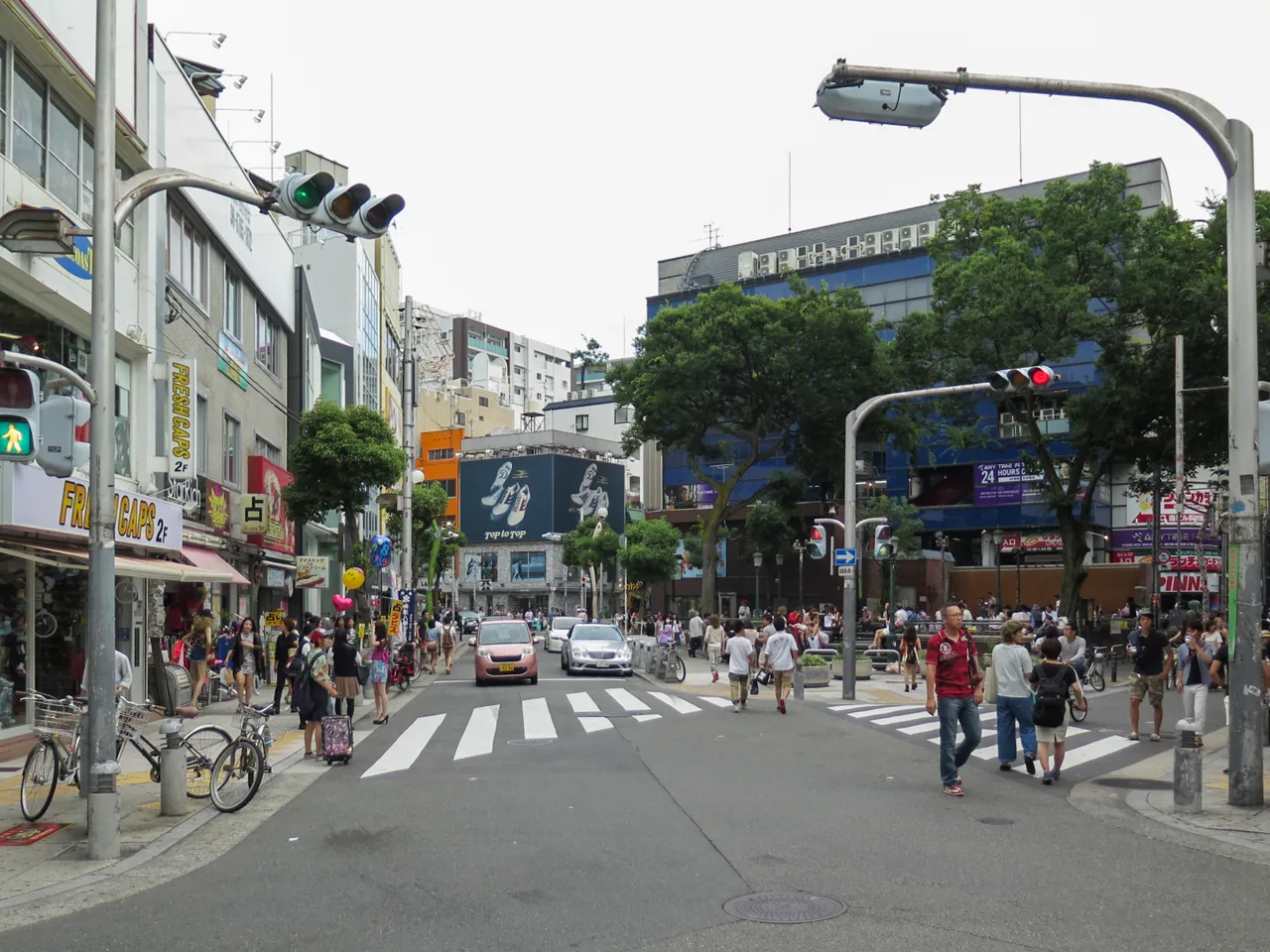
19. Paying, carrying and getting it home
Chains take cards and contactless payment. Independent shops sometimes still take cash only.
Carry some cash
If the day involves independent vintage shops, bring cash as well as a card. Payment methods generally are set out in the Japan money and cards guide.
Bags are charged for
Most shops charge for a carrier bag, and the ones they hand over are not strong. A folding bag in your day pack solves both problems, and clothing and books build up volume quickly.
Shipping within Japan
Some branches will send purchases to an address inside Japan. Sending them ahead to your next hotel keeps the rest of that day light.
Order online, collect in store
BOOKOFF and Disk Union both let you order from their websites and pick the item up at a branch. When you are hunting something specific, that beats walking between shops.
Customs on the way out
Duty-free allowances on arrival home differ by country. If you have bought several branded items, keep the receipts together.
20. Building it into a day
The reliable window is early afternoon through to evening. Planning around that keeps the rest of the day from going to waste.
Half a day is one district
A district takes three or four hours to walk properly. Choose between Shimokitazawa and Nakano rather than attempting both.
A full day
Walk a clothing district in the afternoon, then move to a large BOOKOFF in the evening. The late closing time makes it a natural end point.
When it rains
Shops inside a building let you keep going without getting wet, and Nakano Broadway is the clearest example. Other wet-weather options are collected in the Tokyo indoor guide.
MapDo not save it for the last day
Anything you buy adds weight and bulk. Put the shopping in the middle of the trip and ship it ahead if it is large.
It works even if you buy nothing
A building stacked with objects from several decades holds attention on its own. It is worth one slot in an itinerary regardless of whether you intend to spend.
Where you stay changes the day
Staying near a vintage district or near Nakano means you can keep going late and walk back. The wider trip is set out in the Japan travel guide.
🎡Things to Do5
🏨Where to Stay2
🚇Getting Around4
🧭Travel Tips13
Secondhand shopping in Japan: common questions
It varies. The large chains open late in the morning, Mandarake opens at noon, and independent vintage clothing shops often open at noon or one in the afternoon.
Yes, but only at branches set up for it. BOOKOFF lists its tax-free branches by region and 2nd STREET offers it at some branches only.
At BOOKOFF the threshold is 5,000 yen before tax. You need your passport, and a handling fee applies to tax-free transactions.
For chains, 2nd STREET or Mode Off. For independent shops, Shimokitazawa and Koenji in Tokyo, Amerikamura and Nakazakicho in Osaka.
Mandarake. In Tokyo the two large sites are inside Nakano Broadway and at Mandarake Complex in Akihabara. BOOKOFF and Hobby Off also carry sections.
Disk Union is the largest, concentrated in Shinjuku, Ochanomizu and Shibuya. Genres are split across separate shops, so check which branch you want.
Only if you intend to repair it. Junk is untested or known to be faulty and carries no guarantee at all.
If the label reads 100 to 240 volts, yes. If it reads 100 volts only, you need a transformer. Manufacturer warranty will not apply outside Japan.
Read the measurements on the tag rather than the size letter. American and European vintage runs larger than Japanese sizing. Ask whether you can try it on.
The large chains authenticate before selling and BOOKOFF states it only buys items used within Japan. Apply more care with independent shops.
Yes. You show your passport for the legally required identity check and fill in a form. The buying counter closes before the shop does, so go during the day.
Chains do. Some small independent shops are cash only, so carry some.
Usually not, because each item is unique. Decide before you pay.
Large branches have wide aisles and are fine. The small shops in vintage clothing districts have narrow aisles and are difficult with a pushchair.