
Arriving in Fukuoka by Ferry from Busan: What to Do, See and Eat After You Land
You have crossed the Korea Strait overnight and stepped off the boat. Here is how to get into the city, what to eat first in Japan’s great food town, and how to spend day one in Fukuoka or Kitakyushu.
| Your port | decides your first move. Hakata Port drops you into Fukuoka city, 15 to 20 minutes from downtown by bus. Shimonoseki lands you on Honshu, so you ride a JR train about 15 minutes to Kokura and start in Kitakyushu. |
|---|---|
| From Hakata | the bus is easiest: bus 88 to Hakata Station in about 20 minutes, bus 80 to Tenjin in about 15. Skip the tourist pass for a short first day; an IC card or contactless credit card covers almost everything. |
| The food | is the reason to be here. Fukuoka is the home of tonkotsu ramen, motsunabe offal hotpot and mizutaki chicken pot, and mentaiko, its signature spicy roe, was born in Hakata from a recipe that crossed the strait from Busan. |
| The yatai | open-air stalls along the Nakasu river are Fukuoka’s icon. They open after dark, seat you elbow to elbow at a counter, take cash only and have no toilet, so plan around all three. |
| Three centres | sit minutes apart: Hakata around the station, Tenjin for shopping, and Daimyo, the hip back-street quarter beside it, with Dazaifu Tenmangu a 30 to 40 minute train ride out. |
| Kitakyushu | day one runs on Kokura: the castle, the Tanga Market and the red-brick Mojiko Retro waterfront, all close together. |
| Cash and data | matter from minute one. Carry a few thousand yen for stalls and markets, and set up a Japan eSIM so you are online the moment you land. |
1. Your landing port sets the whole first day
2. From Hakata Port into the city
3. From Shimonoseki across to Kokura
4. IC cards, contactless and passes
5. Why Fukuoka is a food city, and how mentaiko crossed the strait
6. The dishes to eat first, and how to eat them
7. Yatai: eating at Fukuoka’s open-air stalls
8. Hakata, Tenjin, Daimyo and Nakasu: which is which
9. Fukuoka’s sights beyond the food
10. Dazaifu: a half-day that earns its place
11. Kitakyushu day one from Kokura
12. Mojiko Retro: red brick, yaki-curry and the strait
13. Your first day by arrival time
14. Onward from northern Kyushu
15. Practical notes for your first hours ashore
1. Your landing port sets the whole first day
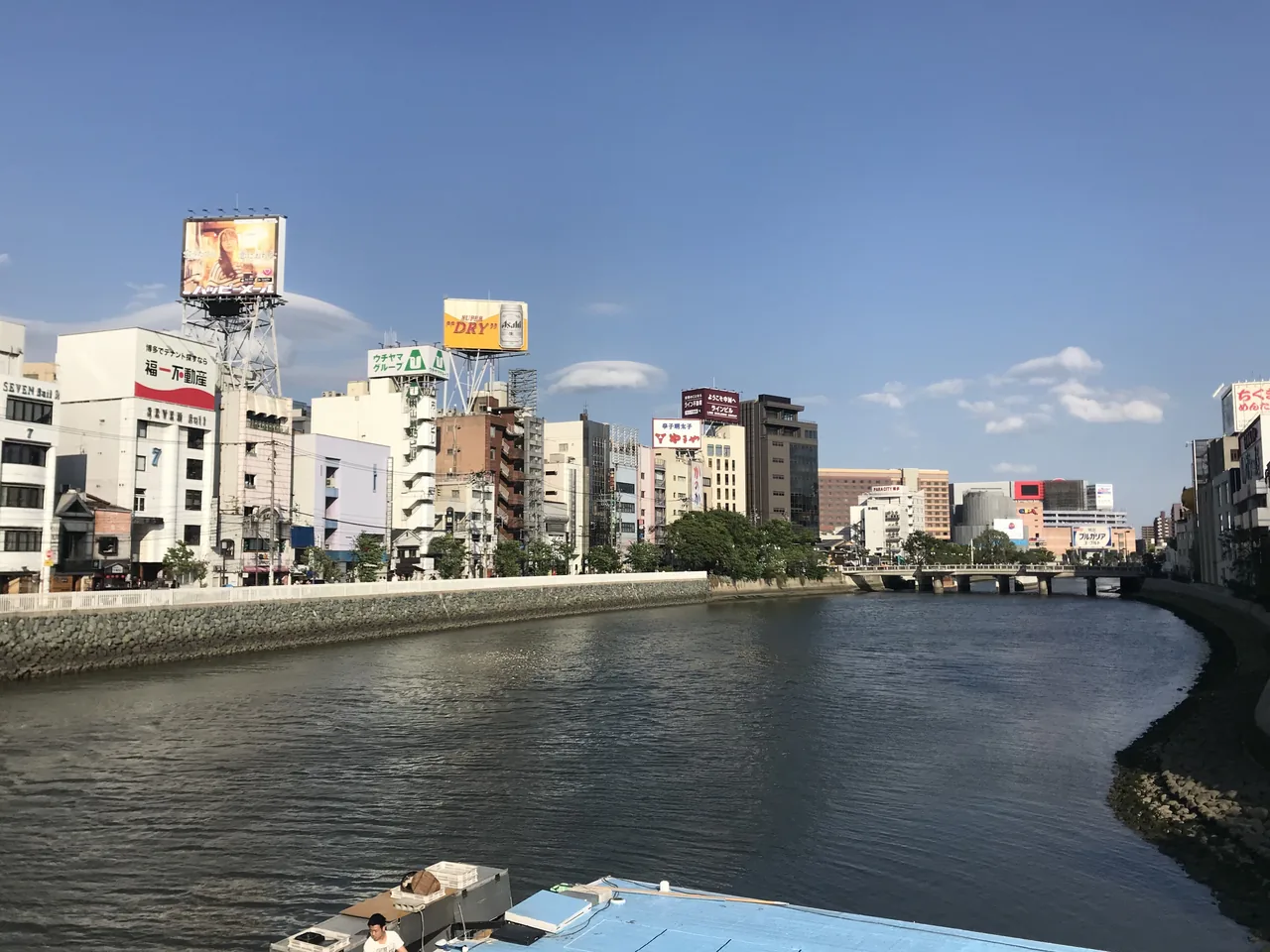
Everything about your first day turns on one fact: which port your ferry from Busan came into. Hakata Port lands you inside Fukuoka city, a 15 to 20 minute bus or taxi ride from downtown. Shimonoseki Port lands you on Honshu instead, so you take a JR train about 15 minutes to Kokura and begin in Kitakyushu. Sort that fork out first; nothing else about your arrival matters until you do.
The two crossings dock in two different regions. The New Camellia from Busan ties up at the Hakata Port International Terminal on the Fukuoka side of Kyushu. The Kampu Ferry from Busan ties up at Shimonoseki, over in Yamaguchi Prefecture on Honshu. Same overnight sailing, but the moment you walk down the gangway you are in a different place with a different first day ahead.
| Hakata Port (Fukuoka) | Shimonoseki Port (Honshu) | |
|---|---|---|
| Ferry from Busan | New Camellia | Kampu Ferry |
| Where you land | Fukuoka city, Kyushu | Shimonoseki, Yamaguchi (Honshu) |
| First move | Bus or taxi into central Fukuoka | JR train ~15 min to Kokura |
| Day one base | Fukuoka (Hakata / Tenjin) | Kitakyushu (Kokura) |
| To the city centre | ~15 to 20 min by bus | ~7 min walk + ~15 min train |
This guide picks up the moment you step off the boat, not before. For the crossing itself, the timetables and the boarding, see the ferry guides: the Busan to Fukuoka ferry guide for Hakata Port arrivals, and the Busan to Shimonoseki ferry guide for the Honshu route. When you start planning beyond Kyushu, it slots into the wider complete Japan travel guide.
2. From Hakata Port into the city
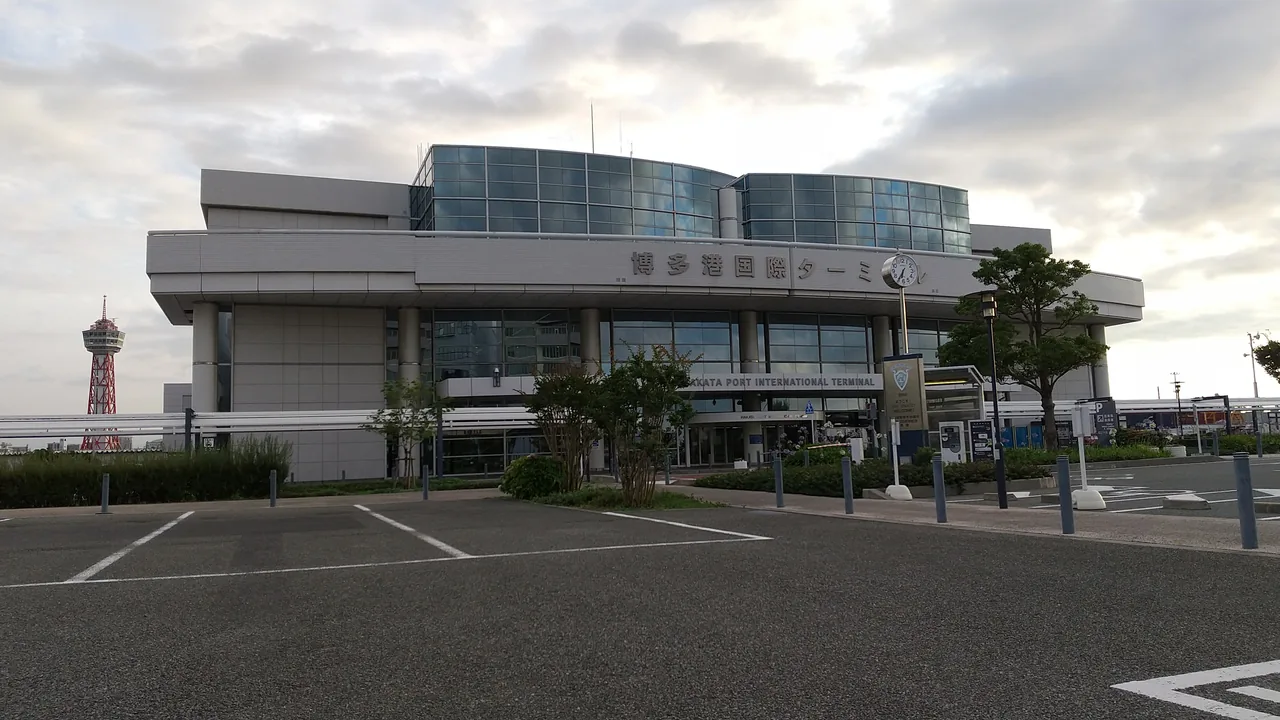
From the Hakata Port International Terminal, a city bus is the simplest way in: bus 88 to Hakata Station in about 20 minutes, or bus 80 to the Tenjin shopping district in about 15. The bus stops sit about a 5 minute walk from the terminal building, so allow a little time to reach them with your luggage after a night at sea.
The terminal stands on Chuo Wharf, close to the centre but too far to walk with bags. Choose your bus by where your hotel is: Hakata Station if you are near the shinkansen and the JR lines, Tenjin if you are in the main shopping and nightlife district. You can tap an IC card, tap a contactless credit card, or pay the driver in cash. The terminal is at Hakata Port International Terminal MapMap.
| Destination | Bus | Stop | Time |
|---|---|---|---|
| Hakata Station | Bus 88 | Stop F (Hakata Sta. Centre Bldg.) | ~20 min |
| Tenjin | Bus 80 | Stop 2A (Solaria Stage) | ~15 min |
| Subway connection | Bus 88 to Gofukumachi Sta. | Transfer to Kuko subway line | Varies |
| Taxi | — | Terminal taxi stand | ~15 min to Hakata Sta. |
If your hotel sits on the subway, take bus 88 to Gofukumachi Station MapMap and change to the Kuko (Airport) line, which threads Hakata and Tenjin in a few minutes. A taxi straight to Hakata Station runs about 15 minutes and is well worth it if you have heavy bags or a poor night’s sleep behind you. Bus frequencies and journey times shift through the day, so treat every figure here as “about.”
3. From Shimonoseki across to Kokura
Shimonoseki puts you on Honshu, not Kyushu, so your first job is a short train hop back across the strait to Kokura. It is roughly a 7 minute walk from the ferry terminal to JR Shimonoseki Station, then a JR train about 15 minutes to Kokura, the hub of Kitakyushu. From Kokura you are set up for a full first day.
Kokura Station has coin lockers and stands within walking distance of Kokura Castle, the Tanga Market and the Riverwalk complex, so stow your bags and begin right there. The Kitakyushu day-one plan further down this guide lays out exactly what to do. For everything about the Shimonoseki crossing and the Kanmon Strait on the Honshu side, the Busan to Shimonoseki ferry guide covers that end in full.
| Step | Detail |
|---|---|
| Ferry terminal to station | ~7 min walk to JR Shimonoseki Station |
| Train to Kokura | JR line, about 15 minutes |
| Bags at Kokura | Coin lockers near the shinkansen gates, ~¥400 to ¥700 |
| First stops | Kokura Castle, Tanga Market, Riverwalk (all walkable) |
Because you begin on Honshu and cross into Kyushu at Kokura, Kitakyushu is your natural first base rather than central Fukuoka. If you would rather head into Fukuoka proper, Kokura and Hakata are about 15 minutes apart on the shinkansen, so you can shift bases in either direction whenever you like.
4. IC cards, contactless and passes
For most first-day arrivals an IC card or a contactless credit card is all you need, with no pass to buy. Get the Fukuoka Tourist City Pass only if you plan to ride a lot on day one, and the ¥2,800 version only if you are adding Dazaifu. Here is how the options stack up.
| Option | Price | Best for |
|---|---|---|
| IC card (SUGOCA / nimoca / Hayakaken) | ¥500 deposit (refundable) | Almost everyone; works on subway, bus and JR local |
| Contactless credit card (Visa / JCB / Amex) | No deposit | Subway gates, nothing to buy in advance |
| Fukuoka Subway 1-Day Pass | ¥640 | Sticking to the Hakata to Tenjin subway axis |
| Fukuoka Tourist City Pass (city) | ¥2,500 | A busy sightseeing day across bus, subway and JR local |
| Fukuoka Tourist City Pass (+ Dazaifu) | ¥2,800 | Same, plus the Nishitetsu run out to Dazaifu |
SUGOCA (JR Kyushu), nimoca (Nishitetsu) and Hayakaken (Fukuoka subway) are the three local IC cards, and nationwide cards such as Suica and ICOCA work here too, across subway, bus and JR local trains alike. Each carries a refundable ¥500 deposit you get back when you return the card. Since 2024 you can also tap a contactless Visa, JCB, Amex or Mastercard straight at Fukuoka subway ticket gates across all three lines, so you can ride the subway with no IC card at all.
The passes only pay off once a day’s fares add up past their price, which on a jet-lagged first day off an overnight boat they often will not. Buy point to point on your card, see how much you actually move, and pick up a pass on a later, busier day if the sums work out.
5. Why Fukuoka is a food city, and how mentaiko crossed the strait
Fukuoka is, before it is anything else, a place to eat. It gave Japan tonkotsu ramen, it is the home of motsunabe and mizutaki hotpots, and its open-air yatai stalls are a nightly institution. If you plan your days around meals here, you have understood the city.
There is one dish that ties this food town directly to the water you have just crossed. Mentaiko (明太子), the bright spicy pollock roe you will see on every menu and every souvenir shelf, was created in 1940s Hakata. Its model was Korean myeongran-jeot, the salted, chilli-cured pollock roe of Busan, and a Hakata maker reworked that flavour with dashi, sake and Japanese chilli into the version Fukuoka now calls its own.
The roe made the same journey you did. It came across the Korea Strait from Busan and settled in Fukuoka, and today the two cities sit at either end of that short stretch of sea, each with its own take on the same idea. You have travelled the exact route the dish travelled, which is a good frame of mind in which to order it.
💡 Eat mentaiko the local way at least once: warm rice with a whole lobe of mentaiko on top, or mentaiko stirred through pasta, a Fukuoka speciality. Vacuum-packed boxes at Hakata Station and the airport make the classic edible souvenir to carry home.
Keep the story simple and it stays true: two cities across a strait, one shared taste. This is not about who owns the recipe, only about how food moves with people. With that in mind, here is what to actually order over your first few days.
6. The dishes to eat first, and how to eat them
Fukuoka’s core dishes are hearty, cheap and built for sharing. Below are the ones worth crossing the city for, with the local term, what it is, and the bit of know-how that makes ordering easier.
| Dish | What it is | Know before you order |
|---|---|---|
| Hakata ramen (tonkotsu) | Milky pork-bone broth with thin, straight noodles | Fukuoka is the home of tonkotsu ramen; noodles come firm by default |
| Motsunabe (もつ鍋) | Offal hotpot with cabbage, garlic chives and garlic in soy or miso broth | Simmered at your table; finish the pot with champon noodles or rice porridge |
| Mizutaki (水炊き) | Clear chicken hotpot | Sip the plain broth first, then dip the chicken in ponzu |
| Mentaiko (明太子) | Spicy cured pollock roe | Over rice, in ochazuke, or through pasta; also the classic souvenir |
| Hakata udon | Soft, thick wheat noodles in a light broth | Hakata is the birthplace of udon in Japan; soft, not chewy, is the point |
| Hitokuchi gyoza (一口餃子) | Bite-sized dumplings | Served sizzling, several to a portion, ordered by the plate |
Tonkotsu ramen and the kaedama system. Hakata ramen is served with thin, firm noodles in a rich pork-bone broth. Because the portion of noodles is small, the city invented kaedama (替え玉), a noodle refill: eat most of your first serving, then call out “kaedama” and a fresh nest of noodles drops into your remaining broth for a small extra charge. Many shops also let you choose noodle firmness, from barikata (very firm) through futsu (normal) to softer; barikata is the local default.
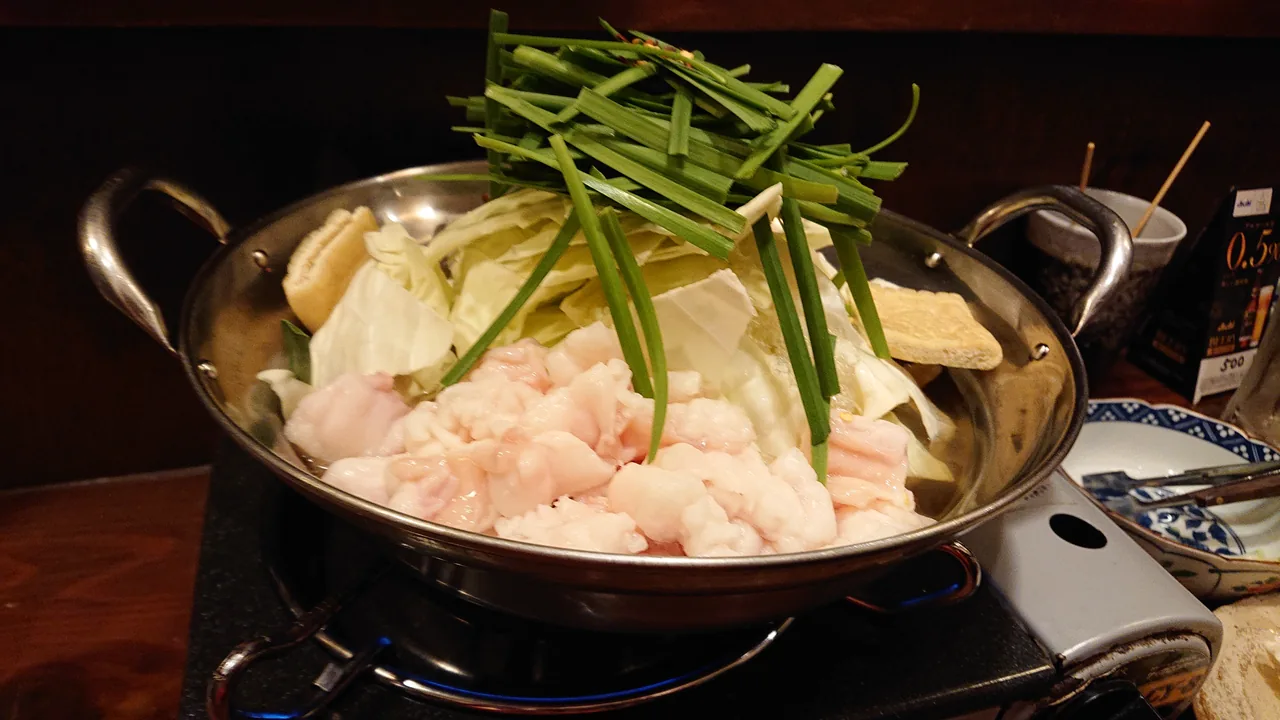
Motsunabe, from pot to finish. Motsunabe is an offal (motsu) hotpot simmered right at your table with mounded cabbage, garlic chives and slices of garlic in a soy or miso broth. Let it cook down, eat the offal and vegetables as they are ready, and when the pot is nearly done order the shime, the finishing course: champon noodles dropped into the leftover broth, or rice cooked into a porridge. The broth has soaked up all the flavour by then, so the finish is the best part.
Mizutaki, broth first. Mizutaki is a gentler chicken hotpot, and the order of eating matters. Ladle out a cup of the plain, cloudy broth and drink it first, on its own, to taste the chicken stock at its purest. Then work through the chicken and vegetables, dipping them in ponzu with grated daikon and spring onion, and finish again with noodles or rice porridge in what remains.
7. Yatai: eating at Fukuoka’s open-air stalls
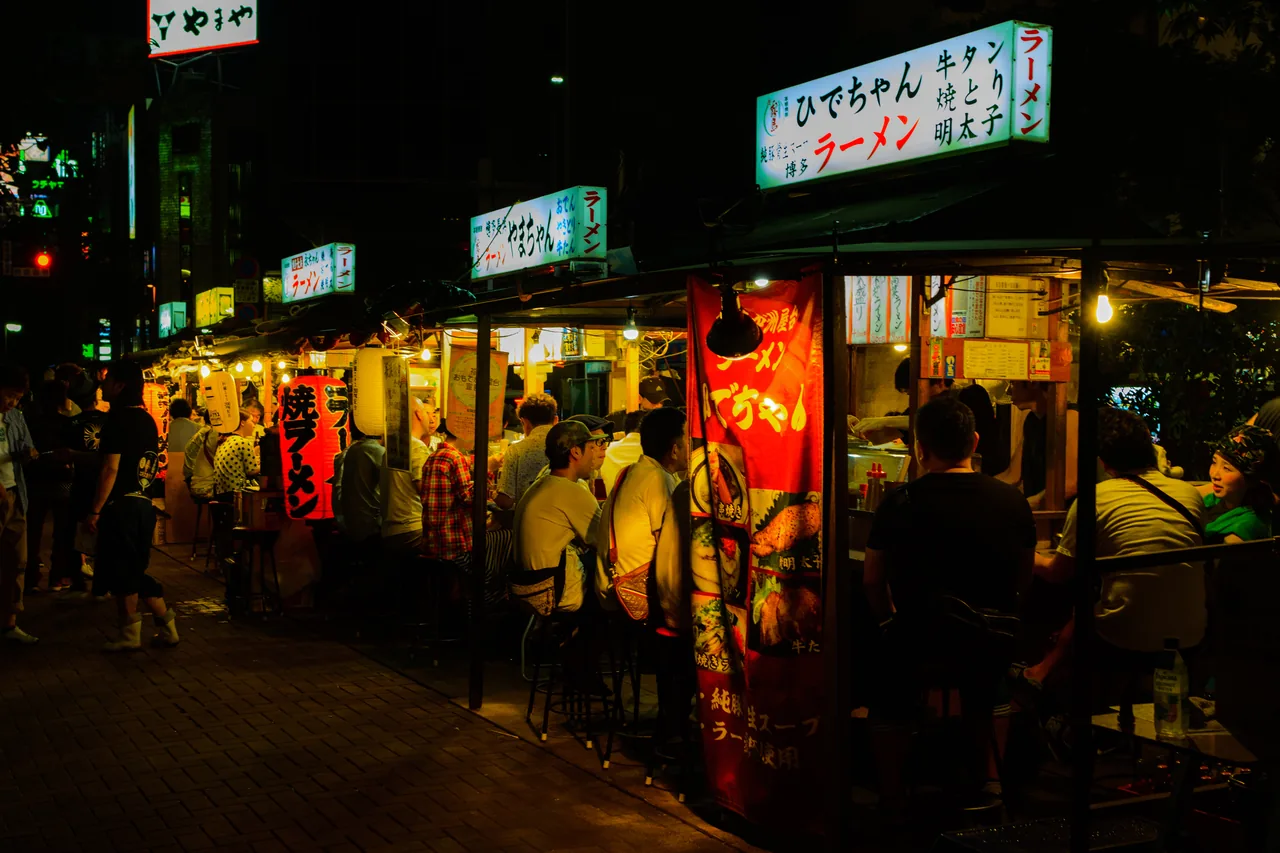
The yatai (屋台), open-air food stalls that set up on the pavement at dusk, are Fukuoka’s signature night out. The most famous cluster lines the river at Nakasu, with more around Tenjin and Nagahama. They open after dark, usually from around 6pm, and pack a handful of diners onto stools at a counter.
A yatai is a tiny kitchen on wheels serving tonkotsu ramen, yakitori skewers, oden, grilled dishes and drinks, cooked an arm’s length in front of you. The appeal is the setting as much as the food: steam rising off the counter, strangers side by side, the river and the neon behind you. Prices are posted or easy to ask, and one stall rarely does everything, so it is fine to eat light at one and move on.
| Detail | What to know |
|---|---|
| Where | Nakasu riverside (most famous), plus Tenjin and Nagahama |
| When | From around 6pm; many run late into the night |
| Seating | A counter with a few stools; you share space with strangers |
| Payment | Mostly cash only; do not assume cards or IC work |
| Toilets | None at the stall; go before you sit down |
| Ordering | At least one drink and one dish per person is the norm |
A little etiquette keeps things smooth. Order at least one drink and one dish per person, since seats are few and the owner is running a business off a handful of stools. If people are waiting, eat, enjoy it, and move along rather than settling in for hours. To ask for the bill, catch the owner’s eye and cross your index fingers into an X, the standard “check, please” signal.
8. Hakata, Tenjin, Daimyo and Nakasu: which is which
Do not treat central Fukuoka as one blur. Four districts sit within a few minutes of each other, and each has its own character: Hakata around the main station, Tenjin for shopping, Daimyo for hip back streets, and Nakasu for the night. Knowing which is which saves you crossing town for the wrong thing.
| District | Character | What you do here |
|---|---|---|
| Hakata (博多) | The station and shinkansen gateway, plus the old merchant quarter | Kushida Shrine, Tochoji, Jotenji, Canal City; ramen and udon |
| Tenjin (天神) | Department stores, an underground mall and nightlife | Shopping, Acros Fukuoka, the Nishitetsu line out to Dazaifu |
| Daimyo (大名) | The hip back-street quarter beside Tenjin, on an old grid | Cafes, boutiques, vintage shops and bars; a younger crowd |
| Nakasu (中洲) | An island of nightlife between two rivers | Yatai stalls and the after-dark riverscape |
Hakata is where most ferry arrivals base themselves: the JR and shinkansen hub, and around it the old town of shrines and temples. Tenjin, one subway stop or a short walk away, is the retail heart, with the sprawling Tenjin underground shopping arcade running some 590 metres past well over a hundred shops, and it is the departure point for Dazaifu.
Daimyo, tucked just behind Tenjin at Daimyo MapMap, is the district to wander with no plan: narrow streets of independent cafes, record and vintage shops, small design stores and late-night bars, laid out on the grid of an old low town. Nakasu, on its river island, is where the city comes alive after dark around the yatai. Between them these four cover most of what a first-timer wants, all within walking or one short subway ride.
9. Fukuoka’s sights beyond the food
Fukuoka is compact enough that you can string several sights into an easy day between meals. None demand a long detour, and most sit in or near the Hakata old town. Pick a handful rather than trying to tick off the lot.
- Kushida Shrine (櫛田神社): Fukuoka’s guardian shrine in the old town at Kushida Shrine MapMap, home base of the Hakata Gion Yamakasa festival and its towering decorated float, an easy short stop near Canal City.
- Tochoji (東長寺): a temple in Hakata housing the Fukuoka Great Buddha, a seated wooden figure about 10.8 metres tall, one of the largest wooden Buddhas in Japan, at Tochoji MapMap.
- Jotenji (承天寺): the Zen temple regarded as the birthplace of udon and soba in Japan, with a stone monument to that claim and a raked stone garden, quietly set at Jotenji MapMap.
- Canal City Hakata: a large shopping and entertainment complex between Hakata and Nakasu at Canal City Hakata MapMap, with a canal, fountain shows and a ramen food court gathering famous shops under one roof.
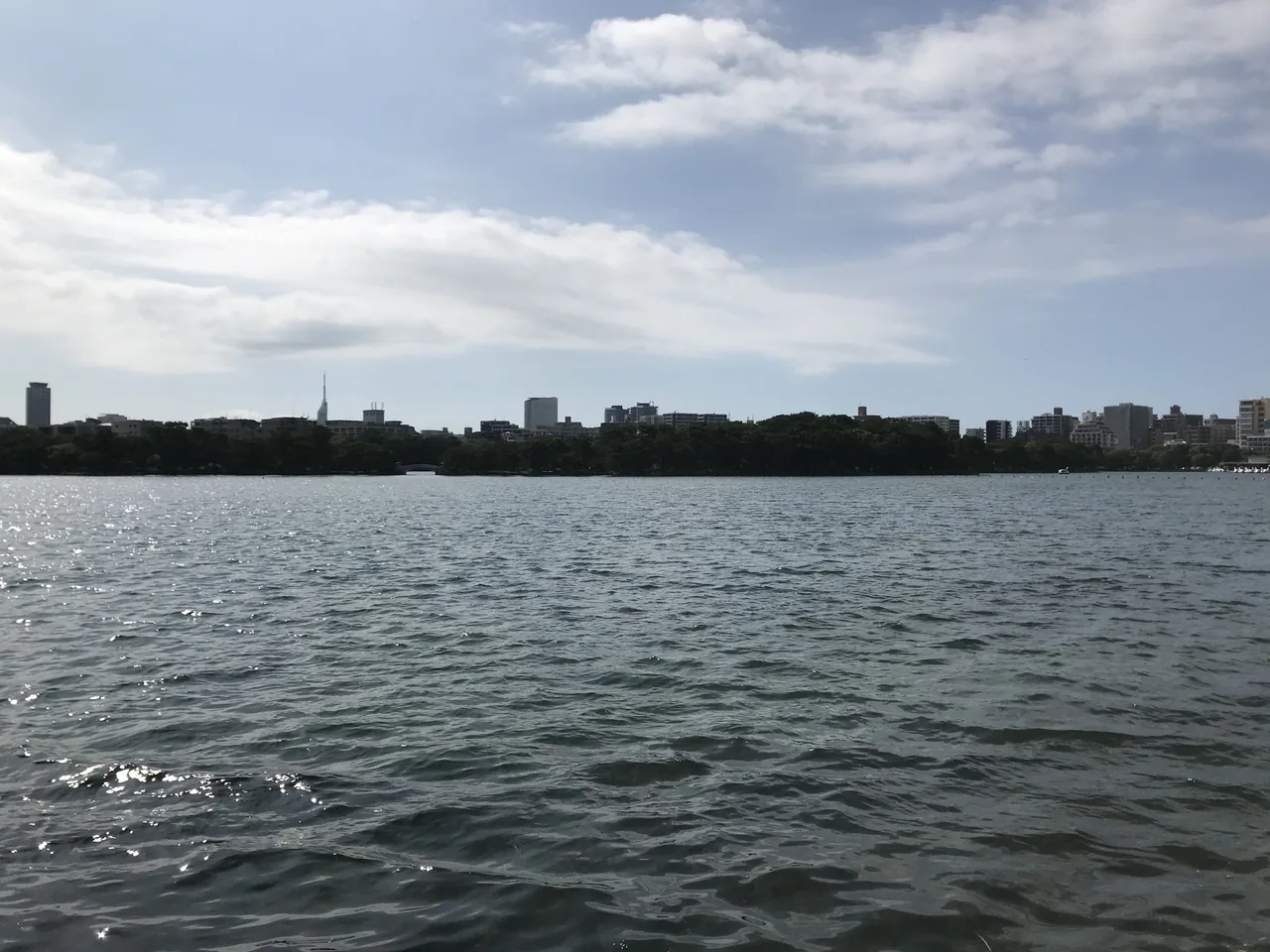
- Ohori Park (大濠公園): a broad park built around a former castle moat at Ohori Park MapMap, with a lakeside loop and the adjoining Maizuru Park castle ruins, ideal for a slow morning.
- Fukuoka Tower (福岡タワー): a 234 metre seaside observation tower on the Momochi waterfront at Fukuoka Tower MapMap, best in late afternoon for city and bay views.
If you have longer and want green space or family time, the Uminonakamichi MapMap seaside park across the bay runs seasonal flower fields and a beach, while Tenjin itself hides a surprise in Acros Fukuoka MapMap, an office and hall complex whose south face is a giant stepped roof garden you can climb. None of these are far; the pleasure of Fukuoka is how quickly you get between them.
10. Dazaifu: a half-day that earns its place
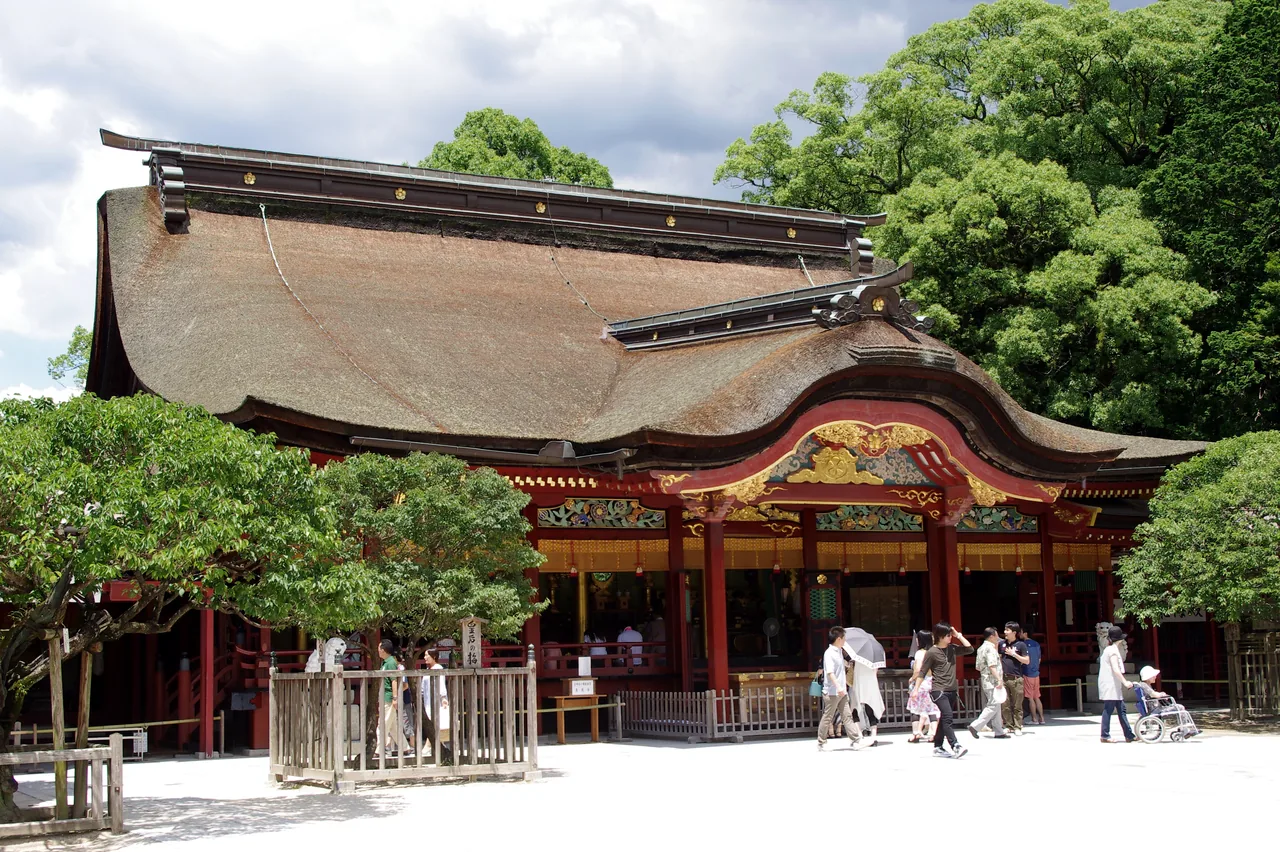
Dazaifu is the standout half-day trip from Fukuoka, and it is far more than a single shrine. From central Fukuoka you ride the Nishitetsu line from Tenjin, changing once at Futsukaichi, about 30 to 40 minutes in all. Give it a proper half-day and you can fold in the approach-road snacks, a national museum, a moss garden and a striking piece of architecture.
| Sight | What it is |
|---|---|
| Dazaifu Tenmangu | Shrine to Sugawara no Michizane, deity of learning, and the head of Tenmangu shrines nationwide; famous plum trees and approach |
| Kyushu National Museum | One of Japan’s four national museums, linked directly from the shrine grounds; the history of Japan’s exchange with Asia |
| Komyozenji | A Zen temple just south of the shrine with moss and stone gardens and old maple trees; a noted autumn-colour spot |
| Kengo Kuma Starbucks | A branch on the approach designed by architect Kengo Kuma, its interior woven from roughly 2,000 wooden battens |
| Umegae-mochi | The approach-road speciality: a grilled rice cake with sweet red-bean filling, pressed with a plum design and best hot |
Start at the shrine itself at Dazaifu Tenmangu MapMap, the head shrine of the deity of learning, where students come to pray before exams and the grounds fill with plum blossom in late winter. The main hall recently emerged from a multi-year renovation, so check the current arrangement on arrival; either way the shrine is open and busy. Eat a hot umegae-mochi from a stall on the approach as you walk in, since it is only really good fresh off the griddle.
From the shrine grounds a covered walkway and escalators run straight to the Kyushu National Museum MapMap, whose theme is the long history of Japan’s exchange with the rest of Asia, a fitting subject given how you arrived. A short walk south lies Komyozenji MapMap, a small Zen temple with moss and stone gardens and old maples that turn deep red in autumn. On the approach, the Kengo Kuma Starbucks is worth a look even if you skip the coffee, its lattice of some 2,000 timber battens folding through the space.
11. Kitakyushu day one from Kokura
If you are based in Kokura, whether you sailed into Shimonoseki or came over from Fukuoka, a full first day runs Kokura Castle, the Tanga Market and Riverwalk near the station, then the Mojiko Retro waterfront a short train ride on. Everything sits close together, so you can cover the core at an unhurried pace.
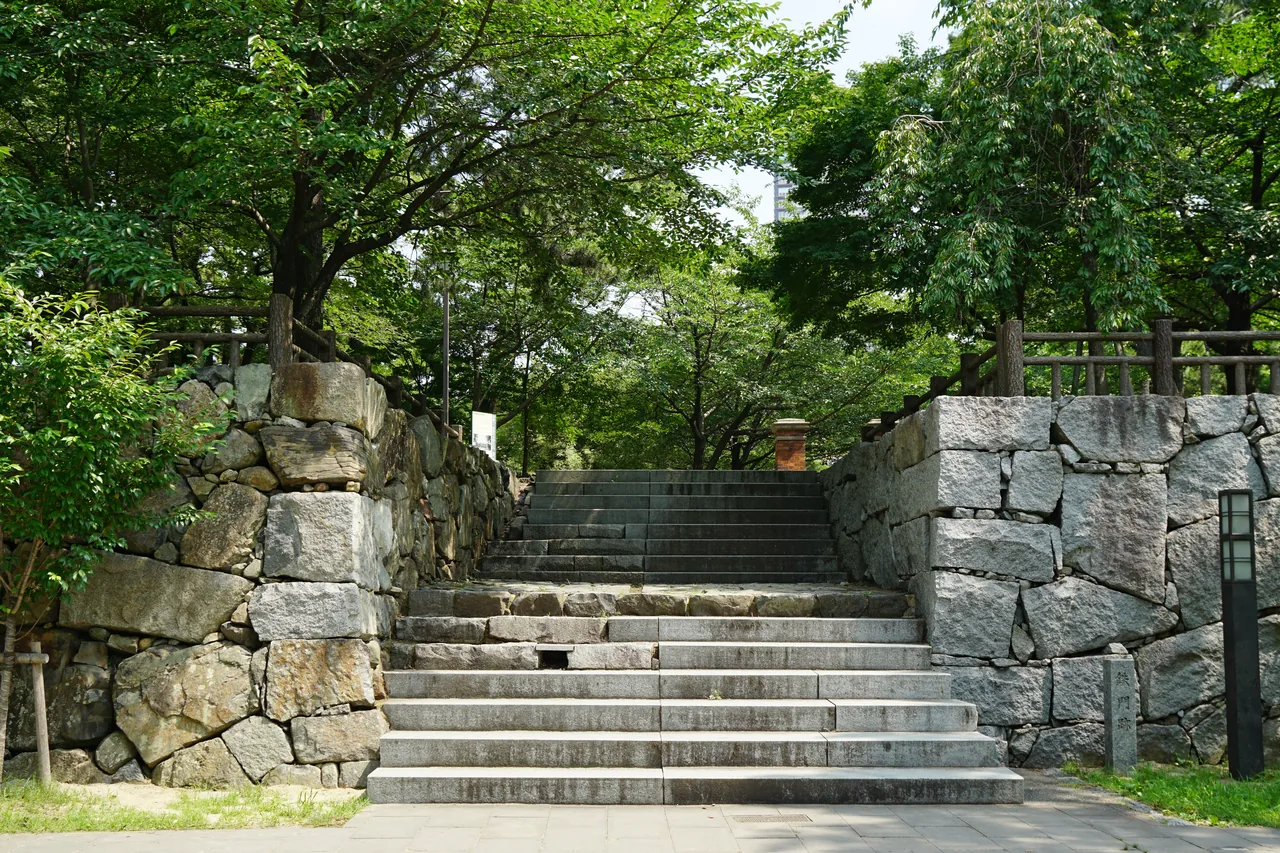
- Kokura Castle (小倉城): the reconstructed castle keep beside the river at Kokura Castle MapMap. Open 09:00 to 20:00 from April to October and 09:00 to 19:00 from November to March, with last entry 30 minutes before closing.
- Riverwalk Kitakyushu: a riverside shopping and culture complex right next to the castle at Riverwalk Kitakyushu MapMap, handy for a meal or a break out of the weather.
- Tanga Market (旦過市場): a century-old covered arcade known as Kitakyushu’s kitchen at Tanga Market MapMap, and long the only market in Japan to stand out over a river. Parts were damaged in two 2022 fires and rebuilding has been under way, so check the current state before making a special trip.
Kokura has one dish of its own worth seeking out: yaki-udon (焼きうどん), fried udon, which the city claims to have invented. In the food shortages after the war a cook is said to have fried dried noodles in place of the boiled ones he could not get, and the stir-fried, savoury-sauced result stuck as a local comfort dish. It is the natural lunch between the castle and the market.
12. Mojiko Retro: red brick, yaki-curry and the strait
Mojiko Retro is the reason to give Kitakyushu a full day. A short train ride from Kokura brings you to a preserved port district of Meiji and Taisho era western-style buildings, right on the strait that separates Kyushu from Honshu. From Kokura it is a train of about 13 to 15 minutes costing ¥280 to ¥340.
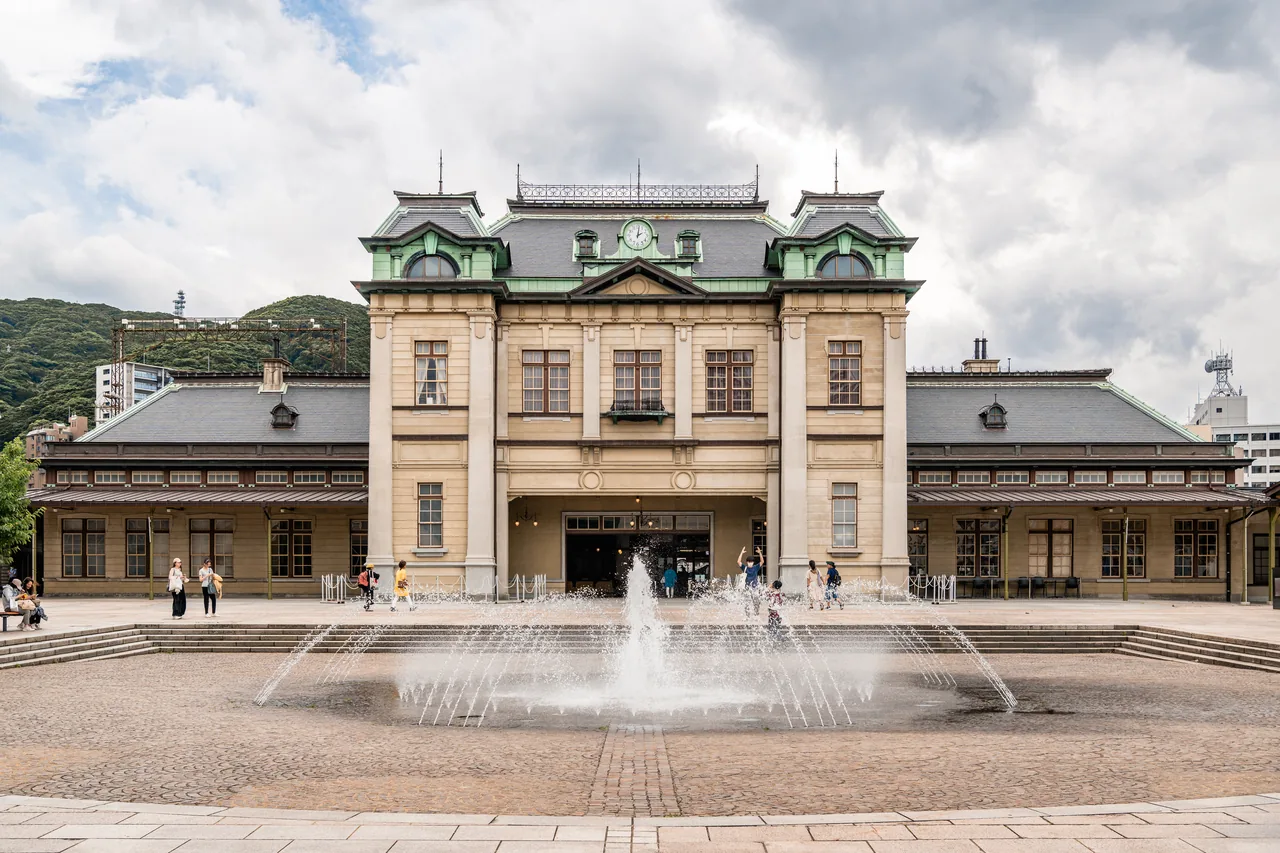
Moji was one of Japan’s great trading ports a century ago, and the district keeps the look of that boom: the 1914 station building, a designated important cultural property, the former customs house, and rows of red-brick warehouses now full of cafes and shops. It is among the most photogenic corners of the whole region, and easy to wander in an afternoon on foot from Mojiko Station MapMap.
| Here | What it is |
|---|---|
| Mojiko Station | The restored 1914 wooden station, an important cultural property and the district’s centrepiece |
| Yaki-curry (焼きカレー) | The local dish: curry over rice topped with cheese and egg, baked in the oven; a Mojiko cafe invention from the 1950s |
| Banana auction show | Moji was Japan’s old banana import port, and the theatrical “banana barker” sales patter survives as a street performance |
| Kanmon pedestrian tunnel | An 780 m undersea walking tunnel to Shimonoseki on Honshu; you can literally walk between the islands |
Eat the district’s own dish while you are here: yaki-curry (焼きカレー), baked curry, a plate of curry and rice topped with cheese and a raw egg and finished in the oven until it browns, said to have started at a Mojiko cafe in the 1950s. Look out too for the banana-auction street show, a leftover from the days when Moji was the port where the country’s bananas came ashore, now a piece of local theatre with banana souvenirs to match.
For the geographically curious, the Kanmon pedestrian tunnel MapMap runs 780 metres under the strait to Shimonoseki, so you can walk from Kyushu to Honshu and back in under an hour. On the far side, Shimonoseki is famous for fugu, the pufferfish, though that belongs to the Honshu side of the story rather than this one.
13. Your first day by arrival time
Ferries from Busan usually sail overnight and land in the morning, but your exact arrival time still sets how much you pack into day one. A morning landing buys a full day; an evening one buys a first meal and an early night before a proper start tomorrow. Match your plan to the clock rather than forcing a full itinerary on tired legs.
| Arrival | Hakata Port (Fukuoka) | Shimonoseki to Kokura |
|---|---|---|
| Morning | Stow bags, then the Hakata old town (Kushida, Tochoji) or Ohori Park; ramen or udon for lunch; Tenjin and Daimyo in the afternoon; Nakasu yatai at night | Kokura Castle and Tanga Market in the morning; yaki-udon for lunch; Mojiko Retro and yaki-curry in the afternoon |
| Evening / night | Check in, then a first meal at the Nakasu yatai or a nearby motsunabe; save the sights for a fresh start next day | Stay central in Kokura, have a first meal nearby; save Mojiko for the next day |
The single rule that holds either way: if you land in the morning, go straight out and use the day; if you land at night, eat one good meal, sleep, and start properly in the morning. Trying to sightsee hard after a night on the ferry usually means seeing things half-awake, which is a poor trade for a city this rich in things to come back to.
14. Onward from northern Kyushu
Once you have found your feet, northern Kyushu is a strong base for what comes next: the hot-spring towns of Beppu and Yufuin, a wider rail loop, or the classic Golden Route up to Kyoto, Osaka and Tokyo. Here is where to read up on each, so this guide can stay focused on your arrival.
- Beppu and Yufuin: Kyushu’s best-known onsen towns, reached from Hakata by limited express or bus, one steaming and dramatic, the other a genteel hot-spring resort. See the Beppu and Yufuin onsen guide.
- The Golden Route: the standard first-timer itinerary through Kyoto, Osaka and Tokyo, which you can join by rail from northern Kyushu. See the Japan Golden Route itinerary.
- Rail passes: a regional pass covers the San’yo-San’in area and northern Kyushu, valid seven consecutive days and running Shimonoseki, Kokura and Hakata all the way up to Osaka on the San’yo shinkansen. It is for foreign short-stay visitors, and prices are revised yearly, so confirm the current fare and coverage before buying. See the Japan JR Pass and shinkansen guide.
| Onward trip | From | Roughly |
|---|---|---|
| Beppu / Yufuin onsen | Hakata | Limited express or bus, a couple of hours |
| Kansai (Osaka / Kyoto) | Hakata or Kokura | San’yo shinkansen, a few hours |
| Up Honshu from the strait | Shimonoseki / Kokura | Regional rail pass territory |
The regional northern-Kyushu pass is the natural pick either way: whether you landed at Shimonoseki and want to head up Honshu, or landed at Hakata and mean to work east toward Kansai and the Golden Route. Sort your first day or two first, then decide how far the same ferry ticket’s momentum should carry you.
15. Practical notes for your first hours ashore
Three small things smooth out your first hours off the boat: get online, keep some cash on you, and lock your bags away so you can explore hands-free. None takes long, and all three save friction on a tired arrival morning.
- Data on arrival: a Japan eSIM switches on the moment you land, with no SIM swap and no queue at a counter. Set it up before the crossing so maps and translation are ready as you step off.
- Cash: the Nakasu yatai, the Tanga Market and small stalls are often cash-only, even though subways, chains and larger shops take IC cards and contactless. Carry a few thousand yen from the start.
- Luggage: coin lockers at Hakata Station, Kokura Station and the port terminals let you drop your bags before sightseeing. Kokura Station lockers run about ¥400 to ¥700.
| Need | Sorted by |
|---|---|
| Getting online | Japan eSIM, active on landing |
| Paying at stalls and markets | Cash, a few thousand yen |
| Paying on transit and in shops | IC card or contactless credit card |
| Hands free to explore | Coin lockers at the station, ~¥400 to ¥700 |
Get those four squared away in the first half hour and the rest of the day opens up. From here it is really about the eating: pick a district, find a bowl of ramen or a hotpot, and end the night at a yatai on the river.