Japan in July: What the Weather’s Really Like (and How to Love It Anyway)
July is two months in one — a wet, sticky rainy-season tail, then a blazing, festival-packed summer. Here’s the honest weather, region by region, plus how to beat the heat and time the best matsuri and fireworks.
| Hot and humid — that’s the headline. Most of Honshu sits around 30–34°C by day with 70–80% humidity, so it can feel like 40°C. Kyoto and Osaka are the swelteriest; Tokyo isn’t far behind. | |
| July is split in two. The first half is the tail of the rainy season (tsuyu) — humid, with heavy downpours. The second half usually bursts into clear, intense summer once tsuyu lifts (mid-to-late July). | |
| Festival season peaks now. Kyoto’s Gion Matsuri, Osaka’s Tenjin Matsuri, and huge fireworks (hanabi) all land in July. This is the single best reason to come. | |
| Want cool, not sweat? Hokkaido skips the rainy season and sits near 25°C; the highlands (Kamikochi, Karuizawa, Hakone) stay fresh. Okinawa is hot but its rainy season is already over — prime beach time. | |
| Two dates to know | Mt. Fuji’s climbing season opens July 1, and Marine Day (3rd Monday) kicks off domestic school holidays — so late July gets busier and pricier. |
|---|---|
1. So what’s July in Japan actually like?
2. July weather, city by city (the numbers)
3. The rainy season (tsuyu): when it ends, region by region
4. The heat and humidity — and why Kyoto feels like an oven
5. Beating the heat: heatstroke is a real risk
6. What to pack for July
7. Typhoons in July: low odds, worth a buffer
8. July festivals: the real reason to come
9. Fireworks (hanabi): summer nights done right
10. Climbing Mt. Fuji: the season opens in July
11. Escaping the heat: where to go to stay cool
12. Eating July: the flavours of a Japanese summer
13. Crowds and prices: early vs late July
14. Where to go in July, by what you want
15. Quick July checklist
16. What to read next
1. So what’s July in Japan actually like?
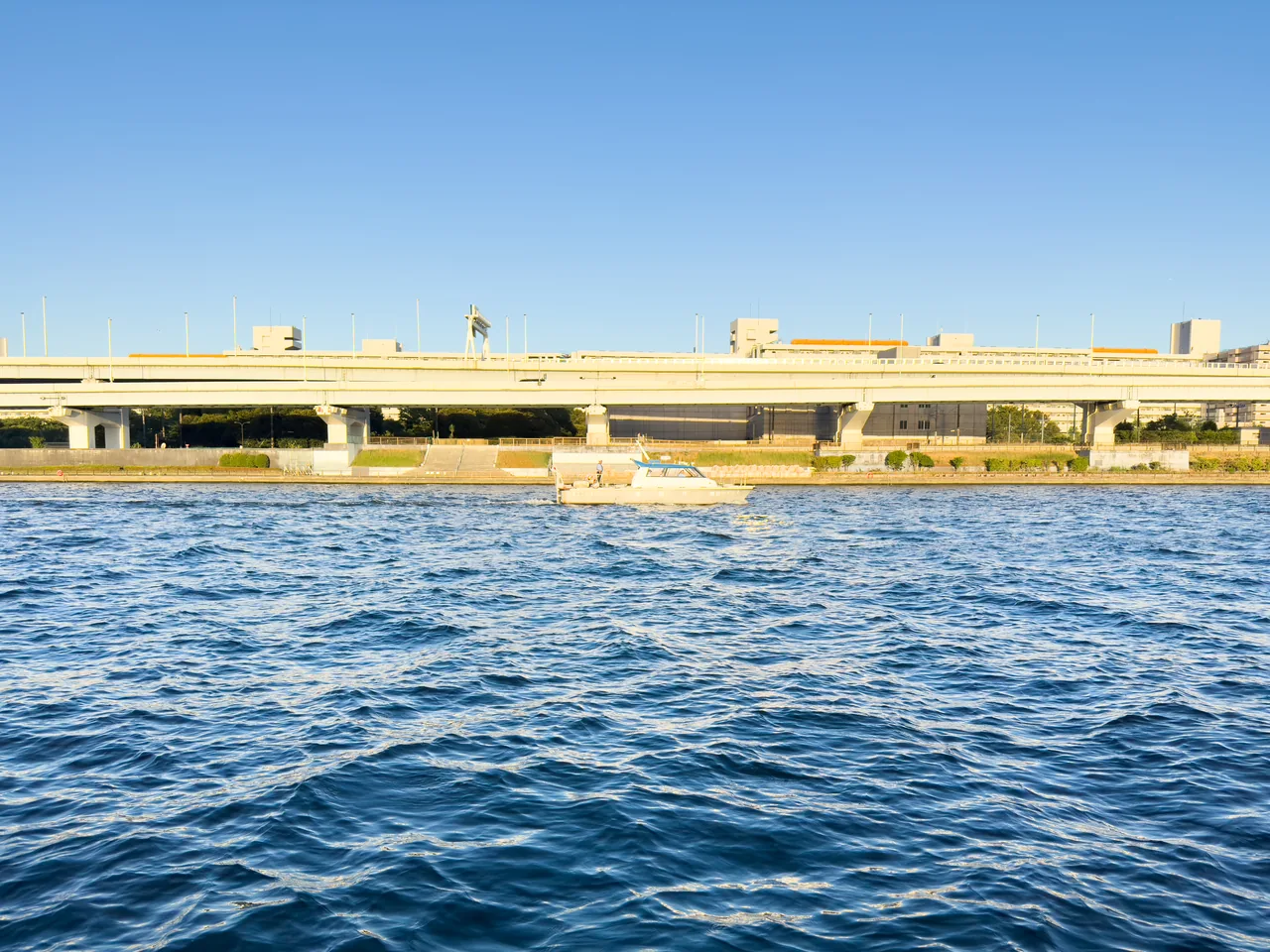
Here’s the honest one-liner: July is hot, humid, and split right down the middle. The first couple of weeks are usually the soggy tail end of the rainy season — grey skies, sticky air, sudden downpours. Then, somewhere around mid-to-late July, the rainy season (tsuyu) lifts, the clouds clear, and full-blast summer arrives: bright blue skies, fierce sun, and temperatures that regularly top 33°C in the big cities.
And yet a lot of seasoned travellers love July, for one big reason: this is festival season. Kyoto’s Gion Matsuri, Osaka’s Tenjin Matsuri, river fireworks in city after city, Mt. Fuji’s climbing season opening, beaches in Okinawa, lavender in Hokkaido — there’s more happening in July than almost any other month. The trick is going in with the right expectations and the right kit.
2. July weather, city by city (the numbers)
“Hot and humid” hides a lot of variation. Kyoto in a basin feels very different from breezy Hokkaido. Here’s roughly what to expect on a typical July day — remember the first half is wetter (rainy season) and the second half hotter and clearer.
| City (region) | Typical high / low | Feel |
|---|---|---|
| Tokyo (Kanto) | ~30°C / 24°C | Hot, humid, muggy nights |
| Kyoto (Kansai) | ~33°C / 24°C | Hottest — the basin traps heat |
| Osaka (Kansai) | ~33°C / 25°C | Hot and sticky |
| Hiroshima | ~31°C / 24°C | Hot, humid |
| Fukuoka (Kyushu) | ~31°C / 24°C | Hot — heavy rain early July |
| Sapporo (Hokkaido) | ~25°C / 18°C | Warm, dry, sunny — the escape |
| Naha (Okinawa) | ~32°C / 27°C | Hot, sunny, beach season |
Two things the table can’t show. First, humidity is the real story — at 70–80% moisture, a 32°C day in Kyoto feels closer to 40°C, and the nights barely cool off. Second, Hokkaido is a different country in July: it largely skips the rainy season and stays pleasantly warm, which is why it’s the go-to summer escape.
3. The rainy season (tsuyu): when it ends, region by region
If you only learn one thing about July, make it this: the rainy season ends at different times across Japan, and it rolls from south to north. Catching the back end of it — or missing it entirely — completely changes your trip.
| Region | Rainy season typically ends |
|---|---|
| Okinawa | Late June — already over by July |
| Kyushu / Shikoku | Mid-to-late July (heavy rain early) |
| Kansai (Kyoto/Osaka) & Kanto (Tokyo) | Around the third week of July |
| Tohoku (north Honshu) | End of July |
| Hokkaido | No real rainy season |
So a Tokyo–Kyoto trip in early July may well be humid and showery; the same trip in late July is more likely to be hot and clear. It rarely rains all day during tsuyu — it’s more grey skies with heavy bursts — but pack for it. If your dates are flexible and you want blue skies over blossoms-and-temples photos, lean later in the month.
4. The heat and humidity — and why Kyoto feels like an oven
Japanese summer heat isn’t just about the number on the thermometer; it’s the humidity. At 70–80%, sweat doesn’t evaporate, so your body can’t cool itself the usual way. A “32°C” afternoon can feel like 40°C, and because the air stays moist overnight, even 2am is sticky.
Kyoto is the poster child. It sits in a basin ringed by mountains, which traps hot air and kills the breeze — locals will tell you it’s the hottest of the big cities. Osaka, Nagoya and the inland valleys run similarly muggy. Tokyo is a touch more bearable thanks to coastal air, but its concrete sprawl creates an urban heat-island effect that keeps nights warm.
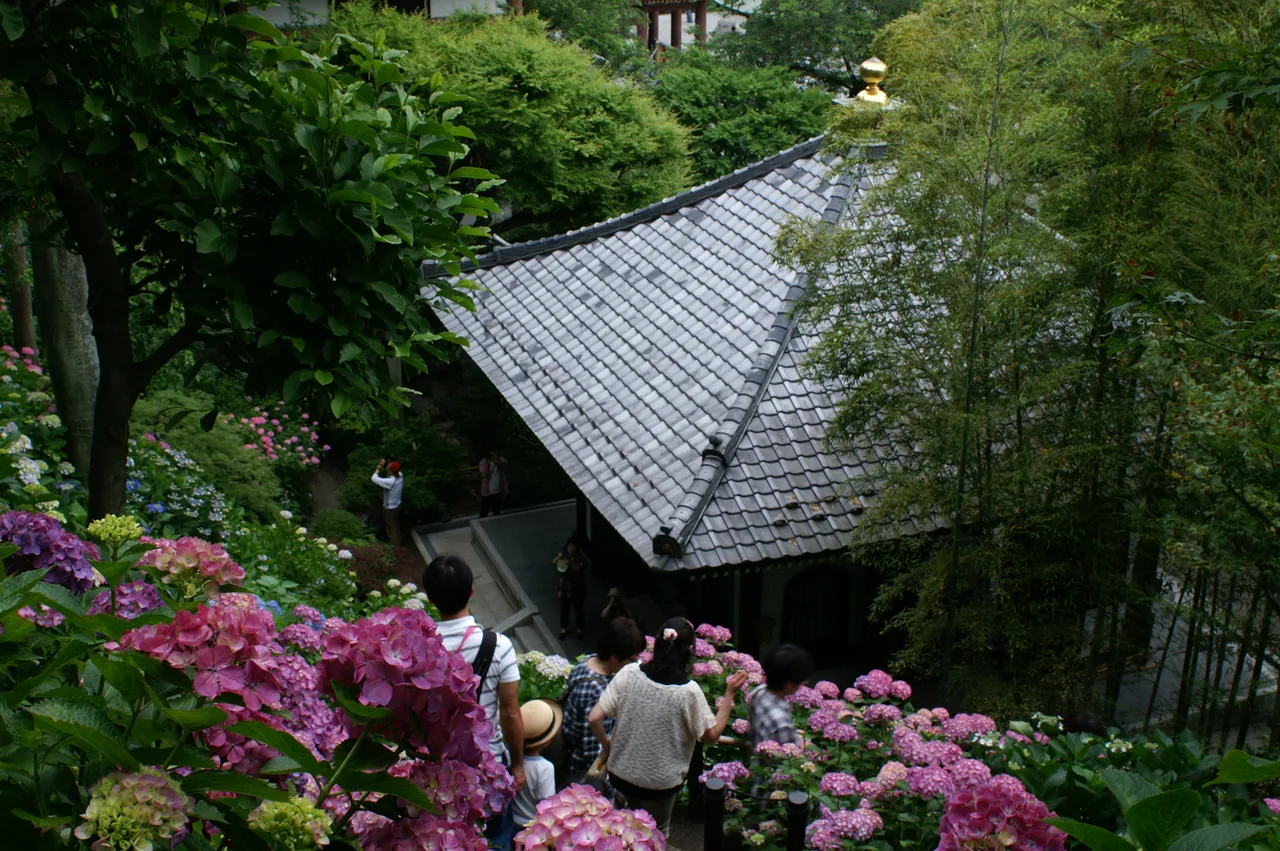
The flip side: this is real, proper summer. The light is brilliant, the cicadas are deafening, and a cold beer or a bowl of shaved ice (kakigōri) has never tasted better. You just have to respect the heat — which is the next section.
5. Beating the heat: heatstroke is a real risk
Don’t underestimate this. Heatstroke (netchūshō) sends thousands of people to hospital every Japanese summer, and visitors who try to power through a packed sightseeing day are exactly the people who get caught out. The good news: it’s very avoidable.
- Hydrate constantly — water plus something with electrolytes (Pocari Sweat and salt-candy are everywhere in konbini). Don’t wait until you’re thirsty.
- Time it right. Do outdoor sightseeing early morning or after 5pm; retreat indoors (museums, department stores, cafés, the konbini) through the 11am–4pm peak.
- Gear up cheaply. Convenience stores and Don Quijote sell handheld fans, cooling wipes, neck coolers and cooling sprays for a few hundred yen — they genuinely help.
- Dress for it: light, loose, breathable fabrics, a hat, and a parasol (locals of all genders use them — it’s normal, not fussy).
- Watch the kids and older travellers closely, and know the warning signs: dizziness, headache, stopping sweating, nausea. If they appear, get into shade/AC, cool the neck and armpits, and drink fluids fast.
Japan’s hospitals are excellent but not free to visitors, and a summer trip carries the extra what-ifs of heatstroke and typhoons. A simple travel-insurance plan is cheap peace of mind.
6. What to pack for July
Pack for heat, humidity and the odd downpour — and remember indoor air-conditioning runs cold.
- Light, breathable, quick-dry clothes — natural fibres or technical fabrics beat heavy cotton. Pack more tops than you think; you’ll sweat through them.
- A compact umbrella — for rainy-season showers and as a sun parasol. A light rain jacket is optional; an umbrella is essential.
- Sun protection: high-SPF sunscreen, sunglasses, a hat. The July sun is no joke, especially near water or up Mt. Fuji.
- A thin layer (cardigan/long sleeve) for over-aggressive AC on trains, in malls and restaurants.
- Comfortable, breathable footwear you can slip off (you’ll remove shoes at temples, ryokan and some restaurants — see our etiquette guide).
- A refillable water bottle, a portable fan, and a small towel — the local summer survival trio.
7. Typhoons in July: low odds, worth a buffer
Typhoon season builds through summer and peaks in August–September, so a direct July hit is relatively unlikely — but not impossible, and even a distant typhoon can drag a rain front over Japan and trigger sudden heavy downpours, especially in the south (Okinawa, Kyushu).
- Build a buffer into travel days. Don’t schedule your flight home for the exact day a storm is forecast, and keep one flexible day if you’re island-hopping in Okinawa.
- Trains pause, not panic. Shinkansen and flights suspend services ahead of a big storm, then resume quickly. Watch the JMA forecast and your airline’s notices.
- It usually blows through fast — a day, maybe two. Have an indoor plan (museum, aquarium, onsen, shopping) ready and you’ll barely lose a beat.
8. July festivals: the real reason to come
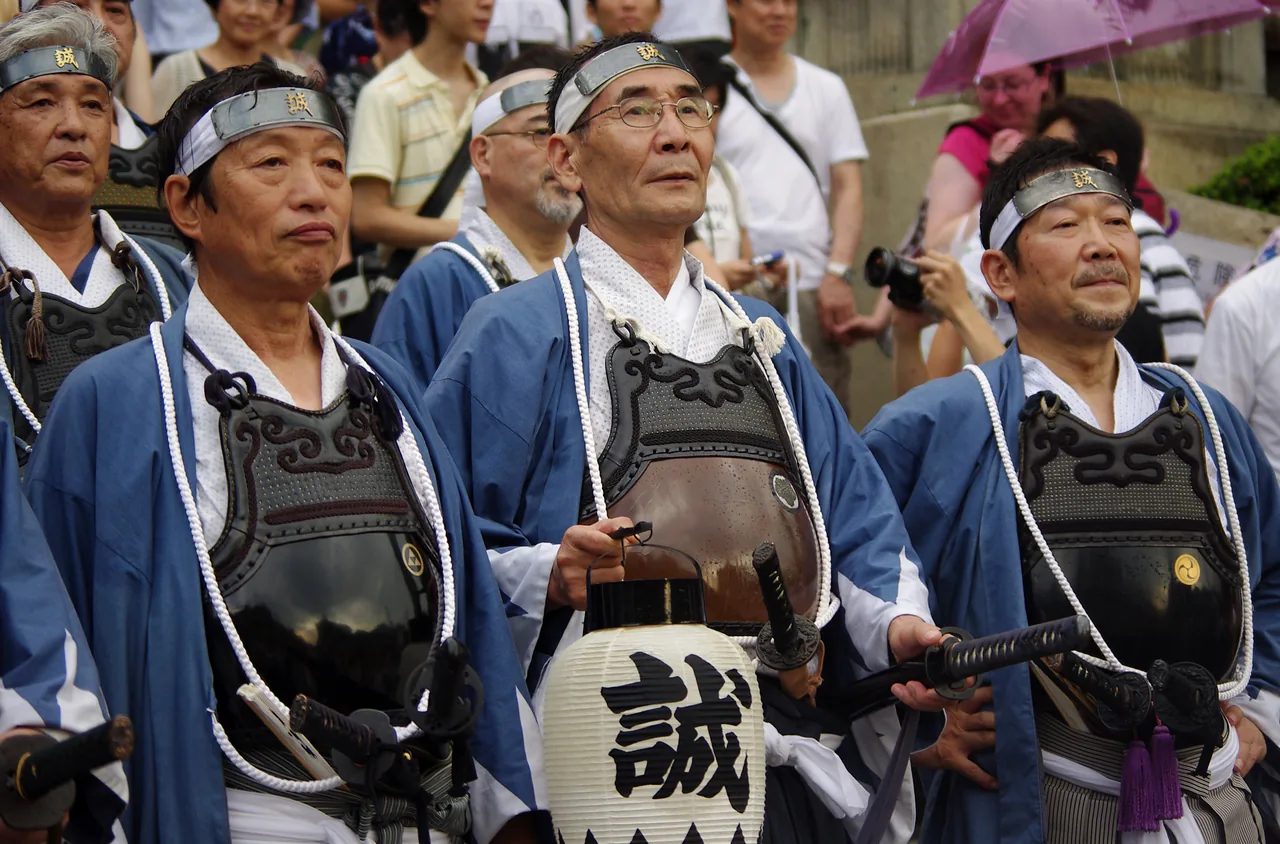
This is where July earns its keep. Summer is matsuri (festival) season, and some of Japan’s most spectacular events happen this month. If your dates are flexible, build the trip around one of these. Heading to the capital? Our Tokyo summer festivals & fireworks guide → has every date.
- Gion Matsuri — Kyoto Yasaka Shrine KyotoMap: Japan’s most famous festival, running all month, with the grand Yamaboko Junkō float processions on July 17 and 24. The evenings before (yoiyama) fill the streets with lantern-lit floats, food stalls and people in yukata.
- Tenjin Matsuri — Osaka Osaka Tenmangu ShrineMap: on July 24–25, one of Japan’s top three festivals — a land procession, a river boat parade on the Ōkawa, and a fireworks finale.
- Hakata Gion Yamakasa — Fukuoka Kushida Shrine FukuokaMap: July 1–15, climaxing in a dawn race on the 15th where teams haul one-ton floats through the streets.
- Tanabata (Star Festival): July 7 in most of the country — bamboo branches hung with paper wishes, found everywhere from shrines to shopping arcades.
Festivals are also the best place to practise a little etiquette — quiet respect at shrines, no walking-and-eating away from stalls. A quick read of our manners guide goes a long way.
9. Fireworks (hanabi): summer nights done right
If there’s one quintessential Japanese summer experience, it’s a hanabi taikai — a fireworks festival, watched from a riverbank in a cotton yukata, surrounded by food stalls. July is when the season kicks off, and they’re free to watch.
- Sumida River Fireworks — Tokyo Sumida River AsakusaMap: the capital’s most famous, near Asakusa on the last Saturday of July, with around 20,000 shells. Go early — riverbanks fill up hours ahead.
- Tenjin Matsuri fireworks — Osaka: the July 25 finale over the Ōkawa pairs fireworks with the festival’s boat procession.
- Smaller local shows happen all over in late July and August — ask at your hotel; the neighbourhood ones are often the most charming.
10. Climbing Mt. Fuji: the season opens in July
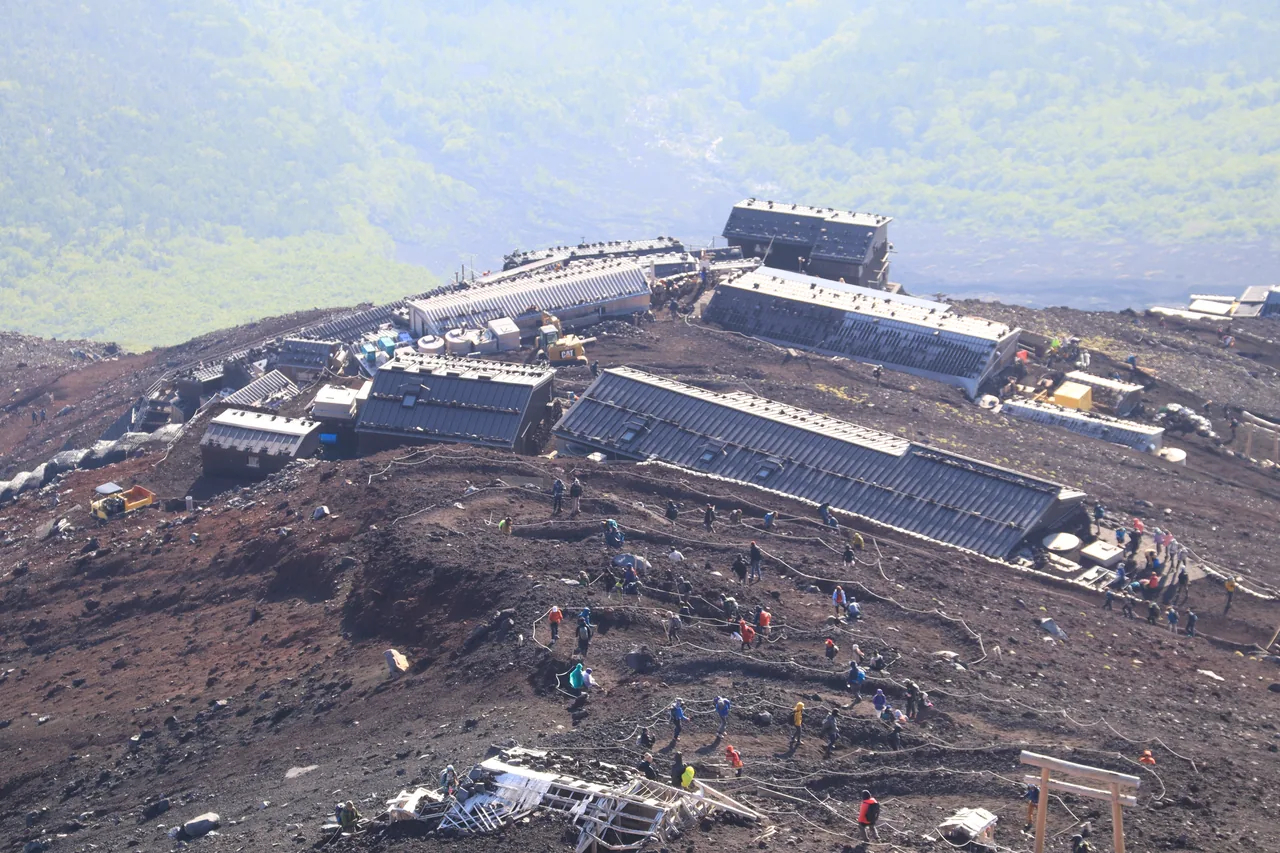
Mt. Fuji Mount Fuji Yoshida 5th StationMap can only be climbed for a short window, and July is when it opens. The main Yoshida Trail opens around July 1; the other trails (Fujinomiya, Subashiri, Gotemba) follow around July 10. The season runs to early September.
- It’s now regulated. Expect a climbing fee (around ¥4,000), a daily climber cap on the Yoshida Trail, and gates that close overnight to anyone without a mountain-hut booking. Reserve your slot and hut in advance through the official system.
- Most people climb overnight to reach the summit for sunrise (goraikō), sleeping a few hours in a mountain hut (roughly ¥10,000–15,000 with two meals).
- It’s cold up top even in July — near freezing at the summit at dawn. Bring real layers, a headlamp, gloves and rain gear; the weather can turn fast.
- No climb? Still go. The Fuji Five Lakes (Kawaguchiko) area gives you the postcard view without the 3,776m slog, and it’s cooler than the cities.
11. Escaping the heat: where to go to stay cool
If muggy cities aren’t your idea of a holiday, July rewards you for heading north or up. These are the classic summer escapes, and they’re some of Japan’s best destinations full stop.
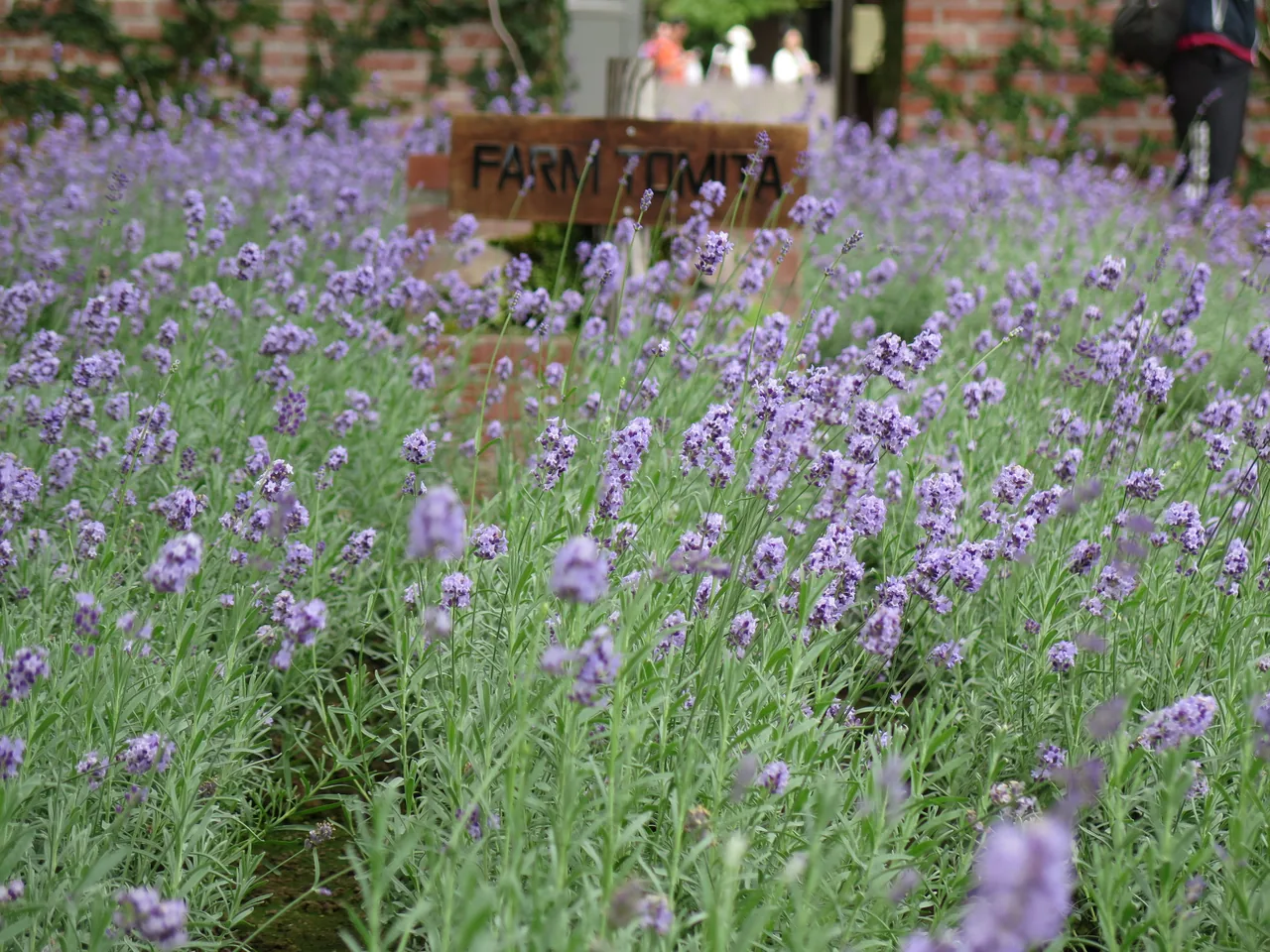
- Hokkaido — the big one. It skips the rainy season and sits around 25°C with low humidity. July is also lavender season in Furano Farm Tomita FuranoMap, with the fields in full purple bloom.
- Kamikōchi KamikochiMap — a pristine alpine valley in the Northern Alps, cool, green and walkable, an easy day or overnight from Matsumoto/Takayama.
- Karuizawa KaruizawaMap — a leafy highland resort town an hour from Tokyo by shinkansen; long the summer bolt-hole of choice for Tokyoites.
- Hakone & Nikko HakoneMap — onsen, lakes and forests at altitude, noticeably cooler than the cities and easy from Tokyo.
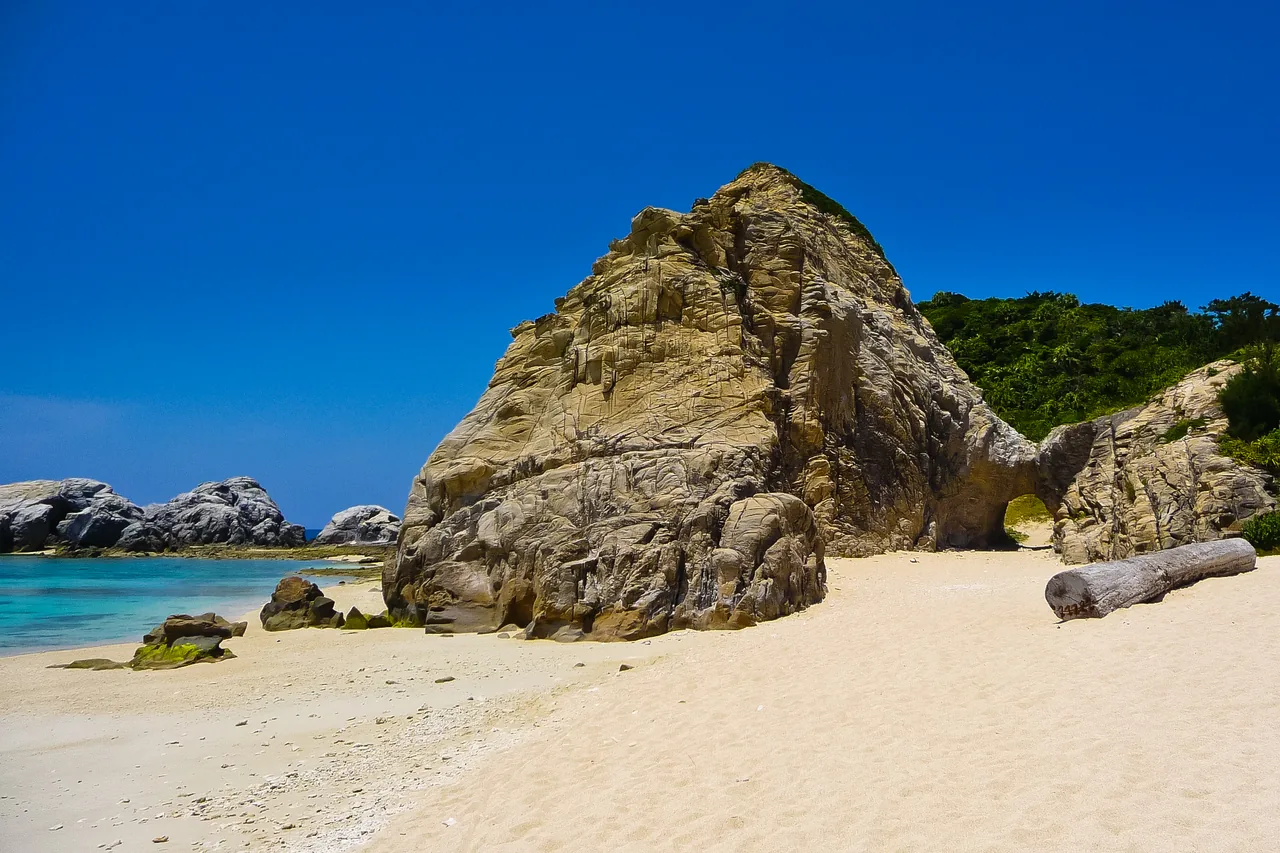
- Okinawa — hot, yes (~32°C), but its rainy season is over by July, so you get sun, sea breeze and prime beach and snorkelling conditions.
Moving between these is fast by train — if you’re covering ground, it’s worth checking whether a JR Pass or a regional pass pays off for your route.
12. Eating July: the flavours of a Japanese summer
Summer food is half the fun, and it’s built around staying cool and keeping your energy up in the heat.
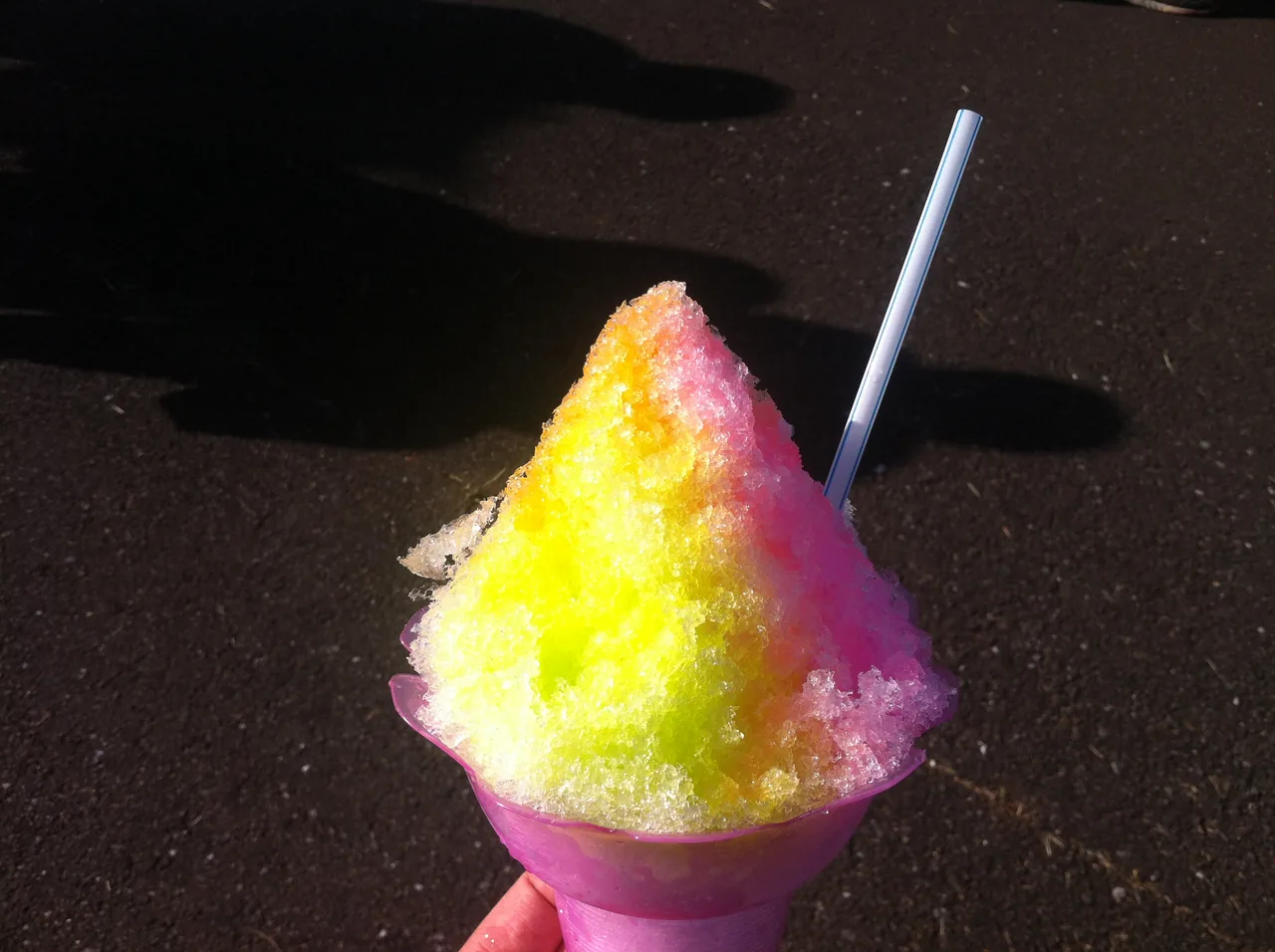
- Kakigōri (かき氷) — mountains of fluffy shaved ice drenched in syrup, often with condensed milk or matcha. The ultimate afternoon reset.
- Sōmen (そうめん) — thin cold noodles dipped in chilled broth; sometimes served as nagashi-sōmen, flowing down a bamboo flume.
- Unagi (eel) — grilled eel on rice is the traditional stamina food for Doyō no Ushi no Hi, an eel-eating day in late July believed to beat summer fatigue.
- Beer gardens — rooftop and garden beer gardens pop up across the cities in summer; an all-you-can-drink evening under the stars is a July institution.
- Festival stalls (yatai) — takoyaki, yakisoba, candied apples, chocolate bananas: matsuri food is its own reason to go.
Most of this is cheap and cash-friendly at small stalls, so carry a little cash even in the card era — our money guide covers when you’ll need it.
13. Crowds and prices: early vs late July
July’s two halves differ for your wallet too. Early July (rainy season) is one of the quieter, better-value windows of the summer — fewer foreign tourists, more hotel availability. Then it flips.
- Marine Day (Umi no Hi) — the third Monday of July — is a public holiday and the unofficial start of summer. Domestic travel and beaches get busy around the long weekend.
- School holidays begin around July 20, so the back third of the month sees more domestic families on the move, busier trains, and higher prices, climbing toward the August Obon peak.
- Festival dates spike locally — Kyoto around the 17th and 24th, Osaka the 24th–25th — so book those cities well ahead.
14. Where to go in July, by what you want
Still deciding on a route? Match it to what you’re after.
🎆 Festivals & fireworks
Base in Kyoto and Osaka for Gion and Tenjin Matsuri (mid-to-late July), or Tokyo for the Sumida River fireworks. Book early.
❄️ Beat the heat
Hokkaido (Furano lavender) or the highlands — Kamikōchi, Karuizawa, Hakone. Cool, green, and a relief from the cities.
🏖️ Beach & sun
Okinawa: rainy season over, prime beach and snorkelling weather. Hot but breezy.
🗻 A challenge
Mt. Fuji climbing season opens July 1. Reserve ahead, climb for sunrise, pack for cold.
Whichever you pick, the rest of the planning — when to go more broadly, how to get around, money, and a first-trip route — is in our companion guides below and the complete Japan travel guide.
15. Quick July checklist
Pin this before you go:
- ☑️ Packed for heat + humidity + showers: light breathable clothes, compact umbrella, sunscreen, hat, a thin layer for AC.
- ☑️ A heat kit: refillable water bottle, portable fan, cooling wipes (buy the rest at konbini).
- ☑️ Checked whether your dates fall in the rainy-season tail (early July) or the clear, hot, busy back half.
- ☑️ Booked early if you’re targeting a festival (Gion 17/24, Tenjin 24–25) or late-July school-holiday dates.
- ☑️ Reserved your Mt. Fuji slot and hut in advance, if climbing.
- ☑️ Sorted data for live forecasts, and a little cash for festival stalls.
- ☑️ Travel insurance in place for the summer what-ifs.
For the bigger seasonal picture and how July compares to the rest of the year, see our guide to the best time to visit Japan.
16. What to read next
Planning a July trip? These slot in right after the weather.
🔥 Japan in August
The hotter month next door — typhoons, Obon and the great festivals.
📅 Best time to visit
How July compares with every other month, season by season.
🗺️ Japan Travel Guide
Where to go, how long, and a first-trip route.
🚄 JR Pass & Shinkansen
Getting to Hokkaido, the highlands or the festivals.
📱 eSIM & data
Live forecasts and typhoon alerts the moment you land.
💴 Cash vs cards
Cash for festival stalls, cards for the rest.
🙇 Etiquette & manners
Festivals, shrines and onsen, done right.