
JR Kyushu Rail Pass: Zones, Prices and Whether It Pays for Itself
Adding a day to this pass costs ¥1,000. Adding Kagoshima costs ¥7,000. Here are the six prices, the fares you are measuring them against, and the itineraries where each version earns out.
| Versions | three zones and six prices, all ¥1,000 cheaper booked online. |
|---|---|
| Length | All Kyushu runs ¥22,000 for 3 days up to ¥26,000 for 7, ¥2,000 per extra pair of days. |
| Coverage | at the same three days, Northern is ¥15,000 and All Kyushu ¥22,000. |
| Break-even | Hakata to Kagoshima-Chuo and back is ¥23,900, which clears the pass on its own. |
| Not included | the Sanyo Shinkansen from Hakata to Kokura, plus every subway and tram. |
| Collection | the Fukuoka Airport counter runs 9am to 5pm and does not sell passes. |
1. Three zones, six prices, and a ¥1,000 discount for booking online
2. Adding a day costs ¥1,000; adding the south costs ¥7,000
3. April 2025 raised the prices, and not by the same amount
4. Shinkansen fares you are measuring the pass against
5. Limited express fares did not go up at all
6. One return trip to Kagoshima covers the All Kyushu pass
7. A trip that stops at Kumamoto leaves money on the table
8. What three days on a Northern pass can look like
9. Southern Kyushu ends up dearer than All Kyushu if you start in Fukuoka
10. Kumamoto and Oita belong to two zones at once
11. The Hakata to Kokura shinkansen belongs to a different company
12. Seat reservations are unlimited on one version and capped at six on the others
13. Reserving before you land is charged per leg
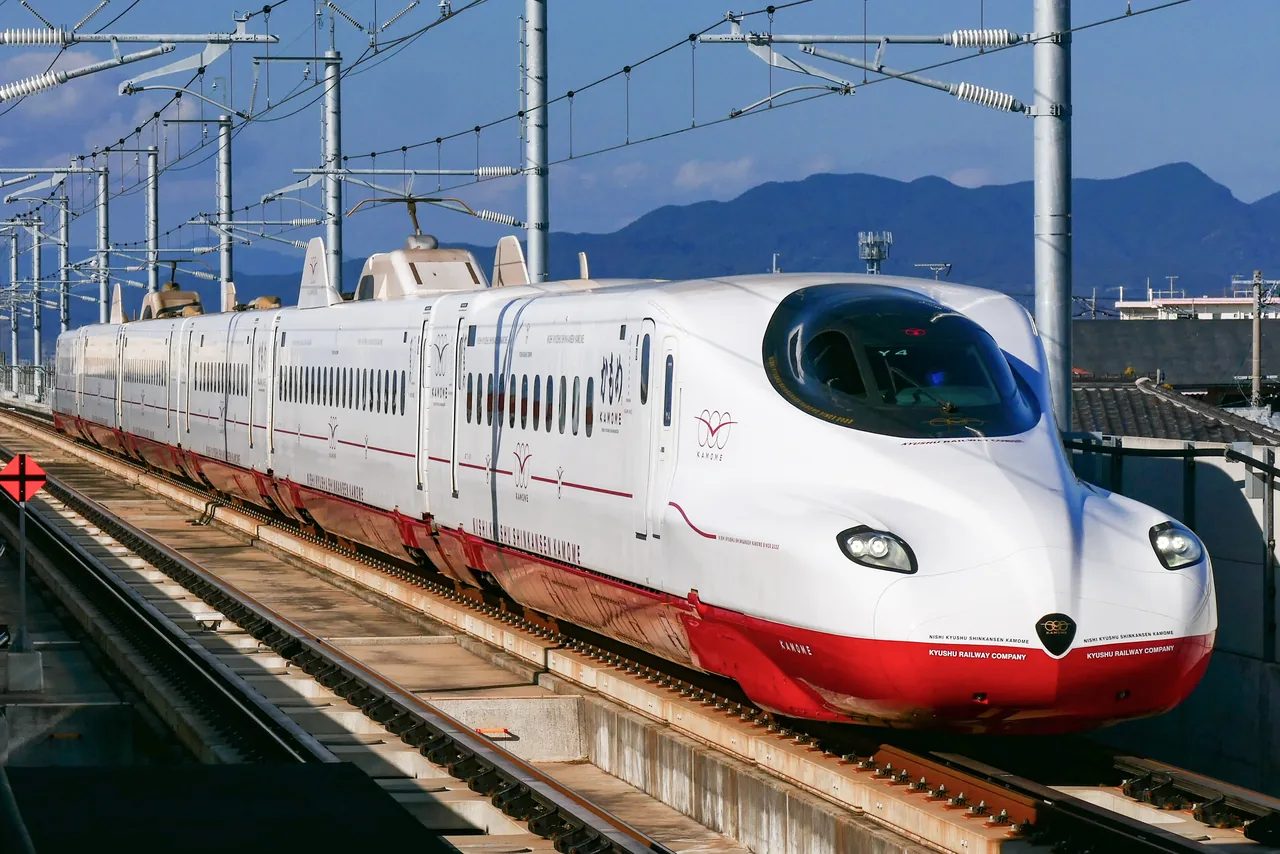
14. Seven of the ten sightseeing trains are included
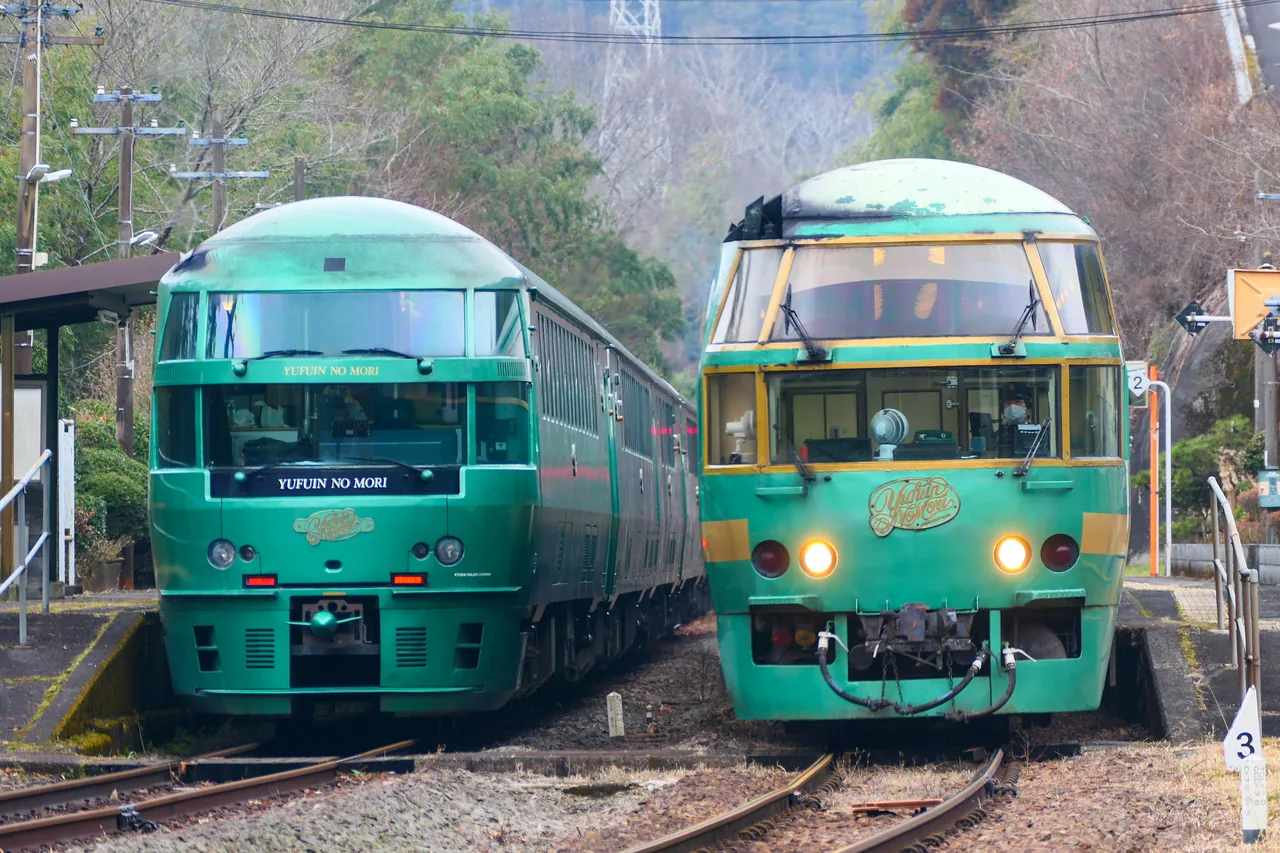
15. Yufuin no Mori seats open exactly one month ahead at 10am
16. Where to buy it and where to pick it up
17. Consecutive days only, and no refund once it starts
18. The bus pass lets you skip days
19. One ticket covers subways and trams, if you can travel slowly
20. Nothing at the airport or the port is covered
21. Against the nationwide Japan Rail Pass
22. Which version to buy
1. Three zones, six prices, and a ¥1,000 discount for booking online
JR Kyushu sells this pass in three zones, and each zone comes in a couple of lengths. Buy it through the official online booking site and every version drops by ¥1,000.
| Zone | Days | Counter or agency | Online booking | Child |
|---|---|---|---|---|
| All Kyushu | 3 | ¥22,000 | ¥21,000 | ¥11,000 |
| All Kyushu | 5 | ¥24,000 | ¥23,000 | ¥12,000 |
| All Kyushu | 7 | ¥26,000 | ¥25,000 | ¥13,000 |
| Northern Kyushu | 3 | ¥15,000 | ¥14,000 | ¥7,500 |
| Northern Kyushu | 5 | ¥17,000 | ¥16,000 | ¥8,500 |
| Southern Kyushu | 3 | ¥12,000 | ¥11,000 | ¥6,000 |
Only short-stay visitors can buy it
You need a passport issued somewhere other than Japan, you need to live outside Japan, and you need the temporary visitor stamp in that passport. Carry the passport while you travel, because staff do check it against the pass on board. If you are in Japan on a work or student visa, this pass is not available to you at any price.
Children are half, but the cut-off date moves
Half fare covers ages 6 to 11. Which day counts depends on where you bought it. An exchange voucher from an overseas agency is judged on the purchase date; a pass bought in Kyushu or through online booking is judged on the day the pass first becomes valid. If your child has a birthday somewhere in the middle of your trip planning, that single rule changes the fare.
Booking online still means collecting a physical pass
The online price is lower, but the booking is not a ticket. You collect the pass itself once you are in Kyushu, and the place you collect it has opening hours that matter more than most people expect. There is a section on that further down.
2. Adding a day costs ¥1,000; adding the south costs ¥7,000
All Kyushu runs ¥22,000 for three days and ¥26,000 for seven. That is ¥4,000 for four extra days. Moving from Northern Kyushu to All Kyushu at the same three days costs ¥7,000.
| What you are extending | From | To | Extra |
|---|---|---|---|
| Length | All Kyushu 3 days | All Kyushu 5 days | ¥2,000 |
| Length | All Kyushu 5 days | All Kyushu 7 days | ¥2,000 |
| Length | Northern 3 days | Northern 5 days | ¥2,000 |
| Coverage | Northern 3 days | All Kyushu 3 days | ¥7,000 |
| Coverage | Northern 5 days | All Kyushu 5 days | ¥7,000 |
Every extra pair of days is priced the same
Look down the length rows and the number never moves: ¥2,000 per two days, ¥1,000 per day, on both zones. Since a single limited express ride inside Kyushu regularly runs over ¥5,000, stretching the pass by a day is cheap insurance if your itinerary is still loose.
The coverage jump is seven times a day
Widening the map costs seven days’ worth of extension. So the question worth settling first is whether you are going below Kumamoto. Answer that and half the options disappear; the length then follows from your calendar rather than from your budget.
The number that settles it
Hakata to Kagoshima-Chuo is ¥11,950 one way in a reserved seat. Return that trip and you are at ¥23,900, which is already past the ¥22,000 counter price of the three-day All Kyushu pass. One journey south pays back the whole ¥7,000 and then some. Stopping at Kumamoto produces a completely different answer, worked through below.
3. April 2025 raised the prices, and not by the same amount
All six versions went up on 1 April 2025. The three-day Northern pass rose 25 per cent while the seven-day All Kyushu pass rose 4 per cent.
| Version | Until March 2025 | Now | Increase | Per cent |
|---|---|---|---|---|
| Northern 3 days | ¥12,000 | ¥15,000 | +¥3,000 | +25% |
| Southern 3 days | ¥10,000 | ¥12,000 | +¥2,000 | +20% |
| Northern 5 days | ¥15,000 | ¥17,000 | +¥2,000 | +13% |
| All Kyushu 3 days | ¥20,000 | ¥22,000 | +¥2,000 | +10% |
| All Kyushu 5 days | ¥22,500 | ¥24,000 | +¥1,500 | +7% |
| All Kyushu 7 days | ¥25,000 | ¥26,000 | +¥1,000 | +4% |
The gap between zones narrowed
Before the revision, three-day Northern and three-day All Kyushu were ¥8,000 apart. They are ¥7,000 apart now. Widening your map got slightly cheaper in absolute terms, which is worth knowing if you settled on the Northern zone after reading a trip report from a couple of years ago.
One old figure still looks current
The seven-day All Kyushu pass now costs ¥25,000 online. That is exactly what it cost at the counter before the increase. An outdated page quoting ¥25,000 therefore reads as correct, and you only notice the problem when the counter asks for ¥26,000. Always check which zone and which purchase channel a quoted price refers to.
Train fares moved on the same day
1 April 2025 was also the day JR Kyushu raised ordinary fares for the first time since January 1996, by an average of 14.6 per cent. The adult minimum fare went from ¥170 to ¥200, and shinkansen limited express charges rose too. Since pass and fares moved together, the break-even point did not shift dramatically. The individual numbers did.
4. Shinkansen fares you are measuring the pass against
Every judgement about this pass comes down to adding up what you would otherwise pay. These are the current post-April-2025 figures for the Kyushu Shinkansen. Map
| Section | Base fare | Reserved supplement | Reserved total | Non-reserved total |
|---|---|---|---|---|
| Hakata to Kumamoto | ¥2,420 | ¥3,420 | ¥5,840 | ¥5,310 |
| Hakata to Sendai (Kagoshima) | ¥5,390 | ¥4,960 | ¥10,350 | ¥9,820 |
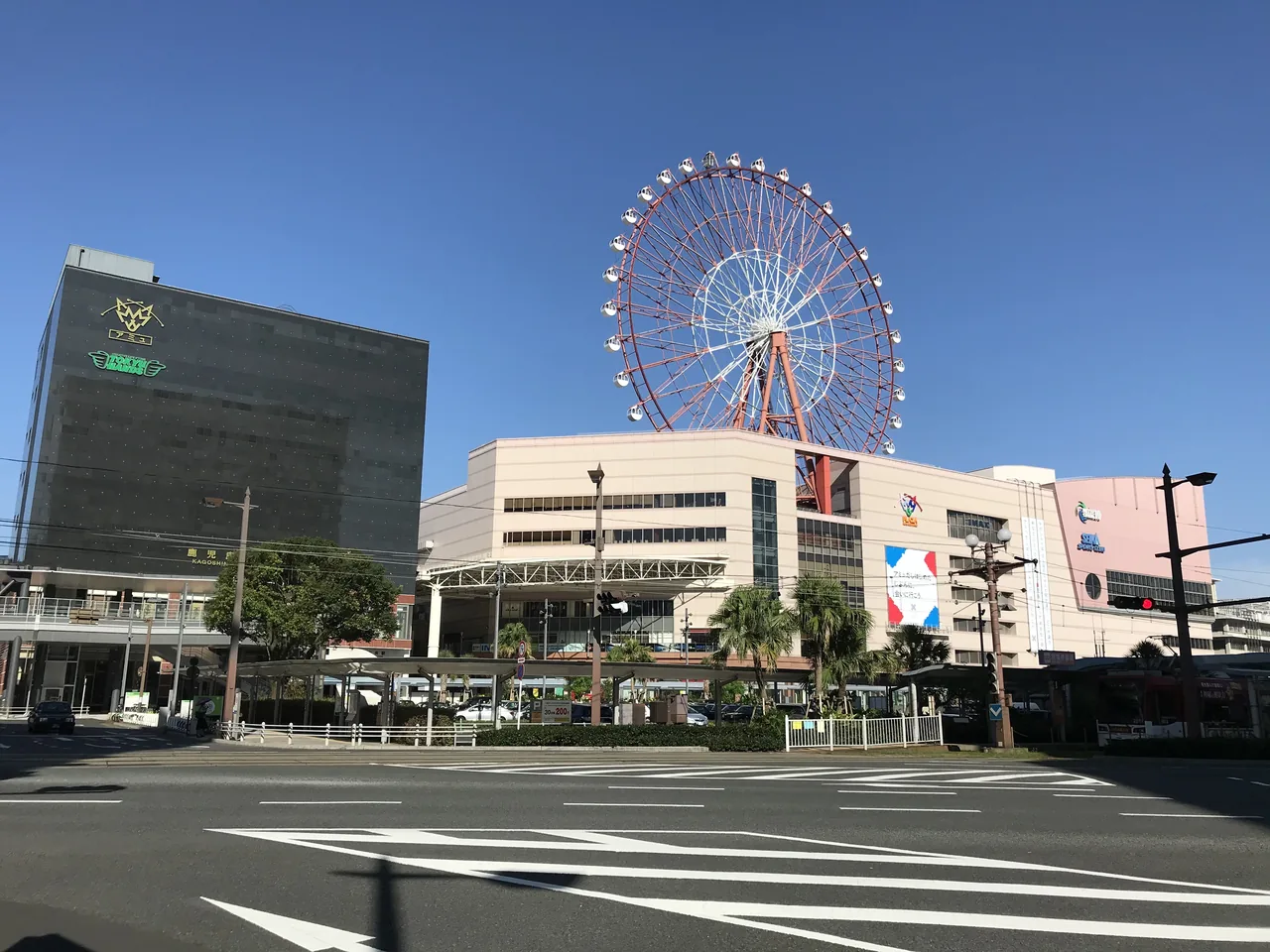
| Hakata to Kagoshima-Chuo | ¥6,270 | ¥5,680 | ¥11,950 | ¥11,420 |
| Kumamoto to Kagoshima-Chuo | ¥3,740 | ¥4,230 | ¥7,970 | ¥7,440 |
| Kumamoto to Sendai | ¥2,860 | ¥3,420 | ¥6,280 | ¥5,750 |
| Kokura to Kumamoto | ¥3,850 | ¥4,730 | ¥8,580 | ¥7,730 |
Reserved seats cost a flat ¥530 more
Subtract the last two columns on any row and you get ¥530 every time. That is how JR Kyushu prices non-reserved seats on this line. With a pass in hand the difference stops mattering, because reserving is included.
Kyushu is small enough that two cities in a day works
The fastest Hakata to Kumamoto run is 32 minutes. Hakata to Kagoshima-Chuo on a Mizuho is 1 hour 16 minutes, and Kumamoto to Kagoshima-Chuo alone is around 40 minutes. Those distances are why a Fukuoka hotel plus daily returns is such a common shape for a Kyushu trip, and why the pass tends to earn out.
Older write-ups quote lower numbers
Hakata to Kagoshima-Chuo was ¥10,640 reserved before the fare revision, so it has gone up ¥1,310. Plenty of blog posts still show the old figure, which makes the pass look worse than it is. Run your own arithmetic on the table above.
5. Limited express fares did not go up at all
The April 2025 revision left conventional-line limited express supplements untouched. Only the base fare moved, so Nagasaki, Beppu and Yufuin rose less than the shinkansen destinations. Map
| Section | Train | Reserved | Non-reserved | Fastest |
|---|---|---|---|---|
| Hakata to Nagasaki | Relay Kamome plus Kamome | ¥6,490 | ¥5,960 | about 1h20 |
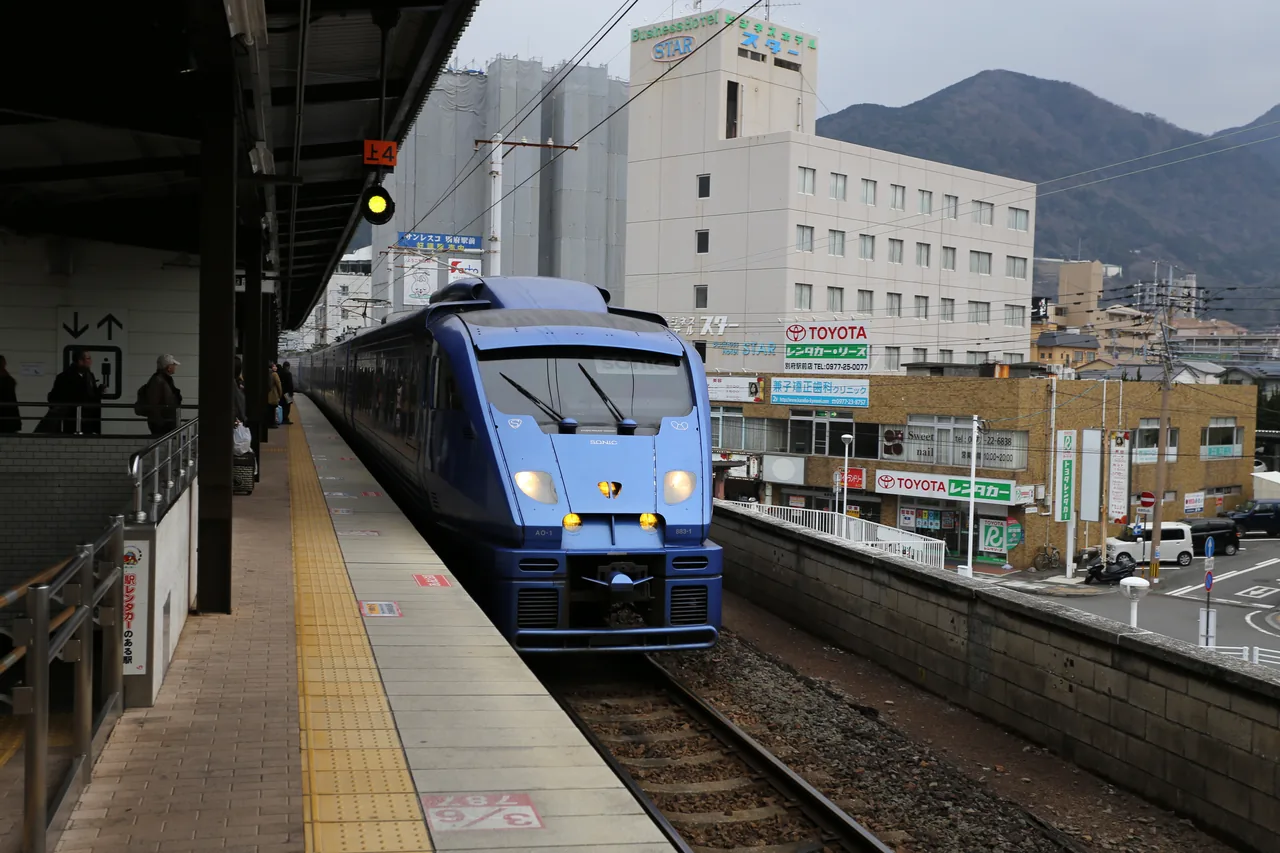
| Hakata to Beppu | Sonic | ¥6,910 | ¥6,380 | about 2h05 |
| Hakata to Oita | Sonic | ¥7,440 | ¥6,910 | about 2h15 |
| Hakata to Yufuin | Yufuin no Mori | ¥6,130 | none | about 2h14 |
| Hakata to Yufuin | Yufu | ¥5,630 | ¥5,100 | about 2h20 |
| Hakata to Kokura | Sonic, Kirameki and others | ¥2,640 | ¥2,110 | about 45 min |
Nagasaki involves one cross-platform change
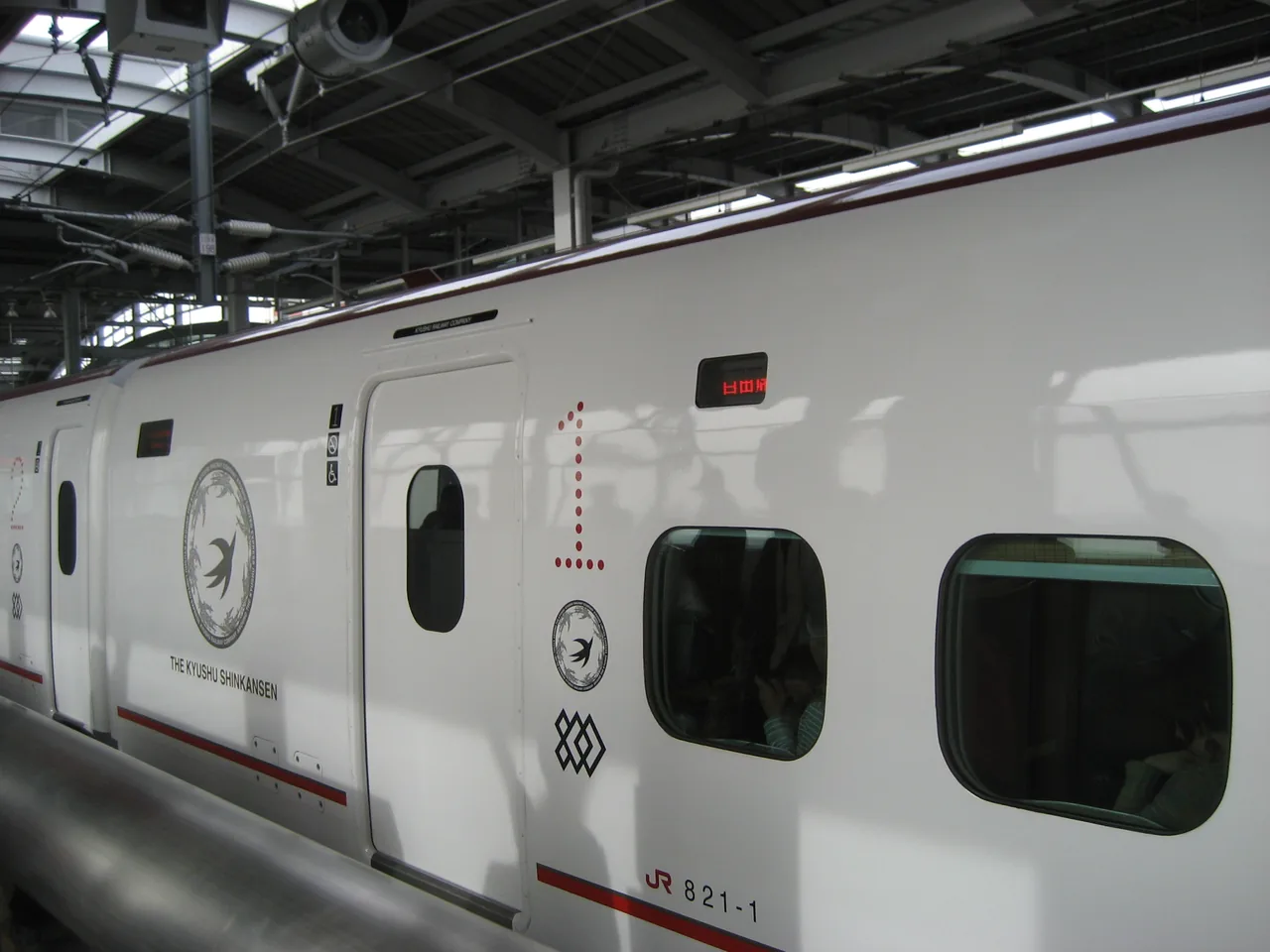
You ride the Relay Kamome from Hakata to Takeo-Onsen, then step across the same platform onto the Nishi-Kyushu Shinkansen Kamome. The two trains are timed to meet face to face, so the transfer is a few paces rather than a walk between concourses. It is ticketed as one journey and the fare is calculated through.
Sightseeing trains carry a ¥500 supplement
JR Kyushu adds ¥500 to the reserved supplement on its sightseeing services. That is precisely the difference between Yufuin no Mori at ¥6,130 and the ordinary Yufu at ¥5,630. Pass holders do not pay that ¥500; they still have to secure a seat.
Nishi-Kyushu Shinkansen supplements were also frozen
Takeo-Onsen to Nagasaki is ¥1,510 base plus ¥2,290 reserved. Shorter hops on that line are cheap: Isahaya to Nagasaki is ¥560 plus ¥870. Both zones that include Nagasaki cover this line in full.
6. One return trip to Kagoshima covers the All Kyushu pass
Hakata to Kagoshima-Chuo and back is ¥23,900 in reserved seats. The three-day All Kyushu pass is ¥22,000 at a counter and ¥21,000 online, so the return alone clears it. Map
| Itinerary | Paid separately | Against a ¥21,000 online pass |
|---|---|---|
| Hakata to Kagoshima-Chuo return | ¥23,900 | ¥2,900 ahead |
| The same plus a Kumamoto day return | ¥35,580 | ¥14,580 ahead |
| Hakata, Kumamoto, Kagoshima-Chuo, Hakata | ¥25,760 | ¥4,760 ahead |
| Hakata to Kagoshima-Chuo one way only | ¥11,950 | ¥9,050 behind |
An open-jaw flight kills the maths
If you fly into Fukuoka and out of Kagoshima you ride the shinkansen once. Paying ¥21,000 for a single ¥11,950 leg makes no sense. Buy the ticket, keep the difference, and put it toward the tram day passes and onsen entries the rail pass does not cover anyway.
Stopping en route is where a pass pulls ahead
Break the journey at Kumamoto and the separate tickets come to ¥25,760: ¥5,840 to Kumamoto, ¥7,970 onward to Kagoshima-Chuo, ¥11,950 back. Paid fares grow every time you get off; the pass does not. That is the mechanism behind almost every case where a Kyushu pass wins.
City transport is outside all of this
Kagoshima’s trams, Kumamoto’s trams and the Fukuoka subway belong to other operators and none of them accept this pass. Budget for them separately, or carry an IC card and stop thinking about it.
7. A trip that stops at Kumamoto leaves money on the table
Hakata to Kumamoto and back is ¥11,680 reserved. The three-day Northern pass is ¥14,000 online, so a single return falls ¥2,320 short. Map
| Itinerary | Paid separately | Against a ¥14,000 online pass |
|---|---|---|
| Hakata to Kumamoto return | ¥11,680 | ¥2,320 behind |
| Hakata to Nagasaki return | ¥12,980 | ¥1,020 behind |
| Hakata to Beppu return | ¥13,820 | ¥180 behind |
| Kumamoto return plus Nagasaki return | ¥24,660 | ¥10,660 ahead |
No single return quite gets there
Kumamoto, Nagasaki and Beppu all fall short on their own, and Beppu misses by ¥180. The practical reading is that a three-day Northern pass needs either two returns or one return plus a scattering of shorter rides.
Two destinations and it is comfortably ahead
Pair Kumamoto with Nagasaki and you are ¥10,660 up. Most Kyushu itineraries that suit this pass look like that: one hotel in Fukuoka, a different direction each morning, back in the evening.
You do not need to move hotels
Nagasaki is 1 hour 20 minutes away, Kumamoto 32 minutes, Beppu 2 hours 5 minutes. None of that requires packing a suitcase, which is why basing yourself in Fukuoka keeps both the itinerary and the pass arithmetic simple.
8. What three days on a Northern pass can look like
Nagasaki, Yufuin and Kumamoto on consecutive days comes to ¥36,420 in separate tickets. The three-day Northern pass is ¥14,000 online, leaving ¥22,420 on the table. Map
| Day | Route | Paid separately |
|---|---|---|
| One | Hakata to Nagasaki and back | ¥12,980 |
| Two | Hakata to Yufuin on the Yufuin no Mori, back on the Yufu | ¥11,760 |
| Three | Hakata to Kumamoto and back | ¥11,680 |
| Three-day total | Three destinations | ¥36,420 |
Two of the three days is already enough
Days one and two alone come to ¥24,740 against a ¥14,000 pass. You can spend the third day walking around Fukuoka and still be well ahead, which takes the pressure off the kind of itinerary where you feel obliged to use every hour you paid for.
Kumamoto sits inside the Northern zone
The name misleads. Northern Kyushu runs down as far as Kumamoto and Misumi on one side and Oita on the other, so a Kumamoto day trip needs no upgrade. What it will not do is take you past Kumamoto toward Kagoshima.
Book the scenic train one way only
Yufuin no Mori runs three return services a day, and getting seats in both directions on the date you want is harder than it sounds. Take it outbound, come back on the ordinary Yufu, which has non-reserved cars and costs ¥500 less. The Beppu and Yufuin guide sets out how to split the two towns.
9. Southern Kyushu ends up dearer than All Kyushu if you start in Fukuoka
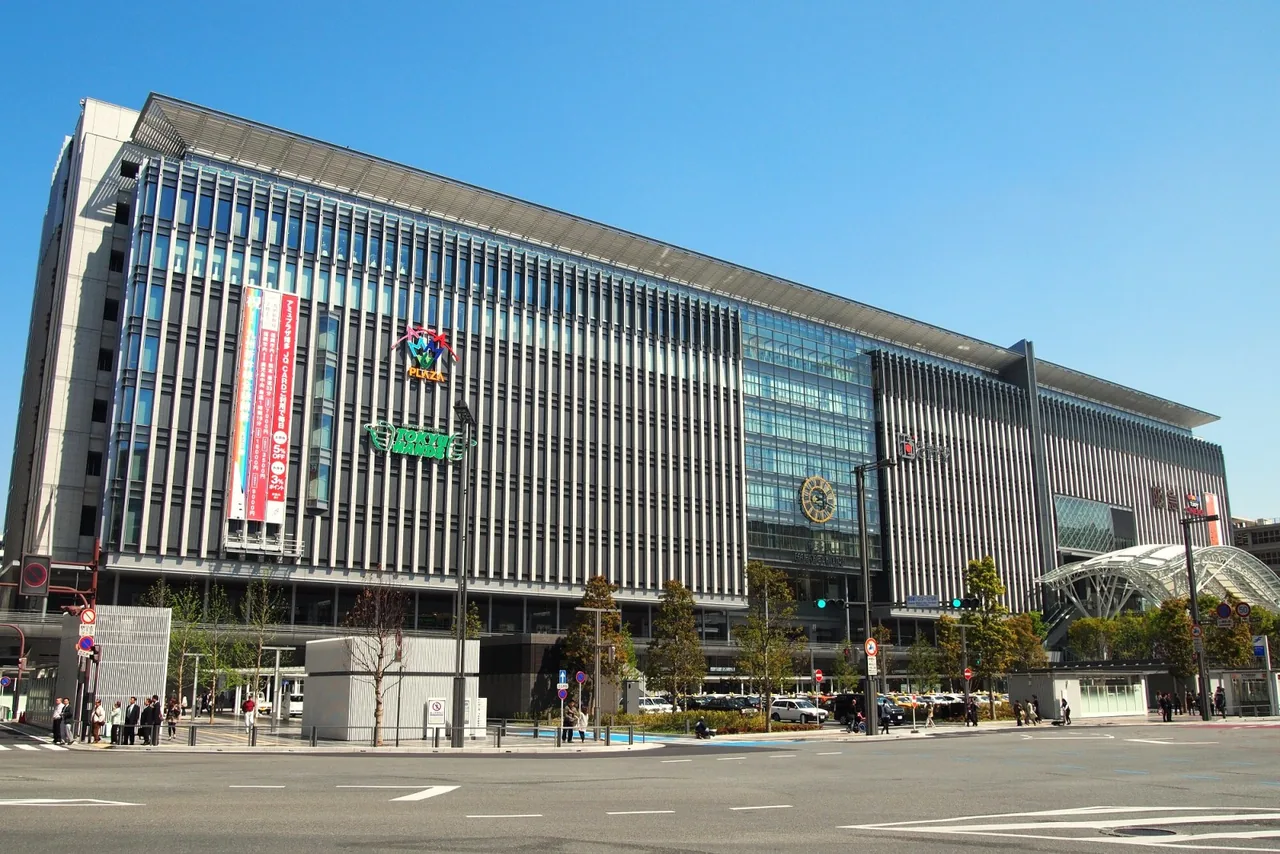
The Southern zone begins at Kumamoto. Start from Fukuoka and you pay for Hakata to Kumamoto out of pocket, which pushes the total past the All Kyushu pass. Map
| How you get there | What you pay |
|---|---|
| Southern 3-day pass at ¥11,000 plus a Hakata to Kumamoto return | ¥22,680 |
| All Kyushu 3-day pass online | ¥21,000 |
¥1,680 apart, and the wider pass wins
Hakata to Kumamoto is ¥5,840 reserved, so the return is ¥11,680. Add the ¥11,000 Southern pass and you reach ¥22,680 against ¥21,000 for All Kyushu. On top of that the wider pass keeps working everywhere else in Kyushu, so a Fukuoka start gives you no reason to choose Southern.
It is built for people flying straight into the south
Southern makes sense when you land at Kagoshima or Miyazaki. Kagoshima-Chuo to Kumamoto and back is ¥15,940 in separate tickets, so an ¥11,000 pass is ¥4,940 ahead on that alone, and anything you add toward Ibusuki or Kirishima widens the margin.
Oita is inside the Southern zone too
Despite the name, Southern Kyushu includes both Kumamoto and Oita. Working north from Kagoshima through Miyazaki and up the east coast to Beppu stays inside it. The moment you continue to Fukuoka you are outside.
10. Kumamoto and Oita belong to two zones at once
The Northern and Southern zones overlap. Northern reaches down to Kumamoto and Oita; Southern starts from those same two cities. Map
| Zone | Extent | Kyushu Shinkansen | Nishi-Kyushu Shinkansen | Shimonoseki |
|---|---|---|---|---|
| All Kyushu | the whole island | Hakata to Kagoshima-Chuo, all of it | Takeo-Onsen to Nagasaki | included |
| Northern | down to Kumamoto, Misumi and Oita | Hakata to Kumamoto only | Takeo-Onsen to Nagasaki | not included |
| Southern | from Kumamoto and Oita southward | Kumamoto to Kagoshima-Chuo only | outside the zone | not included |
Nagasaki is a Northern destination
Both the Relay Kamome run from Hakata and the Nishi-Kyushu Shinkansen beyond Takeo-Onsen sit inside the Northern zone. If Nagasaki and Huis Ten Bosch are the reason you are considering an upgrade, you do not need one.
Shimonoseki is on the All Kyushu pass despite not being in Kyushu
Shimonoseki is in Yamaguchi prefecture on the main island, connected to Kokura by conventional line, and the All Kyushu zone reaches across to it. Arriving by ferry from Busan puts you inside the pass area from the first morning, which is worth knowing if you are combining Korea and Japan.
Miyazaki needs the wider zone
Miyazaki and the Nichinan line down the coast fall outside Northern altogether. A Fukuoka base with a Miyazaki excursion means the All Kyushu pass, not because of distance but because of where the boundary was drawn.
11. The Hakata to Kokura shinkansen belongs to a different company
The shinkansen between Hakata and Kokura is JR West’s Sanyo Shinkansen. No version of this pass covers it, including All Kyushu. Map
| Hakata to Kokura | Journey time | On the pass | Paid separately |
|---|---|---|---|
| Sanyo Shinkansen | 16 minutes | no | bought as a separate ticket |
| Limited express (Sonic, Kirameki) | about 45 minutes | yes | ¥2,640 reserved |
| Rapid or local | about 1h20 | yes | ¥1,510 |
Half an hour is the whole penalty
Thirty minutes separates the shinkansen from the limited express. For a day out in Kokura or Mojiko that is nothing, and the Sonic services heading for Oita and Beppu pass through Kokura anyway, so you are often on the right train already.
The Hakata-Minami line is out as well
The short branch running south from Hakata station is excluded too. Visitors rarely have a reason to use it, but it appears on the exclusion list alongside the Sanyo Shinkansen, JR Kyushu buses and the luxury cruise train.
Getting to Shimonoseki
Cross to Shimonoseki on the conventional line from Kokura, roughly 15 minutes. Do not aim for Shin-Shimonoseki, which is the shinkansen station and therefore not covered. Arriving the other way, the guide to landing from the Busan ferry covers the walk off the boat.
12. Seat reservations are unlimited on one version and capped at six on the others
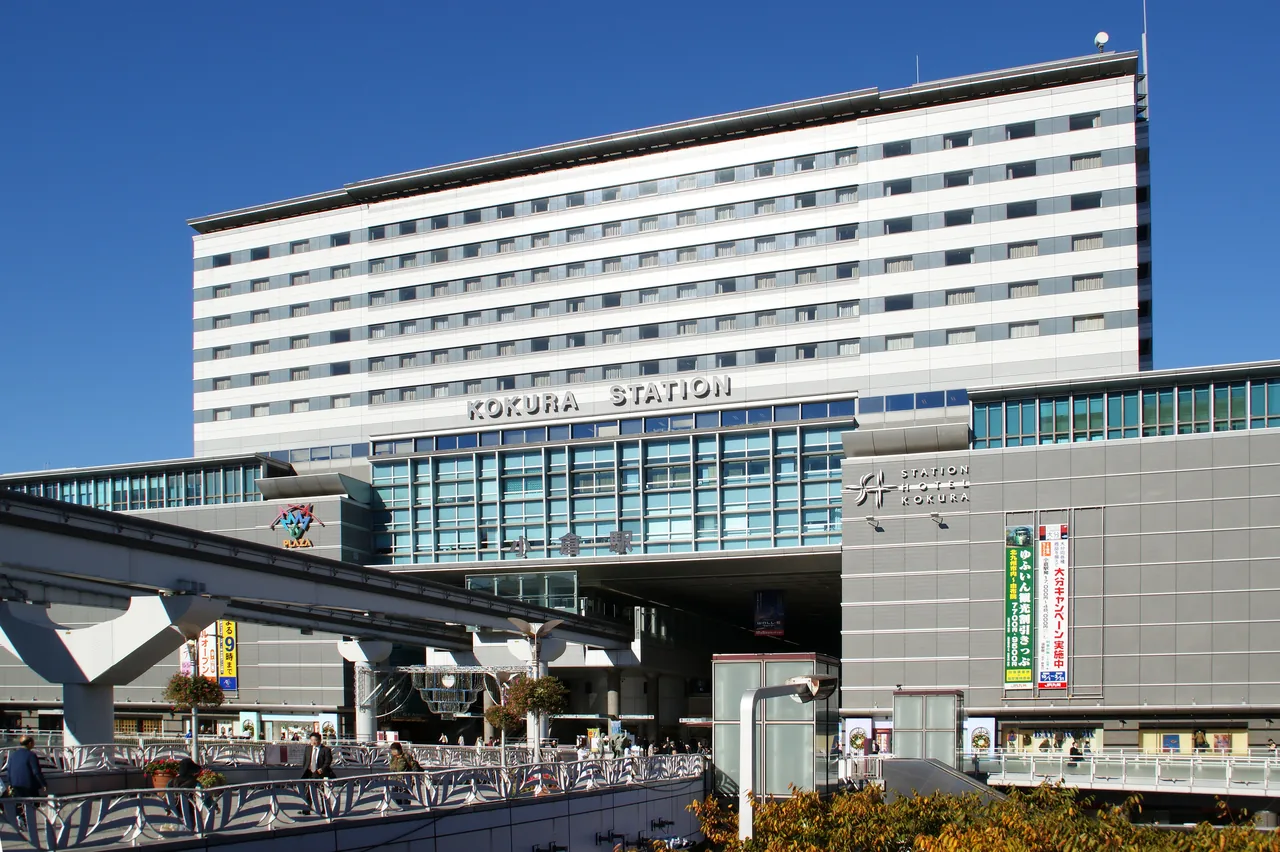
All Kyushu lets you reserve as often as you like at no charge. Northern and Southern allow six free reservations each. That cap bites sooner than most people expect. Map
| Zone | At counters and machines in Kyushu |
|---|---|
| All Kyushu | unlimited, free |
| Northern | six, free |
| Southern | six, free |
Three day trips uses all six
Base yourself in Fukuoka, go somewhere and come back on each of three days, and you have spent your six. Any day that involves a change of train partway, or a scenic service in one direction and an ordinary one in the other, breaks the budget.
Non-reserved travel does not count
Once the six are gone you can still ride, you just cannot reserve. Sonic, Relay Kamome and Yufu all have non-reserved cars, so keeping return legs unreserved stretches the allowance. On autumn weekends that can mean standing.
All-reserved trains consume one every time
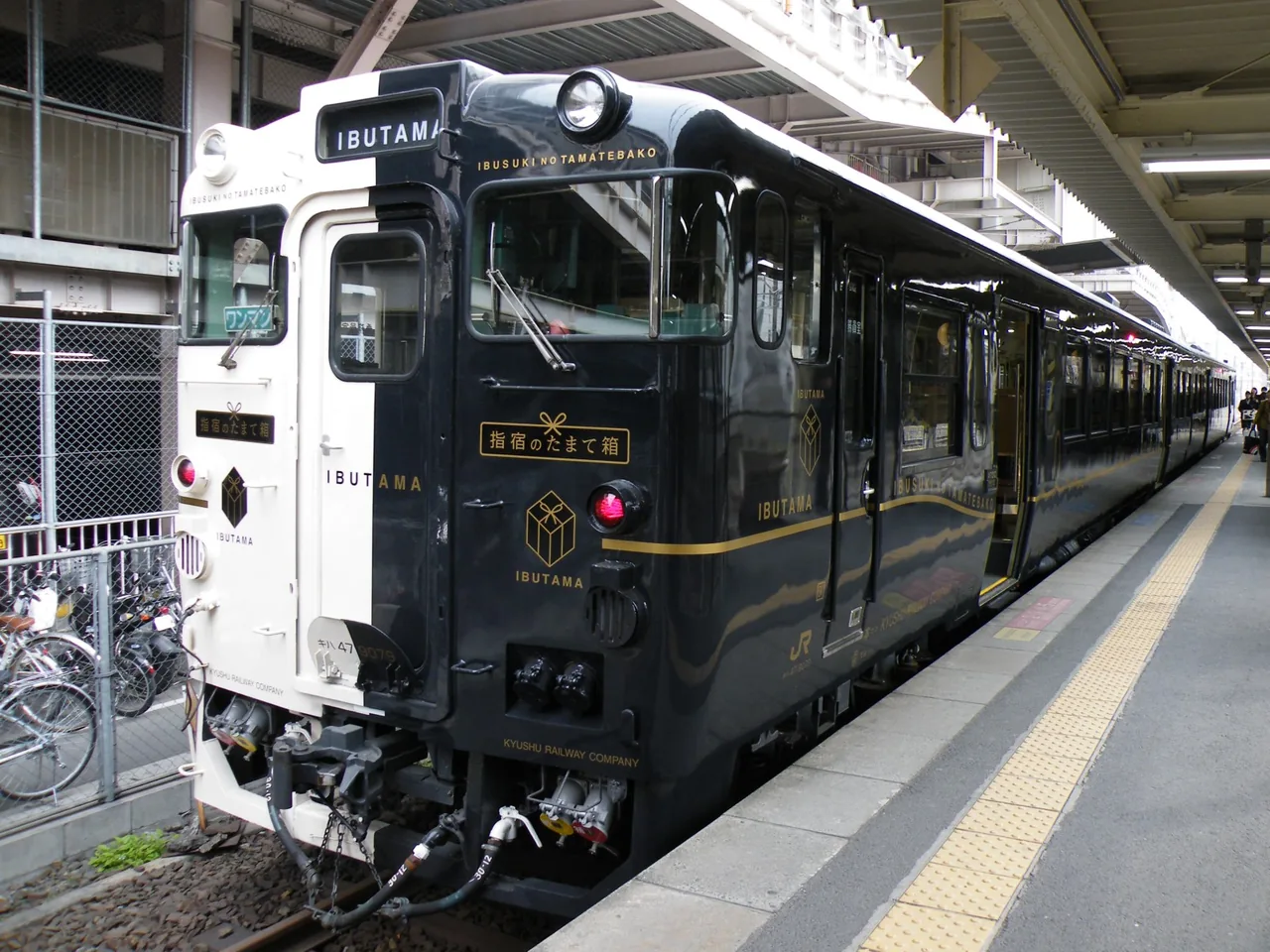
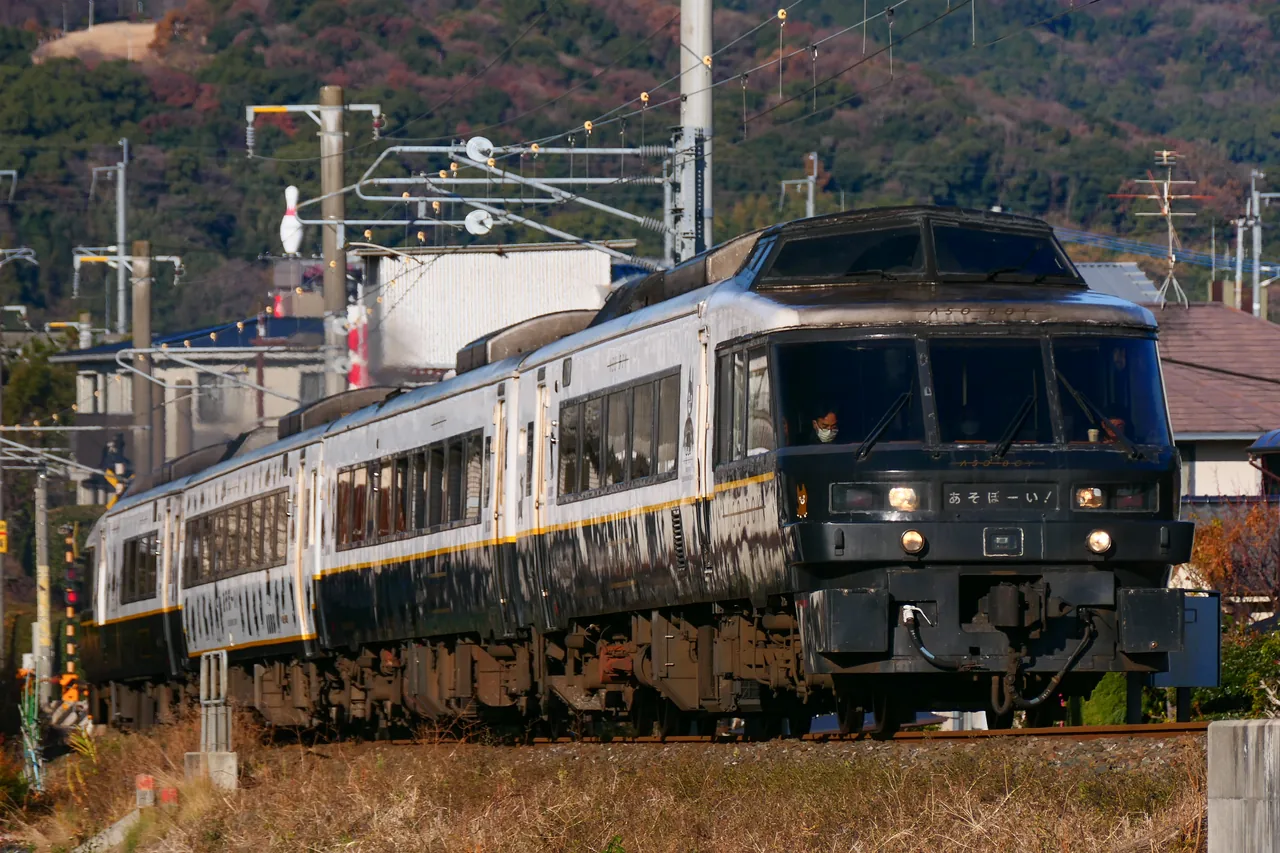
Yufuin no Mori, Aso Boy and Ibusuki no Tamatebako carry no non-reserved cars at all, so there is no way to board them without spending one of the six. Two sightseeing trains plus two ordinary returns and you have used four. Anyone planning more than one scenic train should look hard at All Kyushu.
13. Reserving before you land is charged per leg
Reserve seats online before you reach Kyushu and each leg costs ¥1,000, or ¥1,500 on a sightseeing train. Children pay half. Do it at a station in Kyushu and it is free. Map
| Where and when | Shinkansen, limited express, rapid | Sightseeing trains |
|---|---|---|
| Online before arriving in Japan | ¥1,000 per leg | ¥1,500 per leg |
| Counters and machines in Kyushu | free | free |
Only a few services justify the charge
Most shinkansen departures and most Sonic runs have seats on the day. Paying ¥1,000 in advance for those is money away. Yufuin no Mori and Ibusuki no Tamatebako are the opposite case: they sell out the moment reservations open, and ¥1,500 to hold a seat is the difference between riding and not.
A tight first afternoon is the other reason
Landing at Fukuoka after lunch and heading straight for Beppu means collecting the pass at the airport counter, then queueing again at the Hakata station ticket office. If that sounds like too much with luggage, pre-book the first leg only and walk straight to the platform.
Cancelling a reservation is not free
Cancelling a reserved seat ticket costs ¥340 before departure, and 30 per cent with a ¥340 minimum from two days before the travel date. On days you are unsure about, pick a train with non-reserved cars instead.
14. Seven of the ten sightseeing trains are included
JR Kyushu runs ten Design and Story trains. Seven of them need nothing more than a reservation, two are outside the pass entirely, and one is all green car, so you pay a supplement.
| Train | Where it runs | On the pass |
|---|---|---|
| Yufuin no Mori | Hakata to Yufuin and Beppu | yes |
| Aso Boy | Kumamoto toward Aso | yes |
| A Train | Kumamoto to Misumi | yes |
| Kawasemi Yamasemi | irregular operation | yes |
| Futatsuboshi 4047 | Saga and Nagasaki | yes |
| Ibusuki no Tamatebako | Kagoshima-Chuo to Ibusuki | yes |
| Umisachi Yamasachi | Miyazaki toward Nichinan | yes |
| Aru Ressha | Hakata toward Yufuin | no |
| Kanpachi Ichiroku | Hakata toward Yufuin | no |
| 36+3 | all seven prefectures | green car supplement |
The two exclusions are dining trains
Aru Ressha and Kanpachi Ichiroku sell a seat with a meal attached rather than a seat on its own, which is why no rail pass covers them. Seven Stars in Kyushu, the sleeper cruise train, sits in the same category. Treat all three as separate products with their own booking routes.
36+3 circles the island by day of the week
36+3 works its way around Kyushu on a different route each weekday. Every carriage is green class, so a pass alone will not get you on board. JR Kyushu green supplements on conventional lines run ¥1,300 up to 100km, ¥2,800 up to 200km and ¥4,190 beyond that.
Many of these run on set dates
Several operate mainly at weekends and on holidays, and Kawasemi Yamasemi has no fixed pattern at all. Check the running dates first and build the rest of the day around them, rather than the other way round.
15. Yufuin no Mori seats open exactly one month ahead at 10am
Reservations for Yufuin no Mori open one calendar month before the travel date, at 10am Japan time. Weekend and autumn dates can empty out within minutes across all three return services. Map
There are no non-reserved cars
This train has no unreserved seating and does not take standing passengers. Holding the pass gets you out of the ¥500 sightseeing supplement, not out of the queue for a seat. If the reservation window closes without you, the train is simply not available.
Three services a day, one of which continues to Beppu
Three trains a day run from Hakata to Yufuin, and only one carries on through Oita to Beppu. If your plan is Yufuin in the morning and Beppu in the afternoon, that single service dictates the shape of the day. Hakata to Yufuin takes about 2 hours 14 minutes.
The Yufu is the fallback
The ordinary limited express Yufu covers the same line with a few more stops and does have non-reserved cars, so it needs no advance planning. It is also ¥500 cheaper at ¥5,630 reserved. Plenty of people ride the scenic train one way and the Yufu the other for exactly this reason.
16. Where to buy it and where to pick it up
There is a dedicated exchange counter in the international arrivals hall at Fukuoka Airport, open 9am to 5pm. It hands over passes that were already booked. It does not sell them.
| Place | Sells | Hands over | Hours |
|---|---|---|---|
| Official online booking site | yes, ¥1,000 cheaper | collect in Kyushu | any time |
| Overseas travel agency | yes, as a voucher | collect in Kyushu | business hours |
| Fukuoka Airport exchange counter | no | yes | 9am to 5pm, daily |
| JR Kyushu ticket offices at selected stations | yes | yes | varies by station |
An evening arrival means collecting tomorrow
The counter closes at 5pm and does not open again until the next morning. Land in the evening and you collect at Hakata or Kokura station the following day instead. As long as you are not planning to board a train that same night, nothing is lost.
The counter is on the international side
Fukuoka Airport’s domestic and international terminals sit on opposite sides of the runway. The exchange counter is inside the Access Hall on the first floor of the international terminal, so it is on your way out after baggage claim. The subway station is at the domestic terminal, reached by free shuttle.
Have the passport out
You will be asked for the passport showing your temporary visitor stamp, and often for the booking reference and the card you paid with. Having all three ready turns a slow window into a fast one. The Fukuoka guide covers what to do with the rest of the arrival day.
17. Consecutive days only, and no refund once it starts
A three-day pass runs three days straight from the day it starts. There is no way to pause it and pick it up again later, which changes the arithmetic on any trip with rest days in it.
Gaps in your travel favour a shorter pass
Say you have five nights and you move on days one, three and five. A five-day pass spends two of its days doing nothing. Better to take a three-day pass across the busiest stretch, or to buy tickets and skip the pass altogether. The fare tables further up settle which.
You choose the start date at collection
The pass does not have to begin the day you pick it up. Spend the first day in Fukuoka and start it the next morning if that suits the plan. Changing the date afterwards is difficult, so arrive at the window knowing what you want.
Refunds close on the first day
Before the start date you can refund at a 10 per cent handling charge. After it, nothing is refundable for any reason, typhoon cancellations included. If you are travelling in late summer, read that alongside the typhoon season guide before committing to dates.
18. The bus pass lets you skip days
The SUNQ Pass, Kyushu’s bus equivalent, works differently: the digital version lets you pick three days out of five. The rail pass has no such flexibility.
| Version | Paper | Digital | How the days work |
|---|---|---|---|
| All Kyushu plus Shimonoseki, 3 days | ¥14,000 | ¥12,000 | digital: any 3 of 5 |
| All Kyushu plus Shimonoseki, 4 days | ¥17,000 | ¥15,000 | digital: any 4 of 7 |
| Northern Kyushu plus Shimonoseki, 3 days | ¥12,000 | ¥10,000 | digital: any 3 of 5 |
| Southern Kyushu, 3 days | ¥10,000 | ¥8,500 | digital: any 3 of 5 |
Forty-six operators and around 2,400 routes
It covers highway coaches and ordinary local buses across all seven Kyushu prefectures and the Shimonoseki area. Buses reach hot spring valleys and coastal towns that no railway serves, which is the real argument for it. Paper versions run consecutively; only the digital one allows the skipping.
Yufuin is cheaper by bus
Nishitetsu highway coaches run Hakata to Yufuin for around ¥3,250 one way and ¥5,760 return, against ¥6,130 for a reserved seat on the Yufuin no Mori. The coach takes about two and a half hours, so you trade roughly twenty minutes for a large saving.
Some people carry both
Rail is strong north to south, buses are strong into the mountains. Holding both passes is expensive, though, so count which one your actual route uses more before buying the second.
19. One ticket covers subways and trams, if you can travel slowly
The JR Kyushu Rail Pass is not the only unlimited-travel ticket sold in Kyushu. A couple of others work differently, and one of them reaches the city subways and trams that no rail pass touches.
| Ticket | What it covers | Validity | Who can buy |
|---|---|---|---|
| JR Kyushu Rail Pass | shinkansen and limited express, JR Kyushu only | 3, 5 or 7 consecutive days | short-stay visitors |
| Tabi Meijin no Kyushu Mankitsu Kippu | local and rapid trains on 15 operators | three separate days | anyone |
| Gurutto Kyushu Kippu | local and rapid trains, express with a separate supplement | 3 days | anyone |
| SUNQ Pass | buses | 3 or 4 days | anyone |
Tabi Meijin reaches the subway and the trams
It covers fifteen operators, including Nishitetsu, the Fukuoka city subway and the Kagoshima tram, which is precisely the city transport the rail pass leaves out. What it gives up is speed: no shinkansen and no limited express at all.
An app version arrives on 1 September 2026
Tabi Meijin has only existed on paper until now. From 1 September it also sells through the my route app at ¥13,000, while the paper version at station windows moves to ¥14,000 the same day. The app version has to be started within seven days of purchase and then spends its three days anywhere inside 90 days.
It only works if your schedule is loose
Hakata to Kagoshima on local trains eats an entire day. If you have a fortnight and want to stop in small towns, that is the point. On a four-day trip it is the wrong ticket.
20. Nothing at the airport or the port is covered
Fukuoka Airport to Hakata station is the city subway, not JR, so the pass does nothing there. It is ¥260 and two stops, about five minutes.
| Section | Mode | Time | Fare | On the pass |
|---|---|---|---|---|
| Fukuoka Airport domestic to Hakata station | city subway | about 5 min | ¥260 | no |
| Fukuoka Airport domestic to Tenjin | city subway | about 12 min | ¥260 | no |
| Fukuoka Airport international to Hakata station | Nishitetsu bus | about 15 min | ¥310 | no |
| International to domestic terminal | free shuttle | about 10 min | free | not applicable |
There is no subway station on the international side
Because the international terminal sits across the runway, reaching the subway means a free shuttle to the domestic terminal first. Skipping that transfer is easy enough: the Nishitetsu bus leaves from outside international arrivals and runs straight to Hakata station for ¥310.
Hakata Port has no railway station
Ferries from Busan dock at the Hakata Port International Terminal, where the onward options are bus and taxi. Landing at Shimonoseki instead puts you 15 minutes by JR from Kokura, and that stretch does sit inside the All Kyushu zone.
Carry an IC card for everything inside cities
Kagoshima’s trams, Kumamoto’s trams, the Nagasaki tramway and the Fukuoka subway are all outside every zone. You will use them several times a day, so an IC card saves a lot of small decisions. Kyushu issues SUGOCA, and a Suica or ICOCA from elsewhere in Japan works the same way.
21. Against the nationwide Japan Rail Pass
The nationwide pass is ¥50,000 for seven days in ordinary class. All Kyushu for seven days is ¥26,000. If Kyushu is the whole trip, the wider pass has nothing to offer.
| Pass | 7 days | Shinkansen inside Kyushu | Sanyo Shinkansen, Hakata to Kokura |
|---|---|---|---|
| Nationwide Japan Rail Pass, ordinary | ¥50,000 | yes | yes |
| All Kyushu | ¥26,000 | yes | no |
The difference is ¥24,000
That ¥24,000 pays for sixteen minutes between Hakata and Kokura and for every line outside Kyushu. Stay on the island and there is nowhere for that money to go.
Coming from Osaka or Hiroshima changes it
Entering Kyushu on the Sanyo Shinkansen means that leg falls outside the regional pass and needs its own ticket. Shin-Osaka to Hakata runs into the mid ¥10,000s one way, so a return trip puts the nationwide pass back in contention. The Japan Rail Pass guide works through those numbers section by section.
The nationwide price rises on 1 October
Ordinary class goes from ¥50,000 to ¥53,000 for seven days. The Kyushu passes already took their increase in April 2025 and are not part of this round, so check which side of 1 October your travel dates fall on before comparing the two.
22. Which version to buy
Going below Kumamoto means All Kyushu. Stopping at Kumamoto means Northern. Southern is for people who fly straight into the south and stay there.
| If your trip looks like this | Buy this | Online price |
|---|---|---|
| Fukuoka base, day trips to Nagasaki, Yufuin, Kumamoto | Northern 3 days | ¥14,000 |
| The same with another day or two added | Northern 5 days | ¥16,000 |
| Fukuoka down to Kagoshima and back | All Kyushu 3 days | ¥21,000 |
| A full week circling the island | All Kyushu 7 days | ¥25,000 |
| Flying into Kagoshima or Miyazaki | Southern 3 days | ¥11,000 |
| One city, out and back, nothing else | ordinary tickets | by section |
Settle the map before the calendar
Extending the pass costs ¥1,000 a day; widening it costs ¥7,000. Deciding whether Kagoshima is in or out therefore removes half the options in one move, and if it is in, a single return journey already pays for the upgrade.
Two sightseeing trains push you to All Kyushu
Northern and Southern cap free reservations at six. Pair Yufuin no Mori with Aso Boy and the allowance disappears fast, so anyone building a trip around the scenic trains should take the unlimited version.
Where to read next
For a Fukuoka base, where to stay in Fukuoka and the Fukuoka city guide sort out the daily routes. For the hot springs, Beppu and Yufuin; for arriving by sea, the Busan ferry arrival guide. Wider planning sits in the Japan travel guide.
🎡Things to Do3
🏨Where to Stay2
🗾Japan trip essentials25
JR Kyushu Rail Pass questions
All Kyushu is ¥22,000 for three days at a counter and ¥21,000 booked online, rising to ¥24,000 and ¥23,000 for five days and ¥26,000 and ¥25,000 for seven. Northern Kyushu is ¥15,000 and ¥14,000 for three days, ¥17,000 and ¥16,000 for five. Southern Kyushu is ¥12,000 and ¥11,000 for three days. Children aged 6 to 11 pay half.
Go with All Kyushu if you are heading to Kagoshima. Hakata to Kagoshima-Chuo is ¥11,950 one way reserved, so a return alone beats the three-day All Kyushu price. If Kumamoto is as far south as you go, Northern covers it, since Kumamoto and Oita both sit inside that zone.
Add up the reserved fares for the journeys you would actually make. From Hakata, Kumamoto is ¥5,840, Nagasaki ¥6,490, Beppu ¥6,910 and Kagoshima-Chuo ¥11,950. Two return trips will usually clear a three-day pass.
No. That stretch is JR West’s Sanyo Shinkansen and no version of the Kyushu pass covers it. Take a Sonic or Kirameki limited express instead, about 45 minutes, which the pass does cover.
All Kyushu has no limit. Northern and Southern allow six free reservations each. After that you can still travel in non-reserved cars on trains that have them.
Yes, but it costs ¥1,000 per leg, or ¥1,500 for sightseeing trains. Reserving at a station once you are in Kyushu is free. It is generally only worth paying for services that sell out, such as the Yufuin no Mori.
Yes, and pass holders skip the ¥500 sightseeing supplement as well. The train has no non-reserved cars, so you still need a seat reservation, and those open exactly one month before departure at 10am Japan time.
There is an exchange counter in the international arrivals hall at Fukuoka Airport, first floor, open 9am to 5pm every day. It only hands over passes already booked. JR Kyushu ticket offices at Hakata and other major stations can both sell and issue.
The airport counter shuts at 5pm, so collect at Hakata station the next morning instead. Set the start date to that day and you lose nothing.
No. A three-day pass runs three days in a row from the start date. If your travel days are spread out, either align a shorter pass with the busiest stretch or buy ordinary tickets. The digital SUNQ bus pass does allow three days chosen from five.
No, that is the Fukuoka city subway, ¥260 for two stops. The international terminal has no subway station at all, so either take the free shuttle to the domestic terminal or catch the Nishitetsu bus to Hakata station for ¥310.
No. Trams, subways and city buses are outside every zone. Use an IC card for those; Suica and ICOCA work in Kyushu just as SUGOCA does.
Before the start date, yes, with a 10 per cent handling charge. Once the pass becomes valid there are no refunds for any reason, including trains cancelled by a typhoon.
Prices rose on 1 April 2025. The three-day Northern pass went from ¥12,000 to ¥15,000, a 25 per cent rise, while the seven-day All Kyushu pass went from ¥25,000 to ¥26,000, or 4 per cent. JR Kyushu fares rose an average of 14.6 per cent the same day, so older fare quotes online are all low.