
Where to Stay in Okinawa: The Honest Area-by-Area Guide
Naha, the Onna resort coast, Chatan, the far north and the south — which area actually fits your trip, and the one decision that drives all the others.
| Best all-rounder | the Onna west-coast resort belt if you drive; Naha if you don’t. |
|---|---|
| The decider | rental car or not. Only Naha works car-free — everywhere else assumes one. |
| No beach in Naha | the swimmable, postcard beaches are mid-island (Onna) and the far north. |
| Airport to Onna ~60–75 min; to Churaumi ~2 hours-plus. Plan bases around the drive. | |
| Most trips | use one base (relaxed) or two (Naha 1–2 nights + a resort). |
| Coming 2027 | a 2% lodging tax (capped ¥2,000 per person/night) starts 1 February 2027 — small, but factor it into the budget. |
1. The 60-second answer
2. The one decision everything hinges on: a rental car, or not
3. How Okinawa fits together (north to south)
4. Naha — the city base
5. Chatan & American Village — the easy middle
6. The Onna west-coast resort belt — the big resorts
7. The far north — Nago, Motobu & Churaumi
8. The south — Itoman & Senagajima
9. Going further: the outer islands
10. One base or two? Itineraries to where you sleep
11. Pick by who you’re travelling as
12. When you go changes the price (and the risk)
13. What it costs — and the new lodging tax
14. The hotel types you’ll be choosing between
15. How to book it well
16. The bottom line
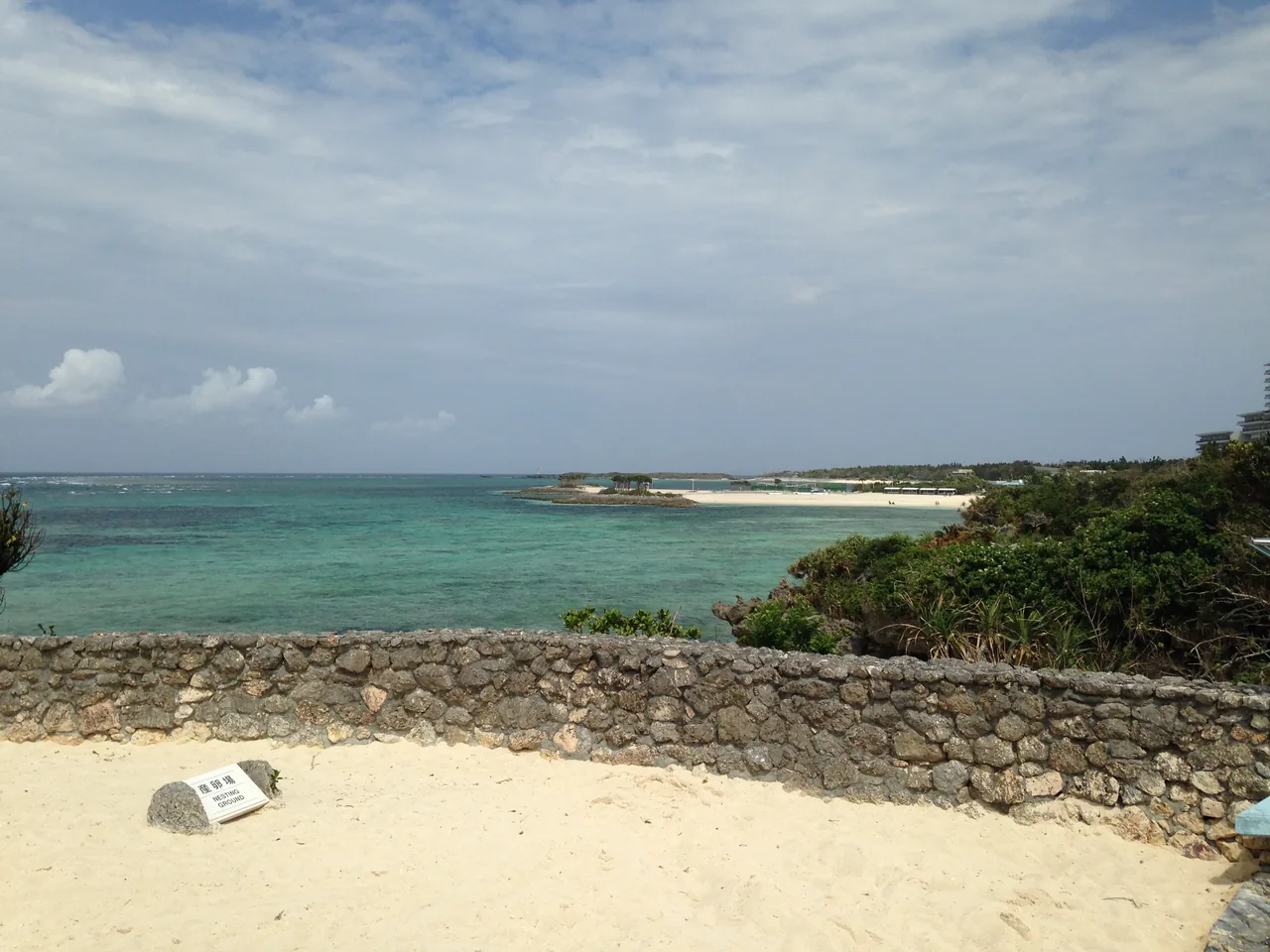
1. The 60-second answer
If you only read one paragraph: stay in Naha for a short, car-free, city-and-food trip; stay on the Onna west coast for the classic resort-and-beach trip; stay in Chatan / American Village for an easy family base close to the airport; head to Motobu in the far north if Churaumi Aquarium and quiet nature are the whole point; and pick the south (Itoman / Senagajima) for a calm, airport-close first or last night.
Okinawa is a long, thin island — about 100 km top to bottom — so the question isn’t really “which hotel,” it’s “which coast,” and that depends almost entirely on whether you’ll have a car. Here’s the at-a-glance map of who each area suits.
| Area | Best for | Car needed? | From airport |
|---|---|---|---|
| Naha | First-timers, no car, food & nightlife, short trips, last night | No | 15–30 min |
| Chatan / American Village | Families, walkable beach + dining, mid-budget | Helpful | 30–40 min |
| Onna resort belt | Honeymoon, couples, resort & beach, divers | Yes | 60–75 min |
| Nago / Motobu (far north) | Churaumi Aquarium, nature, quiet luxury | Yes | 2h–2h30 |
| Itoman / Senagajima (south) | Airport-close, quiet beach, onsen, value | Helpful | 20–30 min |
The rest of this guide unpacks each area honestly — the catch as well as the pitch — plus how to match a base to your itinerary, your travel style and the season. New to the island as a whole? Start with our complete Okinawa travel guide and come back here for the where-to-sleep decision.
2. The one decision everything hinges on: a rental car, or not
Decide this before you pick an area. Outside Naha, Okinawa is built around the car. The monorail only covers Naha and the edge of Urasoe; buses run up the west coast but they’re slow and infrequent once you leave the city. If you won’t drive, your honest options are: base in Naha and take tours/buses, or base at one resort (reached by airport limousine bus) and stay put.
If you’re NOT renting a car
Stay in Naha (monorail + walkable + airport 15–30 min), or pick a single Onna resort and ride the airport limousine bus (~¥1,600–2,800, drops at the hotel door) — then relax on-site and book the odd tour. Trying to “see the north” by public bus on a short trip will eat your days.
If you ARE renting a car
The whole island opens up. A compact runs about ¥7,500 per 24 hours plus fuel; resort parking is usually free; you drive on the left. With a car, the Onna west coast becomes the sweet spot — mid-island, so both Naha and the far north are day-trip-able.
3. How Okinawa fits together (north to south)
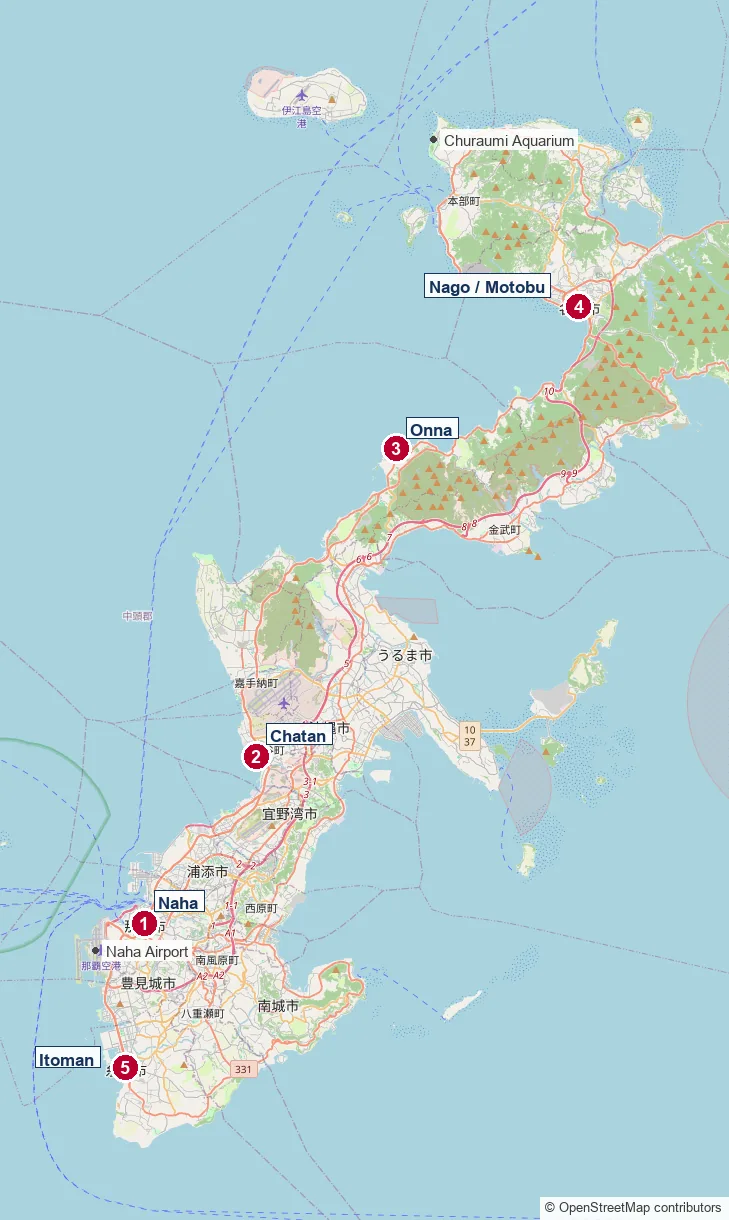
The main island runs roughly southwest-to-northeast, and almost everything sits on or near the west coast, where the calm East China Sea gives you the sunsets and swimming. Picture five bands as you drive north from the airport:
The south (airport, Naha, Itoman) → the middle (Chatan/American Village) → the resort belt (Onna) → the north town (Nago) → the Motobu peninsula (Churaumi, the prettiest quiet coast). The east coast and the wild Yanbaru forest in the far north are gorgeous but thin on hotels.
One geographic fact reshapes most plans: the celebrated Churaumi Aquarium Okinawa Churaumi Aquarium, MotobuMap is up in Motobu, a 2-hour-plus drive from the airport. You can day-trip it from Onna (about 1h15 each way), but if it’s your trip’s centrepiece, sleeping in the north for a night or two is far nicer than two long drives in a day.
The map below shows the five areas this guide covers and where each sits along the coast.
4. Naha — the city base
Best for: first-timers, anyone without a car, food-and-nightlife travellers, short trips, and the last night before an early flight. Naha is the island’s only properly walkable, transit-connected base, and it’s the cheapest place to sleep. If you’re weighing that up, here’s what you can reach on foot from a Naha base.
You stay here for Kokusai-dori Kokusai Dori, NahaMap and the lanes off it — Makishi Public Market, Tsuboya pottery street, izakaya, awamori bars — plus Shuri Castle and easy day-trips: the sacred south, or the Kerama islands by fast ferry from Tomari Port. The Yui Rail monorail (19 stations, airport to Shuri in under 40 minutes) means you can do all of it without ever touching a steering wheel.
Where people actually stay: the Hyatt Regency Naha sits right on Kokusai-dori; Hotel Collective is the newest upmarket option there with a rooftop pool; Loisir Hotel Naha and the Loisir Spa Tower have a natural hot spring and sit near Asahibashi and the airport; RIHGA Royal Gran Okinawa is built onto Asahibashi monorail station and the bus terminal (unbeatable for car-free travellers); and the reliable business-and-budget chains — Daiwa Roynet, Almont, Tokyu Stay, Nest — cluster around the monorail line. Ishigaki is a separate trip with its own rooms and its own ferry schedule, set out in our Ishigaki Island guide.
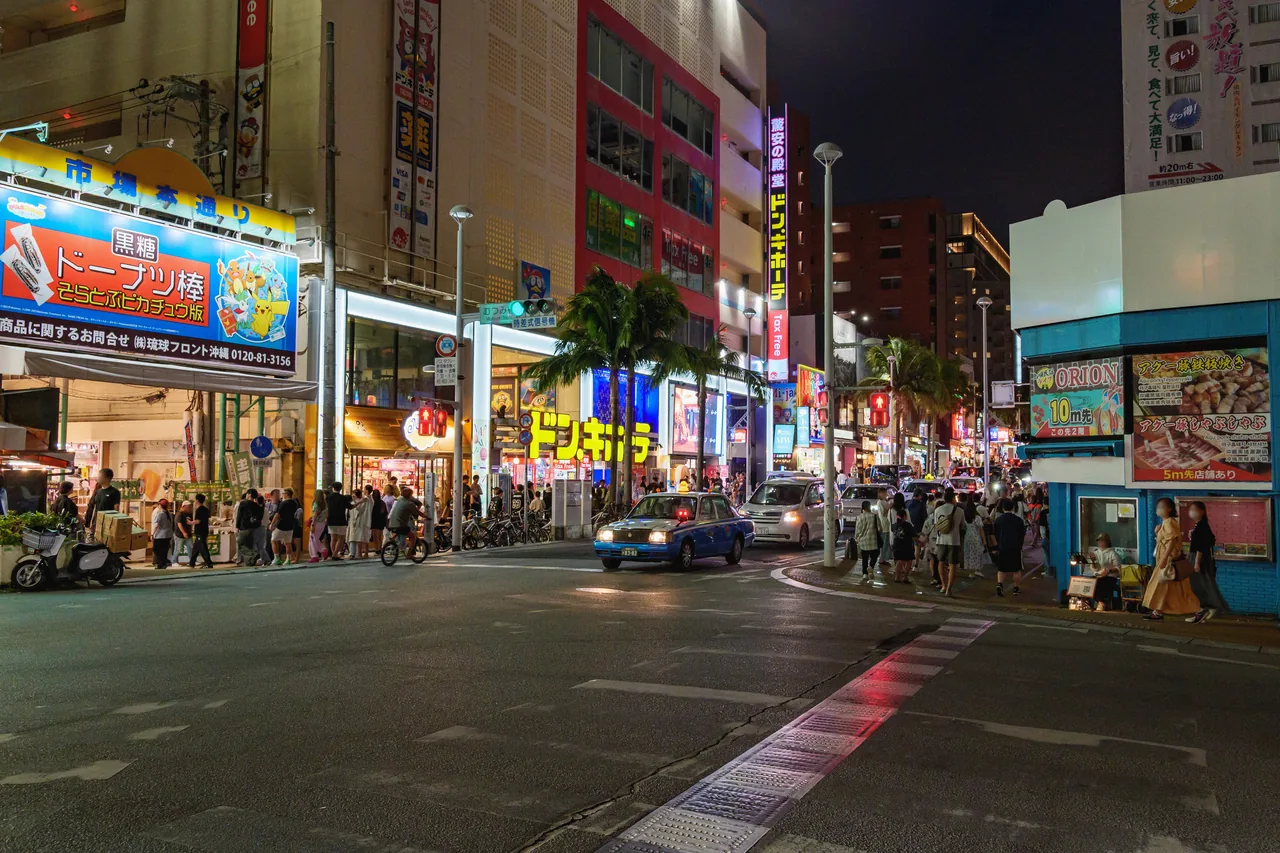
5. Chatan & American Village — the easy middle
Best for: families, a first resort trip without driving far, and anyone who wants beach plus walkable food and a sunset in one place. Chatan sits 30–40 minutes up the coast from the airport — the closest spot that feels like a holiday rather than a city.
The heart of it is Mihama American Village American Village, ChatanMap, a seaside cluster of malls, a Ferris wheel and US-import diners, next to Sunset Beach and Araha Beach. You can park the car (or not drive much at all), wander to dinner, and watch the sun drop into the sea — a genuinely easy rhythm with kids.
Where people stay: the Hilton Okinawa Chatan Resort is the family flagship (big pools); The Beach Tower Okinawa puts you right in American Village with sunset rooms; DoubleTree by Hilton Okinawa Chatan and Vessel Hotel Campana Okinawa (rooftop bath, strong value) round out the mid-range.
6. The Onna west-coast resort belt — the big resorts
Best for: honeymooners, couples, families who want a full resort, beach-and-pool people, and divers. If you have a car and one image of Okinawa in your head, this is probably it: a 20-kilometre strip of west-coast resorts with private beaches, infinity pools and sunsets over the East China Sea, about 60–75 minutes from the airport.
This is also the base for the island’s headline snorkel-and-dive site, the Blue Cave at Cape Maeda — see our Blue Cave snorkeling guide — and the cliffs of Cape Manzamo Cape Manzamo, OnnaMap. Because Onna is mid-island, you can also day-trip both Naha (south) and Churaumi (north) from here, which is why it’s the most popular single base.
Where people stay, by tier: at the top, Halekulani Okinawa (five pools, serene) and Hoshinoya Okinawa (villa-style, just south in Yomitan) are the splurges; ANA InterContinental Manza Beach Resort on its peninsula and the Renaissance Okinawa Resort (with in-house dolphins) are the family classics; Hotel Nikko Alivila in Yomitan is a quieter Spanish-colonial option with a lovely beach; and Rizzan Sea-Park and Kafuu Resort Fuchaku deliver big-resort facilities for less.
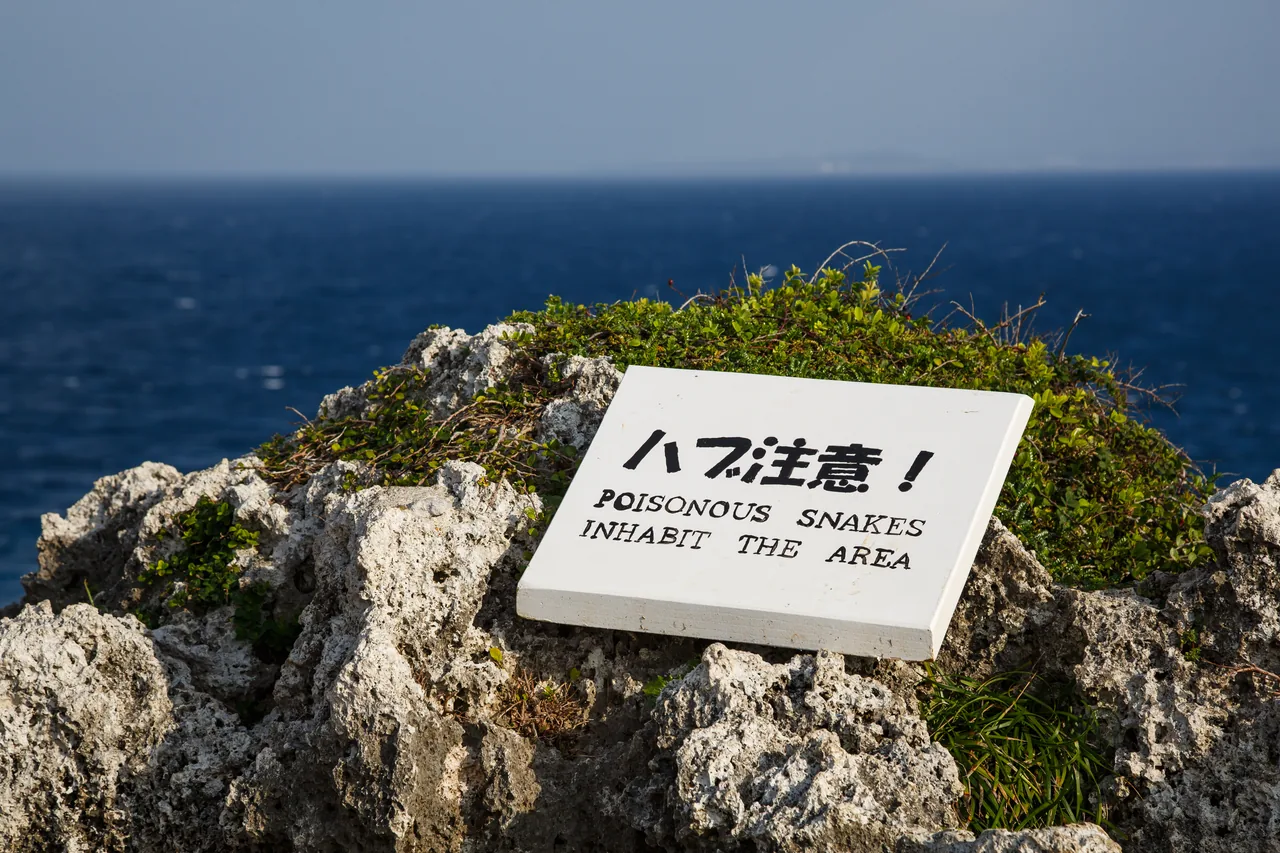
7. The far north — Nago, Motobu & Churaumi
Best for: travellers built around Churaumi Aquarium, lovers of quiet nature, slow trips, and anyone wanting top-end resorts with breathing room. The north is the prettiest, calmest stretch of Okinawa — and it’s a 2-to-2.5-hour drive from the airport, which is exactly why it pays to sleep here rather than day-trip.
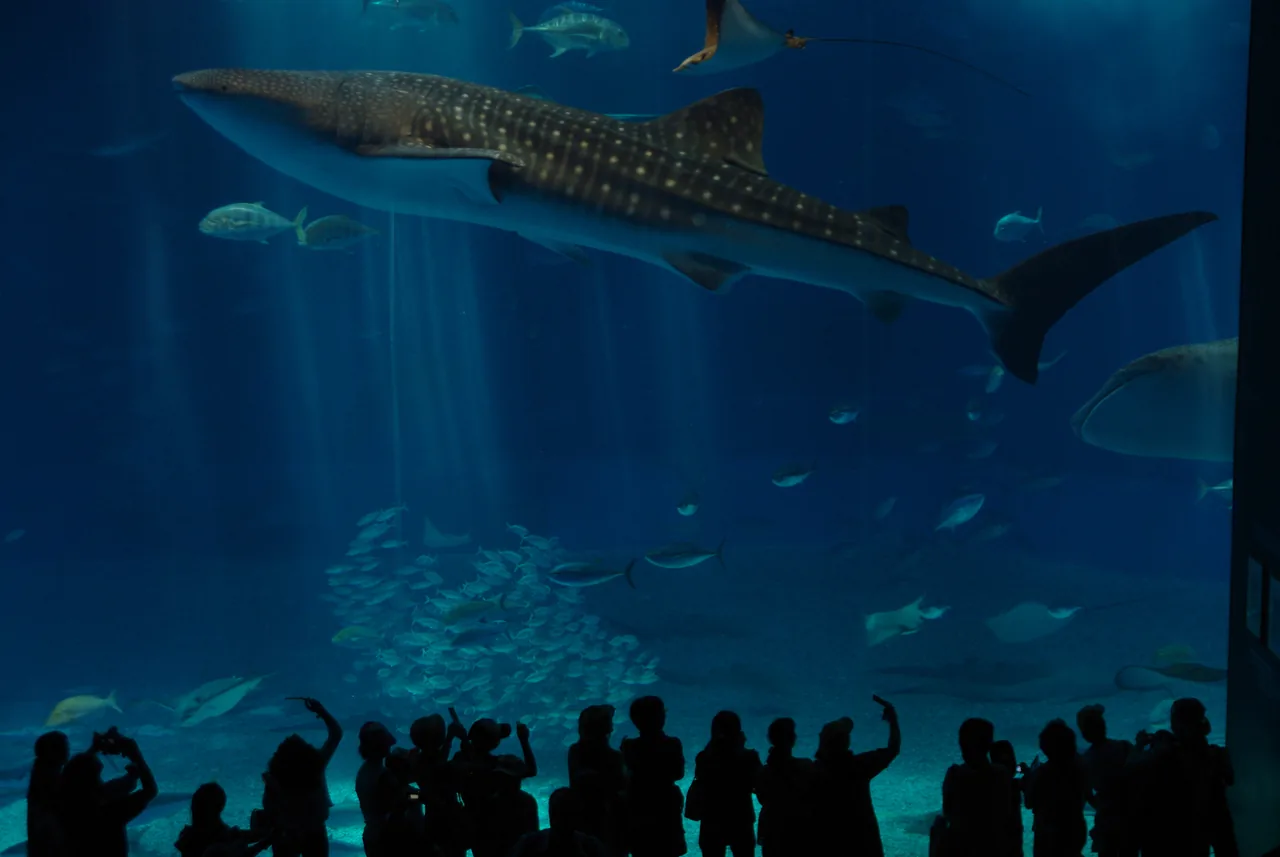
Two bases matter. Nago is the northern town hub, home to the celebrated Busena Terrace and the hilltop Okinawa Marriott Resort & Spa. Further out on the Motobu peninsula you’re on the doorstep of Churaumi Aquarium Okinawa Churaumi Aquarium, MotobuMap, the fukugi-tree lanes of Bise, the Kouri Island bridge and Emerald Beach. Staying in Motobu means you can be first through the aquarium gates before the tour buses arrive.
Where people stay: The Busena Terrace (Nago) is the flagship luxury, with its own marine observatory; Okinawa Marriott Resort & Spa (Nago) has a huge garden pool; on the Motobu side, the Orion Hotel Motobu Resort & Spa is beachfront with an onsen and walking distance to the aquarium, while the Centurion Hotel Okinawa Churaumi and Hotel Mahaina are solid value near the gates. Full aquarium plan in our Churaumi Aquarium guide.
8. The south — Itoman & Senagajima
Best for: a soft first or last night near the airport, a quiet beach without the long drive north, onsen-and-plane-spotting at Senagajima, and value-minded families who want calm. The south sits just 20–30 minutes from the airport, so it’s the low-stress bookend to a trip.
Itoman has real beaches (Southern Beach, the Mibaru coast), the Ryukyu Glass Village, and the moving Peace Memorial Park and Himeyuri sites; the sacred grove of Sefa-utaki is a short drive east. Senagajima Senagajima, TomigusukuMap is a little island right by the runway with the Umikaji Terrace shops and a hot-spring hotel where you soak with planes passing overhead.
Where people stay: the Southern Beach Hotel & Resort Okinawa in Itoman is beachfront and family-friendly; the newer Ryukyu Hotel & Resort Nashiro Beach raises the bar; and the Ryukyu Onsen Senagajima Hotel pairs an open-air hot spring with airport-and-ocean views.
9. Going further: the outer islands
One thing the main island can’t give you is the almost unreal clarity of the outer-island water. If your trip is really about beaches, build in time for these — but note they’re separate plans, not a base you’d pick from this list.
| Islands | How to get there | What for |
|---|---|---|
| Kerama (Zamami, Tokashiki) | Fast ferry from Naha’s Tomari Port (~35–70 min) | The clearest water near Naha; day-trip or one night; whale-watching Jan–Mar |
| Miyako | Short flight from Naha (or direct) | Beaches and island-hopping bridges — its own multi-day trip |
| Ishigaki / Yaeyama | Flight from Naha | The far southwest; Taketomi, Iriomote jungle — a separate week |
Planning the bluest water of all? Our Miyakojima guide covers where to stay and how to island-hop down south.
10. One base or two? Itineraries to where you sleep
The rule of thumb: the shorter the trip, the fewer the bases. Hauling luggage between hotels eats half a day each time, so don’t split a 3-night trip across three areas.
| Your trip | Where to base | Why |
|---|---|---|
| 3 days, no car | Naha only | City, food, plus a south or Kerama day-trip by tour/bus |
| 3–4 days, car | Onna (single base) | Beach + Blue Cave + Manzamo, with a Churaumi day-trip |
| 5 days, car | Naha 1–2n → Onna 2–3n | The classic: city first, then settle into the resort coast |
| 5 days, aquarium-focused | Onna 2n → Motobu 2n | Cuts the north drive; early aquarium entry |
| 7 days, car | Naha 1–2 + Onna 2–3 + Motobu 2 | The full island without rushing |
11. Pick by who you’re travelling as
Same island, very different best-fits depending on the group:
| You are… | Stay | Skip |
|---|---|---|
| First-timers, 3–4 days | Onna (car) or Naha (no car) | The far north as a single base |
| Family, young kids | Chatan (walkable) or Renaissance/Manza (in-resort everything) | Spread-out luxury where every meal is a drive |
| Honeymoon / couples | Onna luxury (Halekulani) or Hoshinoya | Busy Naha; urban Chatan beaches |
| Divers / beach-first | Onna (Cape Maeda / Blue Cave at the door) | Naha (no real beach) |
| Aquarium & nature | Motobu / Nago | A single far-north base on a short trip |
| No car | Naha, or one Onna resort by limo bus | Anywhere that needs daily driving |
| Budget | Naha business hotels; Itoman value resorts | Peak-season Onna marquee names |
12. When you go changes the price (and the risk)
Season swings both the rate and the experience more than the area does. Okinawa’s calendar isn’t the mainland’s.
- Rainy season (tsuyu): roughly early May to late June — earlier than mainland Japan. Showers, not washouts, but pack for it.
- Typhoon season: July to October, peaking August–September. Flights and ferries can cancel; if your schedule is tight, build in slack or lean toward June/October.
- Marine season: beaches open around April to October; the water is comfortable late April to late October. Winter (Dec–Feb) is mild at 15–20°C but too cool to swim — though it’s whale-watching season off Kerama (Jan–Mar).
- Peak crowds and prices: Golden Week (late Apr–early May), the summer school holidays (late Jul–Aug) and Obon (mid-Aug). Resort rates can run 2–3× the off-peak weekday.
13. What it costs — and the new lodging tax
Prices below are indicative room rates per night for 2026; the live OTA price for your dates is the only real number, but this sets expectations by area.
| Area / tier | Rough per night |
|---|---|
| Naha business / budget | ¥6,000–12,000 |
| Naha mid-range | ¥12,000–22,000 |
| Naha upper (Hyatt, Collective) | ¥25,000–45,000 |
| Chatan mid-resort | ¥15,000–35,000 |
| Onna big resort | ¥30,000–80,000 |
| Onna luxury (Halekulani, Hoshinoya) | ¥80,000–200,000+ |
| Far-north resort (Busena tier) | ¥25,000–70,000 |
| South / Itoman | ¥15,000–35,000 |
The lodging tax (from 2027): Okinawa is introducing a 2% accommodation tax — capped at ¥2,000 per person per night — that takes effect on 1 February 2027 (the ordinance was promulgated in February 2026). It’s the first Japanese prefecture to use a percentage rate rather than a flat fee; Tokyo and others have had flat-rate lodging taxes for years. In areas like Onna, Chatan and Motobu it’s split into a prefectural and a municipal portion that together add up to 2%. It’s small — just know that, depending on the property, it may be shown in your online total or collected at the front desk, so check when you book. Add a little for resort fees and parking where they apply. (Figures current as of June 2026.)
14. The hotel types you’ll be choosing between
Okinawa’s lodging splits into four broad types — worth knowing before you filter:
| Type | What it is | Best for |
|---|---|---|
| Beach resort | Onna/north; private beach, pools, multiple restaurants | Couples, families, stay-put trips |
| City hotel | Naha; business or upmarket, walk to food & transit | No-car trips, foodies, short stays |
| Condo / minpaku | Apartment-style with a kitchen, often near beaches | Families, longer stays, self-catering |
| Onsen hotel | Natural hot spring (Senagajima, some Naha & Motobu) | Relaxation, cooler months, a calm last night |
For longer family trips, a condo on the west coast can beat a resort on value and flexibility — a kitchen and laundry change the maths. For one or two nights, a city or onsen hotel near the airport keeps the logistics light.
15. How to book it well
A few habits that consistently save money and headaches in Okinawa:
- Book the dates, not the average. Rates swing 2–3× by season and day of week. Shift a weekend stay to mid-week, or your trip a week off Obon, and the same room can halve.
- Lock the car first in summer. In peak season rental cars sell out before hotels do. If your plan needs a car, reserve it before you commit to a far-flung resort.
- Use free cancellation. Many rooms cancel free until a few days out — useful insurance against a typhoon forecast. Check each rate’s policy.
- Compare the all-in total. Look at the tax-and-fee-inclusive price, not the headline rate, and check what’s bundled (breakfast, parking, resort fee).
- Match the base to the drive, not the photo. A stunning north resort is a poor pick for a 3-day trip; a smart Onna base may serve you better than a “perfect” hotel two hours from everything.
Because Okinawa rates move so much by date, the sensible move is to put your real dates into a couple of sites and compare the live, tax-inclusive total before you commit.
16. The bottom line
Strip it back and it’s simple. No car, short trip, want the city and the food? Naha. Want the postcard resort and beach, and you’ll drive? The Onna west coast. Travelling with kids and want it easy? Chatan. Here for Churaumi and the quiet north? Motobu. Just need a calm, airport-close night? The south. Pick the coast first, then the hotel — and base your trip around the drive, not the prettiest photo.
When you’ve settled on an area, drop your real dates in and compare the live, tax-inclusive prices across Okinawa so you’re not guessing:
Then build the rest of the trip around your base with our complete Okinawa travel guide, the Churaumi Aquarium guide and the Blue Cave snorkeling guide.