
Japan in September: The Honest Weather Guide to Lingering Heat, Typhoons — and the Sweet Spot That Follows
September is really two months in one. The first half is still summer — hot, sticky, and the peak of typhoon-damage season. Then it tips over into one of the best-value, most beautiful windows of the year. Here’s exactly how to plan around both.
| Two Septembers | early September is still summer — cities around 29–31°C and humid (zansho, the lingering heat); by late month it eases to a lovely 23–27°C, the best-value window of the year. |
|---|---|
| Peak typhoon damage | August spawns more storms, but September’s are the ones most likely to hit Japan, and they team up with the autumn rain front for heavy, prolonged rain. Build in a flexible day. |
| Silver Week 2026 | Sep 19–23 is a rare run of holidays — the first full Silver Week since 2015 — so domestic travel surges. Book trains and hotels well ahead. |
| Autumn begins | the first colour appears in Hokkaido’s mountains from mid-month, red spider lilies bloom near Tokyo, and it’s tsukimi (moon-viewing) season. Lowland leaves are still weeks away. |
| Best move | aim for late September — cooler, cheaper, quieter — but dodge Silver Week, keep a typhoon buffer, and note flights spike around Chuseok / Mid-Autumn (Sep 24–27). |
1. Should you visit Japan in September?
2. September weather, city by city (the numbers)
3. The lingering heat (zansho): summer’s last act
4. Typhoons: September is the peak month for damage
5. The autumn rain front, and how to plan around the rain
6. Silver Week 2026 (Sep 19–23): the rare autumn crush
7. The late-September sweet spot (and one catch)
8. Early autumn arrives: first foliage, spider lilies and the moon
9. September festivals: Danjiri, autumn matsuri and tsukimi
10. Mt. Fuji: the climbing season ends September 10
11. Beaches and Okinawa in September
12. What to pack for September
13. Where to go in September, region by region
14. Crowds, prices and the best dates in September
15. Where to go in September, by what you want
16. Quick September checklist
17. What to read next
1. Should you visit Japan in September?
Short answer: yes — but pick your dates carefully, because September is two very different months wearing one name. The first ten days or so are still high summer: hot, humid, and squarely inside typhoon season. From roughly the third week, the heat breaks, prices fall, the summer crowds vanish, and Japan slips into one of the loveliest, best-value travel windows of the whole year.
So the honest verdict depends entirely on when in the month you come. Early September is for people who don’t mind heat and want warm seas, late festivals and lower-than-August crowds. Late September is the sweet spot — comfortable days, the very first autumn colour in the north, and shoulder-season value — with two things to plan around: typhoons (this is the peak damage month) and Silver Week (Sep 19–23), a rare cluster of national holidays in 2026.
2. September weather, city by city (the numbers)
The single most useful thing to understand about September is the downward slope: most of the country starts the month hot and ends it pleasant. These are typical figures — early-month highs are often a few degrees higher, late-month a few degrees lower.
| City (region) | Typical high / low | Feel through the month |
|---|---|---|
| Tokyo (Kanto) | ~29°C / 22°C | Hot & humid early → pleasant late |
| Kyoto (Kansai) | ~30°C / 22°C | Basin heat lingers, eases late |
| Osaka (Kansai) | ~30°C / 23°C | Sticky early, comfortable late |
| Nagoya | ~30°C / 22°C | Muggy, cools through the month |
| Fukuoka (Kyushu) | ~30°C / 23°C | Warm — most typhoon-exposed |
| Sapporo (Hokkaido) | ~24°C → 20°C / 15°C | Crisp, dry — early autumn |
| Naha (Okinawa) | ~31°C / 26°C | Still summer, warm seas |
Two patterns to register. First, the north–south split widens this month: Sapporo is already feeling autumnal while Naha stays firmly in summer. Second, the back half of the month is transformed — Tokyo that starts at a humid 31°C can finish at a breezy 25°C. If your dates are flexible, that late-month version is the one to chase.
For the precise picture, here are the official Japan Meteorological Agency (JMA) normals — the 1991–2020 thirty-year averages for September. These are whole-month means, so early September runs warmer and late September cooler.
| City | Avg high | Avg low | Rainfall |
|---|---|---|---|
| Tokyo | 27.5°C | 20.3°C | 224.9 mm |
| Kyoto | 29.2°C | 20.7°C | 178.5 mm |
| Osaka | 29.5°C | 21.9°C | 152.8 mm |
| Nagoya | 29.1°C | 21.0°C | 231.6 mm |
| Fukuoka | 28.6°C | 21.6°C | 175.1 mm |
| Sapporo | 22.8°C | 14.8°C | 142.2 mm |
| Naha | 30.6°C | 25.8°C | 275.2 mm |
Source: Japan Meteorological Agency — Climatological Normals (1991–2020). Note the high rainfall — September is wetter than the temperatures alone suggest.
3. The lingering heat (zansho): summer’s last act
Japanese has a word for exactly this: zansho — the “remaining heat” of late summer that hangs on into September. Early in the month, the big cities still feel like August’s hot, humid cousin: 30°C-plus days, sticky nights, and the cicadas not quite done. Heatstroke is still a real risk in the first couple of weeks, so don’t drop your guard just because the calendar says autumn.
The relief is that zansho genuinely fades. Week by week the humidity drops, the nights cool first, and by the equinox (around September 23) the air finally feels different — clearer, lighter, with that first hint of autumn. The contrast within a single trip can be striking.
- Early September: treat it like late summer — hydrate constantly, sightsee early and late, retreat to air-conditioning at midday, and use a konbini handheld fan and cooling wipes.
- Mid-to-late September: mornings and evenings turn pleasant; you can walk a full day again, though midday can still warm up under sun.
- Okinawa is the exception — it barely cools at all, staying around 31°C all month with warm seas.
4. Typhoons: September is the peak month for damage
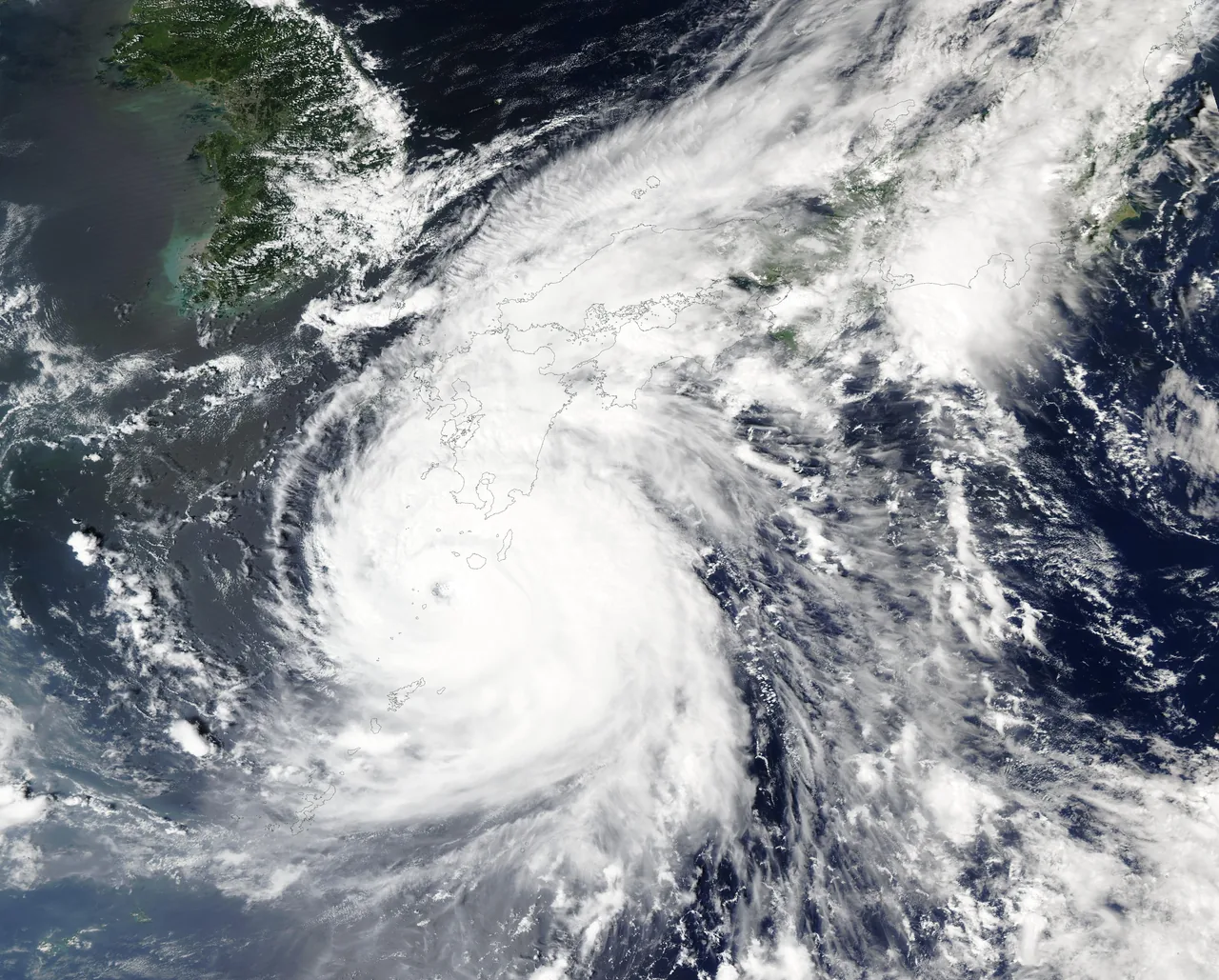
If you read one section, make it this one. September is the most dangerous month of Japan’s typhoon season — not because the most storms form (that’s August), but because September’s storms are the ones most likely to actually track toward Japan and make landfall, and because they arrive when the autumn rain front is sitting over the country.
That combination is the key. A typhoon’s outer bands feed moisture into the stalled rain front, producing heavy, prolonged rain — often far inland, well away from the storm’s centre. Japan’s worst flooding events are, time and again, September events. None of this means your trip is doomed; a direct hit on your exact dates is still the exception. It means September is the month to plan with a buffer.
- Geography matters. Storms come up from the south, so Okinawa, Kyushu and Shikoku are most exposed, then the Pacific coast up through Tokyo. Hokkaido and the Japan Sea side are hit least.
- Trains and flights pause, then resume. Ahead of a big storm, shinkansen and flights pre-emptively suspend (a keikaku unkyū, or planned shutdown), then restart quickly once it clears. It’s orderly, not chaotic — but it can cost you a day.
- Have an indoor day ready — museum, aquarium, onsen, department store, a long lunch. A typhoon usually passes in a day or two.
- Don’t book tight connections, especially a same-day island-to-airport hop. Leave slack, and avoid non-refundable inter-island bookings.
5. The autumn rain front, and how to plan around the rain
Beyond the typhoons themselves, September has a quieter rain story: the akisame zensen, or autumn rain front. As summer’s hot air mass retreats and cooler air pushes down, the boundary between them parks over Japan and brings spells of grey, drizzly, sometimes heavy days — a gentler, autumn echo of June’s rainy season.
In practice this means September is wetter than its temperatures suggest, especially in the first half. It rarely ruins a trip, but it rewards a flexible itinerary.
- Build rain-proof days. Pair outdoor plans with an easy indoor backup — Japan does world-class museums, aquariums, covered shopping arcades and onsen.
- Carry a compact umbrella (or buy a ¥500 one at any konbini) and quick-dry shoes; sudden downpours are normal.
- Watch the forecast, don’t fear it. Rain often comes in bands with bright spells between — a live forecast lets you time your outdoor hours.
6. Silver Week 2026 (Sep 19–23): the rare autumn crush
This is the practical headline for anyone travelling in late September 2026. “Silver Week” is the autumn cousin of spring’s Golden Week — a cluster of national holidays that, in certain years, lines up into a long break. 2026 is one of those years, and a special one.
Here’s how the 2026 dates fall: Respect for the Aged Day on Monday, September 21, and the Autumn Equinox on Wednesday, September 23. Because a single working day (Tuesday the 22nd) is sandwiched between two holidays, Japanese law turns it into a bonus “Citizen’s Holiday” (see Japan’s official national-holiday calendar). The result is a five-day run from Saturday September 19 to Wednesday September 23 — the first full Silver Week since 2015, and a setup that won’t repeat until 2032.
- Expect a domestic travel surge. Trains, flights and popular hotels fill up and prices climb — not quite Golden Week or Obon levels, but close. Famous spots get busy.
- If you’ll move between regions in that window, book early — reserved shinkansen seats (open one month ahead) and accommodation especially.
- Or do the opposite of the crowds: stay put in one city and sightsee locally over the long weekend, then travel just before or after it.
7. The late-September sweet spot (and one catch)
Here’s the upside that makes September worth targeting. Once the heat breaks and the school holidays are long over, late September is one of the best-value, lowest-stress windows in the Japanese year. You get comfortable 23–27°C days, thinning crowds at the big sights, softer hotel and flight prices than summer, and the very first signs of autumn — all before the October–November foliage rush sends prices and crowds climbing again.
The one catch is timing it around the holidays — both Japan’s and your own. As well as Silver Week (above), late September is when Chuseok (Korea) and the Mid-Autumn Festival (Greater China) fall — around September 24–27, 2026 — which pushes up flight demand from those regions. So the “quiet shoulder season” is quietest between those clusters.
- Best single window: the stretch right after Silver Week but watching the late-month holiday flights — roughly Sep 24–30, when domestic Japan calms down.
- Book flights early if your own dates land on Chuseok / Mid-Autumn; the hotels in Japan are calmer than the planes.
- The reward: golden-hour light, clear post-equinox skies, and shoulder-season prices.
8. Early autumn arrives: first foliage, spider lilies and the moon
September is when autumn begins in Japan — not the famous red-maple spectacle (that’s October in the north, November around Tokyo and Kyoto), but a quieter, earlier first act that most visitors miss.
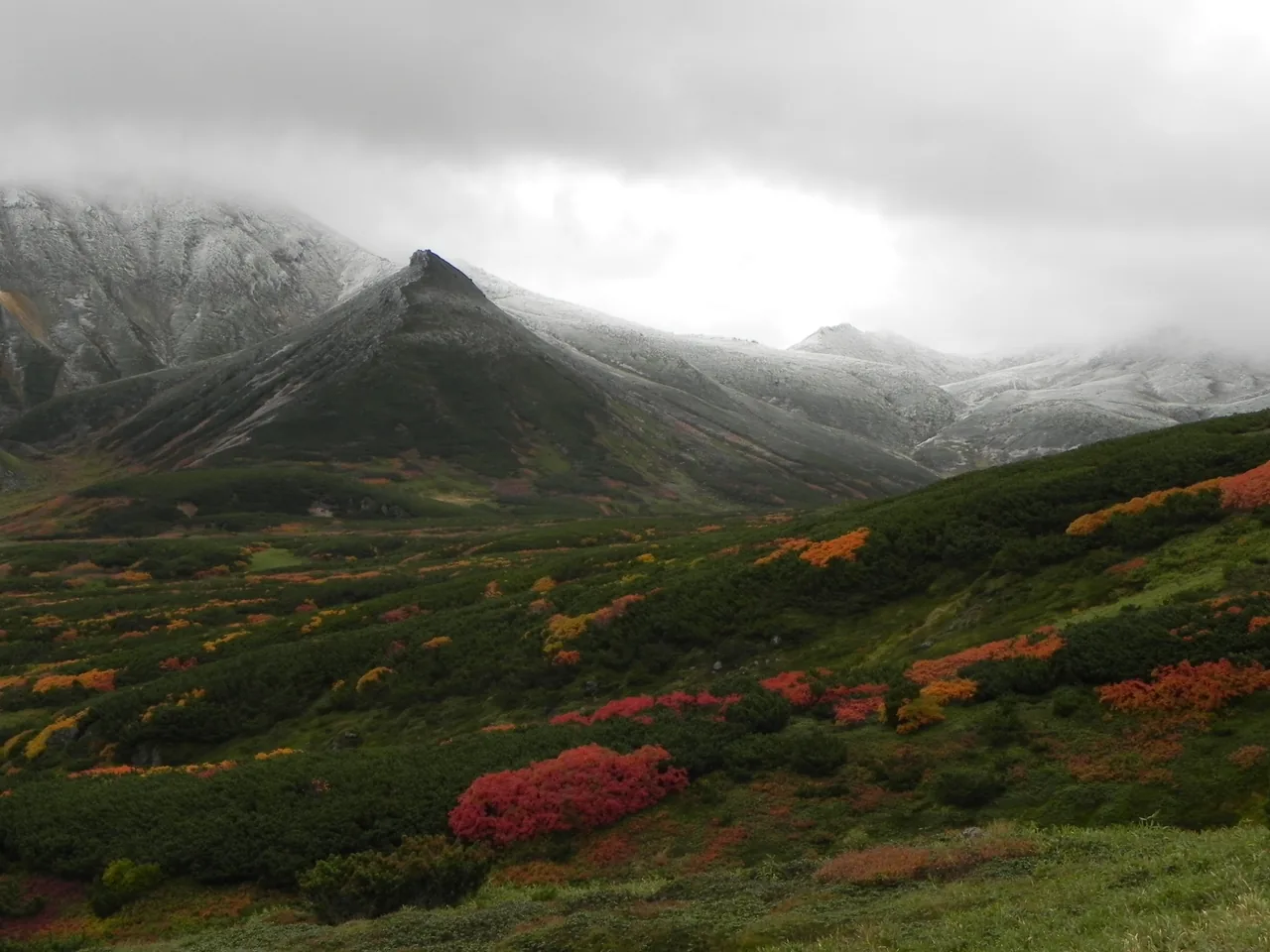
- Japan’s first autumn colour — in the mountains of Hokkaido. The high ground of Daisetsuzan National Park Daisetsuzan National ParkMap turns from mid-September, typically peaking around September 20–25. The Sounkyo gorge and the Asahidake ropeway give you Japan’s earliest leaves while the rest of the country is still green.
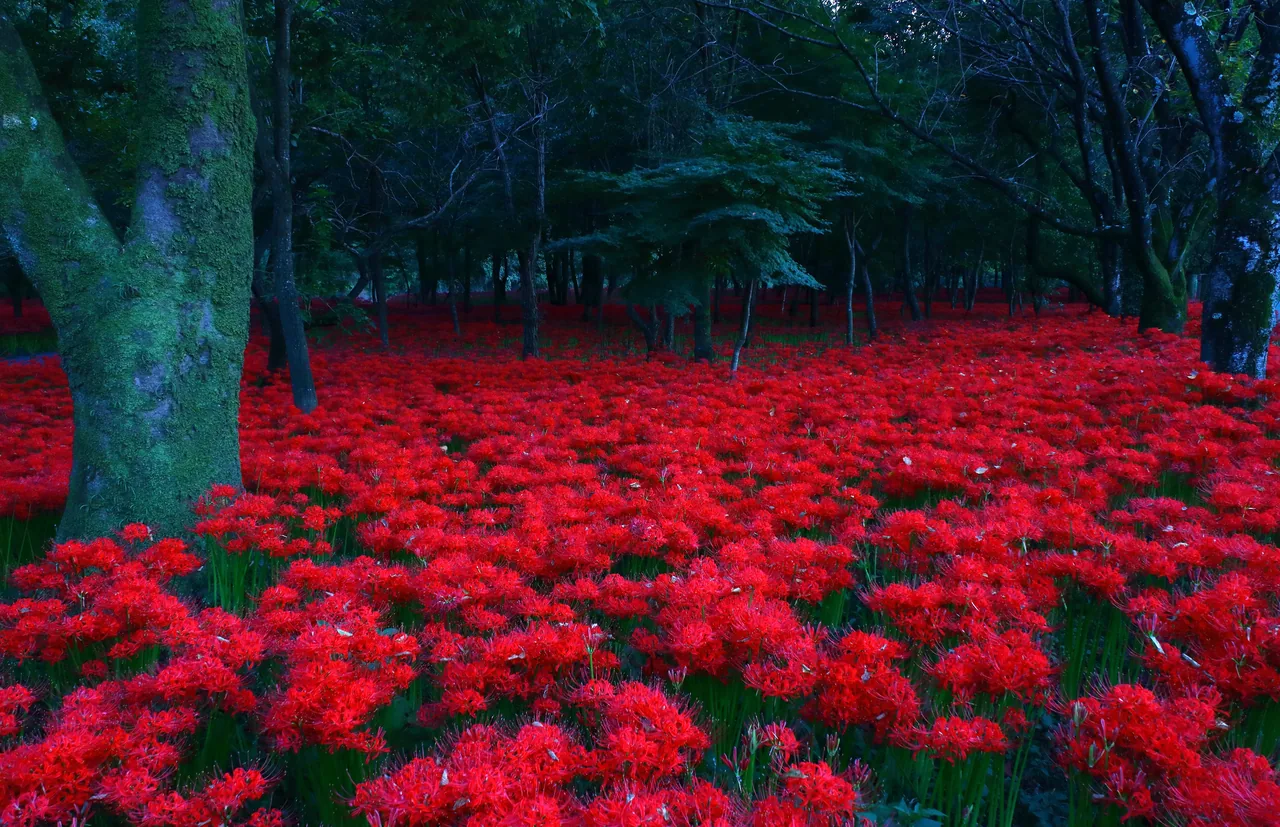
- Red spider lilies (higanbana). Around the equinox, vivid crimson higanbana carpet riverbanks and rice-field edges nationwide. The most spectacular display is at Kinchakuda Kinchakuda Manjushage ParkMap in Saitama, an easy day trip from Tokyo, where millions bloom along the river in late September.
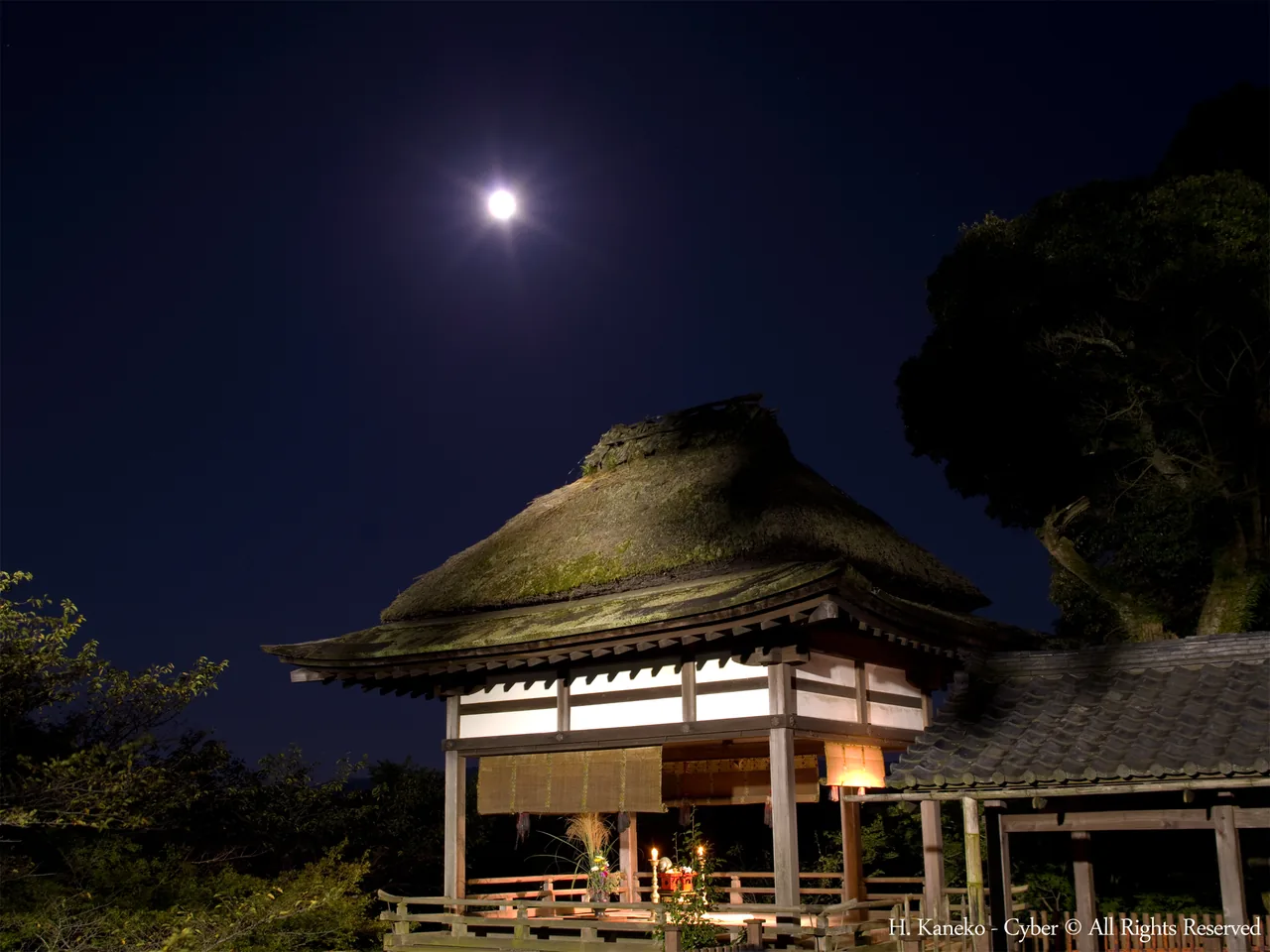
- Tsukimi (moon-viewing). September brings the chūshū no meigetsu, the harvest moon. Across the country you’ll see pampas grass (susuki) and round white tsukimi dango on display — a gentle, atmospheric tradition to look out for.
9. September festivals: Danjiri, autumn matsuri and tsukimi
September is calmer than August’s festival frenzy, but it has real highlights — and far smaller crowds at most of them.
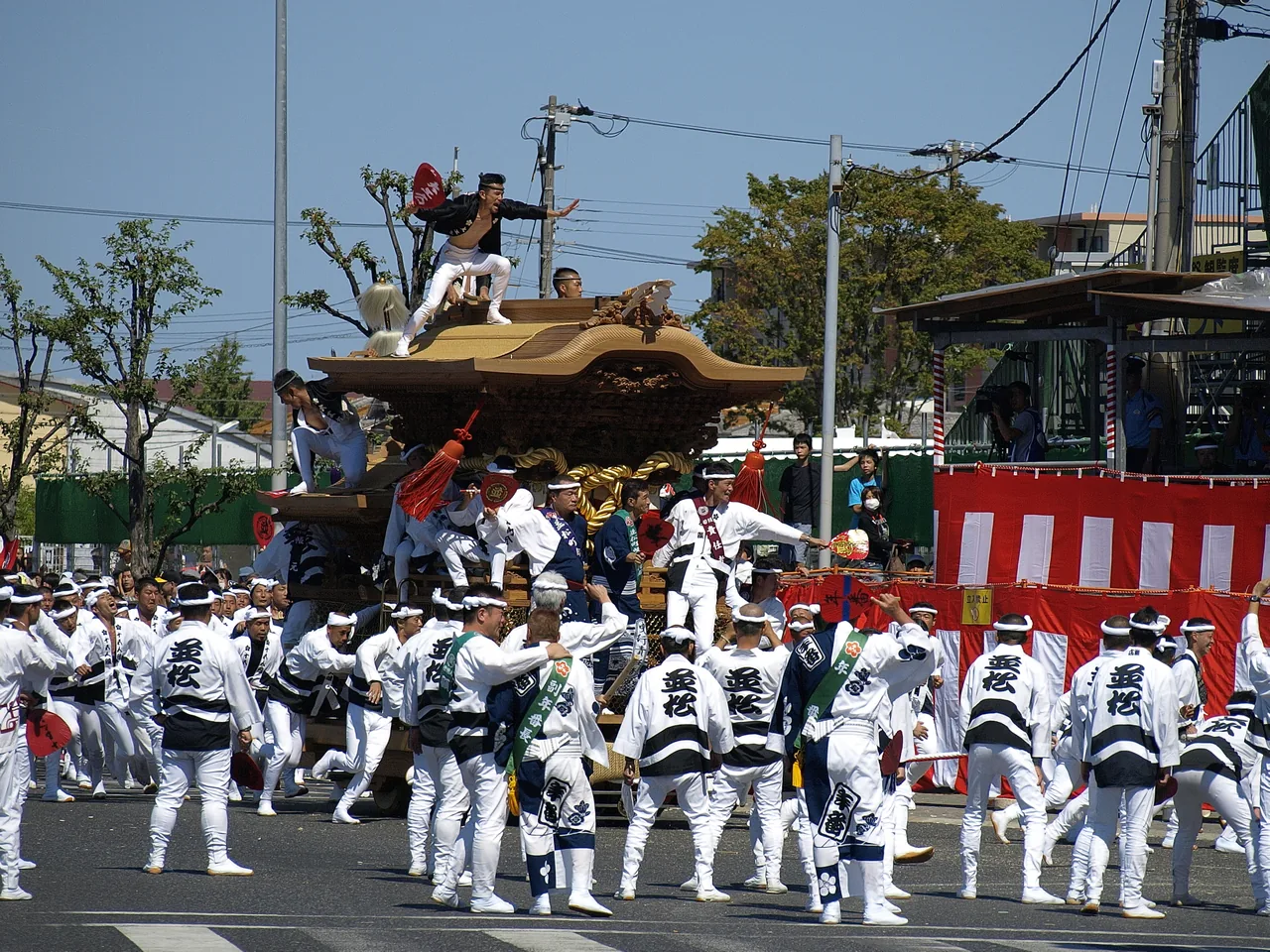
- Kishiwada Danjiri Matsuri Kishiwada StationMap, near Osaka: Japan’s most famous and thrilling danjiri (float) festival, held in mid-September (the September grand festival falls around the weekend before Respect for the Aged Day). Teams sprint four-tonne wooden floats through tight streets at genuinely dangerous speed — spectacular to watch. Check the official site for the exact 2026 dates.
- Autumn harvest festivals begin across the country as the rice ripens — local shrine matsuri with portable shrines (mikoshi), food stalls and dancing. Ask your hotel about the neighbourhood one.
- Tsukimi events — temples and gardens hold special evening moon-viewing openings around the harvest moon, beautifully lit and uncrowded.
10. Mt. Fuji: the climbing season ends September 10
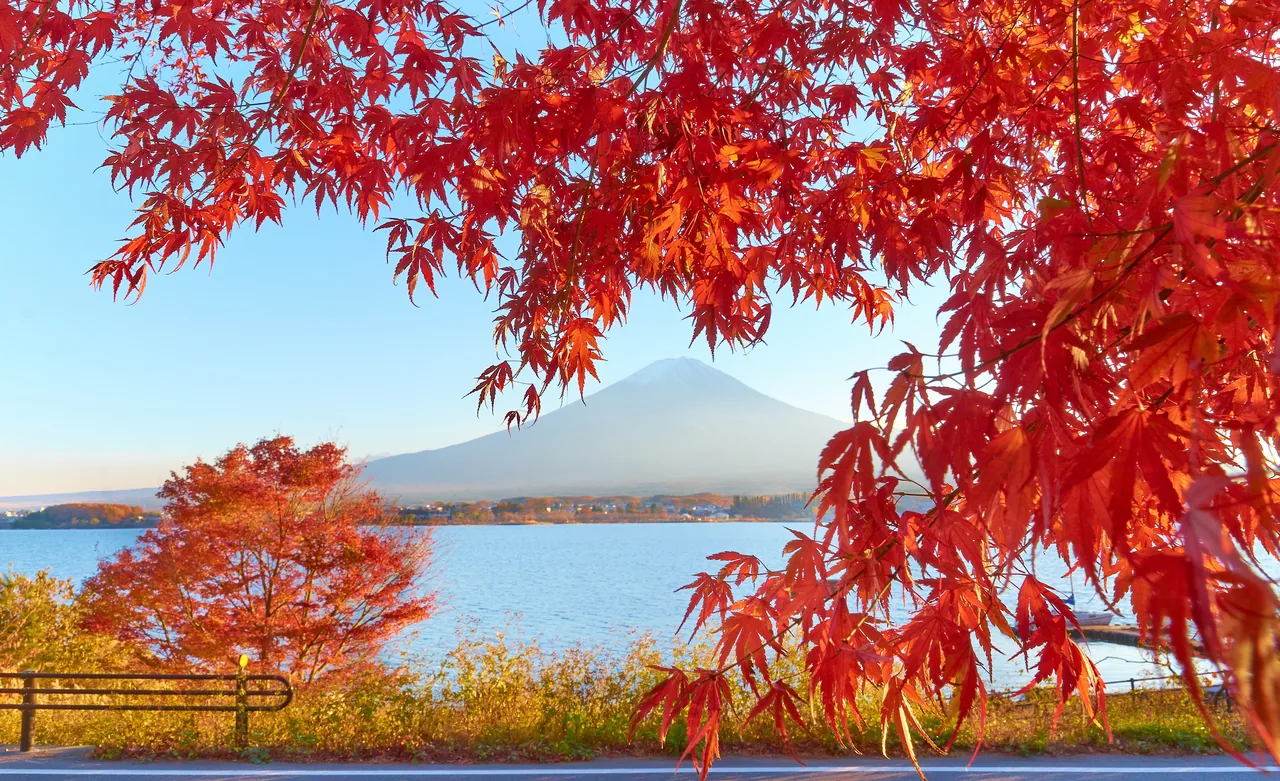
If climbing Mt. Fuji Mount Fuji Yoshida 5th StationMap is on your list, September is last call — and a tight one. For 2026, the official climbing season runs only to September 10, when all four trails close. After that the huts shut, the buses stop, and the mountain is off-limits as snow and ice return; climbing out of season is genuinely dangerous and discouraged.
- If you go in the first week of September, you still need the system that applies all season: a climbing fee (around ¥4,000), a daily cap on the popular Yoshida Trail, and a mountain-hut reservation to pass the overnight gate. Some huts begin closing in late August, so reserve well ahead.
- It’s cold at the top even now — near freezing at the summit before dawn. Pack real layers, a headlamp, gloves and rain gear, and check the typhoon forecast before you commit.
- Missed the season? You can still see Fuji beautifully from the Fuji Five Lakes (Kawaguchiko), and autumn air often gives the clearest views of the year.
11. Beaches and Okinawa in September
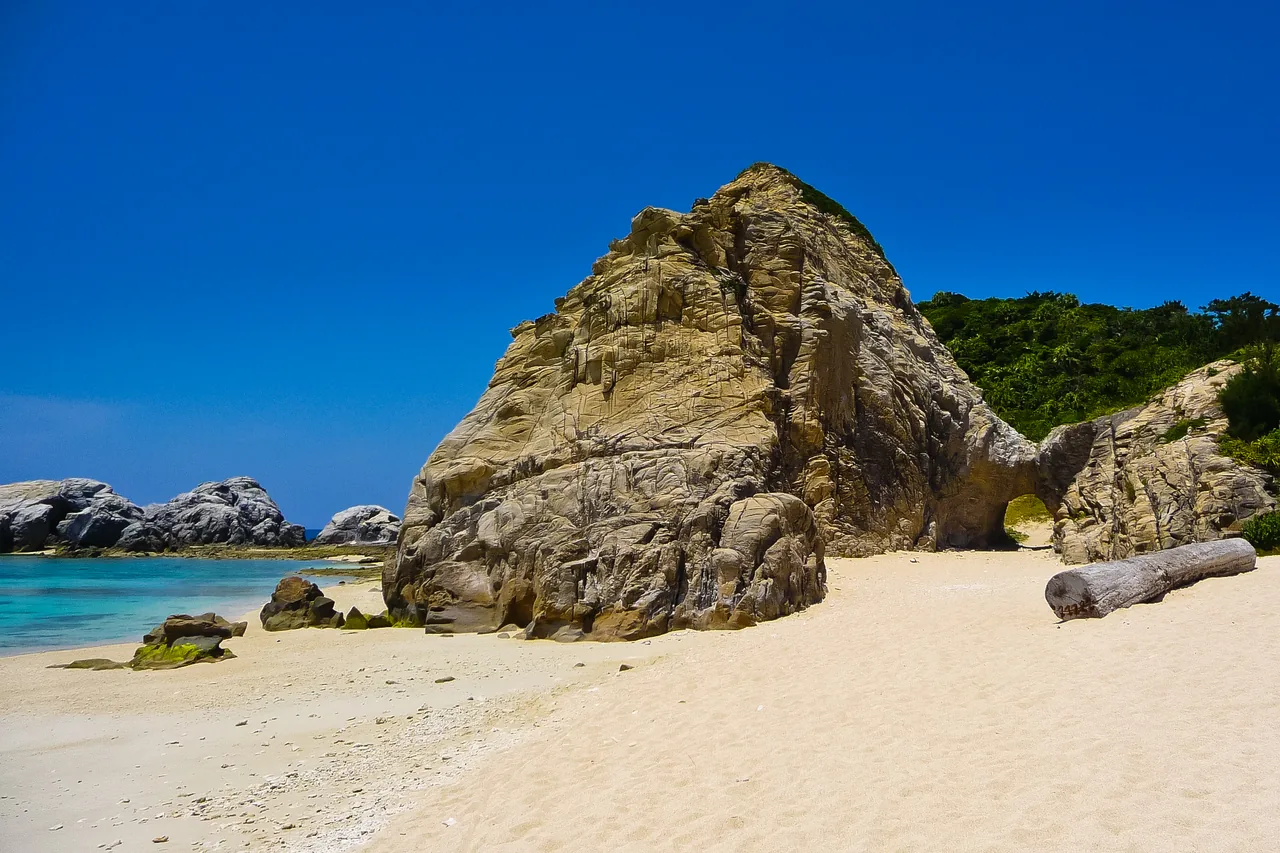
For sun and sea, September still delivers — especially in the south. The sea is at or near its warmest of the year, and Okinawa stays summery at around 31°C with bath-warm water, white sand and coral. Mainland beaches near the big cities quieten down nicely once the school holidays end.
- The catch is, again, typhoons. Okinawa sees frequent storm approaches in September, and one can ground flights and ferries for a day or two. Keep a flexible day and avoid tightly-timed island hops.
- The sun is still strong — reef-safe high-SPF sunscreen, a rash guard, and plenty of water. Midday sun on the water is no joke even in “autumn.”
- Crowds thin and prices ease after early September, so it can be a great-value beach window between typhoons.
12. What to pack for September
Pack for a month that changes under your feet — summer heat at the start, cool evenings at the end, plus typhoon rain.
- Light, breathable, quick-dry clothes for the early-month heat — more tops than you think if you’re travelling in the first half.
- A thin layer or light jacket for cool late-September evenings (especially up north) and strong indoor AC.
- A compact umbrella for typhoon and rain-front downpours, plus quick-dry shoes; high-SPF sunscreen, sunglasses and a hat for the lingering sun.
- Comfortable, slip-off shoes for temples, ryokan and some restaurants (see our etiquette guide), and beach sandals if you’re heading south.
- A refillable water bottle and a small towel — still useful in the early-month heat. Buy a handheld fan and cooling wipes at any konbini if you arrive early in the month.
13. Where to go in September, region by region
Match your destination to when in the month you’re travelling — it really pays off.
- Hokkaido — the star of September. Crisp, dry, low-humidity, and home to Japan’s first autumn colour at Daisetsuzan. Perfect for hiking, food and a cooler escape early in the month.
- The highlands — Kamikōchi KamikochiMap, Karuizawa and Hakone run cool and green, easing into autumn ahead of the lowlands.
- Tokyo, Kyoto & Osaka — hot and humid early, lovely late. Great for late-September city trips once zansho fades; add the Kinchakuda spider lilies from Tokyo.
- Okinawa & the south — for one last proper beach trip, with warm seas and easing crowds (watch the typhoon forecast).
If you’re covering ground between these, check whether a JR Pass or regional pass pays off — and reserve seats early if your travel touches Silver Week.
14. Crowds, prices and the best dates in September
September’s crowd curve is unusually friendly — if you read it right.
- Early September is calmer than August (school holidays end around the 1st) but still hot, with the typhoon and rain-front risk highest. Good value, summer weather.
- Silver Week (Sep 19–23, 2026) is the one spike — busy transport, higher prices, full hotels at popular spots. Avoid moving between regions then unless booked ahead.
- Late September (after Silver Week) is the prize: comfortable weather, thinner crowds and softer prices — Japan’s quiet shoulder season, just before the autumn-foliage rush. Watch flight prices around Chuseok / Mid-Autumn (Sep 24–27).
15. Where to go in September, by what you want
Match the trip to what you’re after — September rewards a clear priority.
🍁 First autumn colour
Go north and high early in the month — Daisetsuzan and the Hokkaido mountains catch Japan’s earliest leaves.
💴 Best value
Late September in the big cities — comfortable weather, thinner crowds, softer prices. The shoulder-season sweet spot.
🏖️ One last beach
Okinawa — still summery, warm seas, easing crowds. Keep a flexible day for typhoons.
🏮 Festivals
Kishiwada Danjiri near Osaka mid-month, plus autumn harvest matsuri and moon-viewing nationwide.
Whichever you choose, the rest of the planning — getting around, money, and a first-trip route — is in the guides below and the complete Japan travel guide.
16. Quick September checklist
Pin this before you go:
- ☑️ Chosen your dates around the month’s split — early for warm seas and summer, late for the best weather-and-value sweet spot.
- ☑️ Packed for both: light heat clothes and a layer, plus a compact umbrella for typhoon/rain-front downpours.
- ☑️ Built a flexible buffer day for typhoons — this is the peak damage month — especially in Okinawa/Kyushu.
- ☑️ Checked Silver Week (Sep 19–23, 2026) and either avoided region-hopping then or reserved trains/hotels well ahead.
- ☑️ Booked flights early if your dates touch Chuseok / Mid-Autumn (Sep 24–27).
- ☑️ If climbing Mt. Fuji, gone before the Sep 10 season close, with fee, slot and hut reserved.
- ☑️ Sorted data for typhoon alerts and a little cash for festival stalls, plus travel insurance for the weather what-ifs.
Wondering how September compares with the months around it? See Japan in August, Japan in October and our guide to the best time to visit Japan.
17. What to read next
Planning a September trip? These slot in right after the weather.
🌡️ Japan in August
The hotter month before — heat, Obon and the festival peak.
📅 Best time to visit
How September stacks up against the rest of the year.
🚄 JR Pass & Shinkansen
Reserving seats around Silver Week.
📱 eSIM & data
Live typhoon alerts the moment you land.
💴 Cash vs cards
Cash for festival stalls, cards for the rest.
🗺️ Japan Travel Guide
Where to go, how long, and a first-trip route.