
Tokyo Transport Passes: Subway Tickets, Day Passes and What They Cover
Tokyo sells two separate 700-yen day passes and they do not cover the same things. What decides which one you want is not the length of your trip but which company’s lines you ride on a given day.
| Base fares | A subway ride starts at 180 yen and every Toei bus in the 23 wards is a flat 210 yen. |
|---|---|
| Two at 700 yen | The Metro 24-hour ticket covers Metro only; the Toei day pass adds buses and the tram. |
| Tokyo Subway Ticket | 1,000 yen buys 24 hours on both subway operators, but JR is not included. |
| One card for everything | The Tokyo 1-Day Ticket at 1,720 yen adds JR inside the 23 wards. |
| Airport bundles | The Skyliner set actually saves 210 yen one way and 400 yen return, not the advertised figure. |
| Day trips out | The JR Tokyo Wide Pass runs 16,000 yen for three consecutive days. |
1. Whether a pass is worth it comes down to rides per day
2. Metro and Toei are two different companies
3. Two passes at 700 yen, covering different things
4. The Tokyo Subway Ticket: 24, 48 and 72 hours
5. Who can buy the Subway Ticket, and where
6. When the 1,100-yen common one-day ticket makes sense
7. The Tokyo 1-Day Ticket at 1,720 yen puts JR in
8. JR-only days: the Tokunai Pass at 870 yen
9. Weekend trips out: the NONBIRI Holiday Suica Pass
10. Bus-only and tram-only days
11. A 500-yen pass that only exists in summer
12. Museum days: the Gurutto Pass bundle at 3,130 yen
13. Bundling the airport run
14. Tokyo City Pass adds attraction entry
15. Greater Tokyo Pass covers the private railways
16. Going out of town on the JR Tokyo Wide Pass
17. The N’EX Tokyo Round Trip Ticket at 5,200 yen
18. Coming in from a private railway line
19. Day trips have their own regional passes
20. The nationwide JR Pass does very little inside Tokyo
21. When an IC card on its own is the right answer
22. Where gates and refunds trip people up
23. Sorted by how long you are staying
24. Routing apps and data
1. Whether a pass is worth it comes down to rides per day
A Tokyo subway ride starts at 180 yen. The Tokyo Metro 24-hour ticket costs 700 yen, so four rides at the base fare come to 720 yen and you are ahead. That is Tokyo Metro’s own arithmetic, printed on its ticket pages.
Everything else follows from that one number. How many nights you are in Tokyo, which neighbourhoods you want, whether you are a first-timer, none of it changes the threshold. If your day involves three rides or fewer, top up a Suica or PASMO and tap as you go.
| Operator | Base fare (paper) | IC card | Top of the range |
|---|---|---|---|
| Tokyo Metro | 180 yen (1–6 km) | 178 yen | 330 yen (28–40 km) |
| Toei Subway | 180 yen (1–4 km) | 178 yen | 430 yen (28–46 km) |
| JR inside the 23 wards | from 160 yen | varies by section | varies by section |
| Toei Bus, 23 wards | 210 yen flat | 210 yen | 210 yen anywhere |
| Tokyo Sakura Tram | 170 yen flat | 168 yen | 170 yen anywhere |
Look at the first two rows again. Both start at 180 yen, but Metro gives you six kilometres for it and Toei gives you four. The ceilings differ too, 330 yen against 430 yen. Treating “the subway” as one thing will throw your sums off.
Four rides come around faster than you think
Out of the hotel to the first stop, across town for lunch, on to an afternoon stop, back to the hotel in the evening. That is four. Add the ride you did not plan, the one where you took the wrong exit or the wrong direction, and you are at five. Visitors consistently underestimate this count on their first trip.
The opposite case is just as real. A day spent inside one neighbourhood is two rides. Asakusa and Ueno are both walk-around districts once you arrive. Buy a pass for a day like that and you have paid for nothing.
What a day actually costs
Here is the same city priced four different ways, using base-fare sections as the unit.
| Shape of the day | Rides | Paying separately | Better with a pass? |
|---|---|---|---|
| One district on foot | 2 | around 360 yen | No |
| Two districts plus an evening move | 4 | around 720 yen | Metro 24-hour, 700 yen |
| Three districts plus one backtrack | 6 | around 1,100 yen | Tokyo Subway Ticket, 1,000 yen |
| East side and west side in one day | 6 plus long sections | 1,500 yen and up | Subway Ticket or the 1-Day Ticket |
The backtrack in row three is not padding. Tokyo stations have many exits and several of them lead to different streets entirely, and the fare restarts every time you come back through a gate. A pass removes that line from the budget.
2. Metro and Toei are two different companies
The Tokyo subway is nine Tokyo Metro lines plus four Toei Subway lines, run by two separate companies. Change from one to the other and you pay two fares.
This is the single most expensive misunderstanding a visitor can carry into Tokyo. In many cities a transfer inside the metro network is free. Here, the moment the operator changes, the meter starts again. Asakusa to Shinjuku by way of the Ginza Line and then the Oedo Line is 180 plus 180.
| Operator | Lines | Which ones |
|---|---|---|
| Tokyo Metro | 9 | Ginza, Marunouchi, Hibiya, Tozai, Chiyoda, Yurakucho, Hanzomon, Namboku, Fukutoshin |
| Toei Subway | 4 | Asakusa, Mita, Shinjuku, Oedo |
| JR East | separate | Yamanote, Chuo, Sobu and others |
| Private railways | separate | Keisei, Keikyu, Odakyu, Keio, Tobu, Seibu, Tokyu |
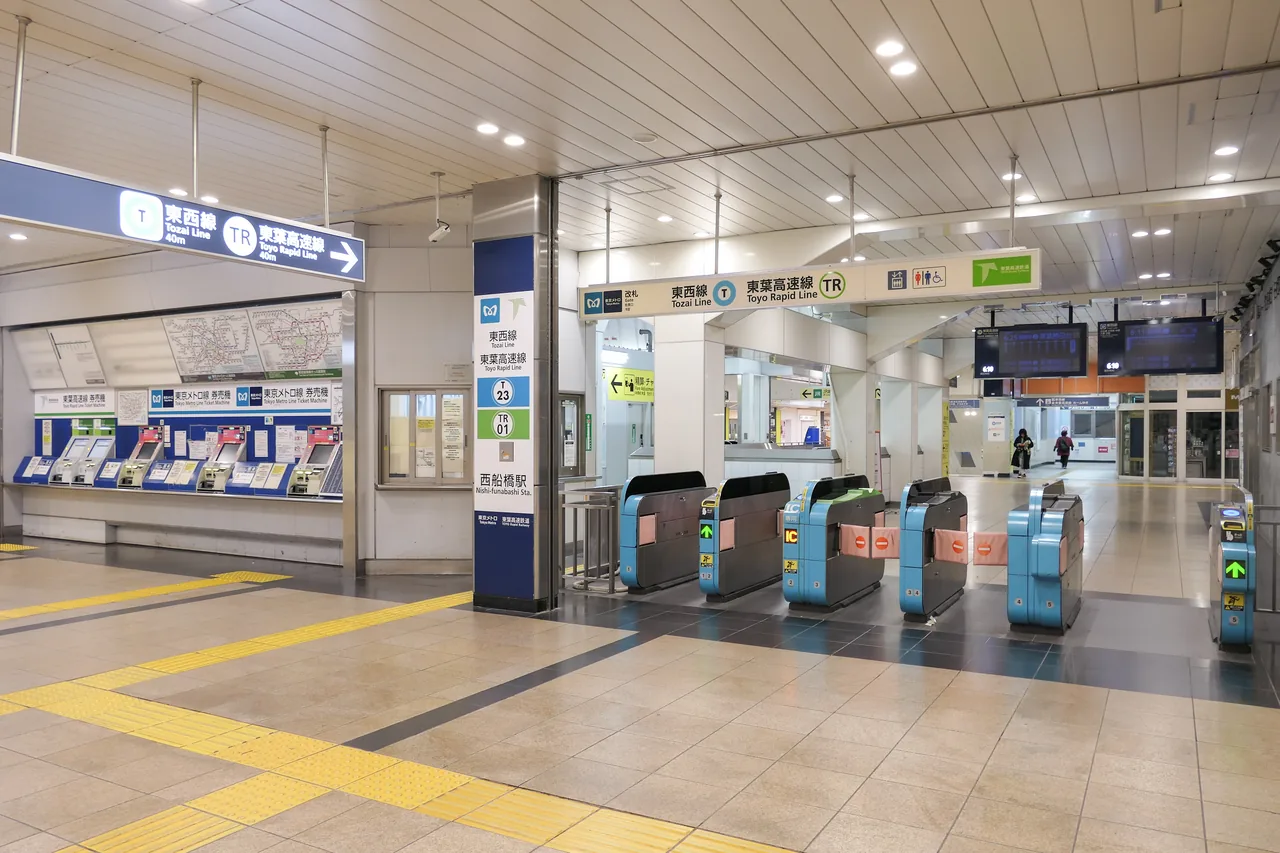
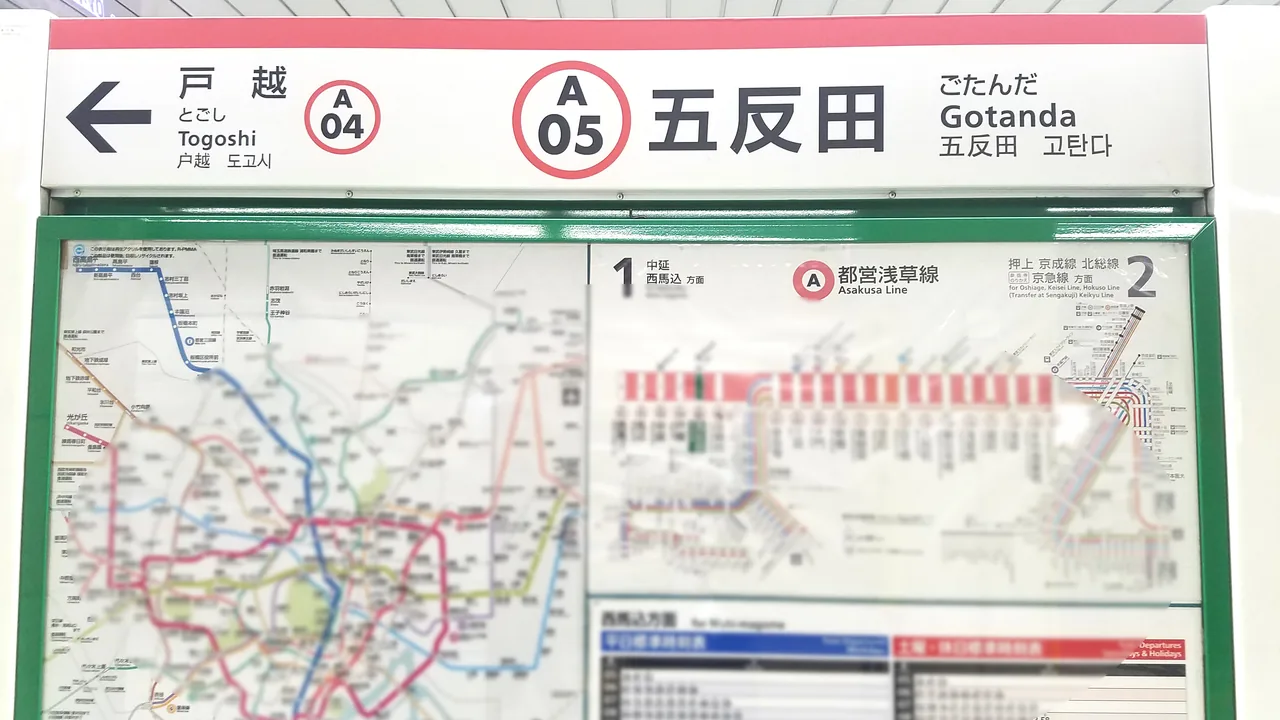
You can tell them apart from the station signs. Metro lines carry letters like M, G and H. Toei lines use A, I, S and E. The Oedo Line is E, the Asakusa Line is A.
The transfer discount is 70 yen
The Tokyo Metropolitan Bureau of Transportation publishes the figure. Change between Toei and Metro and 70 yen comes off the combined adult fare, with children paying half of that adult total. Two base-fare sections joined together are 290 yen rather than 360.
Seventy yen applies per transfer, so three changes in a day return 210 yen to you. That is nowhere near the value of a day pass. On any day that involves both operators, the 1,000-yen Tokyo Subway Ticket gets there first.
A few sections are priced as exceptions
| Section | Fare | Note |
|---|---|---|
| Chiyoda Line, Ayase to Kita-Senju | 160 yen (child 80) | The barrier-free surcharge is not added |
| Namboku Line, Meguro to Shirokane-Takanawa | 180 yen (child 90) | A Toei ticket is also valid here |
| Mita Line between Meguro, Shirokanedai and Shirokane-Takanawa | 180 yen (IC 178) | Shared track with Metro |
These exist because the two companies share track on those stretches. You will not think about it most days, but if you are staying near Meguro it shows up on the ticket machine screen.
Same station, separate gates
At Shinjuku, Ueno and Asakusa, where both operators call, the interchange sometimes means leaving one company’s gates and entering another’s. Without a pass, that is a fresh ticket. With one, you walk straight through.
If tapping through Japanese gates is new to you, start with the Suica and ICOCA guide and come back to the passes afterwards.
3. Two passes at 700 yen, covering different things
The Tokyo Metro 24-hour Ticket and the Toei One-Day Pass both cost 700 yen. The Metro one covers nine subway lines. The Toei one covers four subway lines plus buses, the tram and an automated people mover.
| Tokyo Metro 24-hour Ticket | Toei One-Day Pass | |
|---|---|---|
| Price | Adult 700 yen, child 350 | Adult 700 yen, child 350 |
| Subway | Metro, 9 lines | Toei, 4 lines |
| Buses | No | All Toei buses |
| Tram | No | Tokyo Sakura Tram |
| Also | Nothing else | Nippori-Toneri Liner |
| Clock | 24 hours from first use | First train to last train that day |
| Break-even | 4 base-fare rides | 4 subway rides, or 4 bus rides at 840 yen |
The clock matters more than the coverage for most visitors. The Metro ticket runs 24 hours from the moment you first pass a gate, so a two in the afternoon start carries you to two the following afternoon. It spans two calendar days. The Toei pass ends at the last train, whatever time you bought it.
Your hotel decides this one
If you are on the Ginza or Hibiya Line, the Metro ticket fits. If you are near an Oedo or Asakusa Line station, the Toei pass does. Where you sleep sets the shape of every day that follows, which is why the Tokyo neighbourhood guide is worth reading before you book anything else.
Buying the Metro ticket
There is an advance version and a same-day version. The advance one is sold only through the online store and can be used on any one day within six months of purchase. The same-day one comes from the machines at any Metro station and becomes worthless if you do not use it that day.
Buying the Toei pass
Toei sells its pass in far more places. Subway ticket machines, on board the buses, on board the tram, and at Nippori-Toneri Liner stations. On board, sales start at four in the morning.
- On-board sales are cash only. Station machines take credit cards and IC cards.
- The PASMO version is same-day only, and it will not load onto Mobile PASMO or PASMO in Apple Pay.
- One PASMO card cannot hold two people’s passes. Two travellers need two cards.
- Using an advance paper pass on a bus or tram, you feed it into the farebox once to stamp the date, then show the dated face to the driver from the second ride on.
4. The Tokyo Subway Ticket: 24, 48 and 72 hours
The Tokyo Subway Ticket puts all thirteen Metro and Toei subway lines on one ticket for visitors. It runs 1,000 yen for 24 hours, 1,500 for 48 and 2,000 for 72.
| Duration | Adult | Child | Per day |
|---|---|---|---|
| 24 hours | 1,000 yen | 500 yen | 1,000 yen |
| 48 hours | 1,500 yen | 750 yen | 750 yen |
| 72 hours | 2,000 yen | 1,000 yen | about 667 yen |
The longer versions get cheaper by the day. At 667 yen a day the 72-hour ticket sits below the Metro-only 24-hour ticket at 700, and it adds the four Toei lines on top. For anyone riding the subway across three days in Tokyo, that is the number that settles it.
Counted in hours, not calendar days
Seventy-two hours are counted from the first gate, not from midnight. Start at three in the afternoon on day one and the ticket is alive until three in the afternoon on day four. Begin on the afternoon you land, finish on the morning you leave, and one ticket has covered parts of four days.
JR is not in it
The Yamanote Line belongs to JR, so this ticket will not open those gates. In practice the thirteen subway lines cover the area inside the Yamanote loop densely enough that there is nearly always another way round. The exceptions are the journeys the loop does in a single hop, Shinjuku to Shibuya or Tokyo Station to Ueno, where the subway equivalent takes longer.
💡 Set your routing app to exclude JR for the days you are holding this ticket. Left alone, it will keep suggesting the Yamanote Line because it is usually the fastest.
Showing the ticket gets you discounts
Metro and Toei run a joint scheme where a valid day ticket shown at the door gets you a discount or a small gift at around 400 places across the city. Observation decks, museums, restaurants and shops are all in it.
The scheme covers the Metro 24-hour ticket, the common one-day ticket and the Toei pass as well, not just the visitor ticket. The list changes each year, so ask at the counter where you are going.
Airport trains sit outside this ticket too. The Narita Express is JR and the Skyliner is Keisei. Both are compared in the airport to central Tokyo guide.
5. Who can buy the Subway Ticket, and where
Not everyone is allowed to buy it. Sales are limited to overseas visitors and to Japanese domestic travellers who live outside the eight prefectures of Tokyo, Kanagawa, Saitama, Chiba, Ibaraki, Tochigi, Gunma and Yamanashi.
If you have flown in, your passport is all you need. Buying inside Japan means staff will check that your passport shows a temporary visitor status. One line in the Toei conditions catches people out: Japanese nationals living abroad cannot buy it.
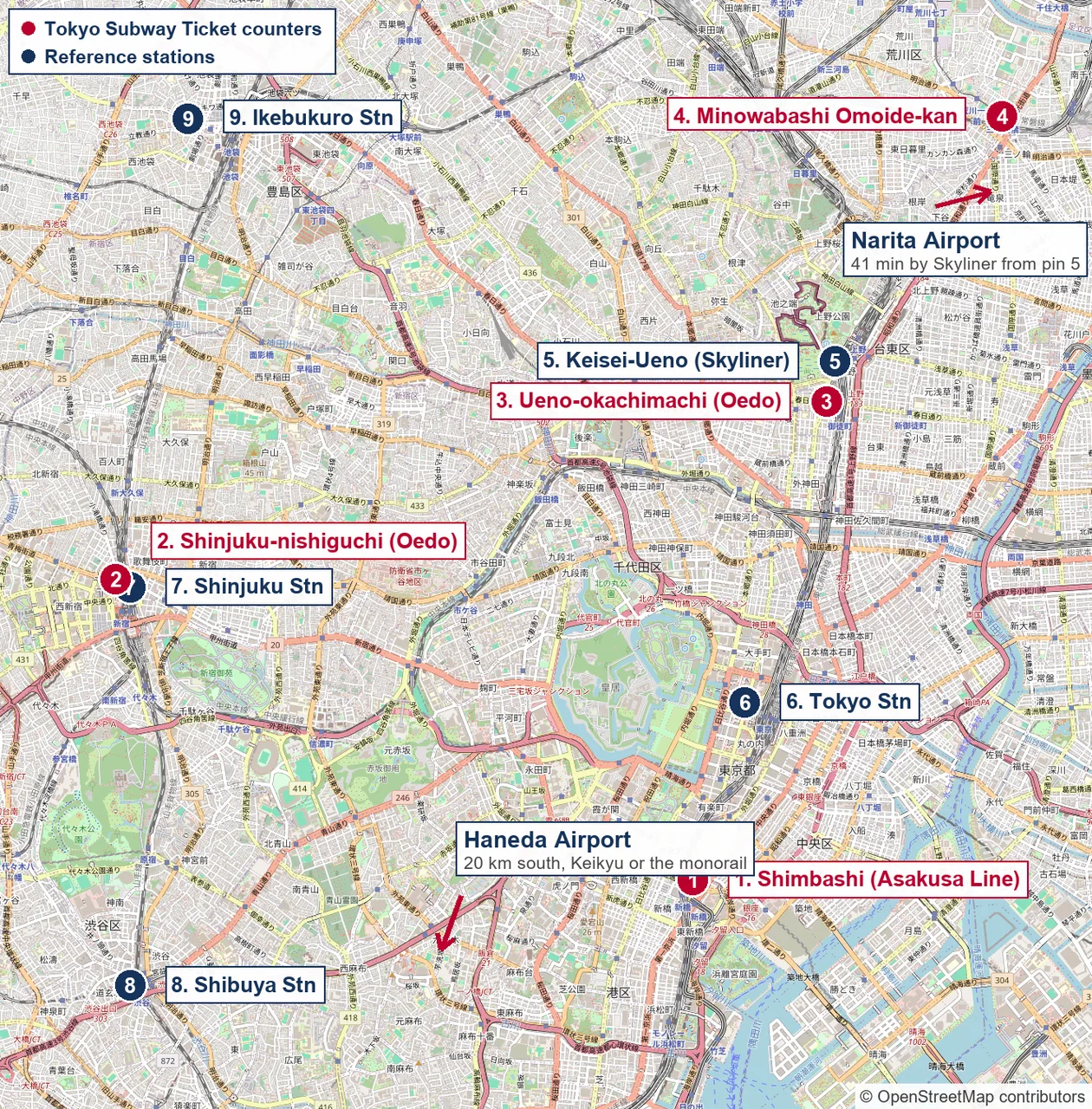
Four Toei counters sell it
These are the Toei-run counters for inbound visitors, shown as the red pins on the map.
| Counter | Line | Hours |
|---|---|---|
| Shimbashi tourist informationMap | Asakusa Line | 8:00–20:00, daily |
| Shinjuku-nishiguchi tourist informationMap | Oedo Line | 8:00–20:00, daily |
| Ueno-okachimachi tourist informationMap | Oedo Line | 8:00–20:00, daily |
| Minowabashi Omoide-kanMap | Tokyo Sakura Tram | 10:00–18:00, closed Tue and Wed |
Minowabashi is the odd one out. It closes on Tuesdays and Wednesdays, opens if either falls on a public holiday, and shuts entirely over the new year. The other three sit inside subway stations and are easy to find.
Airports and electronics stores
Both Narita and Haneda have sales points, and beyond that the ticket turns up at tourist information centres and the large electronics chains. Buying at the airport gets you moving straight away. Buying near your hotel means one of the four counters above or an electronics store.
The QR version has its own rules
There is a smartphone version you buy online and scan at the gate, and you can buy several and send them to the people you are travelling with. Two conditions come with it.
- You have 90 days from purchase to use it.
- Press “start use” and then not travel that day and it becomes invalid.
- Not every gate reads QR codes yet. Where they do not, you call a member of staff or use the intercom at the gate.
A PASMO version exists as well, issued only at the tourist information centres.
6. When the 1,100-yen common one-day ticket makes sense
The common one-day ticket for Metro and Toei costs 1,100 yen. It covers exactly the same thirteen lines as the 1,000-yen visitor ticket and costs 100 yen more. There is still a reason it exists.
It is for people who cannot buy the visitor ticket. A resident of Tokyo or the surrounding prefectures has this as the option that remains. It will not apply to you if you have flown in, but it does apply to anyone in your group who lives here.
| Tokyo Subway Ticket, 24h | Common one-day ticket | |
|---|---|---|
| Price | 1,000 yen | 1,100 yen |
| Coverage | Metro and Toei subway | Metro and Toei subway |
| Clock | 24 hours from first use | One nominated calendar day |
| Who can buy | Visitors and out-of-region travellers | Anyone |
| Buying ahead | Online, airports, information centres | Advance paper 6 months, QR 90 days |
The common ticket does have a nice scheduling feature. Bought as an IC card version, you nominate the day you want within a month of purchase. If your dates are fixed, buy it early and it waits for you.
Refunds on both run the same way. Before first use only, minus a 220-yen handling fee, and anything bought by credit card has to go back to the counter that sold it. Take a Toei purchase to a Metro window and they will turn you away.
7. The Tokyo 1-Day Ticket at 1,720 yen puts JR in
The Tokyo 1-Day Ticket, sold in Japanese as the Tokyo Free Kippu, covers both subway operators plus Toei buses, the Sakura Tram, the Nippori-Toneri Liner and JR inside the 23 wards. Adult 1,720 yen, child 860.
Nothing else sold in Tokyo covers as much ground for a day. If your day involves the Yamanote Line and the subway and a bus, this is the single ticket that handles all three.
| Buying the parts | Price |
|---|---|
| Tokunai Pass, JR in the 23 wards | 870 yen |
| Common one-day ticket, both subways | 1,100 yen |
| Total | 1,970 yen |
| Tokyo 1-Day Ticket, one card | 1,720 yen |
That is 250 yen better than buying the two separately, with buses and the tram thrown in. Earning back 1,720 yen does take a busy day, though. In base-fare subway rides it is more than nine.
The days this ticket fits
- Yamanote in the morning, subway hops through the middle of the day, a bus in the evening
- The far east and the far west of the city in one go
- A rainy day spent moving between indoor venues that are nowhere near each other
Some buses are left out
Toei buses are in, but late-night buses and reserved-seat buses are not. If you are planning to take a late bus back, that fare is separate.
Toei buses in the Tama area, outside the 23 wards, are included. That is a useful edge if you are heading out towards Takao or Ome.
The validity is generous. Pick your day within a month of purchase, and if you have not used it yet you can move the start date once at any Metro station. Only once, and only at the company that sold it to you. Anything bought from the Tokyo Metropolitan Bureau of Transportation or JR East has to be changed or refunded by them.
8. JR-only days: the Tokunai Pass at 870 yen
The Tokunai Pass gives you a day of unlimited JR local and rapid trains inside the 23 wards. Adult 870 yen, child 430. No subway.
JR East publishes a worked example that makes the case. A day taking trains between Tokyo Station, Akihabara, Ryogoku, Ueno, Shinjuku and Shibuya comes to roughly 1,000 yen in individual fares. The pass is 870.
It fits a Yamanote-shaped day
Most of the districts visitors want are on the loop. Shinjuku, Shibuya, Ueno, Ikebukuro, Tokyo Station and Shinagawa all sit on it. If your day is five or so of those, the Tokunai Pass is the whole answer.
Buy it from a JR East reserved-seat ticket machine inside the valid area. Not the ordinary ticket machine, the reserved-seat one. The screen offers English.
What “the 23 wards” leaves out
| Included | Not included |
|---|---|
| The entire Yamanote loop | Kichijoji and Mitaka, which are separate cities |
| Tokyo, Ueno, Akihabara, Shinjuku, Shibuya, Ikebukuro | Kawasaki and Yokohama |
| Ryogoku and Kinshicho on the Sobu Line | Anything towards Chiba |
| Keihin-Tohoku as far as the ward boundary | Anything towards Saitama |
The Rinkai Line towards Odaiba is run by Tokyo Waterfront Area Rapid Transit rather than JR, so it is outside this pass. Getting to Odaiba means paying separately or taking the Yurikamome.
⚠️ No shinkansen and no limited express trains on this pass, and nothing beyond the ward boundary.
9. Weekend trips out: the NONBIRI Holiday Suica Pass
This one stretches JR coverage well past the city limits. Adult 2,850 yen, child 1,420, valid for one day. It is restricted to certain dates.
| Detail | |
|---|---|
| Valid days | Saturdays, Sundays and public holidays, plus every day from 29 April to 5 May, 20 July to 31 August, and 29 December to 3 January |
| Coverage | JR local and rapid trains in the designated zone, the Rinkai Line and the Tokyo Monorail |
| Excluded | Shinkansen |
| Limited express | Allowed if you buy the express supplement separately |
| Format | IC card only, so ordinary gates work normally |
It does not work on a normal weekday. If your trip falls midweek, cross this one off. If a weekend lands in the middle and you want to get out of the city that day, the sums work. JR East’s example is a return from Tokyo Station to Ashikaga Flower Park, roughly 4,180 yen in fares against 2,850 for the pass.
Being IC-only turns out to be a real advantage. Travel beyond the zone and the gate does not stop you. The shortfall comes off the stored value on your card automatically, with no trip to a fare adjustment window.
10. Bus-only and tram-only days
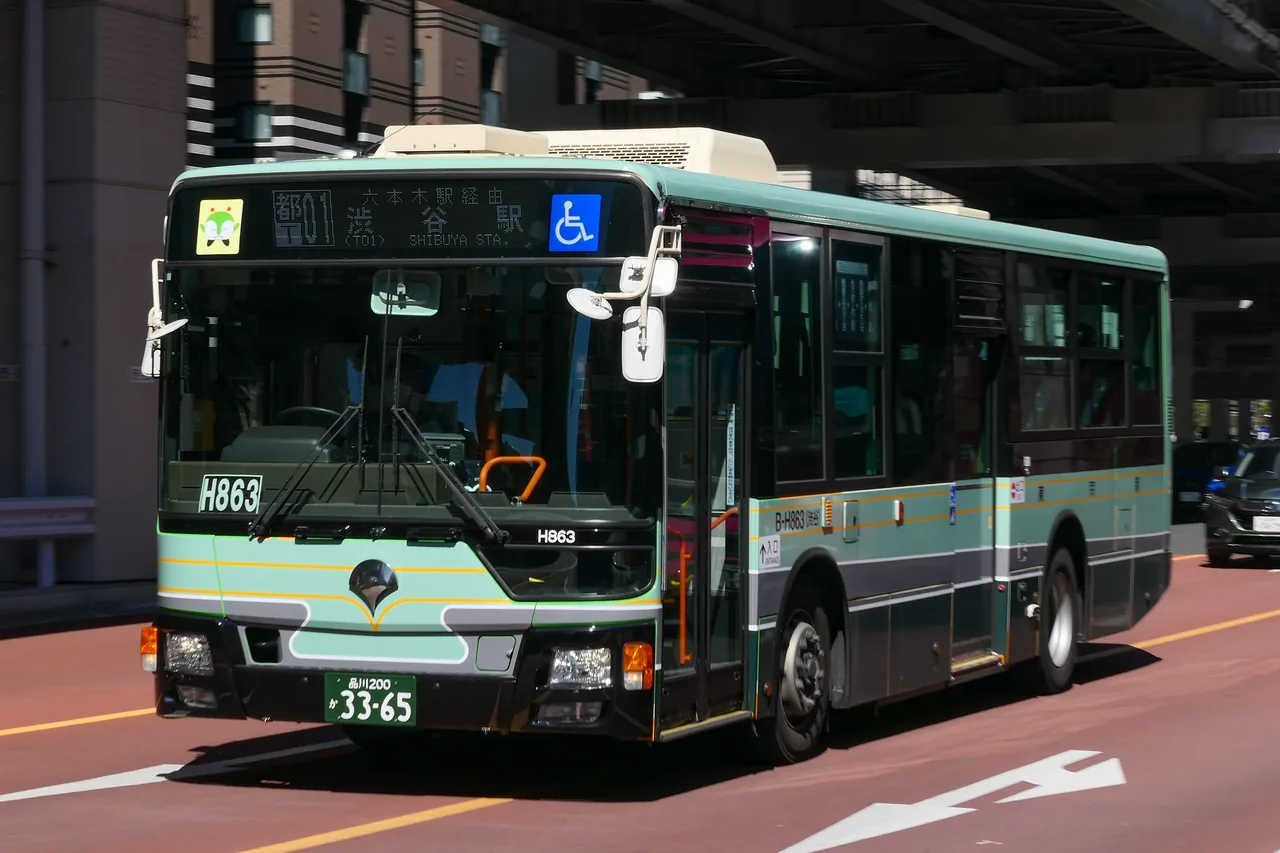
The Toei Bus One-Day Pass is 500 yen and the Tokyo Sakura Tram day pass is 400. Buses are a flat 210 yen anywhere in the 23 wards, so three rides is 630 and the pass has paid for itself.
| Pass | Adult | Child | Break-even |
|---|---|---|---|
| Toei Bus One-Day Pass | 500 yen | 250 yen | 3 rides (630 yen) |
| Tokyo Sakura Tram day pass | 400 yen | 200 yen | 3 rides (510 yen) |
Both come in three formats: paper, loaded onto an IC card, or bought in the RYDE PASS app. The app version lets you buy up to eight at once for a group, and you have 28 days from purchase to start using one, after which it is valid for that day only. It takes credit cards, Apple Pay and Google Pay.
🔴 One card will not hold both
This is written into the Bureau of Transportation’s own terms. You cannot put the tram IC day pass and the bus IC day pass onto the same PASMO or Suica on the same day. The second purchase erases the first, and what is erased cannot be restored or refunded.
If you want unlimited buses and trams on one day, buy the 700-yen Toei One-Day Pass instead. It includes the subway as well and costs less than 500 plus 400.
Toei buses have their own exceptions
| Service | Adult fare | Day pass valid? |
|---|---|---|
| Ordinary routes, 23 wards | 210 yen | Yes |
| School bus routes (Gaku 02, 03, 05, 06) | 180 yen (IC 178) | Yes |
| Routes C and H01 | 190 yen (IC 189) | Yes |
| Koto ward community bus, route Koto 01 | 100 yen | No |
| Tama area | Distance-based from 180 yen | Toei One-Day Pass yes |
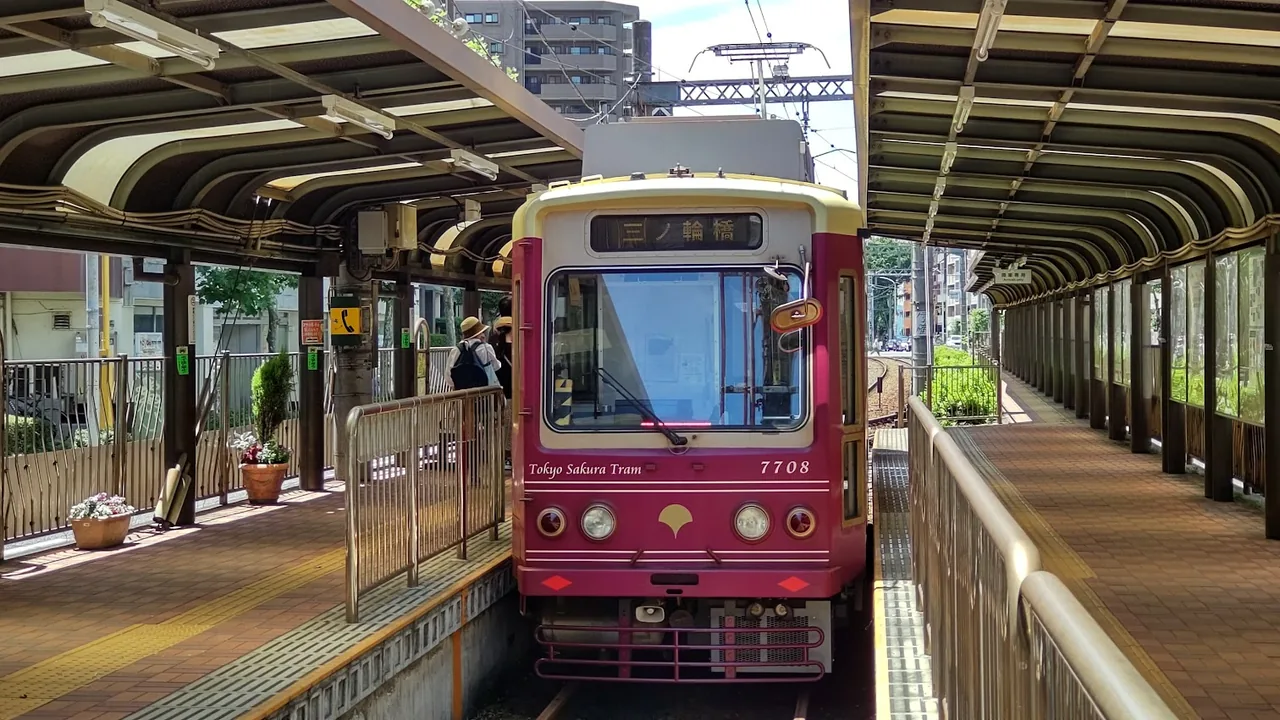
💡 The Sakura Tram runs 12.2 km from Minowabashi to Waseda across 30 stops. Plenty of people ride it for its own sake rather than to get anywhere.
11. A 500-yen pass that only exists in summer
The Toei Subway One-Day Pass costs 500 yen for adults and 100 yen for children. It is sold in limited windows rather than year-round.
The summer edition covers weekends and public holidays from mid-July to the end of August, plus a run of days in mid-August. The Bureau of Transportation announces the exact dates each year.
| Detail | |
|---|---|
| Price | Adult 500 yen, child 100 yen |
| Coverage | The four Toei subway lines only |
| Not included | Toei buses, the Sakura Tram, the Nippori-Toneri Liner |
| Advance sales | None. Valid on the day of purchase |
The child fare is the striking part. Not half of the adult price, a flat 100 yen. One adult with two children rides the Toei subway all day for 700 yen.
Four lines is a narrow net, so the day has to be built around the Oedo and Asakusa lines. It is not sold at Oshiage, Meguro, Shirokanedai, Shirokane-Takanawa or Shinjuku on the Shinjuku Line.
12. Museum days: the Gurutto Pass bundle at 3,130 yen
Toei sells a bundle of the Tokyo Museum Gurutto Pass, which covers 107 museums and galleries, with two Toei One-Day Passes. The set is 3,130 yen.
| Part | Bought alone |
|---|---|
| Tokyo Museum Gurutto Pass | 2,500 yen |
| Two Toei One-Day Passes | 1,400 yen (700 × 2) |
| Total | 3,900 yen |
| As a bundle | 3,130 yen, a 770-yen difference |
The museum pass runs two months from first use and the two travel passes are used on one day each. The shape of it suits three days or more in Tokyo with several indoor venues on the list.
Sales points are limited to the station master’s offices at sixteen Toei subway stations plus the commuter pass offices. Those sixteen are Gotanda, Shimbashi, Asakusabashi, Hibiya, Jimbocho on the Mita Line, Sugamo, Takashimadaira, Ichigaya, Bakuro-yokoyama, Motoyawata, Ueno-okachimachi, Monzen-nakacho, Daimon on the Oedo Line, Aoyama-itchome, Tochomae and Nerima. These are staffed offices rather than machines, so someone may be away from the window.
There is no child version. Refunds on either part are before first use only, minus 220 yen.
⚠️ Of the 107 venues, some give free entry and some only give a discount. Check which category yours falls into in the booklet before you build a day around it.
The national museums in Ueno are on the list. Which of them closes on which day is set out in the Ueno guide.
13. Bundling the airport run
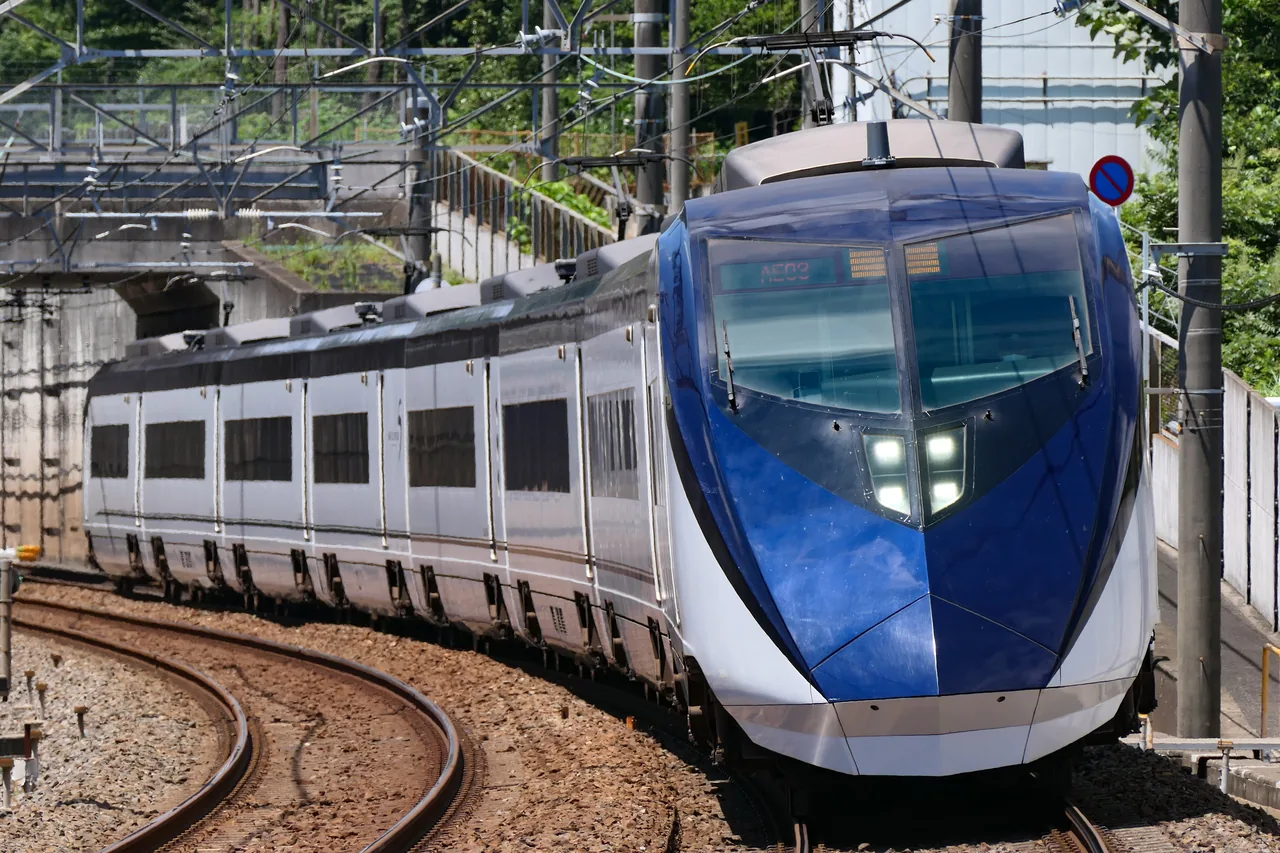
Keisei sells the Skyliner together with the Tokyo Subway Ticket. One way with 24 hours is 3,100 yen; a return with 72 hours is 6,100.
| Combination | At window prices | Set price | Child set |
|---|---|---|---|
| One way + 24 hours | 3,580 yen | 3,100 yen | 1,550 yen |
| One way + 48 hours | 4,080 yen | 3,600 yen | 1,800 yen |
| One way + 72 hours | 4,580 yen | 4,100 yen | 2,050 yen |
| Return + 24 hours | 6,160 yen | 5,100 yen | 2,540 yen |
| Return + 48 hours | 6,660 yen | 5,600 yen | 2,790 yen |
| Return + 72 hours | 7,160 yen | 6,100 yen | 3,040 yen |
🔴 The advertised saving is not the real one
Keisei describes the sets as saving 480 yen one way and 1,060 yen return. Those figures compare against buying the Skyliner at the station window at full price. Buy the Skyliner online in advance and it is 2,310 yen one way, 4,500 return, which moves the baseline.
| Combination | Set | Separately, online Skyliner plus full-price ticket | Actual difference |
|---|---|---|---|
| One way + 24 hours | 3,100 yen | 2,310 + 1,000 = 3,310 yen | 210 yen |
| One way + 48 hours | 3,600 yen | 2,310 + 1,500 = 3,810 yen | 210 yen |
| One way + 72 hours | 4,100 yen | 2,310 + 2,000 = 4,310 yen | 210 yen |
| Return + 24 hours | 5,100 yen | 4,500 + 1,000 = 5,500 yen | 400 yen |
| Return + 48 hours | 5,600 yen | 4,500 + 1,500 = 6,000 yen | 400 yen |
| Return + 72 hours | 6,100 yen | 4,500 + 2,000 = 6,500 yen | 400 yen |
It is 210 yen on every one-way combination and 400 on every return. The set is still the better buy. Just do not go in expecting a thousand yen back.
Where 2,580 yen comes from
The Skyliner one-way price is two charges added together. The fare from Keisei-Ueno or Nippori to Narita Airport is 1,280 yen on a paper ticket, 1,267 on IC, and the limited express charge on top is 1,300.
| Section | Fare (paper) | Liner charge | Total |
|---|---|---|---|
| Keisei-Ueno / Nippori to Narita Airport | 1,280 yen | 1,300 yen | 2,580 yen |
| Aoto to Narita Airport | 1,150 yen | 1,050 yen | 2,200 yen |
| Shin-Kamagaya to Narita Airport | 930 yen | 800 yen | 1,730 yen |
The Access Express covers the same track without the liner charge. It takes longer, has no reserved seats, and you may end up standing with your luggage at a busy hour.
Points to check before buying a set
- A one-way coupon works in either direction, airport to Ueno or Ueno to airport.
- Return coupons are exchanged only at the two Narita Airport stations, not at Ueno or Nippori.
- The whole thing is valid six months from sale; the subway portion is any consecutive 24, 48 or 72 hours inside that.
- Board a Skyliner without a liner ticket and it costs 300 yen extra for adults, 150 for children. Every seat is reserved.
- In-flight sales are not handled on flights landing at Narita after 22:00.
The Skyliner runs at 160 km/h, taking as little as 36 minutes to Nippori and 41 to Keisei-Ueno, up to three times an hour. Sets are also sold at New Chitose, Kansai, Fukuoka and Naha airports. If you are landing late, the late-night arrival guide covers what still runs.
14. Tokyo City Pass adds attraction entry
Tokyo City Pass wraps the Subway Ticket together with attraction entry and restaurant vouchers. The standard version starts at 4,100 yen.
| Version | From | What is in it |
|---|---|---|
| Standard | 4,100 yen | 1 selectable venue, up to 5 free-to-go venues, Subway Ticket 24, 48 or 72 hours |
| Premium | 7,500 yen | 2 selectable venues, up to 5 free-to-go venues over 3 days, Subway Ticket 72 hours |
| Special | 4,700 yen | teamLab Planets, Warner Bros. Studio Tour Tokyo or Sunshine City Aquarium, plus a Subway Ticket |
The selectable venue is either Tokyo Tower Main Deck or Roppongi Hills Tokyo City View, and it has to be reserved in advance. The free-to-go list includes the Tokyo Dome City ferris wheel, a public bath near Inaricho, incense at Senso-ji and tamagoyaki at Tsukiji.
The dining vouchers knock 1,000 yen off each qualifying bill, once a day for up to three days. Sushi Zanmai across Tokyo, five Isomaru Suisan branches, Mo-Mo Paradise, the Tenku Lounge at Skytree’s Solamachi and Jose Luis in Shibuya are the participants.
The subway part is collected at a station
Buying the pass does not put a ticket in your hand. You exchange it at any Metro or Toei subway station, which means one queue on your first day.
Sake tasting at the Japanese Sake Information Center is only available to people who can show they are 20 or over.
⚠️ The sums only work if you actually go. Add up the Tokyo Tower admission and the Subway Ticket price, count how many free-to-go venues you would realistically visit, and compare.
15. Greater Tokyo Pass covers the private railways
The Greater Tokyo Pass gives five consecutive days on thirteen private railway and tram operators across the Kanto region, plus Toei buses. Adult 6,500 yen, child 3,250.
Divided out, that is 1,300 yen a day. It can work if you are riding private lines hard every day, but the conditions are unusual and you should read them before buying.
🔴 The gates will not accept it
This is the first thing to know. You show the screen to a member of staff, a conductor or a bus driver, both getting on and getting off, for five days. At a busy station in rush hour that means finding the staffed gate every time.
| Detail | |
|---|---|
| Duration | Five consecutive days from first use |
| How a day is counted | 3:00 am to 2:59 am the following morning |
| Not included | JR, the Tokyo Monorail, any bus other than Toei |
| Eligibility | Inbound visitors only, passport shown |
| Group size | Up to eight travelling together, and the group cannot split |
| Limited express and reserved seats | Separate ticket required |
| Refunds | Not once you have started using it |
The way days are counted has a trap in it. Start between midnight and 2:59 am and that window counts as a whole day, leaving four from 3:00 am. Landing late and activating straight away throws a day away.
A voucher alone will not get you through. You have to press “USE” in the app so the ticket shows as active. Reservation confirmation emails are not accepted. The voucher itself is valid three months from issue.
What those thirteen operators reach
Inside Tokyo it is Toei buses. Outside, the network reaches Yokohama, Kamakura, Enoshima, Narita, Nikko, Mount Takao and Chichibu. The destinations the operator itself advertises give a fair picture: Yokohama Chinatown, Sankeien garden, Enoshima, Naritasan Shinshoji, Nikko Toshogu, Mount Takao, Odaiba Marine Park and the Yokoze rice terraces.
Stay inside central Tokyo and you will use almost none of that. Foreign residents of Japan and Japanese nationals cannot buy it. The Skyliner can be added for 1,250 yen.
16. Going out of town on the JR Tokyo Wide Pass
The JR Tokyo Wide Pass is 16,000 yen for adults and 8,000 for children, valid three consecutive days. It is not a city pass.
Its value is in the day trips: Nikko, the Mount Fuji side, Izu, Karuizawa, GALA Yuzawa. JR East’s own example is a Tokyo to GALA Yuzawa to Nikko itinerary in reserved seats costing around 21,500 yen against 16,000 with the pass.
| Included | Not included |
|---|---|
| All JR East lines | The Tokaido Shinkansen, run by a different company |
| The whole Tokyo Monorail | Green Car and GranClass, which cost extra |
| The whole Izu Kyuko line | Reserved seats on Fujisan Express and Fujisan View Express |
| The whole Fujikyu Railway | Limited express services that both start and end on Tobu |
| The whole Joshin Dentetsu line | |
| The Rinkai Line | |
| Reserved seats on the Nikko and Kinugawa through services |
The Tokaido Shinkansen exclusion catches people out. Heading west from Tokyo towards Nagoya or Kyoto means JR Central, and this pass does not touch it. For westward travel, look at the nationwide JR Pass guide instead.
Three consecutive days, not three days of your choosing
You cannot spread them across a week. The pass only makes sense when the out-of-town days sit next to each other.
The Nikko conditions are fiddly
The pass does reach Tobu Railway track, with strings attached. Only the reserved ordinary-car seats on the JR-to-Tobu through services, named Nikko, Kinugawa and SPACIA Kinugawa, are covered. Limited expresses that begin and end on Tobu are not.
Boarding a limited express at Tochigi, Shimo-imaichi, Shin-kanuma, Tobu-nikko, Tobu World Square or Kinugawa-onsen means either the origin or the destination has to be a JR station. Between Shimo-imaichi and Tobu-nikko or Kinugawa-onsen, take the local and rapid trains.
A child’s age is taken as of the purchase date and confirmed by passport. You cannot hold two of the same pass with overlapping dates, and there is no youth or student rate. Holding one also gets you 10 per cent off station rental cars. GALA Yuzawa only operates from winter into spring. Destination detail is in the Nikko and Mount Fuji guides.
17. The N’EX Tokyo Round Trip Ticket at 5,200 yen
A visitor-only return on the Narita Express. Adult 5,200 yen, child 2,600, one return journey within 14 days.
| Destination | Standard return, reserved ordinary car | This ticket |
|---|---|---|
| Tokyo | 6,280 yen | 5,200 yen |
| Shinagawa, Shibuya, Shinjuku | 6,660 yen | 5,200 yen |
| Yokohama | 8,960 yen | 5,200 yen |
| Ofuna | 9,620 yen | 5,200 yen |
The further out you go, the bigger the gap. Tokyo Station saves 1,080 yen; Yokohama saves 3,760. If you are staying in Shinjuku, Shibuya or Yokohama, this one is straightforward.
Every seat has a large table and a power socket, there is free JR East wi-fi on board, and each carriage has luggage racks with combination locks. The practical difference from the Skyliner is that you do not change trains with your bags. The Skyliner ends at Nippori and Keisei-Ueno, where you transfer to JR.
What the 14 days is for
The return has to be completed within a fortnight. Airport to city on arrival, city to airport on departure. Anything you do in between, including a week in Osaka or Hokkaido, is irrelevant to the ticket.
It does not fit an itinerary that flies into Narita and out of Haneda, or the reverse. It is sold as a pair, so using one leg wastes the other. Different airports means pricing each leg on its own.
⚠️ Some Narita Express services are suspended during Yokosuka tunnel engineering work. Check the JR East notice before you travel.
18. Coming in from a private railway line
The Bureau of Transportation sells four combination tickets with private railway companies, pairing a discounted return from the suburbs with a Toei day pass.
| Ticket | Which line | What it combines |
|---|---|---|
| TOKYO Tansaku Kippu | Keio and Inokashira lines, or Tsukuba Express | Discounted return to Shinjuku or Shin-okachimachi plus a Toei day pass |
| Tokyo 1DAY Kippu | Keikyu | Return to Shinagawa plus a Toei day pass |
| Keio, Metro and Toei Pass | Keio and Inokashira lines | Return to Shinjuku or Shibuya plus the common subway one-day ticket |
| Tokyu, Toei and Metro common one-day ticket | Tokyu | All Tokyu lines plus both subway operators |
Prices depend on which station you board at, which is why the official pages do not list a figure. Ask at the station counter on the line you are using. The last two are issued on PASMO only.
These matter if your accommodation is out towards Hachioji, Chofu or Kawasaki and you are commuting into the centre each day. Staying inside the wards, they do not apply.
19. Day trips have their own regional passes
Hakone, Nikko, Kamakura and the Mount Fuji area each have a pass sold by the private railway that serves them. No Tokyo city pass will get you there.
| Destination | Pass | Price | Full guide |
|---|---|---|---|
| Hakone | Hakone Freepass, Odakyu | From Shinjuku, 7,100 yen for 2 days or 7,500 for 3 | Hakone day trip |
| Nikko | Tobu Nikko passes | Depends on the area covered | Nikko day trip |
| Kamakura and Enoshima | Enoden Noriorikun | 800 yen | Kamakura day trip |
| Mount Fuji and Kawaguchiko | Fujikyu and express bus combinations | Depends on the route | Mount Fuji day trip |
The Hakone Freepass child fare is worth a second look. The two-day pass from Shinjuku is 7,100 yen for an adult and 1,600 for a child. Not half, far less.
| From | 2 days adult | 2 days child | 3 days adult | 3 days child |
|---|---|---|---|---|
| Shinjuku | 7,100 yen | 1,600 yen | 7,500 yen | 1,850 yen |
| Odawara | 6,000 yen | 1,500 yen | 6,400 yen | 1,750 yen |
The Romancecar is a separate charge on top: 1,200 yen each way between Shinjuku and Hakone-Yumoto, or 200 yen from Odawara. Odakyu prints the arithmetic on its own page. Shinjuku out and back with the Romancecar both ways is 7,100 plus 2,400, so 9,500 yen. Coming up from Kansai, finishing in Shinjuku, it is the Odawara pass at 6,000 plus 910 for Odawara to Shinjuku plus 1,200 for one Romancecar leg, so 8,110.
20. The nationwide JR Pass does very little inside Tokyo
The nationwide JR Pass earns its price on shinkansen journeys between cities. A trip that stays in Tokyo will not recover it.
Getting around Tokyo is denser by subway than by JR, and even when you do take JR, fares inside the 23 wards start in the 160-yen range. A full day on the Yamanote Line comes to about a thousand yen.
If you are continuing to Osaka or Kyoto, the calculation changes completely. Work through the JR Pass and shinkansen guide for the duration that fits, and once you are in Kansai there are separate write-ups for Kansai transport passes and the Osaka Amazing Pass.
💡 For Tokyo alone, a subway day pass plus a Suica is enough. Nationwide passes are decided by how many intercity trips you make, not by how long you stay.
21. When an IC card on its own is the right answer
Three rides a day or fewer and you are better off topping up a Suica or PASMO. For a large share of visitors this is the honest answer.
IC fares are calculated to the yen and come out slightly under the paper fare. Metro’s 180-yen band is 178 on IC, the 260-yen band is 252. The gap is small; the real gain is never standing at a machine working out which button to press.
| If your day looks like this | Buy |
|---|---|
| One district, mostly on foot | IC card |
| Four or more subway rides, one operator | Metro 24-hour or Toei One-Day, 700 yen |
| Four or more subway rides, both operators | Tokyo Subway Ticket 24h, 1,000 yen |
| Three straight days on the subway | Tokyo Subway Ticket 72h, 2,000 yen |
| JR and subway and a bus in one day | Tokyo 1-Day Ticket, 1,720 yen |
| A weekend run out of town on JR | NONBIRI Holiday Suica Pass, 2,850 yen |
| Three days of out-of-town trips on JR | JR Tokyo Wide Pass, 16,000 yen |
Refund fees by format
An unused ordinary Metro ticket refunds minus 170 yen, and a through ticket to another company’s line minus 220. Every day pass is 220. On a few hundred yen there is nothing left, so if you buy the wrong ticket it is simpler to ride it and settle the difference at the other end.
IC cards also work as payment in vending machines, convenience stores and coin lockers. How to get one, top it up and cash it in is covered in the Suica and ICOCA guide, and how to carry money generally is in cash and cards in Japan.
22. Where gates and refunds trip people up
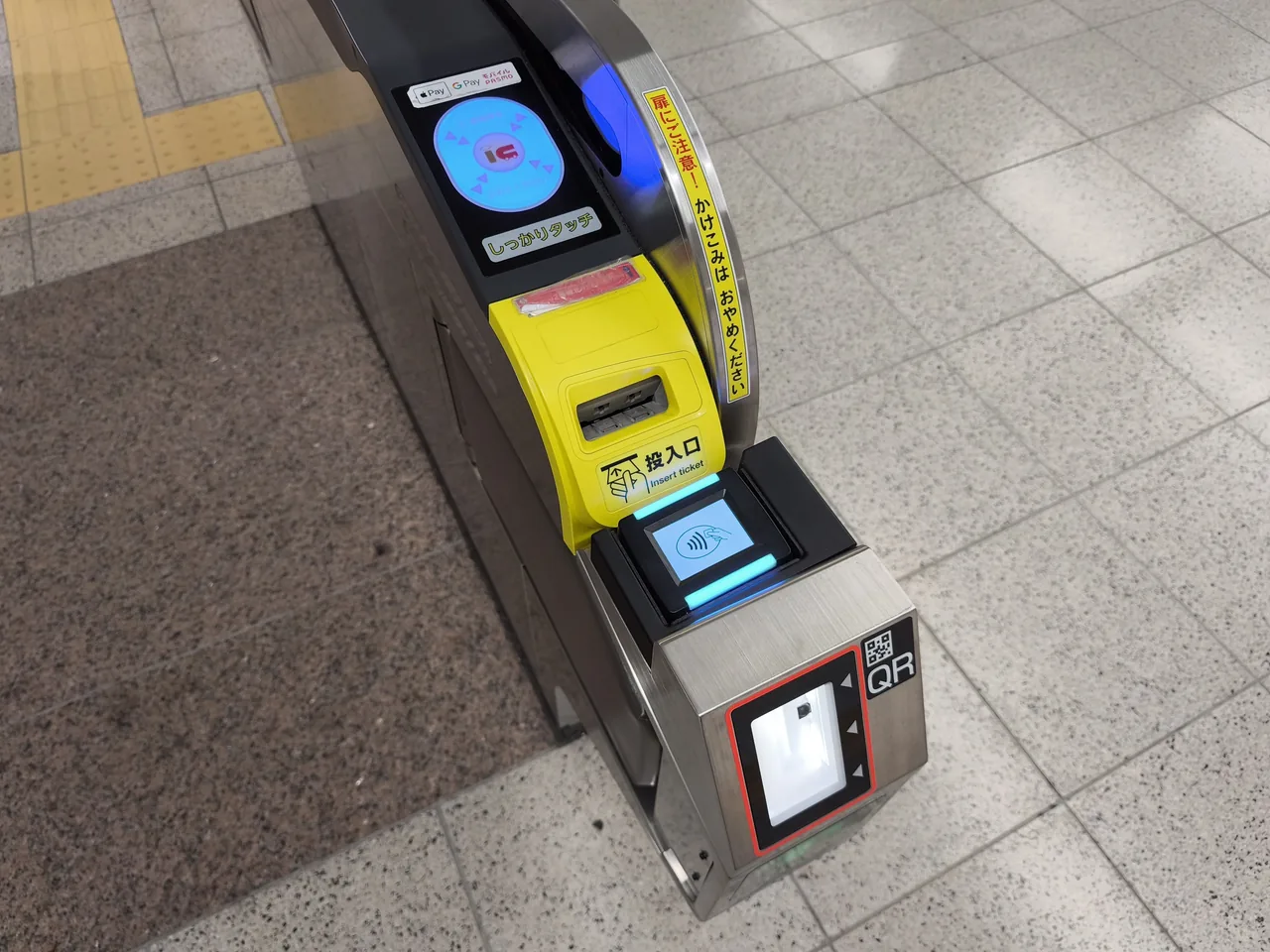
Each format goes through the gate differently. Paper goes in and comes back out, IC versions are tapped, QR versions are scanned.
| Format | At the gate | Watch for |
|---|---|---|
| Paper | Feed it in, take it back out | The expiry time prints on it at the first gate |
| IC version on PASMO | Tap | PASMO only. Suica will not take it |
| QR | Hold the screen to the reader | Some gates still cannot read it |
| Greater Tokyo Pass | Gates cannot be used | Show it to staff every time |
Things that have to be PASMO
The IC versions of the Metro 24-hour ticket and the common one-day ticket load onto PASMO and nothing else. Not Suica, not TOICA. Not a PASMO that carries a commuter pass, and not a credit card with PASMO built in. Mobile PASMO and PASMO in Apple Pay are excluded as well, so you need a physical card.
Refunds
- Subway day passes: before first use only, minus 220 yen.
- Toei bus and tram advance passes: minus 100 yen. Same-day versions are not refundable.
- Greater Tokyo Pass: nothing back once started, including for suspended services or bad weather.
- Anything bought by credit card goes back to the counter that sold it.
Some stations do not issue the IC versions at all. On the Metro side that means Kita-Senju on the Hibiya Line, Naka-Meguro, Nakano, Nishi-Funabashi, Yoyogi-Uehara, Wakoshi, Shibuya on the Hanzomon and Fukutoshin lines, and Meguro. Several of those are major interchanges, so it is worth knowing before you make a special trip.
Where each ticket has to be bought
The counters differ enough to be worth a table, because turning up at the wrong kind of machine is a common way to lose twenty minutes.
| Ticket | Where |
|---|---|
| Tokyo Subway Ticket | Airports, the four Toei counters, tourist information centres, large electronics stores, online |
| Metro 24-hour ticket | Metro station machines for same-day; the online store for advance |
| Common one-day ticket | Metro and Toei station machines; Toei station offices for advance paper |
| Toei One-Day Pass | Toei machines, on board buses and trams from 4:00 am, Nippori-Toneri Liner stations |
| Tokyo 1-Day Ticket | JR East reserved-seat machines, Metro machines, Toei offices |
| Tokunai Pass | JR East reserved-seat machines inside the valid area |
| NONBIRI Holiday Suica Pass | JR East reserved-seat machines inside the valid area |
| JR Tokyo Wide Pass | JR East Travel Service Centers and reserved-seat machines, or reserved online |
| Greater Tokyo Pass | Online only, then activated in the app |
Two of these are easy to get wrong. The Tokunai Pass and the NONBIRI pass both come from the reserved-seat machines, the taller ones with the wider screens, and not from the ordinary fare machines beside them. The Greater Tokyo Pass has no physical form at all.
23. Sorted by how long you are staying
The combinations below are the ones that come out right most often. Your own days will vary with where you go, so treat this as a starting line rather than a rule.
| Trip length | Combination | Roughly |
|---|---|---|
| Two days, one night | Suica, plus one 24-hour ticket if a day gets busy | around 1,000 yen |
| Three days, two nights | Subway Ticket 48 hours plus a Suica | 1,500 yen |
| Four days, three nights | Subway Ticket 72 hours, Suica on the last day | 2,000 yen |
| Five days or more | One 72-hour ticket, then day by day | 2,000 yen plus a day rate |
| A week including day trips | 72-hour ticket plus the Tokyo Wide Pass | 18,000 yen |
| Narita return plus three days in town | Skyliner return and 72-hour set | 6,100 yen |
The 72-hour ticket keeps appearing because of how it is counted. Start it on the afternoon you land and it is still valid at midday on day four, so on a five-day trip it can cover the three days that involve the most moving about.
Travelling with children
Child fares are half the adult price on most of these, with two exceptions. The summer Toei Subway One-Day Pass is 100 yen, and the Hakone Freepass child fare is 1,600 yen against 7,100. If you have children with you, both of those change the arithmetic considerably.
Children under six travel free, two per fare-paying adult or child. From the third onwards, a child fare applies.
A worked example for a four-night trip
Land at Narita in the afternoon, three full days in the city, fly home on the fifth morning. Buying the Skyliner return and the 72-hour Subway Ticket as a set costs 6,100 yen and covers the airport at both ends plus the subway from the afternoon you land until the middle of day four.
That leaves the last morning, which is usually one ride to the station, so a few hundred yen on a Suica. Total transport for the trip lands near 6,500 yen. Paying every fare separately over the same five days, with two airport runs on the Skyliner at window prices, would be past 9,000.
Change one thing and the answer changes. Add a day trip to Nikko and the Tokyo Wide Pass enters the picture, but it needs three consecutive days to earn 16,000 yen, so one day trip is not enough on its own.
The Tokyu Minatomirai Pass runs on a different network again, and pays off from the second ride on the Minatomirai Line. The arithmetic is in the Yokohama travel guide.
24. Routing apps and data
Getting value out of a Tokyo pass depends on knowing which company runs the line you are about to board. That information has to be on your screen.
Search a route in Google Maps and the operator appears next to the line name. “Toei” means the Toei pass covers it, “Tokyo Metro” means the Metro one does, “JR” means neither subway pass will open the gate. Holding a Subway Ticket, skip anything marked JR.
Sort out an eSIM before you fly rather than queuing for a SIM at the airport on your first morning. Plans are compared in the Japan eSIM guide.
How the districts fit together across a week is set out in the Tokyo travel guide, and the country-wide preparation is in the Japan travel guide. If you are moving with large bags, the shinkansen luggage rules are worth a look as well.
🎡Things to Do22
🏨Where to Stay2
🚇Getting Around2
🗾Japan trip essentials22
Tokyo transport passes: common questions
From four subway rides a day onwards, yes. The base fare is 180 yen, so four rides is 720 against 700 for the Tokyo Metro 24-hour ticket. Three rides or fewer and a topped-up Suica or PASMO comes out ahead.
If you have flown in, the Subway Ticket. It is 1,000 yen against 1,100, and it runs 24 hours from first use rather than ending at the last train, so it can span two days. The common one-day ticket exists for people who live in the Tokyo region and are not allowed to buy the visitor one.
No. The Yamanote Line is JR, and the Subway Ticket covers only the thirteen Tokyo Metro and Toei subway lines. To get JR into the same ticket, look at the Tokyo 1-Day Ticket at 1,720 yen.
Coverage and clock. The Tokyo Metro 24-hour ticket covers nine Metro lines for 24 hours from first use. The Toei One-Day Pass covers four Toei subway lines plus Toei buses, the Tokyo Sakura Tram and the Nippori-Toneri Liner, and it ends with the last train that day.
Cheaper, but not by as much as advertised. Keisei quotes savings of 480 yen one way and 1,060 return against station window prices. Buy the Skyliner online instead and it is 2,310 one way and 4,500 return, which makes the real difference 210 yen one way and 400 return.
Someone riding private railway lines hard for five straight days. It is 6,500 yen, so 1,300 a day, and it excludes JR and the Tokyo Monorail. It also cannot be used at automatic gates, so you show it to staff on every boarding and alighting. For a trip that stays central, it is the wrong pass.
No. The Tokaido Shinkansen is operated by JR Central and is not covered. This pass points east and north: Nikko, Izu, the Mount Fuji area and the Joetsu Shinkansen corridor. Westward travel needs the nationwide JR Pass.
Usually half the adult price. The Subway Ticket is 500 yen for 24 hours, the Metro ticket 350. Two exceptions: the summer Toei Subway One-Day Pass is a flat 100 yen, and the Hakone Freepass from Shinjuku is 1,600 yen for two days. Children under six travel free, two per paying adult.
Before first use and inside the validity period, yes. Subway day passes lose 220 yen in handling, Toei bus and tram advance passes 100. Same-day versions of some are not refundable at all, and the Greater Tokyo Pass gives nothing back once started, whatever the reason.
At the airport as you land. In the city there are four Toei counters: Shimbashi, Shinjuku-nishiguchi and Ueno-okachimachi run 8:00 to 20:00 daily, and Minowabashi Omoide-kan runs 10:00 to 18:00 and closes on Tuesdays and Wednesdays. Tourist information centres and the big electronics chains sell it too.