
Tokyo Travel Guide: How to See the World’s Biggest City Without Getting Lost
Tokyo can feel overwhelming, but it runs on one simple loop — the JR Yamanote Line — and once you know your station, the whole city snaps into place. This guide walks you through the neighborhoods, the trains, the food, and the trips that make a first visit work.
| Give it five days if you can. One day is a taster, three days covers the icons, but five days lets you pair the core neighborhoods with a day trip to Kamakura or Hakone without feeling rushed. | |
| Skip the JR Pass inside Tokyo. A Suica or Pasmo IC card plus a Tokyo Subway Ticket (from ¥1,000 for 24 hours) is far better value than a rail pass for getting around the city. | |
| Base yourself in Shinjuku or Shibuya for a first trip. Both put you on the Yamanote Line with unbeatable transport, food, and nightlife; Ginza and Tokyo Station suit calmer, more upscale stays. | |
| From the airport, match the train to your hotel. The Keisei Skyliner is fastest from Narita to the Ueno side; the Tokyo Monorail and Keikyu Line whisk you in from closer-in Haneda for a few hundred yen. | |
| Eat well at every budget. A gyudon bowl from ¥470 or a great bowl of ramen under ¥1,000 sits in the same city as 160 Michelin stars — Tokyo has held the world’s top spot for 18 straight years. | |
| Book the time-slotted attractions early. teamLab, Shibuya Sky at sunset, the Ghibli Museum, and Tokyo Disney all sell timed tickets in advance and routinely sell out. |
1. Tokyo at a glance: how the city is built
2. How many days you need and a ready-made itinerary
3. When to go: seasons, festivals, and crowds
4. From the airport into the city
5. Mastering Tokyo’s trains
6. Where to stay
7. Shinjuku
8. Shibuya
9. Harajuku, Omotesando, and Aoyama
10. Ginza
11. Asakusa and Tokyo Skytree
12. Ueno and Yanaka
13. Akihabara
14. Tokyo Station, Marunouchi & Nihonbashi
15. Roppongi & Azabudai Hills
16. Odaiba & Toyosu (the bay)
17. More neighbourhoods worth your time
18. Experiences you shouldn’t miss
19. Eating in Tokyo
20. Pop-culture & themed Tokyo
21. Tokyo with kids & families
22. Day trips from Tokyo
23. Tokyo in the rain & by season
24. Budgeting your Tokyo trip
25. Practical essentials
26. What to read next
1. Tokyo at a glance: how the city is built
Tokyo is enormous, but it is wired around a single loop you can hold in your head: the JR Yamanote Line, a circular railway of 30 stations running roughly 34.5 km, with one full lap taking about an hour. Almost everything a first-time visitor wants to see sits either on this loop or a short hop from one of its stations. The mental trick that keeps you from ever feeling lost is simple — know your Yamanote station, and you always have a way home.
At the center of the ring sits the Imperial Palace Imperial Palace TokyoMap, built on the grounds of the old Edo Castle. Picture the loop as a clock face with the palace in the middle, and the rest of the city falls into three broad zones.
The three-zone model
Rather than memorize a tangle of districts, think of Tokyo in three parts:
- The west side (the Yamanote, the modern downtown): Shinjuku, Shibuya, Harajuku, and Ikebukuro, with Roppongi just below. This is the Tokyo of neon, towers, shopping, and nightlife.
- The east side (the Shitamachi, the old “low city”): Asakusa, Ueno, and the slow lanes of Yanaka, plus Ryogoku and Nihonbashi nearby. This is older, lower, and steeped in Edo-era atmosphere.
- The bay (the waterfront): Odaiba and Toyosu, which sit outside the Yamanote loop and are reached by the driverless Yurikamome line or the Rinkai line.
| Zone | Character | Signature areas | Vibe |
|---|---|---|---|
| West (Yamanote) | Modern, dense, bright | Shinjuku, Shibuya, Harajuku, Ikebukuro, Roppongi | Towers, shopping, nightlife, crowds |
| East (Shitamachi) | Old Tokyo, low-rise | Asakusa, Ueno, Yanaka, Ryogoku, Nihonbashi | Temples, markets, backstreets, calm |
| Bay (waterfront) | Reclaimed islands, wide open | Odaiba, Toyosu | Entertainment, sea views, family days out |
This guide is the Tokyo hub of our wider Japan travel guide. If Tokyo is one stop on a longer trip, start there for the country-level picture, then come back here for the city in detail.
2. How many days you need and a ready-made itinerary
Five days is the sweet spot for a first visit. It gives you time for the core neighborhoods plus one day trip without the back-and-forth that wears people out. Here is how the math works at every length:
| Days | What you can realistically do |
|---|---|
| 1 day | A taster — one east-side and one west-side highlight, no more. |
| 3 days | The core neighborhoods plus one big-ticket attraction. |
| 5 days | The sweet spot — the core, a theme day, and one day trip nearby. |
| 7 days | Go deep, add a second day trip, and slow down. |
The single most important planning rule is to group your days by geography so you aren’t crossing the city twice. Cluster your sightseeing like this:
- East: Asakusa, Tokyo Skytree, Ueno, Akihabara.
- West: Shibuya, Harajuku, Shinjuku.
- Central: Tokyo Station, the Imperial Palace, Ginza, Tsukiji, Tokyo Tower.
- Bay: Odaiba and Toyosu.
A three-day skeleton
- Day 1 — East: Senso-ji and Nakamise in Asakusa, then Tokyo Skytree, Ueno Park and its museums, finishing in the neon of Akihabara.
- Day 2 — West: Shibuya Crossing and Shibuya Sky, the Meiji Shrine and Takeshita Street in Harajuku, then Shinjuku for the evening.
- Day 3 — Central + teamLab: Tokyo Station, the Imperial Palace East Gardens, Ginza and the Tsukiji Outer Market, then a timed teamLab visit.
Stretching it to five
With two extra days, add one day trip — Kamakura or Hakone are the easiest — and one interest day chosen from Odaiba, the Ghibli Museum, Tokyo Disney, or live sumo. If rain lands on a sightseeing day, switch to indoor plans; we keep a full wet-weather route in rainy-day Tokyo. Planning a theme-park day is its own decision, covered in DisneyLand versus DisneySea.
3. When to go: seasons, festivals, and crowds
Spring and autumn are the headline seasons, but Tokyo is a year-round city — the real planning question is which crowds to avoid. Here is what each season offers.
Season by season
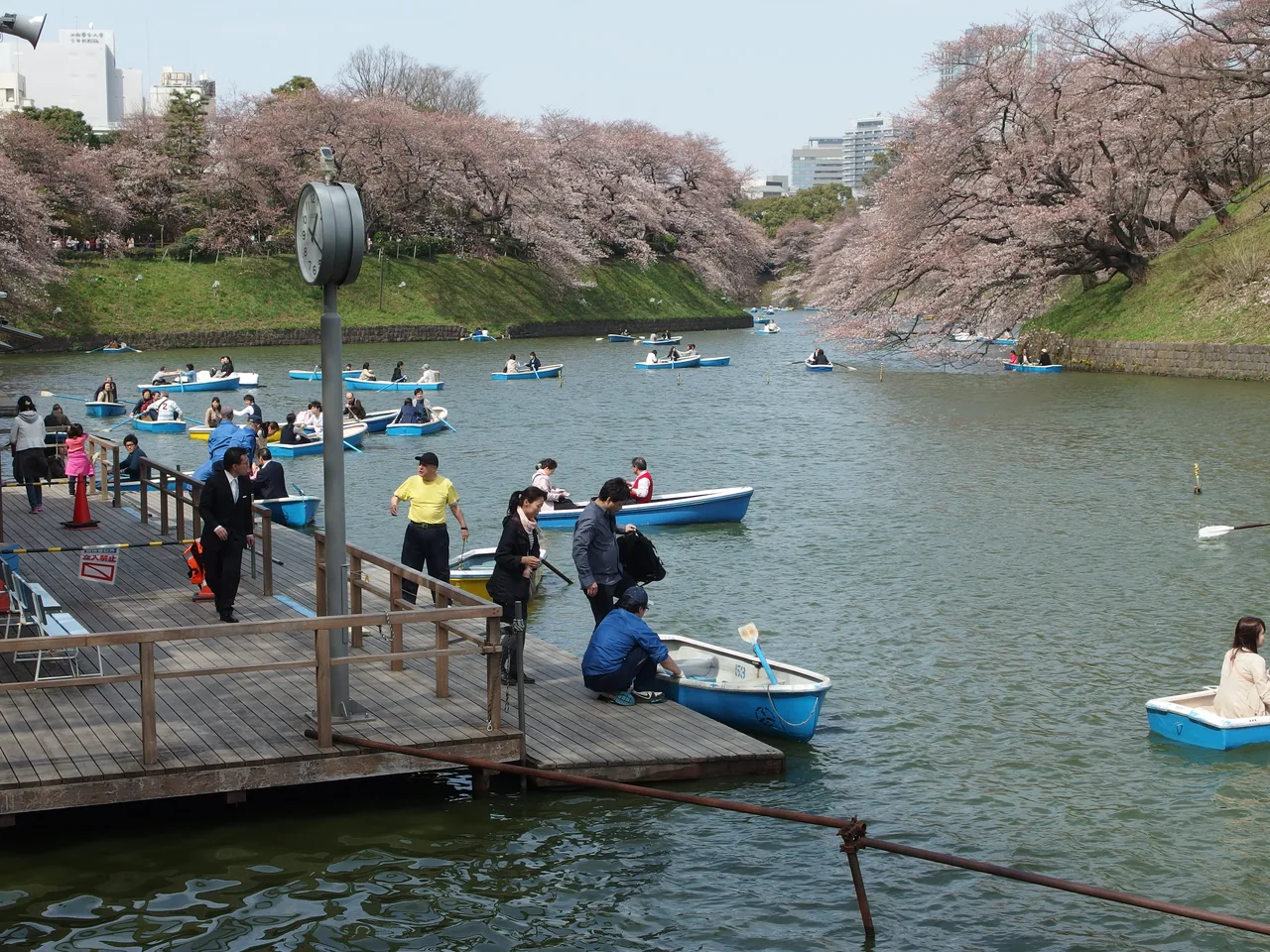
- Spring (cherry blossom): Late March into early April. For 2026, Tokyo’s bloom is forecast around March 19 with full bloom around March 28 (a forecast, not a guarantee). The classic spots are Ueno Park, Shinjuku Gyoen (entry ¥500, no alcohol allowed), Chidorigafuchi by the palace moat, and the Meguro River.
- Rainy season (tsuyu): Early June to mid-July. Warm, humid, and showery — pack a compact umbrella and lean on the indoor city.
- Summer: Hot and sticky, but the season of festivals and fireworks. The Sumida River Fireworks light up the sky on the last Saturday of July.
- Autumn (foliage): Mid-to-late November for the best color, with crisp, comfortable days.
- Winter: Mild and dry, the clearest views of Mt. Fuji, and dazzling winter illuminations across the city.
Crowds and closures to dodge
If your dates are flexible, aim for the shoulders of the busy seasons — late spring after Golden Week, or autumn before the foliage peak. For a deeper month-by-month breakdown, see the best time to visit, and if you’re locked into summer, our guides to Tokyo in July and Tokyo in August cover the heat, the festivals, and what to pack.
4. From the airport into the city
The right way in depends entirely on which airport you land at and where your hotel is. Tokyo has two: Narita Narita AirportMap, about an hour out to the east, and Haneda Haneda AirportMap, much closer to the center. Match the route to your destination and you’ll save both time and money.
From Narita
| Option | Goes to | Time | Fare |
|---|---|---|---|
| Narita Express (N’EX) | Tokyo Station | from 53 min | Round trip ¥6,280; visitor round-trip ticket ¥5,200 |
| Keisei Skyliner | Nippori / Ueno | 36–41 min | ¥2,580 at the window, ¥2,310 online |
| Keisei Access Express | Ueno / direct to Asakusa | varies | Ueno ¥1,280, Asakusa ¥1,380 |
| TYO-NRT bus | Tokyo Station | varies | ¥1,500 |
| Airport Limousine bus | Major hotels | varies | ~¥3,200 |
| Taxi | Anywhere | ~60+ min | ¥25,000–35,000 |
From Haneda (closer to town)
| Option | Goes to | Time | Fare |
|---|---|---|---|
| Tokyo Monorail | Hamamatsucho | ~13 min | ~¥520 |
| Keikyu Line | Shinagawa / direct to Asakusa | varies | Shinagawa ¥330 |
| Airport Limousine bus | Tokyo Station / Shinjuku | varies | ~¥1,200 / ~¥1,400 |
| Taxi | Central Tokyo | varies | ~¥7,000–8,500 |
Which to pick
- Staying near Tokyo Station, Ginza, or Marunouchi? Take the N’EX from Narita or the Monorail/Keikyu from Haneda.
- Staying near Ueno or Asakusa? The Skyliner or Access Express from Narita is unbeatable.
- Plenty of luggage or a late arrival? A limousine bus straight to your hotel door saves the transfers.
For platform-level detail, ticket machines, and step-by-step routes, see our full guide to getting from the airport into Tokyo.
5. Mastering Tokyo’s trains
Tokyo’s rail map looks terrifying and is actually easy once you learn three things: the Yamanote loop, the IC card, and the color-letter-number system. Do that and you’ll move around like a local.
The backbone
The JR Yamanote Line is your spine, threading the major hubs — Tokyo, Shinjuku, Shibuya, Ueno, Ikebukuro, Shinagawa — into one loop. Inside and across the ring runs the subway: 9 Tokyo Metro lines plus 4 Toei lines, 13 in all. You never need to read the Japanese names. Every line has a color, a letter, and numbered stations — Ginza Line G-09, for example — so you just follow the color and watch the numbers tick toward your stop.
Get an IC card
A Suica or Pasmo is a tap-to-ride card that works on almost every train, bus, and convenience-store counter in the city. Tap in, tap out, top up as you go.
- A physical card carries a ¥500 deposit that’s refunded when you return it. Sales of physical cards resumed in March 2025.
- Mobile Suica (in Apple Wallet or Google Wallet) has no deposit and is the easiest option for most visitors.
- The Welcome Suica is a visitor card valid for 28 days with no deposit — but it isn’t refundable, so use up the balance.
- The new Tourist PASMO, launched in May 2026, is another visitor option: no deposit and no service charge, valid for 28 days from first use, and designed to keep as a souvenir (it isn’t refunded). It’s sold at Narita (¥2,000) and Haneda and works nationwide on IC-compatible trains and buses.
The Tokyo Subway Ticket
This visitor-only pass is the city’s best transport deal, offering unlimited rides across all 13 Metro and Toei subway lines:
| Pass | Price | Covers |
|---|---|---|
| 24 hours | ¥1,000 | All 13 Metro + Toei subway lines |
| 48 hours | ¥1,500 | All 13 Metro + Toei subway lines |
| 72 hours | ¥2,000 | All 13 Metro + Toei subway lines |
Note: the Tokyo Subway Ticket does not cover JR lines, including the Yamanote. Pair it with an IC card for the JR gaps.
Do you need a rail pass?
For day trips out to Nikko or the Fuji area, the Tokyo Wide Pass (¥16,000 for 3 days) is the regional option.
Taxis and etiquette
Taxis start at ¥500 (about the first 1.1 km), with a 20% surcharge between 22:00 and 5:00. The GO app works in English and takes overseas cards. On the train itself, the unwritten rules matter: keep quiet, don’t take phone calls, give up priority seats, queue at the marked spots, and don’t eat onboard. Tap your Suica or IC card and you’re set.
Which ticket actually pays for itself is worked through in the Tokyo transport passes guide: base fares, the two different 700-yen day passes, and where the visitor ticket is sold.
6. Where to stay
For a first trip, base yourself on the Yamanote Line — Shinjuku or Shibuya for energy, Ginza or Tokyo Station for calm. Tokyo is so well connected that any of these neighborhoods works; it comes down to the atmosphere you want to step out into.
| Neighborhood | Best for | Trade-off |
|---|---|---|
| Shinjuku | All-rounder — transport, dining, nightlife | Busy and loud, especially around Kabukicho |
| Shibuya | Youthful energy, shopping, easy first-timer base | Crowded, ongoing redevelopment |
| Tokyo Station / Marunouchi | Business, Shinkansen access, upscale | Quiet at night, pricier |
| Ginza | Upscale and calm | Expensive, less local buzz |
| Asakusa | Traditional atmosphere, better value | Farther from the west-side nightlife |
Good alternatives include Ueno (museums, market, cheaper) and Ikebukuro (a major hub with its own subculture).
Types of accommodation
- Business hotels (¥5,000–8,000): compact, clean, well-located — the best value in the city.
- Capsule hotels (¥2,000–5,000): a quintessentially Tokyo budget experience.
- Ryokan (¥10,000–40,000+): traditional inns, often with a kaiseki dinner.
- Luxury (¥30,000–100,000+): some of the finest hotels in the world.
The accommodation tax
Tokyo charges a small lodging tax per person per night, based on the pre-tax room rate:
| Room rate (per person, per night) | Tax |
|---|---|
| Under ¥10,000 | None |
| ¥10,000–14,999 | ¥100 |
| ¥15,000 and up | ¥200 |
7. Shinjuku
Shinjuku is Tokyo’s biggest hub and its loudest, most concentrated jolt of energy — towers, neon, food, and nightlife stacked around the busiest station on Earth. If you want the futuristic-megacity Tokyo of the movies, you start here.
What to see and do
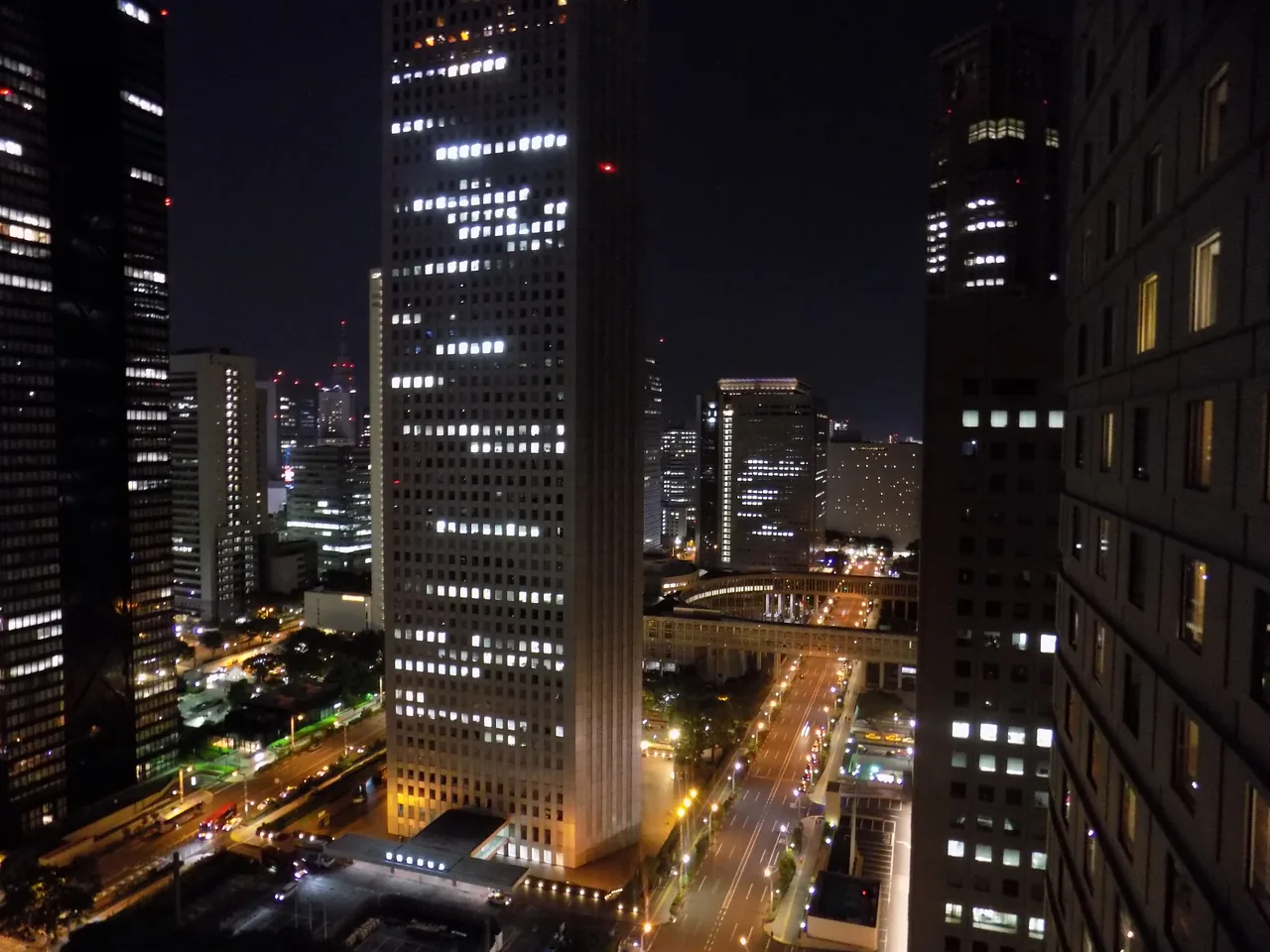
- Tokyo Metropolitan Government Building Tokyo Metropolitan Government BuildingMap — free observation decks at about 202 m (South deck 9:30–22:00, North deck 9:30–17:30). After dark, the building’s facade hosts TOKYO Night & Light, a free, Guinness-record projection show (summer screenings around 19:30, 20:00, 20:30, and 21:00).
- Shinjuku Gyoen Shinjuku GyoenMap — a magnificent garden (¥500, closed Mondays, no alcohol), spectacular in cherry-blossom season.
- Omoide Yokocho Omoide YokochoMap — a smoky, atmospheric alley of tiny yakitori counters.
- Golden Gai Golden Gai ShinjukuMap — around 200 micro-bars packed into a few lanes (check for cover charges before sitting down).
- Tokyu Kabukicho Tower (2023) — namco arcade, a food hall, and a cinema under one roof; plus the Shin-Okubo Koreatown nearby and the Hanazono Shrine tucked among the towers.
Eating here
Shinjuku is a yakitori and ramen mecca, home to the legendary Isetan depachika (the food floors beneath the department store) and the Korean food of Shin-Okubo.
Who it suits: nightlife, first-timers, and serious eaters. Station: Shinjuku (the world’s busiest interchange, on the Yamanote and many more).
8. Shibuya
Shibuya is young, trend-driven Tokyo at full volume — the city that feels like a movie set. The famous Scramble Crossing is just the start; this is a neighborhood built for wandering, shopping, and looking out over the skyline.
What to see and do
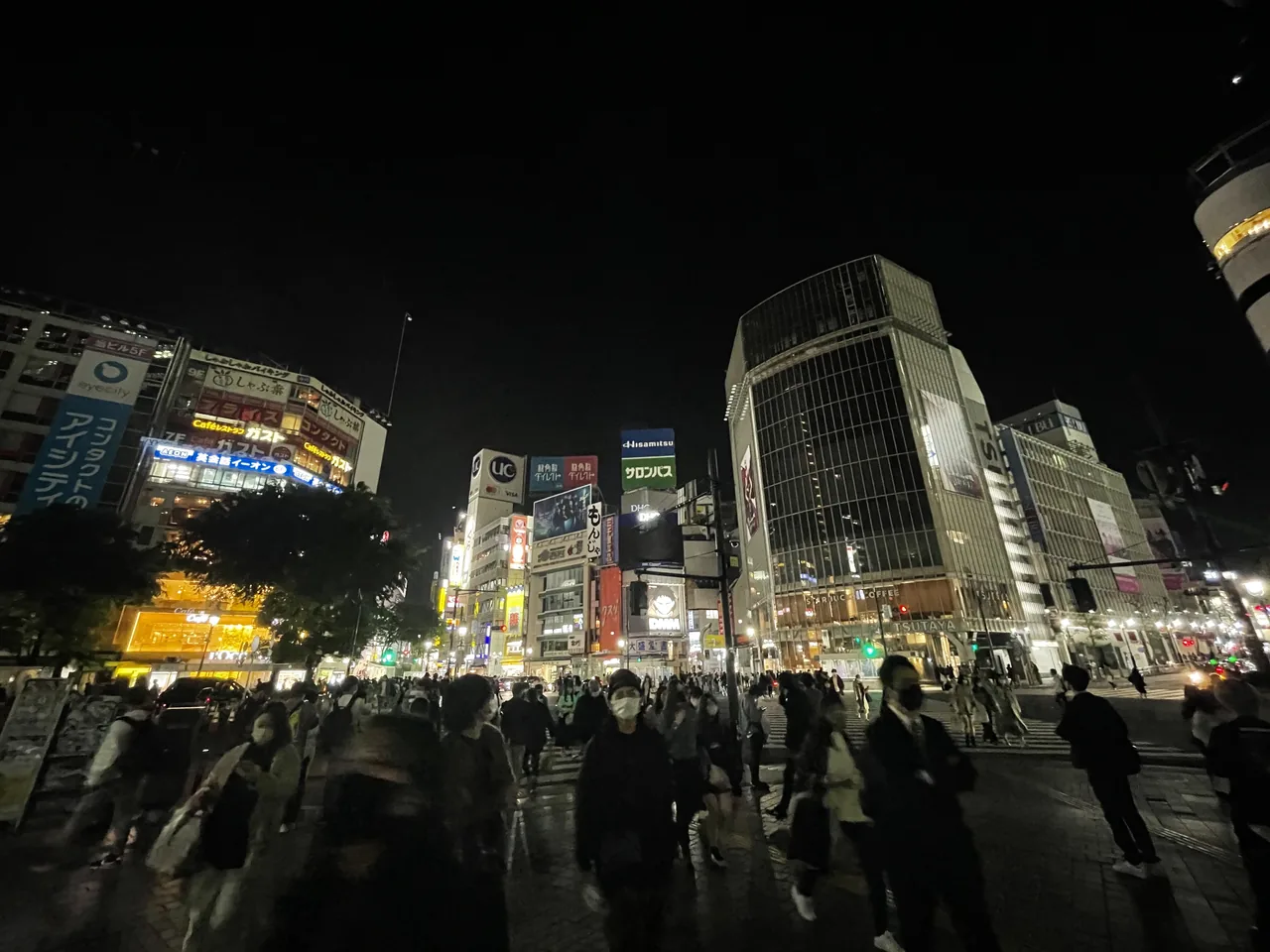
- Shibuya Crossing Shibuya CrossingMap — the world’s most famous intersection, best watched from above. The loyal-dog Hachiko statue stands just outside the station.
- Shibuya Sky Shibuya SkyMap — an open-air rooftop at about 229 m. Tickets are timed, and sunset slots sell out, so book ahead. Current pricing: before 15:00, ¥2,700 online / ¥3,000 on site; after 15:00, ¥3,400 online / ¥3,700 on site, with last admission at 21:20.
- Miyashita Park Miyashita ParkMap — a rooftop park above a shopping complex, with the lively Shibuya Yokocho food alley below.
- Nonbei Yokocho — a sliver of old Tokyo lined with tiny bars, plus the modern Scramble Square, Stream, and Hikarie towers, and the shopping of Center Gai and the 109 building.
Eating here
Shibuya Yokocho and Nonbei Yokocho cover the casual end, while ramen shops, depachika, and a strong late-night scene keep the area fed well past midnight.
Who it suits: first-timers, younger travelers, view-seekers, and shoppers. Station: Shibuya (on the Yamanote — pair it with Harajuku, one stop away).
9. Harajuku, Omotesando, and Aoyama
Three neighborhoods in one walk: kawaii teen fashion in Harajuku, designer flagships along leafy Omotesando and Aoyama, and the forested calm of the Meiji Shrine in between. Few places pack such range into so short a stroll.
What to see and do
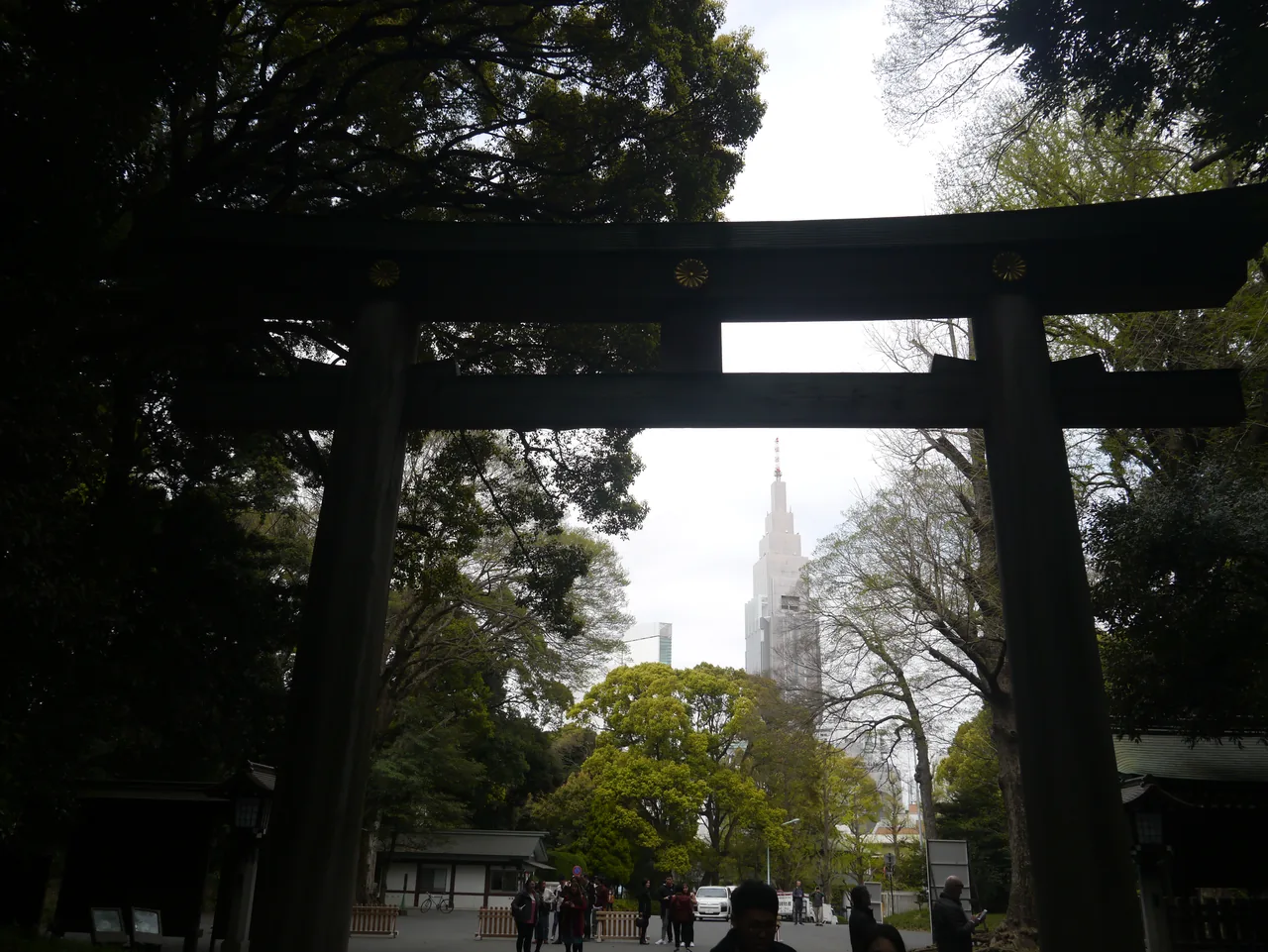
- Meiji Jingu Meiji JinguMap — Tokyo’s grandest Shinto shrine, set in a vast forest (free; open sunrise to sunset). The Inner Garden costs ¥500 and is famous for its June irises.
- Yoyogi Park — the sprawling green space beside the shrine, a Tokyo Sunday institution.
- Takeshita Street Takeshita StreetMap — the crowded heart of youth fashion, all crepes and cheap, colorful clothes.
- Omotesando OmotesandoMap — a tree-lined avenue of luxury flagships and showcase architecture, with vintage finds along Cat Street and the design-world Nezu Museum (a Kengo Kuma building with a serene garden) and the Prada Aoyama store nearby.
Eating here
Crepes, dessert cafes, and a strong specialty-coffee scene define the area — this is where Tokyo does trendy.
Who it suits: shoppers at every price point, fashion and design lovers, cafe-hoppers, and anyone who wants culture and shopping in one outing. Stations: Harajuku (Yamanote), Meiji-jingumae, and Omotesando.
10. Ginza
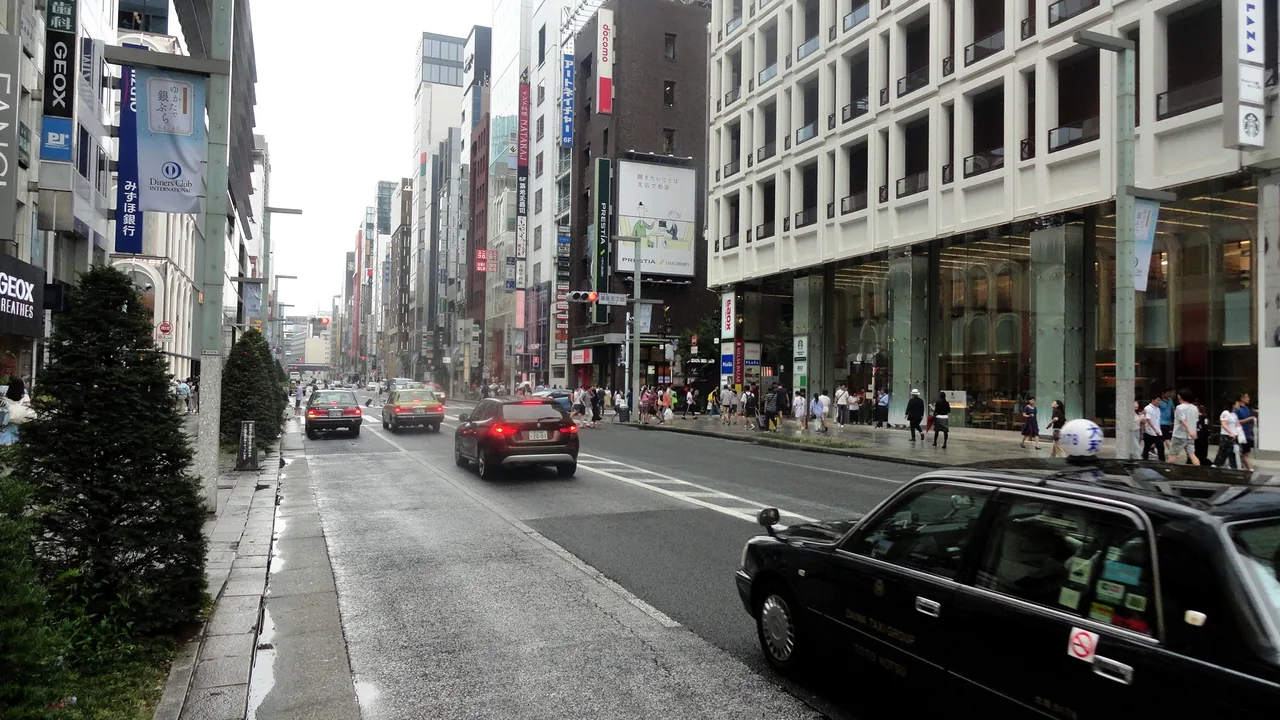
Ginza is Tokyo at its most polished — luxury, tradition, and exceptional food on grand, gallery-lined avenues. It’s where the city goes to dress up, but you don’t need a big budget to enjoy a walk through it.
What to see and do
- Kabukiza Theatre Kabukiza TheatreMap — Tokyo’s home of kabuki. You don’t have to commit to a full performance: single-act (hitomaku-mi) tickets let you sample the spectacle.
- Ginza Six — a flagship mall with a rooftop garden and a Noh theater in the basement.
- Itoya — a temple to beautiful stationery — alongside the landmark Wako clock tower at the 4-chome crossing and the Mitsukoshi and Matsuya department stores.
- Pedestrian paradise: on weekend afternoons, the main avenue closes to traffic and becomes a wide promenade.
Eating here
Ginza is the heartland of Tokyo’s finest sushi, along with kaiseki, tempura, and lavish depachika food halls.
Who it suits: luxury shoppers, culture-lovers (kabuki), serious diners, and couples or older travelers who want a refined pace. Stations: Ginza (Ginza, Marunouchi, and Hibiya subway lines) and Higashi-Ginza for the theater. Ginza isn’t on the Yamanote — walk in from Yurakucho or Shimbashi Ginza TokyoMap.
11. Asakusa and Tokyo Skytree
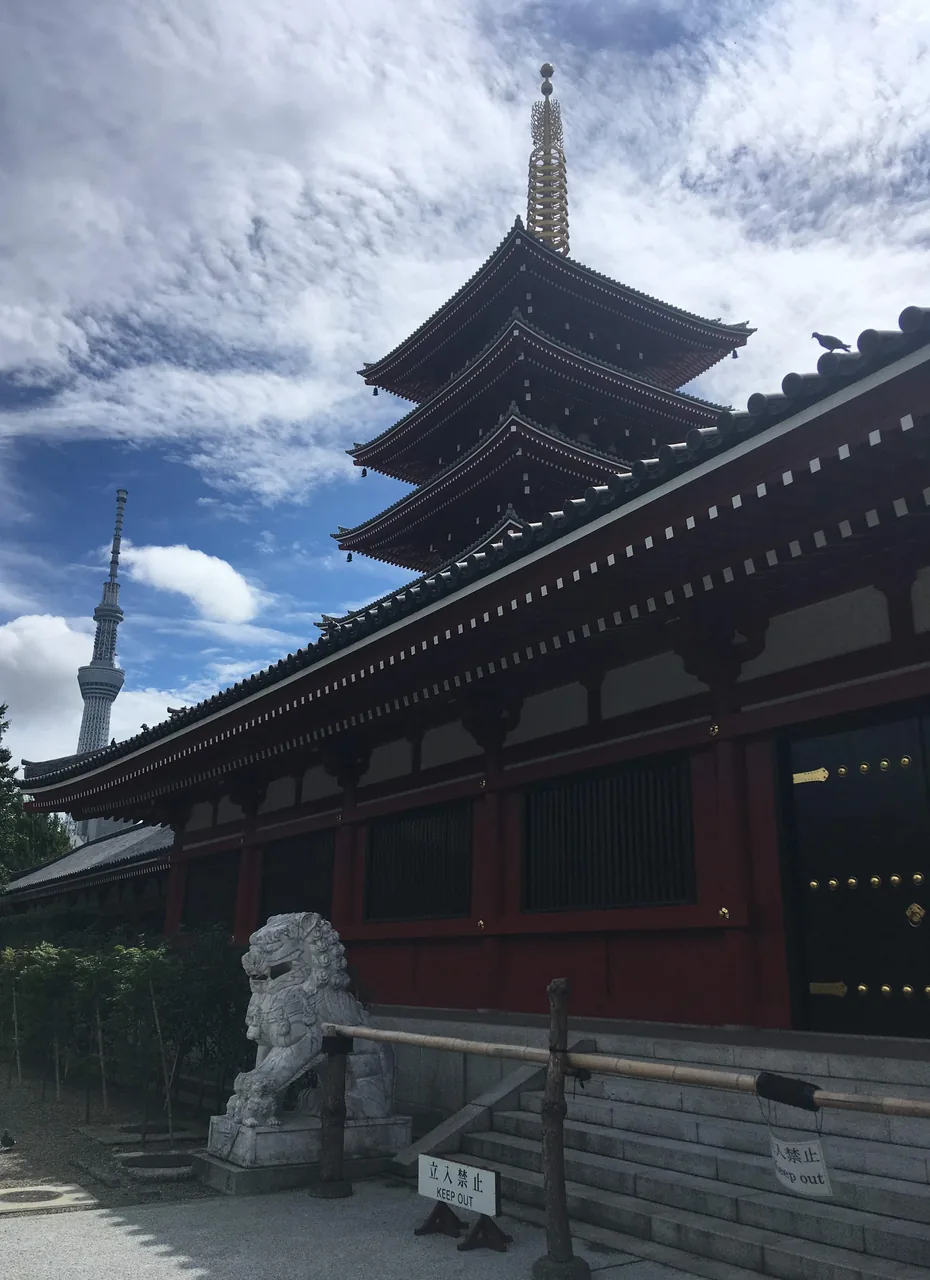
Asakusa is the spiritual heart of old Tokyo, and just across the river rises its ultramodern counterpoint, Tokyo Skytree — Edo tradition and 21st-century engineering in a single view. It’s the most atmospheric corner of the Shitamachi, and an easy first day.
What to see and do
- Senso-ji Senso-jiMap — Tokyo’s oldest temple, founded around 1,400 years ago. Enter through the great Kaminarimon KaminarimonMap gate, walk the roughly 250 m of Nakamise shopping street, and reach the five-story pagoda and main hall. The grounds are free and open around the clock; the main hall is open 6:00–17:00.
- Tokyo Skytree Tokyo SkytreeMap — at 634 m, one of the tallest towers in the world. The Tembo Deck at 350 m is from ¥1,800; the Tembo Galleria at 450 m is a combo from ¥3,000 (about ¥500 more if you buy on the day). Open 10:00–22:00.
- Around the river: Sumida Park for cherry blossoms, the gleaming Asahi “golden flame” building, Hanayashiki (Japan’s oldest amusement park), Sumida River cruises, the Sumida Aquarium, and Kappabashi, the street of kitchen and tableware shops.
Eating here
The Nakamise approach is street-food territory — ningyo-yaki cakes, age-manju (deep-fried buns), and freshly grilled senbei crackers.
Who it suits: first-timers, culture-seekers, and families. Stations: Asakusa (Ginza, Toei Asakusa, and Tobu lines) and Oshiage for the Skytree.
12. Ueno and Yanaka
Ueno is Tokyo’s museum-and-park hub fronted by a raucous street market, and a short walk north lies Yanaka, a maze of old lanes that survived the wars and the wrecking ball. Together they pair the city’s grandest culture with its gentlest backstreets.
What to see and do in Ueno
- Ueno Park Ueno ParkMap — a free, sprawling park and one of the city’s top cherry-blossom spots.
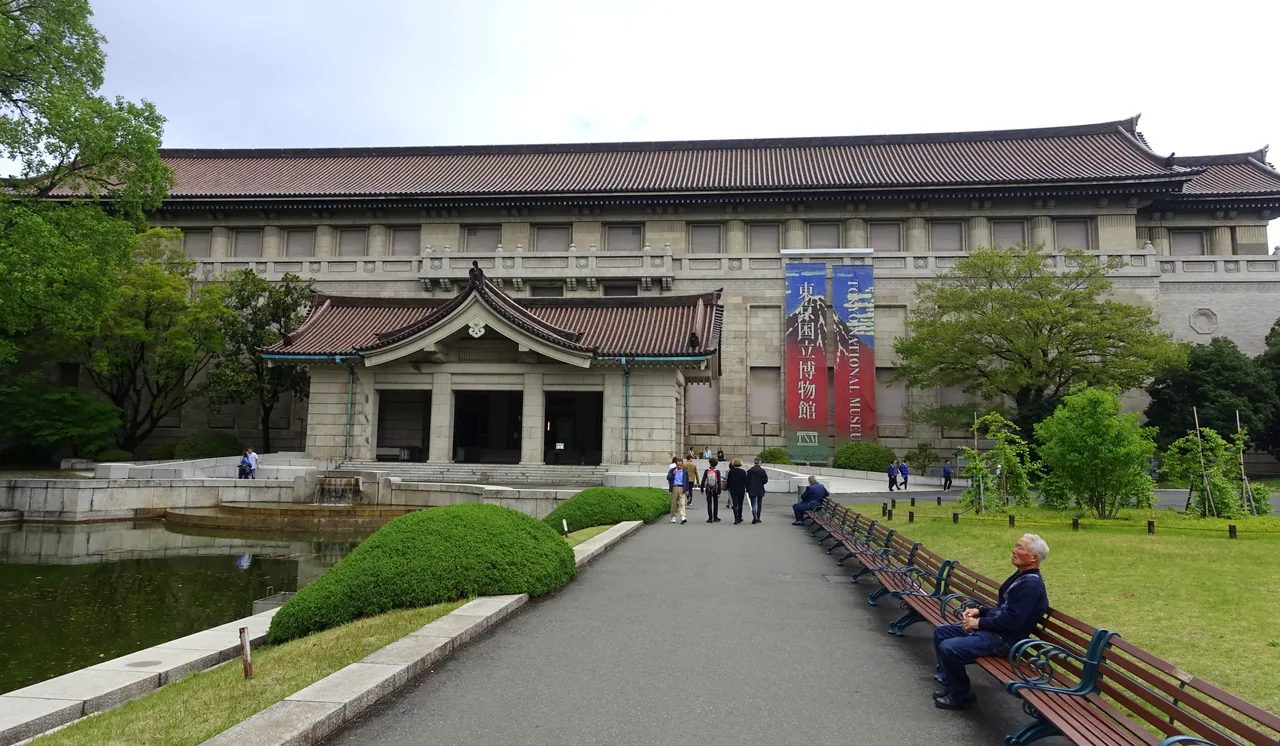
- Tokyo National Museum Tokyo National MuseumMap — the country’s premier collection (permanent exhibition ¥1,000, closed Mondays; open until 20:00 on Fridays and Saturdays, last entry 19:30).
- National Museum of Western Art National Museum of Western Art TokyoMap — a UNESCO-listed Le Corbusier building (¥500), beside the National Museum of Nature and Science (¥630, closed Mondays).
- Ueno Zoo (founded 1882) and Shinobazu Pond, plus the bustling Ameyoko market, around 400 stalls of food, snacks, and bargains under the train tracks.
Yanaka
Slip into Yanaka Ginza Yanaka GinzaMap, a charming shopping street known as a “cat town,” and wander the atmospheric Yanaka Cemetery and the red-torii tunnel of the Nezu Shrine.
Eating here: street snacks along Ameyoko and Yanaka Ginza. Who it suits: culture-lovers and families in Ueno, slow-travelers in Yanaka. Stations: Ueno (Yamanote); Nippori and Sendagi for Yanaka.
Ueno has a guide of its own now: the Ueno travel guide covers which station exit to use, what closes on which day of the week, and the Ameyoko market that runs south from the station.
13. Akihabara
Akihabara is the neon capital of otaku culture — electronics, anime, retro games, and maid cafes stacked floor upon floor. Whether you’re a serious collector or just curious, “Akiba” is one of the most distinctive walks in the city.
What to see and do
- Electric Town Akihabara Electric TownMap (Denki-gai) — the multi-floor electronics and hobby district that gives the area its name.
- Yodobashi Akiba — a vast electronics megastore that also houses a Pokemon Center, alongside the Mandarake complex for manga and collectibles, Animate, and the Radio Kaikan tower of specialty shops.
- Maid cafes and gachapon halls — themed cafes are an Akiba institution, and the capsule-toy halls dispense everything for ¥200–500 a turn.
- Super Potato — a beloved retro-game shop, and the new Silk Hat Akihabara (opened November 2025 in the former red SEGA building), a nine-floor arcade.
Eating here
Beyond the themed and maid cafes, look for cheap, fast stand-and-eat soba counters between the shops.
Who it suits: anime and gaming fans, and anyone shopping for electronics or collectibles. Station: Akihabara (Yamanote — use the Electric Town exit). On Sundays, the main street becomes a pedestrian paradise. Which building holds what, and which floor, is set out in our Akihabara guide.
14. Tokyo Station, Marunouchi & Nihonbashi
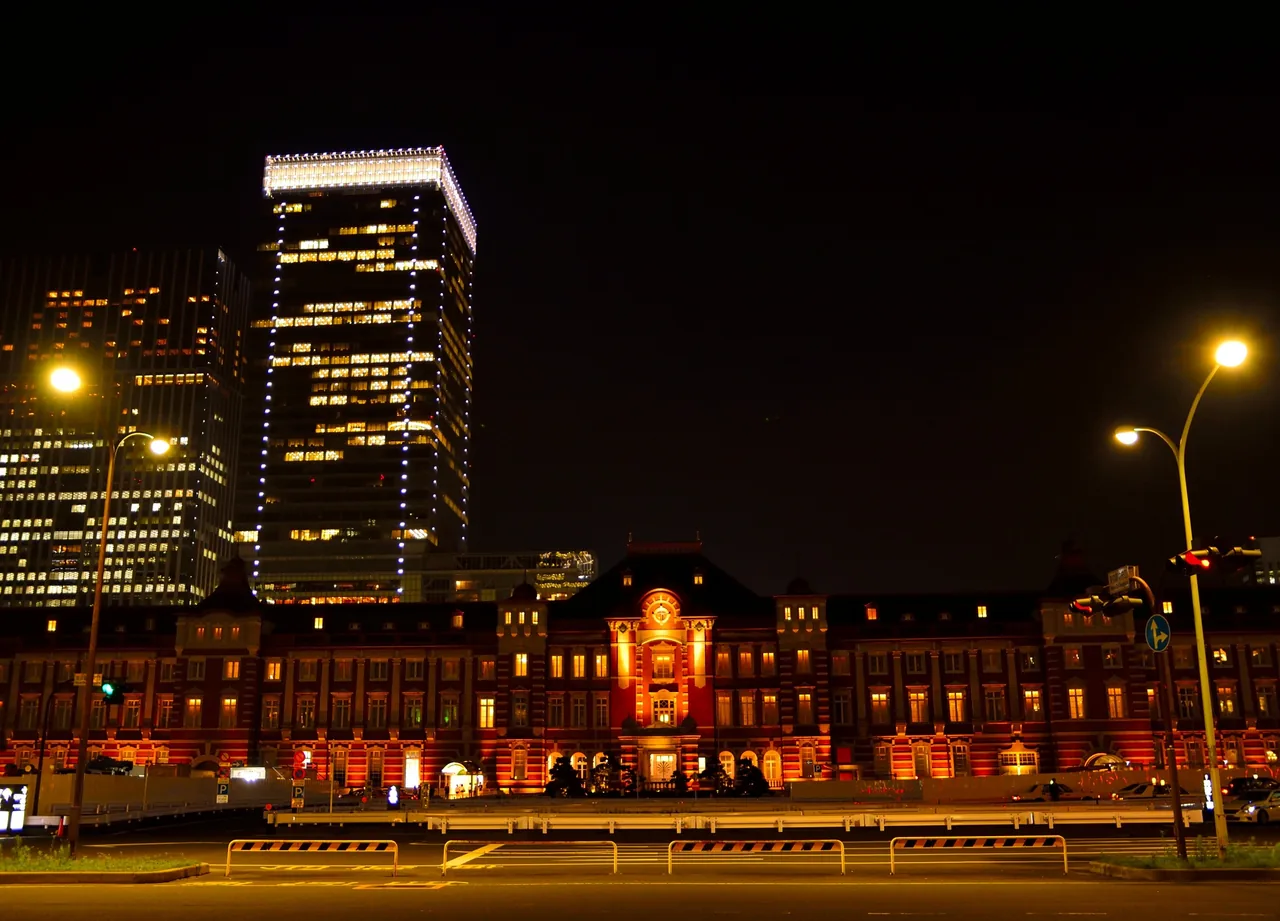
This is Tokyo’s grand front door — the red-brick station, the Imperial Palace next door, and a European-feeling district of high finance, refined shopping and underground food. If you arrive by Shinkansen or stay near the centre, you’ll pass through here constantly, and it’s worth slowing down for.
The 1914 Marunouchi side of Tokyo Station MarunouchiMap, fully restored to its original twin-domed silhouette, is one of the most photographed buildings in the city — best seen at dusk when it’s lit up and reflected in the open plaza. Step inside the marunouchi domes to look up at the restored relief ceilings, then dive into the warren of platforms (around 16 lines, including the Yamanote loop and most Shinkansen).
What to see and do
- Imperial Palace East Gardens — the free, walkable remains of Edo Castle: massive stone ramparts, the old keep foundation and seasonal gardens. ⚠️ Closed Mondays and Fridays, so build it into a Tuesday-to-Thursday plan.
- KITTE — a former post office turned design mall, with a free rooftop garden that looks straight down onto the station’s brick roofline (one of the best free views in central Tokyo).
- Tokyo Character Street & Ramen Street — in the basement on the Yaesu side: a corridor of anime and TV-character shops, plus eight famous ramen counters including the much-loved Rokurinsha tsukemen.
- Marunouchi Naka-dori — a tree-lined avenue of flagship boutiques, cafés and public art, pedestrianised on weekends.
- Nihonbashi — the stone Nihonbashi BridgeMap that marks Japan’s “zero milestone”, the kilometre-zero point from which all distances were once measured. Around it sit the original Mitsukoshi department store, COREDO Muromachi’s food and craft halls, and traditional wagashi (sweet) shops.
- Mitsubishi Ichigokan Museum — a jewel-box brick gallery in a recreated Meiji-era building, strong on European art.
Where to eat
Tokyo Station is a destination in itself for food. Hunt down an ekiben (artful station bento) at GRANSTA before a Shinkansen, line up at Tokyo Ramen Street, or go upmarket in the Marunouchi towers. Nihonbashi rewards anyone who likes old-line confectioners and depachika (department-store food halls).
Best for: first-timers who want the central hub plus the palace, shoppers, families and anyone Shinkansen-bound. The closest Yamanote stop for the whole area is, of course, Tokyo Station.
15. Roppongi & Azabudai Hills
This is Tokyo’s art-and-nightlife quarter, freshly crowned by 2023’s super-luxury Azabudai Hills. By day it’s museums and skyline views; after dark Roppongi turns into one of the city’s busiest international party districts. The two “Hills” complexes — Roppongi Hills and Azabudai Hills — anchor everything.
Roppongi Hills
- Mori Art MuseumMap — contemporary art on the 53rd floor of Mori Tower, open unusually late (to 22:00 most days, to 17:00 Tuesdays). Pricing varies by exhibition, roughly ¥2,300–2,500.
- Tokyo City View — an indoor observation deck on the 52nd floor, often bundled with the museum ticket.
- Tokyo Tower — the orange-and-white 1958 icon is an easy walk away and looks fantastic from the Hills.
Azabudai Hills
Opened in late 2023, this is the newest face of luxury Tokyo, crowned by the Mori JP Tower — currently Japan’s tallest building at roughly 325–330 m. It’s also the new home of one of the city’s headline attractions:
- teamLab Borderless Azabudai HillsMap — the “borderless” digital-art museum, where artworks wander between rooms and react to you. It reopened here in February 2024 (after leaving Odaiba), tucked into the B1 of Garden Plaza B. Adult tickets run roughly ¥3,800–4,800 depending on date; closed the 1st and 3rd Tuesday of the month; open roughly 9:00–21:00. Tickets are timed and sell out — book ahead. (The full teamLab comparison and booking box is in the experiences section below.)
The wider neighbourhood also forms Tokyo’s “Art Triangle” with the National Art Center (a Kurokawa-designed glass wave, free permanent collection, ticketed shows) and the Suntory Museum of Art in nearby Tokyo Midtown.
Where to eat: both Hills complexes are stacked with high-end and international dining, and the Azabudai food hall (Hills House) is a more casual way in. Best for: art lovers, luxury seekers, night owls and view-chasers. Stations: Roppongi (Hibiya, Oedo lines) and Kamiyacho (for Azabudai). Pin: Azabudai HillsMap.
16. Odaiba & Toyosu (the bay)
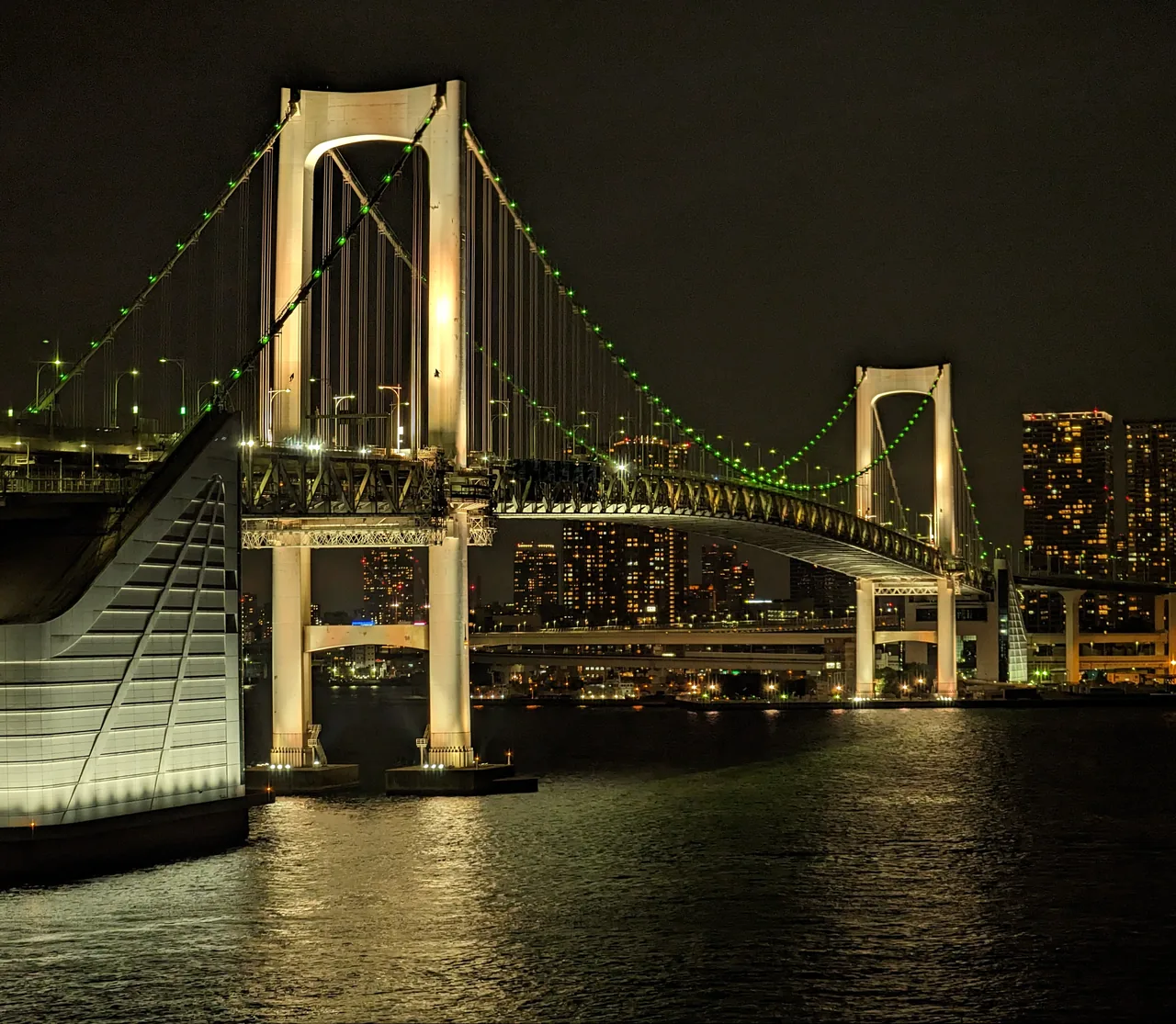
Tokyo’s waterfront is the city’s family-and-entertainment zone, built on reclaimed islands in the bay with wide skyline views back across the water. It sits outside the Yamanote loop, reached by the driverless Yurikamome monorail or the Rinkai line — half the fun is the ride out over Rainbow Bridge.
Odaiba
- Odaiba Seaside ParkMap — a sandy bay-front promenade with a replica Statue of Liberty and postcard views of Rainbow Bridge (which you can also cross on foot).
- Unicorn Gundam Statue — the towering RX-0 outside DiverCity, which “transforms” between its modes daily (around 11:00, 13:00, 15:00 and 17:00). ⚠️ This statue is scheduled to end its display on 31 August 2026 — if seeing it matters to you, plan accordingly.
- Aqua City & DECKS — bay-side malls bundling Legoland Discovery Center, Madame Tussauds and the Joypolis indoor amusement park.
- Immersive Fort Tokyo — an immersive theatre-and-attraction park that opened in March 2024 on the former Venus Fort site.
- Miraikan — the excellent National Museum of Emerging Science and Innovation (home of the ASIMO-legacy robot demos and a giant globe). ⚠️ Closed for renovation from 1 October 2026 until 22 April 2027 — autumn and winter 2026 visitors should skip it.
Toyosu
- Toyosu MarketMap — the working wholesale fish market that replaced Tsukiji’s inner market in 2018. You can watch the famous tuna auction from a free upper viewing gallery (roughly 5:30–6:30), or enter a lottery for the closer lower-deck viewing.
- teamLab Planets ToyosuMap — the barefoot, wade-through-water digital-art experience (different from teamLab Borderless). Its run has been extended to the end of 2027; adult tickets from around ¥3,600.
- Senkyaku Banrai — an Edo-style food village with an onsen on top, opened in February 2024 right by Toyosu Market.
- LaLaport Toyosu — a big waterfront mall, handy on a rainy or hot day.
Best for: families, view-seekers, Gundam fans (through August 2026) and rainy days. Transport: Yurikamome or Rinkai line — not the Yamanote loop. Note that Sushi Dai and Daiwa Sushi, the cult breakfast-sushi counters, moved here with the market.
17. More neighbourhoods worth your time
Tokyo rewards wandering, and these districts each have a distinct character once you’ve covered the big hubs. Pick by mood.
Ikebukuro
The northern hub and a haven for female anime fans. Sunshine City IkebukuroMap packs in an observation deck and an aquarium famous for its “penguins in the sky” overhead tank. Pokémon Center Mega Tokyo is the largest in the city. Add Otome Road (anime and doujin shops) and the Namjatown indoor theme park.
Shimokitazawa
Indie, vintage and bohemian: tightly packed second-hand clothing, record stores, tiny live-music venues and beloved curry shops, plus newer complexes like reload, Mikan Shimokita and BONUS TRACK. One stop from Shibuya. Shimokitazawa StationMap.
Nakameguro / Daikanyama / Ebisu
Grown-up and stylish. The NakameguroMap canal blooms with around 800 cherry trees (lit up at night in season) and hosts the Starbucks Reserve Roastery. Daikanyama Tsutaya is a design-lover’s bookstore; Ebisu is a foodie district anchored by Yebisu Garden Place and the Museum of Yebisu Beer Tokyo, renewed and reopened in April 2024.
Ryogoku
The home of sumo: Ryogoku KokugikanMap hosts the Tokyo grand tournaments in January, May and September. The Edo-Tokyo Museum reopened on 31 March 2026 after a four-year refurbishment (permanent exhibition around ¥800). Eat chanko-nabe, the sumo hot pot, and visit the small Sumida Hokusai Museum.
Kagurazaka
“Tokyo’s little Paris”: cobbled lanes, a former geisha quarter, and an unusually high concentration of French bistros and hidden traditional restaurants.
Jimbocho
The legendary used-book district — well over a hundred second-hand and antiquarian bookshops, plus a cluster of famous old curry houses.
If you have five days or more, swapping one big-name area for a neighbourhood like Shimokitazawa or Yanaka is what turns a sightseeing trip into a feel for how Tokyo actually lives.
18. Experiences you shouldn’t miss
If you only do a handful of “big” Tokyo things, make them these. This is the curated shortlist — landmarks, views, immersive art, sumo and gardens — with the practical details that trip people up.
Iconic landmarks
Senso-ji in Asakusa, the forest shrine of Meiji Jingu, the free Imperial Palace East Gardens (⚠️ closed Mondays and Fridays) and the Shibuya scramble crossing are the four that define a first visit. None of them cost more than a garden entry, and three are free.
Observation decks
| Deck | Height / vibe | Price (approx.) |
|---|---|---|
| Shibuya Sky | ~229 m open-air rooftop, best at sunset | From ¥2,700 online before 15:00, up to ¥3,700 on-site after 15:00; last entry 21:20 |
| Tokyo Skytree | 350 m Tembo Deck / 450 m Tembo Galleria | From ¥1,800 (deck); combo from ¥3,000; +¥500 same-day at door |
| Tokyo Tower | 150 m Main Deck / 250 m Top Deck | Main Deck ¥1,500; Top Deck tour ¥3,300 online |
| Free options | Tokyo Metro. Gov’t Building + Night & Light; Shibuya Hikarie 11F | Free |
Immersive art: teamLab
| teamLab Borderless | teamLab Planets | |
|---|---|---|
| Where | Azabudai Hills (moved here Feb 2024) — not Odaiba any more | Toyosu (extended to end of 2027) |
| Experience | Artworks roam between rooms; a maze you explore | Barefoot; you wade through water and light |
| Best for | Wandering, getting lost, photography | Sensory, families, the “water room” shots |
| Price | ~¥3,800–4,800 | From ~¥3,600 |
Both are timed-entry and frequently sell out; book before you fly. Don’t try to do both in one day.
Sumo
The Tokyo grand tournaments (basho) run for 15 days each at Ryogoku KokugikanMap in January, May and September. In 2026 the dates are roughly 11–25 January, 10–24 May and 13–27 September. Chair seats are good value at around ¥3,500–11,000 and should be booked in advance — same-day tickets have effectively disappeared. Outside tournament season, a guided morning-practice (keiko) tour at a sumo stable is the next best thing.
Traditional gardens
| Garden | Entry | Hours / note |
|---|---|---|
| Shinjuku GyoenMap | ¥500 | Closed Mondays; no alcohol; superb for cherry blossom |
| Rikugien | ¥300 | Evening illuminations in spring and autumn |
| Hama-rikyu | ¥300 | Tidal seawater pond; reachable by river bus from Asakusa |
| Koishikawa Korakuen | ¥300 | One of Tokyo’s oldest landscape gardens |
For multi-attraction sightseeing, a bundled city pass can save money if you’re hitting several paid sights in a day.
19. Eating in Tokyo
Tokyo is, by most measures, the best food city on earth — it has topped the Michelin star count worldwide for 18 years running. But the magic is just as much in a ¥470 beef bowl, a midnight ramen counter and a department-store food hall as it is in the omakase temples. Here’s how to eat well at any budget.
The signatures
- Sushi — from conveyor-belt plates (from ~¥110) to counter omakase (from ~¥3,000, climbing into the tens of thousands). The Toyosu auction supplies the city; the Tsukiji outer market is still very much open for casual eating.
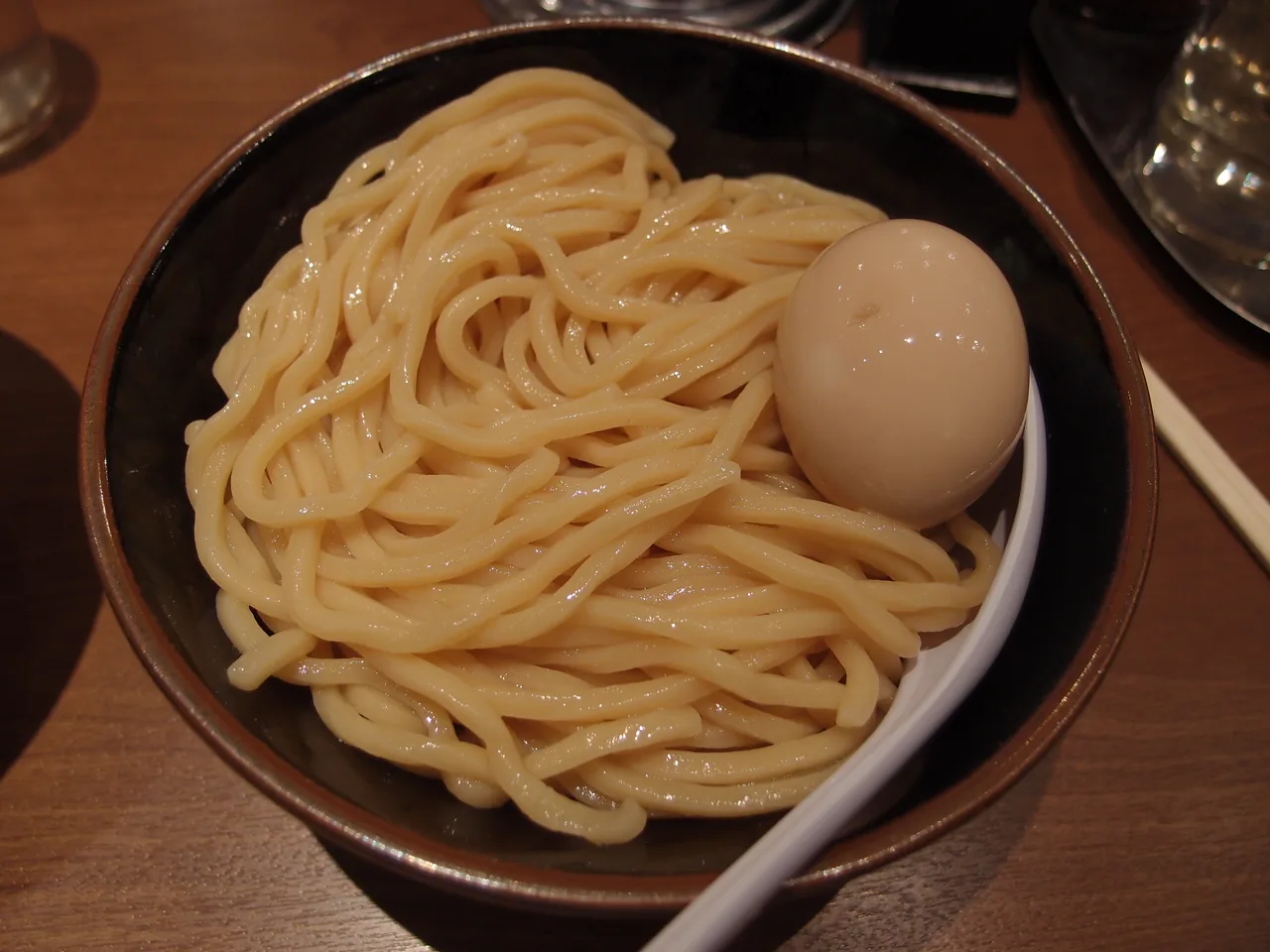
- Ramen — Tokyo-style is clear shoyu (soy), but you’ll find tonkotsu, miso and tsukemen (dipping) everywhere. Around ¥800–1,000 a bowl; Rokurinsha at Tokyo Ramen Street and the Ogikubo shops are pilgrimage-worthy.
- Tempura, tonkatsu, unagi, soba/udon — see the price guide below. Note unagi (eel) is genuinely expensive now because the species is endangered, so a good kabayaki set isn’t cheap.
- Monjayaki — the runnier Tokyo cousin of okonomiyaki; head to Tsukishima’s “Monja Street”, with 80-plus shops.
- Yakitori & izakaya — grilled skewers (¥400–600) and small plates; just be aware of the otoshi (a small seated-cover charge) at many izakaya.
- Wagyu — A5 grades and teppanyaki, concentrated in Ginza.
Rough price bands
| Dish / style | Typical cost |
|---|---|
| Gyudon (beef bowl), convenience-store meal | ¥470–600 |
| Ramen, soba / udon | ¥500–1,500 |
| Tonkatsu, tempura set | ¥1,000–4,000 |
| Yakitori / izakaya per skewer (plus drinks) | ¥400–600 each |
| Unagi (eel) set | ¥3,000–7,000 |
| Counter sushi omakase | ¥3,000–15,000+ |
| High-end omakase / kaiseki | ¥15,000–50,000+ |
How to eat like a local
- Depachika — the basement food halls of department stores are a feast in themselves; Isetan Shinjuku’s is the most famous.
- Yokocho — atmospheric alleys of tiny bars and grills: Omoide Yokocho, Golden Gai, the Ebisu lanes.
- Tachinomi — stand-and-drink bars; cheap, fast and very local.
- Ticket machines — many ramen and teishoku shops have you buy a meal ticket from a vending machine at the door before you sit.
- Convenience-store food — genuinely good: onigiri, egg sandwiches, fried chicken and seasonal sweets.
Michelin Tokyo, accurately
The 2026 Michelin guide awards Tokyo 160 stars in total — 12 three-star, 26 two-star and 122 one-star restaurants — plus 114 Bib Gourmand picks, keeping it the most-starred city in the world. (One note for planners: Sézanne lost its third star in 2026, so don’t go in expecting a current three-star there.)
Booking, diets and tipping
For top tables, book through TableCheck, Pocket Concierge, OMAKASE or Tabelog — the best sushi counters go two to three months ahead. Vegetarians and vegans should beware that dashi (the base stock) is usually bonito-based even in “vegetable” dishes; HappyCow helps for halal and plant-based spots. There is no tipping in Japan — none, anywhere.
Cafés & sweets
Don’t miss the old-school kissaten (try L’Ambre or Kayaba Coffee), third-wave coffee (% Arabica in Nakameguro, Blue Bottle), summer kakigori shaved ice (Himitsudo) and towering fruit parfaits.
For how to pay across all of this, see cash and cards in Japan.
20. Pop-culture & themed Tokyo
Tokyo is the world capital of pop culture, and you can build whole days around anime, games and characters. A few key facts up front, because guides get these wrong constantly.
- Akihabara — the otaku heartland: electronics arcades, maid cafés, retro-game floors and gachapon (capsule-toy) halls. (Full rundown in the Akihabara section above.)
- Ghibli Museum MitakaMap — the whimsical Studio Ghibli museum in Mitaka, west Tokyo. Advance reservation only (domestic tickets via Lawson on the 10th of each month; overseas visitors book through JTB). Adult ¥1,000; closed Tuesdays. ⚠️ This is the Ghibli Museum, not Ghibli Park — the park is in Aichi, near Nagoya, a different place entirely.
- Pokémon — Pokémon Center Mega Tokyo (Ikebukuro), plus stores in Shibuya PARCO and the Nihonbashi “DX” flagship, and the reservation-only Pokémon Café.
- Nintendo Tokyo — the official Nintendo store in Shibuya PARCO. ⚠️ Super Nintendo World is in Osaka, not Tokyo — there’s no theme-park ride here, just the store.
- Warner Bros Studio Tour TokyoMap — “The Making of Harry Potter” at Toshimaen, opened June 2023: a vast indoor walkthrough of sets, costumes and props, roughly four hours. Reservation only. ⚠️ Prices rise on 1 July 2026 — adult tickets go from around ¥6,300 to roughly ¥6,600–7,300, so an earlier visit (or earlier booking) is cheaper.
- Character cafés — Kirby Café and many others, almost all reservation-only.
- Sanrio Puroland — a fully indoor Hello Kitty theme park (from ~¥2,500), great in any weather.
Plan the ticketed venues first — Ghibli Museum, the Harry Potter tour and character cafés all need booking days to weeks ahead — then slot the free browsing of Akihabara and the Pokémon shops around them.
21. Tokyo with kids & families
Tokyo is wonderfully easy with children — spotless, safe, full of indoor backups for bad weather, and packed with attractions that don’t feel like a chore for adults either. Here’s where to point a family.
The headline picks
- Tokyo Disneyland & DisneySea — the obvious one, and DisneySea’s Fantasy Springs area (opened 2024) is a major draw. One-day tickets are date-priced, roughly ¥7,900–10,900. See our Tokyo Disney guide for which park to choose.
- teamLab Planets (Toyosu) — barefoot, splashing through water and light; kids love it, but bring a change of clothes.
- Ghibli Museum (Mitaka) — magical for fans, but reservation only, so book early.
- Ueno Zoo — Japan’s oldest zoo, still a lovely half-day. Note that there are no pandas in 2026 (see the warning below).
- Aquariums — Sunshine Aquarium (Ikebukuro, with its “sky penguins”) and the Sumida Aquarium beneath Skytree.
- Odaiba — Legoland Discovery, Joypolis, Miraikan (⚠️ closed Oct 2026–Apr 2027) and the bay-front parks.
- Sanrio Puroland — fully indoor, a guaranteed win on a rainy day.
22. Day trips from Tokyo
Some of the best of “Tokyo” is a short train ride out of it. Hot springs, a giant bronze Buddha, a UNESCO shrine complex and the classic Mount Fuji view are all doable as day trips — and several are an hour or less away. Match the trip to how much time and energy you have. Karuizawa is the one on this list that is forest and old villas rather than temples or hot springs, and it is the only one with a large outlet mall attached to the station: Karuizawa travel guide.
| Destination | One-way time | Rough fare | Why go |
|---|---|---|---|
| Yokohama ChinatownMap | ~25–30 min | ¥310 from Shibuya, ¥528 from Tokyo Station | Half-day: Chinatown, Minato Mirai bay, Cup Noodles Museum |
| Kamakura Great BuddhaMap | ~57 min | ~¥1,040 | The Great Buddha (Kotoku-in), Hasedera, the Enoden tram; pair with Enoshima |
| HakoneMap | ~85 min (Romancecar) | 2-day Free Pass ¥7,100 + Romancecar ¥1,200 | Owakudani, the Lake Ashi pirate ship, open-air museum, onsen — worth an overnight |
| Nikko | ~1 h 47 (Tobu) | ~¥3,050; World Heritage pass ¥3,000 | The UNESCO Toshogu shrine, Kegon Falls, mountain scenery |
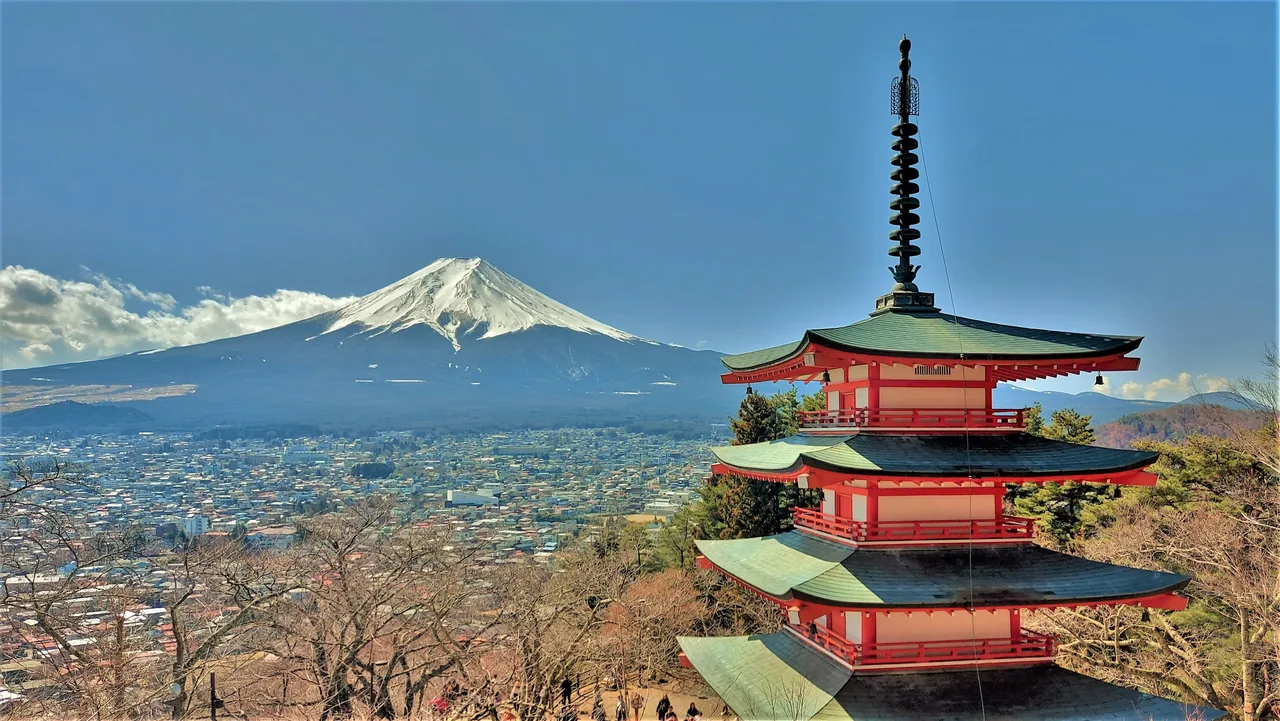
| Lake KawaguchikoMap | ~1 h 55 (Fuji Excursion) | ~¥4,130 (or bus ~¥2,200) | Mount Fuji views, Chureito Pagoda, Oshino Hakkai, Fuji-Q Highland |
| Kawagoe | ~30 min (Tobu) | ~¥490 | “Little Edo” warehouse streets, the bell tower, Penny Candy Lane |
| Enoshima | via Kamakura | ~¥800 + tower | Sea Candle observation tower, the Iwaya caves; combine with Kamakura |
| Mount Takao | ~50 min (Keio) | ~¥400 | The world’s most-climbed mountain; cable car, easy hike, great views |
If you’d rather not work out the trains and passes yourself, a guided day tour bundles transport and highlights into one booking.
One nearby giant that isn’t on this list because it deserves its own day: Tokyo Disney Resort — see our Tokyo Disney guide.
Yokohama is 30 minutes away and has 162 sights of its own, 96 of them within 2 km of one station. The Yokohama travel guide covers the district layout, the day passes and which attraction closes on which weekday.
23. Tokyo in the rain & by season
Rain barely slows Tokyo down. So much of the city is connected underground or station-to-mall that you can spend a wet day moving from museum to observation deck to department store without ever opening an umbrella. The trick is to chain together places that link directly to a station.
Aquariums (Sunshine, Sumida), the teamLab museums, department-store food halls, the Ghibli Museum, Sanrio Puroland and the major art museums are all weatherproof. For a full wet-weather itinerary built around covered, station-connected stops, see Tokyo’s best rainy-day indoor plan.
By season, Tokyo also has its set-piece moments: cherry blossom at Ueno, Shinjuku Gyoen, Chidorigafuchi and the Meguro River in late March; vivid maples in mid-to-late November; and winter illuminations across the city, when the dry, clear air also gives the best chances of seeing Mount Fuji on the horizon. The “when to go” section above has the full seasonal breakdown.
24. Budgeting your Tokyo trip
Tokyo can be done cheaply or extravagantly — and for many foreign visitors it currently feels like good value, because the yen has been weak (around ¥150–160 to the dollar through 2024–25). Exchange rates move, so treat any conversion as a snapshot, but the local prices below are stable.
| Style | Per day (excl. flights) | What it covers |
|---|---|---|
| Backpacker | ¥7,000–10,000 | Hostel or capsule, convenience-store and chain meals, mostly free sights and walking |
| Mid-range | ~¥22,000 | A solid business hotel, a mix of casual and one nicer meal, a paid attraction or two, IC-card transport |
| Luxury | ¥72,000–80,000+ | High-end hotel, omakase or kaiseki dining, taxis, premium experiences |
What things actually cost
- Food per day: eating well on the cheap runs about ¥1,500–3,000 — a gyudon from ¥470, a convenience-store meal around ¥600, a bowl of ramen ¥800–1,000.
- Transport: most days inside the city land around ¥600–1,000 on an IC card; the Tokyo Subway Ticket (¥1,000/24h, ¥1,500/48h, ¥2,000/72h) can beat that if you ride a lot.
- Attractions: budget ¥1,000–3,500 per paid sight (observation decks, teamLab, museums); plenty of the best things — shrines, gardens under ¥500, neighbourhood walks, the free city-hall deck — cost little or nothing.
25. Practical essentials
Get these few practical things sorted and Tokyo becomes one of the easiest big cities anywhere to travel.
Staying connected
You’ll want data from the moment you land — for maps, translation and train apps. An eSIM is the simplest option for most phones, with pocket Wi-Fi and patchy free Wi-Fi as backups. See eSIM and data options.
Money
Cards are widely accepted, but cash is still genuinely useful — small restaurants, shrines, markets and older shops are often cash-only. The 7-Bank ATMs in 7-Eleven stores take foreign cards (around ¥220 fee). Load an IC card (Suica/Pasmo) for transport and many shops. Full guidance in cash, cards and ATMs.
Language
English signage is good on trains and at major sights, and a translation app (Google Translate with the camera “Lens” mode, or VoiceTra) bridges the rest. A few polite phrases go a long way.
Etiquette & safety
Tokyo is among the safest major cities on earth. The main things to get right are social: stay quiet on trains, take your shoes off where indicated, carry your rubbish until you find a bin, and learn the onsen rules. There is no tipping. The full rundown is in our Japan etiquette guide.
Luggage
Coin lockers (¥300–1,000) are everywhere, hotels usually hold bags for free, and the Yamato takkyubin courier service will send a suitcase ahead — say to Kyoto or the airport — for around ¥2,000–2,500. Toilets, by the way, are clean, free and often heated washlets.
26. What to read next
This guide is the hub. When you’re ready to go deeper on a specific piece of the trip, these are the companion reads — every one written for foreign visitors, the same as this page.
Getting in & around
From the airport to central Tokyo · Suica & IC cards explained
Plan by weather
Tokyo’s best rainy-day indoor plan · The best time to visit Japan