
Rainy Day in Tokyo: Indoor Courses for Roppongi, Ueno and Shibuya-Shinjuku
Rain in Tokyo is barely an inconvenience. Pick one of three station-linked areas, stay under cover almost the entire day, and the city’s best museums, digital art, and skyline views are all waiting indoors.
🗼 Part of our complete Tokyo Travel Guide →
| Tokyo is one of the easiest big cities in the world to enjoy in the rain. Trains run underground, huge complexes plug straight into stations, and entire shopping cities sit below ground. You can route around the weather instead of fighting it. | |
| Pick ONE area and stay there. Roppongi/Azabudai (digital art + skyline museums), Ueno (the national museum cluster), or Shibuya/Shinjuku (station-connected indoor mega-city). Each one fills a full rainy day with minimal street time. | |
| Book teamLab Borderless ahead of time. It uses timed entry and weekend slots often sell out within about 72 hours. Booking online locks in your timed slot and skips the on-site surcharge, which matters because slots sell out. | |
| Watch the closing days. Ueno’s three big museums all close Mondays, The National Art Center closes Tuesdays, and the free Tocho observation decks alternate closed days. A rainy Monday usually means head to Roppongi or Shibuya/Shinjuku instead. | |
| Plenty of rainy-day options are completely free. Shibuya Hikarie’s Sky Lobby, the Tokyo Metropolitan Government Building decks, and the nightly Night & Light projection show all cost nothing. |
1. Tokyo is rain-proof: how to use this guide
2. Getting around Tokyo in the rain
3. Roppongi / Azabudai at a glance
4. teamLab Borderless, fully explained
5. Azabudai Hills: 33F view, underground passage, food, and art
6. Mori Art Museum, Tokyo City View, and the Roppongi Art Triangle
7. Ueno at a glance: the national museum cluster
8. Tokyo National Museum in depth
9. Nature and Science, Western Art, plus Ueno Station and Ameyoko
10. Shibuya / Shinjuku at a glance: the station-linked indoor mega-city
11. Shibuya rainy course
12. Shinjuku rainy course
13. Three one-day rainy model courses
14. Practical rainy-Tokyo tips and checklist
15. What to read next
1. Tokyo is rain-proof: how to use this guide
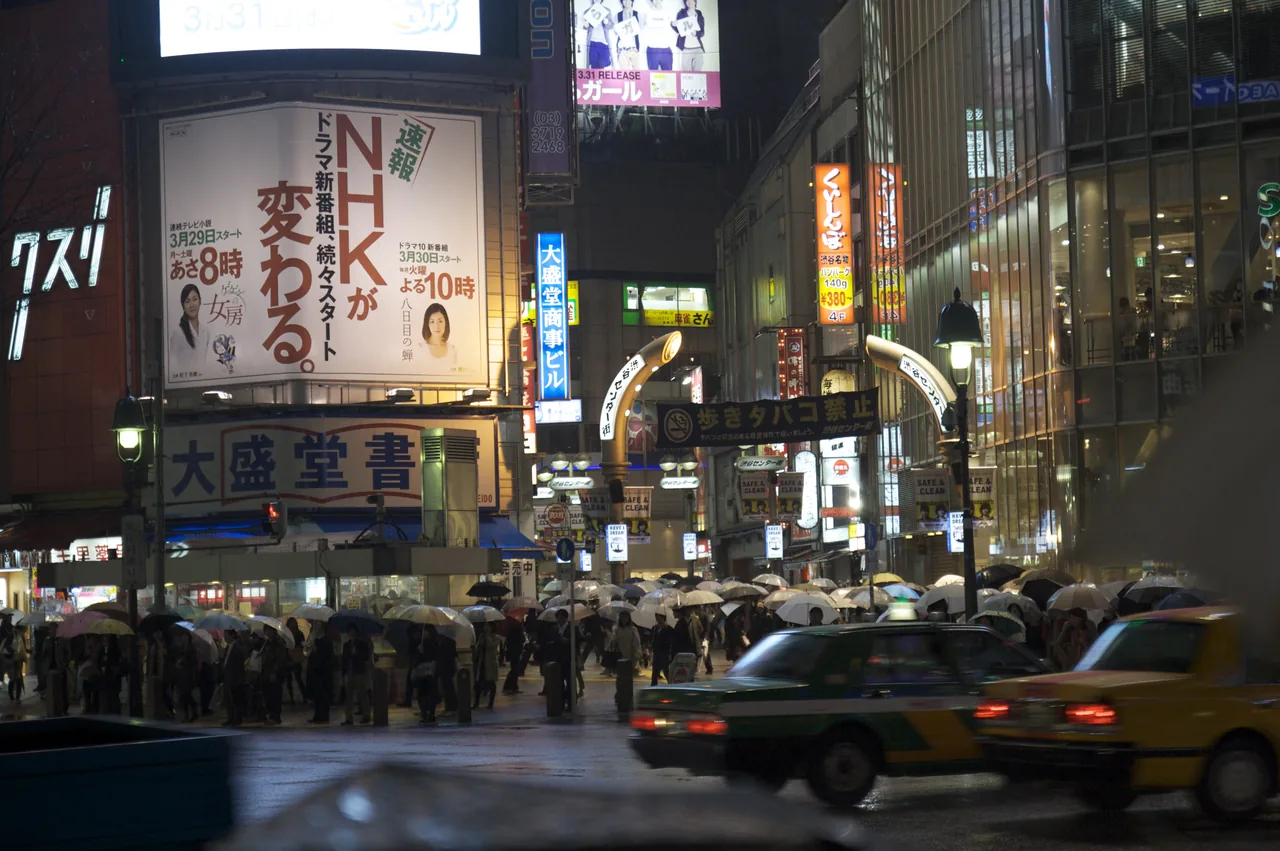
A rainy day in Tokyo does not have to wreck your plans, because the city is built to keep you dry. The rail network runs largely underground, the biggest attractions connect directly to stations, and some neighborhoods have entire shopping streets beneath the pavement. Instead of dodging puddles between sights, you pick one well-connected area and move from one indoor space to the next with your umbrella folded away.
This is not a flat list of “things to do indoors.” It is a routing guide. Choose the area you are nearest to (or most curious about), and follow a course that keeps you under cover from morning to night. Here are the three areas at a glance.
| Area | Signature spots | How it stays indoor | Umbrella needed | Station-linked | Suggested time |
|---|---|---|---|---|---|
| A. Roppongi / Azabudai | teamLab Borderless, Mori Art Museum, 33F skyline cafe, Roppongi Art Triangle | Underground B1 passage at Azabudai Hills; Roppongi museums underground-linked | Almost none | Yes (Kamiyacho / Roppongi) | Half to full day |
| B. Ueno | Tokyo National Museum, Nature & Science, Western Art (UNESCO building) | Museums cluster in one park, 5–10 min apart; station direct | A few short hops between buildings | Yes (Ueno Station) | Full day |
| C. Shibuya / Shinjuku | Shibuya Sky, free skyline lobbies, underground arcades, depachika, Tocho deck | Underground passages link stations, shops, and towers | Almost none | Yes (Shibuya / Shinjuku) | Full day |
How to use this guide: Sections 3–6 cover Roppongi/Azabudai, sections 7–9 cover Ueno, and sections 10–12 cover Shibuya/Shinjuku. Section 13 turns each area into a ready-made one-day timeline, and section 14 is a practical rainy-day checklist. If today is a rainy Monday, skip Ueno (its museums are closed) and pick area A or C.
2. Getting around Tokyo in the rain
The single most useful fact about rainy Tokyo: the trains and the buildings do most of the work for you. Subway and rail lines run mostly underground, and the city’s largest complexes connect directly to station concourses. With a little planning you can spend hours moving across the city and barely raise an umbrella.
Move smart, stay dry
- Tap an IC card. A Suica or Pasmo lets you sail through gates without buying paper tickets in a crowded, wet station. See our Suica and Pasmo IC card guide to set one up.
- Use the station-connected complexes. Azabudai Hills links to Kamiyacho Station, Shibuya plugs into Scramble Square and Hikarie, and Shinjuku has a sprawling underground passage network. Many of your day’s stops never require stepping outside.
- Underground passages are your friend. Shibuya’s Chikamichi and Shinjuku’s Subnade let you cross whole neighborhoods below ground, past shops and cafés, without a single street crossing.
Don’t get caught out
- Closing days matter more than weather. Many museums close Monday, The National Art Center closes Tuesday, and the Tocho decks alternate closed days. Check before you set out.
- Book timed slots ahead. teamLab Borderless and some special exhibitions sell timed entry; reserve in advance, especially on weekends.
- Lockers and umbrella stands. Big venues have coin lockers and umbrella stands. Museums often ask you to check large bags and wet umbrellas before entering the galleries.
One more practical point: the subway is the dry way to move around the city, and a Tokyo Subway Ticket pass gives you unlimited rides for one, two, or three days, so you can hop between indoor stops without thinking about fares. If you plan to bounce around all day in the rain, the pass usually pays for itself.
3. Roppongi / Azabudai at a glance
If you want the most “wow” per dry minute, Roppongi/Azabudai is the area to choose. It packs Japan’s tallest building, a 33F skyline cafe with a Tokyo Tower view, a world-famous digital-art museum, and a cluster of major art museums into a compact, underground-friendly zone. On a rainy day this is the easiest area to fill with very little street time.
The anchor is teamLab Borderless inside Azabudai Hills, where a B1 passage and station connection mean you can arrive, eat, shop, and see art without going outside. A short hop on the Hibiya line (or a covered walk) brings you to Roppongi Hills and the Roppongi Art Triangle for the afternoon and evening.
The mini-course flow
- Morning: teamLab Borderless (booked timed slot) at Azabudai Hills.
- Midday: Lunch and the 33F skyline cafe at Azabudai Hills, browsing the B1 Central Walk.
- Afternoon/evening: Mori Art Museum and the indoor Tokyo City View at Roppongi Hills, or the Roppongi Art Triangle if you want more museums.
Stations: Kamiyacho (Hibiya line) connects directly to Azabudai Hills; Roppongi (Hibiya/Oedo lines) is underground-linked to Roppongi Hills. Azabu-juban and Roppongi-itchome are also walkable.
4. teamLab Borderless, fully explained
teamLab Borderless is the single best rainy-day anchor in Tokyo, and it is the reason many people choose this area. It sits in the basement (B1) of the Mori JP Tower at Azabudai Hills, so you reach it almost entirely under cover. teamLab Borderless Azabudai HillsMap
What it actually is
“Borderless” is the key word. Unlike a normal museum with one artwork per wall, the digital artworks here roam between rooms, spill across floors, and react to where you stand. There are no maps and no fixed route; you wander, get a little lost on purpose, and stumble into rooms you did not know were there. It is a different venue and a different experience from teamLab Planets in Toyosu, which is a separate location with its own ticket.
Price, hours, and booking
| Detail | Information |
|---|---|
| Adult (18+) | ¥3,800–4,800 (dynamic pricing by date/time) |
| Age 13–17 | ¥2,800 |
| Age 4–12 | ¥1,500 |
| Under 3 | Free |
| Disability ticket | ¥1,900–2,400 |
| Hours | Roughly 10:00–21:00 (varies by date) |
| Timed entry | 10:00–19:30, every 30 minutes |
How much time and a few tips
- Plan for 1.5–3 hours. Because you wander rather than follow a route, it is easy to lose track of time. The unhurried, exploratory pace is the whole point.
- Wear comfortable shoes and expect to stand and walk a lot. Some rooms are dark and mirrored; move slowly.
- Plan to see it in one visit. Entry is timed, and there is no real meal inside (just a small tea house serving tea and ice cream), so eat before or after at Azabudai Hills. Use the lockers for bags and wet umbrellas before you go in.
5. Azabudai Hills: 33F view, underground passage, food, and art
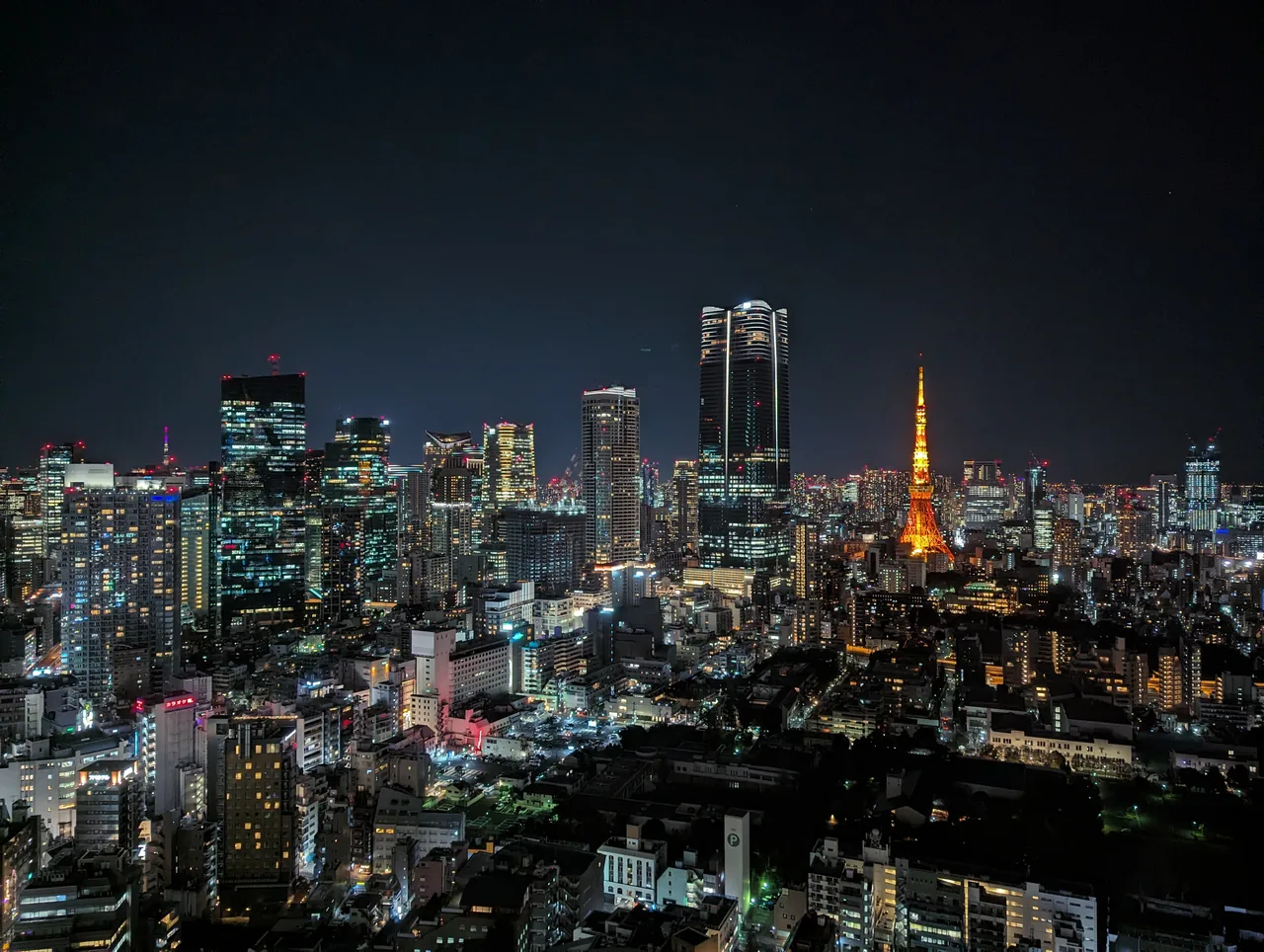
Azabudai Hills is more than the home of teamLab Borderless; it is a vertical, rain-proof town that opened in November 2023. Its centerpiece, the Mori JP Tower, rises 330 meters and is Japan’s tallest building, and a good deal of what you can do here costs nothing. Azabudai HillsMap
The 33F view (now cafe-gated)
The 33rd floor was once a free public observation area, but free access ended on 18 April 2024. To take in the view toward Tokyo Tower from the 33rd floor now, you go through a 33F venue: the cheapest is the Sky Room Cafe & Bar, which has a ¥500 cover charge plus at least one drink, so figure on roughly ¥1,100 minimum; Dining 33 and the patisserie are the other options. On a rainy evening the low cloud and city lights can be atmospheric, and a coffee buys you the seat.
Move without an umbrella
The B1F “Central Walk” is an underground passage that ties the zones together, lined with desserts, cafés, souvenir shops, and casual dining. You can eat, shop, and reach teamLab Borderless without stepping outside.
Shopping and art
- Garden Plaza: around 80 shops, a luxury street, and wellness offerings.
- Tower Plaza: roughly 60 shops across B1–4F.
- Public art: Yoshitomo Nara works around Central Square, plus the Azabudai Hills Gallery for ticketed exhibitions.
Station: Kamiyacho (Hibiya line) connects directly. Azabu-juban and Roppongi-itchome are within walking distance if you prefer.
6. Mori Art Museum, Tokyo City View, and the Roppongi Art Triangle
For the afternoon and evening, Roppongi Hills gives you world-class contemporary art and an indoor skyline deck in the same building. A short hop from Azabudai, this is where the day’s culture and views come together, all under cover.
Mori Art Museum + Tokyo City View
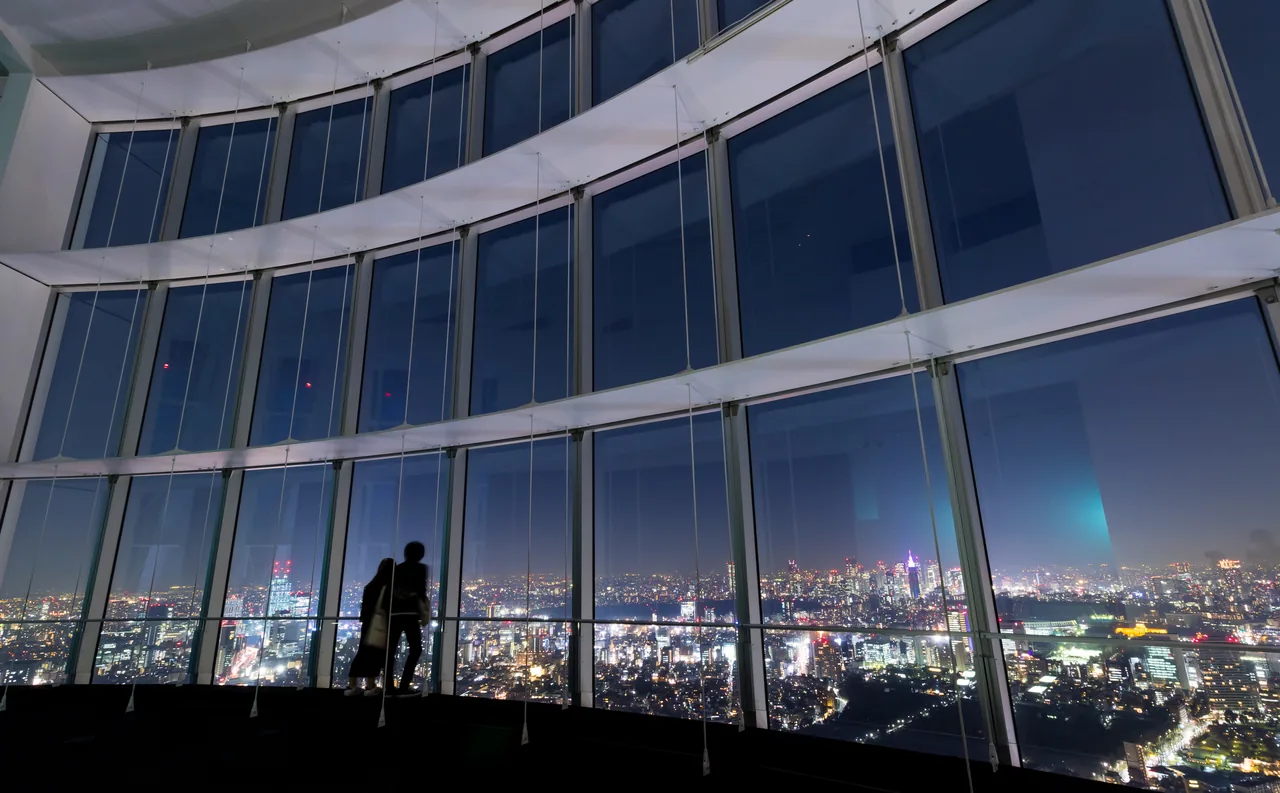
Mori Art MuseumMapThe Mori Art Museum sits on the 53rd floor of Roppongi Hills Mori Tower and shows ambitious contemporary art. On the 52nd floor, Tokyo City View is a fully indoor observation deck at 250 meters, with an 11-meter-high Sky Gallery. Because it is indoors and floor-to-ceiling, it is a superb rainy night view, and a combo ticket covers both the museum and the deck.
| Venue | Hours | Notes |
|---|---|---|
| Mori Art Museum (53F) | Mon, Wed–Sun 10:00–22:00 (last 21:30); Tue 10:00–17:00 (last 16:30) | Contemporary art; combo ticket with City View |
| Tokyo City View (52F) | Weekdays/holidays 10:00–23:00 (last 22:30); Fri/Sat/pre-holiday 10:00–25:00 (last 24:00) | Indoor deck, 250m, late hours great in rain |
The Roppongi Art Triangle (extra cards for a very wet day)
If one day of rain turns into two, Roppongi has three more major venues, all underground-connected to Roppongi Station.
- The National Art Center, Tokyo: entry is free (special exhibitions ¥1,200–1,600), open 10:00–18:00 (Fri/Sat to 20:00), closed Tuesdays. The wave-glass facade by Kisho Kurokawa is worth the trip alone. The National Art Center TokyoMap
- Suntory Museum of Art (Tokyo Midtown): open Mon and Wed–Sun 10:00–18:00 (Fri/Sat to 20:00), closed Tuesdays. Suntory Museum of ArtMap
- 21_21 DESIGN SIGHT: general ¥1,600 / university ¥800 / high school ¥500 / junior-high and under free; 10:00–19:00 (last 18:30). The Tadao Ando architecture is part of the draw. 21_21 Design SightMap
7. Ueno at a glance: the national museum cluster
Ueno has the densest cluster of major museums in Tokyo, all within a single park and only a few minutes apart. On a rainy day you spend almost the whole time indoors, with just short hops between buildings, and JR/Metro Ueno Station puts you right at the edge of the park. Ueno ParkMap
Three national museums sit close together inside Ueno Park: the Tokyo National Museum, the National Museum of Nature and Science, and the National Museum of Western Art. You could spend a full day across all three, and even one of them can easily fill an afternoon.
The mini-course flow
- Morning: Tokyo National Museum, the largest and oldest in Japan; start with the Honkan.
- Lunch: A break in or near the park, or duck into Ueno Station’s ekinaka for food.
- Afternoon: Nature and Science (great with kids) or the Western Art building (a UNESCO World Heritage site).
- Late: The covered Ameyoko arcade and Ueno Station’s underground for shopping and snacks.
8. Tokyo National Museum in depth
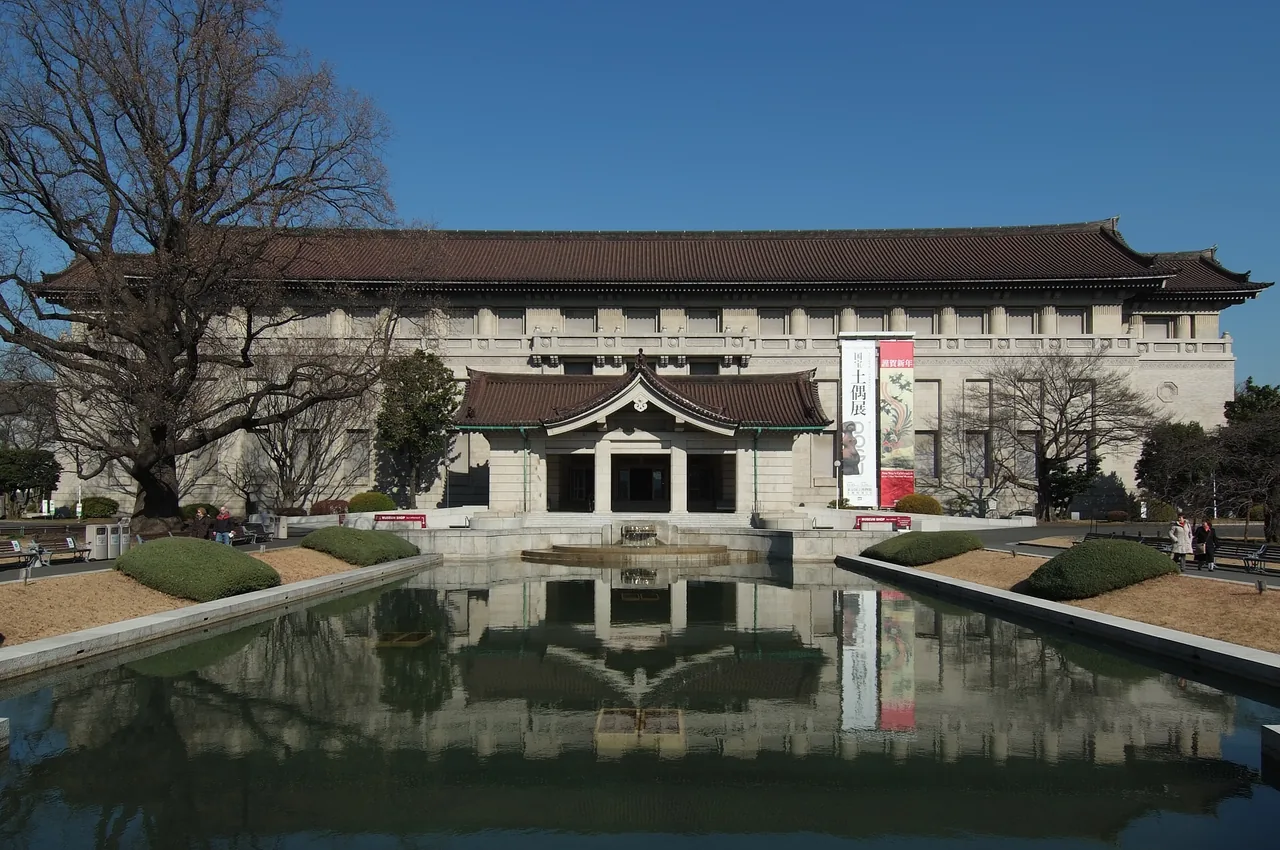
The Tokyo National Museum (TNM) is Japan’s largest and oldest museum, and on a rainy day it can absorb half a day or more on its own. It is really several buildings around a courtyard, so once you are inside you stay inside. Tokyo National MuseumMap
Price and hours
| Detail | Information |
|---|---|
| Adult | ¥1,000 |
| Under 18 and over 70 | Free |
| Hours | 9:30–17:00 (Fri/Sat to 20:00, last entry 19:30), last entry 30 min before close otherwise |
| Closed | Mondays (next weekday if a holiday falls on Monday) |
The buildings
- Honkan (Japanese Gallery): the main hall and the place to start. Samurai swords and armor, ceramics, Buddhist sculpture, ukiyo-e prints, and kimono trace the sweep of Japanese art.
- Toyokan (Asian Gallery): art and artifacts from across Asia, including China, Korea, and Southeast Asia.
- Heiseikan (archaeology): Japanese archaeology, including ancient pottery and dogu figures.
- Gallery of Horyuji Treasures: exquisite early Buddhist objects in a quiet, beautifully lit building.
9. Nature and Science, Western Art, plus Ueno Station and Ameyoko
Two more national museums round out a rainy Ueno day, and one of them is a work of art in itself. Both are a short walk from the Tokyo National Museum inside the park, so you are only briefly outside between buildings.
National Museum of Nature and Science (Kahaku)
National Museum of Nature and Science TokyoMapThis is the one to pick if you have kids. Adult entry is ¥630 (high schoolers and under, and over-65s, go free), and the displays run from dinosaur skeletons to the Japan Gallery and Global Gallery. The life-size blue whale model sits outdoors at the entrance, so admire it on the way in. It is hands-on and engaging for a wet afternoon. Note that it has no late opening: the doors shut at 17:00 every day it trades, so put it earlier in a wet day than the other two.
National Museum of Western Art (NMWA)
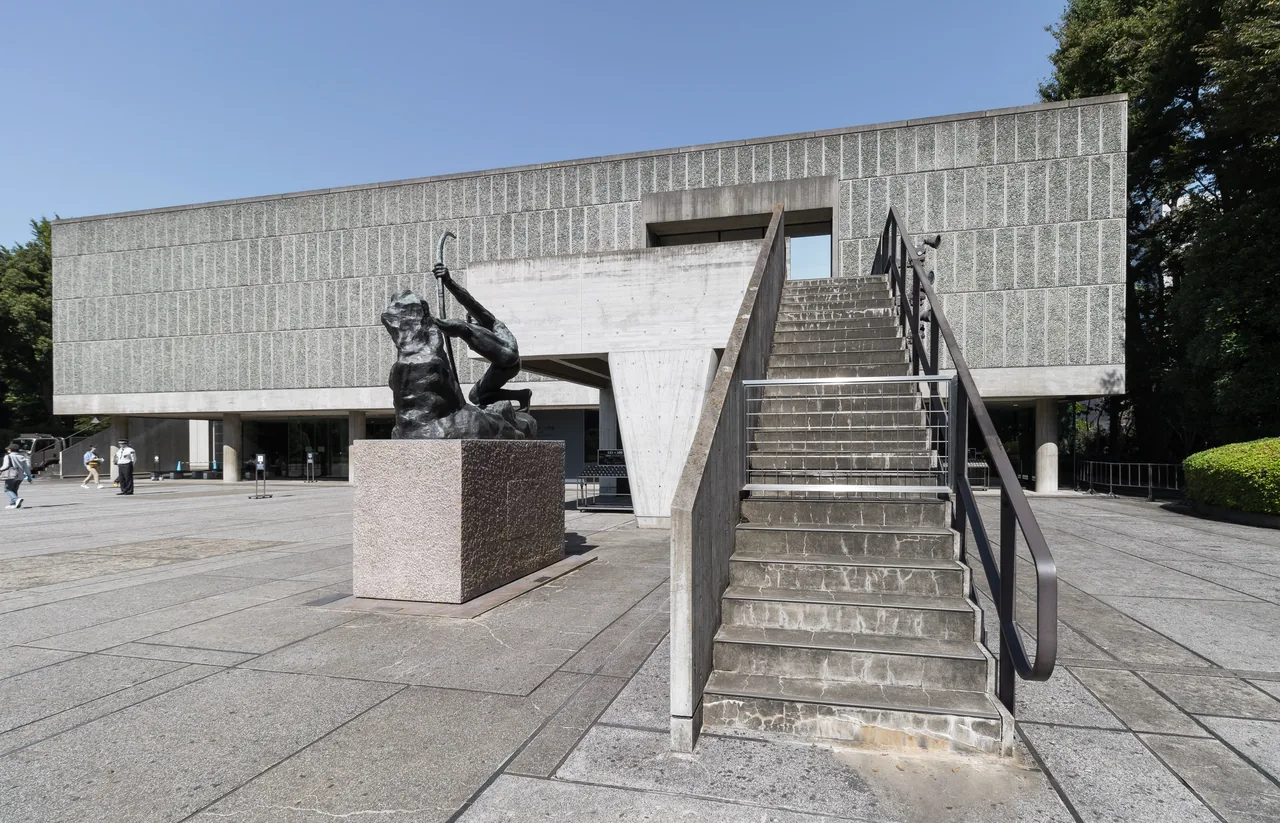
National Museum of Western Art TokyoMapEven before you look at the art, the building itself is a UNESCO World Heritage Site, designed by the architect Le Corbusier. In the forecourt stand Rodin’s The Thinker and The Gates of Hell, and the permanent collection holds Monet, Van Gogh, and other European masters. It is one of the most rewarding small museums in the city.
| Museum | Adult price | Hours | Closed |
|---|---|---|---|
| Tokyo National Museum | ¥1,000 (under 18 / 70+ free) | 9:30–17:00 (Fri/Sat to 20:00) | Mon |
| Nature and Science (Kahaku) | ¥630 (high school & under / 65+ free) | 9:00–17:00 (last 16:30) | Mon |
| Western Art (NMWA) | ¥500 (university ¥250; under 18 / 65+ free) | 9:30–17:30 (last 17:00); Fri/Sat to 20:00 (last 19:30) | Mon |
The rest of the district is in our Ueno travel guide: which exit to use, what closes on which day, and the Ameyoko market below the station.
Ueno Station access and Ameyoko
JR and Metro Ueno Station are right at the park’s edge, and the station’s underground and ekinaka are full of food and shops. Just south, Ameyoko is a lively market arcade that is partly covered, good for snacks and bargains when the rain eases. Between the station, the museums, and Ameyoko, you can string a long day together with very little time in the open.
10. Shibuya / Shinjuku at a glance: the station-linked indoor mega-city
Shibuya and Shinjuku are where Tokyo’s underground city is at its most extreme. Stations, towers, department stores, and arcades all plug into one another below ground, so you can shop, eat, and take in skyline views for hours with the umbrella in your bag.
Both hubs are a few stops apart, so you can do one in the morning and the other in the evening, or split the day. This area is the best choice on a rainy Monday, when Ueno’s museums are closed.
The mini-course flow
- Shibuya: free skyline lobby at Hikarie, the indoor option at Shibuya Sky, and the Chikamichi underground passage linking it all.
- Shinjuku: the free Tocho observation decks and the nightly Night & Light show, the Subnade underground arcade, and Isetan’s basement food halls.
Stations: Shibuya and Shinjuku are among the most connected stations in Tokyo. At Shibuya, Scramble Square and Hikarie link directly to the station; at Shinjuku, the underground passage network spreads in every direction. Shinjuku StationMap
11. Shibuya rainy course
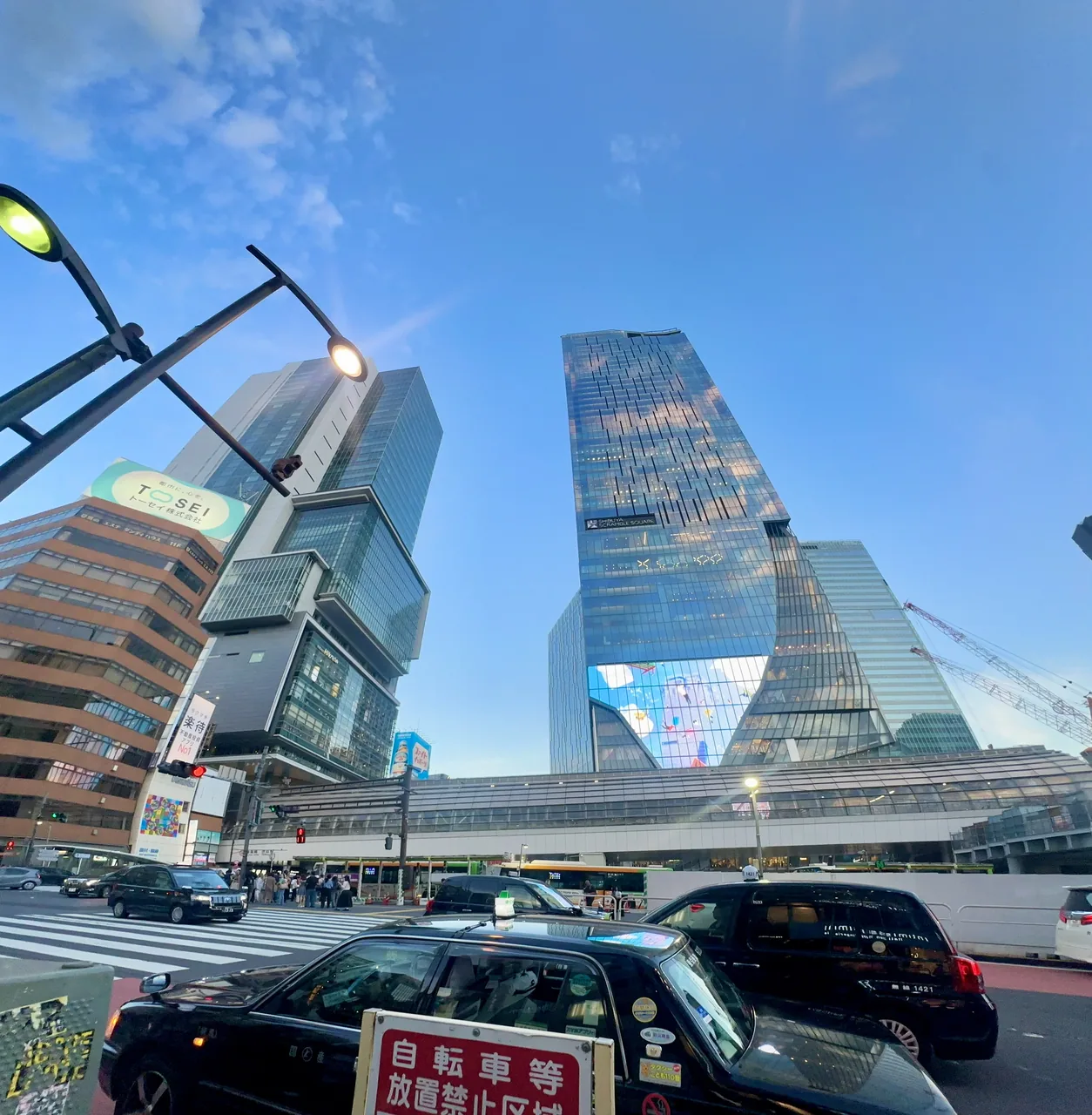
Shibuya is famous for its scramble crossing, but in the rain the action moves below and above ground. You can cross the whole area underground, ride up to skyline lobbies, and never get soaked.
Free view: Shibuya Hikarie
Shibuya HikarieMapThe Sky Lobby on the 11th floor of Shibuya Hikarie is free, and Hikarie connects indoors to Shibuya Station via a 2F skywalk and the underground. It is the easiest free skyline view in the area, and a perfect first stop in the rain.
Shibuya Sky: the indoor option in bad weather
Shibuya Scramble SquareMapShibuya Sky sits atop Shibuya Scramble Square, open 10:00–22:30 (last entry 21:20). Pricing is tiered by time: before 15:00 it is adult ¥2,700 online or ¥3,000 at the counter; from 15:00 (the afternoon, sunset, and evening slots) it is ¥3,400 online or ¥3,700 at the counter. Here is the important rainy-day detail: the open rooftop closes in strong wind, thunder, or heavy rain, but the 46F indoor Sky Gallery, with floor-to-ceiling windows, stays open. So even in bad weather you still get an indoor skyline experience.
Cross the area without getting wet
- Shibuya Chikamichi: an L-shaped underground passage linking Shibuya 109 (west) and Hikarie (east), so you cross the area with no street crossings.
- Magnet by Shibuya109 sits at the north exit, and Shibuya Stream has a walkway directly to the station’s south exit. Shibuya StreamMap
12. Shinjuku rainy course
Shinjuku is built for bad weather: it has one of the largest underground networks in the city, plus a free observation deck and a free nightly light show. You can fill an evening here without paying for a view and without an umbrella.
Free decks: Tokyo Metropolitan Government Building (Tocho)
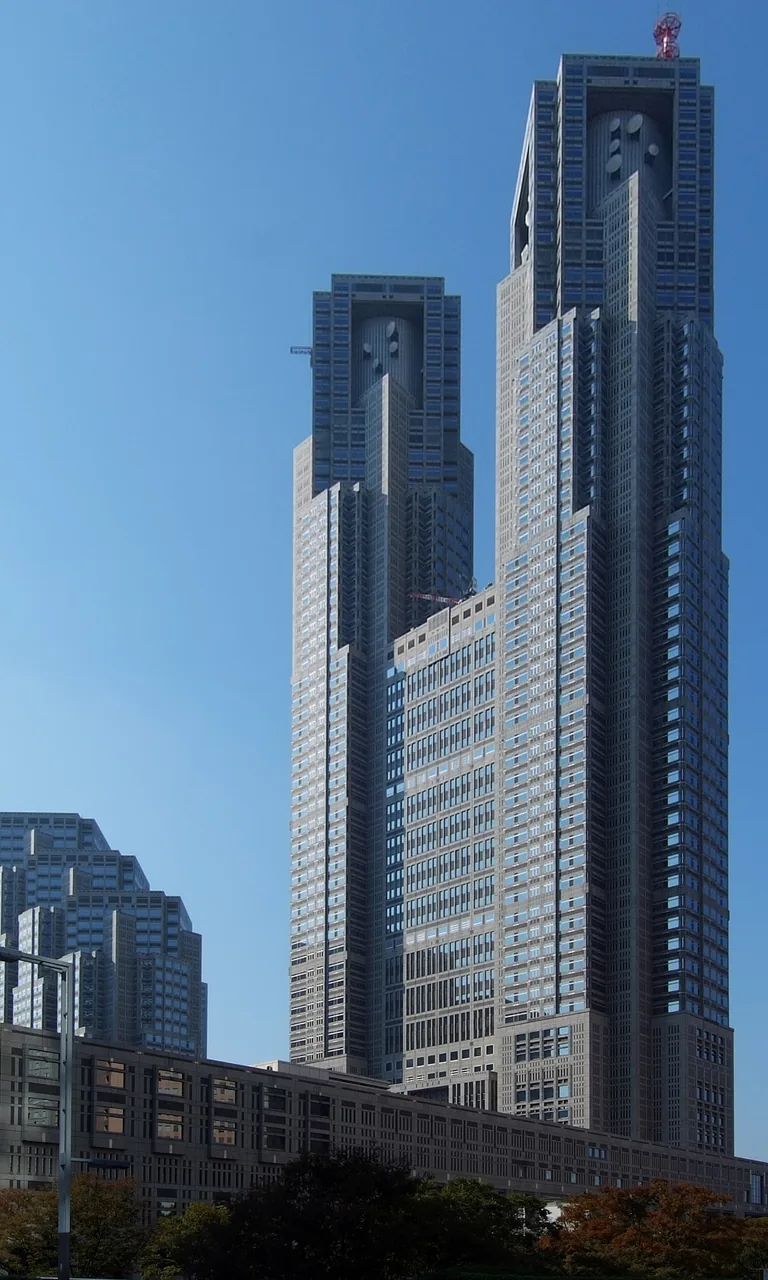
Tokyo Metropolitan Government BuildingMapThe Tocho observation decks are free. The South deck runs 9:30–22:00 (last entry 21:30) and the North deck 9:30–17:30 (last 17:00). They have alternating closed days, so check before you go.
| Deck | Hours | Closed |
|---|---|---|
| South Observatory | 9:30–22:00 (last 21:30) | 1st and 3rd Tuesday |
| North Observatory | 9:30–17:30 (last 17:00) | 2nd and 4th Monday |
TOKYO Night & Light (free)
After dark, the Tocho facade hosts TOKYO Night & Light, a free projection-mapping show that runs nightly: 15-minute shows every 30 minutes, with start times that shift by month (for example, roughly 19:30–21:30 in May–August, and from 17:30 in November–February). It runs in the rain, so pair it with the indoor deck for a free, dry evening.
Underground and indoor
- Shinjuku Subnade: an underground shopping arcade beneath the station with fashion, goods, cafés, and restaurants. Walk a long way without getting wet.
- Isetan Shinjuku: its depachika (basement food halls) are a destination in themselves, with bakeries, wagashi sweets, and deli counters. Isetan ShinjukuMap
- Tokyu Kabukicho Tower (Kabukicho): a large all-indoor entertainment complex that opened in 2023, with the namco TOKYO arcade (a huge claw-machine and gachapon arcade) on 3F, the Shinjuku Kabuki Hall “Kabuki Yokocho” food court (about 10 regional-Japan restaurants, with live taiko and DJ sets) on 2F, and 109 Cinemas Premium on 9–10F. A strong rainy-day Shinjuku stop, all under one roof. Tokyu Kabukicho TowerMap
13. Three one-day rainy model courses
Here is each area turned into a ready-to-follow rainy timeline. Pick one based on where you are staying or what you most want to see. Each keeps you indoors for the bulk of the day.
Course A — Roppongi / Azabudai (digital art + skyline)
- Morning: teamLab Borderless at Azabudai Hills (booked timed slot, 1.5–3 hours).
- Lunch: Eat along the B1 Central Walk, then ride up to the 33F Sky Room Cafe for the view.
- Afternoon: Hop to Roppongi Hills for the Mori Art Museum.
- Evening: Tokyo City View indoor deck after dark (open late). Add a Roppongi Art Triangle museum if you have energy.
Course B — Ueno (museum marathon)
- Morning: Tokyo National Museum, starting in the Honkan.
- Lunch: Ueno Station ekinaka, or a café in the park.
- Afternoon: Nature and Science (with kids) or the Western Art building and its Rodins.
- Late: The covered Ameyoko arcade and Ueno Station underground for snacks and shopping.
Course C — Shibuya / Shinjuku (indoor mega-city)
- Morning: Shibuya: free Hikarie Sky Lobby, then Shibuya Sky’s indoor Sky Gallery; cross via the Chikamichi underground.
- Lunch: A depachika feast at Isetan Shinjuku after moving over to Shinjuku.
- Afternoon: Shinjuku Subnade arcade and Tokyu Kabukicho Tower.
- Evening: Free Tocho observation deck, then the Night & Light projection show on the facade.
| Course | Best for | Headline cost | Rainy Monday? |
|---|---|---|---|
| A. Roppongi / Azabudai | Digital art, skyline views, design | teamLab from ¥3,800; 33F cafe from ~¥1,100 | Yes, open |
| B. Ueno | Museums, families, history | ¥500–1,000 per museum | No, museums closed |
| C. Shibuya / Shinjuku | Shopping, food, free views | Many stops free; Shibuya Sky from ¥2,700 | Yes, open |
14. Practical rainy-Tokyo tips and checklist
A few small habits make a rainy Tokyo day run smoothly. Most of them come down to checking closing days, booking ahead, and managing wet gear at the door.
Before you go
- Check closing days first. Ueno’s big museums close Monday, The National Art Center closes Tuesday, and the Tocho decks alternate Tuesday/Monday closures. Weather changes; closing days do not.
- Book timed slots. Reserve teamLab Borderless and any special exhibitions in advance; weekend teamLab slots often go within about 72 hours. Buying online also saves money.
- Sort your data. You will lean on maps, forecasts, and booking apps all day. An eSIM keeps everything working.
At the venues
- Use lockers and umbrella stands. Museums often restrict large bags and wet umbrellas inside galleries, so check them at the entrance.
- Expect wet shoes. Floors get slippery near entrances. Some traditional spaces ask you to remove shoes; our Japan etiquette guide covers the shoes-off and museum-manners basics.
- Crowds shift indoors. Everyone else also heads inside when it rains, so popular spots can be busy. Booked timed slots and early starts help.
Quick checklist
- IC card (Suica/Pasmo) topped up.
- teamLab and any exhibition tickets booked.
- Today’s closing days confirmed for your chosen area.
- A compact umbrella plus a small bag for wet gear.
- Phone charged, eSIM active.
15. What to read next
Rain or shine, these guides will help you plan the rest of your Tokyo trip.
Plan the whole trip
Start with our complete Japan travel guide for routes, budgets, and seasons across the country.
Disney in the rain
The parks run rain or shine, with plenty of indoor rides and shows. See our Tokyo Disney Resort guide.
Arrive dry
Land into a downpour? Our Tokyo airport transfer guide gets you to the city without standing in the rain.
Stay connected
Maps, forecasts, and bookings all day: pick a plan with our Japan eSIM guide.
Tap and go
Move through wet stations fast with the Suica and Pasmo IC card guide.
When to come
Tokyo’s rainy season explained in our best time to visit Japan guide, plus what July and August are really like.