
Namba & Dotonbori Guide: Which Namba Station, River Cruise Fares and the Glico Sign
Six different stations in Osaka are called Namba, and one of them sits a long walk away from the other five. Which one you come out of decides how far you are from Dotonbori. Walk north up the covered arcade and you reach the bridge with the Glico sign on it, and from the water there are boats. Everything here comes from official sources.
| Stations | six of them, and only JR Namba is far from the rest. |
|---|---|
| Underground | Namba Walk connects the ones that look far apart. |
| Arcade | the department store to the Glico sign is one straight walk. |
| Boat | twenty minutes, and no telephone bookings at all. |
| Riverside | the walkway and the square cost nothing. |
| Airport | Nankai runs into Namba without a change. |
1. Six stations in Osaka are called Namba
2. Underground, the stations are closer than they look
3. The space in front of Nankai Namba is a square now, not a road
4. From the department store to the river is one covered street
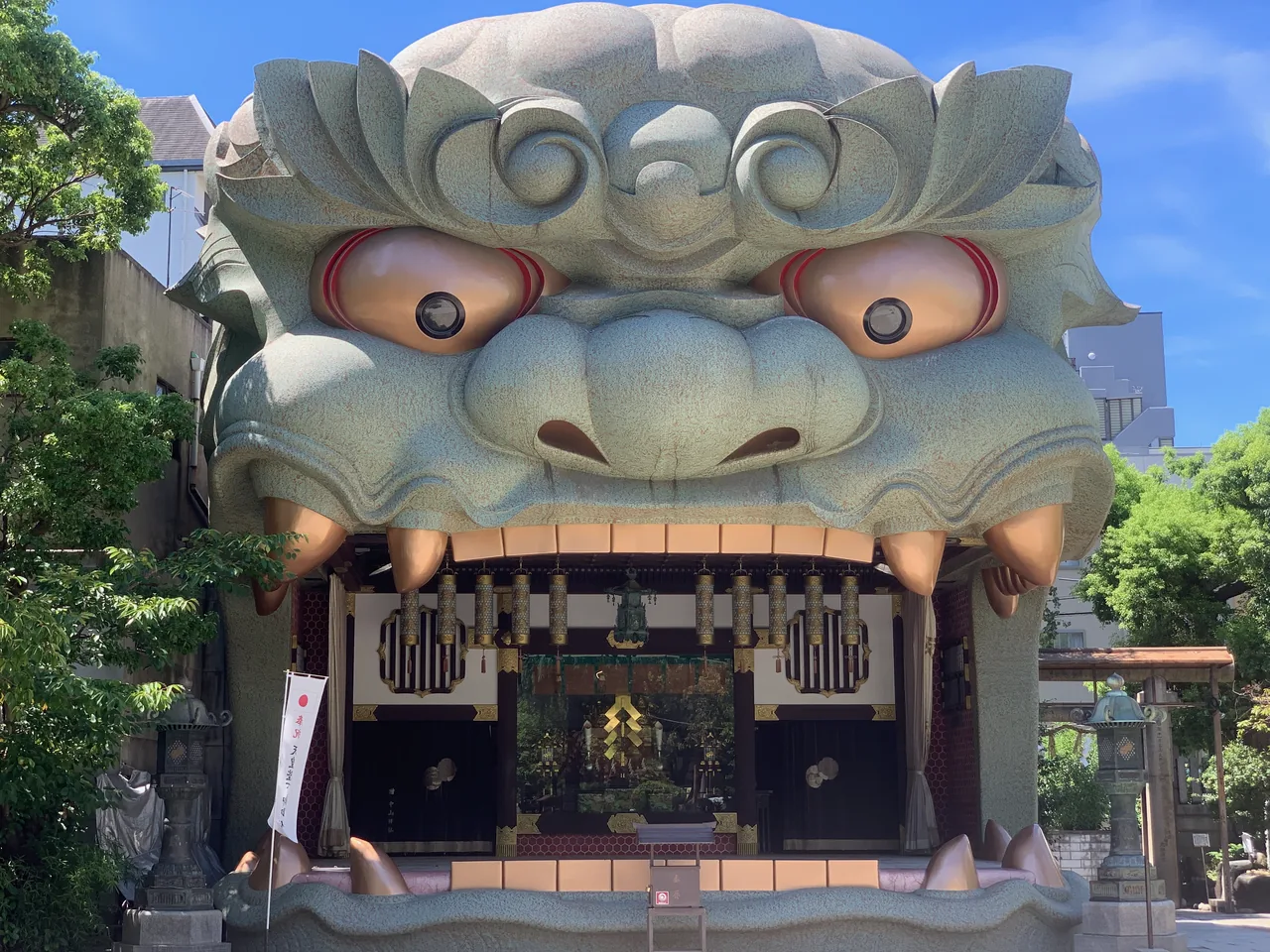
5. Namba Yasaka Shrine is the one with the lion head
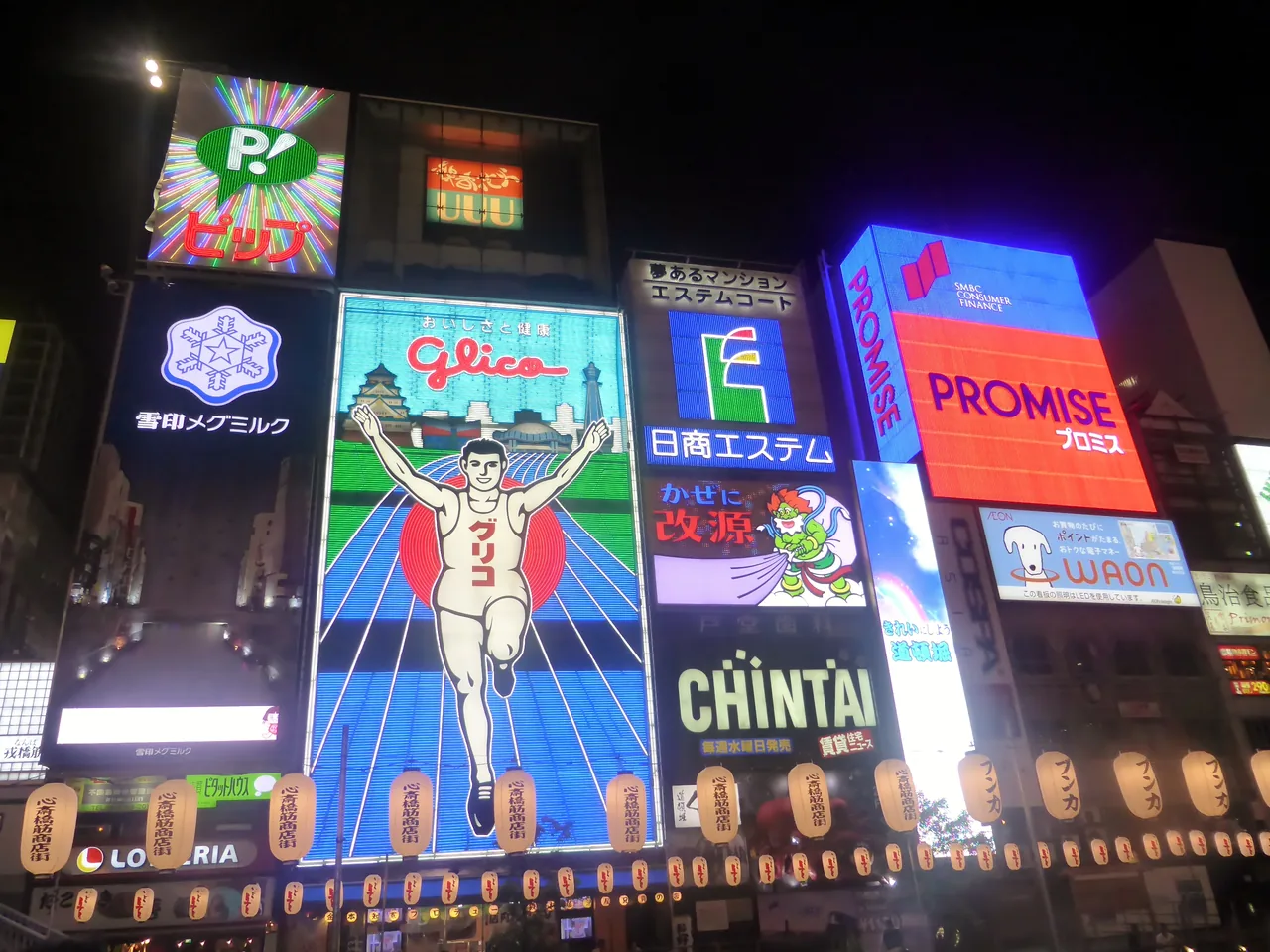
6. The Glico sign only lights up after sunset
7. There are boats on the Dotonbori canal
8. The walkway along the water costs nothing
9. Hozenji Yokocho is two alleys three metres wide
10. Eating on the main strip mostly means standing up
11. There are two places to see Osaka comedy
12. Shochikuza is the last theatre left on the strip
13. A small museum here closes on Mondays
14. Doguyasuji sells knives, and plastic food you make yourself
15. Namba Parks was built on a baseball ground
16. JR Namba sits on top of the biggest bus terminal in western Japan
17. Coming in from Kansai Airport needs no change of train
18. Getting around once you are here
19. The things that cost nothing add up to a day
20. Opening hours decide the order of your day
21. Staying here means you can walk home
22. One step outside and the character changes
1. Six stations in Osaka are called Namba
People arrange to meet at Namba station and then fail to find each other. There are six stations carrying the name, run by four different companies, and even the spelling splits. Nankai and Osaka Metro write it in hiragana as なんば. Kintetsu, Hanshin and JR write it in kanji as 難波. If a sign just says Namba, check whose sign it is before you follow it.
| Station | Lines | Best if you are |
|---|---|---|
| Nankai なんばMap | Nankai Main, Koya, Airport | Coming from Kansai Airport, or heading to Takashimaya and Namba Parks |
| Osaka Metro なんばMap | Midosuji | Coming from Umeda or Shin-Osaka, or walking straight to Dotonbori |
| Osaka Metro なんばMap | Sennichimae | Coming from Nipponbashi or Tsuruhashi |
| Osaka Metro なんばMap | Yotsubashi | Heading for Horie and the streets west of there |
| Kintetsu / Hanshin 大阪難波Map | Kintetsu Nara, Hanshin Namba | Coming from Nara or Kobe |
| JR 難波Map | Kansai Main | Catching or leaving a long-distance bus |
JR Namba is the odd one out. From Nankai Namba it is over 600 metres in a straight line, which turns into more than ten minutes on foot once you are pulling a suitcase, and the underground passages do not run all the way through in one go. The other five sit between roughly 100 and 500 metres of each other, which is close enough to walk between without thinking about it.
When you agree to meet someone, name a building rather than a station. In front of Takashimaya, at the entrance to Namba Parks, or under the Glico sign all work. A station name on its own does not.
2. Underground, the stations are closer than they look
Stations that look far apart on a map are joined below ground. Namba Walk is a shopping street running east to west with the Midosuji line station in the middle of it. The eastern end comes out at Nipponbashi station and the western end at the Yotsubashi line platforms, which is more than 700 metres end to end. In rain or in the middle of summer it beats walking at street level. Map
Namba Walk has two parallel passages, north and south, with open squares spaced along them. Each square has its own name and its own piece of sculpture, which makes them easier to use as meeting points than an exit number. Shops open from ten in the morning to nine at night, and the places to eat stay open until ten.
On the Nankai side there is a second underground street called NAMBA Nannan. It was the first one built in Osaka and has been rebuilt twice, so it does not feel old. Clothes and accessories, cosmetics and medicine, and food are each grouped into their own stretch. The hours match Namba Walk. Map
Write down the exit number before you go up
Coming up at the wrong exit costs more time than the walk itself. These are the ones the official pages give.
| Where you are going | Exit | On foot |
|---|---|---|
| Don Quijote Dotonbori | 14 | 5 min |
| Dotonbori Konamon Museum | 14 | 4 min |
| Osaka Shochikuza | 15B | 1 min |
| Wahha Kamigata comedy museum | E9 | 1 min |
| Kamigata Ukiyoe Museum | Namba Walk 16 | 5 min |
| namBa HIPS | B-15 passage | 3 min |
Each company numbers its own exits. A plain number belongs to Osaka Metro, while a number with a letter in front of it belongs to the shared Kintetsu and Hanshin concourse. The same number can exist twice, so carry the company name with it.
3. The space in front of Nankai Namba is a square now, not a road
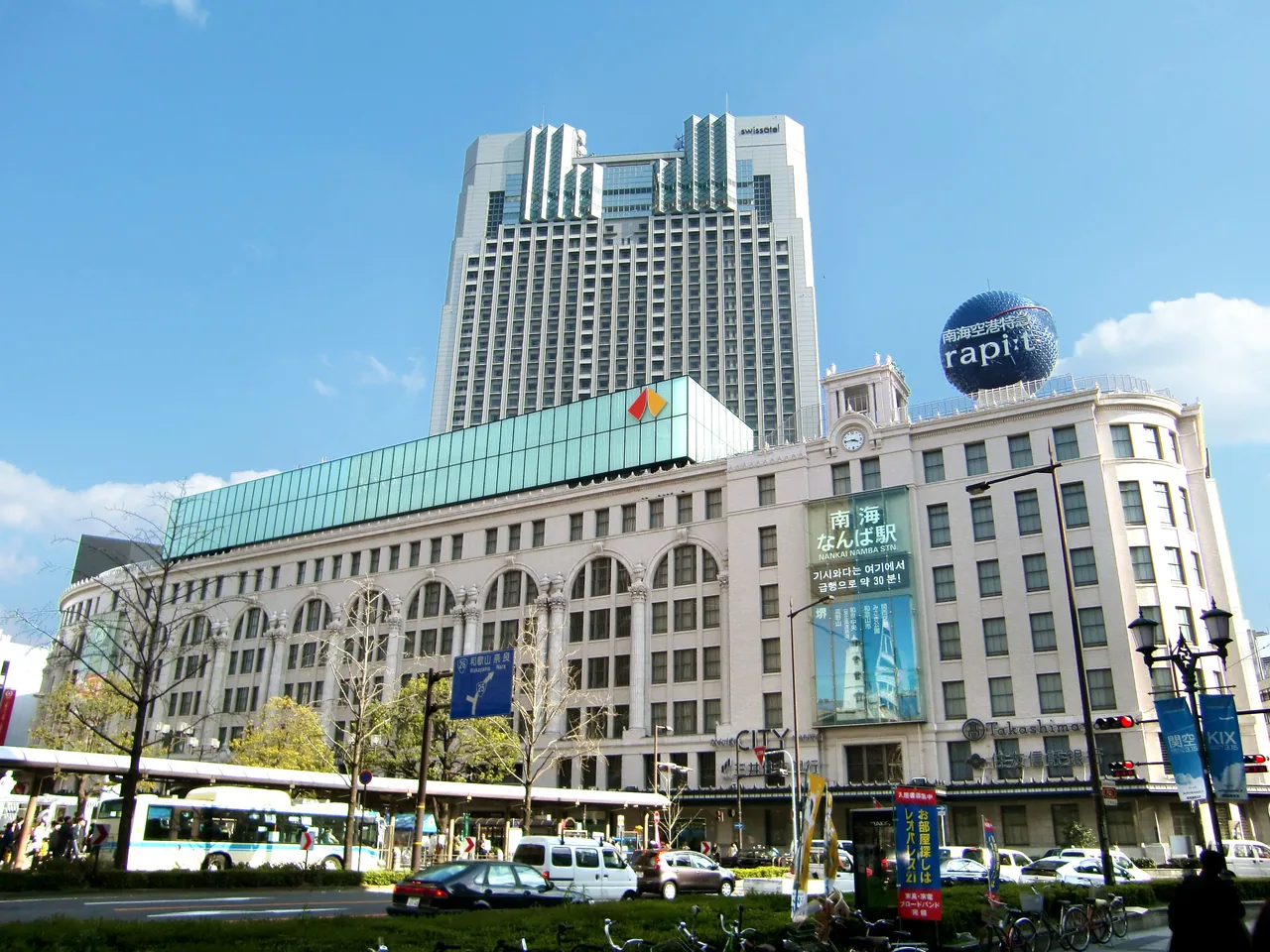
The forecourt of Nankai Namba station used to be a taxi rank. Cars have been taken out of it and the whole area is now a pedestrian square. Osaka City rebuilt the roads around the station to create it, and the work carried on south along Nansan-dori until the whole stretch was finished. Map
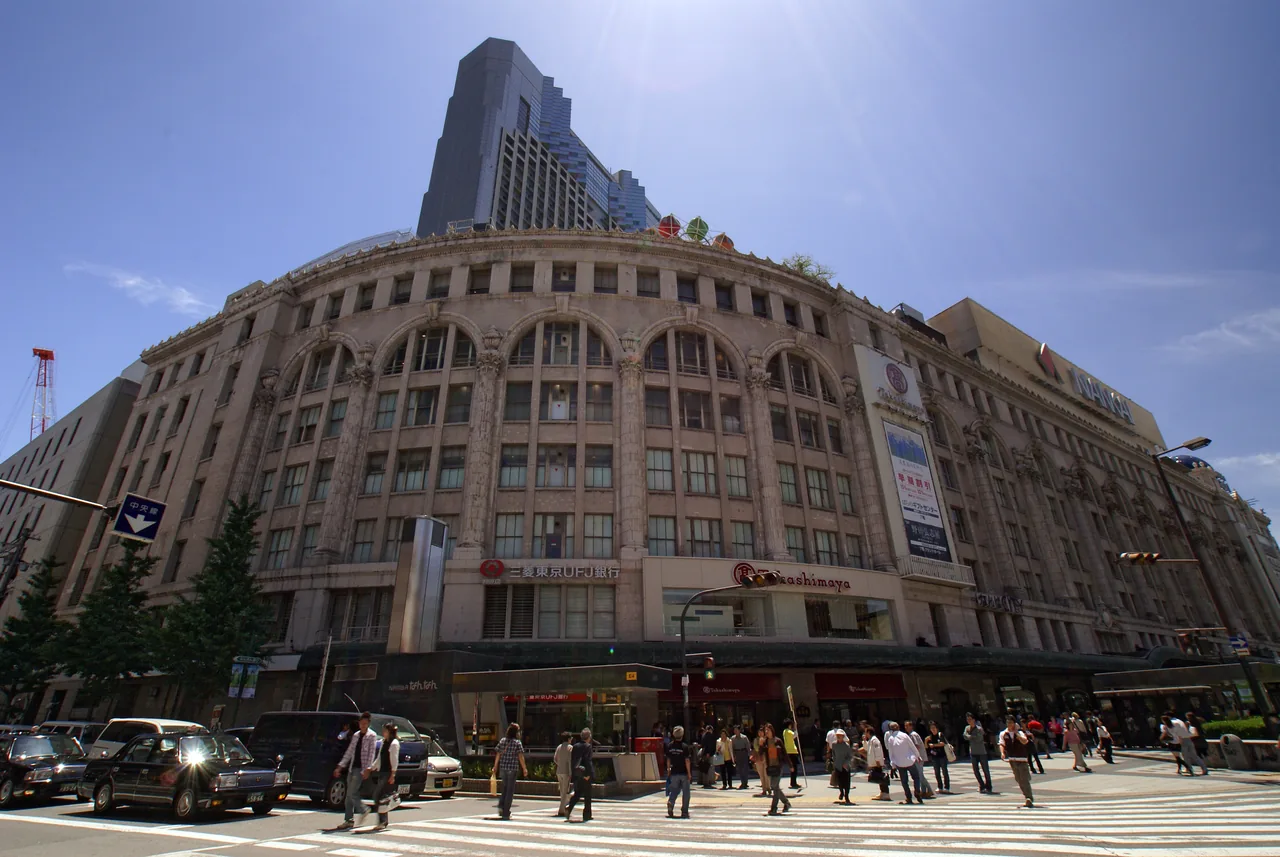
The ground is flat and there are places to sit, which matters if you have come in from the airport and want to stop for a minute before finding your hotel. Events run here most weekends. Takashimaya backs directly onto it and the Nankai ticket gates are upstairs in that same building, so arriving by train drops you straight into the square.
The square is run jointly by Nankai, Takashimaya and the surrounding shopping streets, which is why a market in the arcade and an event in the square often land on the same day. When it is busy, cutting through the inside of Takashimaya is quicker than crossing the open space.
4. From the department store to the river is one covered street
Getting from Namba to Dotonbori takes no navigation. Start at the front of Takashimaya, walk north up the covered arcade, and it delivers you at the bridge with the Glico sign. The arcade is called Ebisubashi-suji and the shopping street association gives the distance from the store to the bridge as 370 metres. Even at a slow pace that is under ten minutes. Map
The street is about six metres wide with a roof over it, so rain never reaches you, but that same width is what makes it slow when it fills up. Weekend afternoons are the worst of it. With luggage you are better off one block west on Midosuji, which is a wide open road with proper pavements.
Old shops and new clothing chains sit side by side along it. The association traces the street back to the Edo period, when udon shops and tea houses opened along the route people took to Imamiya Ebisu shrine.
Two shrines share almost the same name
Namba Yasaka Shrine and Namba Shrine are different places about twenty minutes’ walk apart, and searching the name alone will send you to the wrong one. The one people travel for is Namba Yasaka Shrine, seven minutes west of the station. Namba Shrine is over towards Shinsaibashi.
5. Namba Yasaka Shrine is the one with the lion head
The main draw at Namba Yasaka Shrine is a stage built in the shape of a lion’s head. It faces the courtyard with its mouth open, and the opening is the stage itself. The shrine does not charge to go in and the grounds are small enough to see in a few minutes. Map
The shrine has no surviving record of when it was founded. Its own history says it was known locally as the lower shrine of Namba, and that by the late eleventh century it was already established as a place where Gozu Tenno was worshipped. It became a district shrine in the Meiji period, and the main hall standing today was completed in the nineteen seventies.
The lion head is not the main hall. Worship happens at the building behind it, and the head stands separately in the courtyard, which is why photographs of the two look like they were taken at different shrines.
The tug of war happens on one Sunday in January
Once a year, on the third Sunday in January, the shrine holds a rope-pulling rite. It is tied to the story of the deity killing an eight-headed serpent, and Osaka City registered it as an intangible folk cultural property, the first in the city to be listed that way.
Outside that day the grounds are quiet, which is the point of walking over. Coming from Namba station, head west and keep going for about seven minutes. It is far enough off the arcade that very few people arrive by accident.
6. The Glico sign only lights up after sunset
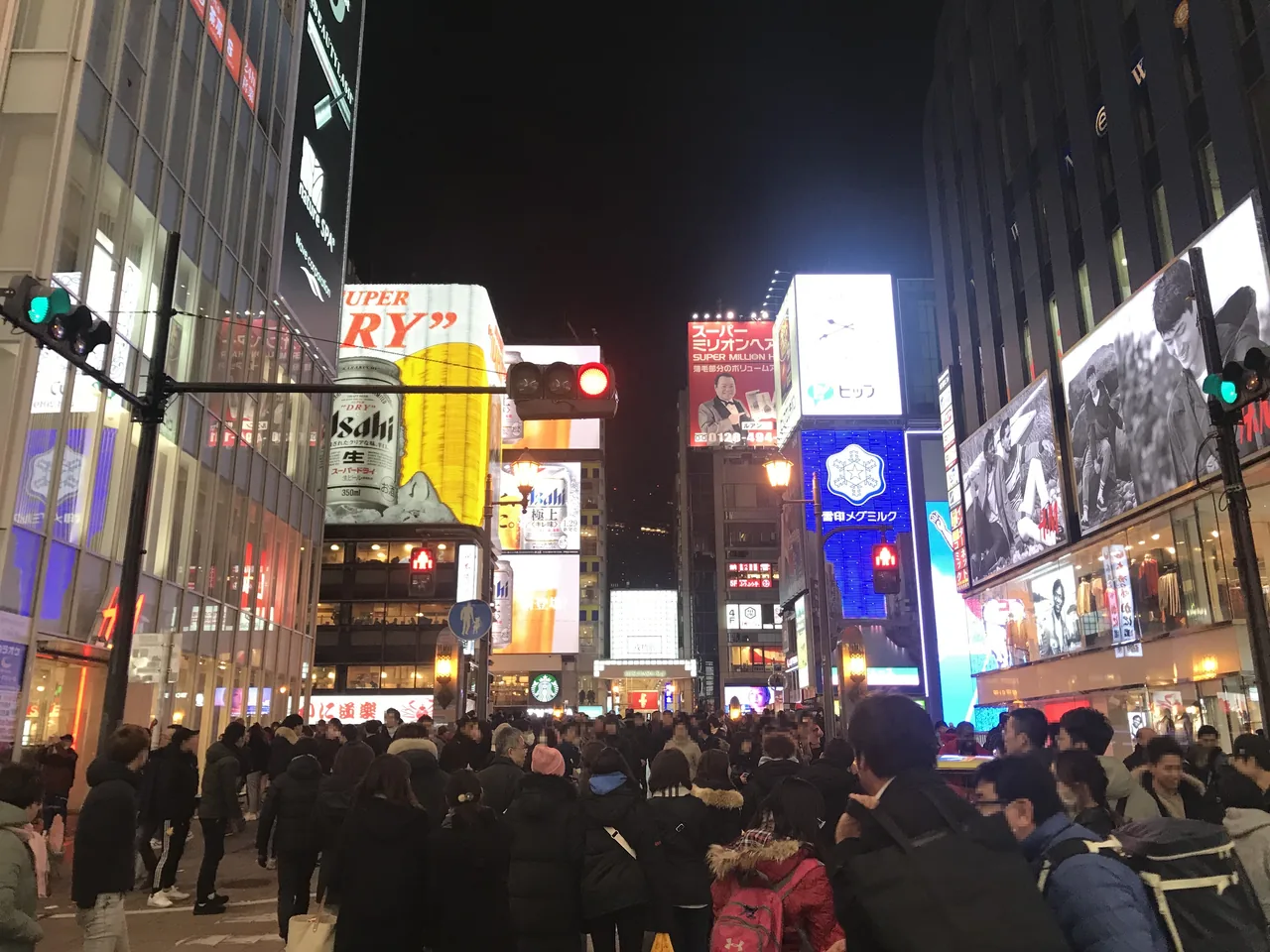
Turning up at midday for a photograph of the Glico sign is a wasted trip. It is lit from sunset until midnight, which means the hour it comes on moves with the season. In summer you are waiting past seven in the evening. In winter it is on by about half past five. Map
The board up there now is the sixth one. It stands about twenty metres tall and uses LEDs rather than the neon of the older versions, so the background behind the runner changes while you watch. The first sign went up in 1935, and one of the versions in between was built as a fountain that threw water into the air.
The best spot is below the bridge, not on it
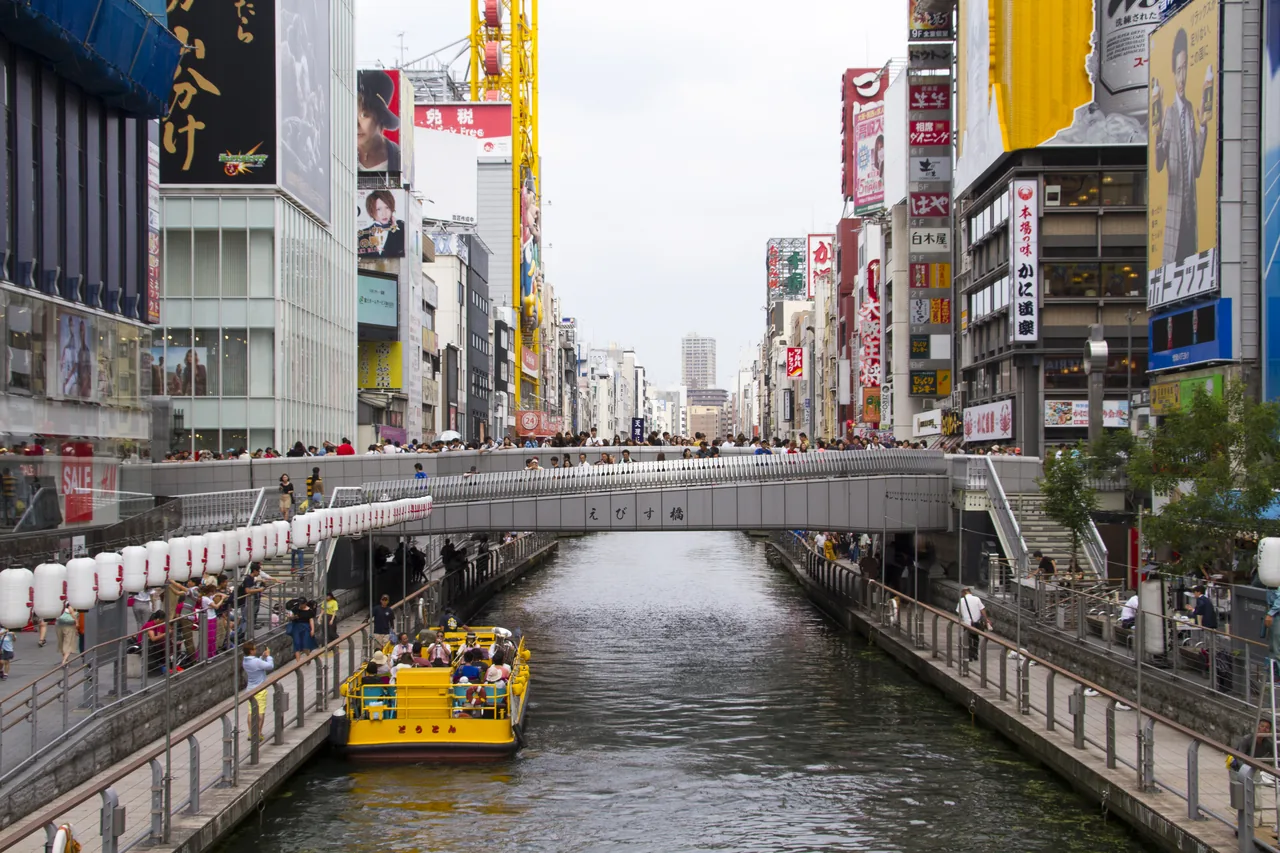
The sign sits on the north bank, and to see it square on you have to stand on Ebisubashi. The middle of that bridge is busy at every hour, and standing still there is difficult. Drop down one level onto the riverside walkway and you get the same view with fewer people around you and the reflection in the water as well.
Being asked to take someone’s photograph on the bridge is normal here. It is not a place with a pickpocket problem, but the crowd is dense enough that a bag worn on your back is worth moving round to the front.
7. There are boats on the Dotonbori canal
A twenty minute sightseeing boat runs up and down the canal. It passes under the bridges and you end up looking up at the signs rather than along the street at them, which is a different view of the same place. A guide rides along and talks through what you are passing. Map
| Item | Detail |
|---|---|
| Fare | Adults ¥2,000, students from junior high up ¥1,000, primary school ¥500 |
| Pre-school children | One free child per paying adult |
| Length | About 20 minutes |
| Departures | 11:00 to 21:00, on the hour and the half hour |
| Pier | Tazaemonbashi landing |
Tickets are not sold at the pier. The desk is on the ground floor of Don Quijote Dotonbori, through the entrance facing the water. They sell same-day tickets only, starting one hour before each departure.
They take no telephone bookings
Phone reservations are not accepted at all. Some departures can be held online, but most of the time you are queueing in person. Evening sailings sell out first, so if you want to be on the water after dark, collect your ticket earlier in the day.
Three days in July have no sailings at all, and two of those fall on the Tenjin Matsuri. If you have come to see the festival boats on the river, the sightseeing boat will not be one of them.
The Osaka Amazing Pass covers the fare. You still have to exchange it at the desk for a ticket with a departure time on it. Which days the pass pays for itself is worked out in our Osaka Amazing Pass break-even guide.
8. The walkway along the water costs nothing
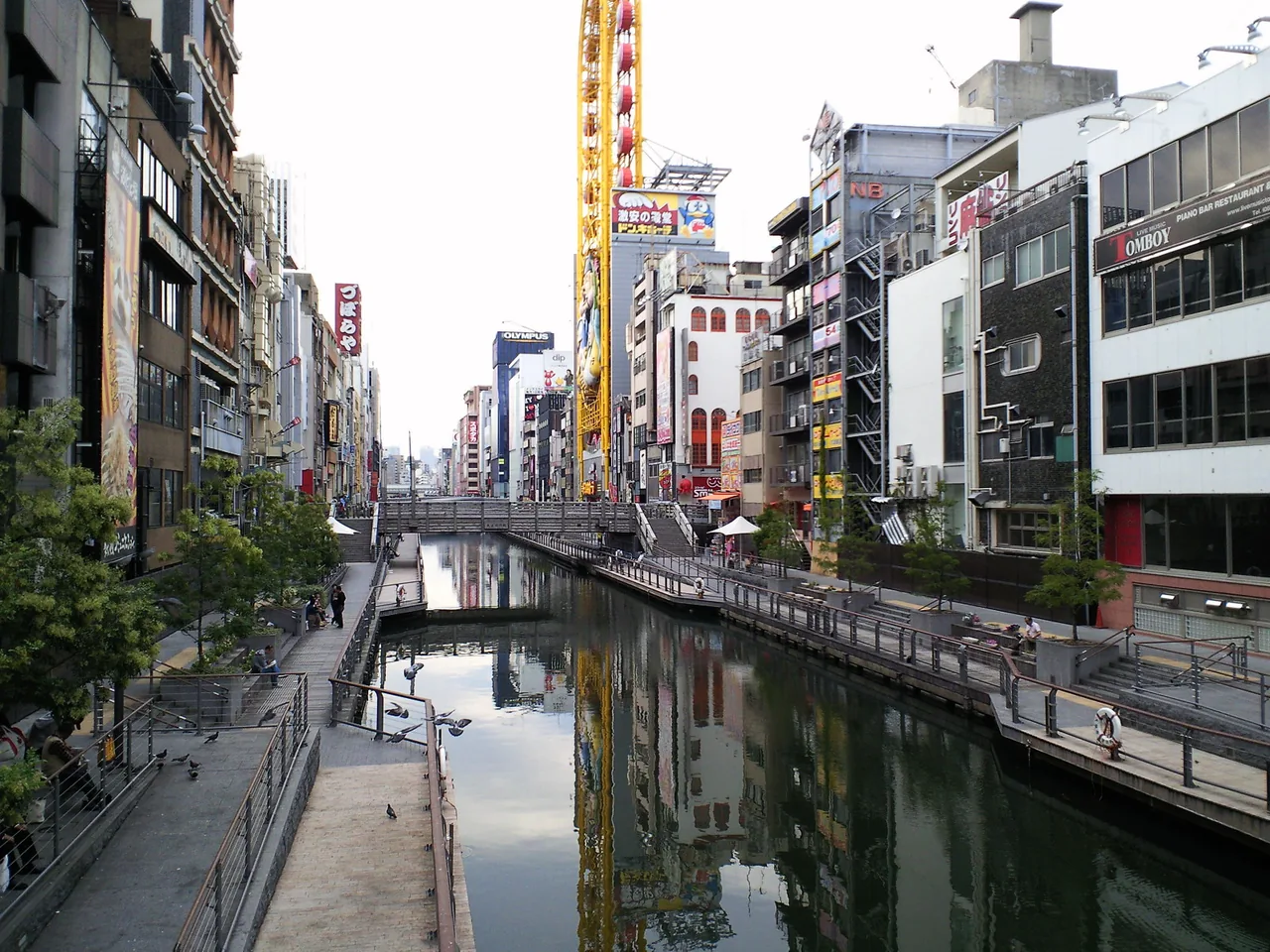
Both banks of the Dotonbori canal have a walkway one level below the street. It is called the Tombori River Walk and there is no charge to use it. The open stretches run from Ebisubashi east to Nipponbashi, plus a separate section over at Minatomachi. Map
It is quieter than the street above and there are benches. More than thirty businesses have cut entrances through to the water, so you can step off the walkway straight into a bar or a restaurant. Once the signs come on in the evening, the view from down here is better than the view from the bridge.
The two open stretches come to about 600 metres between them, but they are not yet joined into one continuous path. At one point you climb back up to street level and come down again. Work to close the gap is planned.
At the end of July the canal fills with boats for the Tenjin Matsuri, and kabuki actors make their formal arrival by boat along the same water. On those days the walkway is packed shoulder to shoulder.
Don Quijote never closes, and the wheel is attached to it
The Don Quijote on the north bank trades 24 hours a day. The tax-free counter is the exception and may be shut late at night, so if you are shopping for a refund do not leave it until the small hours. The paperwork itself is covered in our Japan tax-free shopping guide. Map
A yellow Ferris wheel is built into the side of the same building. You board on the third floor and it costs ¥600. The shop stays open all night but the wheel does not, so ride it in the evening rather than assuming it will be turning at three in the morning.
The north bank changes character after dark
Soemoncho, the block behind the north bank, is quiet during the day and does not really open until the evening. It leans towards expensive restaurants and hostess clubs, and walking into one without checking the price first can go badly. Stick to places that post their prices outside. Map Note that only 44 of the 552 branches open 24 hours and one in three sells medicine, which our Don Quijote guide breaks down along with the free discount coupon.
9. Hozenji Yokocho is two alleys three metres wide
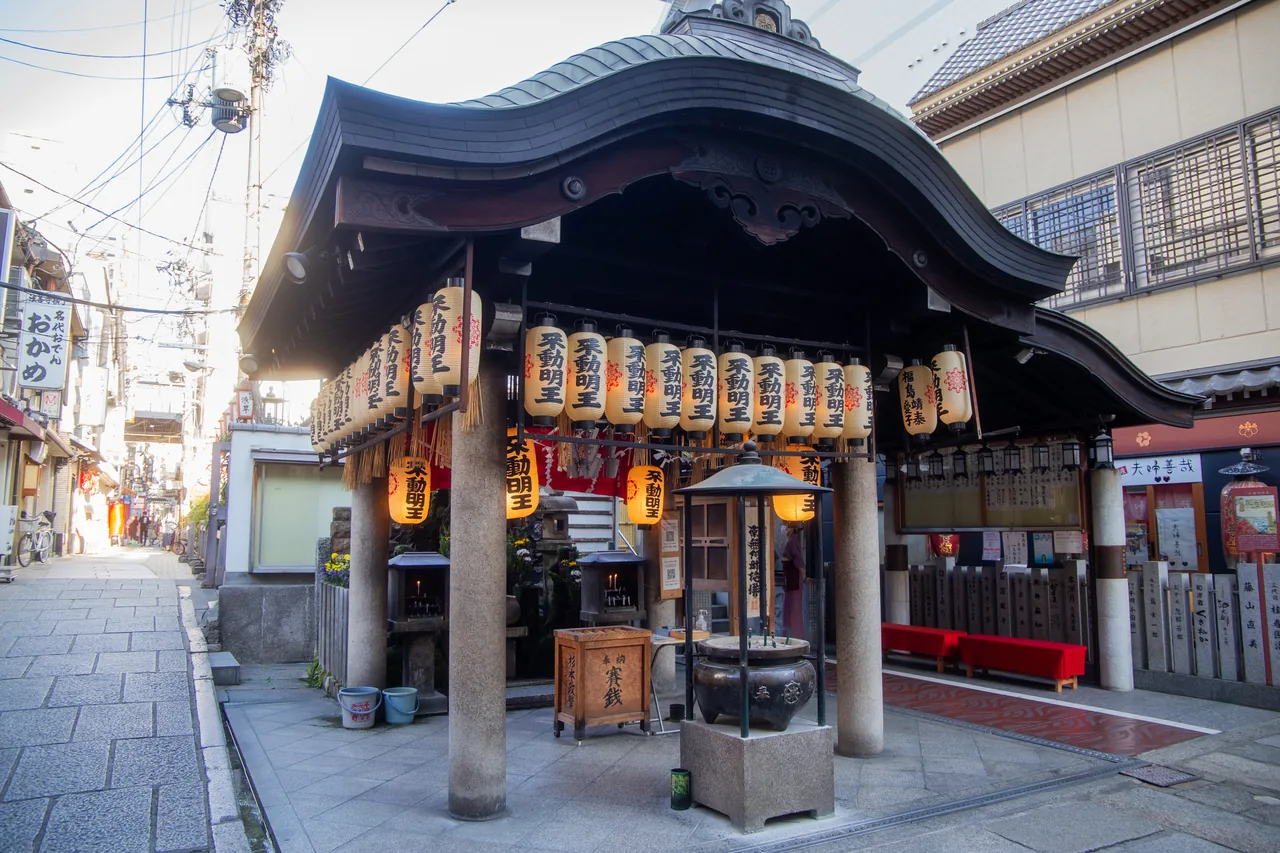
One block in from the main Dotonbori strip the noise drops away. Hozenji Yokocho is a pair of alleys running east to west, each about eighty metres long and only three metres across. The surface is stone, so you hear your own footsteps, which is not something you get anywhere else in this part of the city. Map
There is a gate at each end with the name of the alley written on it. The characters on the western gate and the eastern gate were written by two different people, both of them well-known Osaka entertainers.
People pour water over the statue
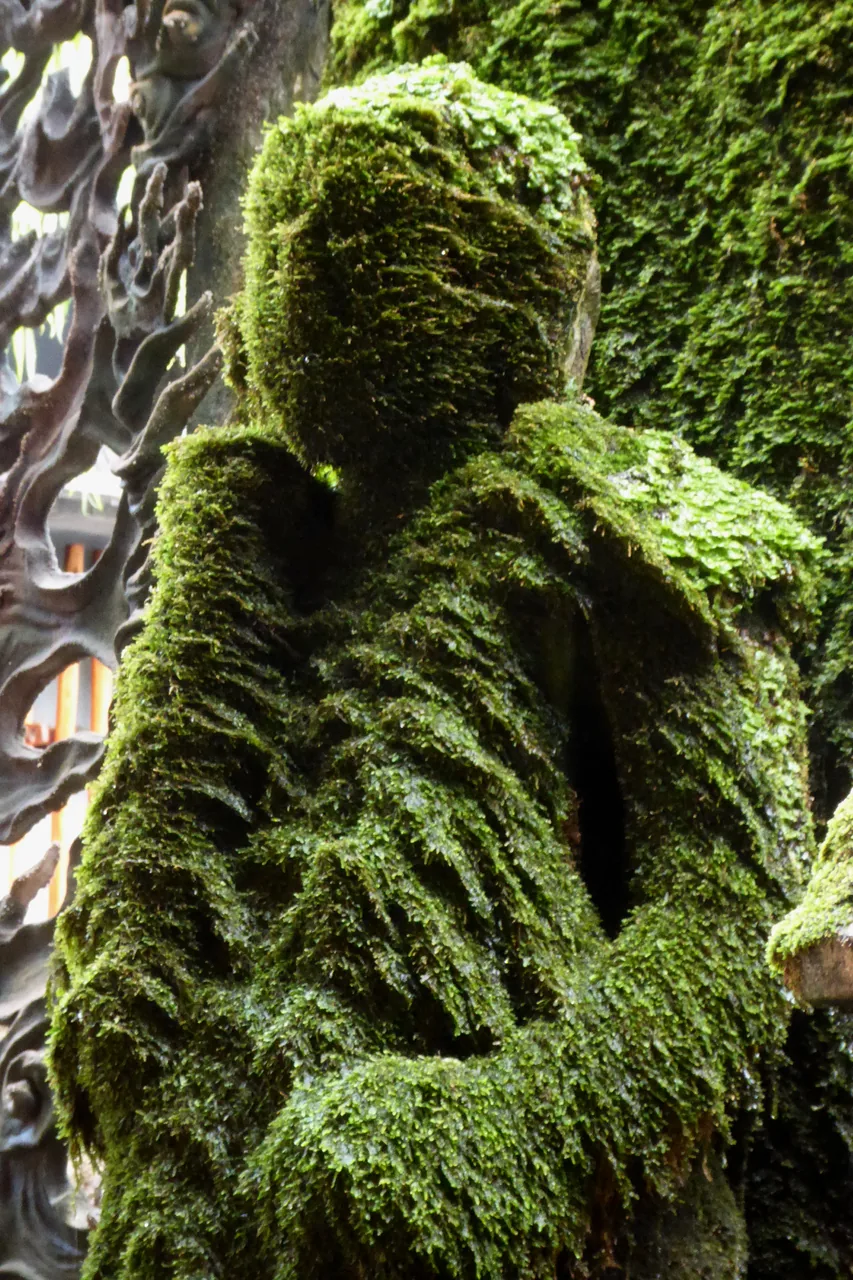
Inside the alley is Hozenji temple, and in its grounds stands a statue that visitors pour water over while making a wish. It has taken so much water over so many years that it is covered head to foot in green moss. A ladle sits beside it. Nobody charges you for this.
The whole site was originally temple grounds, and the alley grew out of stalls set up for people coming to pray. It burned down in the air raids of the Pacific War and was rebuilt afterwards. Today it is lined with long-established Japanese restaurants, bars, okonomiyaki counters and kushikatsu places.
A novel by Sakunosuke Oda is set here and an old popular song is named after the alley, which is why Japanese visitors know the name before they arrive. A shop selling the sweet red bean soup from that novel still trades halfway along.
The alley is too narrow for a suitcase, and it gets narrower in the evening when queues form outside the doors.
10. Eating on the main strip mostly means standing up
Many of the places along Dotonbori have no seats at all. Takoyaki and kushikatsu are handed to you through a window and eaten on the spot. The shopping street association asks people not to eat while walking, so use the counters and ledges the shops put out rather than carrying food down the street.
If takoyaki is new to you, the ground floor of the Dotonbori Konamon Museum is an easy start. You watch it being cooked in front of you and eat it there. Entry to the building is free and you only pay for what you eat. Map
| Floor | What is there | Hours |
|---|---|---|
| Ground | Takoyaki counter, cooked in front of you | 11:00 to 22:00 |
| Second | History of takoyaki and of the sauces | 11:00 to 22:00 |
| Third | Make your own plastic food sample | Weekdays 11:30 to 19:15, weekends and holidays 10:30 to 19:15 |
The sample-making takes about forty-five minutes and you keep what you make. A wax one costs ¥2,000. The building opens every day of the year.
Okonomiyaki is the one you sit down for
Osaka Botejyu has been making okonomiyaki in Namba for over seventy years. The basic pork version starts at ¥810 and the restaurant runs from eleven in the morning until half past eleven at night, with last orders half an hour before closing. It shuts for exactly one day a year, the first of January, which is worth remembering if you are in Osaka over new year. Map
Late at night the ramen shops are the ones still open
Dotonbori Kingemon does soy sauce ramen and nothing else. It opens at eleven in the morning and runs through until eight the next morning, and on Fridays, Saturdays and the day before a public holiday it simply stays open for the full 24 hours. It never closes for a rest day. The dark bowl is ¥850, the lighter one ¥800, and five gyoza are ¥300. Five minutes on foot from the Metro station. Map
Finding food late is not a problem in this neighbourhood, but the places that run to dawn are on the main roads. The alleys mostly shut before midnight.
For something to carry home, there is a kombu shop
If you want something that keeps, Oguraya has been selling kelp here for more than a hundred and seventy years and uses only Hokkaido stock. It opens at half past nine in the morning and closes at nine at night, every day. They sell loose by weight as well as in boxes, so you can buy a small amount. Boxed sets start at ¥2,160. Map
The signs are the other reason people come
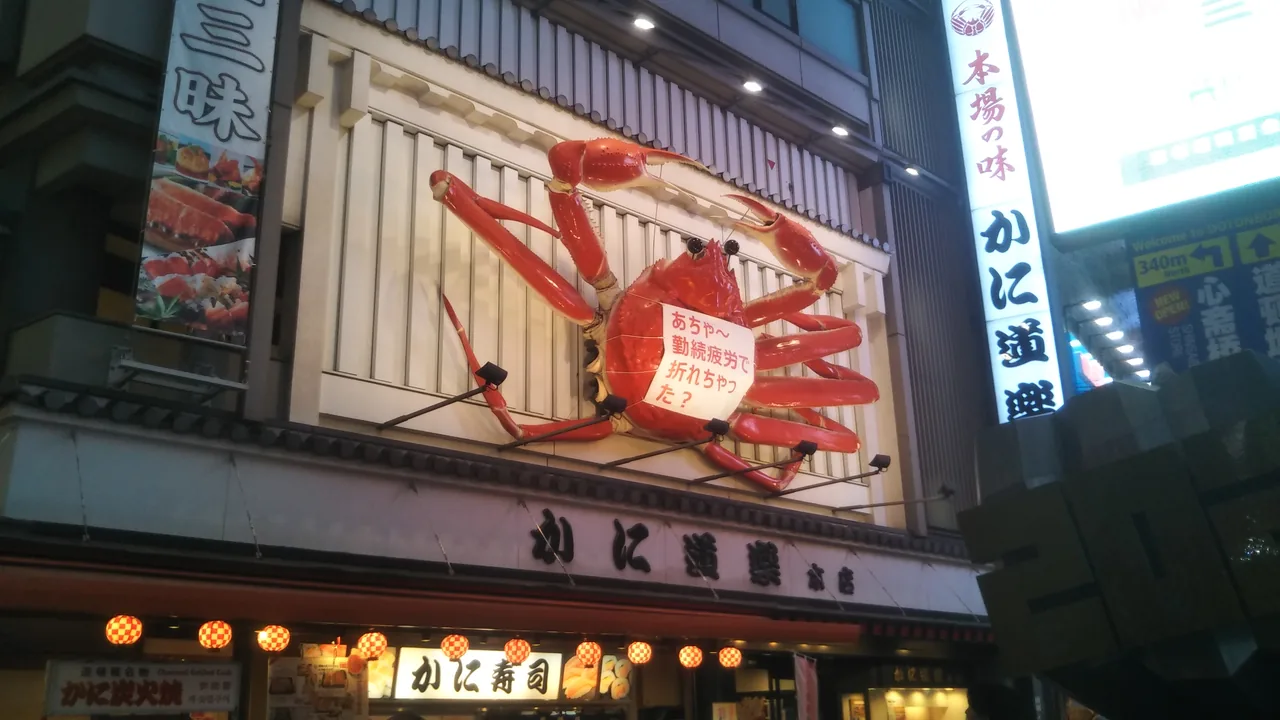
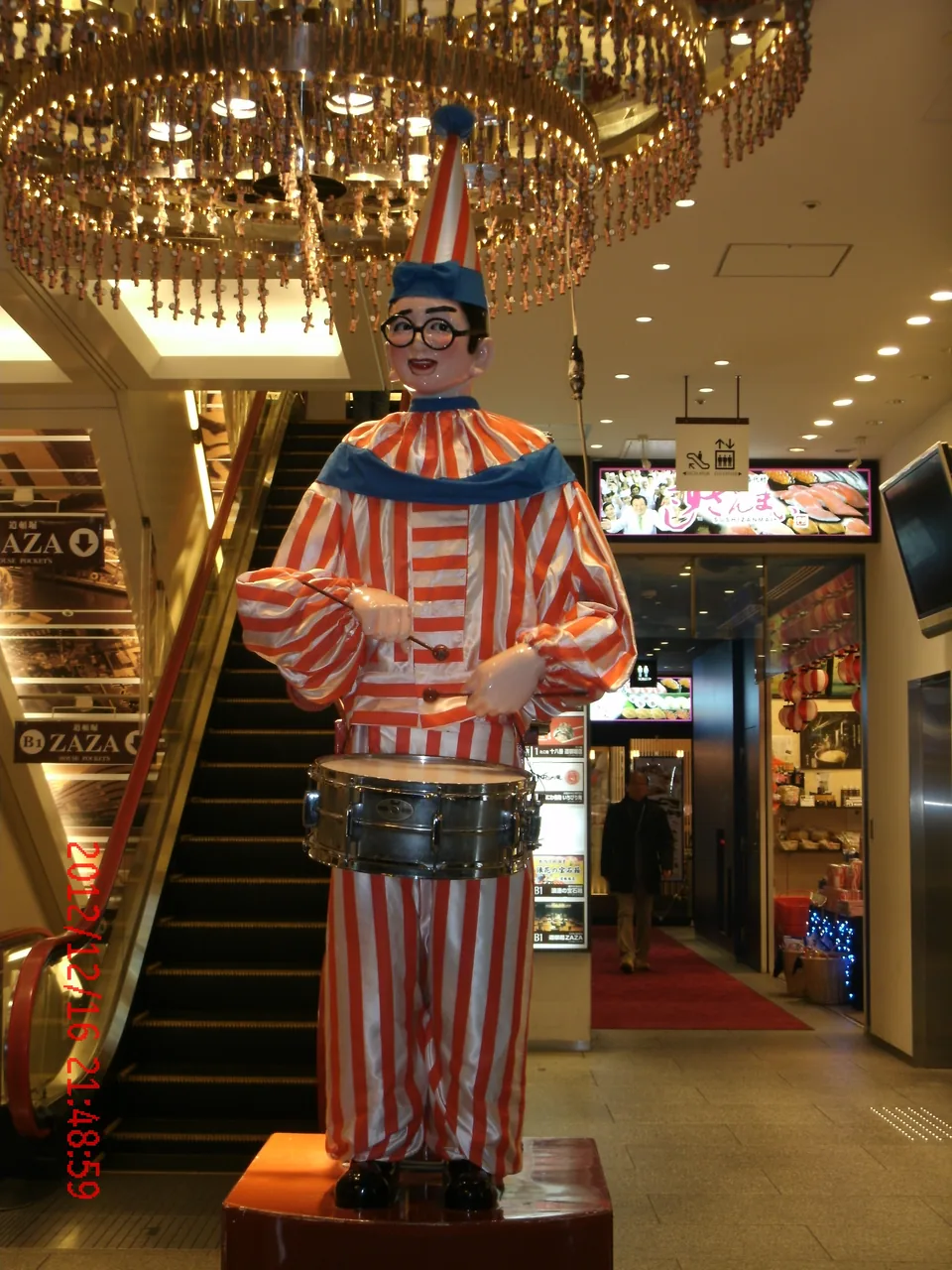
The strip is lined with oversized three-dimensional signs, a crab and a pufferfish and a man beating a drum among them. The drummer stands at the entrance to the Nakaza Kuidaore building. A kushikatsu chain has put a rotating figure on its roof that you can pick out from a long way off. Map
Opening hours vary shop by shop along here. Somewhere shut in the afternoon is often open in the evening, so do not write a place off after one walk past.
11. There are two places to see Osaka comedy
Namba is where Osaka goes to watch stand-up comedy. A theatre and a museum sit three minutes apart. At one you buy a ticket for a show, at the other you walk in for nothing. Map
Namba Grand Kagetsu is run by Yoshimoto, the entertainment company that more or less defines Osaka comedy. The programme mixes two-person comedy and solo storytelling, and ends with a full-cast farce that changes to a new script every week. There are more than three performances a day and the theatre does not close for any day of the year.
Whether it is worth going without Japanese is a fair question. There are no subtitles, but a lot of the comedy is physical, and plenty of visitors say the room itself is the point. The building also has a takoyaki counter and a souvenir shop that you can walk into without a ticket.
The museum side costs nothing
The Wahha Kamigata museum covers the history of Osaka comedy, and admission is free. It opens at ten in the morning and closes at six, with the video and audio booths taking their last bookings at half past five. Half an hour is enough to see it. Map
| Namba Grand Kagetsu | Wahha Kamigata | |
|---|---|---|
| Price | Varies by performance | Free |
| Closed | Never | Mondays, and over new year |
| Time needed | Around two hours for one show | About thirty minutes |
The museum closes on Mondays. When a public holiday falls on a Monday it opens and takes the next weekday off instead. If you are in Namba on a Monday, assume the theatre is your option.
12. Shochikuza is the last theatre left on the strip
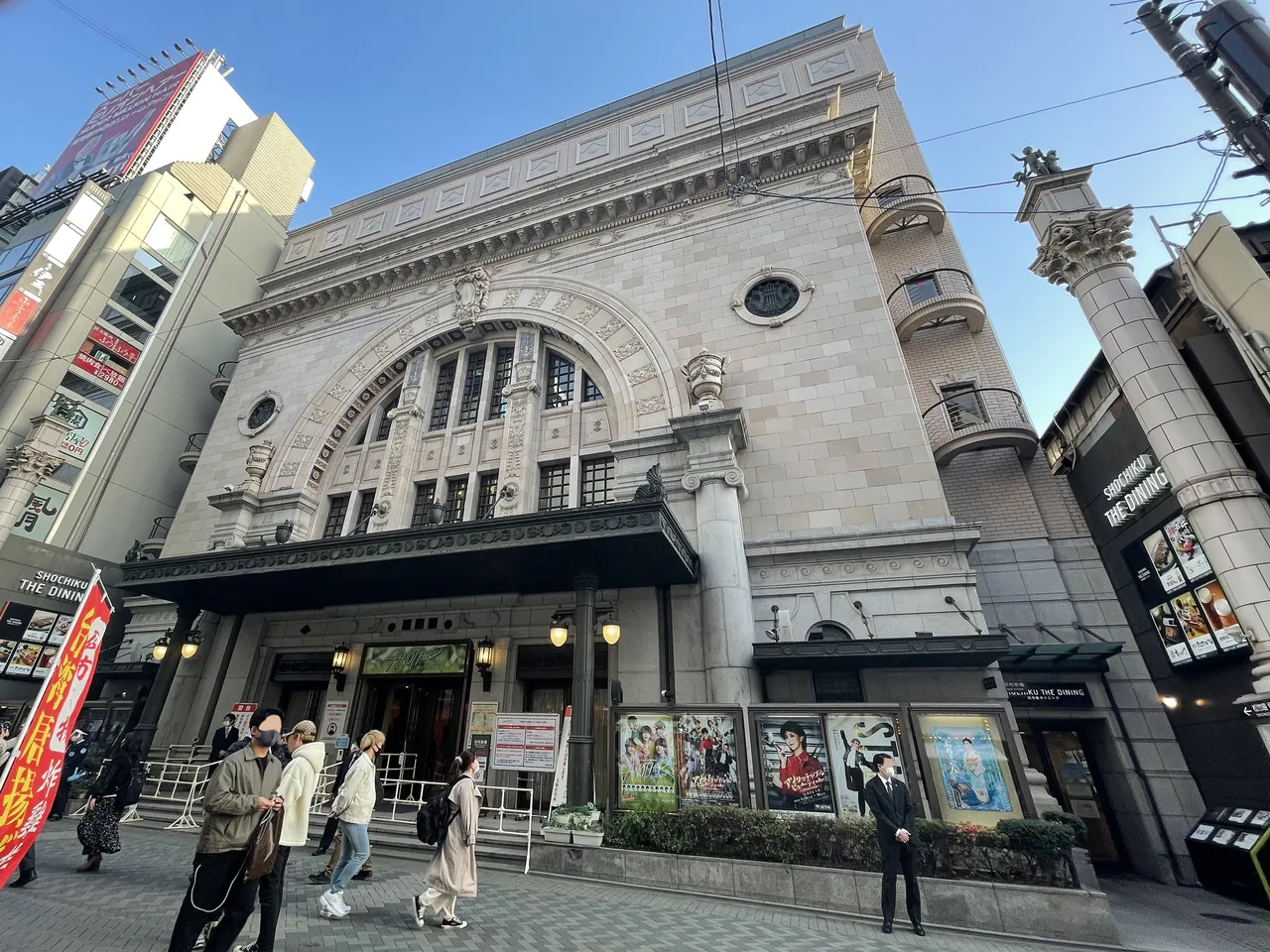
Dotonbori was a theatre district before it was a food district. Several playhouses once stood along the canal and only one of them survives, the Osaka Shochikuza near Ebisubashi. It stages kabuki, modern drama, musicals and concerts. Map
The building opened in 1923 as the first Western-style theatre in Japan. It was rebuilt in 1997, keeping only the great arch across the front, so the facade is the old one and everything behind it is new. The ground floor is the lobby, the first floor has the shops, and the auditorium occupies the three floors above that.
It is one minute from exit 15B of the Midosuji line. You do not need a ticket to look at the arch, which is plainly visible from the street.
For puppet theatre, go one station east
Bunraku, the puppet form where three people work a single figure together, is not performed in Namba but at the National Bunraku Theatre in Nipponbashi, a minute from that station. Even without a performance ticket you can walk into the exhibition room on the ground floor for nothing, open from ten in the morning to six. Map
There are stretches of the year with no performances at all, so check before you build a day around it.
13. A small museum here closes on Mondays
On the western corner by Hozenji there is a four-storey museum of woodblock prints. The Kamigata Ukiyoe Museum holds actor portraits made in Osaka in the later Edo period. The floors are small, so about thirty prints hang at any one time. Map
| Item | Detail |
|---|---|
| Admission | Adults ¥700, high school ¥500, primary and junior high ¥300 |
| Hours | 11:00 to 18:00, last entry 17:30 |
| Closed | Mondays, or the following day when a holiday falls on one |
Prints made in Edo flattered their subjects. The Osaka ones did not, and they drew the stage machinery and the props in as well, so each sheet carries a certain amount of everyday detail from the period along with the actor. The hanging rotates roughly every three months.
The top floor shows the tools used to cut and print the blocks and has somewhere to sit down. The ground floor is a shop selling goods printed with the images. The Osaka Amazing Pass covers admission.
14. Doguyasuji sells knives, and plastic food you make yourself
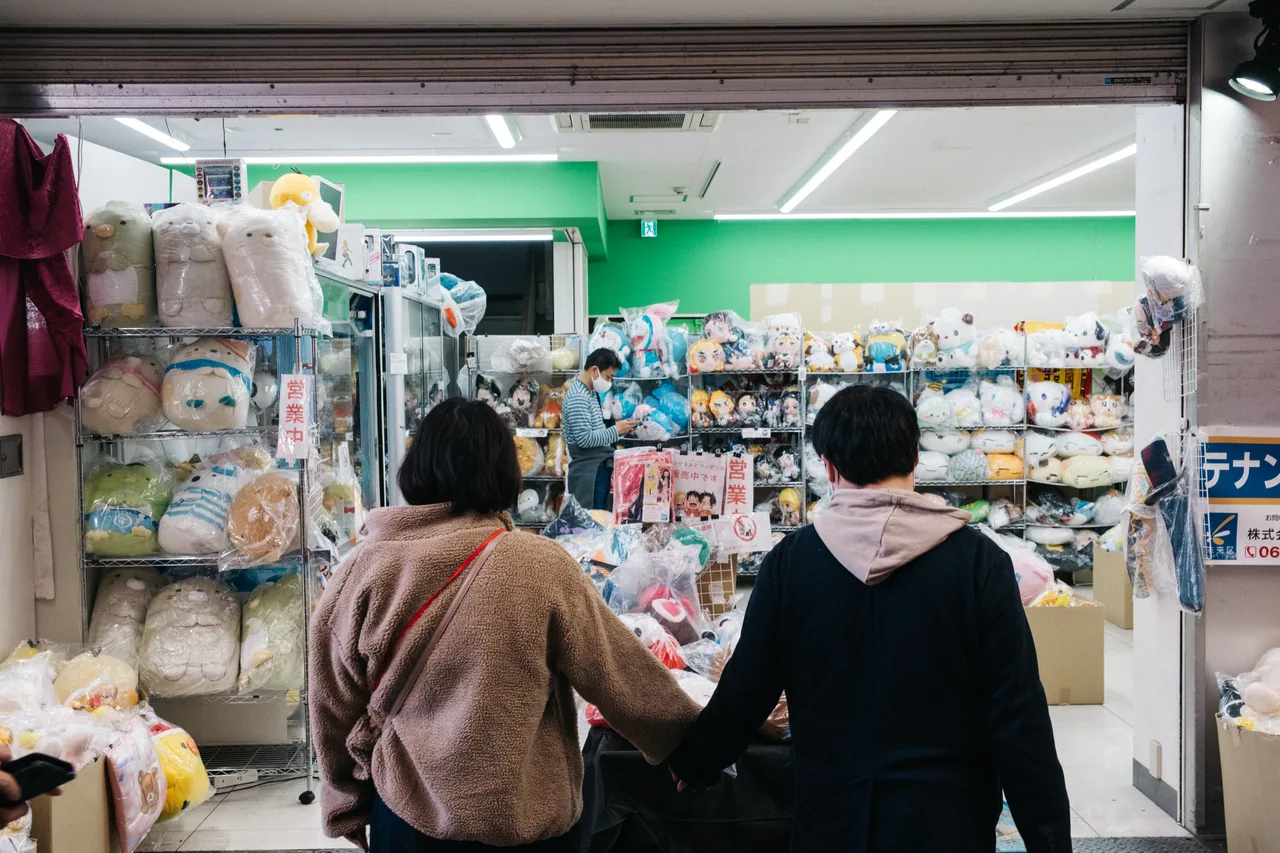
Three minutes east of the station is a shopping street that sells nothing but kitchen equipment. Sennichimae Doguyasuji runs for 150 metres and carries knives, pans and crockery, plus the shop curtains, lanterns and signboards that restaurants hang outside, and the plastic food in their windows. Map
It began as a pilgrimage route, with second-hand tool dealers and general stores lining the way to Shitennoji and Imamiya Ebisu. Most of the shops now supply the restaurant trade, but they sell to anyone who walks in.
A knife has to go in checked baggage
Kitchen knives are what people come here for. Several shops will engrave a name on the blade, and the engraving takes time, so do this earlier in your trip rather than on the last day. A knife cannot go in hand luggage, so leave room in the bag you are checking.
Some shops will let you make a plastic food sample yourself, a takoyaki or a parfait, and you take it away with you. Another runs glass etching sessions.
The ninth of October is tool day and the street holds an event around it, with a prize draw for anyone who spends a set amount. The area gets busy that day. There is a second market on the tenth of January.
15. Namba Parks was built on a baseball ground
The complex south of Nankai Namba station stands where a stadium used to be. Osaka Stadium, home of the Nankai Hawks, was demolished and this was put up in its place. Map
The upper floors step back one above the other and every one of those setbacks is planted. There is a small stream running through it and around five hundred kinds of plant. Going up costs nothing. It stays comparatively empty, which makes it the obvious place to sit down when the crowds on the strip have worn you out.
| Part | Hours |
|---|---|
| Shops | 11:00 to 21:00 |
| Restaurants | 11:00 to 23:00 |
It joins directly onto Nankai Namba station. From the Kintetsu or Metro stations it is about nine minutes on foot. There is a cinema inside as well.
The station building is a department store
Nankai Namba station is inside Takashimaya. The store trades from ten in the morning to eight at night, and the restaurant floors upstairs stay open until eleven. The basement is the food hall, which is where to go for prepared dishes and sweets. A walkway on the fifth floor leads straight into a hotel. Map
Namba CITY runs on from the same building, with shops from eleven to nine and restaurants until ten. Between the department store, the mall and the underground streets, a wet day can be spent here without going outside.
16. JR Namba sits on top of the biggest bus terminal in western Japan
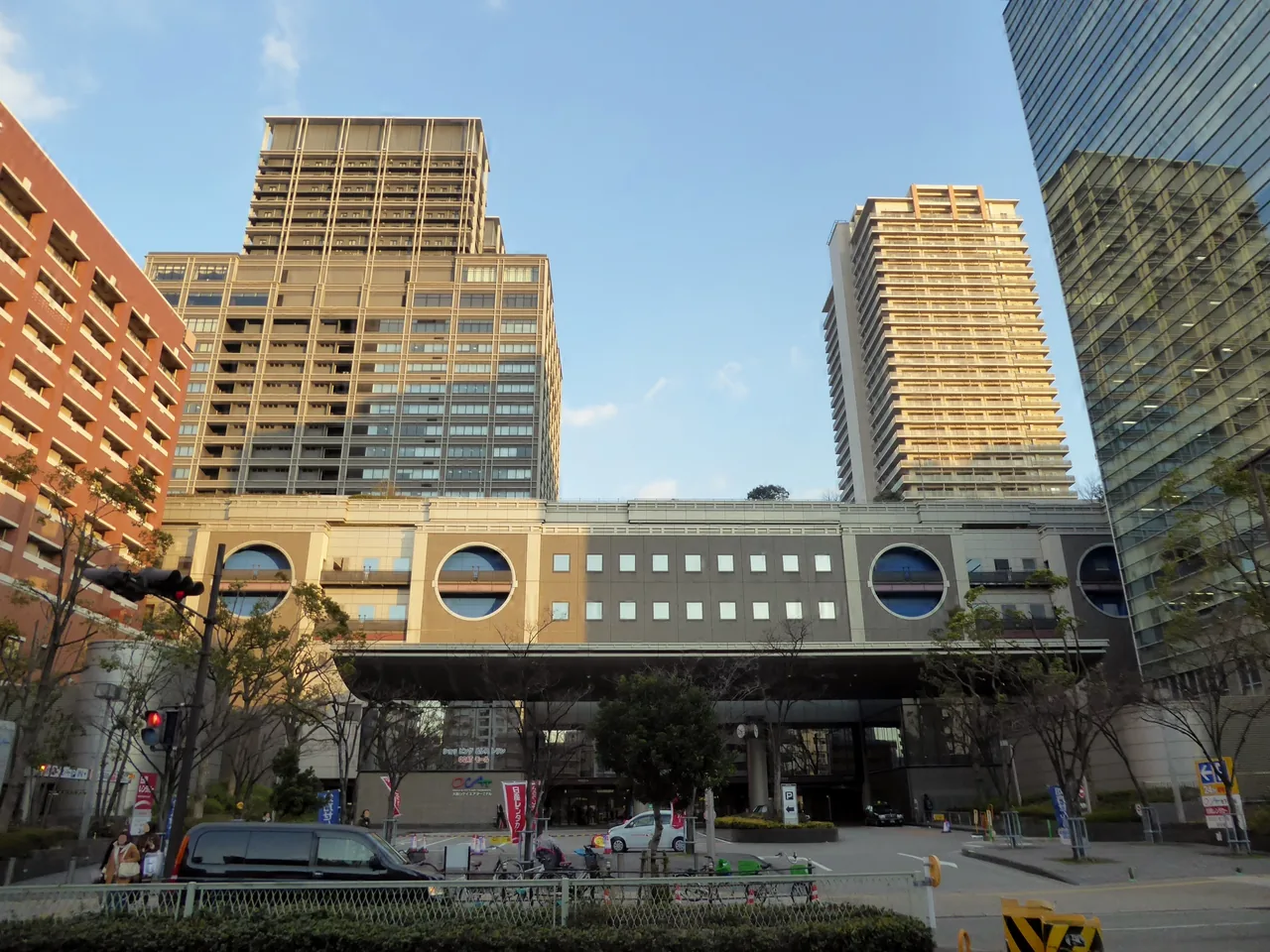
There is a reason JR Namba ended up so far from the rest. The building above it, OCAT, houses the largest long-distance bus terminal in western Japan. Coaches run from here as far north as Sendai and as far south as Kumamoto. Map
Buses leave from the first floor up. Airport coaches to both Kansai and Itami go from the same place. If your plan involves moving on to another city with luggage, basing yourself in Namba starts to make more sense than it looks on a map.
| Item | Detail |
|---|---|
| Shops | 11:00 to 21:00, restaurants to 22:00 |
| Closed | Third Wednesday of each month |
| Roof | Herb garden, free to walk into |
The building takes the third Wednesday of the month off. Buses still run that day but the shops inside are shut. December and January work to different dates, so check if you are travelling around new year.
There is a music venue just north of it
Minatomachi River Place sits on the water north of OCAT and contains Namba Hatch, a live music hall. An elevated expressway runs through the middle of the structure, which is hard to miss the first time you see it. The riverside is walkable whether or not anything is on. Map
17. Coming in from Kansai Airport needs no change of train
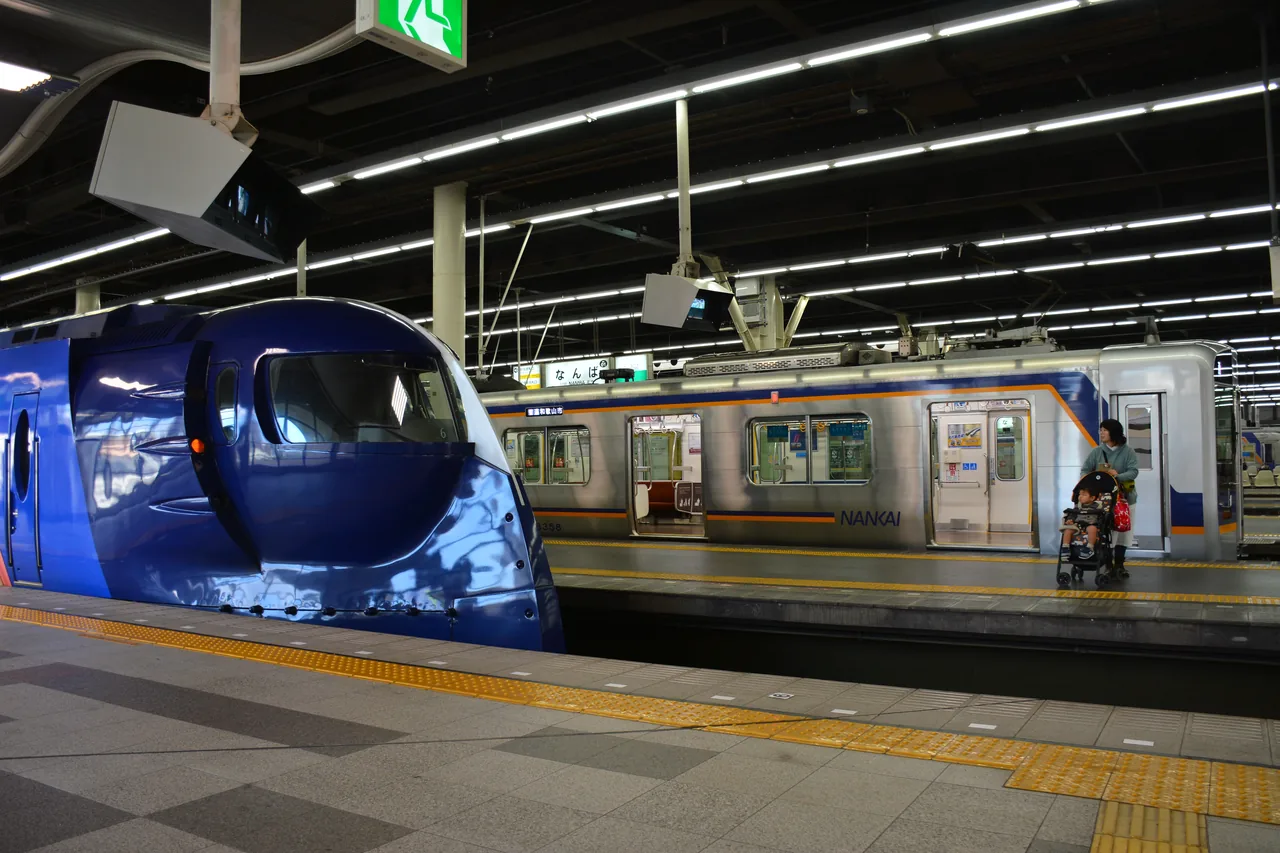
Nankai runs from Kansai Airport into Namba directly. Not having to change with luggage is the strongest practical argument for staying in this part of Osaka. Map
Two kinds of train make the run. One is the ordinary service. The other is the Rapi:t, a limited express, and riding it means buying a limited express ticket on top of the fare.
| Service | What you pay | Worth knowing |
|---|---|---|
| Ordinary train | Fare only | No seat reservation |
| Rapi:t regular seat | Fare plus ¥700 express ticket | Seat is reserved |
| Rapi:t super seat | Fare plus ¥910 express ticket | Front carriages |
| Combined discount ticket | ¥1,560 for a regular seat | Only between the airport and Namba |
Buying the express ticket on board costs ¥300 more, and children pay the same surcharge. Buy it at a window or a machine before you board. Buying through the phone service takes ¥150 off instead.
Without much luggage and without a deadline, the ordinary train does the job. The Rapi:t gives you a reserved seat rather than a significantly shorter journey.
Buses come in too
Airport coaches set down at OCAT on the second floor, above JR Namba. Luggage goes in the hold, which suits a large case. Against that, traffic makes the timing unreliable and you arrive at the western edge of the district rather than the middle of it, so you will be moving again to reach your hotel.
Put simply: for a hotel near Dotonbori take the train, and for a big case with a hotel near JR Namba take the bus. Arriving late at night, take the train.
The ticket windows at the airport build queues
The station windows at Kansai Airport back up when several flights land together. If you already carry an IC card you can walk past them straight to the gates. If you want the Rapi:t, buying through the phone service removes one queue from your arrival.
Travelling straight on to Kyoto instead, Namba is a detour. The alternatives are laid out in getting from Kansai Airport to Kyoto.
18. Getting around once you are here
Staying in Namba means using the subway a lot. The Midosuji line alone reaches most of what visitors want in Osaka. Past about four rides in a day, a one-day ticket starts to pay.
| Ticket | Price | Covers |
|---|---|---|
| Enjoy Eco Card, weekday | ¥820 | All Osaka Metro lines and city buses |
| Enjoy Eco Card, weekend or holiday | ¥620 | The same |
| Child | ¥310 | Same price on any day |
The same card is ¥200 cheaper at weekends. What it does not do is carry you onto Kintetsu, Hanshin or Hankyu, so on the day you go to Nara or Kobe it is no use to you.
Planning to go into several paid attractions instead, the Amazing Pass is the better buy. It includes the subway as well, and both the river cruise and the ukiyo-e museum are on its list. Which days it loses money is set out in whether the Amazing Pass is worth it.
If neither fits, one IC card covers the subway, the private railways and JR without thinking about it. Choosing between them is covered in the Suica and ICOCA guide. For a wider trip around the region, see the Kansai transport passes compared.
19. The things that cost nothing add up to a day
Most of what Namba and Dotonbori are known for has no admission charge. Looking at the signs, walking the canal, standing on the bridge: none of it is ticketed. Strung together they fill a day on their own.
| Where | What you do | Worth knowing |
|---|---|---|
| Namba Hiroba | Sit down in front of the station | Events most weekends |
| Ebisubashi-suji | Walk the covered arcade | No umbrella needed |
| Ebisubashi | See the Glico sign head on | Lit only after sunset |
| Tombori River Walk | Walk the canal bank | Quieter than the bridge |
| Hozenji Yokocho | Pour water over the statue | The ladle is provided |
| Konamon Museum | Watch takoyaki being made | Entry is free |
| Wahha Kamigata | Osaka comedy history | Closed Mondays |
| Namba Parks garden | Sit in the rooftop planting | Rarely crowded |
| OCAT roof | Herb garden above the terminal | Building shuts third Wednesday |
Add the exhibition room at the National Bunraku Theatre and you have a good deal more indoor time. It opens to anyone, with or without a performance ticket, and charges nothing.
Only a few things here take money at the door
The list of paid attractions in this neighbourhood is short. The river cruise is ¥2,000 for an adult, the ukiyo-e museum ¥700, and the Ferris wheel on the Don Quijote building ¥600. Namba Grand Kagetsu varies with the programme.
Once you are going into three or more, run the numbers on the Amazing Pass. Both the cruise and the ukiyo-e museum are included. Map
20. Opening hours decide the order of your day
Namba and Dotonbori are compact enough that route planning is mostly wasted effort. What does matter is when things open, because they do not open together. Arrive early in the morning and there is very little running.
| Time | What works | Why |
|---|---|---|
| 10:00 | Wahha Kamigata, the underground streets | These are what open at ten |
| 11:00 | Konamon Museum, ukiyo-e museum, Namba Parks | Most of the district starts at eleven |
| Midday | Ebisubashi-suji, Doguyasuji | The arcades are at their fullest |
| 16:00 | Collect a boat ticket at Don Quijote | Evening sailings go first |
| After sunset | Glico sign, river walk, the boat | Nothing is lit before then |
| Evening on | Hozenji Yokocho, Soemoncho | The alleys open late |
With only half a day, run it backwards. Arrive in the late afternoon, walk the arcade, be on the bridge when the sign comes on, take the boat and eat afterwards. That is three or four hours.
Mondays and the third Wednesday are the only traps
Very little here closes on a schedule. Two museums shut on Mondays, and the shops inside OCAT shut on the third Wednesday of the month. The arcades, the canal and the theatre run regardless.
Public holidays reverse the rule. Both museums open on a holiday Monday and take the following day off instead, so a long weekend is more likely to find them open than a normal one.
21. Staying here means you can walk home
The argument for a hotel in Namba is that you can walk back to it. Eat on the canal, take the last boat, and your bed is a few minutes away on foot rather than a train ride. The cost is noise: rooms facing the main roads and the arcade hear the street until late.
Ask for something a block or two off the arcade, or look south of Namba Parks, if quiet matters more to you than the walk.
Osaka charges accommodation tax once the room rate reaches ¥5,000 per person per night. It is collected at the hotel rather than added to your booking, usually at check-in or check-out. The bands are set out in our guide to Japan’s accommodation taxes.
Whether Namba is the right base at all depends on the shape of your trip. Umeda, Shin-Osaka and the bay area are compared side by side in where to stay in Osaka.
Some dates are harder than others
Cherry blossom season and the Tenjin Matsuri at the end of July both tighten the hotel supply, and a day at Universal Studios Japan in the middle of your trip makes it worse. Park planning is in our Universal Studios Japan guide.
22. One step outside and the character changes
Once Namba and Dotonbori are done, several quite different places are within walking distance. Which way you go decides what you get.
| Direction | What is there | From Namba station |
|---|---|---|
| East | Kuromon market, where fish and fruit are cooked and eaten on the spot | 8 min walk |
| South east | Den Den Town, electronics, manga and games | 10 min walk |
| North | Shinsaibashi, a long covered shopping street | 10 min walk |
| North west | Amerikamura, younger, heavy on second-hand clothing | 12 min walk |
Kuromon and Den Den Town each get their own section in the Osaka travel guide. For second-hand clothing and used goods generally, our guide to second-hand shopping in Japan covers the chains you will run into. Map
By train it is a half-day in any direction
Kintetsu from Osaka-Namba reaches Nara without a change, and the deer park is a walk from that station. The detail is in the Nara day trip guide.
Hanshin from the same station runs to Kobe. The Midosuji line goes north to Osaka Castle and Umeda. Namba sitting in the middle is what makes all of those single rides. Adding Kyoto to the trip, start with the Kyoto travel guide.
For the whole country rather than one city, our Japan travel guide links the cities together.
🎡Things to Do12
🏨Where to Stay3
🚇Getting Around3
🗾Japan trip essentials26
Namba and Dotonbori: common questions
It depends where you are going. For Dotonbori and the Glico sign, exit 14 of the Midosuji line station puts you closest. Arriving from Kansai Airport you will land at Nankai Namba, and from there the arcade north takes under ten minutes. Coming from Nara or Kobe you arrive at Osaka-Namba. JR Namba is more than 600 metres from the other five, so avoid it if you are carrying luggage.
They do not take telephone bookings at all. Tickets are sold on the day only, starting an hour before each departure, and the desk is not at the pier but on the ground floor of Don Quijote Dotonbori. Sailings after dark sell out first, so pick up a ticket earlier in the day if you want an evening boat. Adults pay ¥2,000, students from junior high ¥1,000 and primary school children ¥500. The Osaka Amazing Pass covers it.
It is lit from sunset until midnight. Because it follows sunset rather than a fixed clock time, the hour moves by close to two hours across the year. In summer you are waiting until after seven in the evening, and in winter it is on by about half past five. During the day the sign is there but unlit.
From Takashimaya, at Nankai Namba, up the arcade to Ebisubashi where the Glico sign is, the shopping street association gives 370 metres. That is under ten minutes at a slow pace, and the arcade is roofed so rain is not a factor. On a busy weekend afternoon the parallel main road one block west is faster.
Most of it. The arcades, the riverside walkway and Namba Grand Kagetsu all run on Mondays. The two that close are the Wahha Kamigata comedy museum and the Kamigata Ukiyoe Museum. Both stay open when a public holiday lands on a Monday and take the next day off instead. The Konamon Museum and Don Quijote open every day of the year.
Underground. Namba Walk runs over 700 metres from Nipponbashi station to the Yotsubashi line platforms, and NAMBA Nannan joins it on the Nankai side. Takashimaya and Namba CITY connect to the same network, and the passage continues through to Namba Parks. You can spend half a day here without going outside.
No. The ordinary Nankai train also runs into Namba without a change and only costs the basic fare. What the Rapi:t adds is a reserved seat, at ¥700 for a regular seat on top of the fare. It is worth it with heavy luggage or if you would rather not stand. Buying the express ticket on board adds ¥300, so buy it before you get on.
They are two different shrines about twenty minutes apart on foot. The one with the lion head is Namba Yasaka Shrine, roughly seven minutes west of the station. Namba Shrine is over towards Shinsaibashi. Searching the shorter name will often send you to the wrong one, so use the full name.
During the day, yes. Making a plastic food sample at the Konamon Museum and the rooftop garden at Namba Parks both work well. On the river cruise one pre-school child travels free with each paying adult. The exception is Soemoncho on the north bank, which turns into a drinking district in the evening and is worth steering around after dark.
Rooms facing the main roads or the arcade will hear the street late into the night. A block or two back, or south of Namba Parks, is markedly quieter. In exchange you can walk home after the last boat, which no other part of Osaka lets you do in the same way. The areas are compared in where to stay in Osaka.