
Kyoto Travel Guide: Districts, Itineraries, and the Best Time to Go
Japan’s thousand-year capital, sorted into districts you can actually plan around, with ready-made itineraries, honest crowd advice, and the fees and trains that trip people up.
| How long | 2 days minimum, 3–4 ideal; as a Kansai base, 4–7 days with Nara, Osaka and Uji. |
|---|---|
| Best time | cherry blossom (late Mar–early Apr) and autumn colour (late Nov) peak but pack crowds; May and October are mildest and calmer. |
| Where to stay | Kawaramachi for transit and dining, Gion/Higashiyama for looks (priciest), Kyoto Station for budget. |
| Getting there | ~2h15 by Shinkansen from Tokyo; ~75 min from Kansai Airport on the Haruka (¥2,200 foreign-passport one-way). |
| Getting around | buses plus two subway lines; the Subway & Bus 1-Day Pass is ¥1,100 (the old ¥700 bus pass is gone). |
| Watch out | Gion’s private side alleys carry a ¥10,000 fine and you eat where you buy in Nishiki; lodging tax runs ¥200–¥10,000 a night from March 2026. |
1. Kyoto in brief: what it is and how to plan it
2. How Kyoto fits together: the districts
3. When to go: seasons, sakura, and autumn colour
4. How many days, and sample itineraries
5. Getting to Kyoto
6. Getting around Kyoto
7. Southern Higashiyama: Kiyomizu-dera and the old lanes
8. Gion and the geiko district: culture and the rules
9. Northern Higashiyama: Ginkaku-ji and the Philosopher’s Path
10. Arashiyama: bamboo, temples, and the river
11. Fushimi Inari and the Fushimi sake district
12. Kinkaku-ji and the Northwest
13. Downtown, Nijo Castle, and Kyoto Station
14. Kyoto with more time: mountain villages and hidden gems
15. The best day trips: Nara, Osaka, Uji, and Himeji
16. What to eat in Kyoto
17. Cultural experiences: tea, kimono, and Zen
18. Where to stay in Kyoto
19. Etiquette and responsible travel
20. Practical essentials
1. Kyoto in brief: what it is and how to plan it
Kyoto was Japan’s imperial capital for more than a thousand years, and it is still the cultural heart of the country: a valley city of about 1.4 million people holding 17 UNESCO World Heritage sites, thousands of temples and shrines, geiko districts, and Zen gardens that invented the idea of stillness. If Tokyo is Japan’s engine, Kyoto is its memory. It is also the second half of the classic Golden Route — most first-time trips run Tokyo, then perhaps Hakone or Fuji, then Kyoto and Osaka.
The good news for planning is that Kyoto is compact and clustered. The famous sights fall into a handful of districts, and the smart way to see the city is to spend each half-day in one area rather than crisscrossing the valley. Get that principle and the whole trip falls into place.
How many days do you need?
| Length | What you can realistically do |
|---|---|
| 1 day | A highlights sprint — Fushimi Inari at dawn, Kiyomizu-dera and the old lanes, one of Arashiyama or Kinkaku-ji, and Gion at dusk. |
| 2 days | The core done properly: Southern Higashiyama one day, Arashiyama and the Northwest (or Northern Higashiyama) the next. |
| 3–4 days | The ideal. Add downtown, Nijo Castle, the Philosopher’s Path, and a Nara or Uji day trip without rushing. |
| 4–7 days | Use Kyoto as your Kansai base and fan out to Nara, Osaka, Uji, and the northern mountain villages of Kurama and Kibune. |
This page is the Kyoto hub of our wider Japan travel guide. If Kyoto is one stop on a longer journey, start there for the country-level picture, and see our Tokyo guide for the other end of the Golden Route.
2. How Kyoto fits together: the districts
Kyoto makes sense the moment you stop thinking of it as one city and start thinking of it as eight or nine distinct districts, each an easy half-day. Group your sightseeing by district and you avoid the single biggest first-timer mistake: burning half your trip stuck on slow, crowded buses that shuttle back and forth across the valley.
| District | What’s there | Time needed |
|---|---|---|
| Southern Higashiyama | Postcard old Kyoto — Kiyomizu-dera, the Sannenzaka and Ninenzaka lanes, the Yasaka Pagoda, Kodai-ji, Yasaka Shrine, Maruyama Park | Half to full day |
| Northern Higashiyama | Quiet Zen and canal — Ginkaku-ji, the Philosopher’s Path, Nanzen-ji, Eikan-do, Heian Shrine | Half day |
| Gion | The geiko and maiko quarter — Hanami-koji, the Shirakawa canal lane, Minamiza theatre, Gion Corner | 1–2 hours, best at dusk |
| Arashiyama | Western nature — the bamboo grove, Tenryu-ji, Togetsukyo Bridge, the monkey park, Okochi Sanso villa | Half to full day |
| Fushimi | The Fushimi Inari torii mountain in the south, plus the Fushimi sake district (Gekkeikan, Teradaya, canal boats) | Half day |
| Downtown / Kawaramachi-Shijo | Nishiki Market, Pontocho, the Teramachi and Shinkyogoku arcades, the Kamogawa riverbank, dining and nightlife | Half day |
| Northwest | Kinkaku-ji, Ryoan-ji’s rock garden, Ninna-ji, Daitoku-ji, Kitano Tenmangu | Half day |
| Kyoto Station area | The hub itself — the landmark station building, Kyoto Tower, To-ji’s great pagoda, Higashi and Nishi Hongan-ji | 2–3 hours |
| Kurama & Kibune | Northern mountain villages — Kurama-dera, the Kurama-to-Kibune hike, summer riverside dining | Half to full day |
We give each of these districts its own section below, with the sights, fees, hours, and a map pin for everything worth your time.
3. When to go: seasons, sakura, and autumn colour
Kyoto has two headline seasons — cherry blossom in late March to early April and autumn foliage in late November — and both are gorgeous, crowded, and expensive. If you want the beauty without the crush, May and October are the smartest months in the calendar.
Kyoto sits in a basin ringed by mountains, which gives it a punishing climate at the extremes: summers are hot and sticky, often above 35°C with high humidity, while winters are cold and dry with only rare snow. That basin geography is exactly why the shoulder months feel so good.
| Season | What to expect | Verdict |
|---|---|---|
| Spring (Mar–May) | Cherry blossom late March to early April; warm and pleasant by May | Peak beauty (sakura), then peak value (May) |
| Rainy season (Jun–mid Jul) | Humid with regular showers; mossy gardens at their greenest | Quiet and cheap; pack an umbrella |
| Summer (Jul–Aug) | Hot, humid 35°C+ days; Gion Matsuri and riverside dining | Festival season, but brutal midday heat |
| Autumn (Sep–Nov) | Cooling into crisp days; foliage peaks late Nov to early Dec | The other headline season |
| Winter (Dec–Feb) | Cold, dry, clear; the calmest, cheapest stretch | Fewest crowds; rare snow on Kinkaku-ji is magical |
Sakura and koyo 2026 (forecasts)
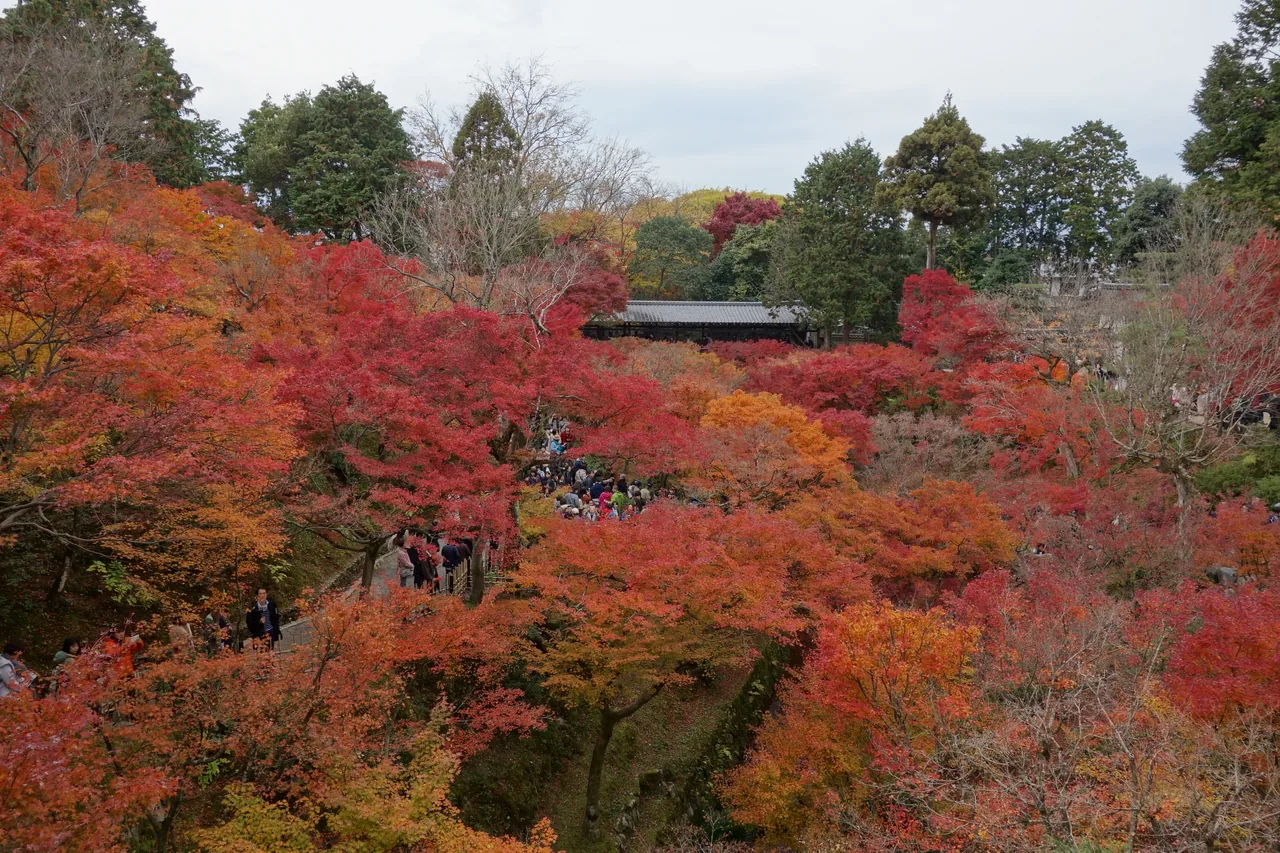
Bloom and foliage dates shift every year with the weather, so treat any date as a forecast, not a promise. In 2026 Kyoto’s cherry blossoms opened around 23 March and peaked near 1 April, with the best window running roughly 29 March to 7 April — a useful benchmark for 2027, though a warm or cold snap can shift the dates by a week or more, so always check the season’s forecast before you book. Autumn colour has been trending later, with the peak now landing in late November into early December; aim for roughly 25 November to 5 December. Tofuku-ji, with its maple-filled valley below the Tsutenkyo bridge, and Eikan-do are the two most celebrated foliage temples.
Festivals worth planning around
- Gion Matsuri — the giant, month-long July festival. The Yoiyama evenings fall on 14–16 July and the two Yamaboko Junko float parades typically run on 17 and 24 July.
- Aoi Matsuri — an elegant Heian-era procession, typically 15 May.
- Daimonji Gozan Okuribi — the mountainside bonfire characters lit on 16 August to close Obon.
- Jidai Matsuri — a costume parade through a thousand years of history, typically 22 October.
If your dates are flexible, October (dry, before the foliage rush) and May (after the sakura crowds) are the best all-round months, while mid-January to February and June are the quietest and cheapest. For a country-wide month-by-month view, see the best time to visit Japan; if you’re locked into summer, our typhoon-season guide explains the weather risk. One more thing to note when you plan: Kyoto’s lodging tax rose sharply from 1 March 2026, which we break down in the where-to-stay section below.
4. How many days, and sample itineraries
The golden rule of a Kyoto itinerary is to group each day by geography so you’re never crossing the valley twice. Kyoto’s sights cluster on opposite sides of the city — the eastern Higashiyama hills versus western Arashiyama and the Northwest — and the buses between them are slow. Plan around the clusters and even a single day feels productive.
One day (highlights)
- Dawn: Fushimi Inari Taisha before the crowds — the torii tunnels are magical and empty at 7 a.m.
- Morning: Kiyomizu-dera, then wander down the Sannenzaka and Ninenzaka lanes into Gion.
- Lunch: street food at Nishiki Market downtown (eaten at the stalls, not on the move).
- Afternoon: Arashiyama for the bamboo grove, Tenryu-ji, and Togetsukyo Bridge — or Kinkaku-ji if you’d rather stay compact.
- Evening: Gion and Pontocho as the lanterns come on.
Two days
- Day 1 — the east: Fushimi Inari at dawn, Kiyomizu-dera and the old lanes, Gion in the evening.
- Day 2 — the west: Arashiyama in the morning, then Kinkaku-ji and Ryoan-ji in the Northwest for the afternoon (or swap the afternoon for Northern Higashiyama — Ginkaku-ji, the Philosopher’s Path, and Nanzen-ji).
Three days
Keep days one and two above, then add a third: downtown Kyoto and Nishiki Market, Nijo Castle, and whichever of the Northern Higashiyama walk or the Northwest temples you skipped — or trade the whole day for a Nara day trip.
Four or more (Kansai base)
Once you have the core covered, use Kyoto as a hub: add Nara, Osaka, and Uji day trips, and give the northern villages of Kurama and Kibune a slow morning. The day-trips section later in this guide lays out the trains and times for each.
5. Getting to Kyoto
Kyoto has no major airport of its own, so almost everyone arrives by train — from Tokyo on the Shinkansen, or from Osaka’s Kansai Airport on the Haruka express. The right choice comes down to where you’re coming from and, if you hold a rail pass, which trains it covers.
From Tokyo — the Shinkansen
The Tokaido Shinkansen runs Tokyo to Kyoto directly. There are two services that matter to visitors:
| Train | Time | Fare (approx.) | On the JR Pass? |
|---|---|---|---|
| Nozomi (fastest) | ~2h15 | ~¥14,000 | No — surcharge required |
| Hikari | ~2h40 | ~¥14,000 | Yes |
From Kansai Airport (KIX)
The JR Haruka limited express runs from KIX to Kyoto Station in about 75 minutes. The regular fare is roughly ¥3,060, but foreign visitors can buy the discounted Haruka One-way Ticket for ¥2,200. For the bus, shuttle, taxi and late-night options too, see our full Kansai Airport to Kyoto guide.
Prefer a door-to-door option with luggage? Shared shuttle vans (MK Taxi, Yasaka) run about ¥4,000–4,500 per person from KIX to your hotel, and limousine buses serve Kyoto Station directly.
From Osaka and Itami
- Osaka (Umeda/Kita): the JR Special Rapid reaches Kyoto in about 29 minutes for ¥580; the Hankyu Kyoto Line limited express runs Umeda to Kawaramachi (central Kyoto) in about 44 minutes for ¥410.
- Osaka (Namba/Yodoyabashi): the Keihan Main Line runs to Gion-Shijo and Sanjo, dropping you right by the eastern sights.
- Itami Airport (ITM): the limousine bus reaches Kyoto Station in about 55 minutes (around ¥1,340 — verify the current fare when you book).
Weighing whether a rail pass pays off across your whole trip? Our JR Pass and Shinkansen guide runs the numbers. Buy your pass or the Haruka ticket in advance here:
6. Getting around Kyoto
Kyoto runs mostly on buses, backed by two subway lines, and the honest truth is that the tourist bus routes get slow and packed in peak season — so walk within each district and use the subway or a bike to jump between them. Kyoto Station is the hub that ties it all together.
The network in one glance
- City buses reach almost every temple but crawl through traffic on the busy Higashiyama and Arashiyama corridors, especially in sakura and koyo season.
- The subway has just two lines — the Karasuma Line (north–south) and the Tozai Line (east–west) — fast and reliable but limited in reach. They cross at Karasuma Oike downtown.
- Walking is the best way to get around within a district. The Higashiyama sights, and the whole of Arashiyama, are made for it.
Passes and IC cards
| Option | Price | Good for |
|---|---|---|
| Subway & Bus 1-Day Pass | ¥1,100 (child ¥550) | The main day pass — unlimited city subway and bus (some Arashiyama/Ohara routes excluded) |
| EX100 / EX101 Sightseeing Express bus | ¥500 per ride (free with the pass above) | Fast express loops between the big sights |
| IC card (ICOCA, Suica, Pasmo, etc.) | Pay as you go | Tap-to-ride convenience on all buses and trains |
Luggage
The coin lockers at Kyoto Station fill up fast, especially in peak season, so have a backup plan:
- Crosta Kyoto handles oversized storage (around ¥1,000/day) and can deliver bags from the station to your hotel for about ¥1,500.
- Hands-Free Kyoto is a network of storage and same-day delivery points around the city.
- Takuhaibin (the Yamato courier service) forwards suitcases hotel-to-hotel for roughly ¥2,000+ per bag — ideal for sending luggage ahead to your next city.
7. Southern Higashiyama: Kiyomizu-dera and the old lanes
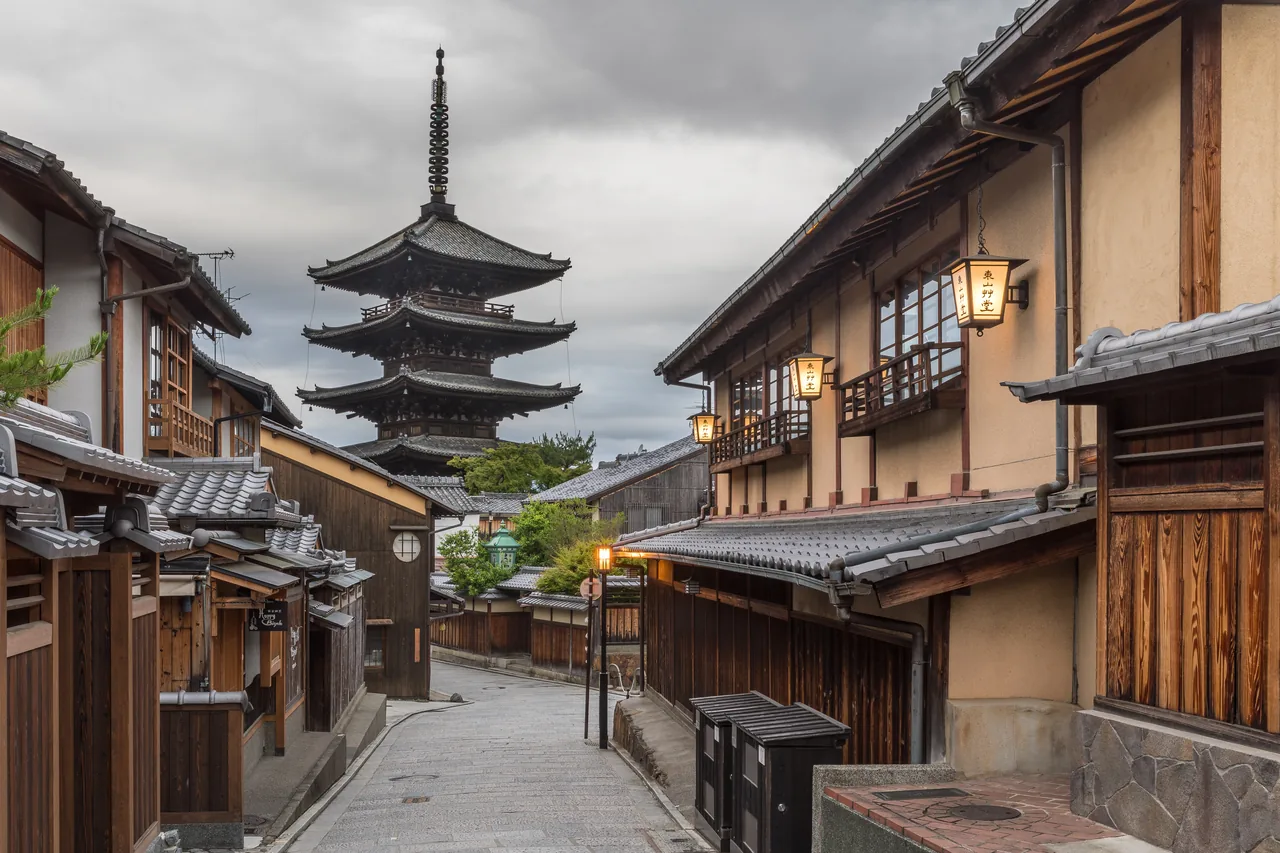
Southern Higashiyama is the Kyoto of the postcards — a hillside of temples, cobbled lanes, wooden shopfronts, and kimono-clad strollers, all walkable end to end. If you see one district on a short trip, make it this one, and do it early before the lanes fill.
Kiyomizu-dera
The district’s crown is Kiyomizu-dera, the hillside temple whose vast wooden stage juts out over the maples with the whole city spread below. The main hall’s recent multi-year renovation is complete, so you get the full, unobstructed view again. Admission is about ¥500; it opens early, around 6:00, and closes around 18:00, with special night openings in the sakura and koyo seasons. 清水寺Map
The lanes down to Gion
From the temple gate, walk down the stone-stepped lanes of Sannenzaka and Ninenzaka — preserved streets of tea houses, sweet shops, and craft stores that are the single most atmospheric stroll in the city. They funnel you past the photogenic Yasaka Pagoda (Hokan-ji) toward Kodai-ji temple, then on to Yasaka Shrine and Maruyama Park, Kyoto’s favourite cherry-blossom picnic ground, at the northern edge — which spills you straight into Gion.
Give this district a half to full day depending on how many temples you enter. It flows naturally into the Gion section next.
8. Gion and the geiko district: culture and the rules
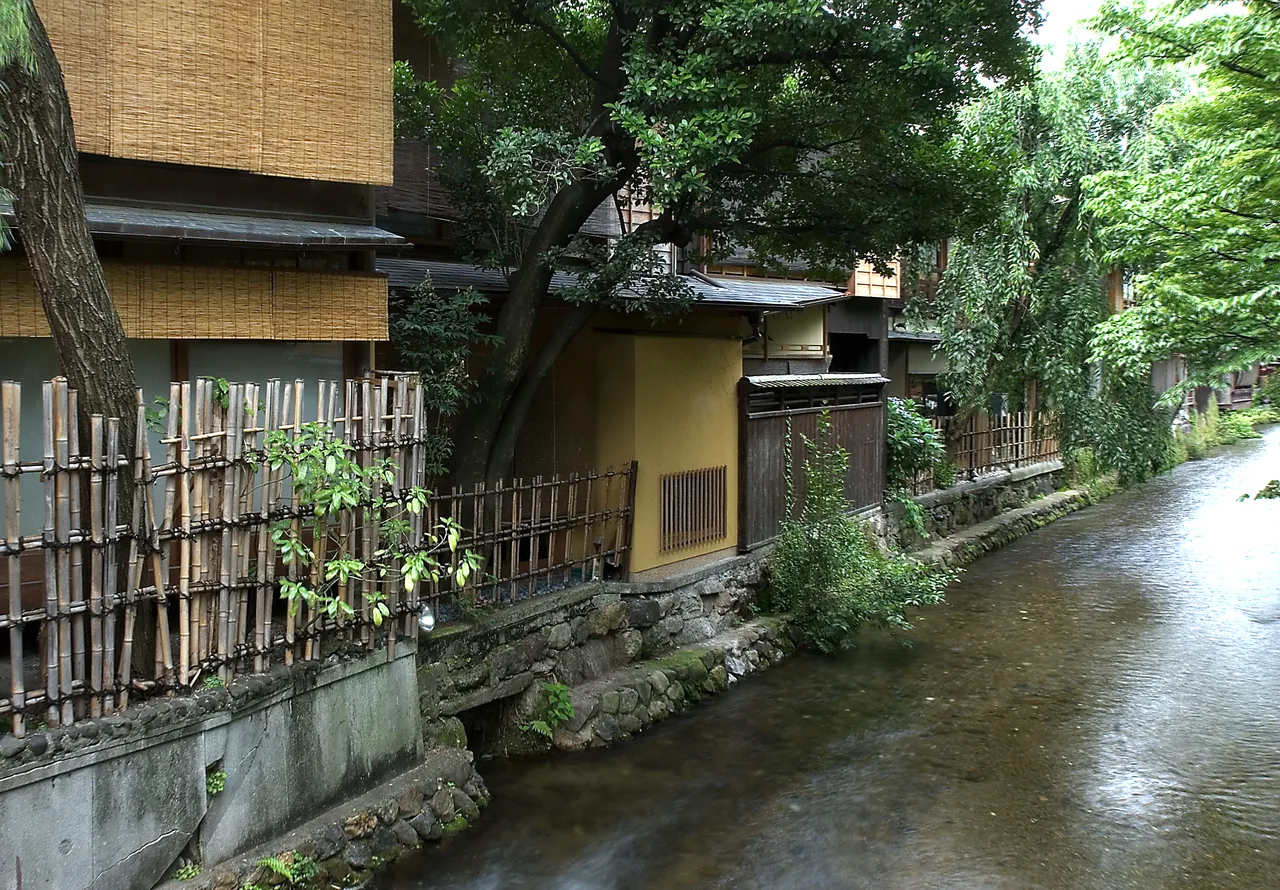
Gion is Kyoto’s historic geiko and maiko quarter — lantern-lit wooden teahouses, willow-lined canals, and the occasional glimpse of a maiko hurrying to an evening engagement. It’s most atmospheric in the early evening, and it comes with rules that visitors genuinely must respect.
What to see
- Hanami-koji — the main teahouse street, at its best just after dark. The public street is open to all; the private alleys leading off it are not (see the warning below). 花見小路通Map
- Gion Shirakawa — a willow-lined canal lane by the Tatsumi Bridge, arguably the prettiest corner of the district and stunning in cherry-blossom season. 祇園白川Map
- Minamiza — Kyoto’s historic kabuki theatre, at the Shijo-dori end.
- Gion Corner — a visitor-friendly showcase of traditional arts (dance, tea, koto, and more) if you want a legitimate, respectful way to see performance up close.
The rules — read this before you go
Gion needs only an hour or two, and it pairs perfectly with an evening after a Southern Higashiyama day. Stroll Hanami-koji, cross to Pontocho for dinner, and you’ve had the quintessential Kyoto night.
9. Northern Higashiyama: Ginkaku-ji and the Philosopher’s Path
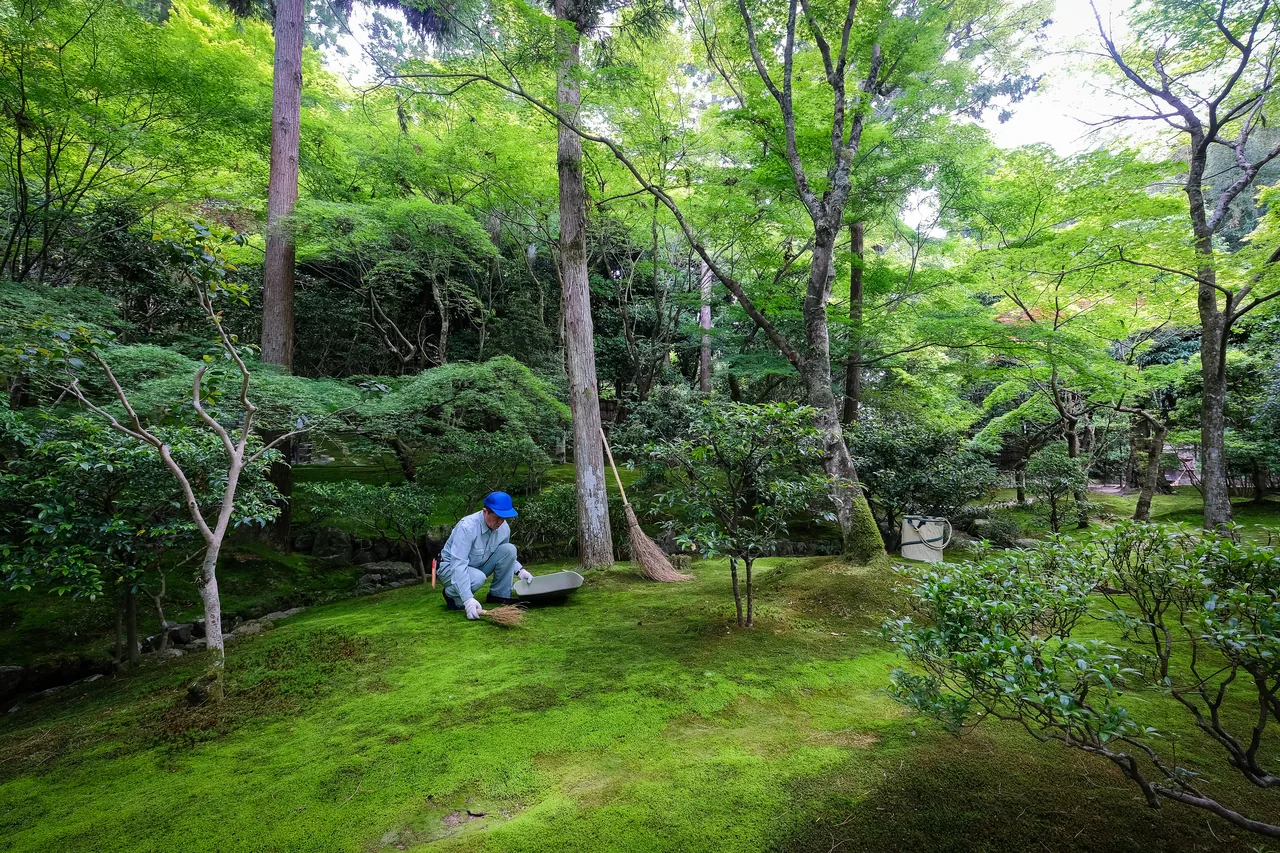
Northern Higashiyama is the quiet, contemplative counterweight to the crowded south — a string of Zen temples and gardens linked by a cherry-lined canal walk. It’s a half-day of moss, sand gardens, and stillness, and it’s where Kyoto feels most like itself.
What to see
- Ginkaku-ji (the Silver Pavilion) — a refined Zen retirement villa famous for its raked-sand “sea of silver sand” and moss gardens rising up the hillside. Admission about ¥500; open 8:30–17:00 (winter 9:00–16:30). 銀閣寺Map
- The Philosopher’s Path — a roughly 2 km canal-side walk connecting Ginkaku-ji toward Nanzen-ji, lined with cherry trees and named for a philosopher who strolled it daily. It’s free and takes 30–40 minutes at an easy pace. 哲学の道Map
- Nanzen-ji — a grand Zen temple complex whose grounds are free to wander, with a striking Meiji-era brick aqueduct running through them. The Hojo garden and the Sanmon gate each cost about ¥600. 南禅寺Map
- Eikan-do and Heian Shrine — Eikan-do is one of the city’s premier autumn-foliage temples (about ¥600, up to ¥1,000 at peak, with celebrated night light-ups), and the vast vermilion Heian Shrine sits nearby with its expansive garden.
Because the pace here is gentle and the temples are close together, Northern Higashiyama makes an easy half-day, and it’s the natural alternative to the Northwest for a second day in the city.
10. Arashiyama: bamboo, temples, and the river
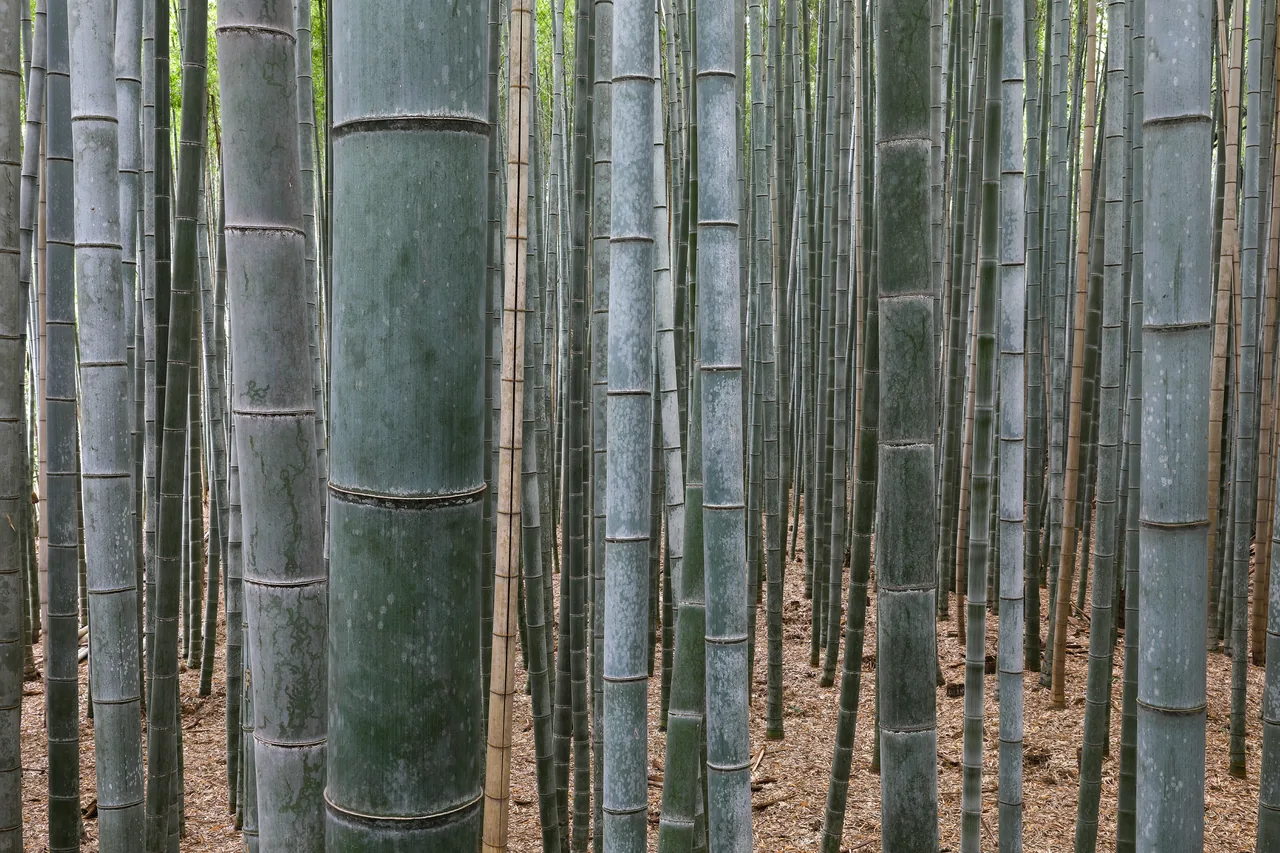
Arashiyama is Kyoto’s western nature district — a green riverside valley where a soaring bamboo grove, a UNESCO Zen temple, a landmark bridge, and a hillside troop of wild monkeys all sit within a short walk. It deserves at least a half-day, and getting there before 8 a.m. transforms it.
What to see
- The Bamboo Grove — the roughly 400 m path through towering green stalks that is one of Japan’s most photographed places. It’s free and open around the clock, which is exactly why you should walk it before 8 a.m., before the crowds arrive. 嵐山 竹林の小径Map
- Tenryu-ji — a UNESCO World Heritage Zen temple whose Sogenchi pond garden, designed to borrow the mountains behind it, is a masterpiece. The garden is about ¥500 (add ¥300 for the temple buildings); open 8:30–17:00. Its north gate opens straight onto the bamboo grove. 天龍寺Map
- Togetsukyo Bridge — the 155 m “Moon Crossing Bridge” over the Hozu River, the district’s postcard landmark, framed by forested hills that blaze in autumn. Free to cross. 渡月橋Map
- Iwatayama Monkey Park — a hilltop home to around 120 wild macaques and a sweeping city view, reached by a roughly 20-minute uphill walk. Admission ¥800 (child ¥400); open 9:00–16:00. 嵐山モンキーパークいわたやまMap
- Okochi Sanso — the serene former villa and gardens of a silent-film star, tucked beyond the bamboo, with tea and a matcha sweet included in the admission.
If you’d rather have Arashiyama and a couple of other sights handed to you as a planned day — with the transport and timing solved — a guided tour is a good use of a tight schedule:
11. Fushimi Inari and the Fushimi sake district
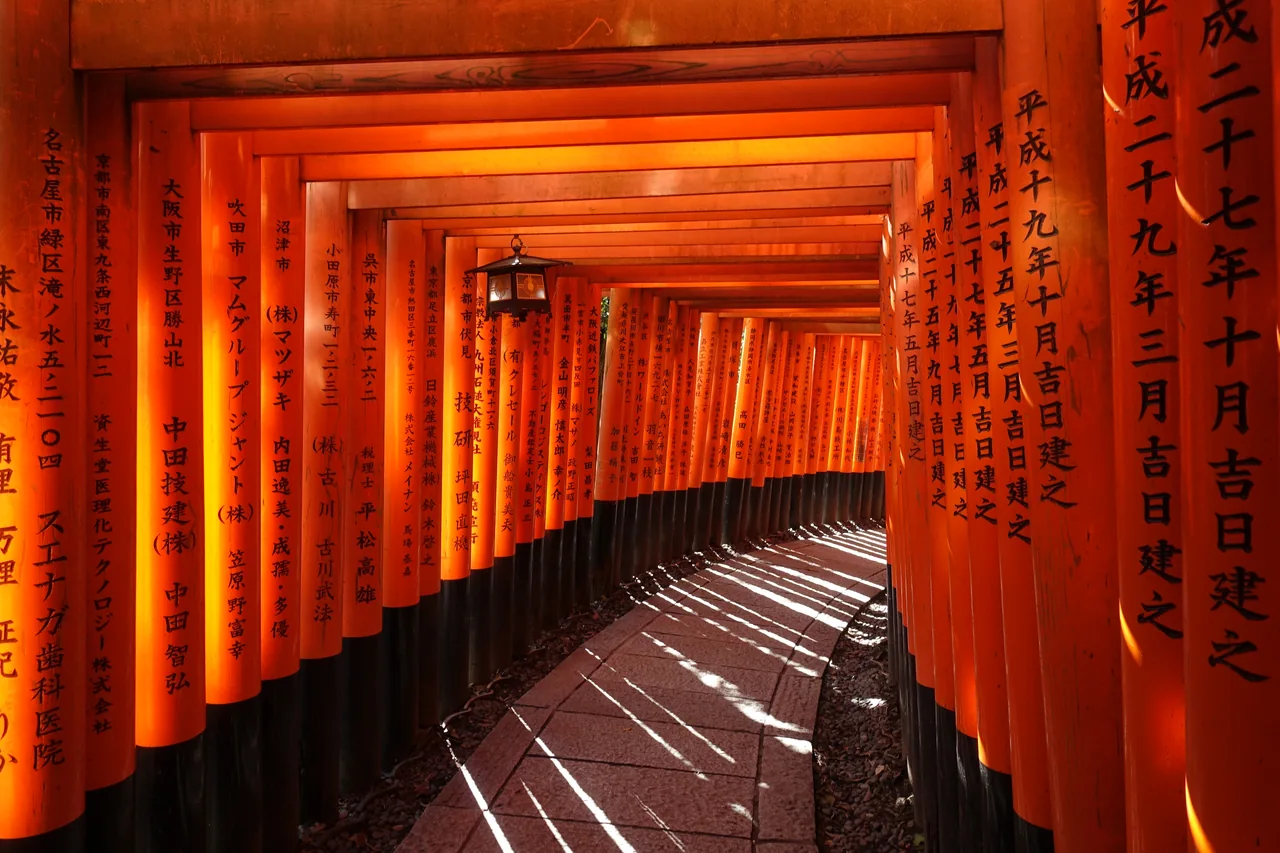
Fushimi Inari Taisha is the endless tunnel of vermilion torii gates climbing Mt. Inari — free, open around the clock, and best experienced at dawn — and just to the west lies Fushimi’s atmospheric sake-brewing district. Together they make a rewarding half-day in the south of the city.
Fushimi Inari Taisha
Thousands of vermilion torii gates form winding tunnels up the wooded slopes of Mt. Inari, the head shrine of some 30,000 Inari shrines across Japan. It’s free and open 24/7 (shops and staffed areas run roughly 9:00–17:00). The full mountain loop takes about 2–3 hours; a shorter loop to the Yotsutsuji viewpoint takes under an hour and still delivers the classic gate tunnels. 伏見稲荷大社Map
The Fushimi sake district
A short hop away, the Fushimi neighbourhood is one of Japan’s great sake-brewing centres, its soft spring water feeding storehouses along willow-lined canals. You can tour the Gekkeikan Okura Sake Museum, visit the historic Teradaya inn tied to Japan’s revolutionary history, take a canal boat ride, and taste your way through the local breweries.
Pair Fushimi Inari (dawn) with the sake district (late morning) and you have a self-contained southern half-day before heading back into the city.
12. Kinkaku-ji and the Northwest
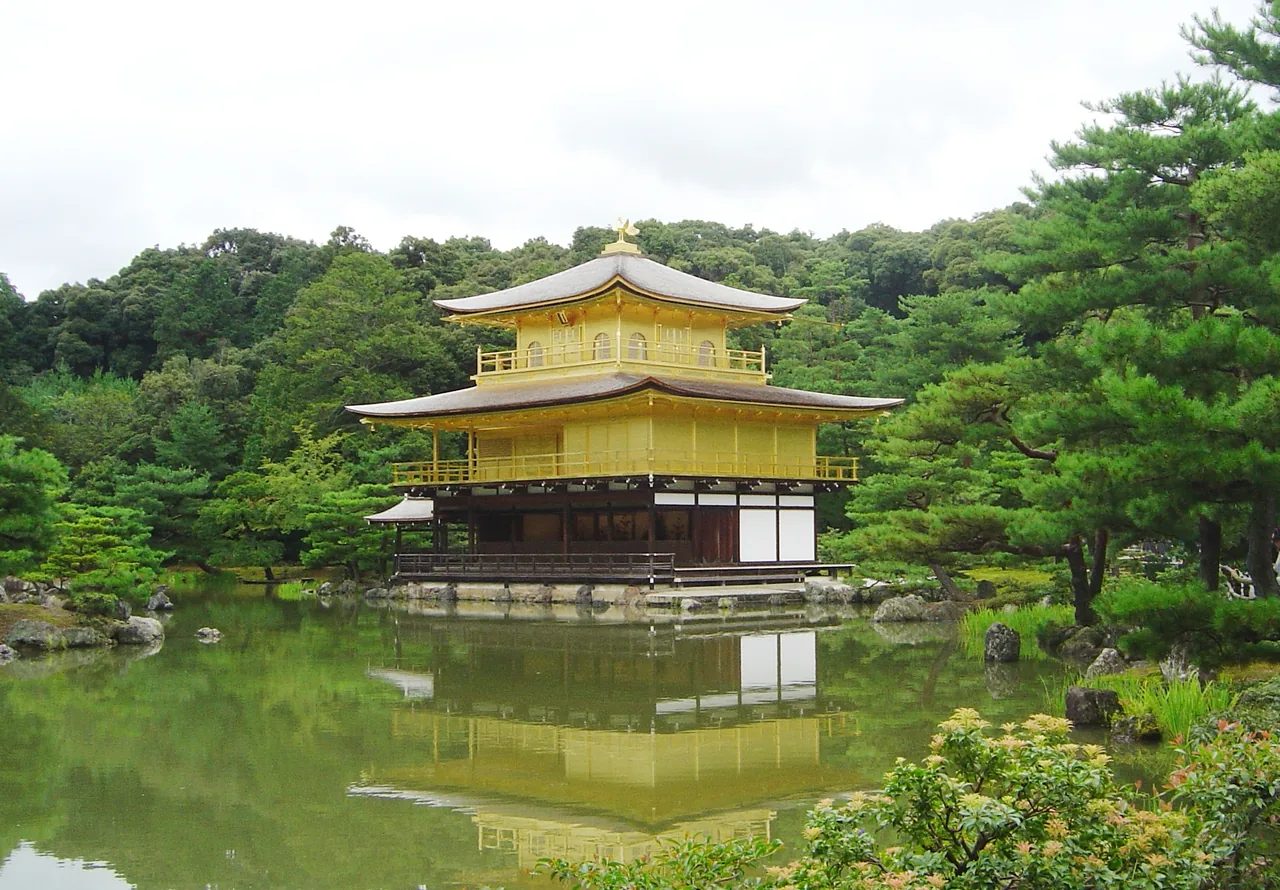
Kyoto’s Northwest is where the Golden Pavilion floats on its mirror pond and the country’s most famous Zen rock garden sits in serene emptiness — a cluster of top-tier temples best strung together by short bus or taxi hops. It’s a classic half-day and the natural western pairing for an Arashiyama morning.
What to see
- Kinkaku-ji (the Golden Pavilion) — a three-storey pavilion sheathed in gold leaf, mirrored in the pond before it, and Kyoto’s single most iconic image. Admission about ¥500; open 9:00–17:00. It’s dazzling in any weather, and unforgettable under a rare dusting of snow. 金閣寺Map
- Ryoan-ji — home to Japan’s most celebrated Zen rock garden: fifteen stones in raked gravel, arranged so you can never see all fifteen at once. Admission about ¥600; open 8:00–17:00 (winter 8:30–16:30). Sit, breathe, and let it work on you. 龍安寺Map
- Ninna-ji — a UNESCO temple with a five-storey pagoda and a grove of late-blooming, unusually short cherry trees that extend the sakura season.
- Daitoku-ji and Kitano Tenmangu — Daitoku-ji is a walled complex of Zen sub-temples and moss-and-gravel gardens, while Kitano Tenmangu is the shrine of scholarship, famous for its February plum blossoms and its monthly Tenjin-ichi flea market on the 25th.
Because the Northwest and Arashiyama sit on the same western side of the city, the tidy plan is Arashiyama at dawn, then swing north to Kinkaku-ji and Ryoan-ji after lunch.
13. Downtown, Nijo Castle, and Kyoto Station
Central Kyoto is where the city eats, shops, and does business — the covered food market of Nishiki, the lantern-lit dining lane of Pontocho, the shogun’s Nijo Castle, and the transport hub around Kyoto Station. It’s flatter, denser, and more urban than the temple districts, and it’s ideal for a day when your feet need a break from hillside steps.
Downtown / Kawaramachi-Shijo
- Nishiki Market — “Kyoto’s Kitchen,” a roughly 400-year-old covered market running five blocks, packed with pickles, tofu skin, sweets, skewers, and knives. Free to walk; most stalls open around 10:00–18:00 (many close irregularly on Wednesdays or Sundays). 錦市場Map
- Pontocho — a narrow, lantern-lit lane of restaurants between the Kamogawa river and Kiyamachi, running from casual izakaya to refined kaiseki. Best after dark.
- The Kamogawa riverbank, and the Teramachi and Shinkyogoku arcades — the river is Kyoto’s favourite place to sit and watch the evening; the covered arcades are the city’s main shopping spine.
Nijo Castle
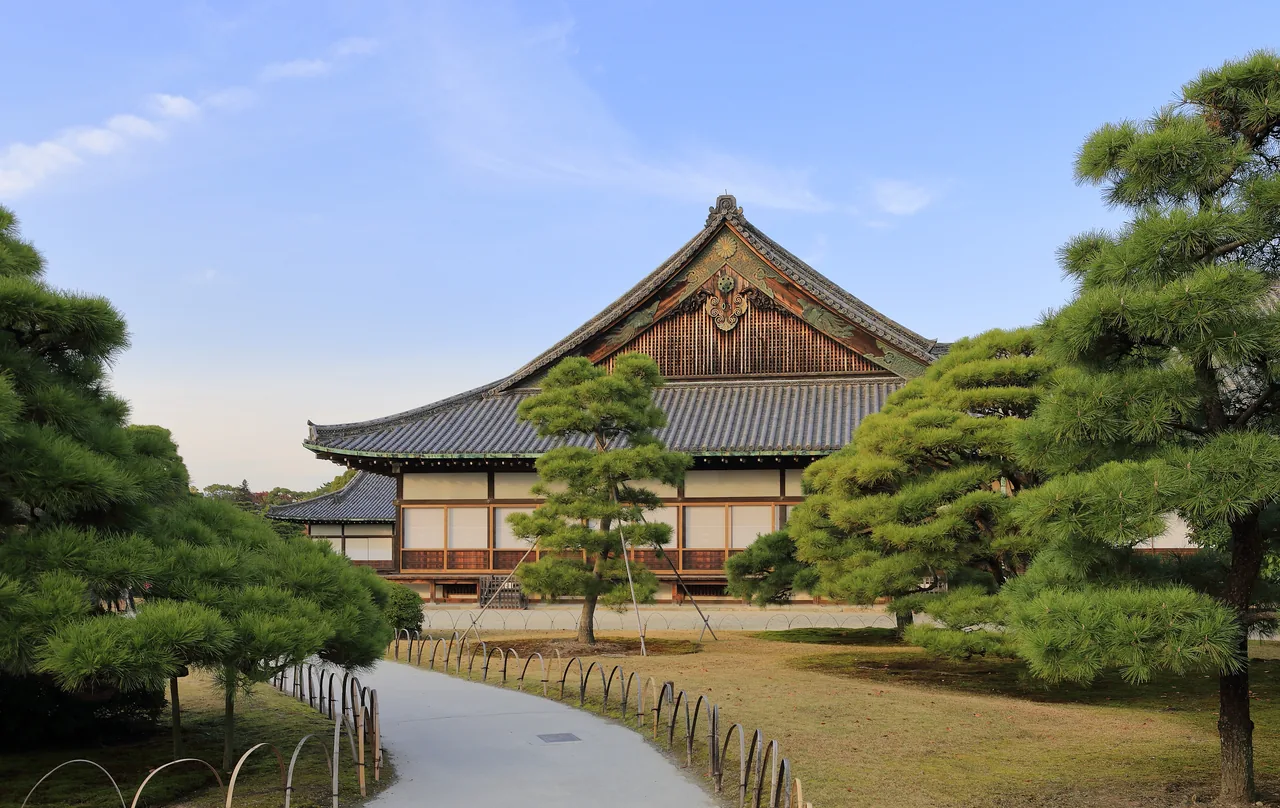
Nijo Castle was the Kyoto residence of the Tokugawa shoguns, famous for the “nightingale floors” of the Ninomaru Palace that chirp underfoot to warn of intruders, and for its lavishly painted screens. Admission about ¥1,300 (including the Ninomaru Palace); the palace opens 8:45–16:00, with the grounds closing around 17:00. 二条城Map
Kyoto Station area
- Kyoto Station itself is a soaring, controversial 1997 building worth a look, with a rooftop skyway and city views. Kyoto Tower stands across the street.
- To-ji — its five-storey pagoda is, at 55 m, the tallest wooden pagoda in Japan. Admission about ¥500 (¥800 during special pagoda openings); open 8:00–17:00. Its famous Kobo-ichi flea market fills the grounds on the 21st of each month. 東寺Map
- Higashi Hongan-ji and Nishi Hongan-ji — two vast, free temple complexes near the station, with some of the largest wooden halls in the country.
- Sanjusangen-do — nearby, a long hall lined with 1,001 gilded Kannon statues, an astonishing sight. Admission about ¥600. 三十三間堂Map
14. Kyoto with more time: mountain villages and hidden gems
Once you’ve done the core, Kyoto rewards you for going further — north into cool mountain villages, or out to temples that see a fraction of the crowds but none of the drop in beauty. These are the places for a third or fourth day, or for a return trip.
Kurama and Kibune
North of the city, reached by the charming Eizan Railway from Demachiyanagi, sit the twin mountain villages of Kurama and Kibune. The classic outing is to visit the mountain temple of Kurama-dera, then hike over the ridge to Kibune (about two hours through cedar forest), where the Kibune Shrine and a cluster of ryokan await. In summer, Kibune’s restaurants set dining platforms directly over the cold rushing stream — roughly 10°C cooler than the city — and serve nagashi-somen, noodles caught from flowing water.
Hidden and less-crowded gems
| Spot | Why go | Where |
|---|---|---|
| Tofuku-ji | Around 2,000 maples flooding the valley below the Tsutenkyo bridge — Kyoto’s top autumn temple | South-east, near Fushimi |
| Ohara / Sanzen-in | A rural mountain hamlet of moss gardens and thatched temples, blissfully quiet | Far north |
| Daigo-ji | A sprawling UNESCO complex superb for both cherry blossom and autumn colour | South-east |
| Eikan-do | Foliage temple with celebrated evening light-ups (about ¥600, up to ¥1,000 at peak) | Northern Higashiyama |
All four are especially worth the trip in late November, when the crowds concentrate on the famous few and these reward you with room to breathe. Ohara in particular feels a world away for somewhere barely an hour from downtown.
15. The best day trips: Nara, Osaka, Uji, and Himeji
Kyoto’s central position in Kansai makes it a superb base — Nara’s bowing deer, Osaka’s neon and street food, Uji’s matcha, and Himeji’s white castle are all easy day trips, most under 45 minutes away. If you have four days or more, build one or two of these in.
| Destination | Getting there | What’s there |
|---|---|---|
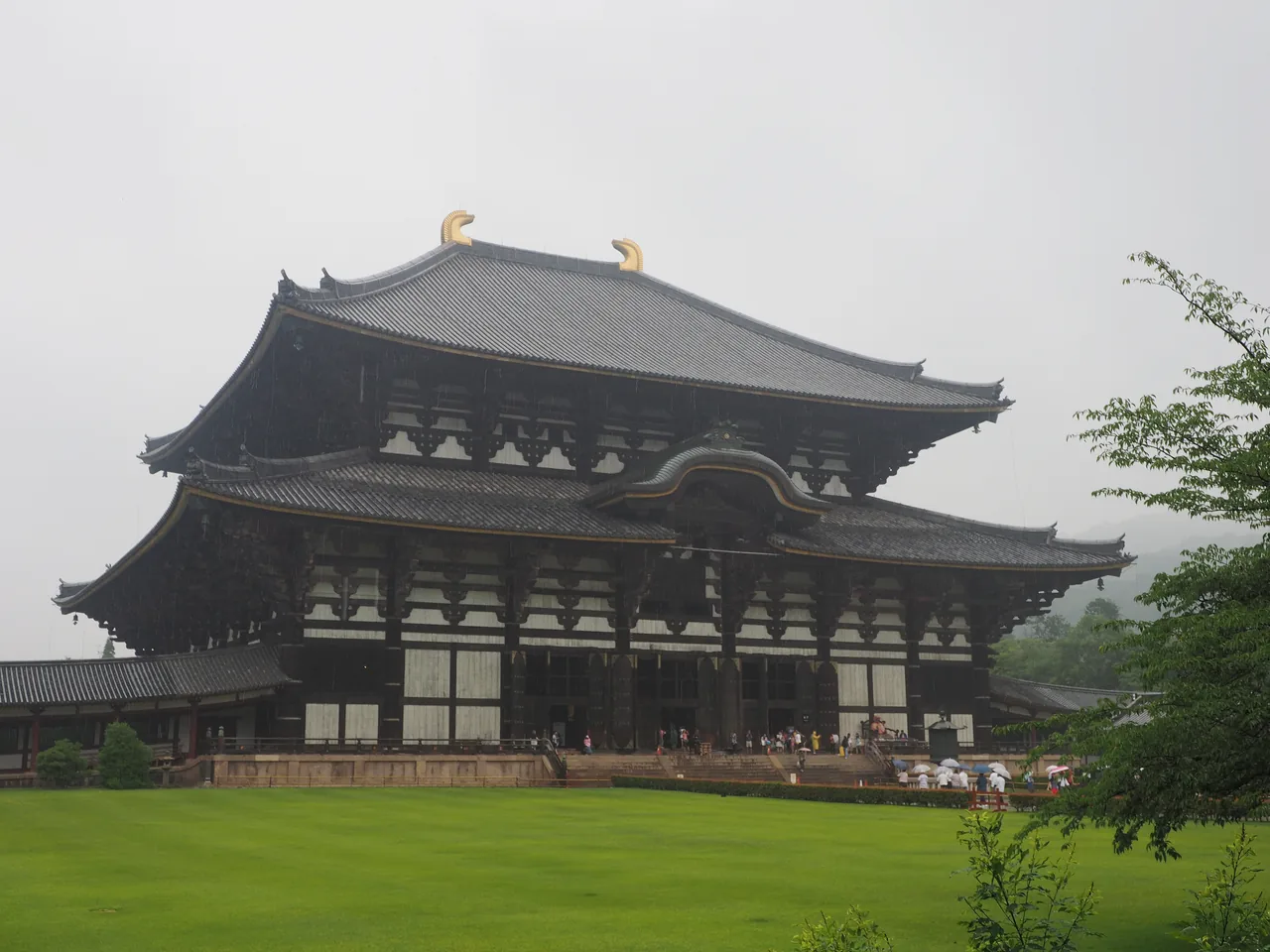
| Nara ⭐ | Kintetsu LEX ~35 min (¥1,280), express ~45 min (¥760), or JR Rapid ~45 min | Todai-ji’s Great Buddha, the bowing deer of Nara Park, Kasuga Taisha’s lantern shrine |
| Osaka ⭐ | ~15–30 min by JR or private rail | Dotonbori’s neon and street food, Osaka Castle, Universal Studios Japan |
| Uji | JR Nara Line ~20–30 min | Byodo-in’s Phoenix Hall (about ¥700, the building on the ¥10 coin), and Japan’s finest matcha |
| Himeji | Shinkansen ~45 min | Himeji Castle, the UNESCO “white heron” castle and Japan’s finest surviving feudal fortress |
If you’d rather not solve the train logistics yourself — especially for combining Nara with, say, Arashiyama, or covering several stops in a day — a guided day tour packages it neatly:
16. What to eat in Kyoto
Kyoto’s cuisine is subtle, seasonal, and vegetable-forward — the refined opposite of Osaka’s bold street food — built around tofu, tofu skin, delicate broths, and the changing produce of the year. Eating well here is as much a part of the trip as the temples.
The dishes to seek out
- Kaiseki (会席 / 懐石) — the pinnacle: a multi-course haute-cuisine meal of seasonal small plates, each an edible expression of the moment in the year.
- Obanzai (おばんざい) — Kyoto home-style cooking, simple seasonal side dishes served in relaxed spots; the everyday soul of the city’s food.
- Yudofu (湯豆腐) — silken tofu simmered gently in a light broth, a Kyoto specialty served near Nanzen-ji and in Arashiyama.
- Yuba (湯葉) — the delicate skin skimmed from soy milk, served fresh, rolled, or in broth.
- Shojin-ryori — Buddhist temple vegetarian cuisine, elegant and entirely plant-based.
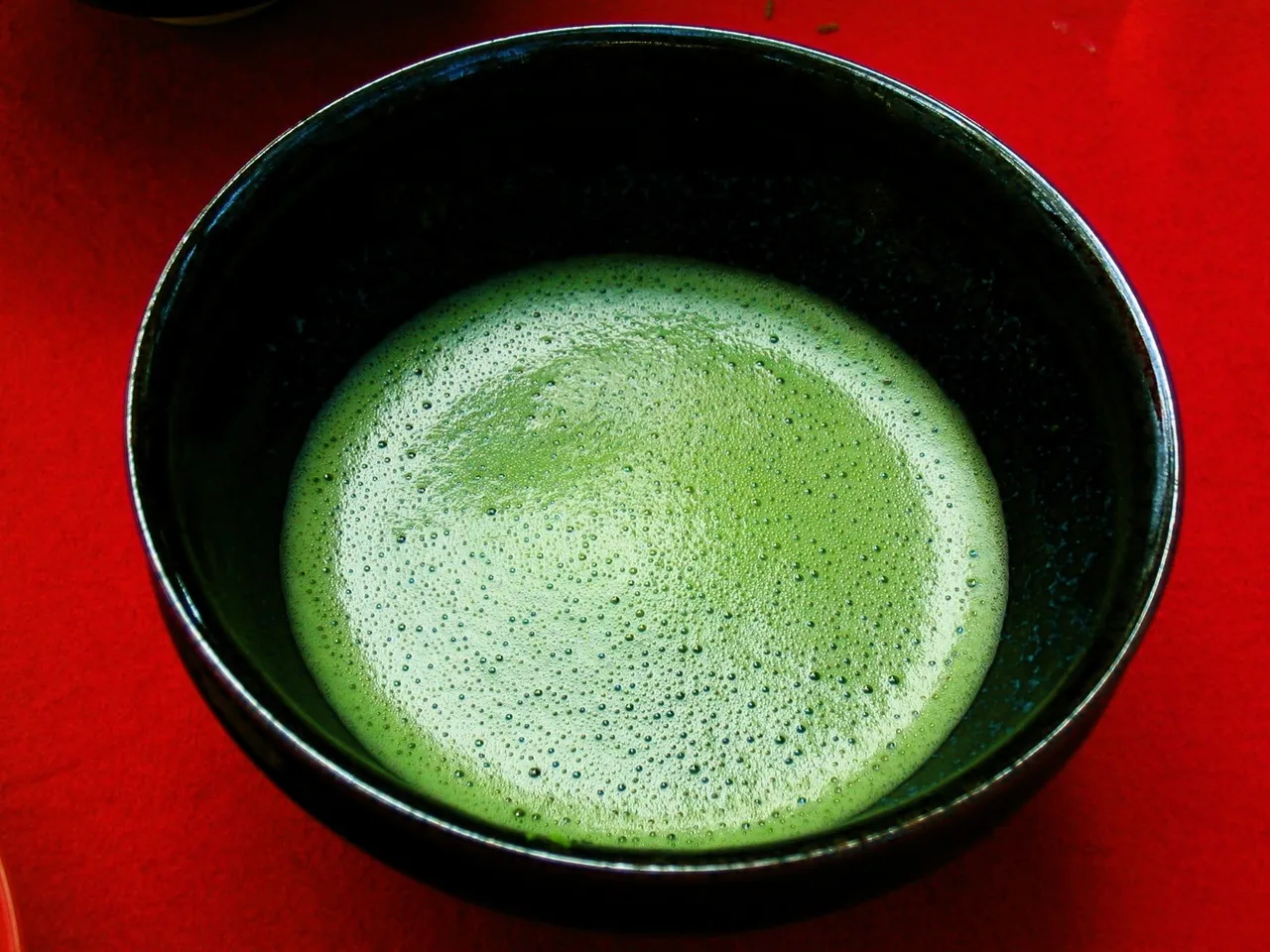
- Kyo-wagashi — exquisite seasonal sweets, and Uji matcha in everything from tea to parfaits to soft-serve.
Where to eat
- Nishiki Market for street snacks (eaten at the stall, never on the move).
- Pontocho and the Kiyamachi lanes for everything from casual izakaya to top-tier kaiseki, many with river views.
- Gion for the historic ryotei — the exclusive traditional restaurants.
Summer only: riverside dining
From 1 May to 30 September, restaurants along the Kamogawa river build kawadoko (also called noryo-yuka, 納涼床) — wooden dining platforms out over the water, where you eat in the cool of the evening. Up in Kibune, the platforms sit directly above the mountain stream, several degrees cooler, with flowing-water nagashi-somen. It’s one of Kyoto’s great seasonal pleasures.
17. Cultural experiences: tea, kimono, and Zen
Kyoto is the place to go beyond sightseeing and actually do something traditional — sit for a tea ceremony, walk the old lanes in a rented kimono, try Zen meditation at a temple, or see maiko dance up close. These experiences are what turn a Kyoto trip from a photo album into a memory.
The experiences worth booking
- Tea ceremony — a guided chado session, often with an English explanation, is a genuine window into the aesthetic that shapes so much of Kyoto. Sessions run from casual to formal.
- Kimono rental — renting a kimono or yukata for the day is hugely popular, and Southern Higashiyama’s old lanes are the perfect backdrop. Studios handle dressing and hair; book ahead in peak season.
- Zazen (Zen meditation) — several temples open their meditation halls to visitors for guided seated-meditation sessions, a quietly powerful contrast to the sightseeing crowds.
- Seeing geiko and maiko properly — the respectful, legitimate routes are the Gion Corner arts show, or a booked maiko dinner or tea gathering with a dance performance. This is how you experience the culture without intruding on working artists on the street.
- Sake tasting in the Fushimi district, covered earlier — a relaxed, delicious afternoon.
Browse and book tea ceremonies, kimono rentals, and maiko experiences here:
18. Where to stay in Kyoto
For a first trip, base yourself downtown around Kawaramachi-Shijo for the best transit and dining; choose Gion or Southern Higashiyama for atmosphere (at a price); or Kyoto Station for a budget, day-tripper’s hub. Kyoto is small enough that any of these works — it comes down to the trade-off you want.
| Area | Best for | The trade-off |
|---|---|---|
| Downtown / Kawaramachi | First-timers — best transit, walkable, mid-priced | Urban rather than pretty |
| Gion / S. Higashiyama | Atmosphere — the prettiest, most traditional stay | Priciest, and crowded in peak season |
| Kyoto Station | Day-trippers and budgets — the transport hub | Affordable but short on charm |
| N. Higashiyama | Quiet — calm and green | You’ll need a bus for dining |
| Arashiyama | Nature — riverside serenity, magical after the day-trippers leave | About 15 minutes by train from the centre |
Types of accommodation
- Business hotels — compact, clean, well-located value.
- Boutique and four-star hotels — Kyoto has a superb, design-forward mid-to-upper tier.
- Ryokan — traditional inns, often with a kaiseki dinner and private onsen; the splurge experience.
- Machiya — restored wooden townhouses you can rent whole, a wonderful way to live in old Kyoto for a few nights.
The 2026 lodging tax
Kyoto charges an accommodation tax per person, per night, and it rose sharply on 1 March 2026 — including a new top tier ten times the old maximum. It’s based on the room rate per person per night:
| Room rate (per person, per night) | Tax per person, per night |
|---|---|
| Under ¥6,000 | ¥200 |
| ¥6,000–19,999 | ¥400 |
| ¥20,000–49,999 | ¥1,000 |
| ¥50,000–99,999 | ¥4,000 |
| ¥100,000 and up | ¥10,000 |
So a couple in a ¥120,000-a-night luxury ryokan now pays ¥20,000 in lodging tax alone for a single night — a line item worth building into a splurge budget.
Compare current rates and availability across Kyoto’s hotels here (prices and season swings are significant):
19. Etiquette and responsible travel
Kyoto is a living city, not a theme park, and a handful of simple manners keep you welcome — get the shrine bow right, don’t eat while walking in Nishiki, and respect Gion’s rules. None of it is hard, and it makes the whole experience better for everyone.
Temple and shrine etiquette
- At the purification fountain (temizuya): rinse your left hand, then your right, then cup water to rinse your mouth — and never touch the ladle to your lips or drink from it directly.
- At a shrine: walk to the side of the torii gate rather than straight up the middle (the centre is for the gods). At the offering hall, toss a coin, then bow twice, clap twice, and bow once — the 2-2-1 rhythm. A ¥5 coin (“go-en”) is considered lucky for its pun on “good fortune.”
- Inside sacred halls: remove your shoes where indicated, keep your voice down, and don’t photograph where signs prohibit it. Small donations are the norm.
Travelling responsibly
Kyoto’s popularity has strained the city, so a little care goes a long way:
- Go early or late. Dawn and evening at the big sights are both more beautiful and kinder to the crowds.
- Spread out. For every Kiyomizu-dera there’s a quieter temple nearby that’s just as lovely and half as busy.
- Respect residents. Keep noise down in the old neighbourhoods, don’t block narrow lanes for photos, and don’t trespass on private property for a shot.
- Don’t drag big suitcases onto crowded buses — store or forward them, as covered in the getting-around section.
For the country-wide picture — bathing rules, tipping (there is none), chopstick etiquette, and more — see our full Japan etiquette guide.
20. Practical essentials
Sort out cash, a data plan, and a luggage strategy, and Kyoto becomes one of the easiest cities in Japan to enjoy. Here’s the short list of things worth getting right before you go.
Money and cash
Cards and IC cards are widely accepted, but Kyoto is a city where you’ll genuinely need cash. Temple admissions, omikuji fortunes, goshuin stamp books, small eateries, and tea houses are frequently cash-only, and temple fees of ¥300–1,000 add up fast across a day. Carry a comfortable buffer of yen. The 7-Bank ATMs in 7-Eleven stores reliably take foreign cards. Full detail in our cash, cards, and ATMs guide.
What it costs per day
| Style | Rough daily budget (excl. accommodation extremes) |
|---|---|
| Budget | ¥6,000–9,000 |
| Mid-range | ¥15,000–20,000 |
| Comfort | ¥30,000+ |
Remember to add the per-person lodging tax (¥200 to ¥10,000 a night, per the table in the where-to-stay section) on top.
Staying connected
You’ll want data from the moment you land — for maps, train times, and translation. An eSIM is the simplest option for most modern phones: buy it before you fly and it activates on arrival, so navigation and Google Translate work the instant you step off the Haruka. See eSIM and data options for the details.
Luggage
Kyoto Station’s coin lockers fill early in peak season. Use Crosta Kyoto or the Hands-Free Kyoto network for storage and hotel delivery, or send bags ahead by Yamato takuhaibin courier — and never haul a big suitcase onto a crowded tourist bus. (Full options are in the getting-around section above.)
Where to go next
That’s Kyoto — the districts, the trains, the food, and the rules, all in one place. When you’re ready to plan the rest of the journey, this guide is one hub within our complete Japan travel guide, and Kyoto pairs naturally with Tokyo as the two ends of the classic Golden Route. Go early, walk each district in turn, eat the tofu, respect the city — and Kyoto will give you the trip everyone hopes for.