
Kobe Travel Guide: Kitano, Chinatown, Arima Onsen & Kobe Beef
Kobe is squeezed into a strip two to three kilometres wide between the Rokko mountains and the sea, so almost everything worth seeing lines up north to south and you can walk it. Shin-Kobe station to the Port Tower is 2.72 km in a straight line. That means the real planning question is not what to see downtown but how many times you leave that line: Arima Onsen, the summit of Rokko and the Akashi Strait all sit outside it, and each one takes half a day.
| Downtown | Kitano to the harbour is a single walkable line, so transport costs almost nothing. |
|---|---|
| Sannomiya | five companies run a station of that name, so check which one you want. |
| Flying in | Kobe Airport now takes international flights and is 18 minutes from town. |
| Off the line | Arima Onsen is 720 yen each way, the Rokko summit route runs about 2,570 yen. |
| Bathhouses | the two town baths in Arima are 150 yen cheaper on weekdays and carry no bathing tax. |
| Lodging tax | neither Kobe city nor Hyogo prefecture charges one. |
1. Kobe is a strip two to three kilometres wide
2. Five companies run a station called Sannomiya
3. The city took its name from a shrine
4. Shin-Kobe only has shinkansen
5. Kobe Airport now takes international flights
6. Three ways in from Kansai Airport
7. From Osaka and Kyoto you pick a railway
8. Getting around town: mostly on foot
9. What a rail pass covers here, and what it does not
10. The one-day coupon is now digital only
11. Kitano: two separate ticket systems
12. Nankinmachi takes twenty minutes
13. Meriken Park and the Port Tower
14. átoa and the Maritime Museum
15. Harborland is an evening
16. January 1995, and the museum that records it
17. Nada makes more sake than anywhere else, and the visits are free
18. Kobe beef is a grade, not a place
19. Going up Rokko costs more than it used to
20. The Maya night view is closed on Tuesdays
21. Arima Onsen: weekday and weekend prices
22. Reaching Arima, and when the bundled ticket wins
23. The Akashi Strait bridge is inside Kobe
24. Nunobiki Falls and the Herb Garden
25. Oji Zoo no longer has a panda
26. Luminarie is not a December event
27. Whether to add Himeji
28. How many days
29. A day in Kobe, hour by hour
30. Where to stay
31. What a day costs
32. When to go
33. Practical notes
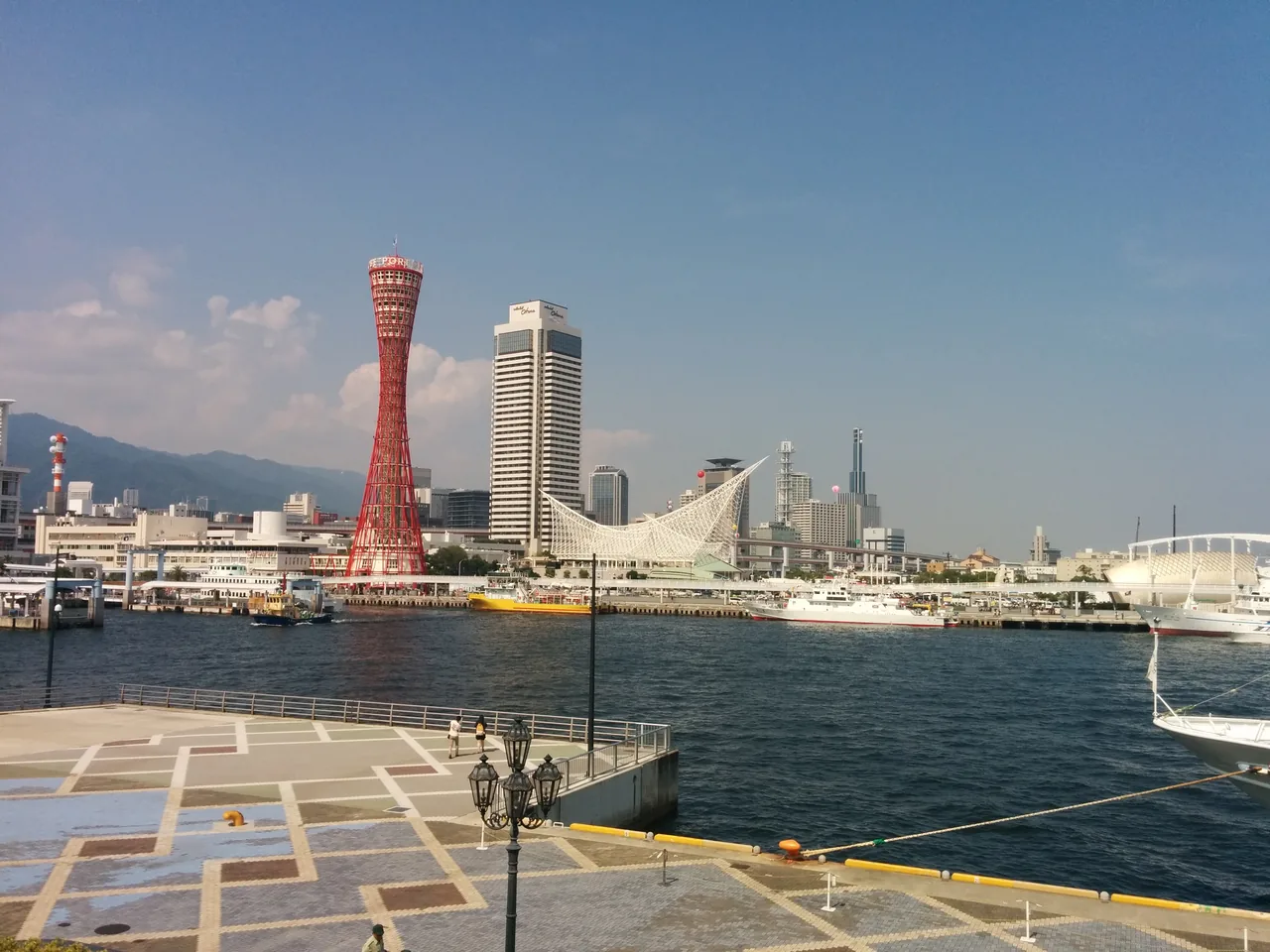
1. Kobe is a strip two to three kilometres wide
The Rokko range comes down almost to the water in Kobe, which leaves a band of flat ground only two to three kilometres across for the city to sit on. Everything worth seeing ends up in one north-south line, and you can walk the whole of it.
Measured in straight lines, Shin-Kobe station to the Kitano foreign houses is 800 metres, Kitano down to Sannomiya is another 900, Sannomiya across to Chinatown is 890, and Chinatown to the Port Tower is 690. End to end that is 2.72 km.
| Stretch | Straight line | On foot |
|---|---|---|
| Shin-Kobe station to Kitano | 0.8 km | about 11 min |
| Kitano down to Sannomiya | 0.9 km | about 12 min |
| Sannomiya to Nankinmachi (Chinatown) | 0.9 km | about 12 min |
| Chinatown to the Port Tower | 0.7 km | about 9 min |
| Shin-Kobe station to Nunobiki Falls | 0.5 km | about 7 min |
Directions here are given as mountain side and sea side
People in Kobe do not say north and south. They say yamagawa for the mountain side and umigawa for the sea side, and the subway exits are signed the same way.
You will never lose the thread, because the ridge is visible from almost any street. Uphill takes you to Kitano and Shin-Kobe, downhill to Chinatown and the water.
So the planning decision is how often you leave the line
One full day covers the line comfortably. The time goes on everything outside it: Arima Onsen, the Rokko summit, the Akashi Strait bridge and Himeji castle are each half a day on their own.
Give the downtown line one day, then choose where the spare half day goes. Two trips off the line in a single day leaves you doing little except riding trains and ropeways.
2. Five companies run a station called Sannomiya
Sannomiya is the centre of Kobe, and five different operators have a station there under almost the same name. JR calls it Sannomiya, Hankyu and Hanshin both call theirs Kobe-Sannomiya, and there are subway and Port Liner stations on top of that.
| Operator | Station name | Where it goes |
|---|---|---|
| JR West | Sannomiya | Osaka, Kyoto, Himeji |
| Hankyu | Kobe-Sannomiya | Osaka-Umeda, Takarazuka |
| Hanshin | Kobe-Sannomiya | Osaka-Umeda, Osaka-Namba |
| Kobe Municipal Subway | Sannomiya | Shin-Kobe, Tanigami (for Arima) |
| Port Liner | Sannomiya | Kobe Airport |
It is a poor place to arrange to meet someone
Agreeing to meet at Sannomiya station can put two people in different buildings. Name the operator and the exit as well.
The five are linked underground, so a wrong guess costs about five minutes of walking rather than a new ticket.
Kobe station is a different place
JR also has a station simply called Kobe, 2.2 km west of Sannomiya. It carries the city’s name, which makes people get off there, but the shops, the restaurants and most of the sights are at the Sannomiya end.
Kobe station opens straight onto Harborland, so it is the better choice if the waterfront is all you came for. For Kitano and Chinatown, stay on to Sannomiya.
3. The city took its name from a shrine
Ikuta Shrine is a five minute walk from Sannomiya and it gave the city its name. The households that supported the shrine were called kanbe, and that word became Kobe. Entry is free.
The shrine puts its own history at more than 1,800 years. The buildings you see are later, because the shrine came down in the 1995 earthquake and was rebuilt.
Sannomiya means the third shrine
Ikuta has eight subsidiary shrines numbered one through eight, scattered through the city. Number three is Sannomiya Shrine, and the district and every station in it are named after it.
People still walk all eight in order around the start of February, collecting a seal at each one. It makes a good half day if you want a route through the back streets rather than a list of sights.
There is a wood in the middle of the nightlife district
The shrine is ringed by shopping arcades and bars, but behind the main hall is a small stand of trees called the Ikuta forest. A few steps in and the traffic noise drops away.
It sits directly on the walk from Sannomiya up to Kitano, so it takes twenty minutes rather than an outing of its own.
4. Shin-Kobe only has shinkansen
Shinkansen trains stop at Shin-Kobe, and no local lines run into that station at all. To reach anything else you take the subway one stop down to Sannomiya, which costs 210 yen and takes two minutes.
Nozomi services stop here. Tokyo to Shin-Kobe runs 2 hours 36 minutes to 2 hours 44 minutes, and a reserved seat is 15,490 yen one way: 9,460 yen of base fare plus a 6,030 yen express charge. Unreserved is 14,420 yen.
The station is built against the mountain
Shin-Kobe sits where the Rokko range begins, so the exit at the back puts you on a mountain path. Nunobiki Falls is seven minutes up it, and the Nunobiki Herb Garden ropeway station is a five minute walk.
Kitano is eleven minutes downhill from here. Arriving by shinkansen and working downhill from the station follows the slope instead of fighting it.
Whether to sleep here
The area around Shin-Kobe is quiet and convenient if you are taking the shinkansen again. Fewer places are open in the evening, so you will end up walking down to Sannomiya for dinner.
One subway stop makes the transfer easy even with large cases. Without luggage the same distance is a seventeen minute walk.
5. Kobe Airport now takes international flights
Kobe Airport has started handling international services. Korean Air, Asiana, Jeju Air and Jin Air fly in from Seoul Incheon, EVA Air and Starlux come from Taipei, and Starlux also flies from Taichung. Until recently this was a domestic-only airport.
From the airport into town the Port Liner takes 18 minutes for 340 yen, and the platform is on the second floor of the terminal, so you never go outside to change.
| City | Airline | Frequency |
|---|---|---|
| Seoul Incheon | Korean Air | twice daily |
| Seoul Incheon | Jeju Air, Jin Air | daily each |
| Seoul Incheon | Asiana | daily or three times a week |
| Taipei Taoyuan | EVA Air, Starlux | daily or three to four times a week |
| Taichung | Starlux | daily |
They are charter services, not scheduled flights
Everything international out of Kobe currently flies as an international charter. Booking and boarding work no differently, but the timetable shifts more than a scheduled route would between seasons, so confirm the day you want before you commit.
Scheduled international flights are planned for around 2030, and even then the airport is capped at 20 round trips a day. The cap exists to protect demand at Kansai Airport.
The groundwork is already in. A second terminal building of 18,700 square metres opened to handle domestic services and the charters, and the domestic slot allocation was raised from 40 to 60 round trips a day just before international flying began. A rebuilt main terminal is due around the same time as the scheduled flights.
How it compares with Kansai
Kansai Airport into central Osaka runs about 45 minutes and over 1,000 yen. Kobe Airport into Sannomiya is 18 minutes and 340 yen, so you are in your room considerably sooner.
There are few routes and most of them arrive in the afternoon, which shortens your first day.
Land in the afternoon and give that evening to the harbour. The Port Tower stays open until 11pm, so it works as a first-night stop.
6. Three ways in from Kansai Airport
If you fly into Kansai instead, three routes reach Kobe: a boat, a bus and a train. The boat is fastest, the bus is simplest, and the train is cheapest if you do not mind changing.
| Route | Time | Adult one way |
|---|---|---|
| Bay Shuttle high-speed boat | about 30 min | 1,880 yen |
| Limousine bus to Sannomiya | about 65 min | around 2,000 yen |
| Train with a change | about 80 min | around 1,800 yen |
The Bay Shuttle is a boat and then a train
The boat crosses to Kobe Airport in about half an hour, and you change there to the Port Liner for the remaining 18 minutes into Sannomiya.
A return costs 3,060 yen and stays valid 120 days. A same-day return is 2,510 yen. There is also a combined ticket at 1,880 yen that includes the Port Liner leg. Children aged six to twelve travel at half fare, and one child under six rides free with each adult. Passengers with a disability certificate pay 950 yen, with a carer at the same rate.
The reduced fare that used to apply on production of a passport has been withdrawn. If you are working from an older page you will be quoted a different number at the counter.
Rough water stops it
It is a fast catamaran and it does not run in heavy seas. During typhoon season or a winter gale, check before you leave the terminal and switch to the bus if it is cancelled.
A late arrival can also miss the last sailing, and the limousine bus is the fallback in that case.
7. From Osaka and Kyoto you pick a railway
Three railways run in parallel between Osaka and Kobe. JR takes 22 minutes, Hankyu and Hanshin about 30. JR charges 420 yen and the other two charge 330 yen each.
| Route | Time | Adult one way |
|---|---|---|
| JR Osaka to Sannomiya, Special Rapid | 22 min | 420 yen |
| Hankyu Osaka-Umeda to Kobe-Sannomiya | 30 to 32 min | 330 yen |
| Hanshin Osaka-Umeda to Kobe-Sannomiya | 30 to 32 min | 330 yen |
| JR Sannomiya to Himeji, Special Rapid | 39 min | 960 yen |
| Tokyo to Shin-Kobe, Nozomi reserved | from 2 h 36 min | 15,490 yen |
The gap is 90 yen and eight minutes
There is not much in it. Take JR if you have luggage or a train to catch, take Hankyu or Hanshin if you are counting coins.
A Japan Rail Pass removes the question entirely, because the JR leg becomes free and there is no reason to look at the other two.
Hankyu and Hanshin lead to different places next
Hanshin continues to Osaka-Namba and connects towards Nara. Hankyu branches towards Takarazuka and Kyoto. Choose by where you are going after Kobe rather than by the fare.
Coming from Kyoto, the JR Special Rapid runs through without a change in a little under an hour.
Heading further west
Hanshin runs through onto the Sanyo Electric Railway as far as Himeji, which saves a change but takes longer than JR.
For Himeji castle and straight back, the 39 minute JR Special Rapid wins. If you want to stop at Akashi or the strait on the way, the Sanyo route suits better.
8. Getting around town: mostly on foot
Kobe costs almost nothing to move around in. The sights connect on foot, and the City Loop tourist bus is 300 yen a ride when you do want to sit down.
| Service | Adult |
|---|---|
| City Loop or Port Loop, single ride | 300 yen |
| Loop bus one-day pass | 800 yen |
| Loop bus two-day pass | 1,200 yen |
| Subway, Sannomiya to Shin-Kobe | 210 yen |
| Port Liner, Sannomiya to Kobe Airport | 340 yen |
Children travel at half fare on the loop buses: 150 yen a ride, 400 yen for the day pass, 600 yen for two days.
The day pass needs three rides to pay for itself
At 300 yen a ride, an 800 yen pass only wins on the third boarding. Given that the downtown stretches are ten to twelve minutes on foot, three rides is harder to reach than it sounds.
The pass also gets you a discount at around thirty venues. On a day with several paid attractions, add those savings before you decide.
Where to buy one
The city information centre on the south side of JR Sannomiya, the tourist desk at Shin-Kobe, the Shinki bus terminal at Sannomiya, and on board the City Loop itself. The convenience store at Kobe Airport stocks them too.
Ordinary IC travel cards work on everything. Tap on as you board the bus.
Sannomiya up to Kitano is the only real gradient downtown and it is unpleasant in summer. Take the bus up and walk back down.
9. What a rail pass covers here, and what it does not
A Japan Rail Pass is worth a lot in Kobe and then stops abruptly at the city boundary of usefulness. JR reaches the downtown line and runs west to Maiko and Himeji. Nothing that climbs, and nothing that goes to Arima, is JR.
| Journey | Operator | Rail pass | Otherwise |
|---|---|---|---|
| Shinkansen to Shin-Kobe | JR | covered, and every service type stops here | 15,490 yen from Tokyo |
| Osaka to Sannomiya | JR | covered | 420 yen |
| Sannomiya to Maiko, for the bridge | JR | covered | under 20 minutes |
| Sannomiya to Himeji | JR | covered | 960 yen |
| Shin-Kobe to Sannomiya | Subway | not covered | 210 yen |
| Sannomiya to Kobe Airport | Port Liner | not covered | 340 yen |
| Sannomiya to Arima Onsen | Subway and Shintetsu | not covered | 720 yen |
| Rokko cable, summit bus, ropeway | private | not covered | about 2,570 yen |
| Maya View Line | private | not covered | 1,560 yen return |
The pass pays for the flat parts
Everything along the strip and everything west of it is JR, so a pass holder based in Osaka or Kyoto effectively reaches Kobe, Maiko and Himeji for nothing.
Shin-Kobe is convenient for pass holders because every shinkansen type calls there, Kodama and Hikari and Sakura included, not only the Nozomi that carries a supplement. You are not forced onto the supplemented service to reach the city.
The mountain and the hot spring are where money starts
The moment you go uphill or head for Arima you are on private railways, cable cars and ropeways, none of which any JR product covers. That is also where the fare rises of the last two years have landed.
So the pass does not change the shape of a Kobe day. It removes the cost of getting here and of going to Himeji, and leaves the off-the-line decisions priced exactly as they are for everyone else.
When a local pass beats the rail pass
On a day spent entirely inside Kobe, the JR pass barely gets used, because the downtown line is walkable and the subway and Port Liner are not JR. That is the day the Machimeguri coupon earns its place instead.
On a day running Osaka to Kobe to Himeji and back, the rail pass covers all of it and no local ticket is needed at all.
10. The one-day coupon is now digital only
The most useful pass sold in Kobe is the Machimeguri 1-day Coupon. The Kobe area version costs 1,500 yen and includes an 800 yen attraction voucher, so the transport part effectively costs 700 yen.
| Version | Price | Covers |
|---|---|---|
| Kobe area | 1,500 yen | Subway from Shin-Kobe through Sannomiya to Shin-Nagata plus the whole Kaigan line, all of the Kobe Kosoku line including Hankyu and Hanshin Kobe-Sannomiya, and the entire Port Liner |
| Hankyu extended | 2,300 yen | The above plus the full Hankyu network |
The Port Liner is included in full
Because the whole Port Liner is covered, a return to Kobe Airport is inside the price. That alone is 680 yen, so on the day you fly in or out the transport cost more or less disappears.
The 800 yen voucher can be spent at any one of about fifty venues. The Port Tower observation floor is 1,000 yen, so putting the voucher there leaves you 200 yen to pay.
How you buy it has changed
Paper tickets have been discontinued. The coupon is now sold only as a digital ticket bought on the web. Pages telling you to buy it from a station machine are out of date.
A digital ticket means showing a screen to staff at the gate. Sort out your data connection before you arrive rather than after.
You can buy it well in advance
It stays valid for any single day within three months of purchase, so you can buy it before the trip and lose nothing.
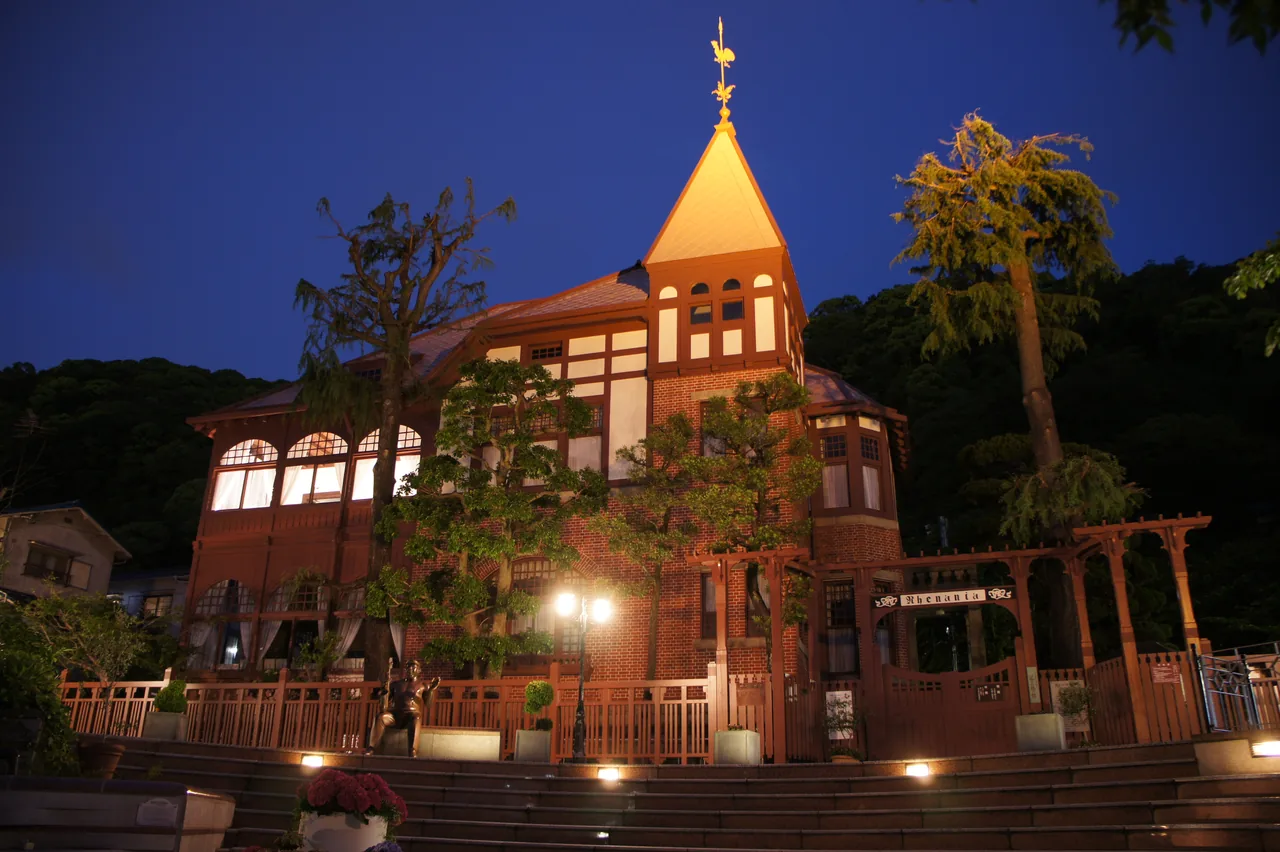
11. Kitano: two separate ticket systems
Kitano is the hillside district where foreign merchants built houses after the port opened, and those houses are called ijinkan. Two of them are run by the city and the rest by a private group, so which ticket you buy decides which houses you can enter.
| Ticket | Adult | What it opens |
|---|---|---|
| Kazamidori no Yakata | 500 yen | The former Thomas house, a nationally designated Important Cultural Property |
| Moegi no Yakata | 500 yen | The pale green former US consul’s residence |
| Combined ticket for both | 800 yen | The two above |
| Yamanote four-house pass | 2,200 yen | Uroko House and gallery, Yamate No. 8, the Foreigners’ Club, Hilltop House |
| Kitano seven-house premium pass | 3,300 yen | All seven privately run houses |
The combined ticket went up
The joint ticket for Kazamidori and Moegi rose from 650 to 800 yen. The individual price stayed at 500 yen each, so the increase only lands if you visit both.
High school age and under go free. With children you only count the adult tickets.
Decide how many houses first
There are more than ten houses and the interiors repeat themselves. Two or three seen slowly leaves you with more than seven walked through quickly.
Kazamidori no Yakata is the one with the weathervane on the roof, and it stands high enough that the harbour opens up from the front garden. If you want the photograph, that is the house.
It is a climb
Kitano is 900 metres from Sannomiya and all of it uphill, which matters more in August than the distance suggests.
Starting from Shin-Kobe puts Kitano downhill instead. If you arrive by shinkansen, this fits the first afternoon neatly.
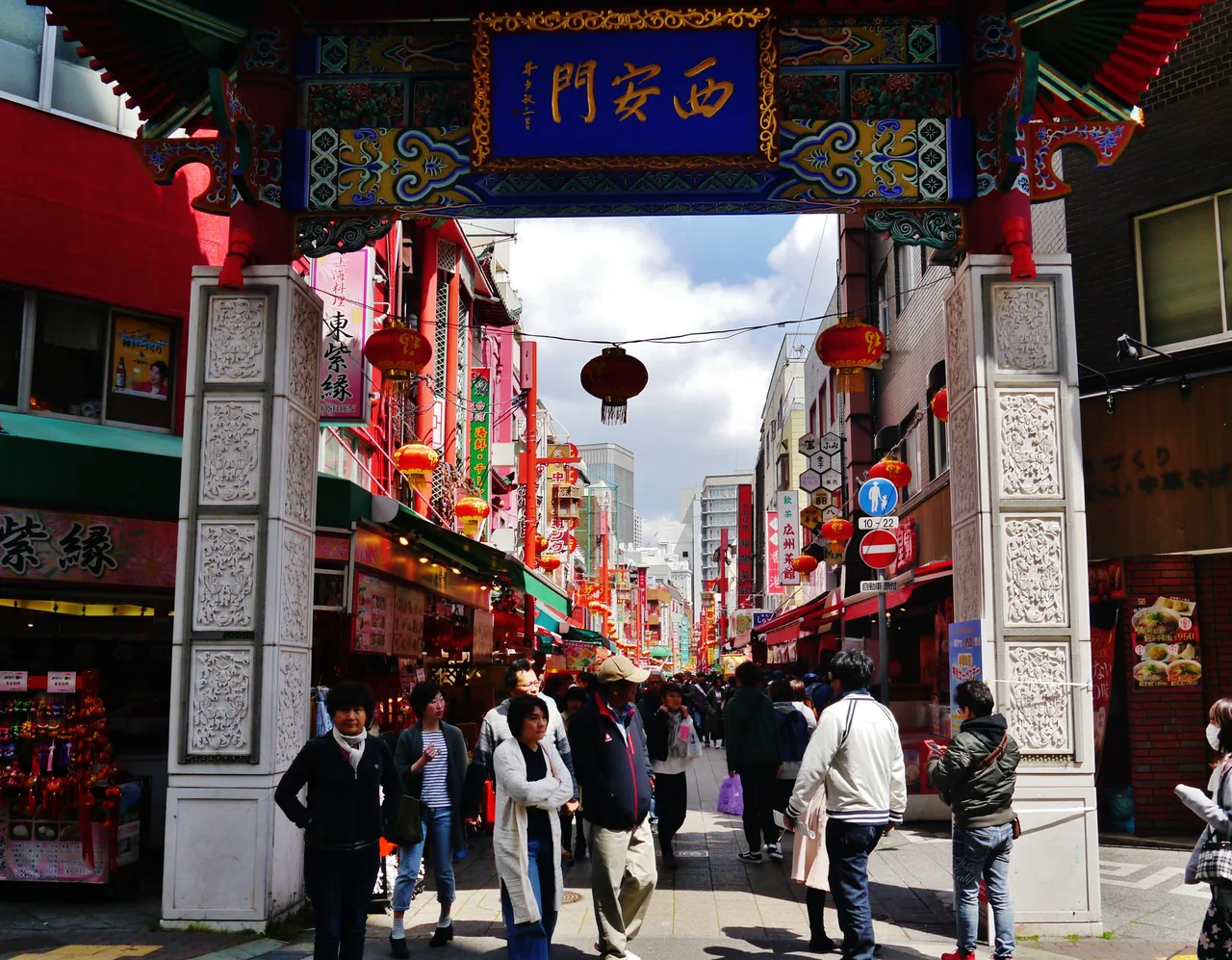
12. Nankinmachi takes twenty minutes
Nankinmachi is counted alongside Yokohama and Nagasaki as one of Japan’s three Chinatowns, and it is by far the smallest. The whole district is 270 metres east to west and 110 north to south, holding about a hundred businesses.
That makes it a place you eat through rather than sit in. Steamed pork buns, soup dumplings and grilled squid come off stalls on both sides of the street.
The square in the middle is the reference point
The east-west street widens into a small plaza with a set of zodiac figures, and everything is within sight of it, so getting lost is not really possible.
You enter from Motomachi station on the north side and come out facing the harbour, which means it drops naturally into the walk from Sannomiya down to the water.
Lunar New Year is a different place
A spring festival runs for four days around the first day of the lunar year, with a dragon parade through the streets and special menus at the stalls.
Those four days pack the narrow lanes to a standstill. Unless the festival is the reason you came, plan around it.
Many stalls take cash only. Small notes and coins move you through the queues faster.
13. Meriken Park and the Port Tower
The harbour end of the line is Meriken Park, and the red lattice tower standing in it is the Port Tower. It reopened after a rebuild that added a rooftop deck above the old observation floor.
| Ticket | Adult | Primary and middle school |
|---|---|---|
| Observation floor plus rooftop deck | 1,200 yen | 500 yen |
| Observation floor only | 1,000 yen | 400 yen |
It stays open until 11pm
The observation levels run from 9am to 11pm with last entry at 10.30pm. Very few towers in Japan stay open that late.
That makes it the natural end of a day. Spend the daylight off the line somewhere and come back for the tower after dinner.
Tickets are timed
The observation floor and rooftop need a ticket for a specific date and time. The lower floors are open without one.
Rain or strong wind shuts the rooftop deck without notice, and the rooftop portion is refunded at the ground floor counter. The roof is reached by stairs from the fifth floor only, so if stairs are difficult the observation floor ticket is the one to buy.
Part of 1995 is still standing in the park
One corner of Meriken Park preserves a section of quay wall exactly as the earthquake left it, with the lamp posts still leaning and the paving still broken.
Keeping an unrepaired strip inside a repaired harbour is what makes the scale of it legible. You can see the drop rather than read about it.
14. átoa and the Maritime Museum
Just east of Meriken Park is átoa, an aquarium arranged more like a gallery than a fish house. Adults pay 2,600 yen, it opens 10am to 7pm, and it never closes for the day.
| Venue | Adult | Closed |
|---|---|---|
| átoa | 2,600 yen | never |
| Kobe Maritime Museum with Kawasaki World | 900 yen | Mondays |
| Takenaka Carpentry Tools Museum | 1,000 yen | Mondays |
One ticket covers two museums at the harbour
Kawasaki World sits inside the Kobe Maritime Museum, so a single 900 yen ticket takes in both: ships and port history on one side, rolling stock and motorcycles on the other.
There is no combined ticket with the Port Tower. They are bought separately.
The carpentry museum is next to Shin-Kobe
Three minutes from Shin-Kobe station is a museum of Japanese carpentry tools, with full-size timber joints you can look into rather than diagrams of them.
General admission rose to 1,000 yen. Middle school age and under are free, and over-65s pay 700 yen on proof of age.
The Maritime Museum, the carpentry museum and the disaster museum all shut on Mondays. A Monday in Kobe blocks the indoor options at once, so keep that day for Arima or the harbour.
With children, the animal park
Fourteen minutes down the Port Liner towards the airport is Kobe Animal Kingdom, which is mostly under glass and works in rain. Adults are 1,500 yen, primary school children 800 yen, four and five year olds 300 yen, over-65s 1,100 yen.
It closes on Thursdays outside the school holidays, and last entry is half an hour before closing at 5pm on weekdays or 5.30pm at weekends.
15. Harborland is an evening
Seven hundred metres west of the Port Tower is Harborland, where brick warehouses have been turned into shops and a ferris wheel stands on the water.
In daylight it is an ordinary shopping district. After dark the lighting on the buildings picks up off the water and the Port Tower closes the view on the far side.
The photograph is taken from the other bank
From inside Harborland you cannot really see the Port Tower. To get the tower in frame you stand in Meriken Park and look back at Harborland.
The two are ten minutes apart on foot, so walking across once gives you both views.
It connects to JR Kobe station
Harborland opens directly onto JR Kobe station, which makes it a tidy end to the day if you are heading back to Osaka.
Back to Sannomiya it is a thirty minute walk, or a short ride on the subway Kaigan line.
16. January 1995, and the museum that records it
You cannot read Kobe properly without the earthquake. At 5.46am on 17 January 1995 a magnitude 7.3 quake struck 16 km beneath the Akashi Strait off northern Awaji Island, registering the maximum intensity of 7.
It killed 6,434 people, left 3 missing and injured 43,792. Around 640,000 homes were damaged. Until the 2011 Tohoku disaster it was the worst natural disaster in postwar Japan.
The Disaster Reduction and Human Renovation Institution
Two and a third kilometres east of Sannomiya, this museum runs from a reconstruction of the moment itself through to the years of rebuilding, in that order.
| Ticket | Adult | University student |
|---|---|---|
| Both wings | 650 yen | 450 yen |
| East wing only | 300 yen | 200 yen |
| High school age and under | free | free |
The seventeenth of the month is free
Admission is free on the 17th of every month, matching the date of the quake, and moves to the 18th when the 17th falls on a closing day.
Opening is 9.30am to 5.30pm with last entry at 4.30pm. It closes on Mondays and stays open through Golden Week.
The city keeps small markers
The broken quay in Meriken Park is the largest of them, and smaller plaques are set into pavements around the city. Thirty years of new buildings have gone up around markers that were deliberately left in place.
The opening film uses loud sound and physical vibration and can be too much for younger children. The east wing on its own, at 300 yen, skips that part.
17. Nada makes more sake than anywhere else, and the visits are free
The coastal strip east of central Kobe is Nada Gogo, the largest sake producing district in Japan, and several of the breweries keep museums that cost nothing to enter.
| Museum | Admission | What it is |
|---|---|---|
| Hakutsuru Sake Brewery Museum | free | A working brewery building from the Taisho era |
| Kikumasamune Sake Brewery Museum | free | 350 years of the company’s brewing history |
| Sawanotsuru Museum | free | A brewery designated an important folk cultural property by the prefecture |
All three end in a tasting
Each museum finishes at a tasting counter and a shop, so you walk in free, taste, and buy if something lands.
Hakutsuru opens 9.30am to 4.30pm with last entry at 4pm, and arriving late cuts the tasting short.
Nada is not Fushimi
Japan’s two famous sake districts get mentioned in the same breath and they are different places. Fushimi is in southern Kyoto and Nada is in Kobe.
The water differs and so does the result. Nada brews with hard water off the Rokko range, Fushimi with soft water.
Getting there
Ten minutes or less east of Sannomiya on Hanshin or JR. Each museum has its own nearest station, so pick one rather than trying to string them together on foot.
Nada lies in the same direction as the Rokko cable car. Breweries in the morning and the mountain in the afternoon makes one clean eastward day.
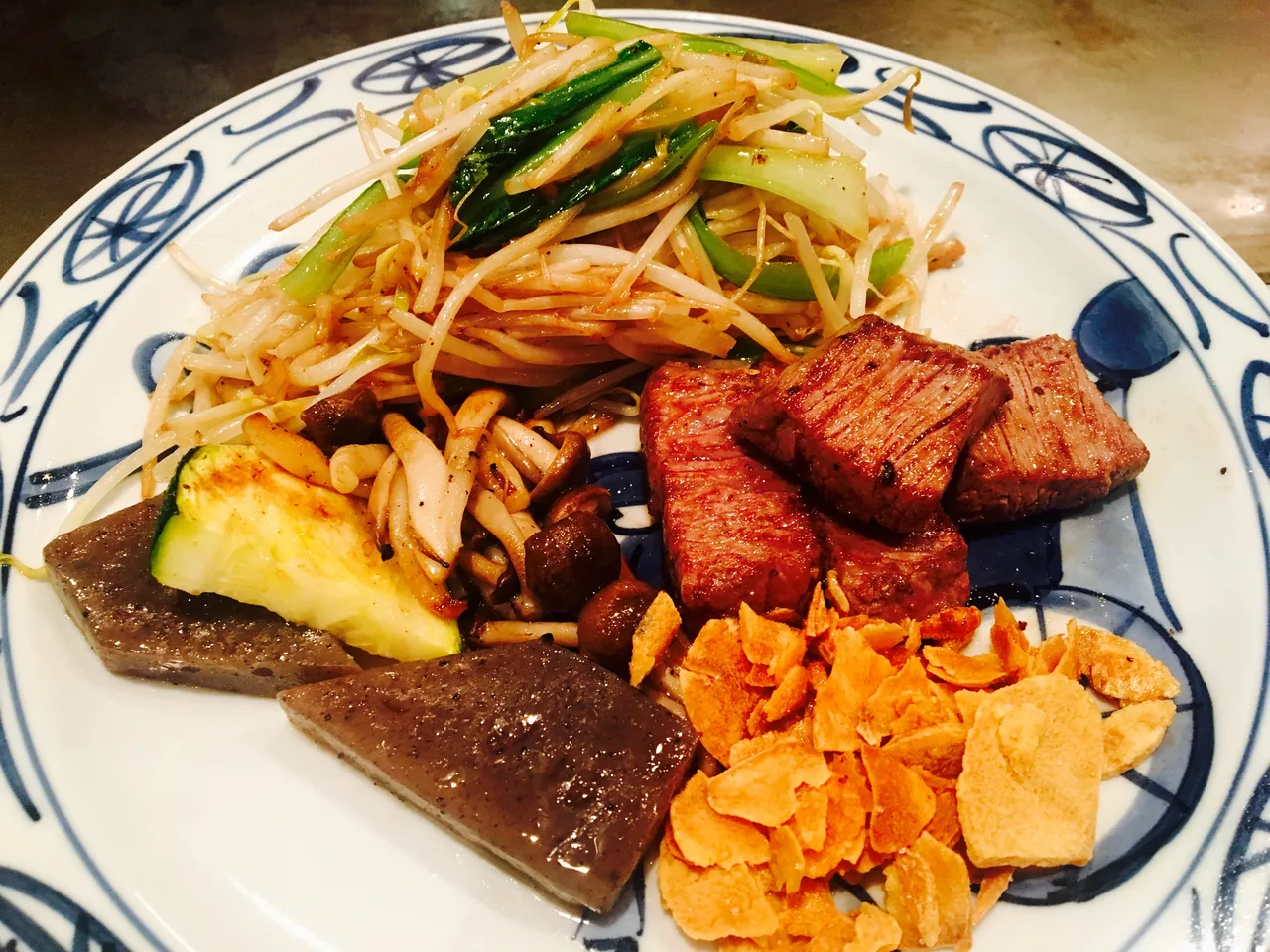
18. Kobe beef is a grade, not a place
Kobe beef is not simply beef from Kobe. It is Tajima cattle raised in Hyogo prefecture that then clear a specific carcass standard.
| Requirement | Standard |
|---|---|
| Breed and origin | Tajima cattle from Hyogo bloodlines, raised and slaughtered within the prefecture |
| Age | 28 to 60 months |
| Marbling | BMS score of 6 or above |
| Yield grade | A or B |
| Carcass weight | 499.9 kg or less |
About seven thousand animals a year
Roughly 7,500 head qualify as Tajima cattle annually and around 7,000 of those go on to be certified as Kobe beef. Against the national cattle herd that is a very small number, and the price follows from it.
Both names are registered trademarks administered by the Kobe Meat Distribution Promotion Association.
Look for the bronze statue, not the sign
Restaurants and butchers licensed to sell it are registered shops, and registered shops display a small bronze statue of a cow. A sign with the words on it is not the same thing.
Many places also hang the certificate for the individual animal. Checking before you sit down takes a moment.
Lunch costs a fraction of dinner
The same kitchen will serve a lunch set at a small share of the evening course price. If the point is to try it rather than to make an occasion of it, go at midday.
The restaurants cluster between Sannomiya and Kitano. Evening tables fill early, so reserve.
19. Going up Rokko costs more than it used to
The Rokko summit looks down on the whole city, and reaching it means a cable car, then a mountain bus, then a ropeway. That ropeway put its fares up for the first time in three decades.
| Rokko-Arima Ropeway | Before | Now |
|---|---|---|
| One way, adult | 1,030 yen | 1,400 yen |
| Return, adult | 1,850 yen | 2,520 yen |
| One way, child | 520 yen | 700 yen |
| Return, child | 930 yen | 1,260 yen |
The Rokko Cable is 800 yen one way or 1,150 return, and the summit bus is 370 yen.
Concessions run deeper on the ropeway than on most Japanese lifts. Over-70s pay 1,120 yen one way, and passengers with a disability certificate pay 700 yen with one carer carried free. Groups get between 10 and 40 per cent off depending on size.
Set aside consumption tax and it is the first rise since 1995
Operating costs and wages were given as the reason. Because nothing had moved in thirty years, the gap between current fares and older write-ups is unusually wide.
A good many travel pages still print 1,030 and 1,850. Budget from those and you are nearly 700 yen short per person.
What the summit actually costs
From Sannomiya: 200 yen on Hankyu to Rokko, a city bus to the cable station, 800 yen for the cable, 370 for the summit bus. Carry on over to Arima and the 1,400 yen ropeway leg brings it to about 2,570 yen.
Coming back the same way, the 1,150 yen return cable ticket is the cheaper shape. Descending into Arima instead means buying each leg one way.
What is at the top
Rokko Garden Terrace collects the viewpoints, and the Rokko Shidare observatory inside it is 1,000 yen for adults: a woven timber shell you stand inside, looking down over the city and Osaka Bay.
The summit runs about five degrees cooler than the streets, which is welcome in August and cold in February. Take a layer even in summer.
The combined mountain ticket
The Rokko and Maya Leisure Ticket is 2,100 yen in the Hankyu version and 1,950 in the Hanshin one, covering the return train, city buses, either the cable car or the Maya View Line, and unlimited summit buses.
It is sold from spring to late autumn only. In winter you buy each leg separately.
20. The Maya night view is closed on Tuesdays
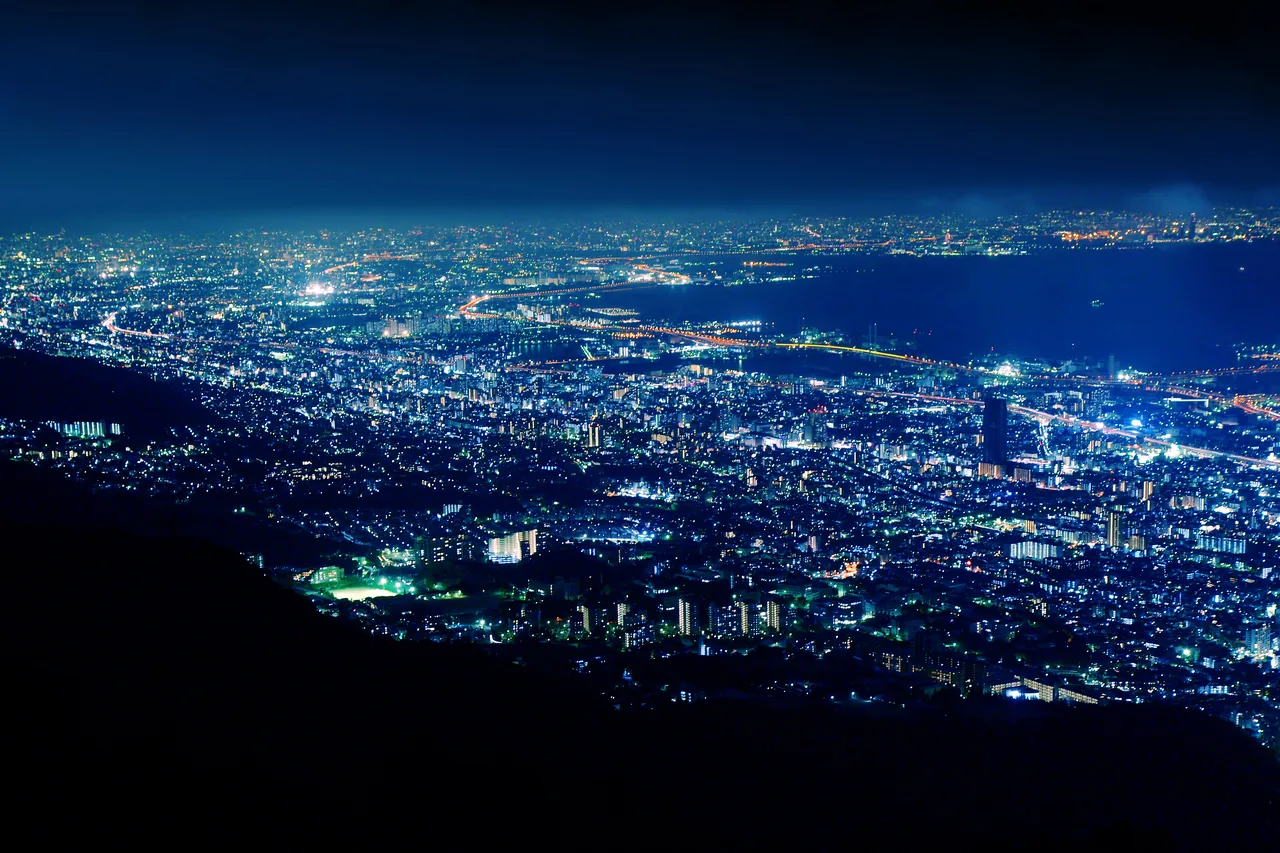
Mount Maya sits alongside Rokko and its Kikuseidai terrace is the night view people come for. The Maya View Line that takes you up does not run on Tuesdays, moving to the next weekday when a Tuesday is a public holiday.
| Section | One way | Return |
|---|---|---|
| Cable car and ropeway through | 900 yen | 1,560 yen |
| Cable car only, or ropeway only | 450 yen each | 780 yen each |
| Over-70s, through fare | 360 yen | 720 yen |
Closing time depends on the day of the week
This is a night view that keeps daytime hours on many days. Late running is a Friday to Sunday and public holiday arrangement.
| Season | Mon to Thu | Fri to Sun and holidays |
|---|---|---|
| Late July and August | until 9pm | until 9pm |
| Spring and autumn | until 5.40pm | until 9pm |
| Winter | until 5.40pm | until 8pm |
Outside high summer, the last weekday descent is at 5.40pm, which makes going up after dark impossible rather than inconvenient. If the night view is the point, put it on a Friday, Saturday or Sunday.
Whether to combine Rokko and Maya
Summit buses link the two, so it can be done. Doing both, though, spends the entire day above the city.
Maya is the better known viewpoint. Rokko has more to walk to in daylight.
21. Arima Onsen: weekday and weekend prices
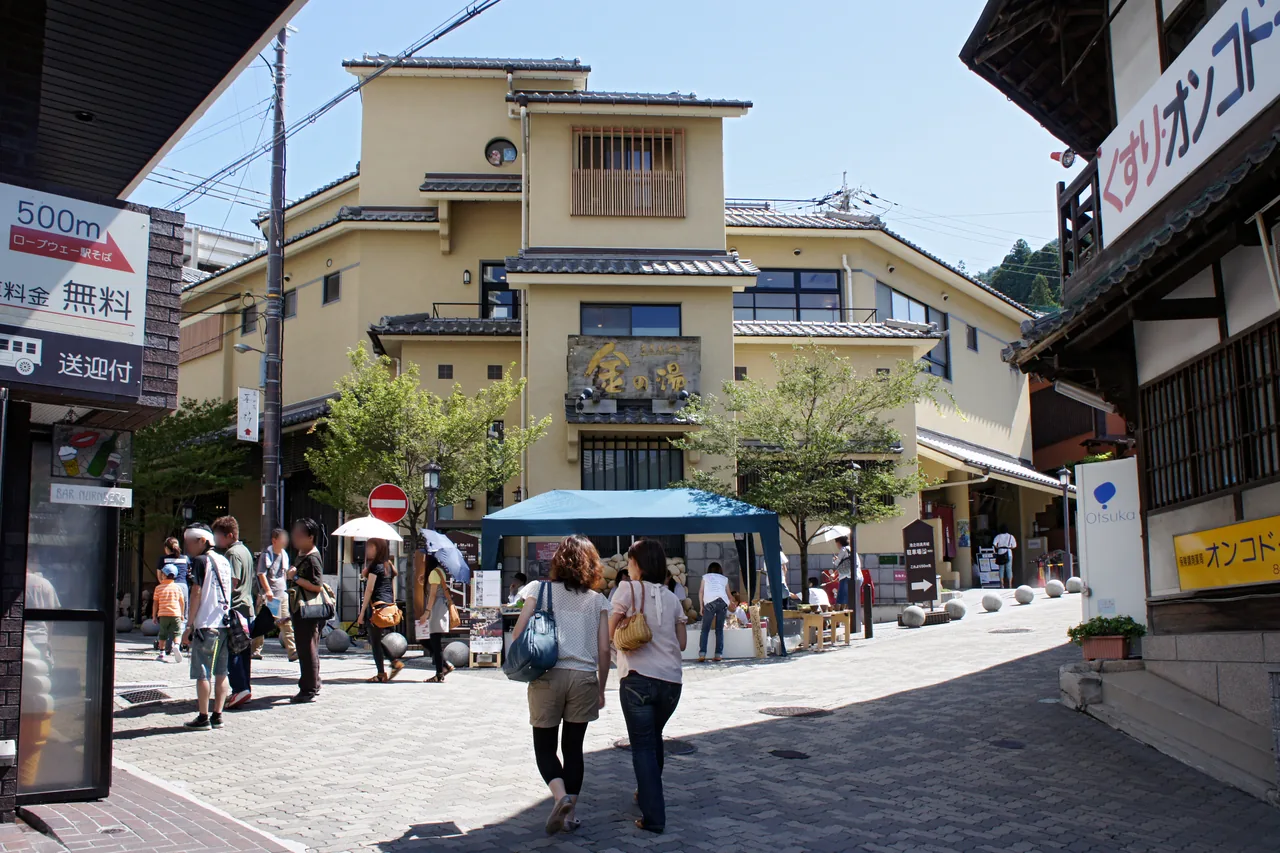
Arima Onsen is a hot spring town inside Kobe city limits, 28 minutes from Sannomiya, so most people go for the day rather than staying. Two public bathhouses sit in the middle of it, and each charges less on weekdays.
| Bathhouse | Weekends and peak | Weekdays | Closed |
|---|---|---|---|
| Kin no Yu, the gold bath | 800 yen | 650 yen | 2nd and 4th Tuesday |
| Gin no Yu, the silver bath | 700 yen | 550 yen | 1st and 3rd Tuesday |
| Both, combined ticket | 1,200 yen | 1,200 yen | follows each bath |
Some weekdays are not weekdays
The weekday rate excludes the New Year period, Golden Week and Obon. Weekdays inside those runs are charged at the higher rate.
Children pay 350 yen and over-65s 650 yen. Groups of fifteen or more drop to 400 yen an adult.
The two baths carry different water
Kin no Yu runs brown and Gin no Yu runs clear. Iron in the water oxidises on contact with air and turns it brown, while the carbonated and radon-bearing spring stays colourless. Having both come out of one small town is what Arima is known for.
The chemistry is set out by type in our Japan onsen and ryokan guide, so this section stays on the practical side.
When the bathing tax does not apply
Kobe levies a bathing tax on mineral spring facilities: 150 yen per person per night for guests, 75 yen for day visitors.
Day visits under 1,200 yen before consumption tax are exempt. At 800 and 700 yen, neither town bath is taxed. Under-sevens are exempt everywhere.
Kin no Yu shuts on the second and fourth Tuesday and Gin no Yu on the first and third, so one of the two is closed every Tuesday of the year. Both also close on 1 January.
22. Reaching Arima, and when the bundled ticket wins
Sannomiya to Arima Onsen takes 28 minutes and costs 720 yen: 280 on the subway and 440 on the Shintetsu line.
- Take the subway from Sannomiya through Shin-Kobe to Tanigami. That leg is 280 yen.
- Change to Shintetsu at Tanigami. This is the first change.
- Change again at Arimaguchi onto the short branch that serves the town.
- Get off at Arima-Onsen station. Both bathhouses are within five minutes on foot.
Why the subway leg is only 280 yen
That stretch used to be a private railway with a reputation for the highest base fare in Japan. It was taken over as a municipal subway line and the fare came down sharply.
Older sources quote the earlier figure. If you had Arima filed away as an expensive trip, that is probably where it came from.
By bus, or over the mountain
Direct buses run from the Sannomiya bus terminal, trading the changes for exposure to traffic.
The third option is to cross the mountain: cable car, summit bus, ropeway, about 2,570 yen and half a day. You take that route when the mountain is the point, not when Arima is.
The large bathhouse is cheaper as a bundle
The town also has a larger spa complex, Taiko no Yu, at 2,750 yen on weekdays and 2,970 at weekends, robe and towels included.
Shintetsu sells a combined ticket at 2,600 yen that adds a one-day pass on its network to the same admission.
| How you buy it | Total |
|---|---|
| Separately: 880 yen return from Tanigami plus 2,750 weekday admission | 3,630 yen |
| Shintetsu bundled ticket | 2,600 yen |
| Bundle plus the 280 yen subway leg from Sannomiya | 2,880 yen |
That is about 750 yen saved. Ask at the Shintetsu counter before buying admission at the door. Because the price is over 1,200 yen, the 75 yen bathing tax does apply here.
The bundled ticket carries a 500 yen supplement from 1 to 3 January.
23. The Akashi Strait bridge is inside Kobe
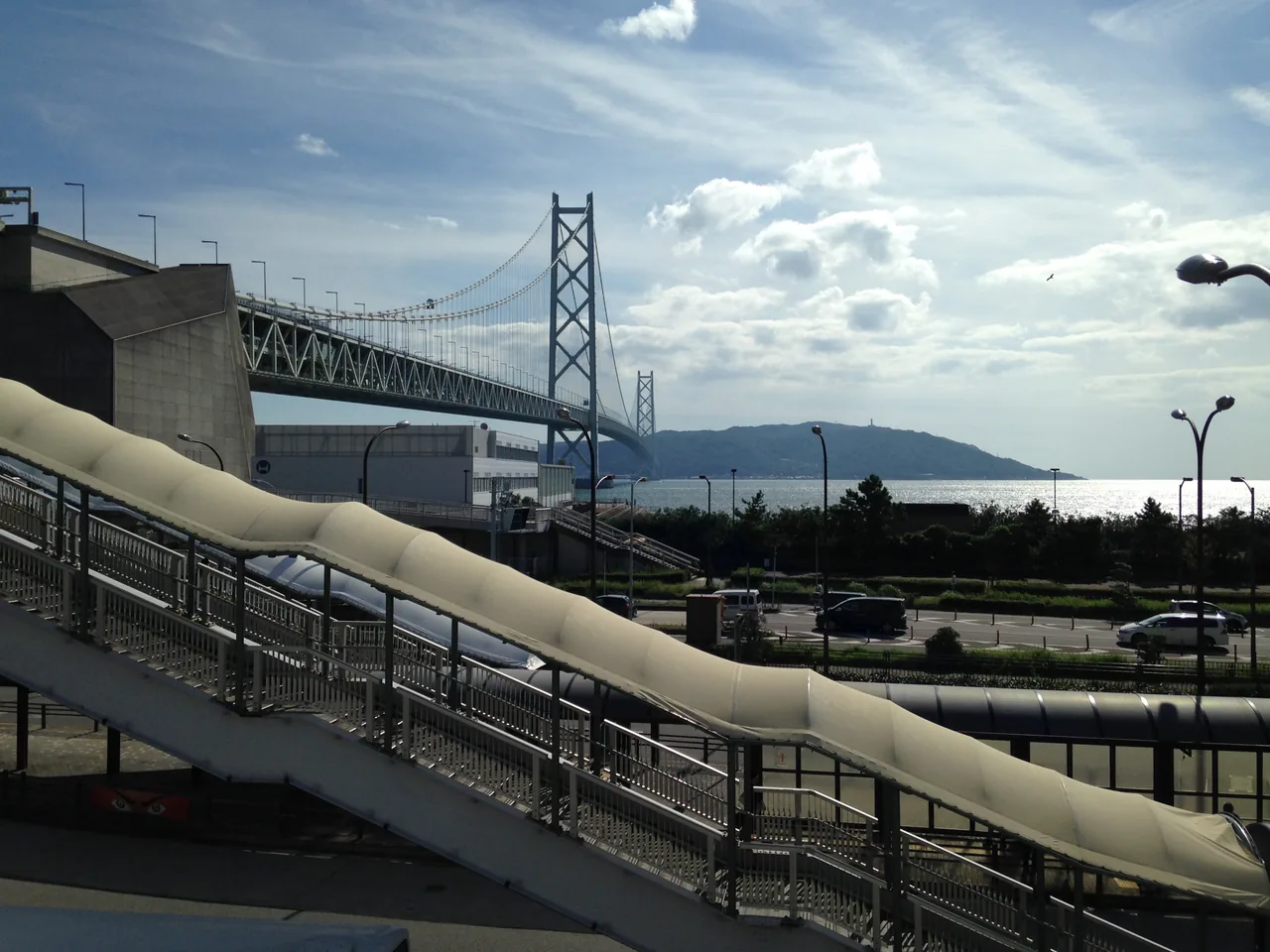
The Kobe end of the Akashi Kaikyo Bridge is at Maiko, which is Tarumi ward, Kobe. Going there is not a trip to another city, it is 16 km west inside this one.
Under the deck runs the Maiko Marine Promenade, a walkway 47 metres above the water that carries you 317 metres out, about 150 metres beyond the shoreline.
| Ticket | Weekday | Weekend and holiday |
|---|---|---|
| Adult | 250 yen | 300 yen |
| Over-70 | 100 yen | 150 yen |
| High school age and under | free | free |
Part of the floor is glass
A section partway out has a glass floor, so the water is directly below you, and the structure of the bridge is visible from inside rather than from a distance.
Hours are 9am to 6pm with last entry at 5.30pm, extended by an hour during Golden Week and the summer holidays.
You can also climb the tower
Bridge World takes groups up the main tower to roughly 300 metres. Adults pay 5,500 yen on weekdays and 6,600 at weekends, twelve to fifteen year olds half that.
It runs twice a day at 9am and 1.15pm, 48 people per tour, and takes about two hours fifty minutes. Booking is online and in advance, so turning up on the day does not work.
Bridge World operates from spring through late autumn and again in early spring, with nothing over the winter. Under-twelves cannot take part at all.
Winter closures on the promenade
The promenade runs daily from spring to early autumn. Through the colder months it closes on the second Monday of each month.
Sannomiya to Maiko is under twenty minutes on JR, which makes it a clean half day.
24. Nunobiki Falls and the Herb Garden
Seven minutes up the path behind Shin-Kobe station is Nunobiki Falls. It sits directly behind a shinkansen station, and a few minutes into the trees the city noise stops.
Four falls run in sequence, and above them is the Nunobiki Herb Garden. You can walk up or take the ropeway.
| Ropeway | Adult | Primary and middle school |
|---|---|---|
| Return | 2,500 yen | 1,250 yen |
| One way | 1,900 yen | 950 yen |
| Evening return, spring and autumn from 5pm | 2,000 yen | 1,200 yen |
Garden entry is inside the fare
The ropeway ticket includes the garden, so there is nothing else to pay at the top.
The return fare rose from 2,000 to 2,500 yen, set after the terraces were rebuilt.
It shuts for about three weeks in winter
There are two maintenance closures a year: four days in late summer and roughly three weeks in the depths of winter.
Three weeks of downtime in January and February is rarely mentioned on travel pages. If this is going into a winter itinerary, check the dates before you build a day around it.
Going up in the evening
On spring and autumn weekends, through summer and over the winter illumination period, the ropeway runs until 8.30pm. That gives you a night view over the city without the trip out to Maya.
The discounted evening fare applies in spring and autumn only, not during summer or the illumination weeks.
25. Oji Zoo no longer has a panda
Tan Tan, the giant panda at Oji Zoo, died of heart disease at 28, the oldest giant panda in Japan. No panda has replaced her, so there is none here now.
She had arrived under a joint breeding and research arrangement with China and spent roughly 24 years at the zoo, becoming a fixture for a city that was rebuilding after the earthquake.
A lot of pages still say otherwise
English, Korean and Chinese listings widely still describe pandas at Kobe, including large booking sites that sell tickets to the zoo.
If pandas are the reason for the visit, this is not the place. Ueno Zoo in Tokyo is in the same position since its last pandas returned to China, which we cover in the Tokyo travel guide.
Whether it is still worth it
Adults pay 600 yen and middle school age and under go free. The collection runs to about 130 species and 800 animals, and the grounds are a well known cherry blossom spot.
It is 2.5 km east of Sannomiya, a 34 minute walk or two stops on Hankyu.
Free entry for everyone up to middle school keeps this cheap. The zoo also opens free on its founding anniversary.
26. Luminarie is not a December event
Kobe Luminarie began as a memorial to the victims of the earthquake, and although it is widely filed as a Christmas light display, it now runs for ten days between late January and early February.
It spreads across three sites: Higashi Yuenchi park, the old foreign settlement, and Meriken Park.
| Site | Admission |
|---|---|
| Higashi Yuenchi | free |
| Old foreign settlement | free |
| Part of Meriken Park | ticketed |
Only Meriken Park is ticketed
Bought in advance the ticket is 500 yen on weekdays and 750 at weekends. On the day it is 1,000 and 1,500, so advance purchase halves it.
The two free sites are a complete visit on their own. The ticketed zone holds the largest of the installations.
In December you will see something else
A December trip will not catch Luminarie. What is lit instead is the winter illumination at Harborland and Meriken Park.
Illumination across Japan in December is set out in our Tokyo winter illuminations guide, and the wider month in Japan in December.
The run is short and the dates move each year. If you are timing a trip around it, confirm that year’s dates first.
27. Whether to add Himeji
Himeji is 39 minutes from Sannomiya on the JR Special Rapid for 960 yen. What changed is the castle admission.
| Visitor | Admission |
|---|---|
| Non-residents of Himeji, 18 and over | 2,500 yen |
| Himeji residents, 18 and over | 1,000 yen |
| Under 18 | free |
From 1,000 yen to 2,500
The castle moved to a two-tier price by residence. Residents still pay 1,000 yen and everyone else pays two and a half times that, with the increase earmarked for repairs to the stonework and walls.
Under-18s are free regardless of where they live, so a family only counts adults.
Tickets are dated and timed
Digital tickets with time slots are now the main route in, and there is a 5,000 yen annual pass.
With 1,920 yen of return rail and 2,500 admission, the day comes to 4,420 yen a head. That is more than a full day in central Kobe, so decide before you go rather than on the platform.
The castle is a twenty minute walk from the station and takes about two hours inside. Go in the morning and keep the afternoon for Kobe.
28. How many days
The downtown line is one day. One trip off the line makes it two. Fitting in Arima, Rokko, Maiko and Himeji takes three.
| Time you have | What fits |
|---|---|
| Half a day | Kitano down to the harbour, walking |
| One day | The full line plus the Port Tower after dark |
| Two days | Downtown, then Arima or Rokko |
| Three days | Add Maiko, Himeji or the Nada breweries |
Coming over from Osaka
Twenty-two minutes each way makes Kobe an easy day trip, and on that basis the downtown line is the realistic scope.
Adding Arima means absorbing the return from Osaka as well. Arima in the morning and downtown in the afternoon still fits inside one day.
What staying the night gets you
The Port Tower until 11pm, the Maya night view and an evening at Harborland are the three things a day trip cannot reach.
If you fly into Kobe Airport, the first afternoon and last morning are both short, which is an argument for one more night.
29. A day in Kobe, hour by hour
This is the downtown line as a single day. Starting at the mountain end means you climb once and coast afterwards.
- 9am, Shin-Kobe. The falls are seven minutes up the path behind the station, which makes a short walk before anything opens.
- 10.30am, Kitano. Two or three of the ijinkan is the right number. The city pair is 800 yen together.
- 12.30pm, Sannomiya. Lunch. If Kobe beef is on the list, midday is when it is affordable.
- 2pm, Nankinmachi. It is 270 metres long, so eating your way through takes about twenty minutes.
- 3pm, Meriken Park. The preserved quay from 1995 and the Maritime Museum are both here.
- 5pm, Harborland. Cross over as the light goes and the buildings start reflecting off the water.
- 7pm, Port Tower. Walk back for the tower. Last entry is 10.30pm, so there is no rush.
- Back to Sannomiya. The Kaigan subway line from Harborland is the quick way home.
What to drop if the day is shorter
Cut the falls and the Maritime Museum and you have a half day running from Kitano to the Port Tower.
In rain, string together átoa, the Maritime Museum and the carpentry museum instead. Not on a Monday, when two of the three are closed.
The day you go off the line
Arima works better in the morning. The baths open at 8am, so you get the quiet end of the day, and the afternoon still holds the downtown walk.
Rokko and Maya work the other way round: go up late, watch the light change, come down.
30. Where to stay
Three areas make sense in Kobe: Sannomiya, Shin-Kobe and Harborland. All three sit on the downtown line, so the difference is less about transport than about what the evening looks like.
| Area | Suits you if |
|---|---|
| Sannomiya | Five operators leave from your doorstep, so you are going in and out a lot |
| Shin-Kobe | You are taking the shinkansen, or want to start from Kitano |
| Harborland and Kobe station | You want the harbour lit up in the evening |
| Arima Onsen | The hot spring is the trip, not a stop on it |
There is no lodging tax
Neither Kobe city nor Hyogo prefecture levies an accommodation tax, which sets it apart from Kyoto, Osaka and Hiroshima. We keep the national picture in our Japan accommodation tax guide.
Staying in Arima does add the bathing tax at 150 yen per person per night. Under-sevens are exempt.
Whether to sleep in Arima
A ryokan there includes dinner and breakfast and unrestricted use of the baths, at a considerable step up in price from a downtown hotel.
Since the day trip is 720 yen and the bathhouses are under 800, the question is whether the onsen is the trip or one line in it.
31. What a day costs
Kobe is inexpensive while you stay on the line and stops being inexpensive the moment you leave it. Excluding your room, the difference is stark.
| Kind of day | Per person |
|---|---|
| Downtown on foot, two ijinkan plus the Port Tower | around 2,000 yen |
| Arima day trip with a bathhouse | around 2,100 yen |
| Rokko and Maya | around 4,000 yen |
| Himeji castle | around 4,400 yen |
| Bridge World tower climb | 6,000 yen and up |
Why downtown is cheap
The sights connect on foot so transport is close to nothing, the individual ijinkan are 500 yen, and the sake museums are free. At 1,200 yen the Port Tower is the largest single item.
Food is the variable. Whether Kobe beef is on the list, and whether at lunch or dinner, moves the day’s total more than anything else.
When a pass earns its keep
The 1,500 yen Machimeguri coupon carries an 800 yen voucher, so it pays on a day that includes the Port Tower and two or three rides on the subway or Port Liner.
On a walking day no pass is needed at all. Buying the ticket first and then bending the day to justify it is how people lose money here.
32. When to go
Kobe sits between water and mountain, which makes summer humid and winter windy, and it is a city you cross on foot.
| Season | What it is like |
|---|---|
| Spring | Cherry blossom at Oji Zoo and through the city, mountain passes go on sale |
| Summer | Humid, and the Kitano climb is hard work. The summit runs five degrees cooler |
| Autumn | The best walking, with colour lasting late in Arima |
| Winter | Luminarie, but the Nunobiki ropeway shuts for three weeks |
Reorder the day in summer
Kitano is a climb and it is punishing at midday. Take the high ground early and move indoors when the heat peaks.
The mountains are the other answer. An August afternoon on Rokko or Maya is several degrees more comfortable than one downtown.
What winter closes
The Nunobiki ropeway stops for about three weeks, Bridge World does not operate, and the Maya View Line finishes earliest in the year.
Against that, Luminarie only happens in this window, for ten days.
Dates to avoid
The four days of the Lunar New Year festival make Chinatown impassable. Golden Week and Obon suspend the weekday discount at the Arima bathhouses.
Tuesdays close the Maya View Line and Mondays close three museums. Check the day of the week before you fix the order of your days.
33. Practical notes
Sort out a data connection and some cash before you arrive, and check which day of the week you are doing what.
Data matters more here than it used to
The Machimeguri coupon is digital only now, so it lives on your phone. The Port Tower and Himeji castle both sell dated, timed tickets that are easier to hold in advance.
Options and prices are compared in our Japan eSIM and data guide, and travel cards in the Japan IC card guide.
Where cash is still needed
Chinatown stalls and the smaller bathhouses are frequently cash only. The combined Bay Shuttle and Port Liner ticket is cash only at the Sannomiya counter.
Larger venues and all transport take cards and IC. The wider picture is in our cash and cards in Japan guide.
What the weekday closes
| Day | Closed |
|---|---|
| Monday | Maritime Museum with Kawasaki World, Takenaka carpentry museum, disaster museum |
| Tuesday | Maya View Line, Kin no Yu on the 2nd and 4th, Gin no Yu on the 1st and 3rd |
| Thursday | Kobe Animal Kingdom |
Where to read next
Which Kansai ticket to buy is worked through operator by operator in our Kansai transport passes guide. Kobe slots either side of Osaka and Kyoto.
If you are building the trip from scratch, start with the Japan travel guide.
🎡Things to Do8
🏨Where to Stay3
🚇Getting Around2
🗾Japan trip essentials22
Kobe travel questions
One day covers the downtown line, because the sights run north to south and connect on foot. Add half a day for each trip off that line, so Arima Onsen or the Rokko summit turns it into two days.
The JR Special Rapid is fastest at 22 minutes and 420 yen from Osaka to Sannomiya. Hankyu and Hanshin take about 30 minutes for 330 yen. With a Japan Rail Pass the JR leg is free, which settles it.
The Port Liner reaches Sannomiya in 18 minutes for 340 yen, against roughly 45 minutes and over 1,000 yen from Kansai into Osaka. There are few routes, most arrive in the afternoon, and they operate as charter services.
Yes. It is 28 minutes and 720 yen from Sannomiya. The two town bathhouses charge 800 and 700 yen, dropping to 650 and 550 on ordinary weekdays.
Not at the two town baths. Day visits under 1,200 yen before tax are exempt, and both are below that. Staying overnight adds 150 yen per person per night, and larger day spas above the threshold add 75 yen.
No. Neither the city nor Hyogo prefecture levies one, unlike Kyoto, Osaka and Hiroshima. The only related charge is the bathing tax if you stay in Arima.
No. Tan Tan died at 28 and no replacement has arrived. A lot of listings, including major ticket sellers, still say otherwise.
Ten days between late January and early February. It is widely described as a December event and no longer is. Two of the three sites are free and only part of Meriken Park is ticketed.
Registered shops display a small bronze statue of a cow. Wording on a sign is not the same thing. Lunch sets cost a fraction of the evening course at the same restaurant.
A single ride is 300 yen, so the 800 yen pass needs three boardings. Downtown walks are ten to twelve minutes, which makes three rides unlikely. The pass also discounts about thirty venues, which can change the maths on a busy day.
Online only. Paper tickets have been discontinued, so guidance about station machines is out of date. The Kobe area version is 1,500 yen and includes an 800 yen attraction voucher.
Outside high summer, no. The last weekday descent is 5.40pm, so you cannot be up there after dark. Friday to Sunday and public holidays run until 8pm or 9pm, and Tuesdays it does not run at all.
The Kobe end at Maiko is inside the city, under twenty minutes from Sannomiya on JR. The marine promenade is 250 yen on weekdays and 300 at weekends.
2,500 yen for non-residents aged 18 and over, up from 1,000. Himeji residents still pay 1,000 and under-18s are free wherever they live. The train is 39 minutes and 960 yen from Sannomiya.