
Where to Stay in Tokyo: The 6 Best Areas, Honestly Compared
Shinjuku, Shibuya, Ginza & Tokyo Station, Asakusa & Ueno, Ikebukuro, Roppongi & Akasaka — which Tokyo neighbourhood actually fits your trip, and the one decision (vibe + station + budget) that drives all the others.
| First-timer default | stay in Shinjuku for unbeatable transport, or Tokyo Station / Ginza for the shinkansen, the cleanest Narita link and top luxury. |
|---|---|
| It’s vibe + station + budget, not ‘the one right district’ | stay within ~5 minutes of a Yamanote-loop or major metro interchange and the whole city is a few stops away. |
| Cheapest and best value | Asakusa & Ueno (old Tokyo, great Narita access) or Ikebukuro (value, family, anime). |
| Two honest asterisks | Asakusa and Roppongi/Akasaka are OFF the Yamanote loop — they’re metro-dependent, so weigh transfers before booking on vibe alone. |
| Going to Disney? Stay central and ride the Keiyo Line ~15 min from Tokyo Station, or sleep at a Maihama official/partner hotel if the parks are the main event. | |
1. The short answer: which Tokyo area is right for you?
2. The one decision: vibe + station + budget
3. How Tokyo’s areas lay out
4. Shinjuku — the all-rounder
5. Shibuya — young & stylish
6. Ginza & Tokyo Station — upscale & central
7. Asakusa & Ueno — old Tokyo & best value
8. Ikebukuro — value, family & anime
9. Roppongi & Akasaka — art & nightlife
10. Getting from the airport to your hotel
11. Best area by traveller type
12. Where to stay for Tokyo Disney
13. How much does a Tokyo hotel cost?
14. When to book & best-value seasons
15. Hotel types & booking tips
16. Final pick by itinerary + what to read next
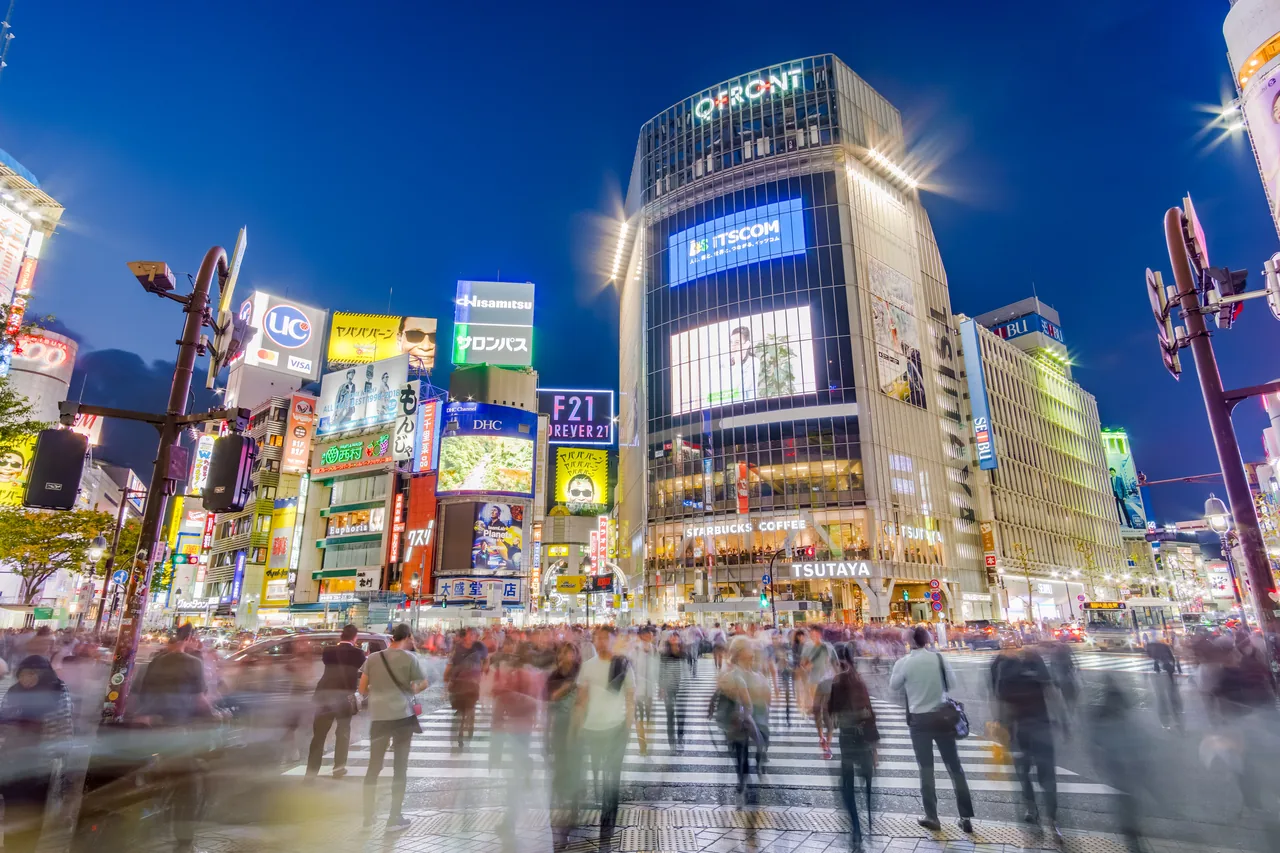
1. The short answer: which Tokyo area is right for you?
For most first-timers the answer is Shinjuku (maximum transport, every budget in one place) or the Tokyo Station / Ginza side (shinkansen, the fastest Narita link and the city’s best luxury) — but Tokyo’s dense rail network means almost any well-connected area works, so the real choice is vibe, budget and which station sits nearest your priorities.
Tokyo is enormous, yet the JR Yamanote loop and the metro underneath it stitch it together so tightly that “the one correct district” is mostly a myth. Pick the zone whose character and price fit you, stay a few minutes from a major station, and you’re a short ride from everything. Here’s the at-a-glance scan of who each area suits — read it like a menu, then dive into the zone sections for the honest detail.
| Area | Vibe in 3 words | Best for | Mid-range/night | On loop? | First-timer? |
|---|---|---|---|---|---|
| Shinjuku | Neon, huge, all-in-one | Transport-first, every budget, nightlife | ¥18,000–35,000 | Yes | ★ Top pick |
| Shibuya | Young, stylish, new | Couples, repeat visitors, nightlife | ¥22,000–40,000 | Yes | Great |
| Ginza & Tokyo Stn | Polished, central, luxe | Luxury, business, shinkansen day-trips | ¥25,000–45,000 | Yes | ★ Top pick |
| Asakusa & Ueno | Old Tokyo, traditional | Budget, tradition, families, fast Narita | ¥13,000–25,000 | Ueno yes / Asakusa no | Good |
| Ikebukuro | Value, family, anime | Value, families, longer stays, otaku | ¥14,000–26,000 | Yes | Good |
| Roppongi & Akasaka | Art, nightlife, upscale | Nightlife, art, skyline luxury, Haneda-close | ¥20,000–38,000 | No (metro) | So-so |
The rest of this guide unpacks each zone honestly — the catch as well as the pitch — then matches a base to your traveller type, your trip and the season. New to the city overall? Start with our complete Tokyo travel guide and come back here for the where-to-sleep decision.
2. The one decision: vibe + station + budget
Decide three things — the vibe you want, the budget you’ll spend, and which single station you most want to be near — and the area chooses itself. Everything else in Tokyo flows from that, because the trains do the heavy lifting.
The Yamanote loop is the whole trick
The Yamanote line is a green circle of JR stations that rings central Tokyo — Shinjuku, Shibuya, Tokyo, Ueno, Ikebukuro and a couple of dozen more — and almost every metro line crosses it like spokes on a wheel. A hotel on the loop means a one-seat JR ride to most of the big hubs; a hotel near where two or three metro lines also stop means you can reach anywhere with at most one easy change. The practical rule is simple: stay within about five minutes of a loop station or a major interchange and the whole city opens up. That’s why “which district is correct?” is the wrong question — several are correct, and the tiebreaker is vibe and price.
The two honest asterisks (off-loop zones)
Two popular zones sit off the loop and lean on the metro instead, so they deserve a transport second-look before you book on looks alone.
| Off-loop zone | How you get around | The catch |
|---|---|---|
| Asakusa | Ginza & Toei Asakusa subways, Tsukuba Express, Tobu (→ Nikko) | Expect a transfer heading west to Shibuya/Shinjuku; lovely but not one-seat to the loop |
| Roppongi & Akasaka | Hibiya, Oedo, Chiyoda, Ginza, Namboku metros — no JR station | Metro-dependent; plan a change for any JR cross-town trip |
Off the loop isn’t bad — Ueno (on the loop) sits right next to Asakusa, and Roppongi is fast to Haneda. It just means you weight transport, not pick on vibe alone.
Let the airport nudge the pick
Where you land should tilt the decision. Narita is far to the east and favours the Ueno/Asakusa side (Skyliner) and Tokyo Station (N’EX); Haneda is much closer and to the south, favouring Shinagawa, Ginza and the central-south (Keikyu, Monorail). It’s a small factor, but on a jet-lagged arrival day it matters — full detail is in the airport section below.
First-timer defaults
If you want to think about this as little as possible: choose Shinjuku for sheer reach and a budget for every wallet, or Tokyo Station / Ginza for the shinkansen, the cleanest Narita link and the top hotels. Both are on the loop, both are central, and both make the rest of the trip easy. Grab a Suica or PASMO when you land so every train and bus is a tap — our Suica & PASMO IC card guide walks through it.
3. How Tokyo’s areas lay out
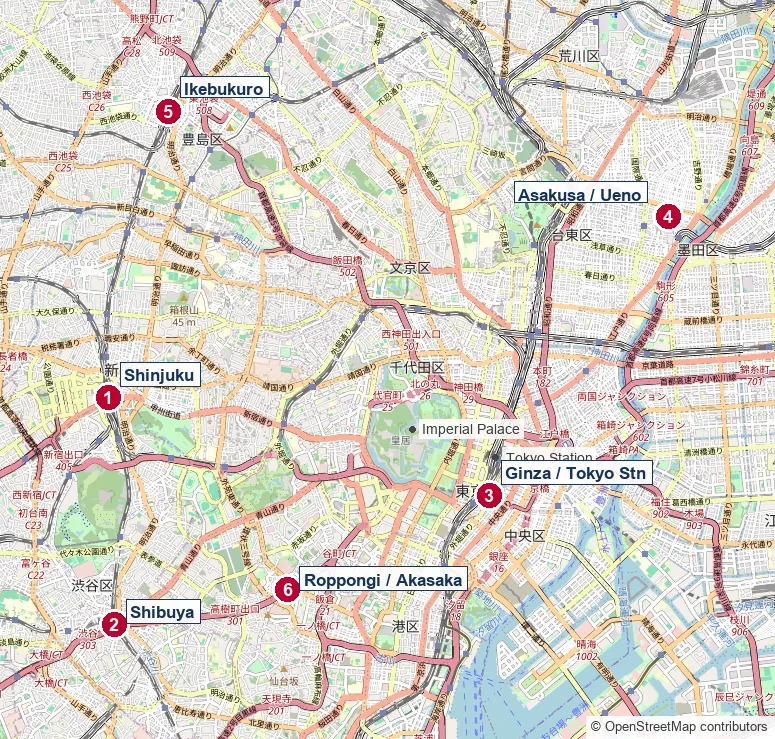
Picture the Yamanote loop as a clock: the six zones in this guide sit on or just off that circle, so once you know roughly where each is, choosing between them gets a lot simpler.
Going clockwise from the west side of the loop: Shinjuku Shinjuku Station, TokyoMap sits top-left, the busiest hub of all. Drop down and you reach Shibuya Shibuya Crossing, TokyoMap, one stop south. Swing across the bottom-right and you hit Tokyo Station Tokyo Station, TokyoMap with Ginza Ginza, TokyoMap just south of it. Continue up the east side to Ueno Ueno Park, TokyoMap, with Asakusa Senso-ji, TokyoMap a short hop off the loop to the northeast. Back round the top sits Ikebukuro Ikebukuro Station, TokyoMap. Tucked inside the loop to the south-centre — and on the metro, not the JR ring — are Roppongi Roppongi Hills, TokyoMap and Akasaka.
How to read the map
The loop is your friend: a hotel on it means a one-seat JR ride to most big stations. A hotel off it (Asakusa, Roppongi) means at least one metro change for cross-town JR trips — fine, just factor it in. Two landmarks worth orienting by are Tokyo Skytree Tokyo Skytree, TokyoMap near Asakusa and Shibuya Sky Shibuya Sky, TokyoMap above Shibuya Station.
The transit-time reality check
Here’s how long each zone actually takes to reach the big destinations by train — door-station to door-station, approximate, so check live times for your exact route. Notice how little separates the loop zones: that’s the point.
| From ↓ / To → | Shinjuku | Shibuya | Tokyo Stn | Asakusa | Disney (Maihama) | Haneda | Narita |
|---|---|---|---|---|---|---|---|
| Shinjuku | — | 7 | 14 | 30 | 40 | 50 | 85 |
| Shibuya | 7 | — | 25 | 35 | 45 | 35 | 80 |
| Ginza / Tokyo Stn | 14 | 20 | — | 20 | 15 | 30 | 55 |
| Asakusa / Ueno | 30 | 35 | 8–20 | 5 | 30 | 45 | 41 (Ueno Skyliner) |
| Ikebukuro | 5 | 16 | 20 | 30 | 45 | 50 | 90 |
| Roppongi / Akasaka | 10 | 12 | 18 | 25 | 40 | 30 | 95 |
Approximate minutes by train, door-station to door-station; Tokyo Station is ~8 min from Ueno and ~20 from Asakusa; Narita times via Skyliner from Ueno or N’EX from the west — always verify live times.
Quick airport overview
Your airport should nudge the pick. Narita (far east) favours Ueno/Asakusa via the Keisei Skyliner and Tokyo Station via the Narita Express. Haneda (south, much closer) favours Shinagawa, Ginza and the central-south via Keikyu and the Monorail. Full details and fares are in the airport section below — and in our dedicated Narita & Haneda airport access guide. The map below shows the six zones on the loop.
4. Shinjuku — the all-rounder
At a glance: the safest first-timer base in Tokyo — the world’s busiest station puts almost the entire city within a one-seat ride, and you get every budget from capsule to icon in a single neighbourhood. If you only want to make one easy decision, this is it.
Stay here if you’re a first-timer, you want maximum transport and shopping, you’ll be out late, or you want a hotel for any budget without leaving the area. Skip it if you want calm, a “local” feel, or you find mega-stations stressful — the sheer scale of Shinjuku is the whole experience, for better and worse.
The vibe is peak Tokyo — neon, skyscrapers, department stores, endless dining, and the Kabukicho/Golden Gai nightlife. By morning the west side is calm office towers and free skyline views; by night the east side roars. It splits into three distinct moods.
| Sub-area | Character | Best for |
|---|---|---|
| West (Nishi-Shinjuku) | Skyscraper hotels, calmer, free Tocho observation decks | Upscale stays, business, skyline views |
| South | Lower-key, easiest with luggage or kids, by Shinjuku Gyoen | Families, quieter sleep, easy arrivals |
| East (Kabukicho / Golden Gai) | Highest-energy nightlife; some streets seedy late | Nightlife-at-the-door travellers |
Transport & airport feel
Unbeatable. JR Yamanote, Chuo, Saikyo and Shonan-Shinjuku lines; the Marunouchi, Oedo and Shinjuku subways; plus Odakyu (direct to Hakone and the Fuji area) and Keio. Shibuya is 7 minutes, Tokyo Station 14, and Ikebukuro just 5. Narita N’EX runs ~80–90 min; from Haneda take the Monorail to Hamamatsucho and the Yamanote up (~50 min) or the door-to-door Airport Limousine Bus.
Honest cons
Hotels — budget → luxury
| Hotel | Style | Band | Best for | Sub-area / station | Rates |
|---|---|---|---|---|---|
| Sotetsu Fresa Inn Shinjuku | Budget business | ¥ | Cheap reliable base | Central, near station | Rates → |
| APA Hotel Shinjuku Kabukicho Tower | Budget–mid, large | ¥–¥¥ | Big-bath + nightlife at the door | East (Kabukicho) | Rates → |
| Citadines Central Shinjuku | Aparthotel | ¥¥ | Families / longer stays (kitchenette) | Central | Rates → |
| Hotel Gracery Shinjuku | Mid | ¥¥ | Ultra-central, Godzilla head, fun | East (Kabukicho) | Rates → |
| Keio Plaza Hotel Tokyo | Big mid–upscale | ¥¥–¥¥¥ | Groups / families, classic | West (Nishi-Shinjuku) | Rates → |
| Hyatt Regency Tokyo | Upscale | ¥¥¥ | Reliable business-leisure | West | Rates → |
| Hilton Tokyo | Upscale | ¥¥¥ | Tocho-side, station shuttle | West | Rates → |
| Park Hyatt Tokyo | Luxury icon | ¥¥¥¥ | Splurge / views (the Lost in Translation hotel) | West | Rates → |
5. Shibuya — young & stylish
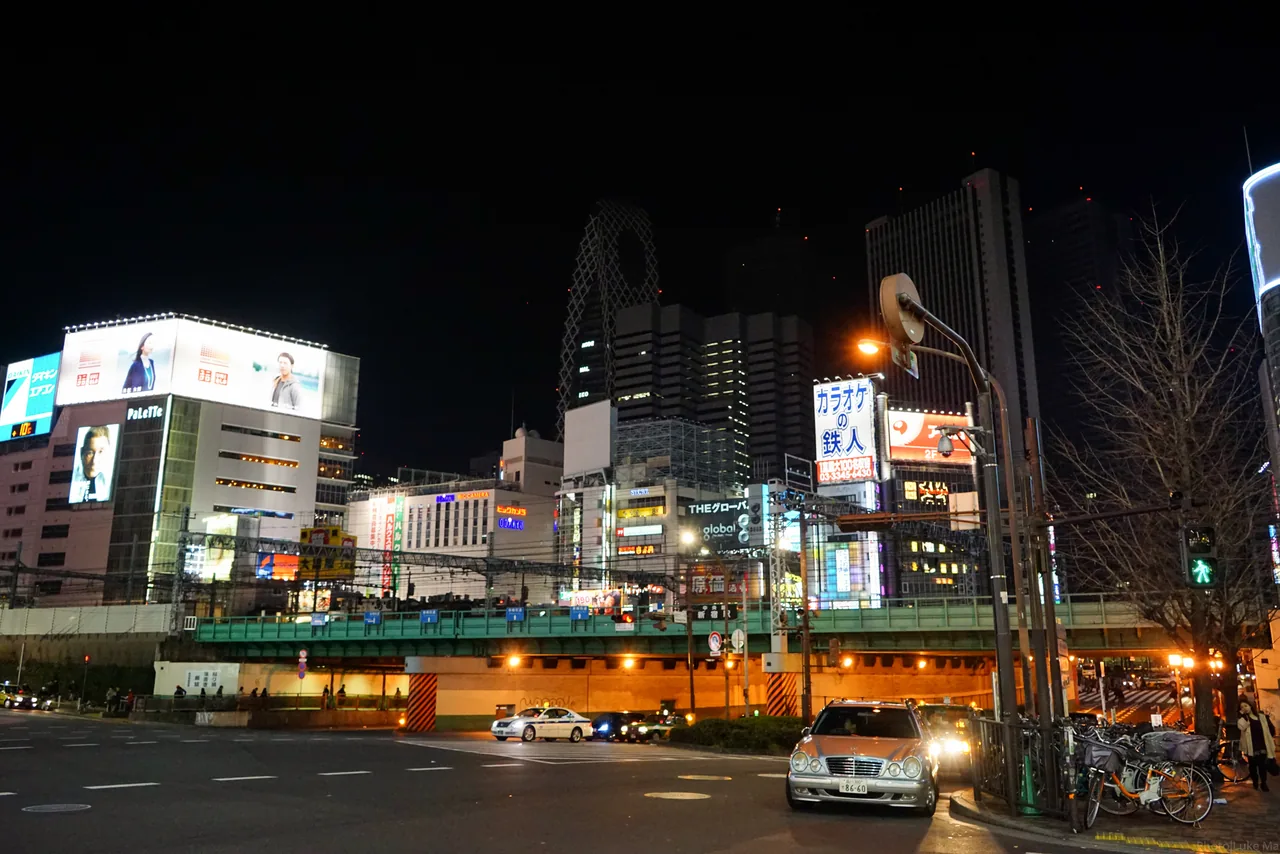
At a glance: the pick for younger travellers, couples and repeat visitors who want style, shopping and nightlife right at the door — its hotel stock was largely rebuilt in the 2024–25 redevelopment, so rooms are newer and more design-led than Shinjuku’s, at a slightly higher price.
Stay here if you want the most current, stylish rooms, you’re a couple or in your 20s–30s, or shopping and nightlife are your priority. Skip it if you’re on a tight budget (few rock-bottom beds), you hate crowds, or you want a calm base — Shibuya is loud, young and busy by design.
This is the home of the Scramble Crossing, Shibuya Sky (the 230 m open-air rooftop, around ¥2,700, varies by time slot), Miyashita Park and a wave of new towers. It feels like the centre of young Tokyo, and it’s only one stop — about 7 minutes — from Shinjuku.
The three faces of Shibuya
- Around the Scramble / station — maximum energy and convenience, newest towers, view rooms; busiest and priciest.
- Jingumae / Cat Street — boutique-and-café side toward Harajuku; stylish, walkable, a touch calmer.
- Yoyogi-Park side — leafier and quieter while staying minutes from the action; good for couples who want a breather.
Transport & airport feel
Eight rail lines: JR Yamanote, Saikyo and Shonan-Shinjuku; Metro Ginza, Hanzomon and Fukutoshin; Tokyu Toyoko and Den-en-toshi; and the Keio Inokashira. The Narita Express stops here too (~75–90 min). Tokyo Station is ~25 min, Asakusa ~35, and Haneda is relatively handy at ~35 min.
Honest cons
Hotels — budget → luxury
| Hotel | Style | Band | Best for | Near | Rates |
|---|---|---|---|---|---|
| The Millennials Shibuya | Smart-pod | ¥ | Solo, design budget | Central | Rates → |
| Shibuya Granbell Hotel | Boutique | ¥¥ | Design small rooms | Central | Rates → |
| sequence MIYASHITA PARK | Contemporary mid | ¥¥ | Trendy, on the park, buzzy rooftop | Miyashita Park | Rates → |
| Shibuya Excel Hotel Tokyu | Mid | ¥¥ | In-station convenience | Mark City (station) | Rates → |
| Hyatt House Tokyo Shibuya | Apartment-style | ¥¥¥ | Families / kitchens | Central | Rates → |
| SHIBUYA STREAM HOTEL | Upper-mid | ¥¥¥ | Direct station access, views | Shibuya Stream | Rates → |
| Cerulean Tower Tokyu Hotel | Upscale high-rise | ¥¥¥ | High-floor city views | 5 min from station | Rates → |
| Trunk Hotel | Boutique luxury | ¥¥¥¥ | Design / lifestyle splurge | Jingumae (Cat St) | Rates → |
6. Ginza & Tokyo Station — upscale & central
At a glance: the zone for luxury, business and shinkansen day-trippers — Tokyo Station is the bullet-train hub and gives you the cleanest Narita link in the city, while Ginza delivers the country’s best shopping and fine dining, at Tokyo’s highest prices.
Stay here if you want luxury or refined business comfort, you’ll take shinkansen or Disney day-trips, you’re a foodie, or you value calm, safe, polished streets. Skip it if you’re on a budget (few cheap beds), or you want street-level nightlife and buzz after dark — Marunouchi empties out at night.
The character is polish. Marunouchi, the office-and-hotel district by Tokyo Station, is refined and calm; Ginza is premier shopping and Michelin dining; Nihonbashi adds historic department stores; and the new Yaesu/Otemachi towers hold the city’s freshest ultra-luxury.
| Sub-area | Character | Best for |
|---|---|---|
| Marunouchi | Polished luxury & business by the station; quiet at night | Shinkansen arrivals, luxury, calm |
| Ginza | Premier shopping & fine dining, depachika food halls | Shopping, foodies, couples |
| Nihonbashi | Historic department-store elegance, old-merchant heritage | Refined, slightly quieter luxury |
| Yaesu / Otemachi | Newest luxury towers next to the station | Top-end design splurges |
Transport & airport feel
Tokyo Station is the shinkansen hub, plus the Yamanote, Chuo, Keiyo (to Disney in ~15 min) and Marunouchi lines. Ginza runs on the Ginza, Marunouchi and Hibiya metros. The Narita Express terminates at Tokyo Station in about 53–60 min for ¥3,070 — the cleanest airport link going — and Haneda is roughly 25–35 minutes. Shinjuku is 14 min, Shibuya ~20, and Maihama (Disney) just 15.
Honest cons
Hotels — budget → luxury
| Hotel | Style | Band | Best for | Sub-area | Rates |
|---|---|---|---|---|---|
| remm Hibiya / Mitsui Garden Ginza / Sotetsu Fresa | Mid business | ¥¥ | Keeping the zone affordable | Ginza / Hibiya | Rates → |
| Hotel Ryumeikan Tokyo | Mid–upscale | ¥¥¥ | Value-luxe steps from Tokyo Stn | Tokyo Station | Rates → |
| Hyatt Centric Ginza Tokyo | Upscale | ¥¥¥ | Heart of Ginza shopping | Ginza | Rates → |
| The Tokyo Station Hotel | Luxury landmark | ¥¥¥¥ | 1915 red-brick station facade | Marunouchi | Rates → |
| Shangri-La Tokyo | Luxury | ¥¥¥¥ | Fastest for shinkansen arrivals | Marunouchi | Rates → |
| Mandarin Oriental Tokyo | Luxury | ¥¥¥¥ | Michelin dining + skyline | Nihonbashi | Rates → |
| Four Seasons Tokyo at Marunouchi | Luxury (reopened April 2026) | ¥¥¥¥ | Intimate 57-room, André Fu design, SÉZANNE | Marunouchi | Rates → |
| Bvlgari Hotel Tokyo / Aman Tokyo | Ultra-luxury | ¥¥¥¥ | Top-end tower splurge | Yaesu / Otemachi | Rates → |
7. Asakusa & Ueno — old Tokyo & best value
At a glance: the cheapest quality beds in central Tokyo and the most atmospheric — old “shitamachi” Tokyo with temples, markets and ryokan — plus the best Narita access of any budget zone via the Keisei Skyliner.
Stay here if you want value, traditional atmosphere, a ryokan night, family-friendly streets, or fast Narita access. Skip it if nightlife is your priority or you want to be one seat from Shibuya/Shinjuku — the westbound commute is longer and Asakusa is quiet after dark.
The draw is tradition. Asakusa has Senso-ji temple, the Nakamise shopping street and Skytree views; Ueno has the huge Ueno Park with the Tokyo National Museum, the zoo and cherry blossoms. By morning Senso-ji is magical before the crowds; by night Asakusa goes sleepy while Ueno keeps a few izakaya humming. The two halves are quite different bases.
| Sub-area | Character | Best for |
|---|---|---|
| Asakusa | Senso-ji + shitamachi atmosphere; OFF the Yamanote loop (Metro/Toei, transfer west); quiet at night; fast Narita via Keisei→Toei through-service | Tradition, ryokan, budget, Narita access |
| Ueno | ON the Yamanote loop; big park, museums, zoo; Keisei Skyliner 41 min to Narita | Families, museums, one-seat loop rides |
Transport & airport feel
Asakusa is on the Ginza and Toei Asakusa subways, the Tobu line (direct to Nikko) and the Tsukuba Express — but it’s off the Yamanote loop, so expect a transfer heading west (Shinjuku ~30 min, Shibuya ~35). Ueno is on the loop, plus the Hibiya and Ginza metros and Keisei, and Tokyo Station is just ~8 min away. From Narita, the Keisei Skyliner reaches Ueno in about 41 min for ¥2,580 (online discount tickets a little cheaper) — the best airport link of any budget zone. From Haneda, take Keikyu through to the Toei Asakusa line.
Honest cons
Hotels — budget → luxury
| Hotel | Style | Band | Best for | Sub-area | Rates |
|---|---|---|---|---|---|
| Nui. / Khaosan / Bunka Hostel | Hostel | ¥ | Social, cheapest beds | Asakusa | Rates → |
| Super Hotel Asakusa | Budget business | ¥ | Dependable cheap, free bath | Asakusa | Rates → |
| Onyado Nono Asakusa | Ryokan-style | ¥¥ | Hot-spring baths, tatami feel | Asakusa | Rates → |
| Richmond / Gracery Asakusa | Mid business | ¥¥ | Solid reliable mid | Asakusa | Rates → |
| The Gate Hotel Asakusa Kaminarimon (Hulic) | Upper-mid | ¥¥¥ | Rooftop Senso-ji / Skytree views | Asakusa (Kaminarimon) | Rates → |
| Asakusa View Hotel | Upscale high-rise | ¥¥¥ | Closest thing to luxury here | Asakusa | Rates → |
| Nohga Hotel Ueno | Design upper-mid | ¥¥¥ | Stylish, by the park | Ueno | Rates → |
| Mitsui Garden Hotel Ueno | Mid | ¥¥ | Reliable, station-side | Ueno | Rates → |
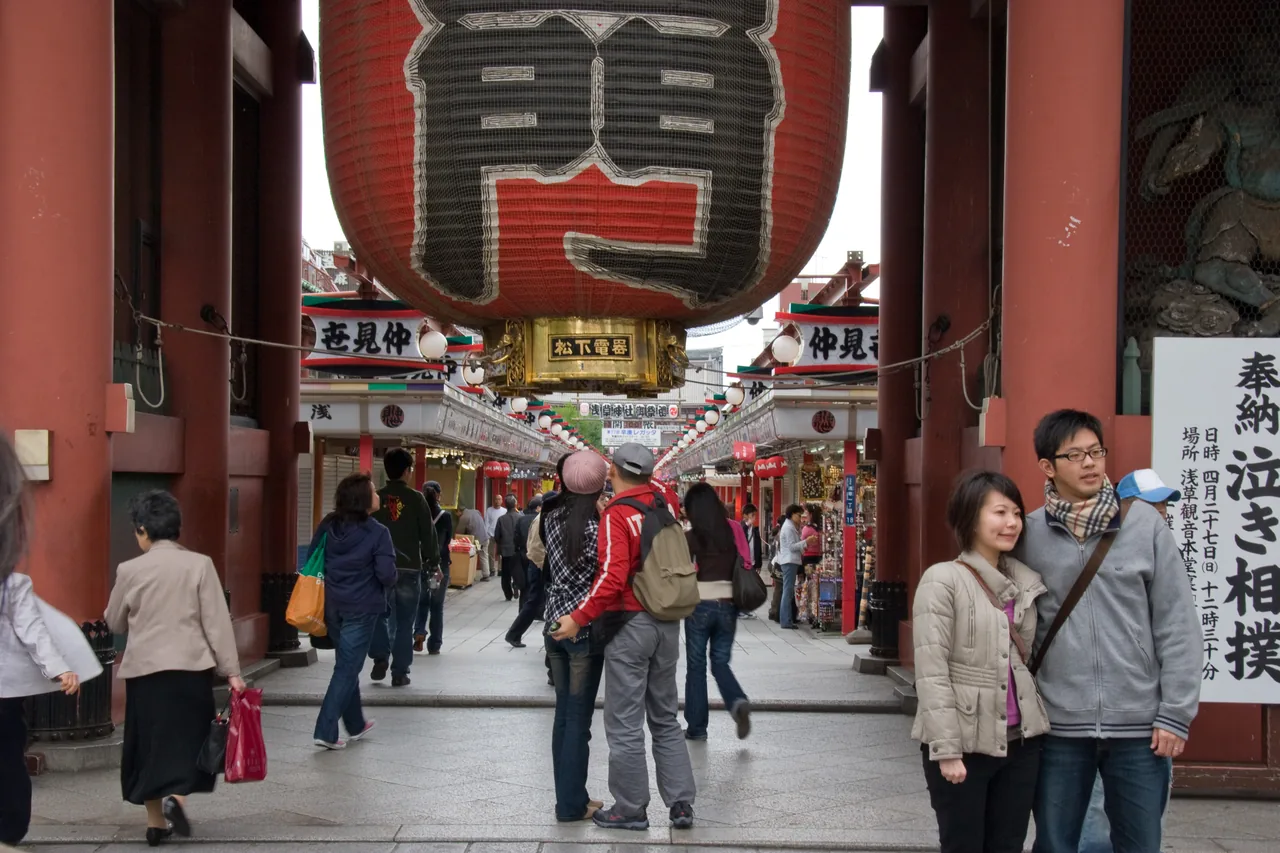
Ueno has a guide of its own now: the Ueno travel guide covers which station exit to use, what closes on which day of the week, and the Ameyoko market that runs south from the station.
8. Ikebukuro — value, family & anime
At a glance: a top-tier transport hub at lower prices than Shinjuku or Shibuya, with family attractions and anime culture on the doorstep — the value play for families, longer stays and fans.
Stay here if you want strong value at a major hub, you’re travelling with kids, you’re an anime/manga fan, or you’re staying a while. Skip it if you want iconic Tokyo scenery right outside your hotel or you’re after luxury — Ikebukuro is practical rather than postcard-pretty, and true high-end options are thin.
The anchor is Sunshine City: an aquarium, a planetarium, an observation deck and the Namja Town indoor theme park, all under one roof. Otome Road is the female-oriented anime and manga hub. You get plenty of dining and shopping without the west-side premium, and Shinjuku is just 5 minutes away.
West exit vs East exit
- West exit — the Hotel Metropolitan flagship, department stores and the calmer, more polished side; airport buses leave here.
- East exit — Sunshine City, anime/Otome Road, the most dining and shopping; busier, and some back-streets feel workaday.
Transport & airport feel
A major hub: JR Yamanote, Saikyo and Shonan-Shinjuku lines; Metro Marunouchi, Yurakucho and Fukutoshin (direct to Shibuya); plus the Seibu and Tobu lines. It’s one to two stops from Shinjuku (5 min), ~16 to Shibuya and ~20 to Tokyo Station, and there’s a direct Airport Limousine Bus to both Narita and Haneda.
Honest cons
Hotels — budget → luxury
| Hotel | Style | Band | Best for | Near | Rates |
|---|---|---|---|---|---|
| APA Kitaguchi / Toyoko Inn | Budget | ¥ | Cheap reliable chains | Station | Rates → |
| HOTEL MYSTAYS Higashi-Ikebukuro | Mid | ¥¥ | Good value near station | Station | Rates → |
| Hotel Wing International Select Ikebukuro | Mid business | ¥¥ | Clean efficient mid | Station | Rates → |
| Sunshine City Prince Hotel | Mid–upscale | ¥¥ | Families / anime (in the complex) | East (Sunshine City) | Rates → |
| Hotel Metropolitan Tokyo Ikebukuro | Upscale flagship | ¥¥¥ | Airport-bus, city views | West exit | Rates → |
9. Roppongi & Akasaka — art & nightlife
At a glance: the upscale art-and-nightlife cluster — skyline-view luxury, world-class museums, Michelin dining and foreigner-friendly bars, and close to Haneda — but it sits off the Yamanote loop, so you’ll plan metro transfers for JR trips.
Stay here if you want luxury with Tokyo Tower views, you’re into art or nightlife, you’re an expat or business traveller, or you fly Haneda. Skip it if you’re budget-minded, you want no-transfer JR access, or you’re a light sleeper sensitive to late-night street noise near Roppongi Crossing.
The vibe is sophisticated nightlife by day-into-night: Roppongi Hills and Tokyo Midtown, the “Art Triangle” of the Mori Art Museum, Suntory Museum of Art and National Art Center, Tokyo Tower views, and sky bars. Akasaka next door is more refined — embassies, quieter streets and serious dining.
Roppongi vs Akasaka
- Roppongi — art, sky bars and the loudest nightlife; the marquee luxury towers; busiest and touty-est late.
- Akasaka — refined, quieter, embassy-and-business calm with excellent dining; better for couples and light sleepers.
Transport & airport feel
Roppongi runs on the Hibiya and Toei Oedo metros; Akasaka on the Chiyoda, Ginza, Marunouchi and Namboku lines. There’s no JR station — it’s metro-dependent — but Shinjuku is ~10 min, Shibuya ~12 and Tokyo Station ~18. Haneda is relatively close at ~25–40 min; Narita is ~75–100 min plus a transfer or the bus.
Honest cons
Hotels — budget → luxury
| Hotel | Style | Band | Best for | Sub-area | Rates |
|---|---|---|---|---|---|
| Villa Fontaine Grand / remm Roppongi | Mid business | ¥¥ | Value, walk to the action | Roppongi | Rates → |
| Mitsui Garden Roppongi Premier | Upper-mid | ¥¥¥ | Museum / skyline views | Roppongi | Rates → |
| Candeo Hotels Tokyo Roppongi | Upper-mid | ¥¥¥ | Rooftop sky-spa value | Roppongi | Rates → |
| ANA InterContinental Tokyo | Upscale | ¥¥¥ | Tower views, club lounge | Akasaka | Rates → |
| The Prince Gallery Tokyo Kioicho | Luxury | ¥¥¥¥ | Panoramas, Luxury Collection | Akasaka (Kioicho) | Rates → |
| Grand Hyatt Tokyo | Luxury | ¥¥¥¥ | Roppongi Hills flagship | Roppongi Hills | Rates → |
| The Ritz-Carlton, Tokyo | Luxury | ¥¥¥¥ | Midtown top floors, dual views | Roppongi (Midtown) | Rates → |
10. Getting from the airport to your hotel
Match your zone to your airport: Narita favours the Ueno/Asakusa side (Skyliner) and Tokyo Station (N’EX); Haneda — much closer — favours Shinagawa, Ginza and the central-south (Keikyu, Monorail); and the door-to-door Limousine Bus is the luggage-friendly equalizer for Shinjuku and Ikebukuro.
Fares below reflect the 14 March 2026 JR revision, so treat them as “about” and confirm at the gate. For the full breakdown — tickets, where to buy, the foreign-passport N’EX deal — see our Narita & Haneda airport access guide, and grab a Suica or PASMO first via the IC card guide.
| From airport | Service | To (zone) | Time | Fare (approx.) | Note |
|---|---|---|---|---|---|
| Narita | Keisei Skyliner | Nippori / Ueno | ~41 min | ¥2,580 (online tickets a bit less) | Fastest Narita option; through to Asakusa |
| Narita | Narita Express (N’EX) | Tokyo Station | ~53–60 min | ¥3,070 | Round-trip ¥4,070, foreign passport only |
| Narita | N’EX | Shibuya / Shinjuku | ~75–90 min | ¥3,250 | One seat to the west side |
| Narita | Airport Bus TYO-NRT | Tokyo Station / Ginza | ~80–100 min | ¥1,500 | Cheapest option |
| Narita | Airport Limousine Bus | Major hotels (door) | varies | ~¥3,100 | Luggage-friendly, no transfers |
| Haneda | Tokyo Monorail | Hamamatsucho (→ Yamanote) | ~13 min | ¥520 | Transfer to the loop |
| Haneda | Keikyu Line | Shinagawa (→ Asakusa / Ginza) | ~13 min | ¥327 | Through-runs to Asakusa, Higashi-Ginza, Nihonbashi |
| Haneda | Airport Limousine Bus | Major hotels (door) | varies | ~¥1,400–1,900 | Luggage-friendly, no transfers |
The zone-to-airport match, in plain terms: Ueno and Asakusa pair beautifully with Narita (Skyliner). Shinagawa, Ginza and the central-south pair with Haneda (Keikyu through-runs to Asakusa, Higashi-Ginza and Nihonbashi in ~13 min). Tokyo Station, Shinjuku and Shibuya work fine from either — N’EX from Narita, Monorail or bus from Haneda. If you’ll arrive jet-lagged with big bags, the hotel-direct Limousine Bus is worth the extra yen, especially for Shinjuku and Ikebukuro.
11. Best area by traveller type
Same city, very different best-fits depending on who you are and how you travel. Use this as a shortcut — find your row, then read the matching zone section for the honest detail.
| You are… | Best zone | Runner-up | Why |
|---|---|---|---|
| First-timer (no car, max sightseeing) | Shinjuku | Tokyo Station / Ginza | Max transport, or shinkansen + cleanest Narita link |
| Family with young kids | Ikebukuro | Asakusa & Ueno | Value, indoor attractions, parks and zoo; roomier aparthotels |
| Budget / backpacker | Asakusa & Ueno | Ikebukuro | The cheapest quality beds and hostels in central Tokyo |
| Luxury / honeymoon | Ginza / Tokyo Station | Roppongi & Akasaka | The city’s top flagships, Michelin dining, skyline views |
| Nightlife / foodie | Shinjuku | Shibuya or Roppongi | Golden Gai, Shibuya’s clubs, Roppongi’s bars and Michelin |
| Business / shinkansen day-trips | Tokyo Station / Marunouchi | Shinjuku | One-seat shinkansen, fastest airport link, calm base |
| Anime / otaku | Ikebukuro | Akihabara / Nakano (off this list) | Sunshine City, Otome Road; value at a major hub |
| Couples | Shibuya | Ginza | Stylish newer rooms, or refined and romantic |
| Long stay (apartment style) | Shinjuku or Ikebukuro | Shibuya | Aparthotels with kitchens (Citadines, Hyatt House), great transport |
12. Where to stay for Tokyo Disney
Tokyo Disney isn’t in Tokyo — it’s at Maihama in Chiba — so you have two clean strategies: stay central and ride the JR Keiyo Line ~15 minutes from Tokyo Station for a one-day visit, or sleep at a Maihama official/partner hotel if the parks are the main event.
Disneyland and DisneySea sit side by side at Maihama Tokyo Disneyland, UrayasuMap, not in central Tokyo. Which strategy fits depends on how much of your trip is Disney — here’s the honest comparison.
| Strategy | Where you sleep | Pros | Cons | Best for |
|---|---|---|---|---|
| Stay central + commute | Tokyo Station / central Tokyo | Keiyo Line ~15 min; near everything else; no resort premium | A daily round-trip; busy trains at park open/close | 1-day Disney inside a wider Tokyo trip |
| Maihama official hotel | Disney-run hotels at the resort | Free monorail, earliest entry perks, full immersion | Priciest; you’re far from the rest of Tokyo | 2+ days, Disney is the main event, big spenders |
| Maihama partner / Good-Neighbor | Partner hotels by the resort | Shuttle access, some park perks, cheaper than official | Slightly less convenient than official; still off-central | Multi-day Disney on a tighter budget |
Which one to choose
For a single Disney day inside a broader Tokyo trip, base in central Tokyo and commute — from Tokyo Station the Keiyo Line reaches Maihama in about 15 minutes, genuinely easy, and you avoid paying resort-hotel premiums for nights you’re not in the parks. If Disney is two or more days or the main reason for the trip, the official and partner hotels earn their keep with shuttles, early-entry perks and the roll-out-of-bed convenience. Deciding between the two parks themselves? Our Disneyland vs DisneySea guide breaks down which to pick and how to plan the day.
13. How much does a Tokyo hotel cost?
Budget a little more than older guides suggest: a record tourist year and a weak yen have kept rates elevated, with mid-range rooms now averaging around ¥25,000 a night — and the live OTA price for your dates is the only number that’s truly real.
Japan hit roughly 42.7 million foreign visitors in 2025 (a record high, per JNTO in January 2026), and while Tokyo rates have stabilized after the post-2022 surge, they sit around 5–10% above 2025. The weak yen (around ¥161 to the US dollar in late June 2026) still makes the city good value in USD, EUR and GBP. Use this band legend throughout the guide:
Price-band legend (per room, per night, 2026 indicative — OTA live price is the truth): ¥ = budget (under ~¥15,000) · ¥¥ = mid (¥15,000–35,000) · ¥¥¥ = upscale (¥35,000–70,000) · ¥¥¥¥ = luxury (¥70,000+). Citywide, hostel and capsule beds run ¥3,000–5,000, budget business hotels under about ¥8,000, mid-range averages near ¥25,000, and luxury spans ¥60,000–250,000+. Here’s the indicative band by zone.
| Zone | Budget | Mid-range | Luxury |
|---|---|---|---|
| Shinjuku | ¥8,000–15,000 | ¥18,000–35,000 | ¥60,000–150,000+ |
| Shibuya | ¥10,000–16,000 | ¥22,000–40,000 | ¥55,000–120,000+ |
| Ginza & Tokyo Stn | ¥12,000–18,000 | ¥25,000–45,000 | ¥80,000–250,000+ |
| Asakusa & Ueno | ¥6,000–12,000 | ¥13,000–25,000 | ¥30,000–55,000 |
| Ikebukuro | ¥7,000–13,000 | ¥14,000–26,000 | ¥30,000–50,000 |
| Roppongi & Akasaka | ¥12,000–18,000 | ¥20,000–38,000 | ¥70,000–200,000+ |
The Tokyo lodging tax
Tokyo’s accommodation tax is a small flat fee per person, per night, set by the room rate (excluding consumption tax and service). It’s flat yen, not a percentage, and capped at ¥200 — so it never sways the decision.
| Room rate (per person, per night) | Lodging tax |
|---|---|
| Under ¥10,000 | ¥0 |
| ¥10,000–14,999 | ¥100 |
| ¥15,000 and up | ¥200 |
OTA prices usually include the 10% consumption tax; the little lodging tax may show as a line item or be collected at the front desk. “Tax included” on a booking page normally means the consumption tax is already in the headline price — but always check whether the lodging tax and any service charge are bundled or added at check-in.
For getting yen, cards versus cash and what “tax included” really means on your bill, see our Japan money, cash & cards guide.
14. When to book & best-value seasons
Book early for the surge windows and aim for the value windows: cherry-blossom season and Golden Week push rates up 50–80%, while June’s rainy season and mid-May quietly knock 20–30% off.
| Season / window | What’s on | Hotel price effect | Book ahead? |
|---|---|---|---|
| Cherry blossom (late Mar–early Apr) | Sakura; the busiest, most beautiful window | +30–80% | Yes — months ahead |
| Golden Week (late Apr–early May) | Domestic-travel surge, holidays stacked | +50–80% | Yes — or avoid |
| Mid-May (after Golden Week) | Pleasant weather, crowds drop | Value window (cheaper) | Flexible |
| June rainy season | Showers, not washouts; quiet | ~−20–30% (best value) | Flexible |
| Summer (Jul–Aug) | School holidays, festivals, heat | Elevated | Earlier is better |
| Autumn foliage (Nov) | Koyo colours, comfortable weather | Elevated | Earlier is better |
If you can be flexible, the June rainy season is the standout value window — showers come and go rather than washing out the day, and our rainy-day indoor Tokyo guide keeps a wet afternoon fun. Plan dates around weather and crowds with our best time to visit Japan guide, then book the specific dates rather than an “average” — rates swing hard by week and by day of the week.
15. Hotel types & booking tips
Know the six room types you’ll be choosing between, and a few Japan-specific habits, and you’ll book better. Rooms run small by Western standards across every type — read the square metres, not just the star rating.
| Type | Typical ¥/night | Pros | Cons | Best for |
|---|---|---|---|---|
| Capsule / pod | ¥3,000–6,000 | Cheapest, central, clean | No room, shared baths, some age floors | Solo, 1–2 nights, tight budget |
| Business hotel | ¥7,000–15,000 | Spotless, efficient, everywhere | Very compact rooms, little character | Value, short stays, solo & pairs |
| Mid / 4-star | ¥18,000–35,000 | Comfortable rooms, good service | Still smallish; books up in peak | Couples, comfort without splurge |
| Luxury | ¥60,000–250,000+ | Big rooms, views, fine dining, spas | Expensive; concentrated in Ginza/Roppongi | Special trips, honeymoons, business |
| Ryokan / onsen | ¥15,000–40,000 | Tatami, futons, sometimes baths; tradition | Fewer central; rules & etiquette | A taste of old Japan (try Asakusa) |
| Apart-hotel / serviced | ¥18,000–40,000 | Kitchenette, more space, laundry | Pricier than a capsule; fewer locations | Families, longer stays, self-caterers |
Booking habits that actually help
- Rooms are small. Tokyo rooms run compact — check the square metres and size up if you have big luggage; doubles can be tight for two with suitcases.
- Check-in is usually 15:00, with a passport. Foreign guests register a passport at check-in; you can often drop bags earlier and explore.
- Some capsules have age floors and many split by gender — read the fine print if you’re booking for a mixed group or a teen.
- Book the dates, not the average. Shift a stay off a peak week and the same room can drop sharply.
- Compare the all-in total. Look at the tax-and-fee-inclusive price and check what’s bundled (breakfast, the small lodging tax).
- Tap everywhere with an IC card. A Suica or PASMO covers trains, buses and convenience stores — set it up via our IC card guide.
Where you sleep also decides which day pass fits, because Metro and Toei are separate companies. The Tokyo transport passes guide pairs the two up.
Yokohama is another option for a base, 30 minutes out with no lodging tax to pay. The areas are compared in the Yokohama travel guide.
16. Final pick by itinerary + what to read next
Strip it back: first-timer or short trip → Shinjuku or Tokyo Station/Ginza; tight budget or after old-Tokyo character → Asakusa/Ueno or Ikebukuro; style and nightlife → Shibuya or Roppongi; luxury → Ginza/Tokyo Station or Roppongi/Akasaka. Pick the zone first, then the hotel.
| Trip length / style | Where to base | Note |
|---|---|---|
| 2–3 nights, first visit | Shinjuku, or by Tokyo Station | One base, central and simple — ride the loop everywhere |
| 4–5 nights | One base in your preferred-vibe zone | No need to move in Tokyo; pick the character you want |
| A week or more | One base, or split (e.g. central + Asakusa) | Splitting adds variety without much hassle |
| Tight budget | Asakusa/Ueno or Ikebukuro | Cheapest quality beds; great Narita access from Ueno |
| Luxury / honeymoon | Ginza/Tokyo Station or Roppongi/Akasaka | Top flagships, Michelin dining, skyline views |
| Lots of day trips | Shinjuku (west side) | Odakyu line for Hakone & Fuji; fast to Kamakura |
| Disney-heavy | Tokyo Station, or Maihama for 2+ days | Keiyo Line 15 min, or on-site for full immersion |
Using Tokyo as a day-trip base
Tokyo is a superb springboard. Kamakura (temples and the Great Buddha) is an easy day from the Yokosuka/Shonan-Shinjuku lines — see our Kamakura day-trip guide. Hakone (hot springs and Fuji views) is best from Shinjuku on the Odakyu, covered in our Hakone day-trip guide. And the Fuji Five Lakes are also an Odakyu/Shinjuku run — plan it with our Mount Fuji & Kawaguchiko guide. If day trips matter, a west-side base like Shinjuku has the edge for the Odakyu line.
Once you’ve chosen an area, put your real dates in and compare the live, tax-inclusive prices across Tokyo so you’re not guessing:
Then build the rest of the trip with our complete Tokyo travel guide and the country-wide Japan travel handbook.