
Takamatsu Travel Guide: Naoshima Ferries, Ritsurin Garden and Sanuki Udon
In Takamatsu you build the day around the ferry timetable and around when things close. Boats to the islands run a handful of times a day, the art on each island opens on different dates, and most udon shops shut by mid-afternoon. This guide puts the sailings, the opening days and the city’s hours in one place.
| Ferries | Naoshima is 50 minutes away, five sailings a day. |
|---|---|
| Islands | Megijima and Ogijima close their art in December and January. |
| Udon | Most Takamatsu shops stop serving by mid-afternoon. |
| Museums | Both Naoshima museums need a timed booking. |
| Castle | Tamamo Park’s west gate opens earlier than its east gate. |
| Transport | Kotoden’s digital pass costs less than the paper one. |
1. Start with the ferry timetable, not with the sights
2. Ferries from Takamatsu: six operators, ten routes
3. Naoshima: both museums need a timed booking
4. Teshima: the timetable changes with the day of the week
5. Shodoshima: the most frequent boats and two arrival ports
6. Megijima: 20 minutes out, and the cave opens every day
7. Ogijima: 20 minutes further on, past Megijima
8. Which islands have their art open, and when
9. Ritsurin Garden: the opening hours change every month
10. Takamatsu Castle: the two gates open at different times
11. Yashima: the shuttle up the hill does not run every day
12. Isamu Noguchi Garden Museum: three days a week, by appointment
13. The arcades: 2.7 kilometres of covered shopping street
14. Sanuki udon: a morning food, not a dinner
15. Kotohira: 785 steps up to the main shrine
16. Marugame: the tallest castle stonework in Japan
17. Getting around: Kotoden’s digital pass costs less than the paper one
18. Getting to Takamatsu: airport bus and the train from Okayama
19. Festivals: three days in August, kabuki in April
20. Weather: drier and sunnier than most of Japan
21. How many days: it depends how many islands
22. Where to stay: near the station and the port
23. Left luggage: drop the suitcase before you board
24. What closes on which day
1. Start with the ferry timetable, not with the sights
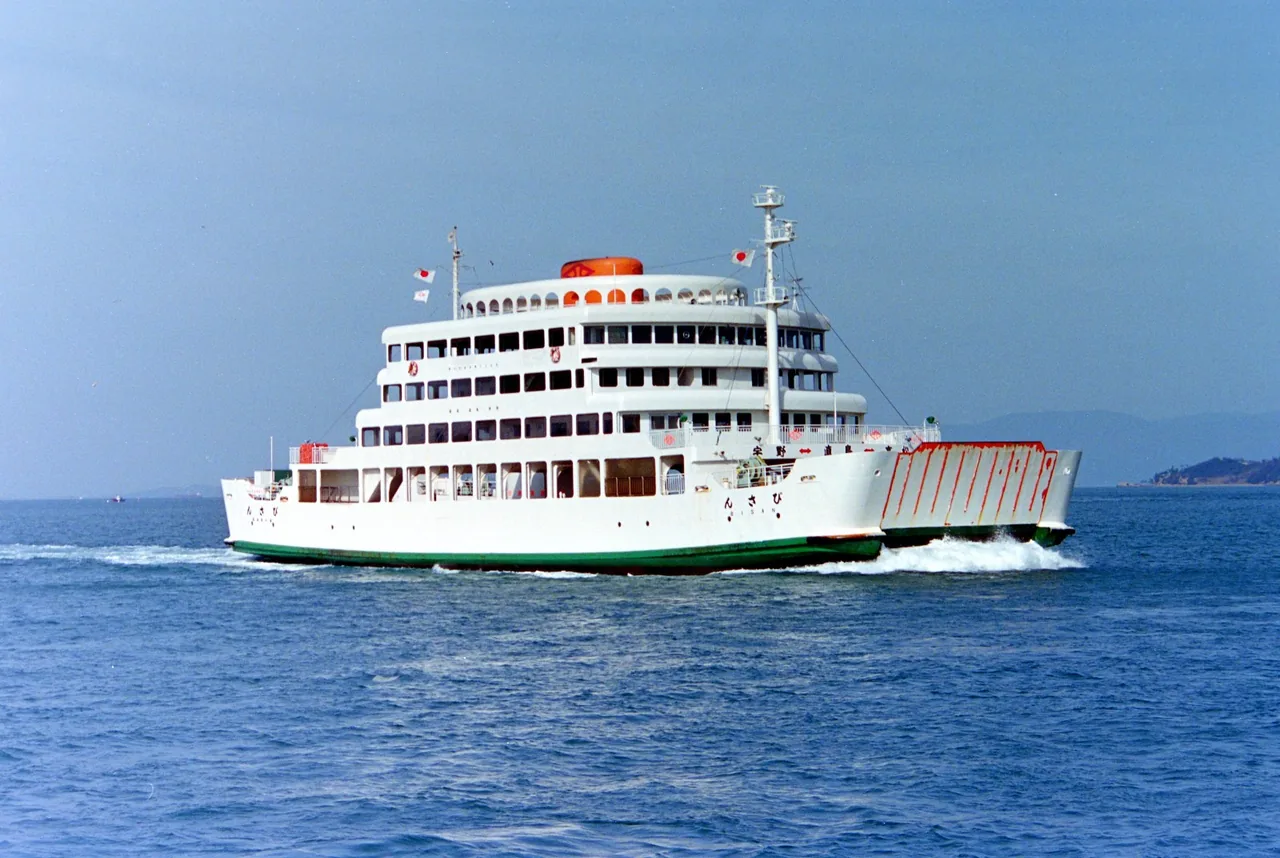
Takamatsu is a port city, and you plan the day around the boats. The ferry most visitors want, the one to Naoshima, runs five times a day and takes 50 minutes. The last ferry back to Takamatsu leaves the island at 5pm. Miss it and you are looking at the faster boat, which costs more than twice as much. Map
The same pattern holds in town. Udon shops close in the early afternoon. The shuttle up Yashima runs on some days and not others. Ritsurin Garden opens at 5.30am in summer and at 7am in January, because it opens with the sunrise and closes at sunset.
So the useful question in Takamatsu is not what to see but when it is open. Everything below is arranged that way: sailings first, then opening days, then the city itself. For where Takamatsu sits in a wider trip, see our Japan travel guide.
What kind of place this is
Takamatsu is the main city of Kagawa, on the north coast of Shikoku. It is under an hour by train from Okayama across the Seto Ohashi bridge. The city is compact, and almost everything a visitor wants sits near the station and the port.
People come for two things. One is the islands scattered across the water in front of the port, several of them full of contemporary art. The other is Sanuki udon, which Kagawa is known for across Japan. Ritsurin Garden, Takamatsu Castle and Yashima fill out the rest.
2. Ferries from Takamatsu: six operators, ten routes
Six companies sail out of Takamatsu Port, and each island has its own operator. There is no single timetable that covers them all. If you check one company’s schedule and plan the day from it, you will get the other islands wrong.
Crossings from Takamatsu
| Island | Boat | Sailings a day | Time | One way |
|---|---|---|---|---|
| Megijima | Ferry | 6 | 20 min | ¥370 |
| Ogijima | Ferry | 6 | 40 min | ¥510 |
| Naoshima | Ferry | 5 | 50 min | ¥680 |
| Naoshima | Fast boat | 3 | 30 min | ¥1,590 |
| Teshima | Fast boat | Varies by weekday | 35 min | Check operator |
| Shodoshima (Tonosho) | Ferry | 15 | 60 min | ¥700 |
| Shodoshima (Tonosho) | Fast boat | 8 | 35 min | ¥1,400 |
The Naoshima fares went up in the summer of 2025, the first rise in decades. The ferry used to be ¥520, so a lot of pages still quote the old number.
Read that table and something odd stands out. The nearest island has the fewest boats. Megijima is 20 minutes away and gets six sailings; Shodoshima is an hour away and gets more than twenty, because a lot of people live there and freight moves back and forth.
The last boat sets the length of your day
Ferries leave Naoshima for Takamatsu at 7am, 9.07am, 11.30am, 2.20pm and 5pm. The fast boat runs later, with a departure from Takamatsu at 8.30pm, but in the other direction your realistic last ferry is that 5pm sailing.
Megijima and Ogijima finish earlier still. The last boat out of Ogijima leaves at 5pm and reaches Takamatsu at 5.40pm. These are not islands where you stay for dinner and come back.
Each island has a different operator
Shikoku Kisen runs the Naoshima boats. Meon runs Megijima and Ogijima. Teshima Ferry runs the direct fast boat to Teshima. Shodoshima is served by two companies that use two different ports on the island.
That is why there is no one place to check. Once you know which island you want, open that operator’s own site for the sailing times and for cancellations: Shikoku Kisen for Naoshima, Meon for Megijima and Ogijima.
Bikes and cars
The Naoshima ferry takes a bicycle for ¥410, a small motorbike for ¥840, and a car under three metres for ¥4,280. A bike is worth considering if you want to move between the villages without waiting for a bus.
Naoshima does have a local bus. It costs ¥100 a ride, cash only, and starts from Miyanoura Port. It runs to Honmura, where the house projects are, and on towards the Benesse museums.
3. Naoshima: both museums need a timed booking
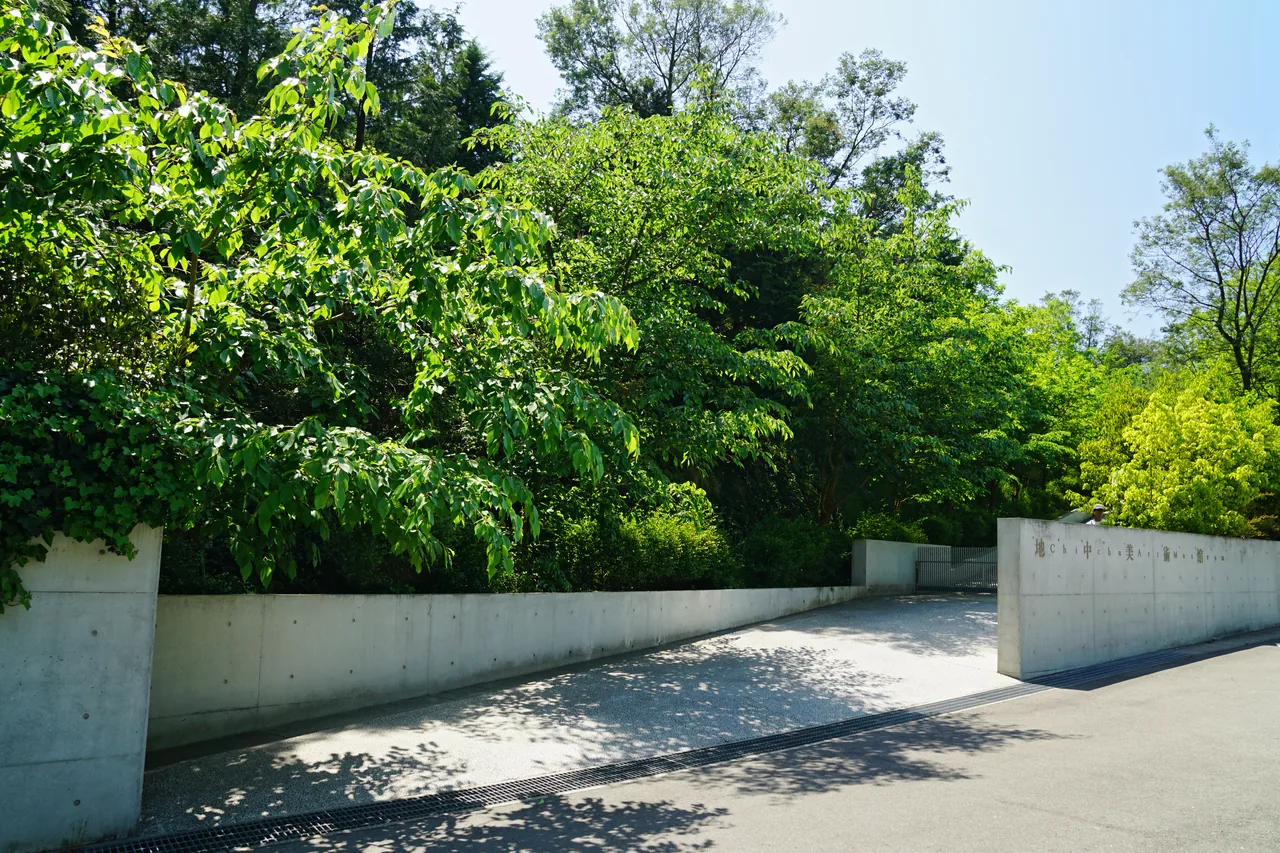
Chichu Art Museum and the Naoshima New Art Museum are booked by date and time slot. Walk-up tickets do exist, but they cost ¥200 to ¥300 more, and once the online slots for a day have gone there is no door sale either. Book this before you book the ferry. Map
Tickets and hours
| Museum | Online | At the door | Hours | Closed |
|---|---|---|---|---|
| Chichu Art Museum | ¥2,500 weekdays ¥2,700 weekends and holidays | ¥2,800 ¥3,000 | 10am to 5pm (last entry 4pm) | Mondays |
| Naoshima New Art Museum | ¥1,500 | ¥1,700 | 10am to 4.30pm (last entry 4pm) | Mondays |
Under-16s go free at both, but they still need a booking. When a Monday falls on a public holiday the museums open and close the following day instead. Chichu charges ¥300 more at the door and the New Art Museum ¥200 more.
The new museum opened in 2025
The Naoshima New Art Museum opened in the spring of 2025. Tadao Ando designed it, as he did much else on the island, and it is the tenth Benesse Art Site building. Guidebooks printed before that will not mention it.
Tickets are released two months ahead, at 10am on the second Friday of the month. If you are going in November, the release is the second Friday of September. Put that date in your calendar, because the slots for a specific morning do go.
Getting around the island
The town bus starts at Miyanoura Port, costs ¥100 a ride and takes cash only. It runs to Honmura for the house projects and on towards the Benesse museums. Services are not frequent, and a museum slot plus a ferry time can leave you watching the clock.
Renting a bike, or bringing one on the ferry, takes that pressure off. The island has hills, so an electric bike is the easier choice. Cycling also means you can stop at the outdoor works without waiting for the next bus.
Do not come on a Monday
Both museums close on Mondays. You can still walk the villages, see the house projects on the days they open, and photograph the yellow pumpkin on the pier. Whether that is worth a return ferry crossing is the question to ask yourself before you go.
The Benesse sites also keep their own closing days on top of the art festival calendar, and some works shut for maintenance. Check the museum calendar for your dates rather than assuming the island runs to one schedule.
4. Teshima: the timetable changes with the day of the week
The boat from Takamatsu to Teshima runs to a different timetable on different weekdays. Monday is not Wednesday, and Tuesday has noticeably fewer sailings because Teshima Art Museum closes that day. When you look this up, look up the timetable for your weekday, not the timetable in general. Map
It also changes with the time of year. One timetable covers 20 March to 30 November and another covers 1 December to 19 March. A schedule you checked for a summer trip will not match a winter one.
Direct and via Naoshima
The direct fast boat takes 35 minutes to Ieura Port on Teshima. Mixed into the same route are sailings that call at Honmura on Naoshima along the way. Those take longer but let you break the journey.
Some visitors use that to see both islands in a day. It works, but only if the museum slots line up with the sailings, and there is not much slack in it. On a first visit, one island a day is the calmer plan.
What is on the island
Teshima Art Museum is the best-known building, a concrete shell set in rice terraces above the sea. Other works are spread around the villages, so you walk or cycle between them. The island is hilly, and an electric bike makes a real difference here.
Because the museum shuts on Tuesdays and the boats thin out to match, a Tuesday trip to Teshima usually is not worth it. Move it to another day if your schedule allows.
5. Shodoshima: the most frequent boats and two arrival ports
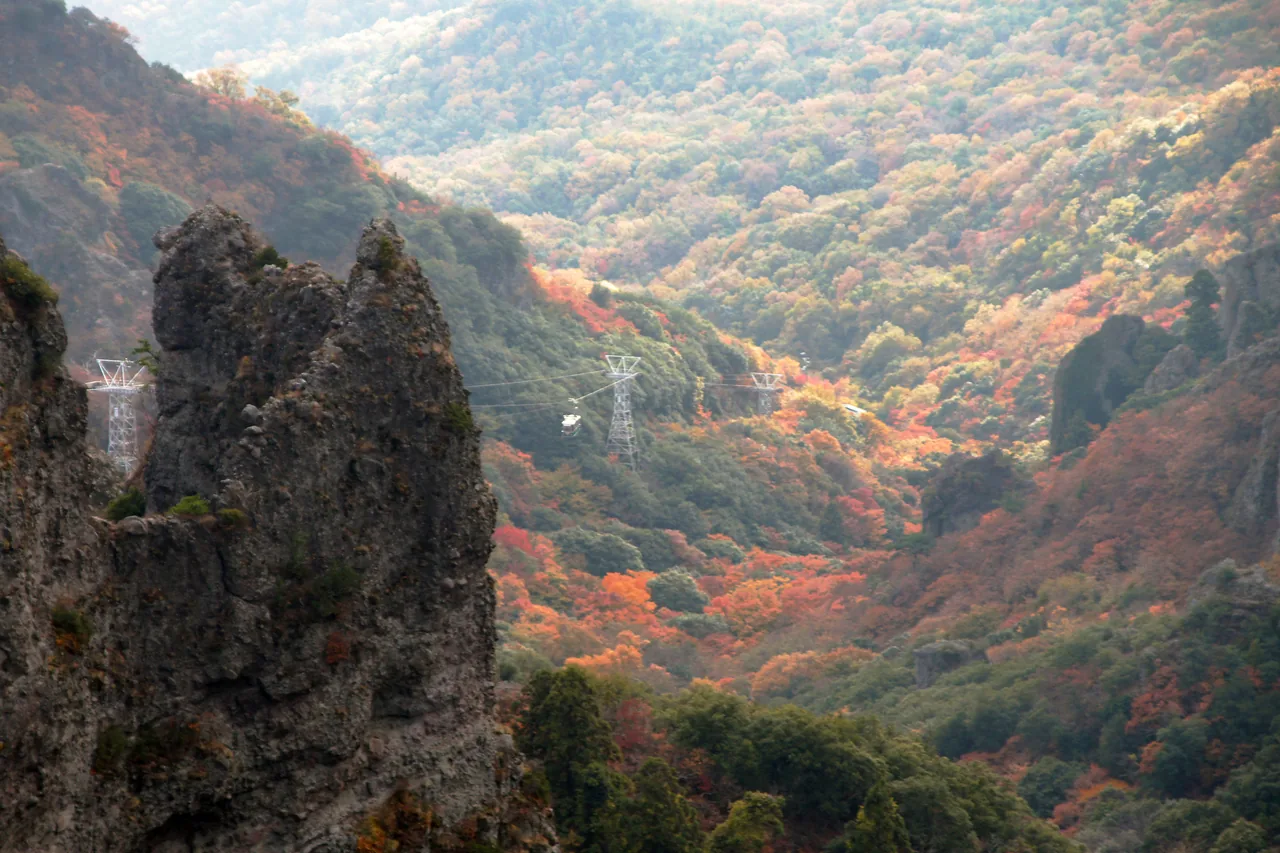
Shodoshima has the best ferry service of any island off Takamatsu. Fifteen ferries a day to Tonosho, plus eight fast boats, plus a separate company sailing into Ikeda. Departures start at 6.25am and the last one leaves at 8.20pm, so you are not tied to a single crossing the way you are elsewhere. Map
Watch which port you are booking. Boats from Takamatsu go to Tonosho and to Ikeda, run by different operators. Sakate, the island’s third port, handles boats from Kobe. The ports sit far apart, and landing at the wrong one means a long trip across the island.
Angel Road depends on the tide
The sandbar known as Angel Road appears only at low tide. The path is walkable for about three hours either side of low water, so roughly six hours in total, and then the sea covers it again.
Those hours move every day. Shodoshima Ferry publishes the day’s tide times on its site, which is the simplest place to check. On some days the window falls before dawn or after dark, which makes the walk pointless.
The island is too big to walk
Olive groves, a soy sauce quarter, somen noodle workshops and rice terraces are spread across Shodoshima. This is not an island you cover on foot. Most people hire a car, bring one on the ferry, or use the sightseeing bus.
Taking a car across costs ¥3,630 one way for a vehicle under three metres, or ¥6,900 return. A bicycle is ¥1,070 for an adult. There are rental cars waiting at the ports if you would rather not drive onto the boat.
6. Megijima: 20 minutes out, and the cave opens every day
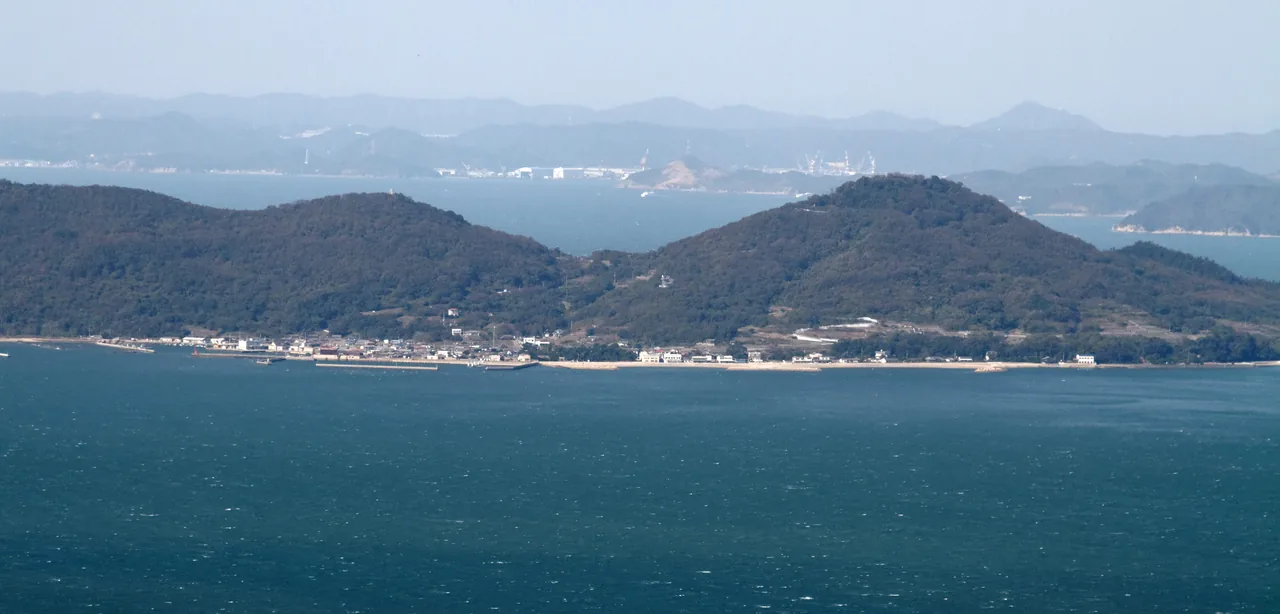
Megijima is 20 minutes from Takamatsu Port and costs ¥370 one way. It is the island you can see from the waterfront. Local tradition ties it to the folk tale of Momotaro, and a large cave sits in the hillside at the centre of the island. Map
Onigashima Cave
The cave opens at 8.35am and closes at 4.55pm, with last entry at 4.40pm. Adults pay ¥600, primary and middle school children ¥300, and over-65s ¥500. It does not close for a weekly rest day.
Inside, the passages are long enough that walking through takes a while, and rooms have been fitted out as the ogres’ hall and their guard post. Children tend to enjoy it. A connecting bus runs from the port to the cave, though not every day, so ask when you step off the boat.
A local historian found the cave in 1914, and it opened to visitors as “ogre island” more than a decade later. When it was dug is not settled.
The art here is mostly shut
Megijima has a number of art festival works. In an ordinary year those open on only two or three days a month, usually specific weekend dates, and stay closed the rest of the time.
Knowing that in advance changes the trip for the better. The cave and the beach are open whenever you come; the art is not. If the works matter to you, find the opening dates first and pick your ferry to match.
7. Ogijima: 20 minutes further on, past Megijima
The boat to Ogijima calls at Megijima on the way. It is 40 minutes from Takamatsu and ¥510 one way. With only six sailings a day, combining the two islands takes a little planning with the timetable in front of you. Map
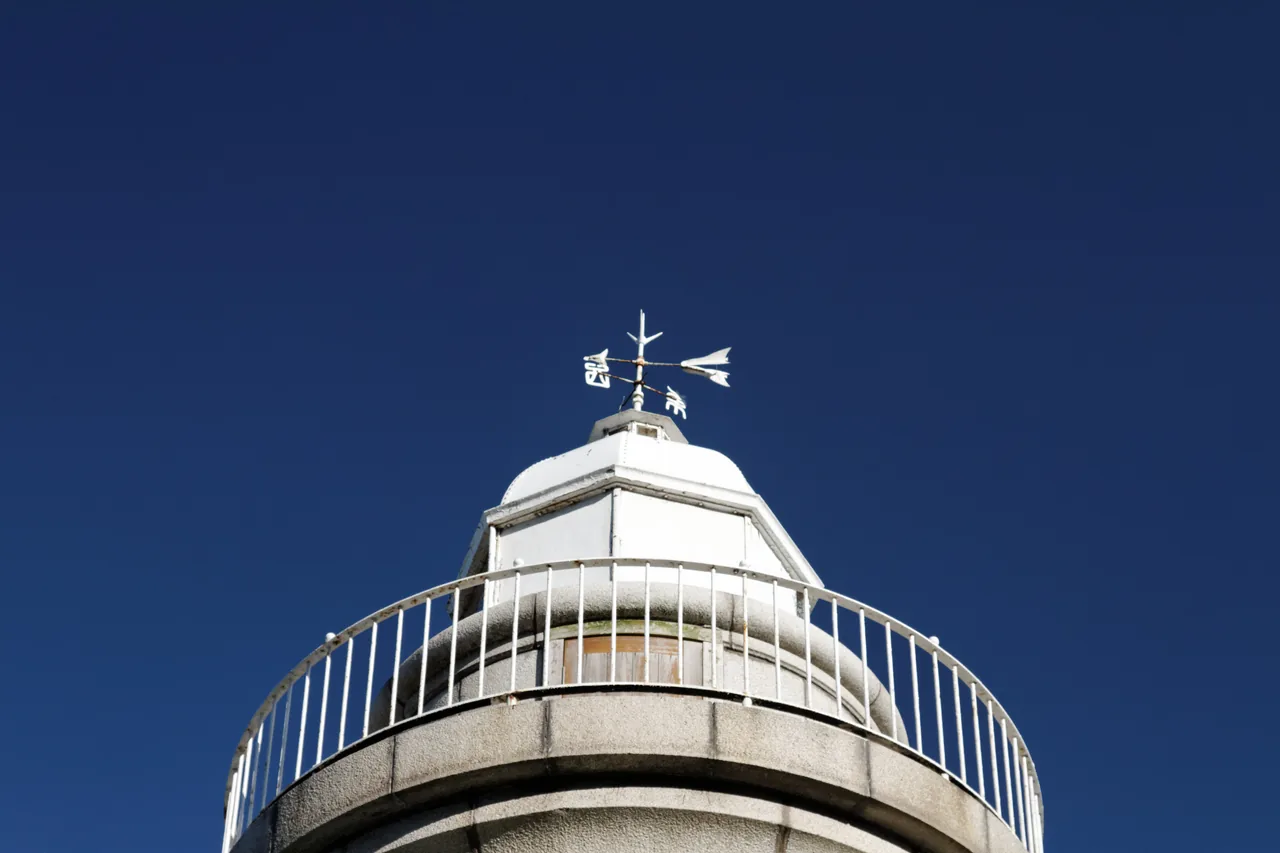
Houses here are stacked up a steep slope, so you climb narrow lanes and stairways rather than walk along a road. A granite lighthouse stands at the far end of the island, and there is a lighthouse festival on a weekend in late June.
The art works follow the Megijima pattern, opening two or three days a month. A handful of cafes and guesthouses operate, but not many, so line your lunch up with the sailings rather than assuming you will find something open.
Extra boats in summer
From early to mid August a peak timetable applies. Six extra sailings are added, doubling the service, but they only run between Takamatsu and Megijima. The Ogijima legs are unchanged, so check which island the extra boats actually serve.
8. Which islands have their art open, and when
The Setouchi Triennale runs every three years and the next edition is in 2028. Between editions the works stay open on a reduced calendar, and that calendar differs sharply from island to island. The pattern is the opposite of what you would guess: the closer the island, the more often it is shut.
Roughly how many days a month the art opens
| Island | Autumn | Winter | From Takamatsu |
|---|---|---|---|
| Shodoshima | Almost daily | Almost daily | 60 min |
| Naoshima | Almost daily | Most days | 50 min |
| Teshima | Most days | About half | 35 min |
| Inujima | About half | Closed | Via Naoshima |
| Megijima | Two or three days | Closed | 20 min |
| Ogijima | Two or three days | Closed | 40 min |
Megijima is twenty minutes away and opens its art on two or three days in a typical month. Naoshima is fifty minutes away and opens almost every day. Distance tells you nothing useful here.
In December and January, three islands remain
Through the winter the works on Megijima, Ogijima, Oshima, Inujima and Honjima all close. What stays open is Naoshima, Teshima and Shodoshima. A winter art trip means choosing among those three.
Takamijima stays closed all year outside the festival itself. It is one of the islands that only comes alive in a Triennale season.
Check the official calendar before booking a boat
The festival’s per-work opening calendar is the place to check. Pick an island and you get a grid showing which days each piece opens and which days it does not, month by month.
Outdoor works are generally visible any time. It is the indoor pieces that depend on the calendar. Naoshima’s Benesse sites keep their own closing days separately from this, so check both if the island is the point of your trip.
9. Ritsurin Garden: the opening hours change every month
Ritsurin Garden opens around sunrise and closes around sunset, so its hours shift through the year. In midsummer it opens at 5.30am and closes at 7pm. In January it opens at 7am and closes at 5pm. If you are planning an early morning walk, check the month first. Map
Hours by month
| Month | Opens | Closes |
|---|---|---|
| January | 7.00am | 5.00pm |
| February | 7.00am | 5.30pm |
| March | 6.30am | 6.00pm |
| April to May | 5.30am | 6.30pm |
| June to August | 5.30am | 7.00pm |
| September | 5.30am | 6.30pm |
| October | 6.00am | 5.30pm |
| November | 6.30am | 5.00pm |
| December | 7.00am | 5.00pm |
Entry is ¥500 for adults and ¥170 for primary and middle school children. The garden opens every day of the year, though it closes without notice if a storm warning is issued for the Takamatsu area. Entry is free on 1 January and on 16 March, the anniversary of its opening.
There is no lighting inside
The garden has no lamps along its paths. Thirty minutes after sunset it is genuinely dark, which matters if you arrive close to closing time and expect to wander.
After closing, the only way out is the east gate. If you came in through the west gate and stay late, you will be walking across to the other side to leave.
What you are looking at
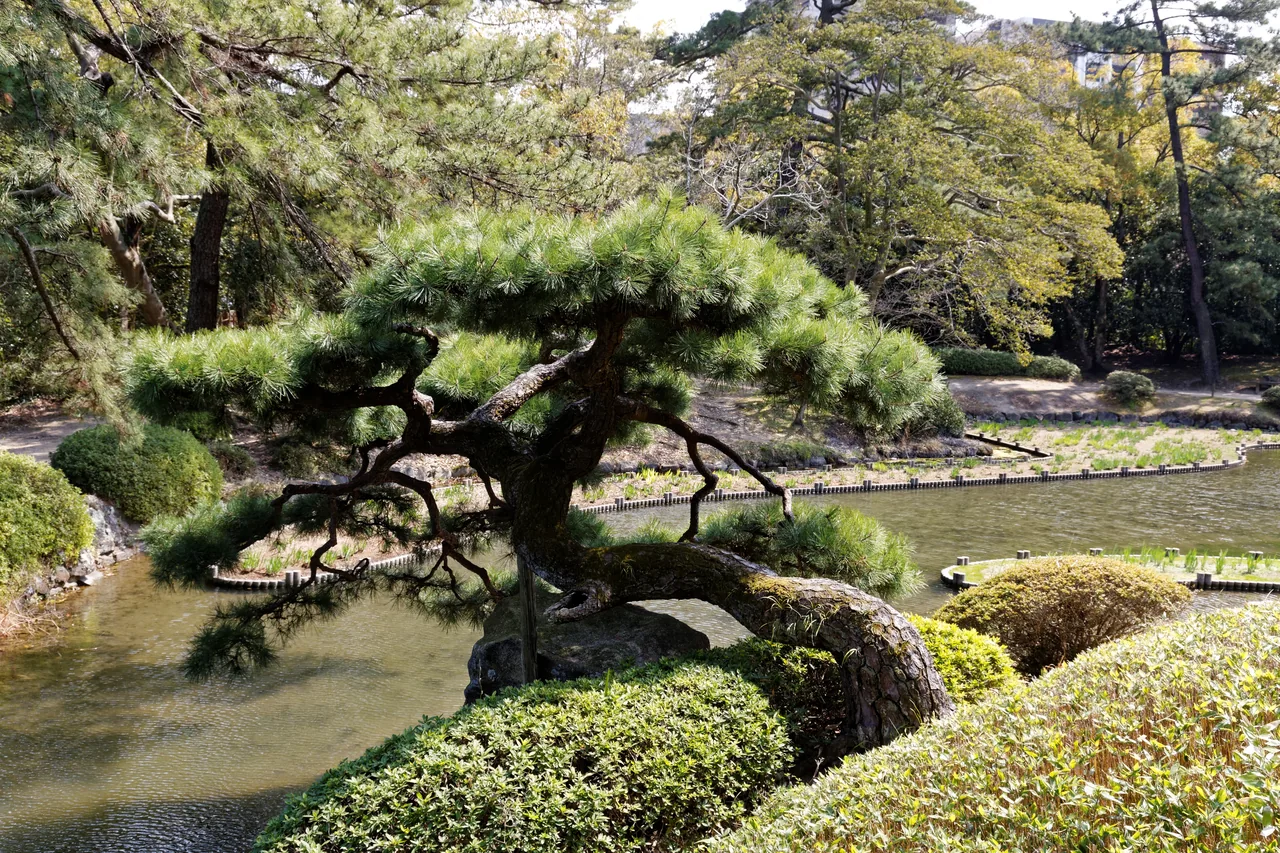
There are six ponds and thirteen landscaped hills inside the walls. The garden was laid out so that the wooded mountain behind it reads as part of the composition rather than as a backdrop, which is why the views work from particular spots and not from others.
A full circuit takes a little over an hour at a normal pace. Volunteer guides are available and worth taking on a first visit, because they know where those spots are.
Evening illuminations, spring and autumn
Twice a year the garden is lit after dark. The spring run falls in late March and early April, the autumn run across ten days in late November when the maples turn. Autumn draws the bigger crowds.
Exact dates shift each year and the prefectural tourism association announces them a few months ahead. If your trip lands in late November, it is worth a look before you fix your nights.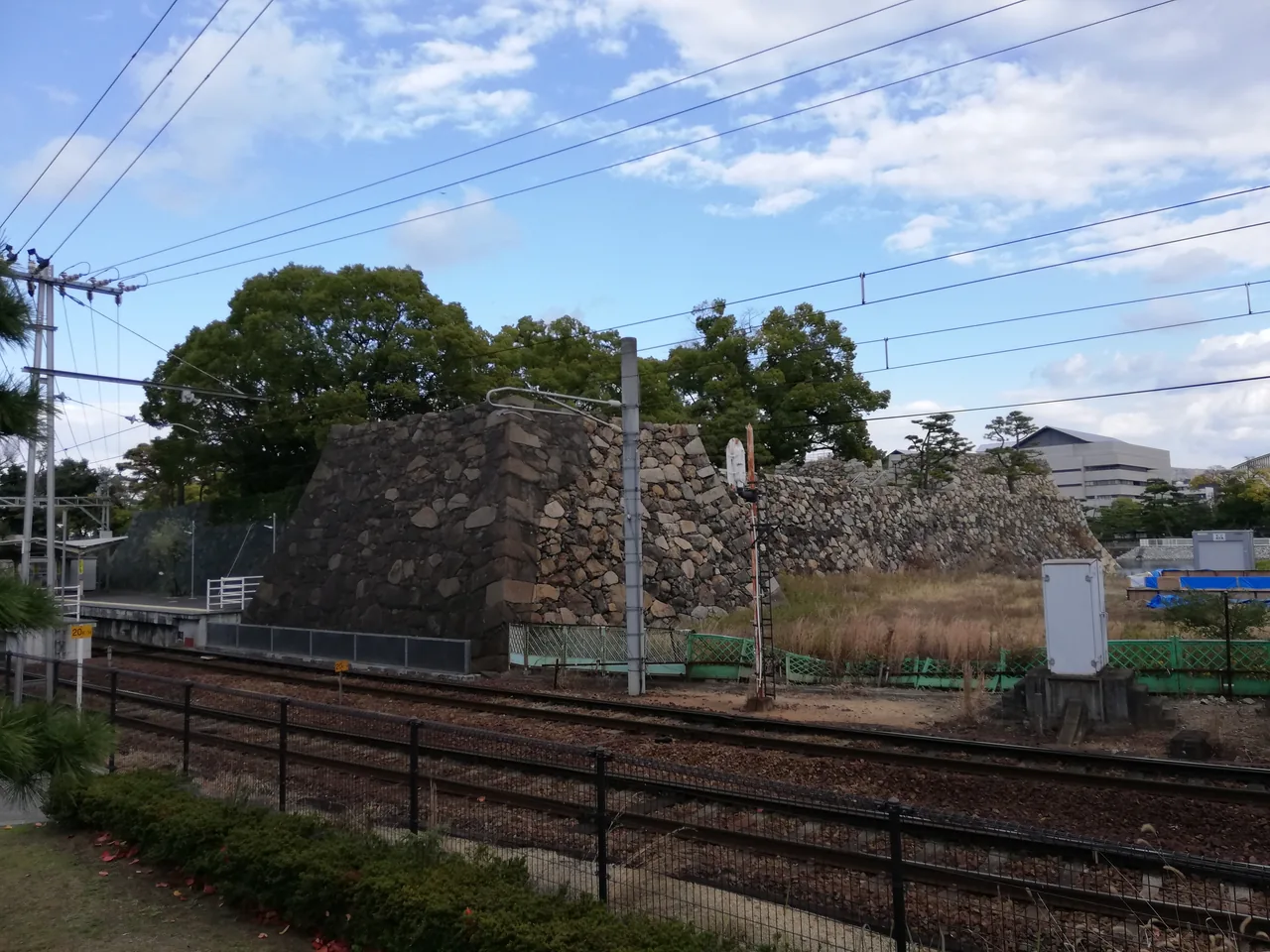
10. Takamatsu Castle: the two gates open at different times
Tamamo Park, the castle site, opens its west gate earlier than its east gate. The west gate faces JR Takamatsu Station and Kotoden’s Takamatsu-Chikko station. The east gate faces the car park and the prefectural museum. In spring the west gate opens at 5.30am while the east gate waits until 7am. Map
The gap widens later in the year. In October the west gate opens at 6am and the east gate at 8.30am. Arriving by train and hoping for an early walk means using the west gate.
Admission and closing days
Entry is ¥300, and anyone under 18 goes free. An annual pass costs ¥1,800, which pays for itself on the sixth visit. The park closes from 29 to 31 December.
Residents of Takamatsu aged 65 and over enter free on production of ID. That is why the ticket window sometimes asks your age. The city’s own page lists the gate times month by month.
Your ticket discounts three other places
Show a dated Tamamo Park ticket at Ritsurin Garden, the Kagawa Museum or the Takamatsu Art Museum and you get a reduced rate. It works the other way round too.
The ticket is valid for the discount on the day of issue and the day after, and only at individual rates. If you are splitting the castle and the garden across two days, this is worth knowing.
A moat filled with seawater
The moat here connects to the sea, so sea bream swim in it. Feed is sold inside the park and feeding the fish has become the thing people do.
The keep itself is gone. What remains is the stone base, which you can climb for a view over the port and the city, along with a turret and a gate. It is a short visit rather than a destination, and it sits close enough to the station to fill a gap before a train.
11. Yashima: the shuttle up the hill does not run every day
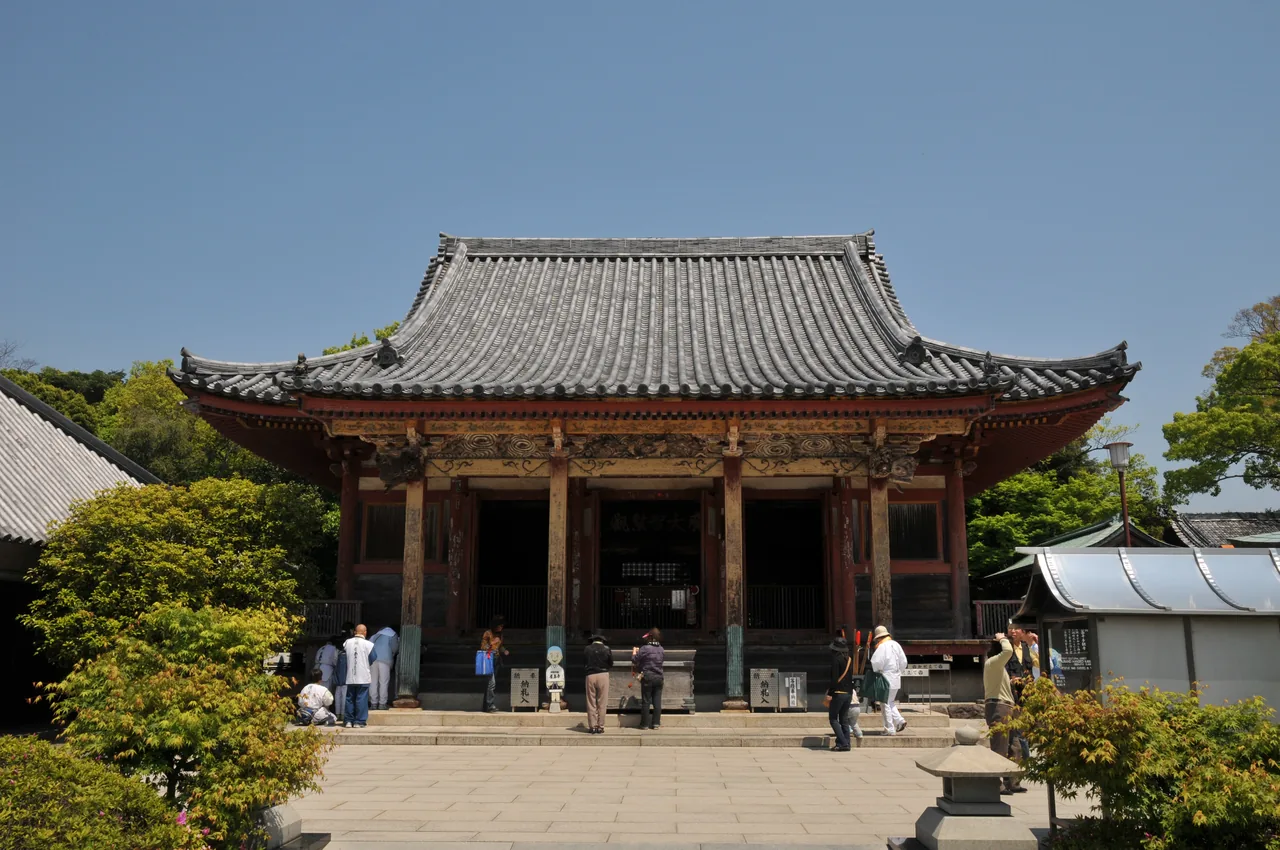
Yashima is the flat-topped hill east of the centre, and the view from the top takes in the Inland Sea and its islands. Getting up there takes some planning. The summit shuttle runs on Fridays, Saturdays and the eve of public holidays, and not at all on days when Yashimaru at the top is closed. Check the weekday before you build an afternoon around it. Map
The shuttle picks up at JR Yashima station, Kotoden’s Yashima station and Shikoku Mura, then climbs to the summit. A newer service runs straight from Takamatsu station without a change, on Saturdays, Sundays and public holidays and through the summer and winter school holidays.
Yashimaru is free to enter
At the top stands Yashimaru, a long low building wrapped in glass that curves along the ridge. Going in costs nothing. It opens at 9am and closes at 5pm, and on Fridays, Saturdays and the day before a public holiday it stays open until 9pm.
It closes on Tuesdays, or the next weekday if the Tuesday is a holiday. Inside, a panoramic artwork can be viewed for ¥1,000 for high school students and above, free for younger children.
The late Friday and Saturday openings are the reason to time a visit. You get sunset and then the lights of the city below, and the shuttle adds evening departures on those days to match.
Shikoku Mura at the foot of the hill
Shikoku Mura is an open-air museum at the base of Yashima. Old farmhouses, lighthouse keepers’ quarters and sugar-pressing huts were moved here from across Shikoku and rebuilt on a wooded hillside. It opened in 1976.
It opens at 9.30am and closes at 5pm, with last admission at 4.30pm, and closes on Tuesdays. Entry is ¥1,600 for adults, ¥1,000 for university students and ¥600 for high school and middle school students. Primary school children and younger go free.
The adult rate rises in the autumn, so check the official page before you go. The paths climb and descend like a hillside trail, so wear something you can walk in, and note that the village closes when a weather warning is issued for Takamatsu.
12. Isamu Noguchi Garden Museum: three days a week, by appointment
The Isamu Noguchi Garden Museum opens on Tuesdays, Thursdays and Saturdays only. Even then you cannot drop in. Visits start at set times, groups go round together, numbers are capped, and you must book ahead. Map
The site is the studio where Noguchi worked, the house where he lived, and the walled yard where his stones stand as he left them. He died here, and the place has been kept rather than rearranged, which is what makes it worth the effort.
The visiting times are fixed
From January to June and again from September to December, visits begin at 10am, 1pm and 3pm. In July and August, because of the heat, there are only two, at 10am and 11.30am. Each runs about an hour.
Booked ahead, admission is ¥3,300 for adults and university students, free for high school students and under. If a slot is still free you can walk in on the day, but the same-day rate is ¥3,800.
The museum also shuts for two stretches a year: 28 December to 5 January, and 13 to 16 August. If either falls in your dates, the visit is off regardless of booking.
Book through the museum’s own website. Places are limited, so reserve as soon as your dates are firm. The museum is in Mure, outside central Takamatsu, reached by Kotoden and then a walk or a short taxi ride.
13. The arcades: 2.7 kilometres of covered shopping street
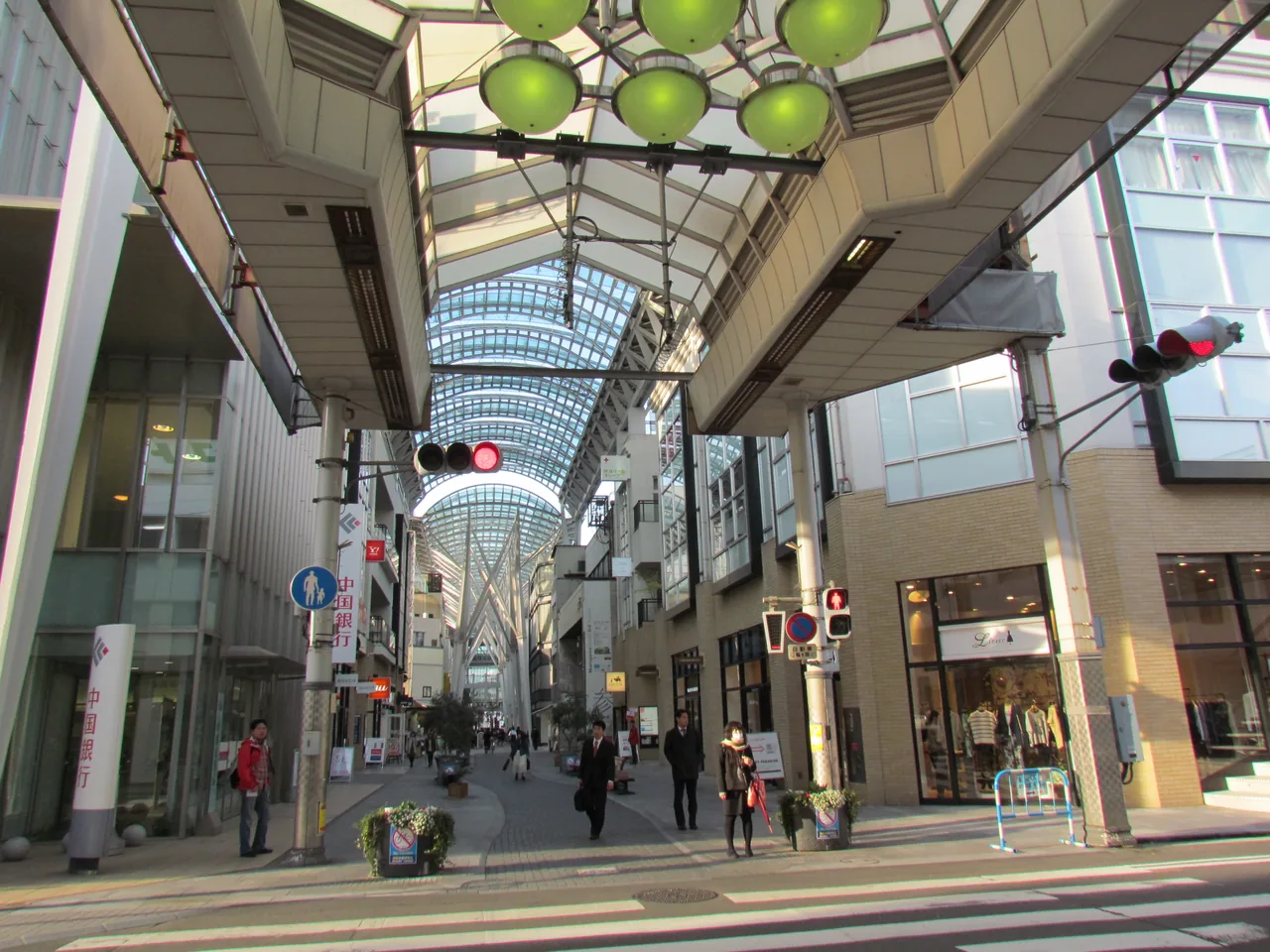
Central Takamatsu is threaded with covered shopping arcades that join end to end. Eight of them connect to make about 2.7 kilometres, the longest stretch of its kind in Japan. You can cross the middle of the city in the rain without opening an umbrella. Map
Marugamemachi is the best-known section. A domed glass rotunda sits at its centre with shops around it, and the street was rebuilt by a local company rather than redeveloped from outside, which is why it still has independent tenants.
Kotoden’s Kawaramachi station sits at the southern end of the arcades. The northern end runs out towards the castle and the port. The walk from the station to the harbour therefore goes straight through the shopping streets.
Sunport, on the harbour side
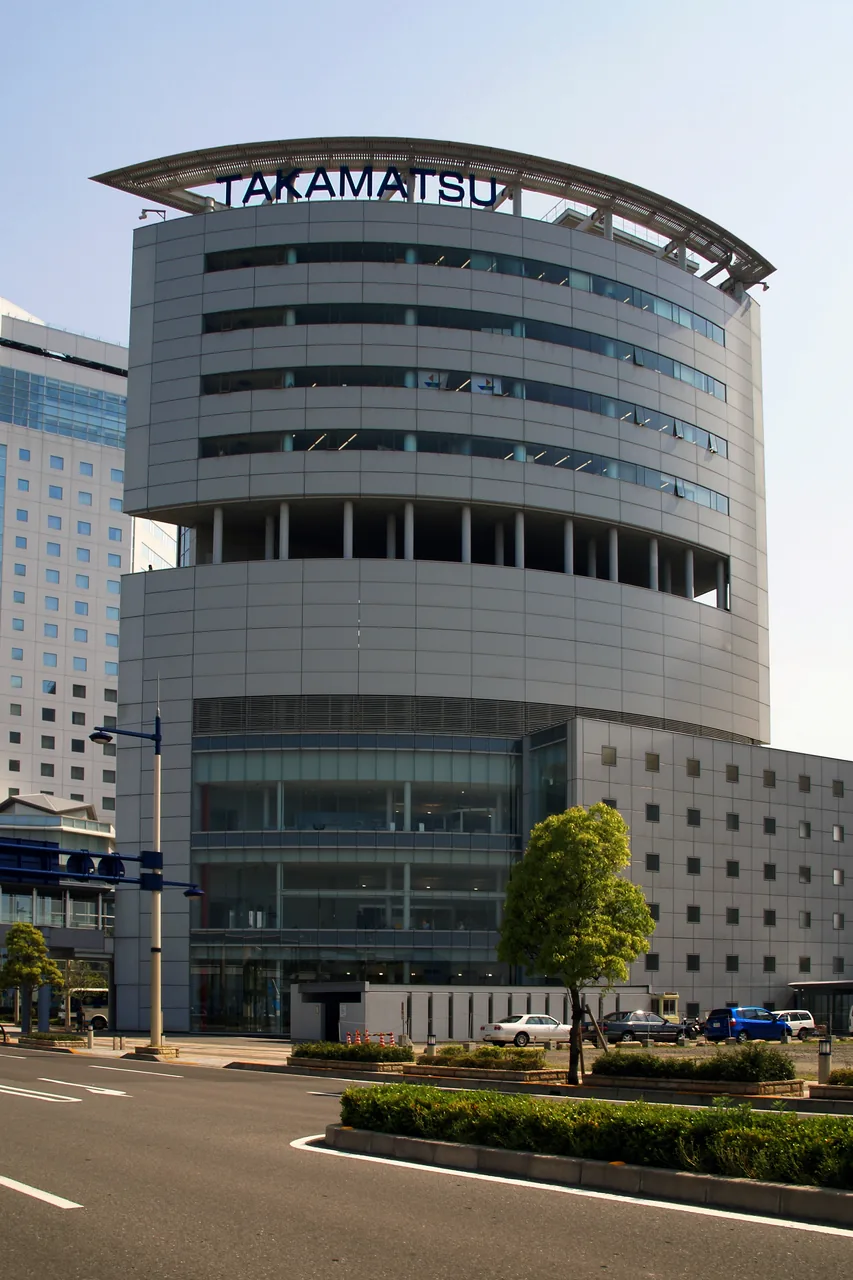
Sunport is the area in front of JR Takamatsu Station, a mix of tall buildings, a wide plaza and the passenger terminal. The island ferries leave from here.
The sea is right there, and a red lighthouse stands at the end of the breakwater. It is made of glass blocks that glow from the inside after dark. It is a reasonable place to sit out the wait for a sailing.
14. Sanuki udon: a morning food, not a dinner
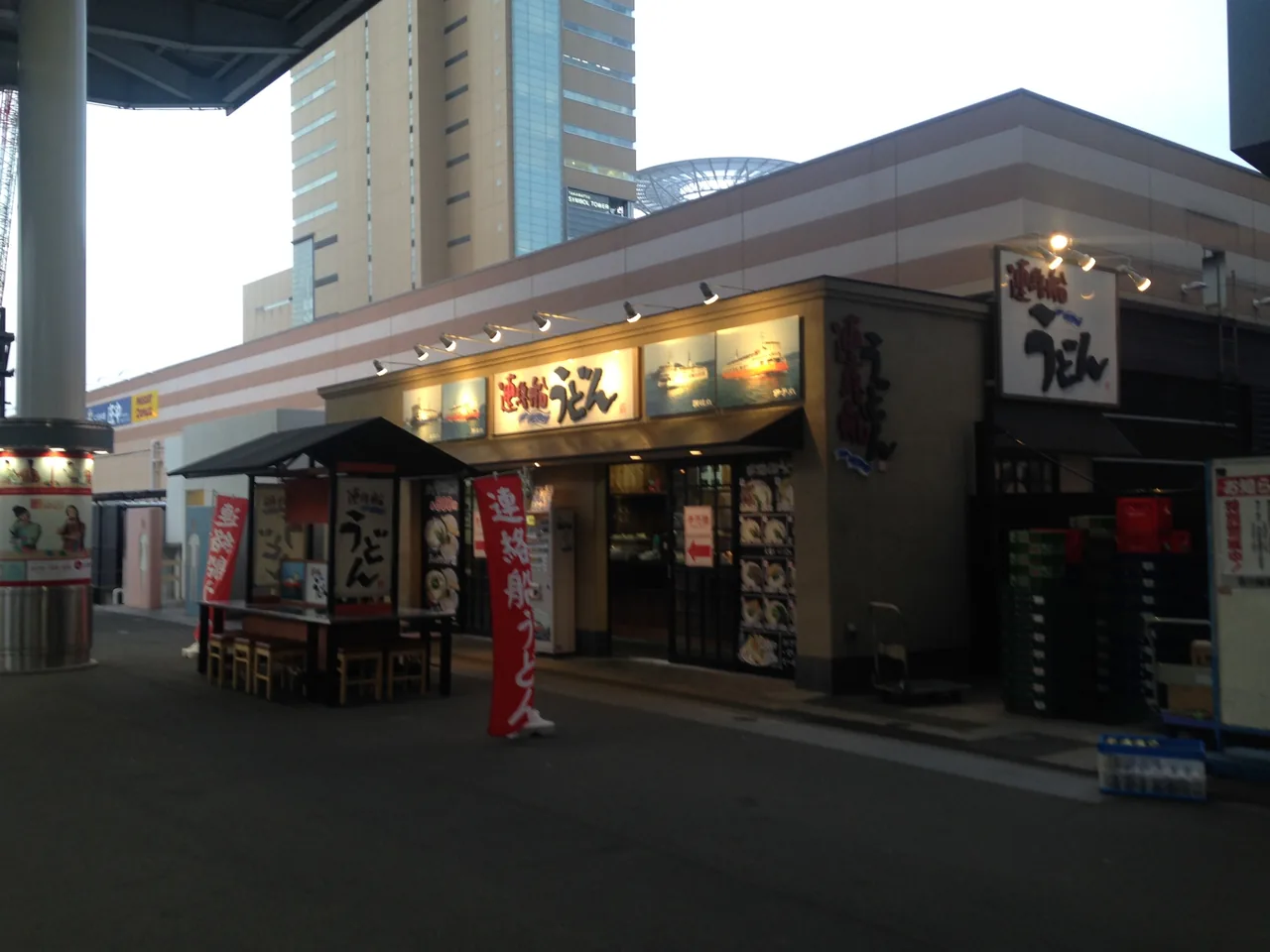
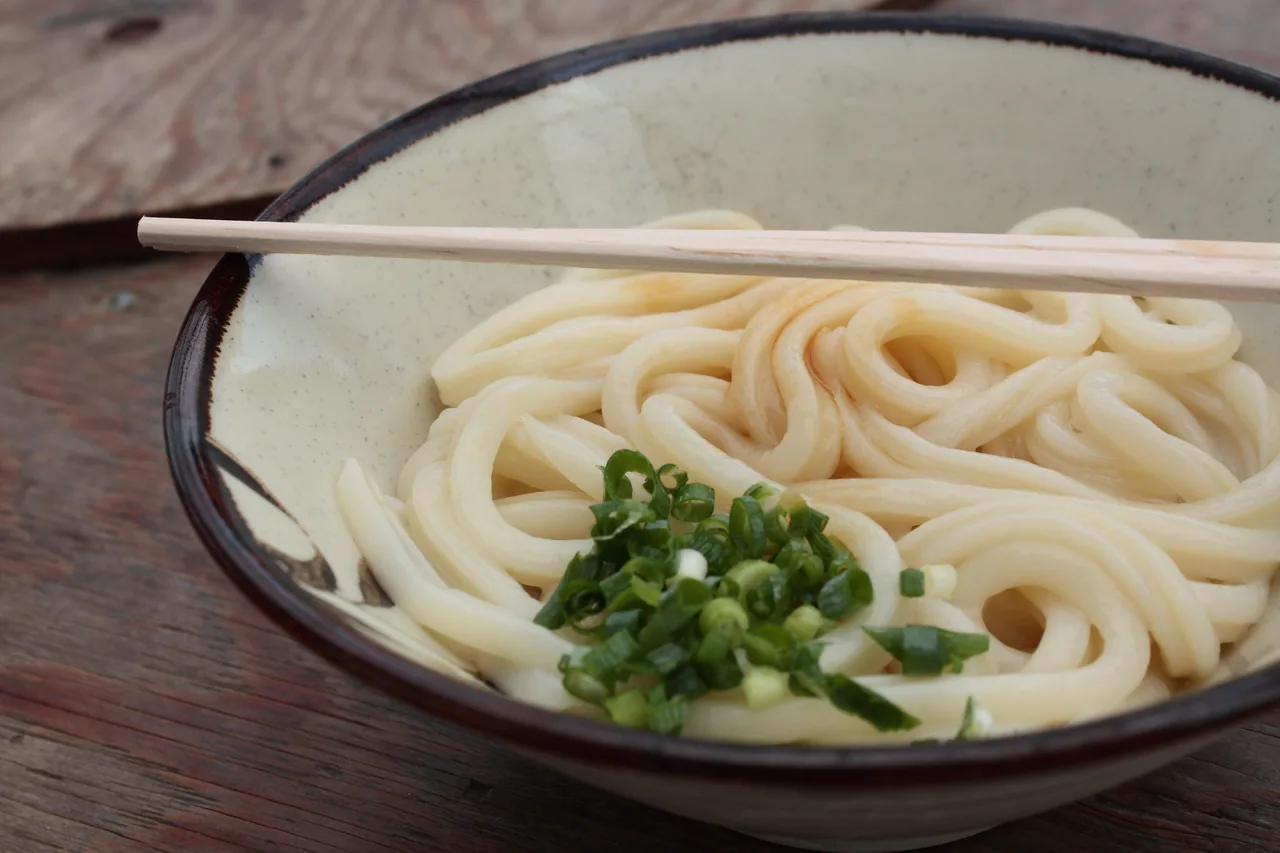
Most udon shops in Takamatsu stop serving in the early afternoon. Work through the prefecture’s own register of udon shops in the Takamatsu area and the great majority close by mid-afternoon. Only a handful are still serving in the evening. If you were planning udon for dinner, you need to pick the shop in advance.
Mornings are the opposite. Plenty open before 8am and a few start at six. Locals eat udon on the way to work, and the rhythm of the shops follows that rather than a tourist’s day.
The noodles run out before the clock does
Close to half the shops in the register add a note to their hours saying they stop when the noodles are gone. A shop listed until 2pm may well be shut at half past twelve.
For the well-known places, that turns arriving early from a preference into the plan. Turn up at the end of the lunch period and you will find the shutter down.
Sunday is the common closing day
More shops close on Sunday than on any other day, with Tuesday and Wednesday next. If you are in Takamatsu over a weekend, check that your chosen shop opens on the Sunday before you build a morning around it.
Some shops open every day of the year. Those tend to be the larger roadside places and the ones used to visitors.
Most places are self-service
Udon shops fall into three types. There are full-service restaurants, self-service shops, and noodle factories that also serve. In the Takamatsu area the self-service type is by far the most common.
The sequence at a self-service shop goes like this. You take a bowl of noodles, reheat them yourself in the hot water basket if you want them warm, pour on the broth, pick up tempura from the counter, and pay at the till at the end. When you finish you carry your bowl to the return rack.
It reads as more complicated than it is. Watch the person in front of you and copy. Portions are ordered by the number of noodle balls, usually one, one and a half, or two, and one is a normal serving.
What to order
Kake is the plain hot bowl with broth poured over. Bukkake has a smaller amount of concentrated sauce. Kamatama is noodles straight from the pot mixed with raw egg and a splash of sauce, and it only works when the noodles have just been boiled.
Zaru means cold noodles with dipping sauce, which is the summer order. Most shops set out tempura and fried tofu on a counter for you to add, priced by piece.
Noodle factories are the hardest to use
A seimenjo is a workshop that makes noodles for other businesses and serves customers on the side. Some have no dining room at all, just benches in the yard. Hours are short and many close before lunchtime is over.
People seek them out because the noodles come straight off the cutter. On a first trip, though, a self-service shop is an easier introduction and the quality gap is smaller than the reputation suggests.
15. Kotohira: 785 steps up to the main shrine
Kotohira-gu, the shrine locals call Konpira-san, is 785 steps up to the main hall. It is about an hour from Takamatsu by train, then a walk from the station to the foot of the approach. Allow 30 to 40 minutes for the climb itself. Map
The steps continue above the main hall to an inner shrine, which adds a substantially harder climb. Most visitors stop at the main hall and turn back from there.
Shops line both sides of the stone stairway, which breaks the climb up. Some of them lend walking sticks. The steps are uneven in places, so proper shoes help more than you would expect.
The oldest theatre in Japan
Kotohira also has Kanamaruza, the oldest surviving playhouse in the country. It opens from 9am to 5pm and costs ¥500 for adults, ¥300 for high and middle school students, and ¥200 for children.
On days without a performance you can go backstage and underneath the stage. The revolving stage and the lifts that brought actors up through the floor were all worked by hand, and you can see the machinery that did it.
Every spring the theatre hosts kabuki. The run falls in the second half of April and lasts over two weeks, with actors coming down from Tokyo to perform in the old building. Tickets sell quickly, so plan ahead if your trip overlaps.
The day before opening, the actors walk up the shrine approach in costume. That procession is free to watch from the street even without a ticket.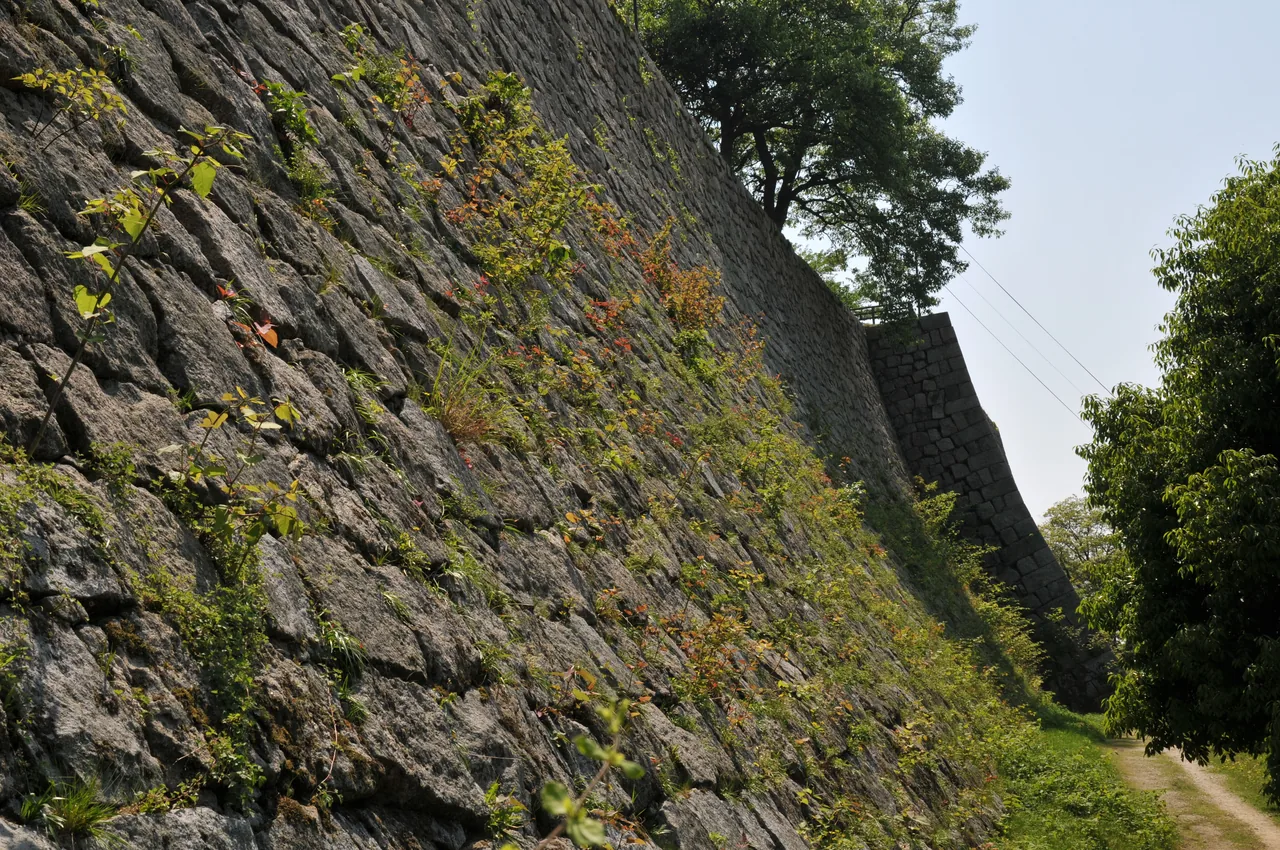
16. Marugame: the tallest castle stonework in Japan
Marugame Castle has the highest stone walls of any castle in Japan. Measured from the bottom of the slope to the top they run to about 60 metres. It is a short train ride from Takamatsu and roughly 15 minutes on foot from Marugame station. Map
The wooden keep is original. Only twelve castles in Japan still have one, and this is among them. It is small, so touring the interior does not take long, and the walls rather than the keep are the reason to come.
The castle admits visitors from 9am to 4.30pm. The path up is steep, which is the point of the place but also worth knowing before you start.
One face of the wall is under repair
Heavy rain brought down part of the stonework, and the city is putting it back. Each fallen stone is being recovered and returned as close to its original position as possible, which is slow work. The city’s completion target is the spring of 2028.
So one side of the castle currently sits behind hoarding. The grounds are open and you can still climb to the keep, but you will not get an uninterrupted view of the full wall. Check the city’s notices for which areas are accessible on your date.
An art museum at the station
The Marugame Genichiro-Inokuma Museum of Contemporary Art stands directly in front of the station, close enough that you see it as you come out. It is usually shortened to MIMOCA.
The permanent collection costs ¥300, or ¥200 for university students, with higher rates during special exhibitions. It opens at 10am and closes at 6pm with last entry at 5.30pm, and it closes on Mondays and over the year-end.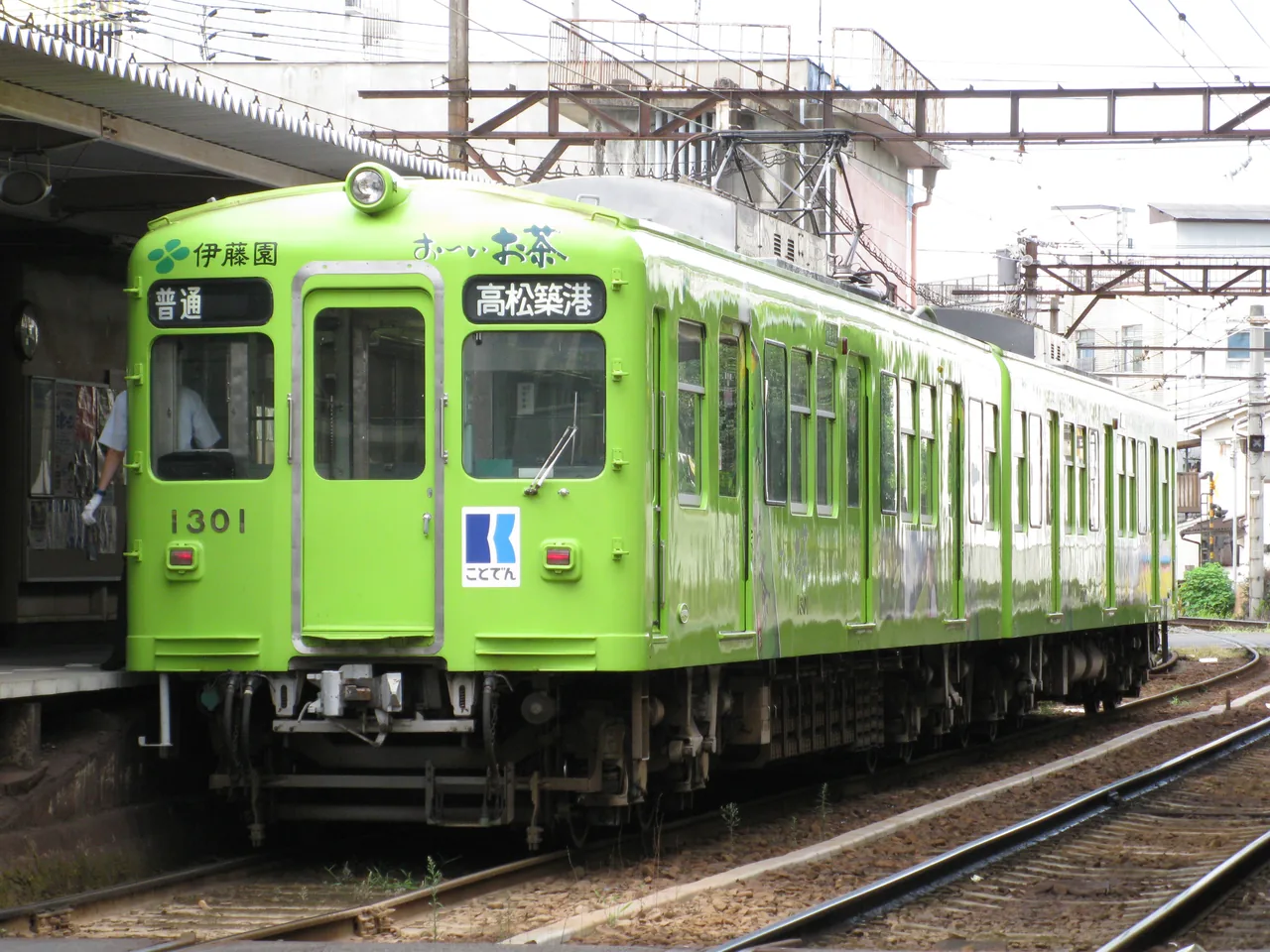
17. Getting around: Kotoden’s digital pass costs less than the paper one
The local railway is Kotoden, and its day pass comes in two versions at two prices. The paper one-day pass sold at stations is ¥1,600. The digital 24-hour pass bought in the app is ¥1,500. Map
Passes
| Pass | Adult | Child |
|---|---|---|
| One-day pass (paper) | ¥1,600 | ¥800 |
| Digital 24-hour pass | ¥1,500 | ¥750 |
| Digital 48-hour pass | ¥2,800 | ¥1,400 |
| Yashima and Shido line pass | ¥2,500 | None |
| Kotoden and JR Kururin pass | ¥2,200 | ¥1,100 |
The paper pass expires at midnight on the day you use it. The digital pass counts 24 hours from first use. Arrive in the afternoon and the digital version covers you through the following morning, which the paper one will not. Kotoden lists every ticket type on its own site.
Three lines from one station
Kotoden runs from Takamatsu-Chikko in three directions: south to Kotohira, east past Yashima to Shido, and out to Nagao. Kawaramachi is where the lines meet and where you change.
Kawaramachi sits at the southern end of the arcades, so you can shop and then get on a train without going back to the main station. The local IC card is called IruCa, and Suica, ICOCA and the other national IC cards work here too.
Much of the centre is walkable
JR Takamatsu Station, the port and the castle are next to each other. From there the arcades run south to Kawaramachi. Ritsurin Garden is the one central sight far enough out to warrant a train or a bus.
If your plans include an island, staying within walking distance of the port pays off. The first sailings are early and you will not want to be changing trains at 7am.
18. Getting to Takamatsu: airport bus and the train from Okayama
The limousine bus from Takamatsu Airport charges by where you get off. JR Takamatsu Station and the ferry terminal cost ¥1,000. Kawaramachi and Ritsurin Garden cost ¥900. Getting off at the shopping centre further out costs ¥800. Map
IC cards are accepted, IruCa and the national ones alike. The bus passes Ritsurin Garden on its way in, so if your hotel is on that side there is no reason to ride all the way to the station.
A combined ticket packages airport bus journeys with Kotoden day passes for ¥3,800, sold only at the airport. If you are flying both ways and using the trains, it works out cheaper than buying the parts.
Under an hour from Okayama
The Marine Liner rapid service crosses the Seto Ohashi bridge from Okayama in about 55 minutes. Unreserved seating costs ¥1,660 and a reserved seat ¥2,190.
The bridge crossing is the good part of the journey, with the sea and the islands below. Sitting on the right-hand side heading south gives the better view. Coming by shinkansen to Okayama and changing there is how most people arrive.
The Marine Liner is covered by the nationwide JR Pass, as is the shinkansen leg to Okayama apart from Nozomi and Mizuho services. If you are travelling on a pass, you pay nothing extra to reach Takamatsu beyond a reserved seat fee.
Overnight ferry from Kobe
A ferry connects Kobe with Takamatsu, including sailings that run overnight. It takes longer than the train but costs less, and it saves a night’s accommodation. Worth a look if you are coming from Osaka or Kobe and are not in a hurry.
Coming from the west, Takamatsu pairs well with Hiroshima. Both sit a shinkansen change apart at Okayama, so the two fit into one westbound run.
19. Festivals: three days in August, kabuki in April
The biggest event of the year is the Sanuki Takamatsu Festival, held over three days in mid-August. Fireworks go up on the second night and a dance procession fills the streets on the last day. The city gets busy and hotels fill early, so book well ahead for those dates.
Through the year
| Event | When | Where |
|---|---|---|
| Shikoku Konpira Kabuki | Second half of April | Kanamaruza, Kotohira |
| Ritsurin Garden spring illumination | Late March to early April | Ritsurin Garden |
| Ogijima lighthouse festival | Late June | Ogijima |
| Sanuki Takamatsu Festival | Three days in mid-August | Sunport Takamatsu |
| Ritsurin Garden autumn illumination | Ten days in late November | Ritsurin Garden |
| Setouchi Triennale | Every three years | Across the islands |
The summer festival moved
For years the Sanuki Takamatsu Festival was held in Central Park in the middle of the city. Redevelopment work there moved it to Sunport, by the harbour. Older guides still name the park.
The dance itself varies from year to year. More than twenty teams take part, but the central procession that once ran along the main street does not happen every year now. Check the city’s announcement for your dates.
The winter festival no longer runs
Takamatsu Winter Festival was an illumination event in Central Park that ran for thirty editions and then ended. It is no longer held, although pages describing it are still online. Do not plan a December trip around it.
Kabuki in a wooden theatre
The April kabuki run at Kanamaruza in Kotohira lasts more than two weeks. Actors from the Tokyo companies perform in a playhouse built for the form, with hand-operated stage machinery and floor seating.
Tickets are sold well in advance and go quickly. The procession of actors up the shrine approach on the day before opening can be watched from the street for free.
20. Weather: drier and sunnier than most of Japan
Takamatsu gets less rain than most Japanese cities. Less than Tokyo, less than Hiroshima, less than Osaka. Mountains on both sides of the Inland Sea block the weather fronts that soak the Pacific and Japan Sea coasts. For a trip built around boats, that helps.
It is also sunnier than Tokyo over the year. Days on the islands tend to come with light rather than cloud, which is part of why the art sites work as well as they do.
Through the year
| Season | What it is like | Notes |
|---|---|---|
| March to May | Mild, mostly clear | Cherry blossom and spring illuminations |
| June to July | The rainy season, frequent showers | The wetter half of the year |
| August | Hot and bright | Less rain than you would expect |
| September | The wettest month | Typhoons can pass through |
| October to November | Clear and cool | The easiest time to travel |
| December to February | Cold but dry, very little snow | The driest months |
When to come
November is the safest choice. Little rain, comfortable temperatures, the autumn illumination at Ritsurin Garden, and the island art still open before the winter closures begin. For how the months compare across the country, see the best time to visit Japan.
Winter works too if you accept the limits. Snow is rare and rain is scarce, but several islands shut their art, so you would be choosing between Naoshima, Teshima and Shodoshima.
August is hot. You will spend time waiting for boats in the open, so bring a hat and water. In exchange there are extra sailings and the summer festival.
When boats do not sail
Strong wind cancels services, and the smaller fast boats stop first. This happens around typhoons in September and on windy winter days.
If you are staying overnight on an island, check the operator’s website on the morning you plan to leave. They post the day’s operating status, and a cancelled boat on a tight schedule is the one thing that can wreck a trip here.
21. How many days: it depends how many islands
One day covers the city. Ritsurin Garden, the castle and the arcades sit close together, and the udon shops are in town. Each island you add is another day.
By length of stay
| Length | What fits |
|---|---|
| One day | Udon in the morning, Ritsurin Garden, the castle, the arcades |
| Two days | A city day and a Naoshima day |
| Three days | Add Yashima or Kotohira |
| Four days | Add Shodoshima or Teshima |
One island a day is the calm version
Combining two islands means the sailings have to line up, and if a museum booking is involved the margin disappears. Naoshima and Teshima can be linked because a single route serves both, but you will be watching the clock.
Megijima and Ogijima are the exception worth making. The same boat calls at both, so you can ride out to Ogijima, work back, and stop at Megijima on the way in.
A workable order
Arrive in the afternoon, walk the arcades, look at the castle, eat dinner in town. Next morning, udon early, then the ferry to Naoshima, back in the evening.
On the third day take Ritsurin Garden in the morning and then either Yashima or Kotohira. If Yashima is the plan, confirm the shuttle runs on that weekday first.
Book these before anything else
The Naoshima museum slots come first. The Isamu Noguchi Garden Museum comes second, and because it opens only three days a week it may decide which days you are in Takamatsu at all.
Ferries do not need booking for foot passengers. Reserve only if you are taking a car across.
22. Where to stay: near the station and the port
If islands are on the plan, stay near JR Takamatsu Station or the port. The first sailings are early: just after 8am for Naoshima, 8am on the dot for Megijima. Map
The station and the ferry terminal are a few minutes’ walk apart, and the hotels cluster there across a range of prices. Leaving luggage and going out to an island for the day is straightforward from here.
Kawaramachi is the other option
The area around Kawaramachi, at the south end of the arcades, has hotels too. It is better for eating and drinking in the evening, with more restaurants and bars in walking distance.
The port is a few stops on Kotoden or about twenty minutes on foot. On a morning when you are catching the first boat, factor in the first train as well.
Staying on an island
Naoshima, Teshima and Shodoshima all have accommodation. A night on an island means no ferry deadline and it gives you the place in the evening and early morning, when the day visitors have gone.
Rooms are limited and they book up. Naoshima in particular is worth reserving as soon as dates are fixed. Shodoshima is large enough that where you stay determines which port you should sail into.
There is no lodging tax
Kagawa does not levy an accommodation tax. The per-night charge that has appeared in a growing number of Japanese cities does not apply here, and our guide to Japan’s lodging taxes lists which cities do collect it.
The prefecture is studying whether to introduce one, and a committee has discussed a rate, but no start date has been set. It does not affect bookings made now.
23. Left luggage: drop the suitcase before you board
If you are doing an island as a day trip, leave the big bag at Takamatsu Station. The town buses on the islands are small, and the walk from harbour to village involves slopes and stairs. Map
Coin lockers at JR Takamatsu Station
| Location | Hours | Small | Medium | Large |
|---|---|---|---|---|
| Station concourse | 5am to midnight | ¥400 | ¥600 | ¥800 |
| Beside the east exit | 24 hours | ¥400 | ¥600 | ¥800 |
| Beside the south exit | Early morning to late night | ¥400 | ¥600 | ¥800 |
The bank beside the east exit runs 24 hours, which is the one that matters for an early sailing or a late return. The concourse has the most lockers but opens and closes.
A large suitcase needs a large locker, and those are the fewest. On a busy morning they can be taken, so allow a little time if two of you are stowing two bags.
Hotels will hold bags too
If you stayed near the station or the port, leaving luggage at reception after checkout is simpler than a locker. Most places do it, and you collect in the evening without working around locker hours.
24. What closes on which day
Closing days around Takamatsu bunch up on Mondays and Tuesdays. Checking those two before you fix the order of your days saves most of the wasted journeys.
By weekday
| Day | Closed |
|---|---|
| Monday | Chichu Art Museum, Naoshima New Art Museum, MIMOCA in Marugame |
| Tuesday | Yashimaru, Shikoku Mura, Teshima Art Museum (and the Teshima boats thin out) |
| Sunday | The commonest closing day for udon shops |
| 29 to 31 December | Tamamo Park |
When a Monday is a public holiday, the two Naoshima museums open that day and close the Tuesday instead. Yashimaru and Shikoku Mura do the same.
What stays open almost every day
Ritsurin Garden opens year round and shuts only for storm warnings. Onigashima Cave on Megijima has no closing day. Takamatsu Castle closes for three days at the end of December and is otherwise open.
So if your trip lands on a Monday or a Tuesday, the safe combination is Ritsurin Garden, the castle, the arcades and the cave on Megijima in one day.
The Noguchi museum works the other way round
Here the question is which days it opens: Tuesdays, Thursdays and Saturdays, and no others. Tuesday happens to be when Yashima and Teshima are shut, so putting the museum in that slot fits well.