
Where to Stay in Kagoshima: Tenmonkan, Chuo Station, Onsen Hotels and Sakurajima
Kagoshima has hot spring baths right in the middle of its nightlife district, so there is no need to travel out to an onsen town. We sorted the city’s official accommodation list into Tenmonkan, Kagoshima-Chuo Station, the Kamoike waterfront, the hill and the island, with notes on volcano-view rooms and the last ferry.
| Tenmonkan | the most hotels, and dinner is a walk away. |
|---|---|
| Chuo Station | where the shinkansen and airport bus stop. |
| Onsen | several hotels in the centre have their own hot spring. |
| Sento | local bathhouses run on hot spring water, 420 yen. |
| Island | the last ferry from Sakurajima leaves at 23:00. |
| Lodging tax | Kagoshima does not charge one yet. |
1. Kagoshima’s hotels sit along the tram line
2. Tenmonkan has the most places to stay
3. Kagoshima-Chuo Station suits arrival and departure days
4. The tram links the two districts
5. The tram costs the same wherever you get off
6. The airport bus stops at both districts
7. Kagoshima Station and Kagoshima-Chuo Station are different places
8. Arriving by shinkansen
9. There is no lodging tax at the moment
10. Hot spring hotels stand in the middle of the nightlife district
11. The waterfront gives you a bath and a view together
12. Even without a bath in your hotel, the local sento is a hot spring
13. A volcano view depends on the room, not the hotel
14. Wanting both a bath and a view narrows things quickly
15. Shiroyama Hotel sits on a hill above the city
16. Sleeping on Sakurajima itself
17. Staying on the island means watching the last ferry
18. Some days the ash falls on the city
19. Most of the hotels here are large ones
20. How long you stay changes the answer
21. If you are heading to Yakushima or Tanegashima
22. With children, and what to do with luggage
23. Accessibility information is published for many properties
24. Worth checking before you book
25. The properties, district by district
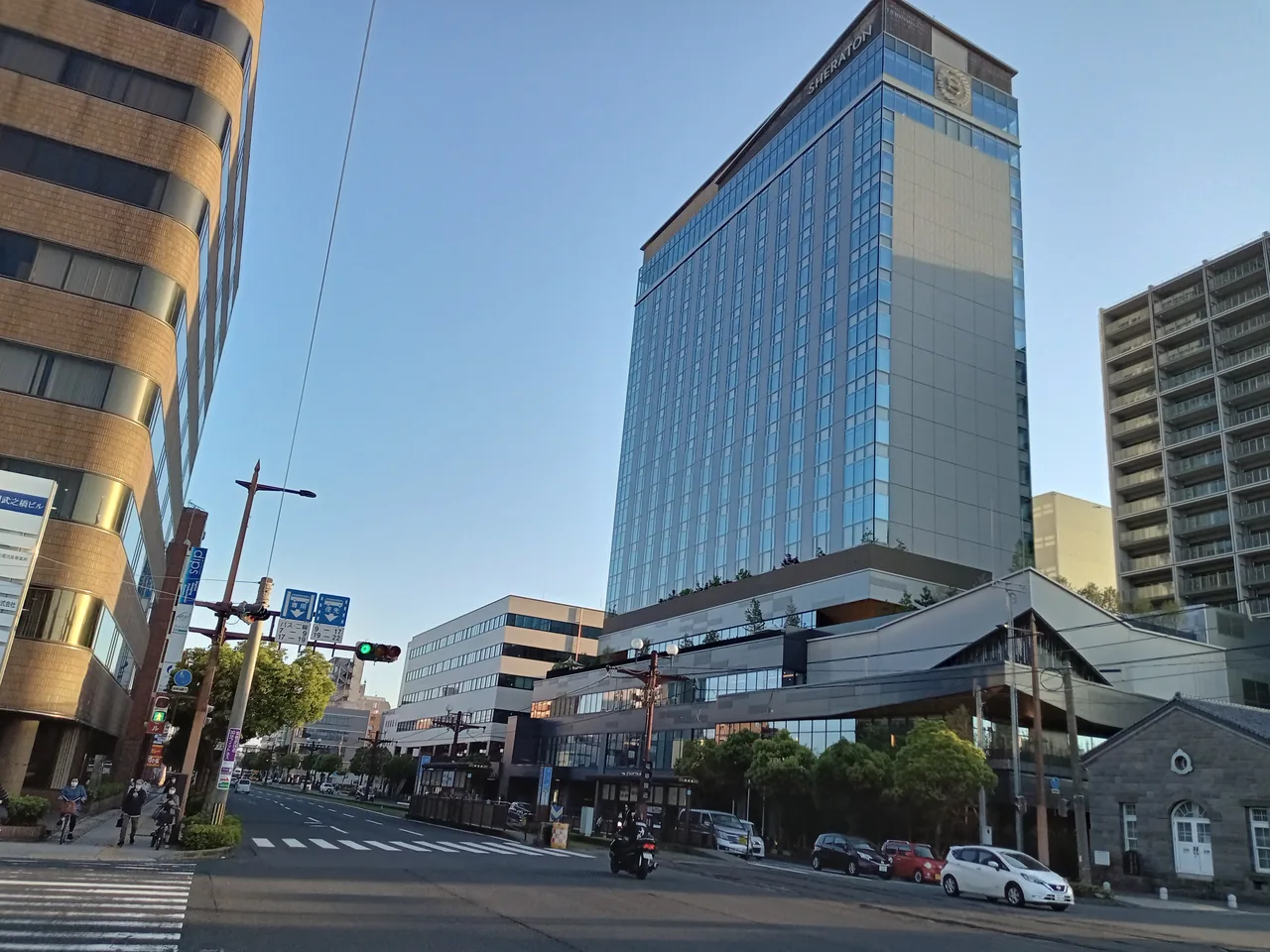
1. Kagoshima’s hotels sit along the tram line
Pick whether you want to be on the tram line or off it, and most of the rest of the decision follows. Nearly every hotel in central Kagoshima stands within a few minutes of a tram stop. The places that sit off the line are a hillside, a stretch of waterfront, and an island you reach by ferry.
The city’s tourism office lists just over fifty places to stay and sorts them into its own districts. Tenmonkan holds the most, Kagoshima-Chuo Station is next, and the rest are scattered around Kamoike, Sakurajima, Shiroyama and the port.
| Where | What it is like | Getting there |
|---|---|---|
| Tenmonkan | The middle of the eating and drinking district | Walk from the Tenmonkan-dori or Takamibaba tram stops |
| Kagoshima-Chuo Station | Where the shinkansen and the airport bus stop | Walk from the station |
| Kamoike and Yojiro | Large hotels facing the water | Bus or hotel shuttle from Chuo Station |
| Shiroyama | A hill looking down over the city | Free shuttle from Chuo Station |
| Sakurajima | On the volcano island itself | Ferry across the bay |
Tenmonkan and the station do not overlap
The two districts are too far apart to walk between with luggage, and no hotel appears in both of the city’s lists. Choosing one means riding the tram to reach the other.
That ride is easy. Trams run often, the fare is the same wherever you get off, and the trip takes only a few stops.
Hot springs and volcano views follow the location
Plenty of Kagoshima hotels have their own hot spring bath. Some are right in the middle of the entertainment district, and they become more common as you move toward the water. Rooms with a view of the volcano work the same way, clustering in hotels that face the bay.
So if you want to soak in a bath or wake up looking at Sakurajima, look at location first. Each district is covered separately below.
If your evenings will run long, stay in Tenmonkan. If you are arriving or leaving by shinkansen, or heading out early, stay near Kagoshima-Chuo Station.
2. Tenmonkan has the most places to stay
Tenmonkan is the largest entertainment district in southern Kyushu, and most of the city’s hotels are here. A covered arcade runs through it, which keeps you dry in rain and shelters you when volcanic ash is falling.
Hotels in this district almost all describe themselves as a few minutes’ walk from the Tenmonkan-dori or Takamibaba tram stops. You can roll a suitcase off the tram and be checking in shortly after.
Good for going out at night
The restaurants serving Kagoshima black pork and satsuma-age, and the bars pouring the local shochu, are concentrated around here. If your plan is dinner, one more drink, then a short walk back, this is the district for it.
If you would rather sleep quietly, pick a hotel a block off the main arcade. The street frontage stays busy late.
There are hot springs here too
Several Tenmonkan hotels have their own hot spring bath. Onsen Hotel Nakahara Bessou and Hotel New Nishino are about five minutes on foot from Tenmonkan-dori, and Dormy Inn Kagoshima and Hotel Rexton Kagoshima are a few minutes from Takamibaba. Map
You can eat dinner, walk back, and get into a hot spring bath without leaving the district. There is no need to travel out to a hot spring town.
Some rooms look at the volcano
Where a hotel has a clear line toward the bay, Sakurajima is visible from Tenmonkan as well. Remm Kagoshima, Kagoshima Washington Hotel Plaza, Toyoko Inn Kagoshima Tenmonkan II and Kagoshima Plaza Hotel Tenmonkan all appear on the city’s list of hotels with a volcano view.
Within any one of them, though, some rooms face the wrong way. If the view matters, check the room type rather than the hotel.
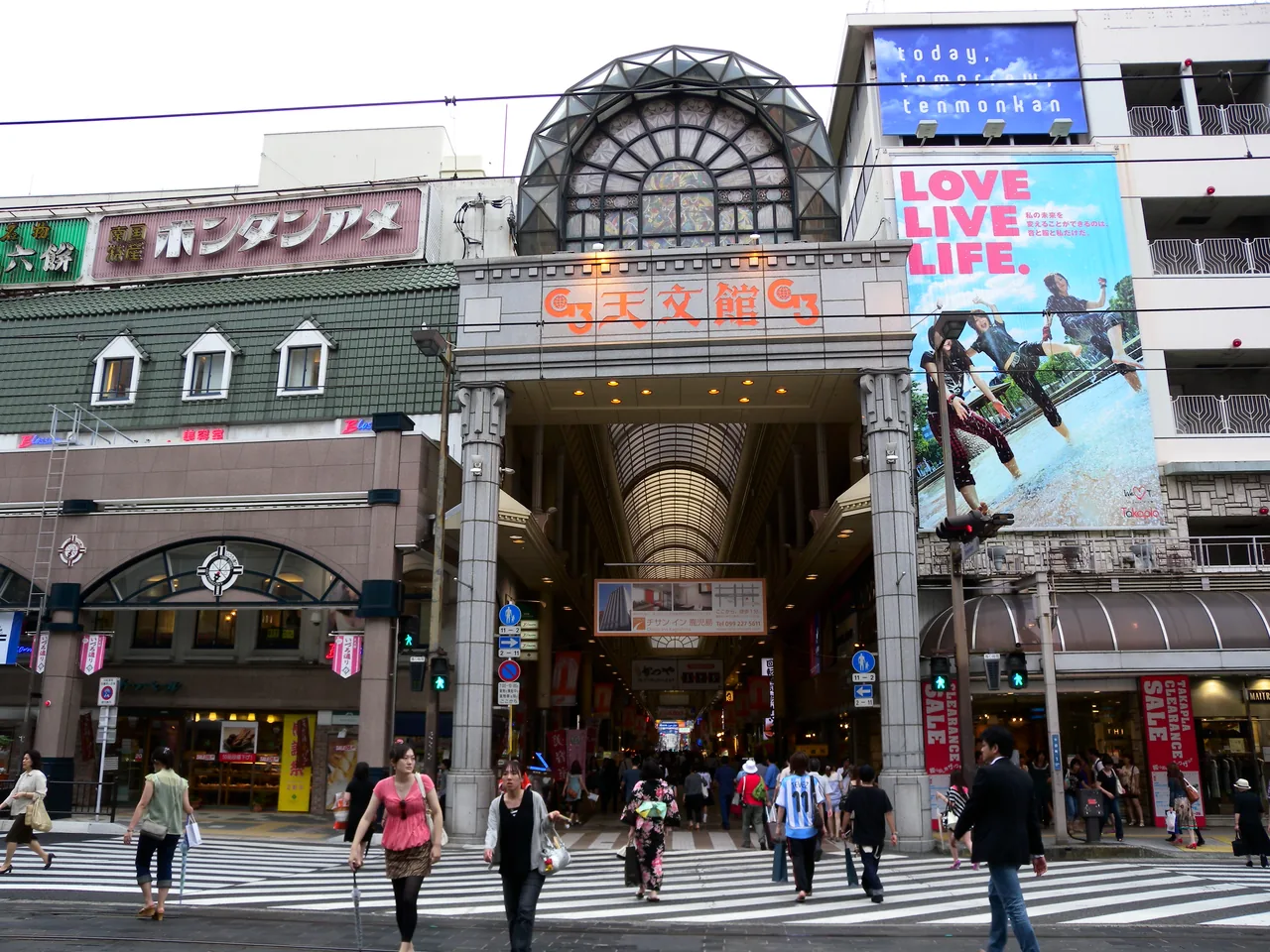
3. Kagoshima-Chuo Station suits arrival and departure days
Both the shinkansen and the airport bus put you down at Kagoshima-Chuo Station. If you want your first and last days to be simple, stay here.
The hotels around the station are mostly a short walk away. Solaria Nishitetsu Hotel Kagoshima is about two minutes on foot, Silk Inn Kagoshima about five. JR Kyushu Hotel Kagoshima connects directly to the station building. Map
Quieter in the evening than Tenmonkan
There are restaurants and shops around the station, but the crowds gather in Tenmonkan. If you want a long dinner, you will be riding the tram out and back.
Mornings are the trade. On days when you head out to Ibusuki or Kirishima, or catch a boat to Yakushima, starting from the station saves time. If Fukuoka is on the same trip, see where to stay in Fukuoka as well.
Fewer hot springs than Tenmonkan
Silk Inn Kagoshima is the main station-area hotel with its own hot spring. If you stay in this district and still want to soak, the public bathhouses nearby will do, because in Kagoshima most of them run on hot spring water.
Volcano views are limited here too. The station sits back from the water, so a room facing Sakurajima generally means a high floor at somewhere like Solaria Nishitetsu Hotel Kagoshima.
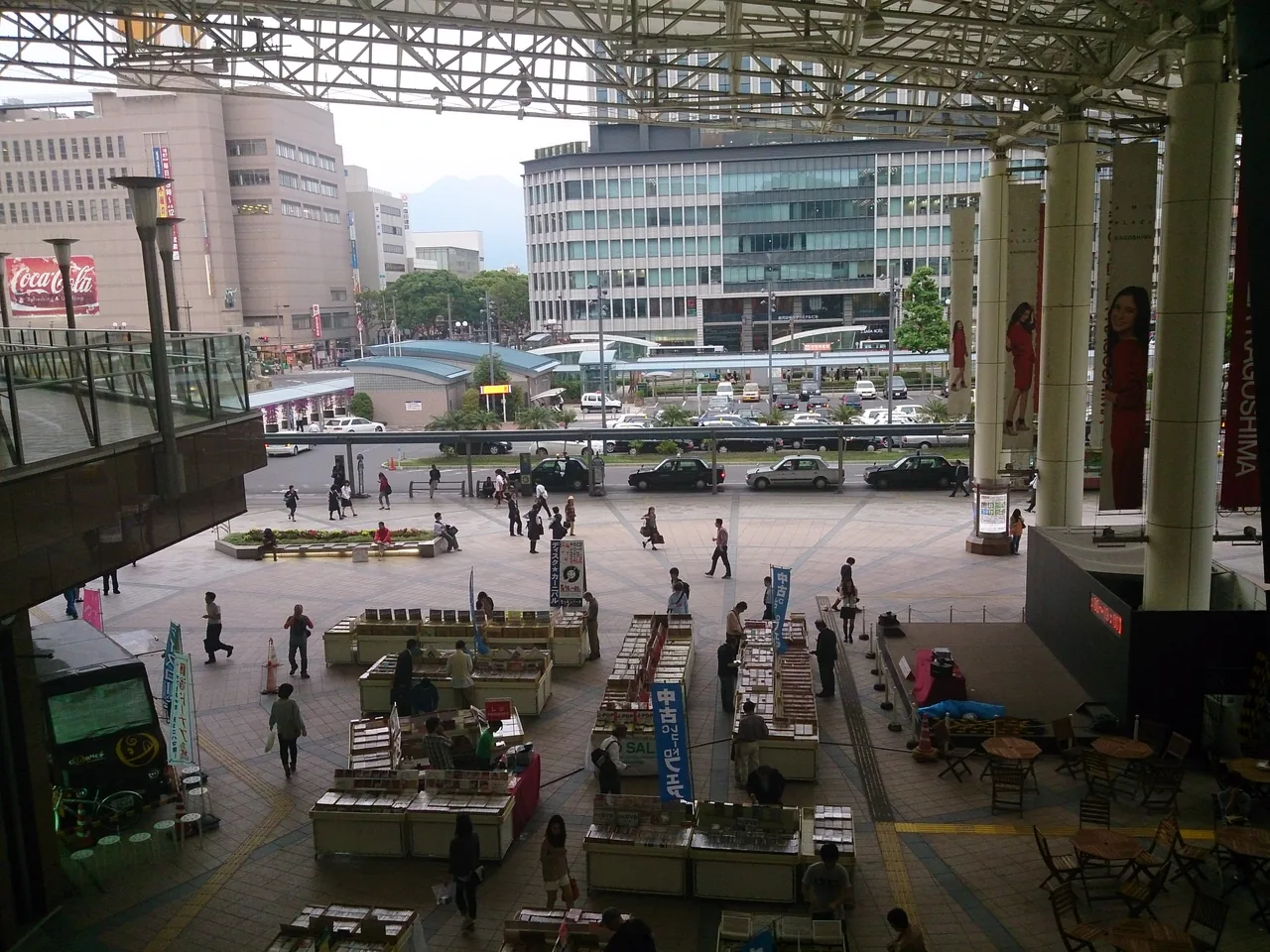
4. The tram links the two districts
Kagoshima-Chuo Station and Tenmonkan are a few tram stops apart. The walk is possible but not pleasant with bags, so take the tram.
Trams run from early morning until late at night and come frequently. Whichever district you sleep in, going to the other one for dinner and coming back is straightforward.
Learn the stop names
Hotels in Tenmonkan give their address as a walk from Tenmonkan-dori, Takamibaba or Izuro-dori. Places near the city hall and the port use Shiyakusho-mae, and the Sakurajima ferry is reached from Suizokukan-guchi.
Note the stop your hotel names before you arrive and the first evening gets much easier. Paying tram and bus fares with a stored-value card is covered in our IC card guide.
The ferry pier is on the tram line too
Boats to Sakurajima leave from Kagoshima Port. It is about five minutes on foot from the Suizokukan-guchi tram stop, or you can take the City View bus or a city bus to the aquarium stop and walk a minute. Map
If your plan is to cross in the morning and come back in the evening, no district is noticeably better than another for it.
5. The tram costs the same wherever you get off
Kagoshima’s trams charge a flat fare across the whole network, 200 yen for adults and 100 yen for children. Distance makes no difference, so there is nothing to calculate.
If you expect to ride several times there are day tickets, and they cover the city buses and the City View sightseeing bus as well. They also carry discounts on admission at a number of tourist sites.
| Ticket | Adult | Child | When it is valid |
|---|---|---|---|
| Single tram ride | 200 yen | 100 yen | Flat fare, whole network |
| One-day pass | 700 yen | 350 yen | Only the calendar day printed on it |
| 24-hour pass | 900 yen | 450 yen | 24 hours from when you start using it |
| Night Pass | 300 yen | Not sold | From 17:00 until the last service that day |
| CUTE one-day | 1,400 yen | 700 yen | Adds the Sakurajima ferry |
| CUTE two-day | 2,100 yen | 1,050 yen | Same coverage, two days |
Arriving in the afternoon favours the 24-hour pass
A one-day pass expires at the end of the calendar day it names, so an evening arrival wastes most of it. The 24-hour pass counts from the moment you first use it, which covers an evening out and the following morning.
At 200 yen a ride, the one-day pass pays for itself on the fourth trip and the 24-hour pass on the fifth. If you are only going out for dinner, paying per ride is cheaper.
If you are only going out in the evening
The Night Pass runs from 17:00 until the last service and costs 300 yen for an adult. There is no child version. It fits an evening of dinner in Tenmonkan and a look at the night view.
It is only sold during set months in spring, summer and winter, so check whether it is available when you travel.
Crossing to Sakurajima
CUTE bundles the city transport with the Sakurajima ferry. For a day of crossing to the island and riding the Island View bus around the viewpoints, it works out better than buying each leg.
CUTE is only good on services the city runs. Private buses and private ferries are not included, so trips out to Ibusuki or Kirishima are paid separately.
Some tickets are sold only in an app
🔴 The 24-hour pass, the Night Pass and CUTE are sold through smartphone apps only. Ticket windows do not sell them. The one-day pass is the one you can still buy on paper.
Download the app before you arrive so you are not caught out. CUTE is sold through the Kyushu MaaS app and a Kagoshima city app.
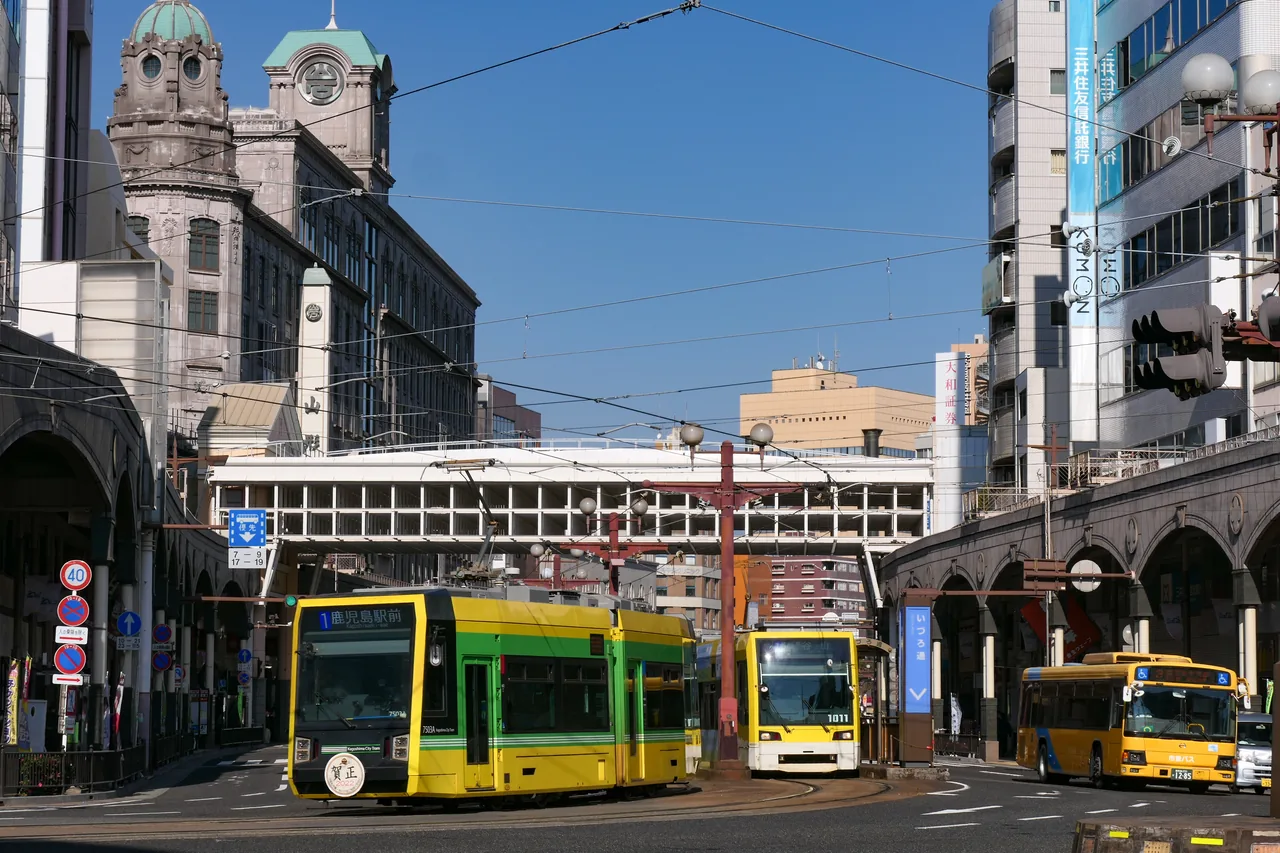
6. The airport bus stops at both districts
The Kagoshima Airport bus calls at Kagoshima-Chuo Station and at Tenmonkan. Whichever district you have booked, you can get there in one ride.
The fare is 1,500 yen for adults and 750 yen for children, and no reservation is needed. Buses leave from stand 8 at the domestic terminal. The direct run to Chuo Station takes 38 minutes; services routed via Yoshino take 55.
Know your stop before you board
The bus reaches Kagoshima-Chuo Station first, then Tenmonkan, then the city hall stop, and some services continue to the high-speed boat terminal. If you are staying in Tenmonkan, stay on past the station.
A discount for paying by card has been discontinued. If you see 1,400 yen quoted somewhere, that is the old fare.
There is a footbath at the airport
Kagoshima Airport has a natural hot spring footbath inside the terminal. It is a reasonable way to spend a spare half hour before your flight home. Map
7. Kagoshima Station and Kagoshima-Chuo Station are different places
Two stations with similar names sit some distance apart. Check which one a hotel means before you book.
The shinkansen stops at Kagoshima-Chuo Station, and so does the airport bus. Kagoshima Station is a separate station toward the north of the city near the water, and far fewer hotels stand around it. Map
The tram splits after Tenmonkan
Two tram routes run through the city. Both start at Kagoshima Station and pass Suizokukan-guchi, Shiyakusho-mae and Tenmonkan-dori. Past Tenmonkan one of them turns to call at Kagoshima-Chuo Station while the other carries straight on south.
So when you are heading from Tenmonkan to the shinkansen station, you cannot board just any tram. Check the route number and the destination on the front.
What to look for when booking
A hotel name containing Kagoshima-Chuo is on the shinkansen side. If a listing says only Kagoshima Station, look at the map before you book.
The same applies in a taxi. Shortening the station name can send you to the wrong one.
8. Arriving by shinkansen
The Kyushu Shinkansen runs from Hakata straight through to Kagoshima-Chuo. If you are combining Kagoshima with Fukuoka, this is the simplest way in.
You arrive at Kagoshima-Chuo, so a first-night hotel near the station saves dragging luggage anywhere. Tenmonkan is only a few tram stops away if you would rather be there.
Check running information before you travel
Repair work after an earthquake means fewer services on some stretches and slower running on others. Check JR Kyushu’s service information before you set out and leave yourself margin. If you are visiting several Kyushu cities, the Kyushu Rail Pass guide works through whether a pass pays off.
If you land between check-in times, the station has coin lockers so you can leave bags and start moving.
9. There is no lodging tax at the moment
Kagoshima City does not currently charge a lodging tax. Beyond what your booking says, there is nothing extra to pay at the property.
One is on the way, though. The city has run a review committee and settled on an approach of 200 yen per person per night regardless of the room rate, with school trip students and their teachers exempt.
This differs from other Japanese cities
Lodging taxes have been spreading across Japan and many travellers now budget for one. Kagoshima is not on that list yet. Our guide to Japan’s lodging taxes sets out what each city charges.
Sendai charges 300 yen per person per night, and Kanazawa charges an amount that varies with the room rate. When Kagoshima’s does start, it will either appear at booking or be collected at check-in. If you are booking a long way ahead, check your booking provider’s notes again closer to the date.
10. Hot spring hotels stand in the middle of the nightlife district
In Kagoshima you do not have to travel out to a hot spring town to soak in one. Several hotels a few minutes’ walk from the Tenmonkan arcade have their own hot spring bath.
Hot water rises under a great deal of this city, and the tourism office says outright that even the business hotels here can offer water straight from the source. That is unusual. In most Japanese cities a bath like this means a bus ride out to a hot spring village.
| Hotel | District | Getting there | Rates |
|---|---|---|---|
| Onsen Hotel Nakahara Bessou | Tenmonkan | 5 minutes on foot from the Tenmonkan-dori tram stop | 📷 Photos & rates |
| Hotel New Nishino | Tenmonkan | 5 minutes on foot from the Tenmonkan-dori tram stop | 📷 Photos & rates |
| Dormy Inn Kagoshima | Tenmonkan | 2 minutes on foot from the Takamibaba tram stop | 📷 Photos & rates |
| Hotel Rexton Kagoshima | Tenmonkan | 4 minutes on foot from the Takamibaba tram stop | 📷 Photos & rates |
| Hotel Fukiagesou | Tenmonkan | 10 minutes on foot from the Tenmonkan-dori tram stop | 📷 Photos & rates |
| Silk Inn Kagoshima | Chuo Station | 5 minutes on foot from Kagoshima-Chuo Station | 📷 Photos & rates |
| Aqua Garden Hotel Fukumaru | Port side | 5 minutes on foot from the Shiyakusho-mae tram stop | 📷 Photos & rates |
Dinner out, then a bath
You can eat in Tenmonkan, walk back, and get into the bath. Staying at a hot spring inn usually means your evening and morning both happen inside the inn; here the nightlife and the bath fit into the same day.
Hotel baths do keep set hours, though. If you plan to be out late, check the closing time when you book. Our onsen and ryokan guide covers how bathing works more generally.
11. The waterfront gives you a bath and a view together
The large hotels along the Kamoike and Yojiro waterfront have both hot spring baths and rooms facing Sakurajima. A short trip out from the centre puts both in the same hotel.
Kagoshima Sun Royal Hotel and Art Hotel Kagoshima are the two main ones here, and the city lists both as having a hot spring and a volcano view. Hotel Jichikaikan and Marine Palace Kagoshima also have baths. Map
The tram does not reach here
This stretch sits off the tram network. Kagoshima Sun Royal Hotel runs a free shuttle from Kagoshima-Chuo Station that takes about twenty minutes, and Art Hotel Kagoshima is about twenty minutes by bus, getting off at the agricultural hall stop and walking a minute. Marine Palace Kagoshima is reached on city bus route 16.
Hotel Kamoike Plaza is the exception, two minutes on foot from the Kamoike tram stop. If you want a volcano view and still want to use the tram, that is the one.
Going out at night is harder
Staying out here makes a trip into Tenmonkan every evening feel like a chore. The shuttles run to a timetable, so a late night home means a taxi.
It works well if you plan to eat in the hotel and use the bath. Families who are not going out every night in particular tend to be happy here.
12. Even without a bath in your hotel, the local sento is a hot spring
In Kagoshima the water at the neighbourhood public bathhouses is usually hot spring water too. A hotel without its own bath is not a problem, because there is likely to be one within walking distance.
More than fifty bathhouses in the prefecture belong to the public bath association, and the adult charge is 420 yen. That is a local price rather than a tourist one, so it is easy to drop in.
They open early
Most Kagoshima bathhouses open around five or six in the morning and run until about ten at night. Even on a day when you are leaving early, there is time for a soak first.
Many sell towels and soap separately, so bring your own or buy them there. Facilities vary from one bathhouse to the next, and some have a sauna or jet baths.
These are places local people use
A neighbourhood bathhouse is somewhere residents wash and leave, so the atmosphere is quiet and practical. If you are expecting a large resort bathing hall, this is not that.
Rules on tattoos differ from one place to another, so check first. Our guide to tattoos and onsen covers how this works across Japan.
13. A volcano view depends on the room, not the hotel
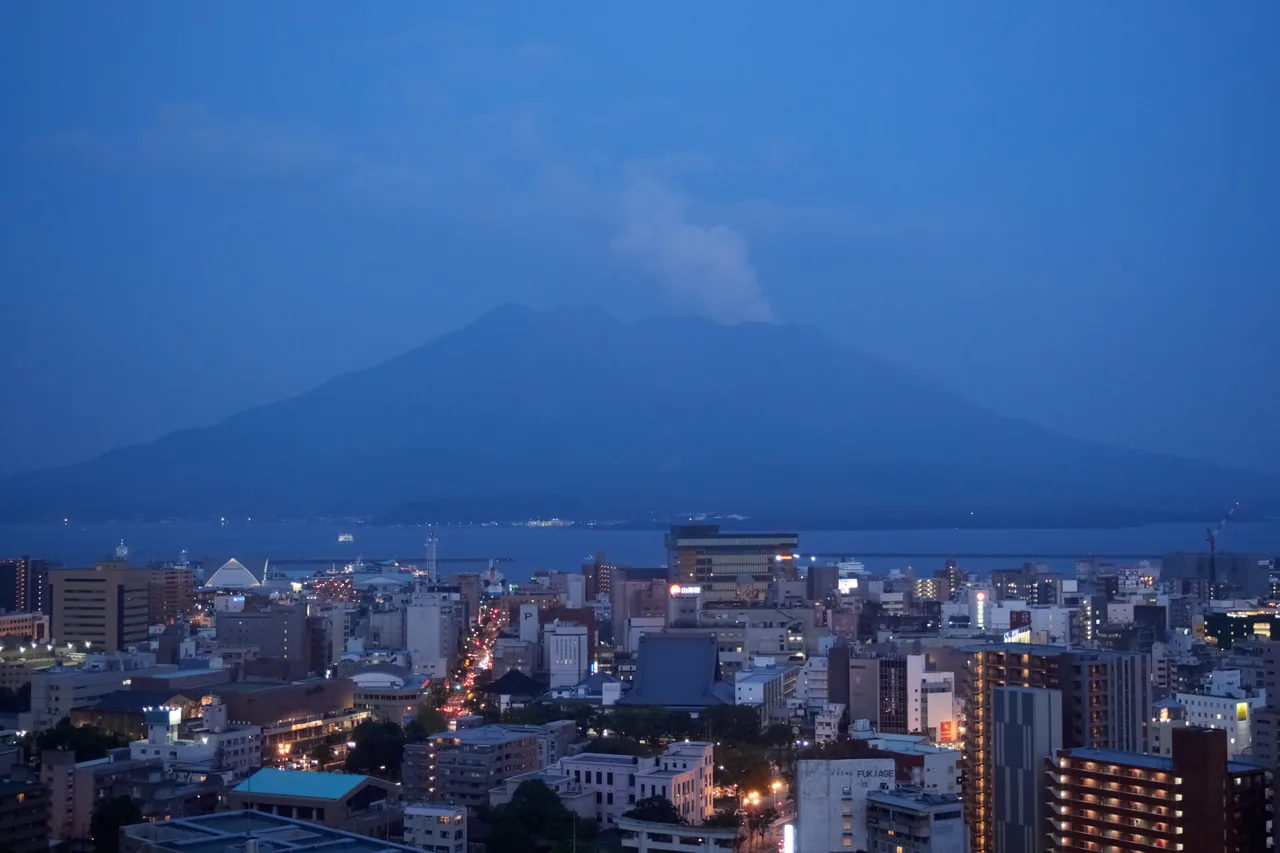
Two rooms in the same hotel can face completely different directions. If seeing Sakurajima matters to you, book by room type.
The city keeps a separate list of hotels with a volcano view. Anything facing the bay can qualify, and those hotels are spread across Tenmonkan, the station area, the waterfront and the island itself.
Some hotels name the room after the view
Sheraton Kagoshima puts Sakurajima in the name of its room categories, which makes booking straightforward: you can see at a glance which rooms face the volcano.
Elsewhere you have to select the view as an option. Rooms at the same price often include ones looking inland.
Higher floors are safer
The station area sits back from the water, so lower floors look at other buildings. Solaria Nishitetsu Hotel Kagoshima appears on the city’s view list, but it is the upper floors that actually see over the rooftops.
For sunrise behind the volcano you want an east-facing room. In the evening the effect reverses and the slopes turn red instead.
14. Wanting both a bath and a view narrows things quickly
Only a handful of places offer a hot spring and a Sakurajima view together. Asking for both cuts the list down sharply.
These are the properties that appear on both of the city’s lists. They sit in different districts, so the right one depends on where you want to be based.
| Hotel | District | Getting there | Rates |
|---|---|---|---|
| Sheraton Kagoshima | South of the centre | 1 minute on foot from the Takenohashi tram stop | 📷 Photos & rates |
| Shiroyama Hotel Kagoshima | Shiroyama hill | Free shuttle from Chuo Station, about 20 minutes | 📷 Photos & rates |
| Kagoshima Sun Royal Hotel | Kamoike | Free shuttle from Chuo Station, about 20 minutes | 📷 Photos & rates |
| Art Hotel Kagoshima | Kamoike | About 20 minutes by bus from Chuo Station | 📷 Photos & rates |
| Sakurajima Seaside Hotel | Sakurajima island | Ferry, then bus or car | 📷 Photos & rates |
| Rainbow Sakurajima | Sakurajima island | Ferry, then 8 minutes on foot | 📷 Photos & rates |
Only one of them is on the tram line
Of those six, Sheraton Kagoshima is the one you can reach on foot from a tram stop. The rest need a shuttle, a bus or a ferry.
If you are travelling on public transport alone, factor that in before booking. With a rental car it makes no difference.
15. Shiroyama Hotel sits on a hill above the city
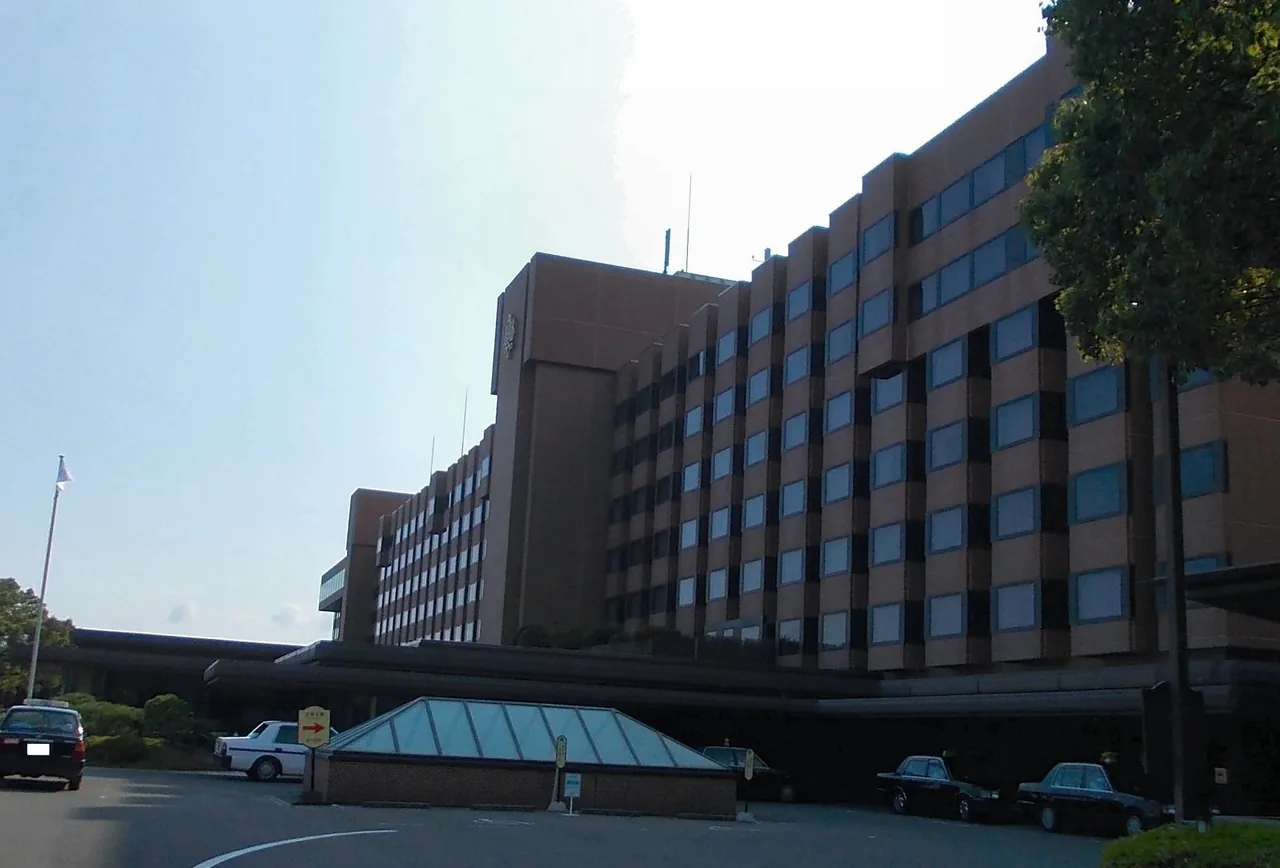
Shiroyama Hotel Kagoshima stands on a hill overlooking the city, too steep to walk up and down casually. A free shuttle from Kagoshima-Chuo Station takes about twenty minutes, and a car about fifteen.
The hotel is known for what you can see from it. The city, the bay and the volcano beyond all line up, and the same view carries into the hot spring bath. It is the kind of place where you end up spending time in the building rather than out of it. Map
The shuttle shapes your day
Being on the hill ties your comings and goings to the shuttle. The pattern becomes going down in the morning, spending the day out, and coming back in the evening, with returning midday more trouble than it is worth.
Check the shuttle times when you book. After the last one you are calling a taxi, and the hill adds to the fare.
When it fits
It works if you have two or more nights in Kagoshima and are happy spending part of one of them at the hotel. If you are staying a single night and moving on early, the station area is the better choice.
Some people use it for the last night of a trip, or for an anniversary, and keep the rest of the stay in town.
16. Sleeping on Sakurajima itself
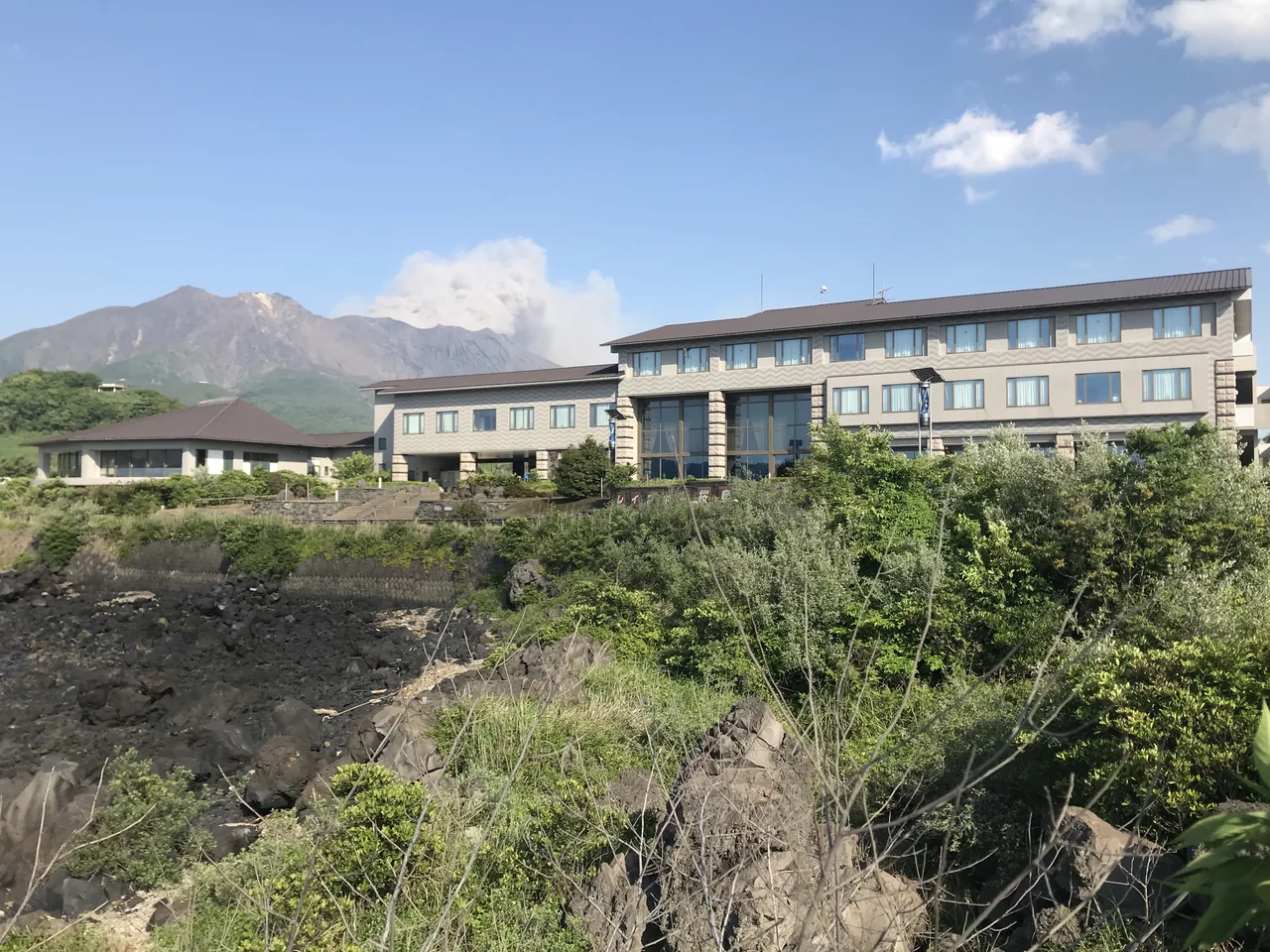
There are a few places to stay on the volcano island. If you want the mountain close by in the morning and evening, take the ferry across and spend a night there.
How far each one sits from the ferry pier varies. One is a short walk, the others need a bus or a car.
| Property | From the pier | Hot spring | Rates |
|---|---|---|---|
| Rainbow Sakurajima | 8 minutes on foot | Yes | 📷 Photos & rates |
| Sakurajima Seaside Hotel | Bus to Bungakuhi-mae, or about 15 minutes by car | Yes | 📷 Photos & rates |
| Sauna & Stay MUNI Sakurajima | City bus 60 to Oshusho-shogakko-mae, then 1 minute | No |
What there is to do is look at the mountain
Sakurajima is an active volcano with no route to the summit. An exclusion zone surrounds the crater, so a day on the island means going up to the viewpoints and getting into a bath.
The island’s hot spring water runs a reddish brown. Some baths look straight out over the water, which is a large part of why people stay the night. Our Kagoshima city guide covers getting around the island itself. Map
Little is open in the evening
There are not many restaurants or shops on the island and most close early. Eating at your accommodation is the safer plan, so check whether meals are included when you book.
Convenience stores are scarce as well. Buy anything you need before you cross.
17. Staying on the island means watching the last ferry
A night on Sakurajima puts your evening on the ferry timetable. Boats stop overnight, so a long dinner in the city is not possible.
The last boat from Kagoshima Port leaves at 23:30 and the last from Sakurajima at 23:00. Nothing runs between midnight and four in the morning. The crossing used to operate around the clock, and no longer does.
| From Kagoshima Port | From Sakurajima Port | |
|---|---|---|
| First boat | 4:30 | 4:00 |
| Last boat | 23:30 | 23:00 |
Miss it and there is nowhere to wait
Once the last boat has gone, both terminals and their ticket gates close. You cannot sit inside waiting for the morning. They reopen fifteen minutes before the first boat on the Sakurajima side and thirty minutes before it on the Kagoshima side. Map
On a night you are sleeping on the island, leave yourself margin if you are eating in town, and count the time it takes to get from Tenmonkan to the pier.
Fares and timing
A one-way ticket is 250 yen for adults and 130 yen for children, and the crossing takes about fifteen minutes. Strong wind can push it closer to twenty, and getting off adds a few more. Bicycles are 160 yen and a car under three metres is 1,280 yen.
One preschool child travels free with each adult. Boats are frequent during the day, so you can turn up at the pier without checking the timetable.
18. Some days the ash falls on the city
Depending on the wind, volcanic ash drifts over central Kagoshima. It does not really change which hotel you book, but it changes how you use it.
On an ashy day, leave the windows shut. Anything drying on a balcony needs bringing in, and a rental car parked outside will have a film of grit on the windscreen.
The arcade helps
The Tenmonkan shopping arcade is roofed, so you can walk its length even when ash is falling. Shielding shoppers from it was one of the reasons the city built the cover in the first place.
If you are going to be outside for a long stretch on a heavy day, a hat and a mask make it easier. Contact lens wearers tend to be glad they packed glasses.
If you are thinking about laundry
A long day outdoors leaves ash on your clothes. For a stay of several nights, a hotel with coin laundry is worth having, and most business hotels do.
Somewhere with a hot spring bath solves the same problem from the other end: you wash the day off before bed.
19. Most of the hotels here are large ones
Central Kagoshima is dominated by hotels with a lot of rooms. Finding a bed is rarely difficult and, outside peak dates, the choice is wide.
Tenmonkan and the station area both hold several hotels of more than two hundred rooms. Plans made at short notice usually still find somewhere.
If you want something small
Guesthouses and properties with only a handful of rooms are not common here. The city list holds very few, so book those well ahead.
If quiet is what you are after, the island properties and the hotel on the hill get it through location instead.
Parking is usually available
Driving means checking for a car park. Most city hotels have one, but it often costs extra and the number of spaces is capped.
If you are driving out to Ibusuki or Kirishima, confirm parking at the same time you book the room.
20. How long you stay changes the answer
One night points to the station, two nights to Tenmonkan, and longer stays open up splitting your nights. The city, the island and the countryside around them make quite different days, so the length of the trip matters.
| Length | Where | Why |
|---|---|---|
| One night | Kagoshima-Chuo Station | Arrival and departure are simple |
| Two nights | Tenmonkan | Dinner is a walk away |
| Three or more | City, plus one night on the island or the hill | Adds an evening of a different kind |
| Driving | Kamoike and Yojiro | A bath and a view in one place |
Think about the bags before you split
Two nights in town and a last night on Sakurajima means carrying luggage onto a ferry. If you have a large case, leave it at the city hotel and cross with an overnight bag.
Staying put avoids the problem entirely. If you would rather not move at all, one base in the city and day trips out of it is the simplest shape.
Days out of the city
Sand baths at Ibusuki, or the shrine at Kirishima, both mean an early start. If your itinerary has one of those days, the station area helps.
If you are taking a boat to Yakushima, count the time to the pier as well.
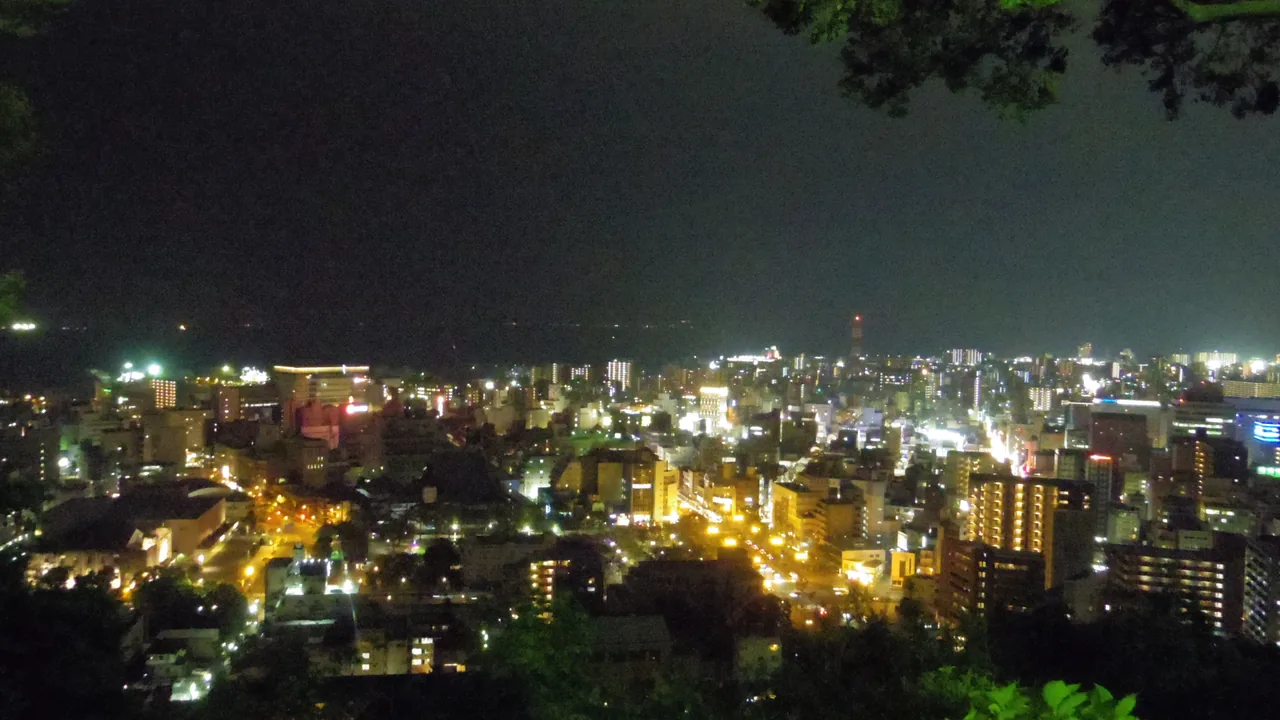
21. If you are heading to Yakushima or Tanegashima
The high-speed boats to the southern islands leave from the city port early in the morning. On a day like that it is worth putting your hotel near the pier.
The airport bus runs all the way to the high-speed boat terminal. If you are sailing the same day you land, you can go straight there without stopping in town. Map
Where to spend the night before
For a morning departure, Tenmonkan or the port side is easiest. Both are close to the Shiyakusho-mae tram stop and a short hop from the terminal.
The station area works too, on the tram. Just allow extra time, because an early start with luggage and a change of tram is slower than it looks.
This is not the Sakurajima pier
The ferry to Sakurajima and the boats to the islands leave from different terminals. The names are similar enough to confuse, so check which one your ticket means.
Schedules and fares are set out in our Kagoshima city guide.
22. With children, and what to do with luggage
Travelling with children makes a hotel with a hot spring bath easier. Coming in from a day of walking, washing everyone and getting them to bed becomes one short sequence.
The larger waterfront hotels tend to have roomier family rooms and somewhere to eat on site. If you are not planning to go out every evening, that suits.
On the ferry
The Sakurajima ferry carries one preschool child free with each adult. At fifteen minutes there is not really time for anyone to get bored.
Pushchairs are fine on both the tram and the ferry. The hill at Shiroyama and parts of the island do involve slopes, though.
Leaving bags
Hotel front desks will hold luggage before check-in and after check-out. Kagoshima-Chuo Station also has coin lockers, so you can drop bags there even if you are not staying nearby.
On a day you are crossing to the island, leaving the large case in town beats carrying it onto a boat. Rules for taking a large case onto the shinkansen are in our oversized baggage guide.
23. Accessibility information is published for many properties
The city’s accommodation list publishes accessibility details for each property. Step-free entry, room layouts and bathing facilities can all be checked before you book.
A large share of the listed properties provide this, and some carry an additional recognition from the city. It is useful if you use a wheelchair or a pushchair, or are travelling with someone who finds stairs difficult.
Check the hill and the island first
Shiroyama and Sakurajima both involve slopes, and the transport to them is limited to shuttles and ferries. If you need help with any of that, contact the property in advance.
Larger city hotels generally have lifts and wide corridors. Choosing one close to a tram stop keeps the distances short.
24. Worth checking before you book
A short list of things to look at while you have the booking page open. Most of them appear in the room details.
| What | Why |
|---|---|
| Which way the room faces | Rooms in the same hotel do not all see the volcano |
| Bath opening hours | Hotel hot springs close at a set time |
| Shuttle times | Hill and waterfront hotels run to a timetable |
| Parking | Usually paid, and the number of spaces is limited |
| Whether meals are included | On the island, eating out in the evening is hard |
| The nearest stop name | Saves you working it out on arrival |
Prices move with the season
Cherry blossom season, the summer holidays and the new year period all push rates up and availability down. If you are travelling then, book early.
Weekdays and weekends differ too. If your dates are flexible, a midweek stay is more comfortable. For where Kagoshima fits into a wider trip, see our Japan travel guide.
No tax to budget for right now
Kagoshima City does not charge a lodging tax at present, so there is nothing beyond your booking total. One is under discussion, so if you are booking a long way ahead, check your provider’s notes again nearer the time.
25. The properties, district by district
Everything on the city’s official accommodation list, sorted by district. Directions are given as the city itself words them.
Tenmonkan
| Property | Getting there | Bath / view | Rates |
|---|---|---|---|
| Dormy Inn Kagoshima | 2 minutes on foot from Takamibaba | Hot spring | 📷 Photos & rates |
| Hotel Rexton Kagoshima | 4 minutes on foot from Takamibaba | Hot spring | 📷 Photos & rates |
| Onsen Hotel Nakahara Bessou | 5 minutes on foot from Tenmonkan-dori | Hot spring | 📷 Photos & rates |
| Hotel New Nishino | 5 minutes on foot from Tenmonkan-dori | Hot spring | 📷 Photos & rates |
| Hotel Fukiagesou | 10 minutes on foot from Tenmonkan-dori | Hot spring | 📷 Photos & rates |
| Kagoshima Washington Hotel Plaza | 2 minutes on foot from Takamibaba | View | 📷 Photos & rates |
| Toyoko Inn Kagoshima Tenmonkan II | 3 minutes on foot from Takamibaba | View | 📷 Photos & rates |
| Hotel Gate In Kagoshima | 3 minutes on foot from Izuro-dori | View | 📷 Photos & rates |
| Remm Kagoshima | 5 minutes on foot from Tenmonkan-dori | View | 📷 Photos & rates |
| Kagoshima Plaza Hotel Tenmonkan | 7 minutes on foot from Takamibaba | View | 📷 Photos & rates |
| Richmond Hotel Kagoshima Kinseicho | Directly at the Asahi-dori tram stop | Not listed | 📷 Photos & rates |
| Daiwa Roynet Hotel Kagoshima Tenmonkan PREMIER | 1 minute on foot from Tenmonkan-dori | Not listed | 📷 Photos & rates |
Kagoshima-Chuo Station
| Property | Getting there | Bath / view | Rates |
|---|---|---|---|
| JR Kyushu Hotel Kagoshima | Connected to the station | Not listed | 📷 Photos & rates |
| Solaria Nishitetsu Hotel Kagoshima | 2 minutes on foot from the station | View | 📷 Photos & rates |
| Silk Inn Kagoshima | 5 minutes on foot from the station | Hot spring | 📷 Photos & rates |
Kamoike and Yojiro
| Property | Getting there | Bath / view | Rates |
|---|---|---|---|
| Kagoshima Sun Royal Hotel | Free shuttle from Chuo Station, about 20 minutes | Hot spring and view | 📷 Photos & rates |
| Art Hotel Kagoshima | Bus from Chuo Station, then 1 minute on foot | Hot spring and view | 📷 Photos & rates |
| Marine Palace Kagoshima | City bus 16, then 3 minutes on foot | Hot spring | 📷 Photos & rates |
| Hotel Jichikaikan | About 15 minutes by car from Chuo Station | Hot spring | 📷 Photos & rates |
| Hotel Kamoike Plaza | 2 minutes on foot from the Kamoike tram stop | View | 📷 Photos & rates |
| Hotel Well View Kagoshima | About 15 minutes by car from Chuo Station | View | 📷 Photos & rates |
The hill, the port and the island
| Property | Getting there | Bath / view | Rates |
|---|---|---|---|
| Shiroyama Hotel Kagoshima | Free shuttle from Chuo Station, about 20 minutes | Hot spring and view | 📷 Photos & rates |
| Sheraton Kagoshima | 1 minute on foot from Takenohashi | Hot spring and view | 📷 Photos & rates |
| Aqua Garden Hotel Fukumaru | 5 minutes on foot from Shiyakusho-mae | Hot spring | 📷 Photos & rates |
| Rainbow Sakurajima | 8 minutes on foot from Sakurajima Port | Hot spring and view | 📷 Photos & rates |
| Sakurajima Seaside Hotel | Bus from Sakurajima Port to Bungakuhi-mae | Hot spring and view | 📷 Photos & rates |
| Sauna & Stay MUNI Sakurajima | City bus 60 from Sakurajima Port, then 1 minute | View |
The bath and view labels are the city’s own. A property without a label may still have a bath, so check the booking page. For getting around the city and the day trips beyond it, carry on to our Kagoshima city guide.