
Otaru Travel Guide: The Canal, Sakaimachi, Music Box Museum, Mt. Tengu, Yoichi Whisky and Winter Tips
Otaru is an easy train ride from Sapporo, and its old port district is small enough to cover on foot in a day. This guide covers the canal, Sakaimachi Street, the old bank street, Mt. Tengu, Shukutsu and the Nikka distillery at Yoichi, with opening days, prices and bus routes. It also covers winter, when the pavements ice over, several sights close and the Snow Light Path puts lanterns on the canal.
| Where it is | A port town on Hokkaido’s west coast, 30 to 50 minutes from Sapporo by JR. |
|---|---|
| The core walk | Go downhill from Otaru Station to the canal, along Sakaimachi Street to Marchen Crossing, and out at Minami-Otaru Station. |
| Day trip or a night | A day covers the old town, and a night adds the lamp-lit canal, the Mount Tengu night view and, in February, the Snow Light Path. |
| Nikka at Yoichi | The free guided tour must be booked and is in Japanese only, while walk-in visitors can see the museum and shop, with last entry at 15:30. |
| Winter | Snow stays on the pavements from mid-December, so take short steps and buy slip-on grips at the airport or a convenience store. |
| Lodging tax | Expect 300 to 700 yen per person per night on top of the room rate, plus 150 yen at hot-spring hotels. |
1. Where Otaru is and how the town is laid out
2. Otaru Canal: how it was made, the lamps and the canal cruise
3. Sakaimachi Street: glass, oil lamps and sweets in old warehouses
4. Marchen Crossing, the Steam Clock and the Otaru Music Box Museum
5. Irinai, the old bank street: Bank of Japan museum, Otaru Art Base and Nippon Yusen
6. Love Letter filming locations in Otaru
7. Temiya, where Hokkaido’s first railway started
8. Mt. Tengu Ropeway: night view, hours, the November break and skiing
9. Shukutsu, the old herring village: aquarium, Herring Mansion and Kihinkan
10. What to eat in Otaru: sushi, markets and fried half chicken
11. Sake, beer and the Nikka Whisky distillery at Yoichi
12. Otaru in winter: the Snow Light Path, cold, ice and what closes
13. How to get to Otaru from the airport, Sapporo and Tokyo
14. Getting around Otaru: stations, buses, taxis and lockers
15. Where to stay in Otaru and the lodging tax
16. A day in Otaru on foot, from the station to Minami-Otaru

1. Where Otaru is and how the town is laid out
A port town on a slope down to the sea
Otaru is a port town on the west coast of Hokkaido, 30 to 50 minutes from Sapporo by JR, depending on whether you catch a rapid or a local train. Otaru Station stands partway up a hill. From the station the main street, Chuo-dori, runs straight down to the sea, and the canal and the old stone warehouses sit at the bottom on flat land by the water. Nearly everything a first-time visitor comes for lies along that flat strip, which runs from the canal past Sakaimachi Street to Minami-Otaru Station, one stop from Otaru Station on the line towards Sapporo.
The place was called Otarunai until 1869, when it was renamed Otaru. In 1880 Hokkaido’s first railway opened between Temiya, in Otaru, and Sapporo, and in 1899 Otaru became an open port for foreign trade. Around that time hundreds of warehouses were in use along the waterfront, many of them built of stone. The north breakwater, finished in 1908, was the first breakwater in Japan built out into the open sea, and work on the canal began in 1914. The writer Kobayashi Takiji called Otaru “Hokkaido’s heart”, and his phrase is now the name of the town’s Japan Heritage listing.
The areas at a glance
The tourism association divides Otaru and its surroundings into more than a dozen areas, and a first visit usually takes in the ones below. The first four are within walking distance of Otaru Station. For the rest you need a bus, a train or a car.
| Area | What’s there | From Otaru Station |
|---|---|---|
| Station area | Sankaku Market, the station’s glass lamps, hotels, a tourist information desk, Wakadori Jidai Naruto | You’re already there. Sankaku Market is right beside the station |
| Otaru Canal | The canal walkway, gas lamps, stone warehouses, canal cruises, Otaru Beer, the museum’s Canal Hall | 8 to 10 minutes on foot, straight down Chuo-dori |
| Irinai (the old bank street) | Bank of Japan Otaru Museum, Otaru Art Base, Former Nippon Yusen, Otaru Denuki Koji, Tanaka Sake Brewery’s main shop | About 10 minutes on foot |
| Sakaimachi Street and Marchen Crossing | Kitaichi Glass, the Otaru Music Box Museum, LeTAO and other sweet shops, the Steam Clock | About 25 minutes on foot to Marchen Crossing, or 5 to 7 minutes from Minami-Otaru Station |
| Temiya | The Former Temiya Line walk, the main building of the Otaru City General Museum | The rail walk starts on Chuo-dori, on your way down to the canal. The museum is a short bus ride |
| Mt. Tengu | Ropeway, night view, a ski slope in winter | Bus route 9 from stop 4 at the station bus terminal, about 20 minutes, 240 yen |
| Shukutsu | Otaru Aquarium, Otaru Herring Mansion, Otaru Kihinkan | Bus from stop 3 at the station bus terminal, about 18 to 26 minutes |
| Asarigawa Onsen | Hot-spring hotels in a valley in the hills | About 30 minutes by car |
| Yoichi (the next town) | Nikka Whisky Yoichi Distillery | JR local train, about 25 minutes, 470 yen, then 5 minutes on foot |
Day trip or one night
A day trip from Sapporo covers the flat strip comfortably: the canal, the old bank street, Sakaimachi Street and Marchen Crossing, with lunch at a market or on Sushi Street. If you start early, you can add one more area, such as Mt. Tengu for the view, Shukutsu for the aquarium and the herring buildings, or the Nikka distillery at Yoichi. Adding two of them on top of the old town makes for a long day, since trains to Yoichi run only every hour to hour and a half and the buses to Mt. Tengu about every 30 minutes.
A night in Otaru gives you the evening and the next morning. The gas lamps along the canal stay lit until midnight, night cruises leave after sunset, the ropeway up Mt. Tengu runs into the evening for the night view, and for eight days in early to mid February the Snow Light Path is lit from 17:00 to 21:00. In the morning Sankaku Market opens at 6:00, and at 9:00 the staff at Kitaichi Hall start lighting its oil lamps by hand. For the city side of the trip, see our Sapporo travel guide, and for planning the wider trip, our Japan travel guide.
2. Otaru Canal: how it was made, the lamps and the canal cruise
Why the canal curves
Otaru Canal was made by filling in the sea. Large cargo ships stayed out in the harbour, and their cargo was brought ashore on barges. To give the barges more room to tie up and unload, the town reclaimed a strip of land just off the shore and left a channel of water between the new land and the old. That channel is the canal, and because it was formed along the coast, it follows the gentle curve of the old shore. There’s more on its history on Otaru City’s canal page.
Work began in 1914. The first stretch was in use from 1917, and the last section was finished in 1923. The canal was the working centre of the port for only a little over ten years, because in 1933 the city began building wharves. Today it is 1,140 m long. The section beside the road is 20 m wide, and the North CanalMap (Kita Unga) at the northern end keeps its original width of 40 m.
How half of it was saved
Once the wharves took over, the canal fell out of use. In 1966 a city plan proposed filling it in and building a road over it, and warehouses along the water started to be pulled down. In 1973 local residents formed the Society to Protect Otaru Canal, and the argument over what to do with it went on for more than ten years. Filling finally began on part of the canal in 1983. When the work was finished in 1986, half the width had become road and the other half was kept as water, with a walkway along its edge.
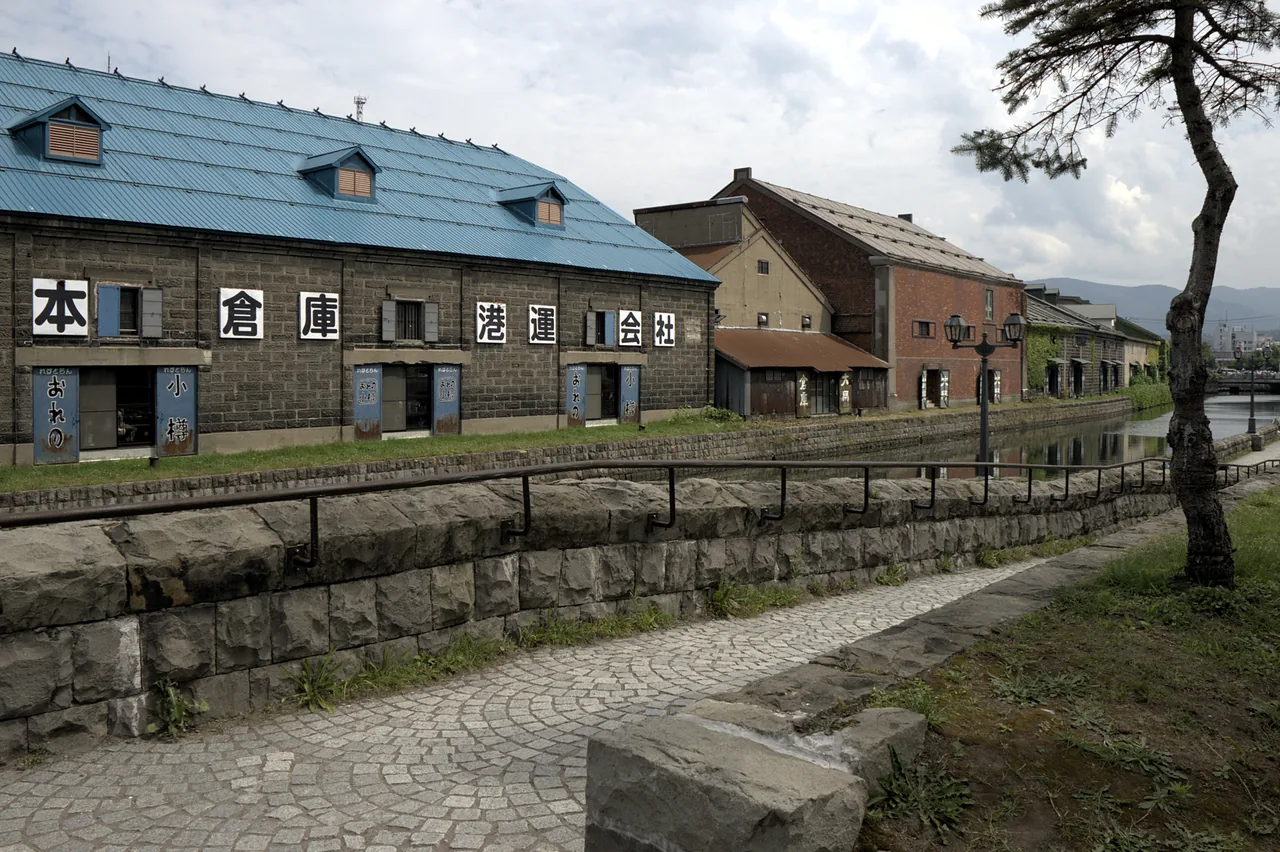
That walkway is where you’ll spend your time, with the stone warehouses across the water and gas lamps along the path. The North Canal was left at its full width, so it gives a better idea of how wide the canal was when barges worked on it.
Gas lamps, lights and the walk from the station
From Otaru Station, walk straight down Chuo-dori for 8 to 10 minutes and you reach the canal near Asakusa BridgeMap. From Minami-Otaru Station it’s about 20 minutes on foot. Beside the bridge, the Otaru Canal Tourist Information Center, inside Otaru Art Base’s Ukiyo-e Museum, is open 9:00 to 18:00 every day and has coin lockers.
The gas lamps along the walkway are lit from sunset until midnight, every night of the year. The warehouses across the water are lit from sunset until 22:30, and their lighting was recently changed to LED, with more lights than before. An evening walk along Otaru CanalMap is one of the best reasons to stay the night.
Near the canal, the Former Otaru Warehouse, built in 1893, is easy to pick out by its tiled roof topped with shachihoko, the fish-shaped ornaments you also see on Japanese castles. It now holds the city museum’s Canal Hall and the Unga Plaza.
The gas lamps stay on until midnight, but the warehouse lights go off at 22:30. For photos with both lit, come before then.
Canal cruises
The Otaru Canal Cruise leaves from Chuo BridgeMap and takes about 40 minutes. The boat runs along the canal, out into the port, around the North Canal and back to Chuo Bridge, with the captain giving a commentary in Japanese. Boats leave every 30 minutes. Any boat that leaves after sunset counts as a night cruise, so the time the night fare starts moves through the year with the sunset. In December night cruises start from 16:00.
You don’t have to book. For weekends, public holidays and night cruises it’s a good idea to book ahead on the cruise company’s website, where e-tickets are sold up to an hour before departure. Be at the boarding point 15 minutes before your boat leaves. Boats don’t sail in strong wind, heavy snow or high tides, and during the Snow Light Path the route skips the stretch between Asakusa Bridge and Chuo Bridge.
| Day cruise | Night cruise | |
|---|---|---|
| Leaves | Before sunset | After sunset (from 16:00 in December) |
| Fare, junior high school age and over | 1,800 yen | 2,000 yen |
| Fare, elementary school children | 500 yen | 500 yen |
| Boarding point | Chuo Bridge | Chuo Bridge |
| Duration | About 40 minutes, every 30 minutes | About 40 minutes, every 30 minutes |
| In winter | Runs, with covers over the boat and heated seats. No sailings on 31 December and 1 January | Runs, with covers and heated seats |
3. Sakaimachi Street: glass, oil lamps and sweets in old warehouses
From shoreline to shopping street
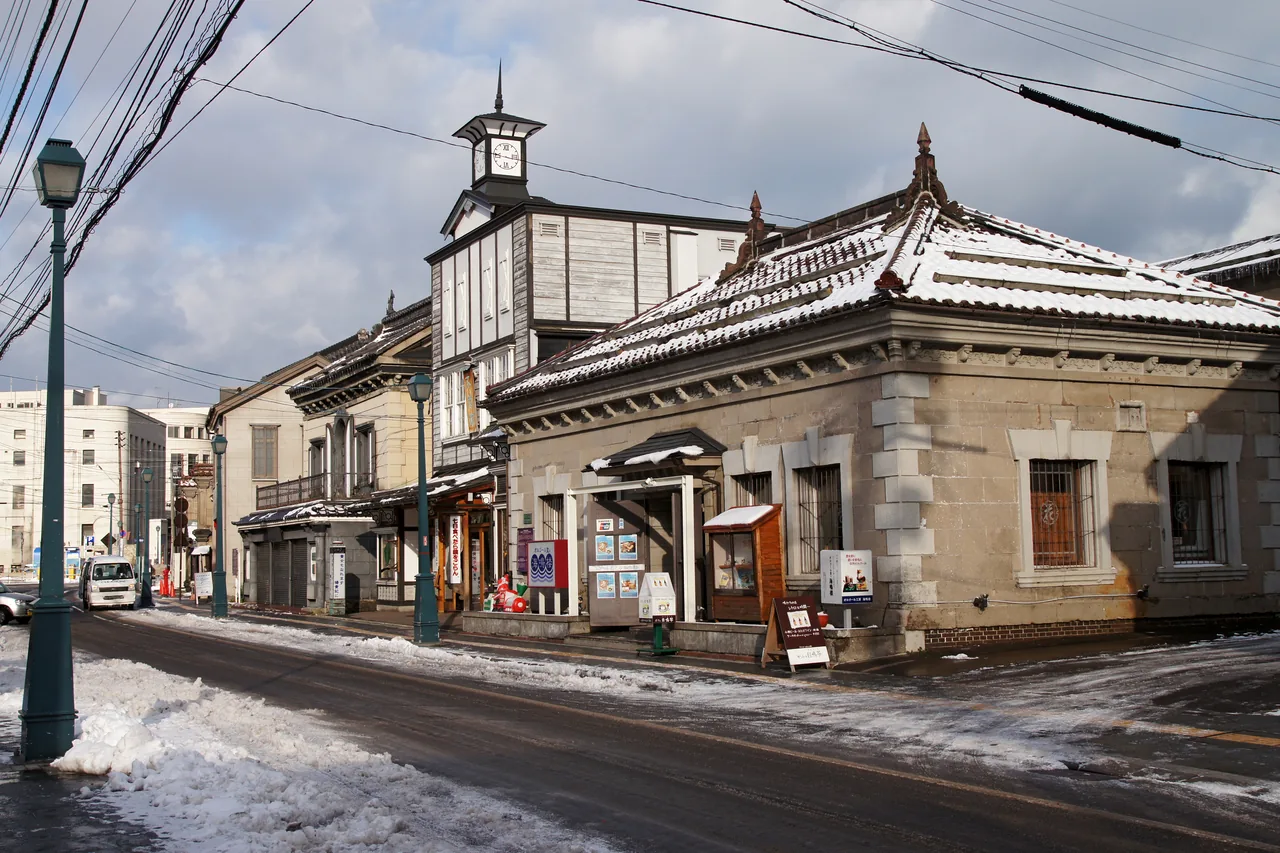
Sakaimachi StreetMap is five minutes’ walk from the canal, halfway between Otaru and Minami-Otaru stations. Together with Irinai Odori, the street it runs into, it stretches for about 1.3 km, with over a hundred shops. The land under it was reclaimed in 1889, and back then the sea came right up to the front of the street. Marchen Crossing, at the Minami-Otaru end, also stood on the old shoreline.
The shops came much later. In 1983 Kitaichi Glass turned an old warehouse into a shop and restaurant. It did well, and other businesses followed it into the old warehouses along the canal and on Sakaimachi. That’s why so many of the glass, music box and sweet shops here are in stone buildings that once stored goods for the port. There’s more on the shopping street’s history page.
Kitaichi Glass and Kitaichi Hall
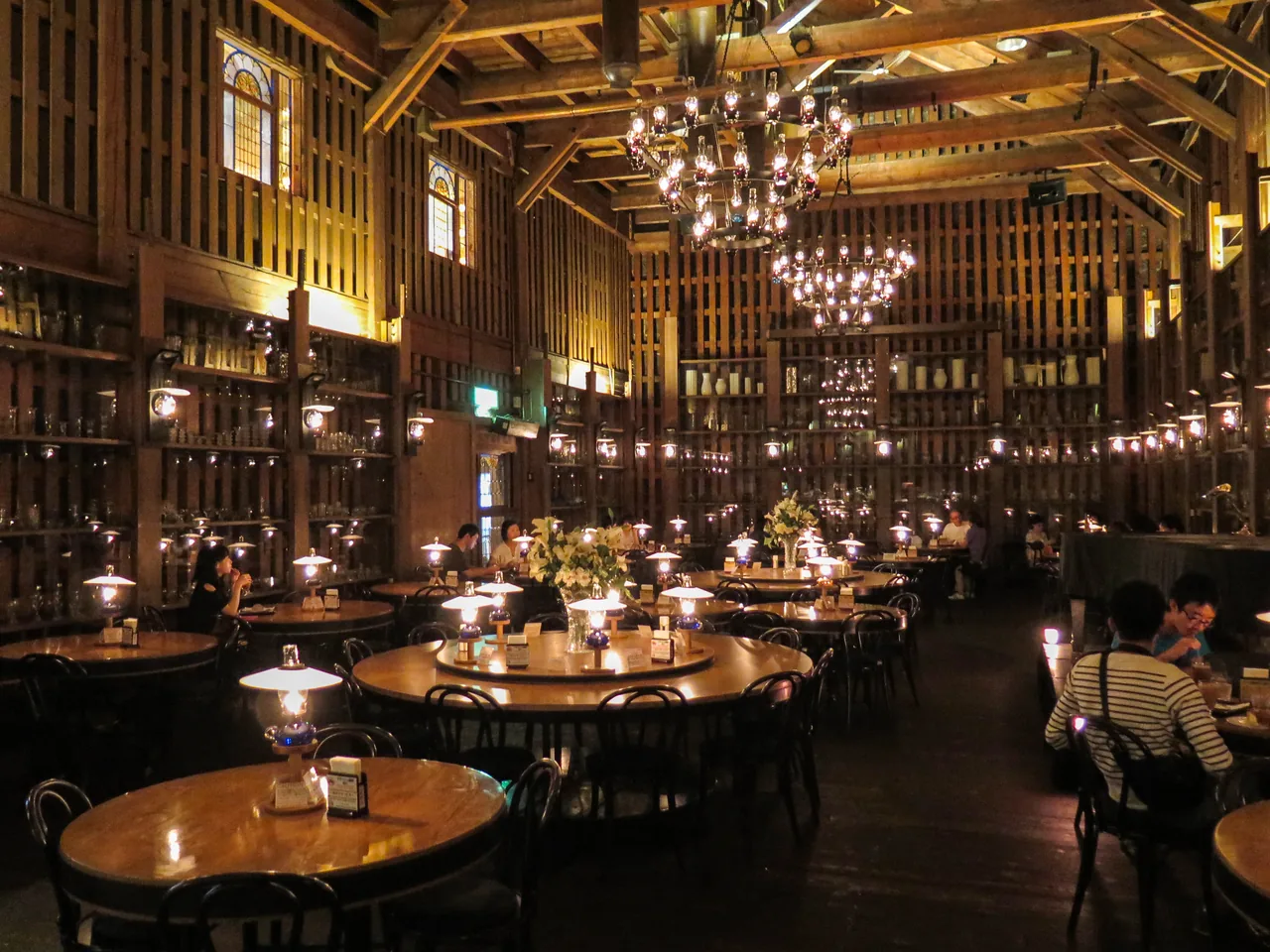
Kitaichi Glass began in 1901 as Asahara Glass, set up by Asahara Hisakichi, who came from Kyushu and started out making oil lamps. From 1910 the company also made glass floats for fishing. Its shops are all on Sakaimachi Street. Kitaichi Glass No. 3Map (Sakaimachi 7-26) is in a warehouse built in 1891 to store processed seafood, with a timber frame and walls of Otaru soft stone.
Inside No. 3 is Kitaichi Hall, a café lit by 167 oil lamps. When it opens at 9:00, the staff light the lamps one at a time, which takes until about 9:30, and visitors can watch from a viewing spot, first come, first served. It stays open until 17:30 (last orders 17:00). Seats can’t be reserved, so if you want to see the lighting, be there at opening. Hours are on Kitaichi Glass’s page on the hall.
Kitaichi also runs the Kitaichi Venetian Art Museum at Sakaimachi 5-27. It’s open 9:00 to 17:00, and adult entry is 700 yen.
Kitaichi Hall takes no reservations, so arriving at 9:00 is the way to see the lamps being lit. Sankaku Market by the station opens at 6:00 if you want breakfast first.
Sweets and snacks
Sakaimachi is also where you’ll find LeTAO, Kitakaro and Rokkatei. LeTAO’s main shopMap is the building with the tower at Marchen Crossing (Sakaimachi 7-16). It opened in 1998, is open 9:00 to 18:00 and has a café on the second floor. Kitakaro’s Otaru main shop and Rokkatei’s Otaru Unga shop are both at Sakaimachi 7-22 and open 10:00 to 18:00, and Rokkatei has a café as well.
The older sweet shops in town sell rice cakes and panju, small baked buns. Harbour workers used to love them, and plenty of these shops are still going. Some sell out during the morning, so if you see one, buy early rather than planning to come back.
If you’re buying glass or boxes of sweets to take home, our guide to tax-free shopping in Japan explains how tax-free purchases work for visitors.
4. Marchen Crossing, the Steam Clock and the Otaru Music Box Museum
The Steam Clock
Marchen CrossingMap is a seven-way intersection at the end of the Sakaimachi shopping street. LeTAO’s tower stands on one corner and the red-brick Otaru Music Box Museum on another, so it’s hard to miss.
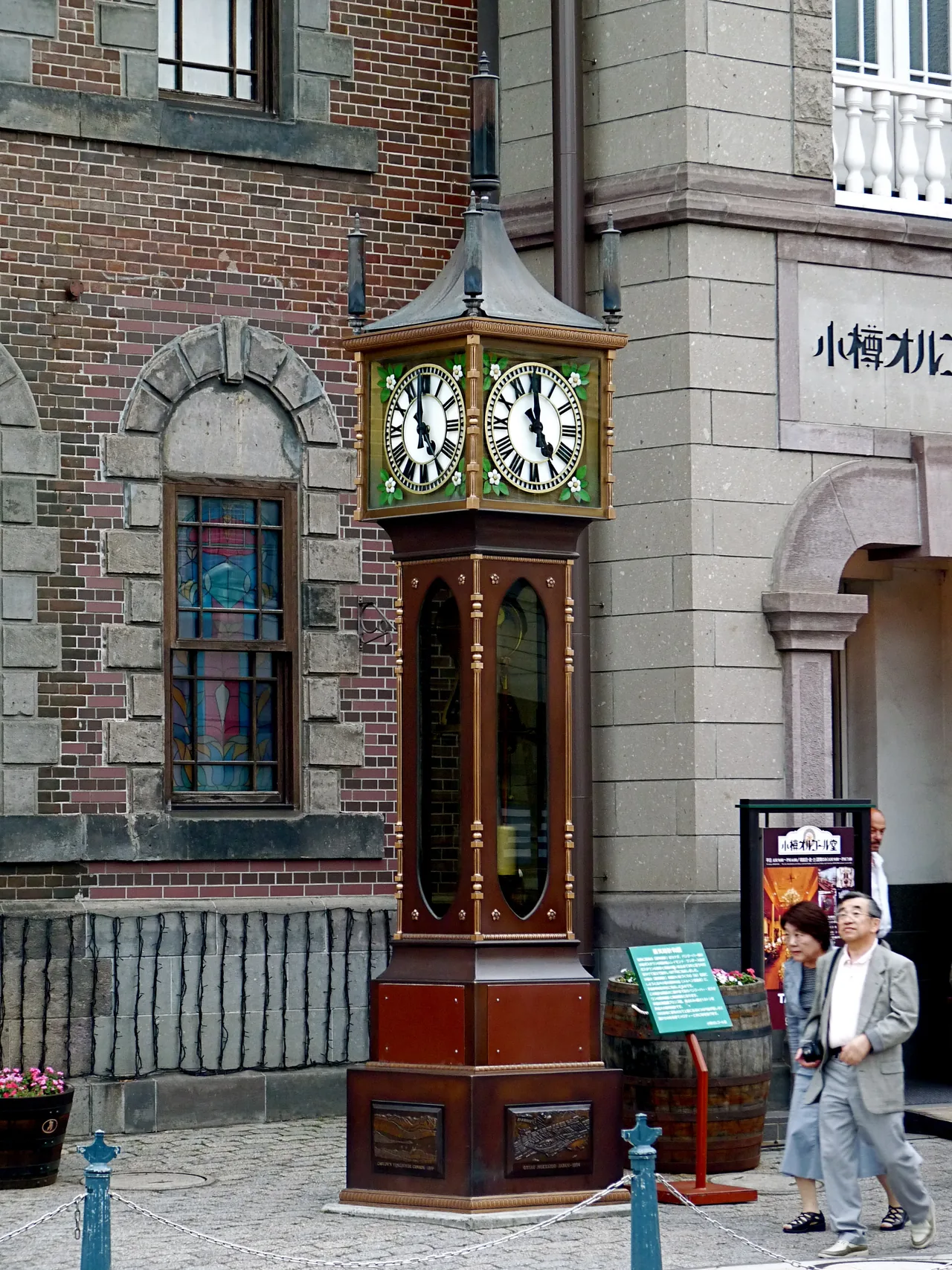
In front of the Music Box Museum is the Steam Clock, put up in 1994. It stands 5.5 m tall, weighs 1.5 tonnes, and every 15 minutes it lets off steam and sounds its five whistles. It was made by Raymond Saunders, who built the steam clock in Gastown in Vancouver, Canada. Otaru’s was his second, so the two are sister clocks, and the Music Box Museum describes it as the largest in the world. There’s more on the museum’s steam clock page.
Inside the Otaru Music Box Museum
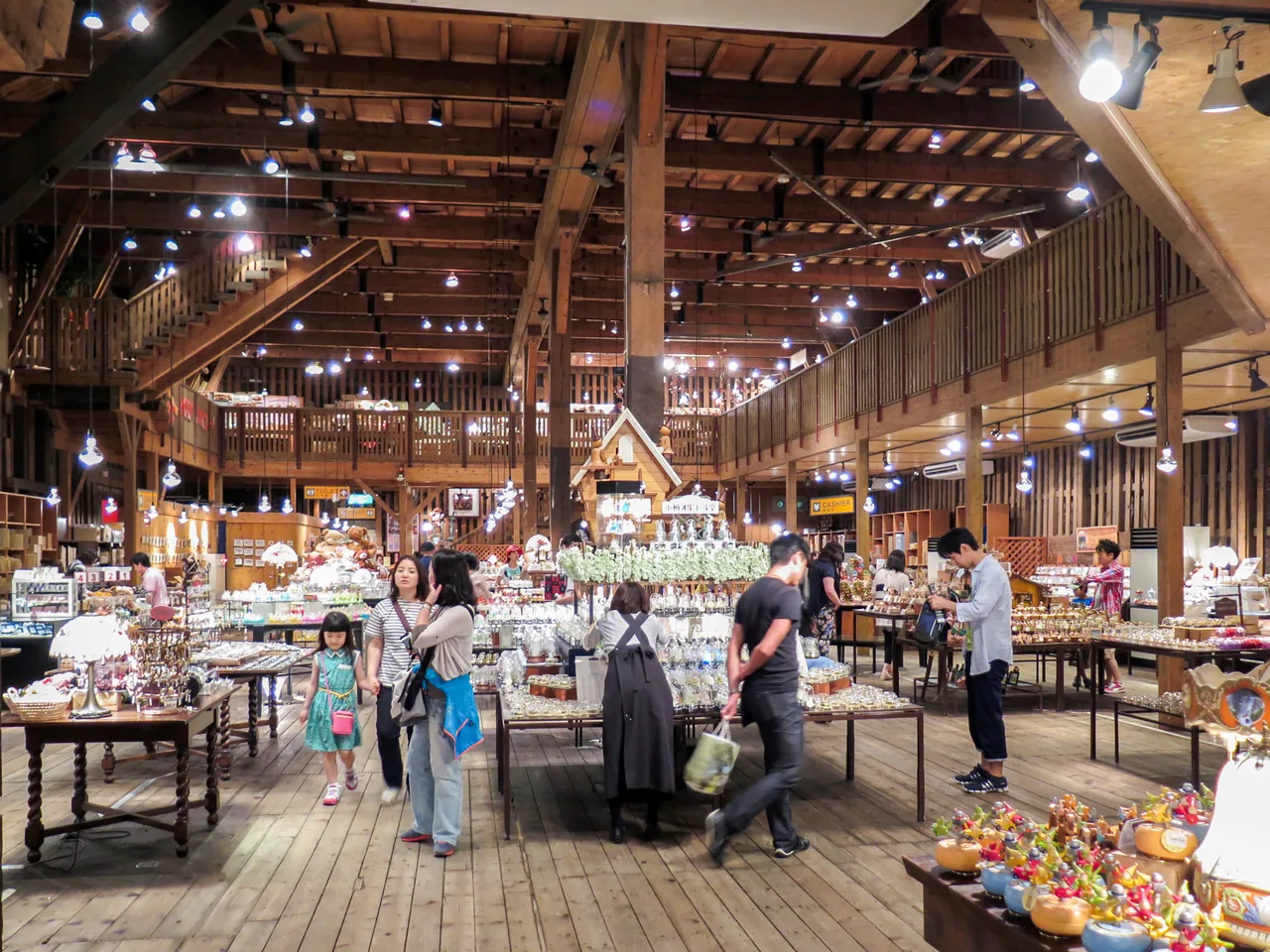
The Otaru Music Box Museum main buildingMap (Sumiyoshi-cho 4-1) was built in 1915 as the head office of a rice wholesaler. It’s made of brick, which is rare in a town where the old buildings are mostly stone, and the centre is an open hall about 9 m high. Despite the name, it’s a shop, with thousands of different music boxes on sale over three floors.
The main building is open 9:00 to 18:00 every day, although the second and third floors close at 17:45. There’s no car park, so come on foot or by train. The museum’s floor guide shows what’s on each floor.
Building No. 2, the Antique Museum (Sakaimachi 6-13), has a British pipe organ made in 1908 with about 690 pipes. Free demonstrations of about 15 minutes are held at 10:00, 11:00, 12:00, 14:00, 15:00 and 16:00, so if you reach Marchen Crossing just before one of those times, go there first.
Walking down from Minami-Otaru Station
Marchen Crossing is 5 to 7 minutes’ walk from Minami-Otaru Station and about 25 minutes from Otaru Station. The way down from Minami-Otaru is a long slope, and the Music Box Museum itself warns visitors that it gets slippery in winter.
The walk from Minami-Otaru Station down to Marchen Crossing is a long downhill slope that turns icy in winter. Take short steps, or ride the Yamate Line bus from Otaru Station, which stops at Marchen Crossing.
5. Irinai, the old bank street: Bank of Japan museum, Otaru Art Base and Nippon Yusen
The Wall Street of the North
From the Meiji era into the early Showa era, Irinai was Otaru’s banking district. At its peak more than twenty banks had offices here, and it became known as the Wall Street of the North. The big city banks left in the 1960s, but many of their buildings survived, and several now house museums. The area is about 10 minutes’ walk from Otaru Station, and the tourism association has a walking guide to the old banks.
Bank of Japan Otaru Museum
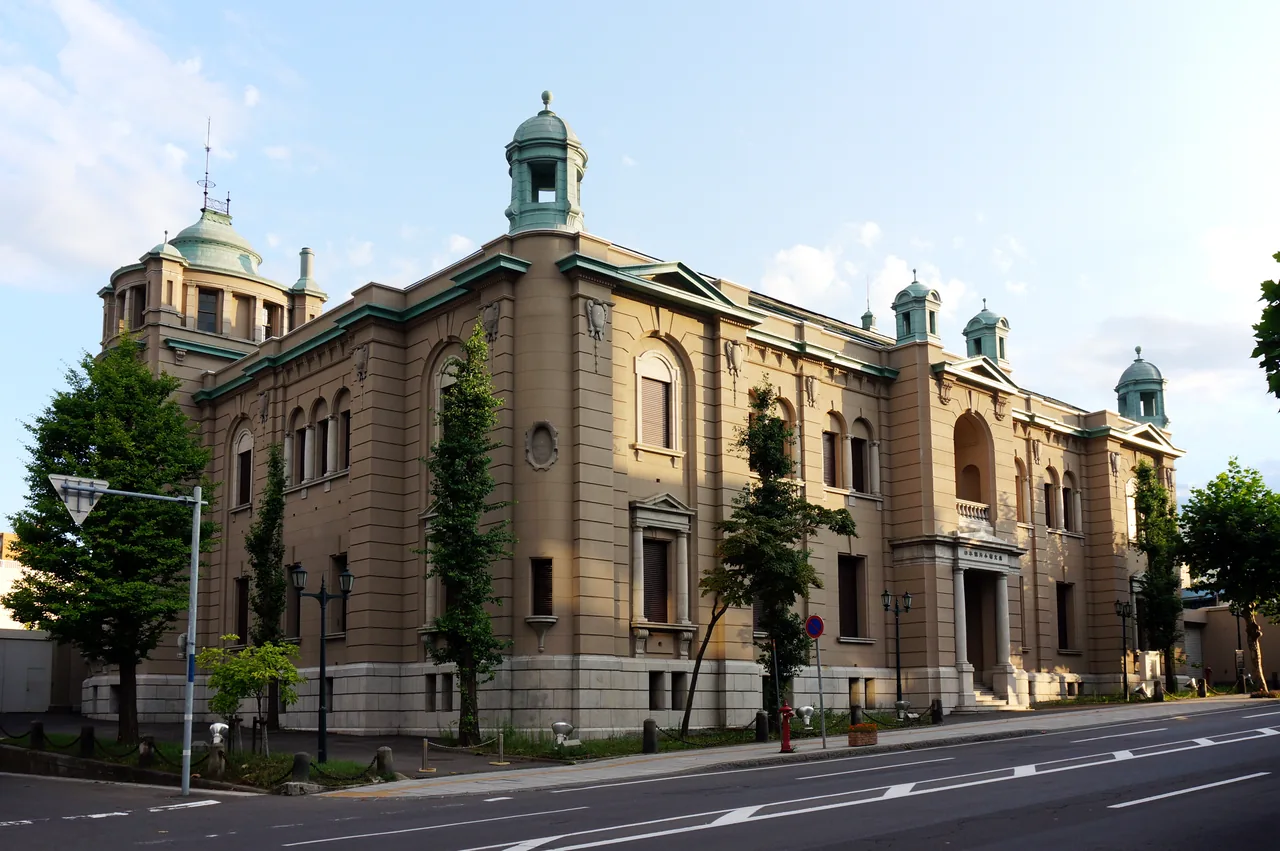
The Bank of Japan Otaru MuseumMap (Irinai 1-11-16) is the former Otaru branch of Japan’s central bank, completed in 1912. Its designers included Tatsuno Kingo, the architect of Tokyo Station, and you can pick it out by the four domes on its front. Inside, models show what the street looked like when it was lined with banks.
Entry is free. From April to November it’s open 9:30 to 17:00, and from December to March 10:00 to 17:00, with last entry at 16:30. It’s closed on Wednesdays (it opens if the Wednesday is a public holiday) and from 29 December to 5 January. There’s no parking. Check the museum’s website before you go.
Otaru Art Base
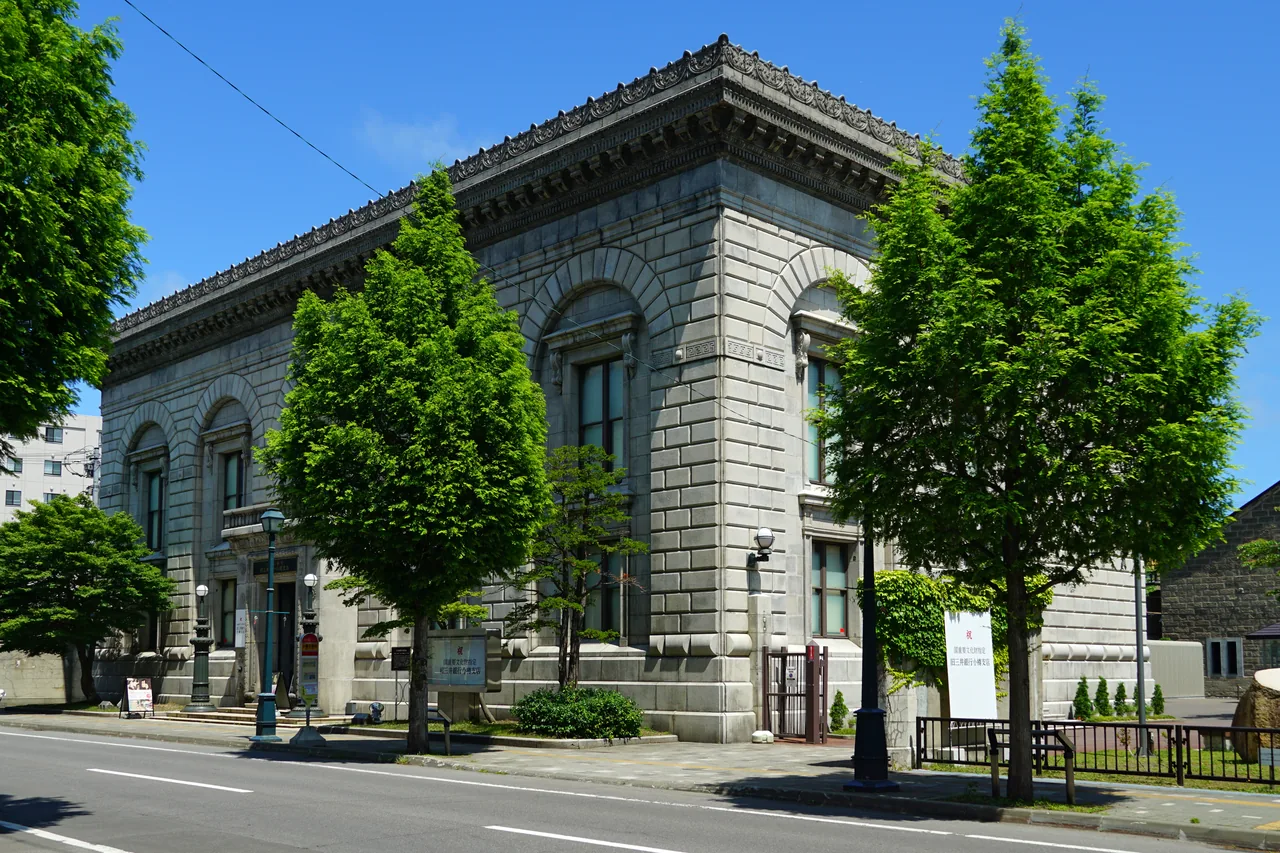
Otaru Art BaseMap is a group of five museums run by the Nitori foundation in old bank and warehouse buildings. The Former Mitsui Bank Otaru Branch, built in 1927, is an Important Cultural Property. It was the last of the big city banks in Otaru and stayed open for business until 2002. The Nitori Museum of Art is in the Hokkaido Takushoku Bank’s old Otaru branch from 1923, where Kobayashi Takiji worked as a bank clerk. The Stained Glass Museum uses the former Takahashi Warehouse from 1923 and the former Arata Shokai trading house from 1935, the Museum of Western Art is in the former Naniwa Warehouse from 1925, and the newest, the Ukiyo-e Museum, is next to Asakusa Bridge.
| Building | What’s inside | Ticket |
|---|---|---|
| Stained Glass Museum | Stained glass, in a former warehouse (1923) and trading house (1935) | 1,200 yen |
| Nitori Museum of Art | Art collection in the old Hokkaido Takushoku Bank branch (1923) | 1,200 yen |
| Museum of Western Art | Western art, in the former Naniwa Warehouse (1925) | 1,200 yen |
| Ukiyo-e Museum | Japanese woodblock prints. The canal tourist information center is in the same building | 1,400 yen |
| Former Mitsui Bank Otaru Branch | The 1927 bank building itself, an Important Cultural Property | 500 yen |
| All five | Combined ticket | 3,500 yen |
From May to October it’s open 9:30 to 17:00, and from November to April 10:00 to 17:00. The closing days change with the season: from May to October it closes only on the fourth Wednesday of the month, and from November to April it closes every Wednesday. Tickets and access are on the Otaru Art Base website.
The Bank of Japan Otaru Museum closes every Wednesday, and from November to April so does Otaru Art Base. In those months, don’t plan Irinai for a Wednesday.
Former Nippon Yusen, Denuki Koji and the sake shop
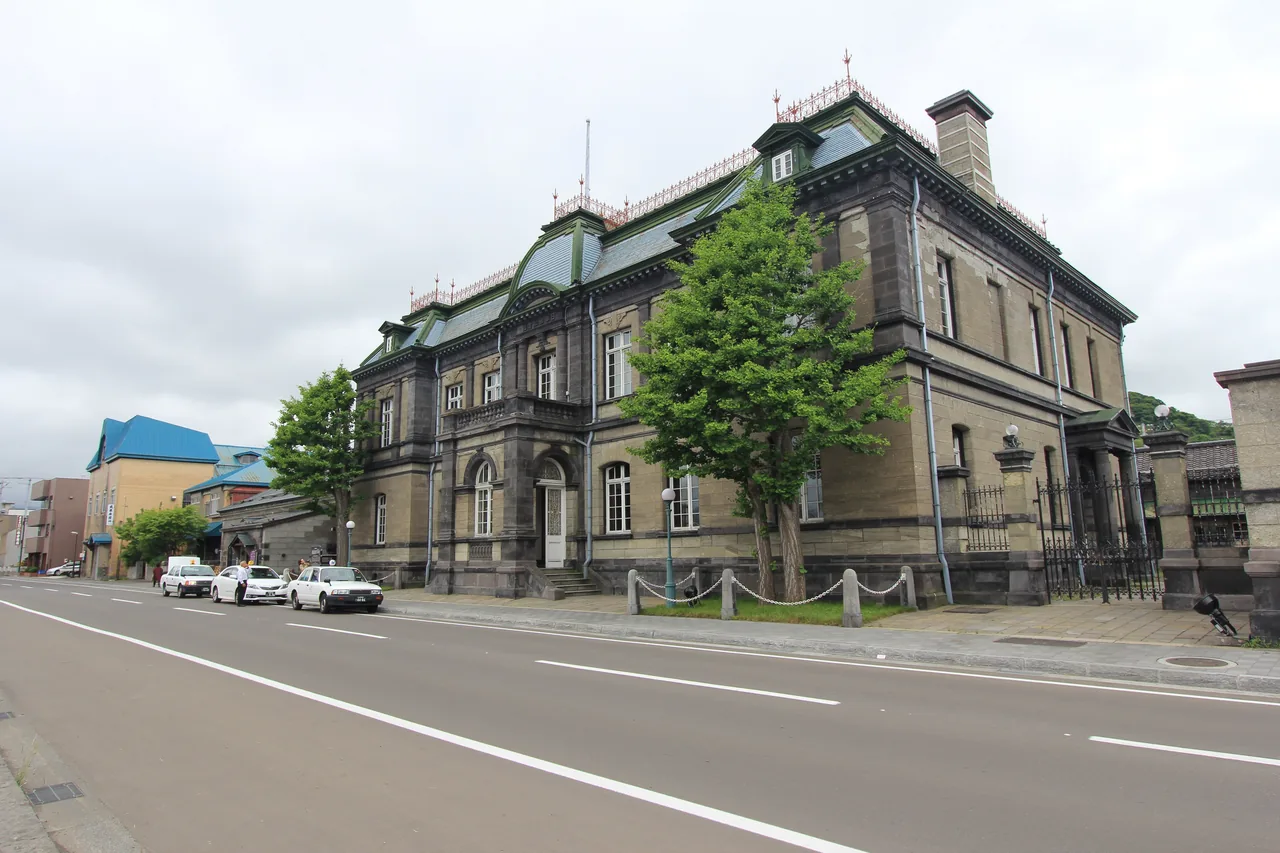
The Former Nippon Yusen Otaru BranchMap (Irinai 3-7-8) is a two-storey stone office built in 1906 for the shipping company Nippon Yusen, and it’s an Important Cultural Property. Look for the kinkarakawakami wallpaper, embossed paper made to look like gilded leather. The building has reopened after several years of conservation work. It’s open 9:30 to 17:00, closed on Tuesdays and from 29 December to 3 January, and entry is 300 yen for adults and free for junior high school students and younger. Details are on the official site.
For food or a drink nearby, Otaru Denuki KojiMap (Irinai 1-1) is a lane of about twenty small eateries, 10 minutes’ walk from the station. Its lookout tower is modelled on an old watchtower, and from the top you can see the canal and the sea.
Tanaka Sake Brewery has its main shop on this street too, in a wooden building from 1927 at Irinai 3-2-5. It’s open every day from 9:05 to 17:55, and you can taste 10 to 15 different sakes. The brewery itself, Kikkogura, is near Minami-Otaru and is covered in the section on drinks below.
6. Love Letter filming locations in Otaru
What the film is and why people come
Love Letter is a 1995 Japanese film directed by Iwai Shunji. It’s a quiet love story built around letters, set in snowy Otaru and in Kobe, and two of its main characters share the same name, Itsuki. When it opened in Korea in 1999 it was a big hit, and the line “O-genki desu ka?” (How are you?) became a catchphrase there. In Taiwan and Hong Kong the film is known as 情書, and a 4K version has been shown again in Taiwan.
That’s why so many visitors from Korea and Taiwan come looking for the filming locations. Of all the overseas visitors who stay the night in Otaru, the most come from Taiwan and Korea. If you haven’t seen the film, you can skip this section, but several of the locations are places you’d visit anyway.
The locations and what you can see now
The Otaru Film Commission publishes an official list of locations on its Love Letter map. The table covers the easiest ones to visit and whether you can go inside.
| Place | Scene in the film | Can you go in now? |
|---|---|---|
| Former Nippon Yusen Otaru Branch | The library where Itsuki works | Yes. It’s open as a museum, 300 yen, closed on Tuesdays |
| Otaru City Hall | The hospital: the outside, and the waiting area on the second floor of the main building | It’s a working city office. You can look at the outside, and keep quiet if you go in |
| Irinai crossing | Hiroko, on her way back to Kobe, and Itsuki on a bicycle pass each other | It’s a public street corner. The postbox in the scene was a prop made for the film |
| Former Suhara Residence | Inside the Fujii family home in Kobe | Open from spring to mid-October, mostly on weekends and public holidays, free. Closed in winter |
| Temiya Park | The boy Itsuki cycles past and puts a paper bag over the girl Itsuki’s head, and the athletics meet | A public park |
| Asahi Observatory | Filmed as the night view of Kobe | A public lookout |
| Mt. Tengu | Listed as a Love Letter location by the Otaru tourism association | Yes, by ropeway |
The library scenes were shot at the Former Nippon Yusen Otaru Branch on the bank street, which you can now go inside. The hospital is Otaru City HallMap, where the outside and the second-floor waiting area of the main building appear in the film. It’s the city’s working office, so look quietly and keep out of the way of people there on business. At the Irinai crossing, Hiroko and Itsuki pass each other in the street. The postbox in that scene was built as a prop for the film.
The Former Suhara ResidenceMap was used for the inside of the Fujii house, which in the story is in Kobe. It opens from spring to mid-October, mainly on weekends and public holidays, entry is free, and it’s closed in winter. Temiya ParkMap is where the young Itsuki rides past on his bicycle and puts a paper bag over the other Itsuki’s head, and where the athletics meet was filmed. The Asahi Observatory stood in for the night view of Kobe.
The official list also includes the Otaru Unga Kogeikan, The Glass Studio in Otaru, Muteki no Yoin and Aozono Junior High School.
The library location closes on Tuesdays, and the Suhara residence only opens in the warmer months, mostly at weekends. Plan a Love Letter walk around those two.
The snowfield scene
The best-known scene, where “O-genki desu ka?” is shouted across a snowy field, was not filmed in Otaru. It isn’t on the official list of Otaru locations, so don’t spend time looking for it here.
7. Temiya, where Hokkaido’s first railway started
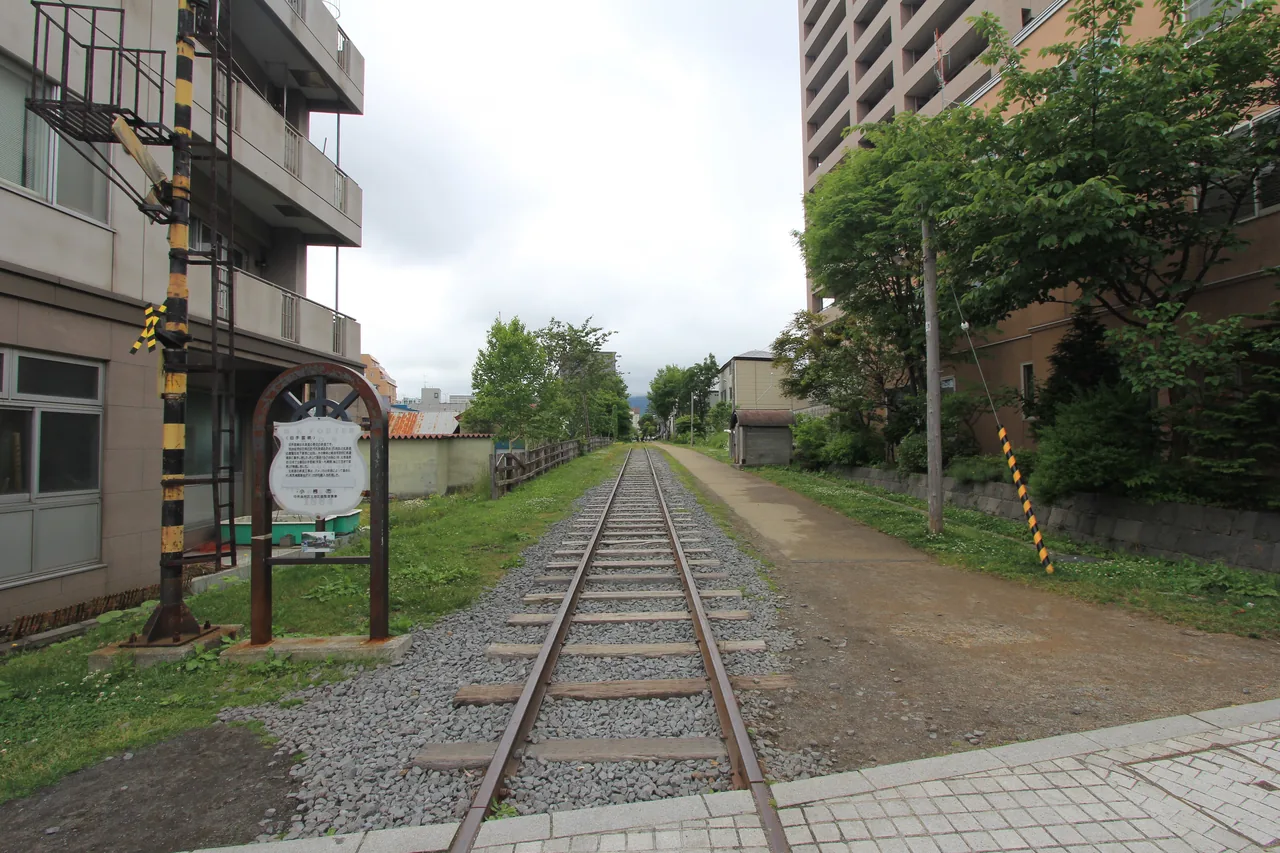
The Former Temiya Line walk
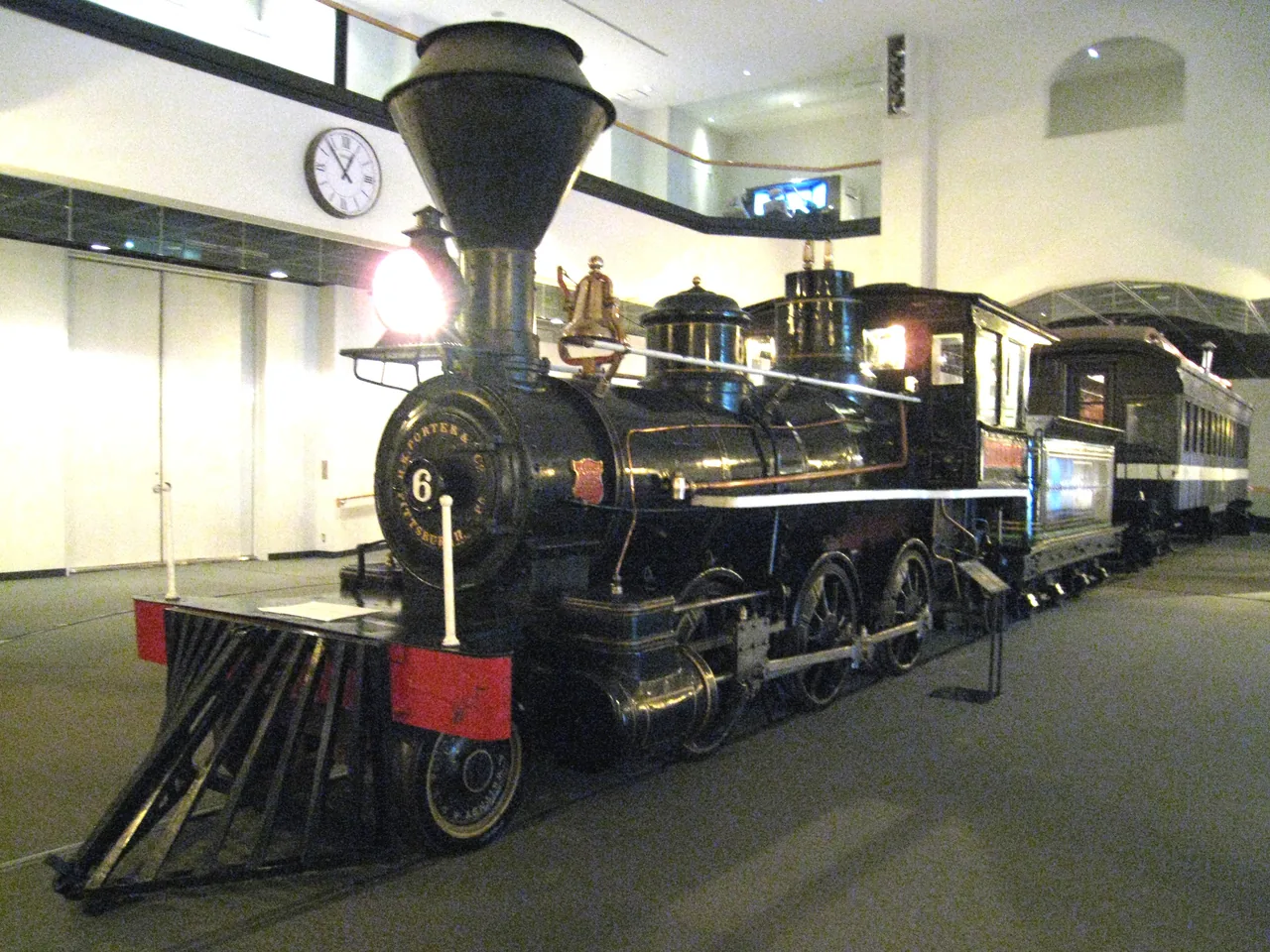
In 1880 a railway opened between Temiya in Otaru and Sapporo. It was the first railway in Hokkaido, and it was built quickly: trains were running 11 months after work began, pulled by locomotives named Yoshitsune and Benkei. The line closed in 1985, but the city left the rails where they were and turned the track into a walking path.
The Former Temiya LineMap walk is the stretch of about 500 m between Chuo-dori and Sushi Street, with benches and lights along the old track. One end is on Chuo-dori, the street you walk down from the station to the canal, so it’s easy to fit in. It’s also one of the venues of the Snow Light Path in February. There’s more on Otaru City’s page on the line.
Otaru City General Museum: main building and Canal Hall
The main building of the Otaru City General MuseumMap (Temiya 1-3-6) covers transport and railways in Hokkaido, and its collection includes old locomotives. From spring to autumn, roughly late April to mid-October, steam locomotive rides run three times a day, each session lasting about 30 minutes. In winter some of the outdoor displays can’t be seen. It’s open 9:30 to 17:00 and closed on Tuesdays. To get there, take a bus from the station bound for the aquarium (the route via Takashima, marked 10).
The Canal HallMap (Irinai 2-1-20) is in the Former Otaru Warehouse by the canal and covers Otaru’s history and natural environment. It’s open 9:30 to 17:00 and has no regular closing day.
| Building | Covers | Hours | Closed | Adult ticket |
|---|---|---|---|---|
| Main building (Temiya) | Hokkaido transport and railways | 9:30 to 17:00 | Tuesdays | 400 yen (300 yen in winter) |
| Canal Hall (Irinai) | Otaru’s history and nature | 9:30 to 17:00 | No regular closing day | 300 yen |
| Combined ticket | Main building, Canal Hall and Former Nippon Yusen, valid for 2 days | 600 yen |
If you plan to see both museum buildings and the Former Nippon Yusen, the 600 yen combined ticket covers all three and is valid for two days, which is less than paying at each door. All three close from 29 December to 3 January. Opening details are on the museum’s page.
8. Mt. Tengu Ropeway: night view, hours, the November break and skiing
The ropeway and the night view
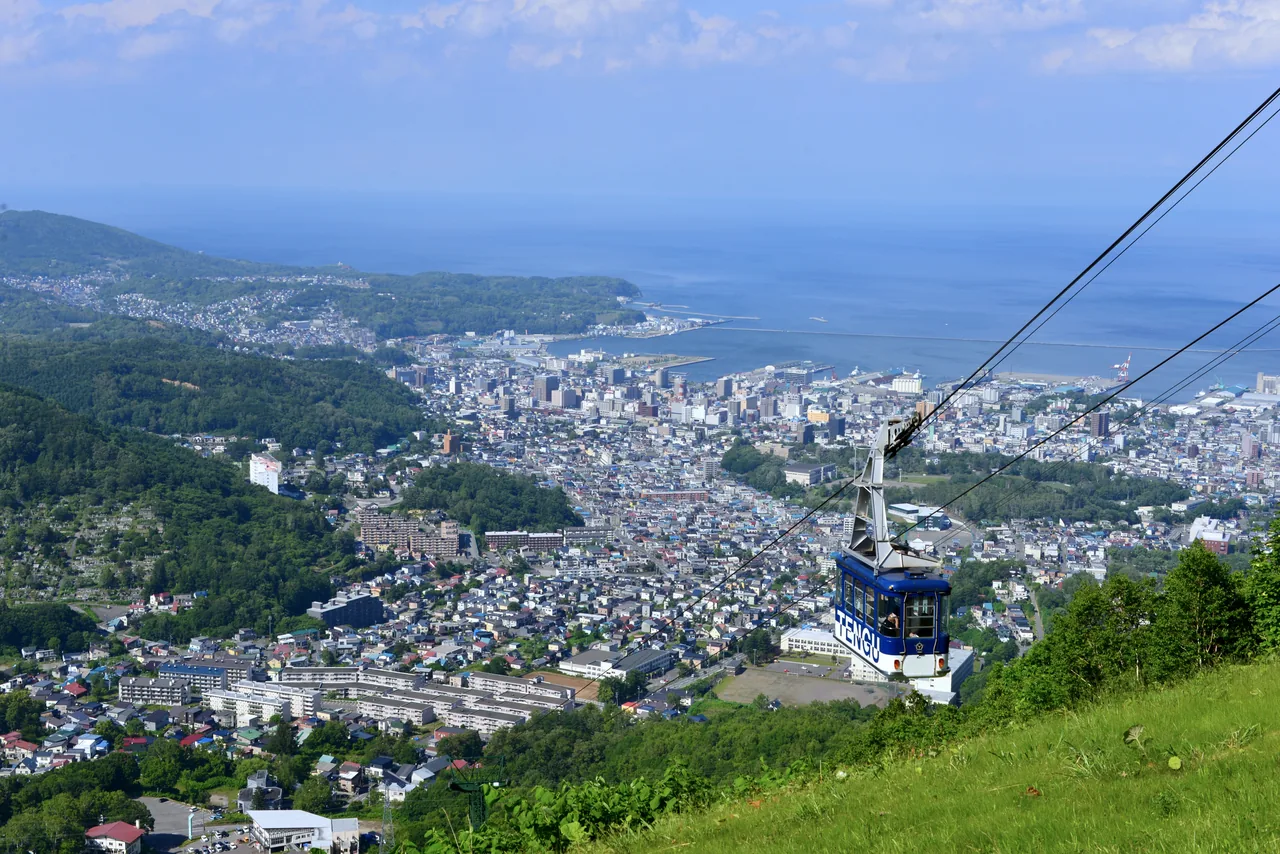
The Mt. Tengu RopewayMap takes about 5 minutes to the top, covering 735 m and climbing 271 m. The cabins hold 30 people and leave every 12 minutes. From the top you look down over Otaru and the sea. The operator lists the view as one of Hokkaido’s three great night views, and the Otaru tourism association includes the mountain among its Love Letter locations. The Snow Light Path also has a venue at the top in February.
Hours, fares and the gap in November
The ropeway runs in two seasons. The summer season runs from spring to early November, with cars going up from 9:00 until 20:48. The winter season runs from late November to late March, with the last car up at 19:48. In between, from early to late November, there’s a break of about three weeks when it doesn’t run at all.
A return ticket costs 1,800 yen in summer and 2,000 yen in winter for anyone of junior high school age and up, and in summer a one-way ride is 1,080 yen (the winter fare table lists return tickets only). One preschool child per paying adult rides free. Check the current timetable on the ropeway’s hours and fares page.
| Summer season | Winter season | |
|---|---|---|
| Dates | Spring to early November | Late November to late March |
| Cars going up | 9:00 to 20:48 | Last car up at 19:48 |
| Return, junior high school age and over | 1,800 yen | 2,000 yen |
| One way | 1,080 yen | Not listed (return only) |
| Preschool children | One free per paying adult | One free per paying adult |
| Ropeway return and aquarium set | 3,000 yen, cash only, valid 7 days | 3,000 yen, cash only, valid 7 days |
| Bus day pass and ropeway return set | 2,250 yen | 2,250 yen |
Between its two seasons the ropeway stops for about three weeks, from early to late November. Check the operator’s calendar before you plan an evening up there in autumn.
Getting there and the set tickets
From Otaru Station, take bus route 9 from stop 4 at the bus terminal in front of the station. The ride takes about 20 minutes and costs 240 yen, and buses run roughly every 30 minutes. In winter the road to the top of the mountain is closed to cars.
Two set tickets bring the price down. The Chuo Bus set sold in Otaru combines a city bus day pass with a ropeway return for 2,250 yen, which is less than the ropeway plus two single bus fares. The ropeway and aquarium set costs 3,000 yen, is cash only and is valid for 7 days. Chuo Bus has the bus and ropeway set on its set ticket page.
Skiing and summer activities
In winter Mt. Tengu is also a ski area, open from mid-December to March (weekends and public holidays only in March). A one-day lift ticket is 3,500 yen. The runs are mostly steep and ungroomed, with a beginners’ area at the foot of the mountain. For bigger resorts, see our Japan ski and snowboard guide.
From late May to mid-October the mountain also has a zipline and a squirrel park, so there’s something to do up there in the daytime as well.
9. Shukutsu, the old herring village: aquarium, Herring Mansion and Kihinkan
Herring fishing in Shukutsu
Shukutsu is a fishing district on the coast, a bus ride from Otaru Station. Herring fishing along this coast was at its peak in the late 1890s and early 1900s. Most of the herring landed here was never eaten. It was made into fertiliser and sold to farms on the main island of Honshu, including cotton fields. The herring stocks collapsed in the 1950s, but families who made fortunes from the fishery, such as the Aoyamas, left big buildings behind, and those are what you come out here to see.
Otaru Aquarium
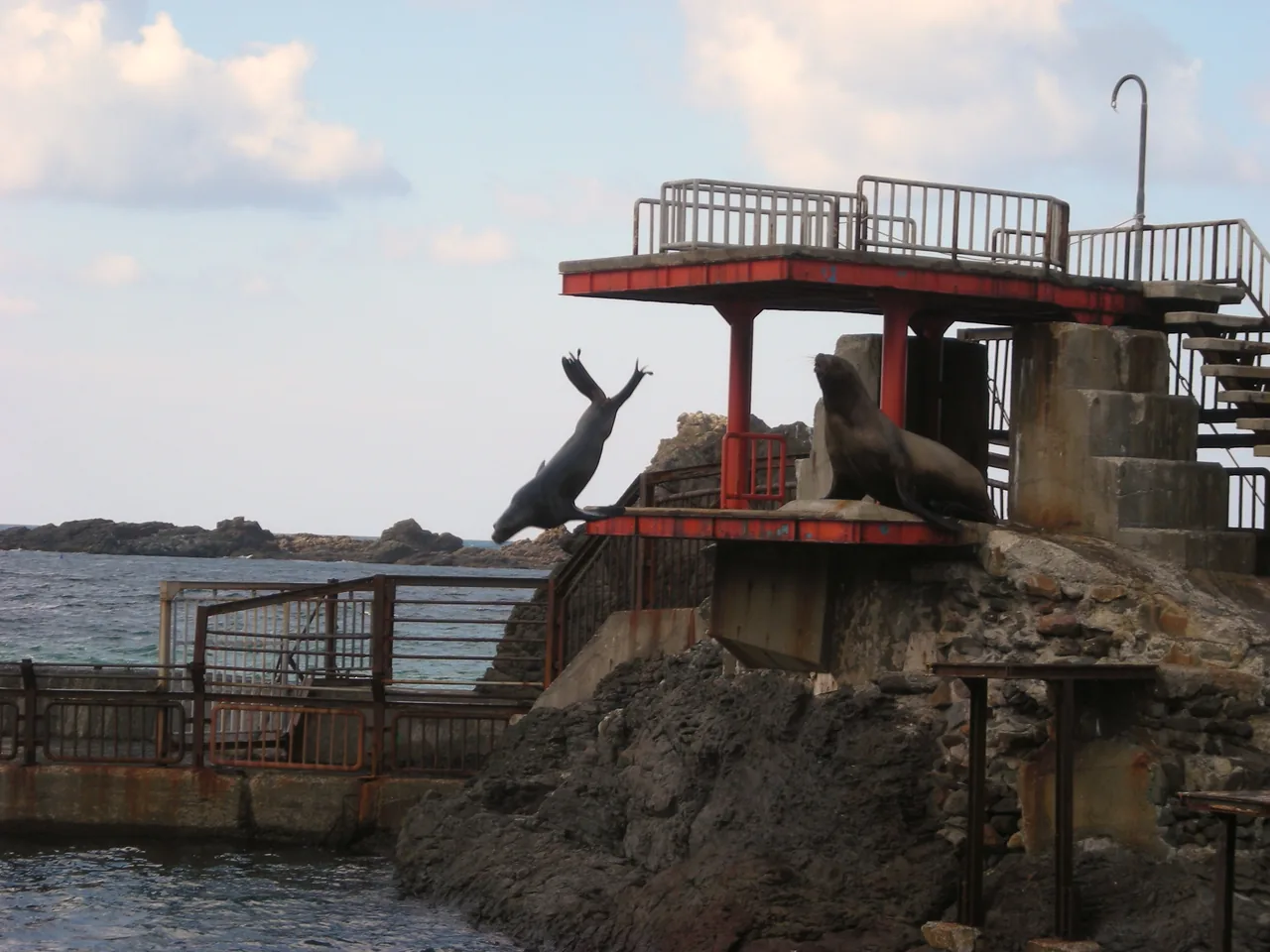
Otaru AquariumMap (Shukutsu 3-303) has its main season from mid-March to late November. It’s open 9:00 to 17:00 (until 16:00 in autumn), and adult admission, from high school age up, is 1,800 yen. In winter it opens only on set dates for a short season, and the outdoor marine mammal park and the amusement area are closed. It’s fully closed from late November to mid-December and from late February to mid-March. The winter-only event is a penguin walk in the snow.
Winter dates are announced separately, so check the aquarium’s opening times page before going out there between December and March.
Herring Mansion and Otaru Kihinkan
The Otaru Herring MansionMap (Nishin Goten, Shukutsu 3-228) is a fishery lodge built in 1897 in Tomari, a village on the Shakotan side, and moved here in 1958. More than a hundred fishermen stayed in it, and it has separate entrances for the fishermen and for the owner. It’s open only from early April to late November, 9:00 to 17:00 (16:00 in autumn), and costs 300 yen for adults. It’s closed in winter. From the aquarium bus stop at the end of the line it’s a 5-minute walk.
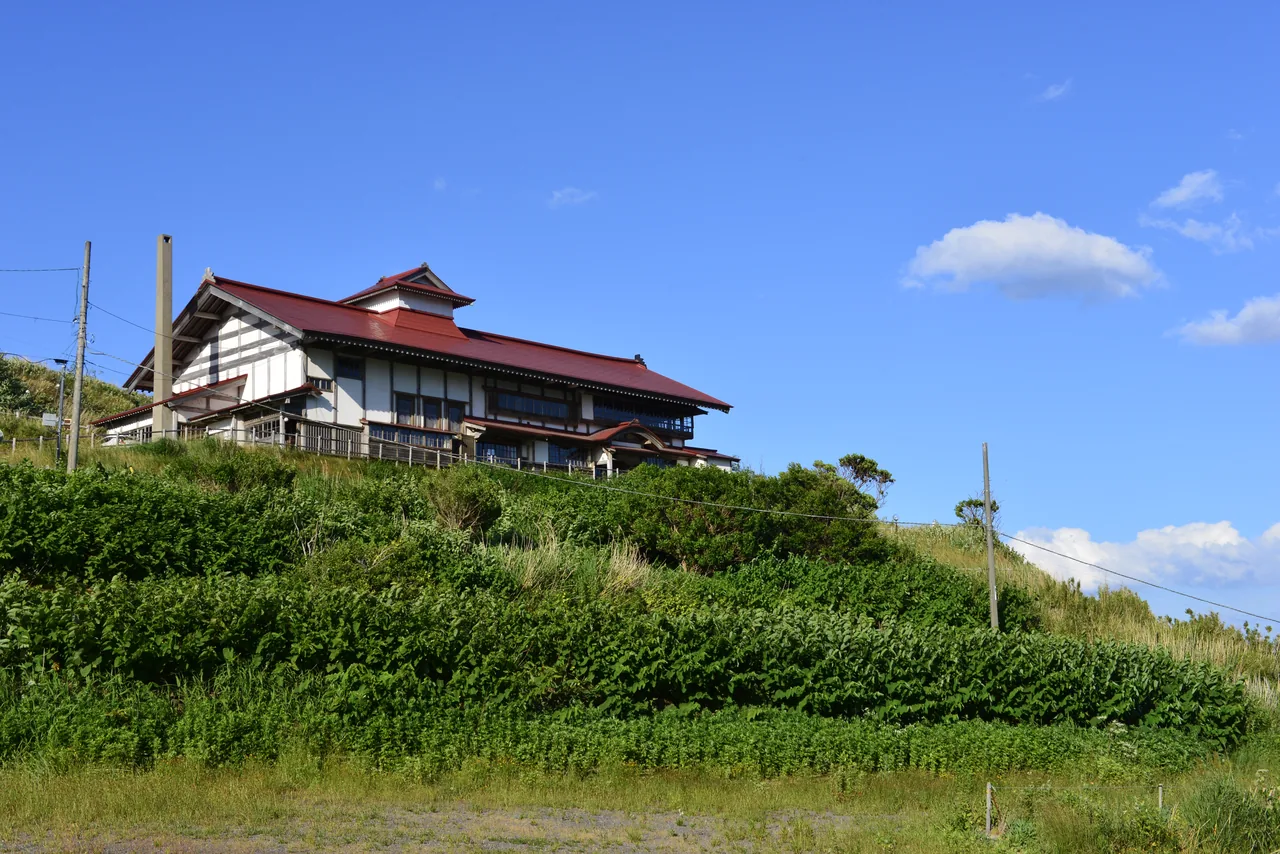
Otaru KihinkanMap, also called the Former Aoyama Villa (Shukutsu 3-63), was the villa of the Aoyama family, who made their fortune in herring. Building started in 1917 and took more than six and a half years. It has 18 rooms and is a Registered Tangible Cultural Property. Entry is 1,300 yen, cash only. It’s open 9:00 to 17:00 from April to October and 9:00 to 16:00 from November to March, and closed from 1 to 7 January. See the Kihinkan website.
| Place | Season | Hours | Adult ticket | In winter |
|---|---|---|---|---|
| Otaru Aquarium | Mid-March to late November | 9:00 to 17:00 (16:00 in autumn) | 1,800 yen | Short season on set dates. Marine mammal park closed |
| Otaru Herring Mansion | Early April to late November | 9:00 to 17:00 (16:00 in autumn) | 300 yen | Closed |
| Otaru Kihinkan | All year, except 1 to 7 January | 9:00 to 17:00 (16:00 from November to March) | 1,300 yen, cash only | Open, with shorter hours |
Otaru Kihinkan takes cash only, and so does the ropeway and aquarium set ticket. Our guide to money and cards in Japan covers paying your way.
Getting to Shukutsu
Buses leave from stop 3 at the bus terminal in front of Otaru Station and take about 18 to 26 minutes to the aquarium. If you’re going to ride the bus four times or more in a day, for example Shukutsu in the morning and Mt. Tengu in the evening, the 800 yen day pass works out cheaper than paying 240 yen each time.
From spring to autumn, sightseeing boats also run between Otaru Port and Shukutsu Port, so you can go one way by sea and come back by bus.
10. What to eat in Otaru: sushi, markets and fried half chicken
Otaru Sushi Street
In 1987 the stretch of about 200 m running from National Route 5 down towards the canal was named Otaru Sushi StreetMap. At that time the town had well over a hundred sushi restaurants. The street is the obvious place to start if you want sushi, and the street association’s site lists its member restaurants. Opening hours and closing days vary from one restaurant to the next, so check the one you want before you go.
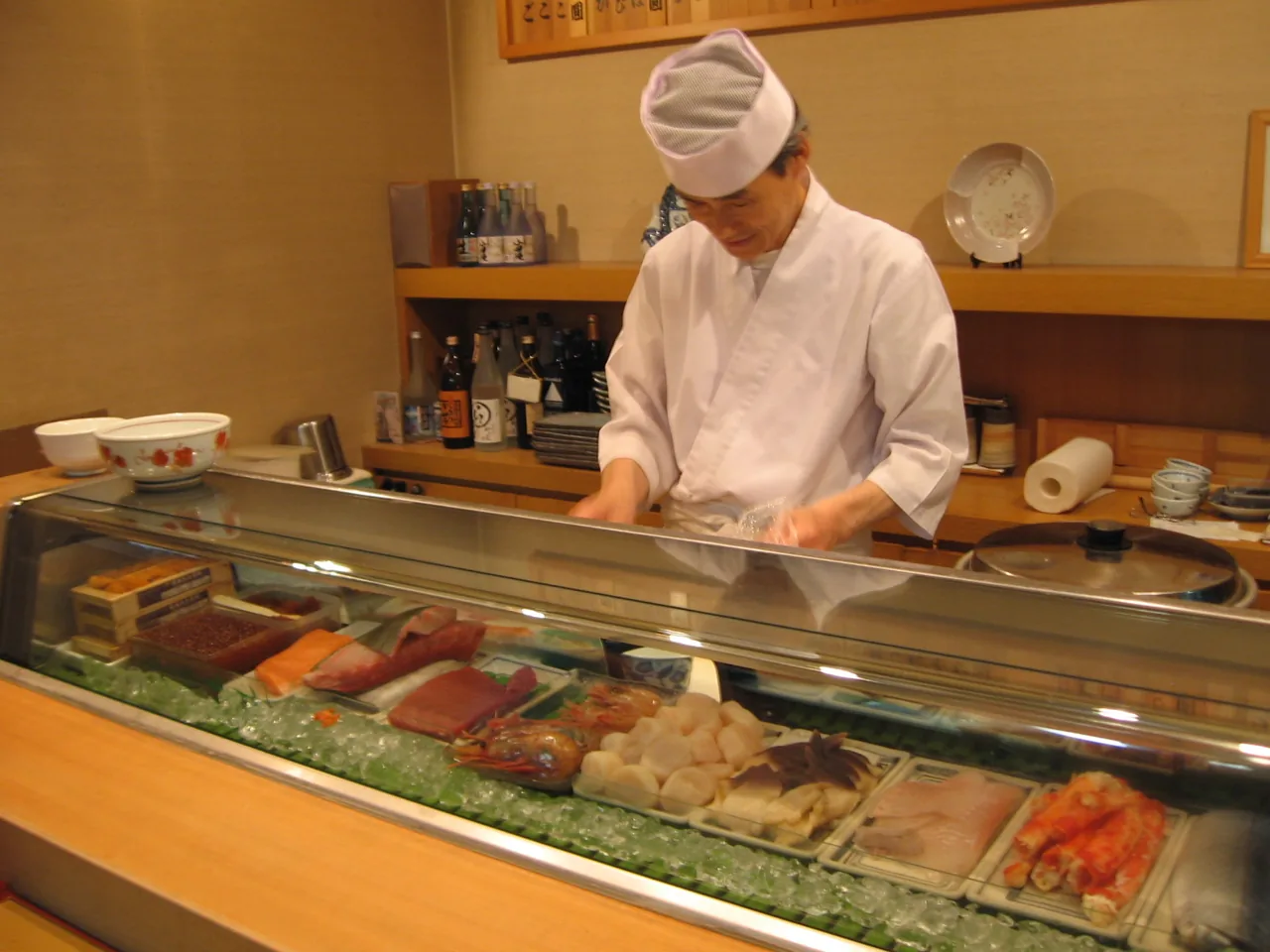
Sankaku Market and Nantaru Market
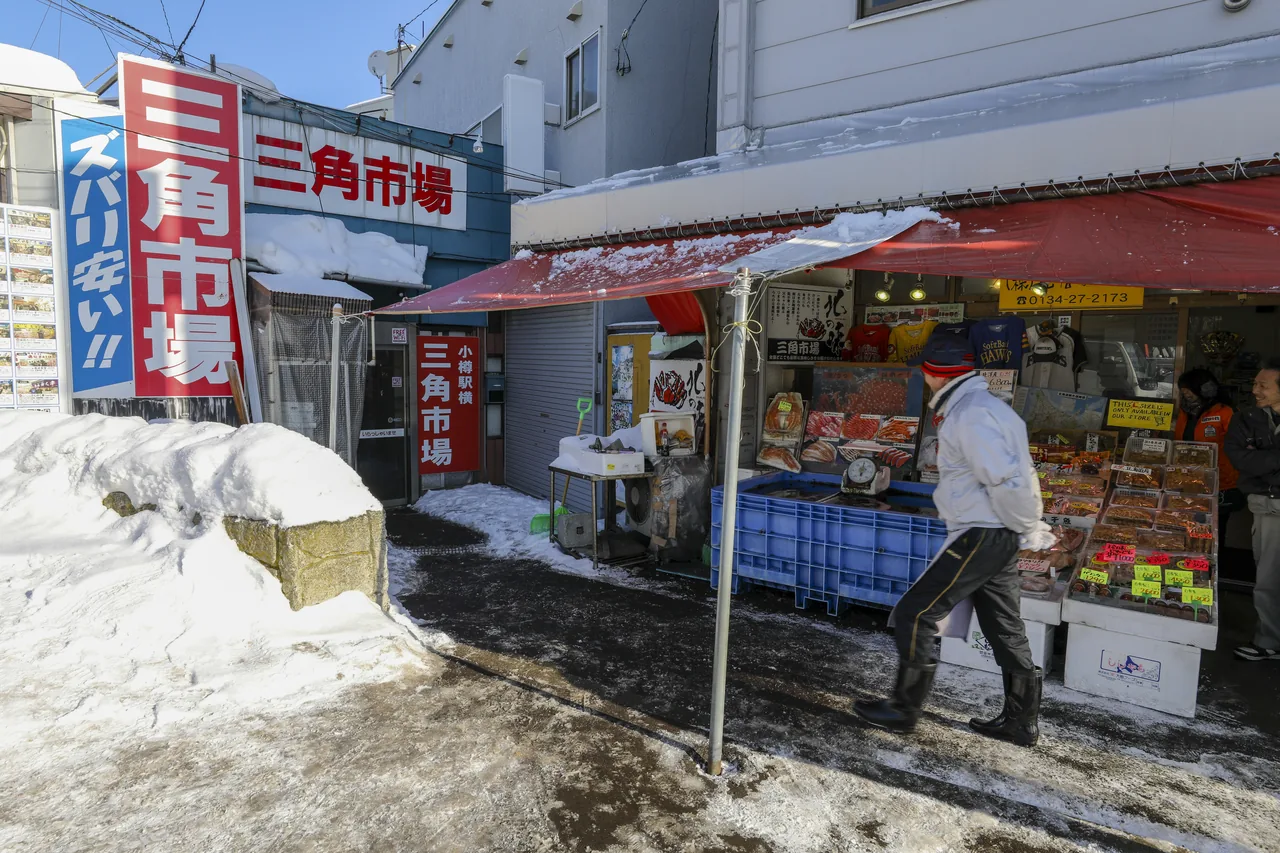
Sankaku MarketMap (Inaho 3-10-16) is right next to Otaru Station. It’s a single sloping passage about 2 m wide, with shops on both sides and a handful of small restaurants. The name means “triangle market”, after the triangular shape of the plot and its roof. The market is open 6:00 to 17:00, and the restaurants open from 7:00, each with its own hours. It’s the only market in town that opens every day, which makes it the easy choice for breakfast before you head down the hill.
Nantaru MarketMap (Shintomi-cho 12-1) is 5 minutes’ walk from Minami-Otaru Station. It’s open Monday to Saturday, 9:00 to 18:00, and closed on Sundays. Some shops close early once they’ve sold out, so go in the first half of the day. Hours are on the market’s website.
Fried half chicken at Naruto
For something other than seafood, the main restaurant of Wakadori Jidai NarutoMap (Inaho 3-16-13) is 7 to 8 minutes’ walk from the station. Its signature dish is the half chicken: half a young chicken, deep-fried in one piece. It’s open 11:00 to 21:00 and is a big place, with 270 seats.
| Place | What to eat | Hours | Where |
|---|---|---|---|
| Sankaku Market | Market shops and small restaurants | Market 6:00 to 17:00, restaurants from 7:00. Open every day | Next to Otaru Station |
| Otaru Sushi Street | Sushi | Varies by restaurant | From Route 5 down towards the canal |
| Nantaru Market | Market shops | Monday to Saturday 9:00 to 18:00. Closed Sundays | 5 minutes from Minami-Otaru Station |
| Wakadori Jidai Naruto (main restaurant) | Fried half chicken | 11:00 to 21:00 | 7 to 8 minutes from Otaru Station |
| LeTAO, Kitakaro, Rokkatei | Cakes and sweets, with cafés | LeTAO 9:00 to 18:00, the other two 10:00 to 18:00 | Sakaimachi Street |
For dessert, the sweet shops on Sakaimachi Street and the older rice cake and panju shops are covered in the Sakaimachi section above.
11. Sake, beer and the Nikka Whisky distillery at Yoichi
Tanaka Sake Brewery Kikkogura
Tanaka Sake Brewery was founded in 1899, and its main label is Takaragawa. It uses Hokkaido rice and underground water from Mt. Tengu, and it brews all year round. Its brewery, KikkoguraMap (Shinko-cho 2-2), is in a stone warehouse from around 1905, about 5 minutes’ walk from Minami-Otaru Station.
The brewery tour is free and runs every day of the year, 9:05 to 17:30. You walk through at your own pace, which takes 10 to 15 minutes, and there’s a free tasting at the end. On some days and at some hours there’s no brewing going on to watch. Drivers and anyone under 20 can’t join the tasting. Details are on Tanaka Sake Brewery’s brewery page.
Otaru Beer
Otaru Beer’s Otaru Warehouse No. 1Map (Minatomachi 5-4) is a beer hall in an old warehouse beside the canal, open 11:00 to 22:00. You can look around the brewing equipment for free, and you don’t need to book.
Nikka Whisky Yoichi Distillery
The Nikka Whisky Yoichi DistilleryMap (Kurokawa-cho 7-6, Yoichi) is Nikka’s first distillery, founded in 1934 by Taketsuru Masataka. It’s in the next town, Yoichi, about 25 minutes from Otaru by JR local train (470 yen), and the gate is a 5-minute walk from Yoichi Station.
The guided tour, which includes a tasting, is free, but you must book it in advance. Bookings open four weeks ahead, and on the day itself any spare places are handled by phone only. The guides speak Japanese only. If you don’t understand Japanese, you’ll still see the production area with the group, but you won’t follow the explanations. Without a booking you can visit the museum, the shop and the restaurant, but not the production area. For walk-in visitors, last entry is 15:30 and the site closes at 16:15. There’s also a paid tasting bar. Book and check dates on Nikka’s Yoichi visit page.
| Nikka Yoichi | Details |
|---|---|
| Guided tour | Free, with a tasting. Booking required, from 4 weeks ahead. Same-day places by phone only |
| Tour language | Japanese only |
| Without a booking | Museum, shop and restaurant only, no production area. Paid tasting bar |
| Last entry and closing | 15:30 last entry, closes at 16:15 |
| Closed | 23 December to 7 January, and 11 June |
| Tasting | Not for drivers or anyone under 20 |
| Getting there | JR local train from Otaru, about 25 minutes, 470 yen, then 5 minutes on foot. Daytime trains every 1 to 1.5 hours |
| Coaches | No parking for chartered buses, and no shuttle |
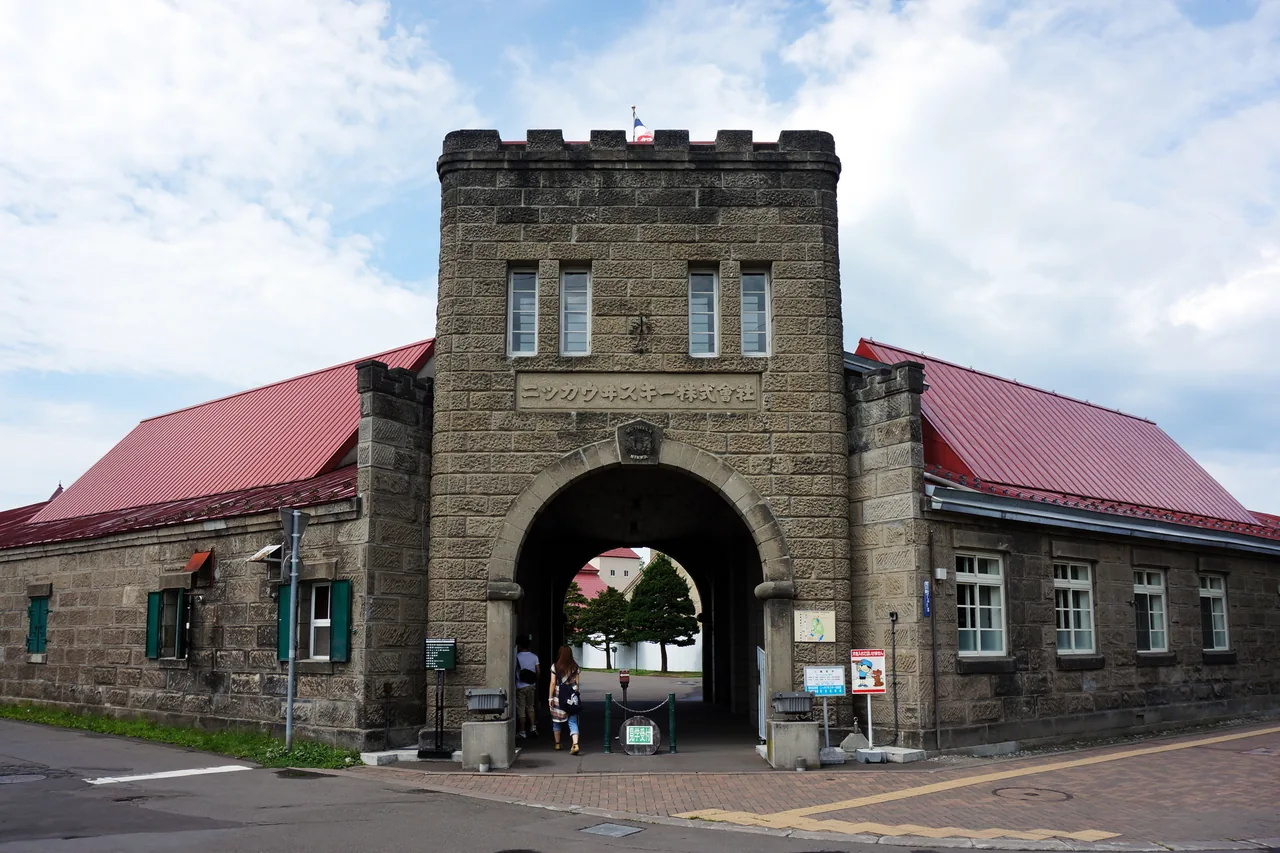
In the daytime there’s a train only every hour to hour and a half, and Nikka itself warns that services are infrequent. Look up your train back to Otaru before you set off.
Adding Shakotan and Cape Kamui
Past Yoichi, the Shakotan Peninsula and Cape Kamui are about an hour and a half from Otaru by car. In summer the area is known for sea urchin. The gate to the walking path out to the tip of Cape Kamui is closed in winter, from late November to late March.
Without a car, the easiest way to see Yoichi and Shakotan in one day is a bus tour from Sapporo or Otaru, and several of them combine the two. On a tour nobody in your group has to drive, so everyone can try the whisky at Nikka.
12. Otaru in winter: the Snow Light Path, cold, ice and what closes
Otaru Snow Light Path
The Otaru Snow Light Path (Yuki Akari no Michi) was started by local residents in 1999. Its name comes from Yuki Akari no Michi, a collection of poems by Ito Sei. Unlike the Sapporo Snow Festival, it’s a handmade event that anyone can take part in, and residents and volunteers make the lanterns themselves.
It runs for 8 days in early to mid February, from 17:00 to 21:00 each evening. The main venues are the canal, where lanterns shaped like glass fishing floats sit on the water, the Former Temiya Line walk, Otaru Art Base and the top of Mt. Tengu (reached by ropeway), and candles are set out in other spots around town too. Thousands of volunteers light them, including some who come over from Korea and Taiwan.
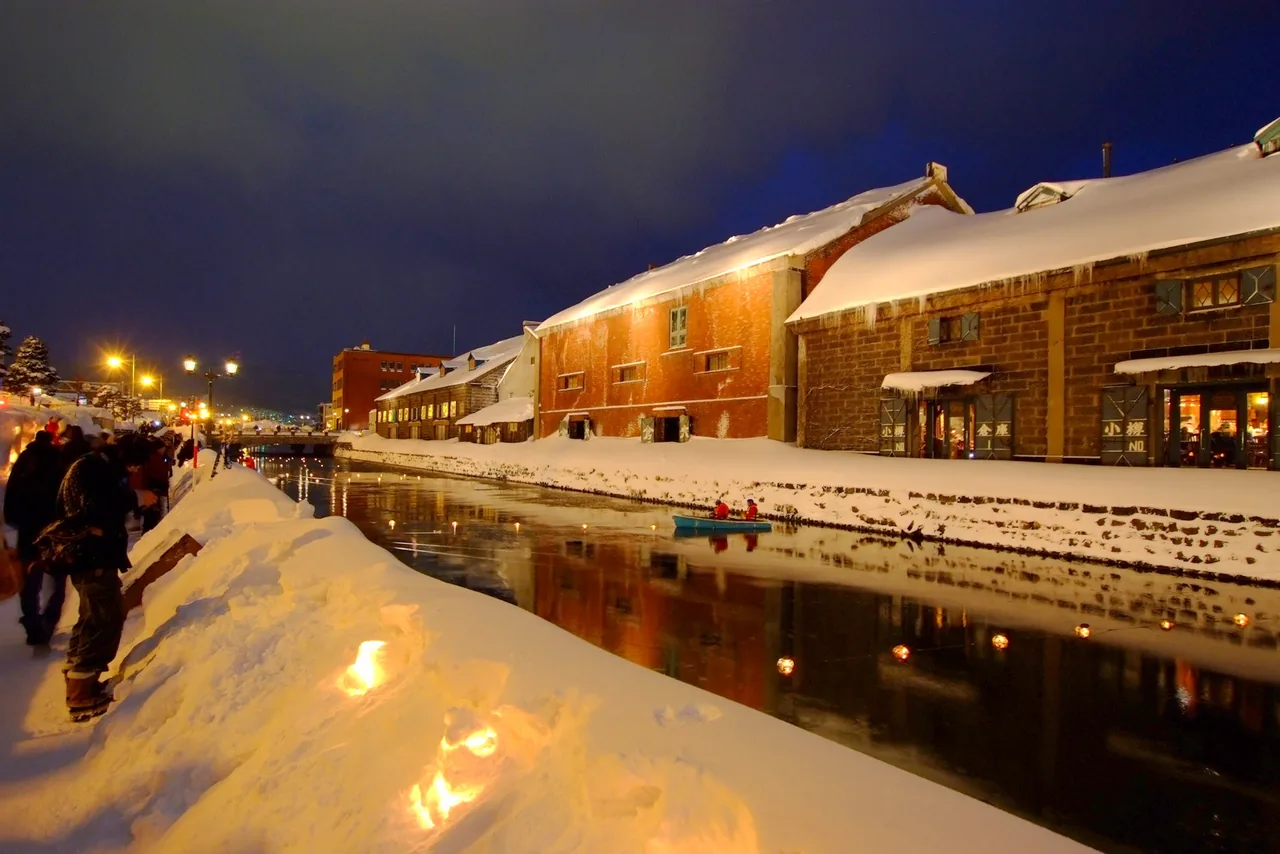
The organisers set the dates so that they overlap with the Sapporo Snow Festival by a few days, so one trip in early February can cover both, with the Snow Light Path as an evening trip from Sapporo or a night in Otaru. The dates change every year, so check the official Snow Light Path site and our Sapporo Snow Festival guide before you book.
How cold it gets
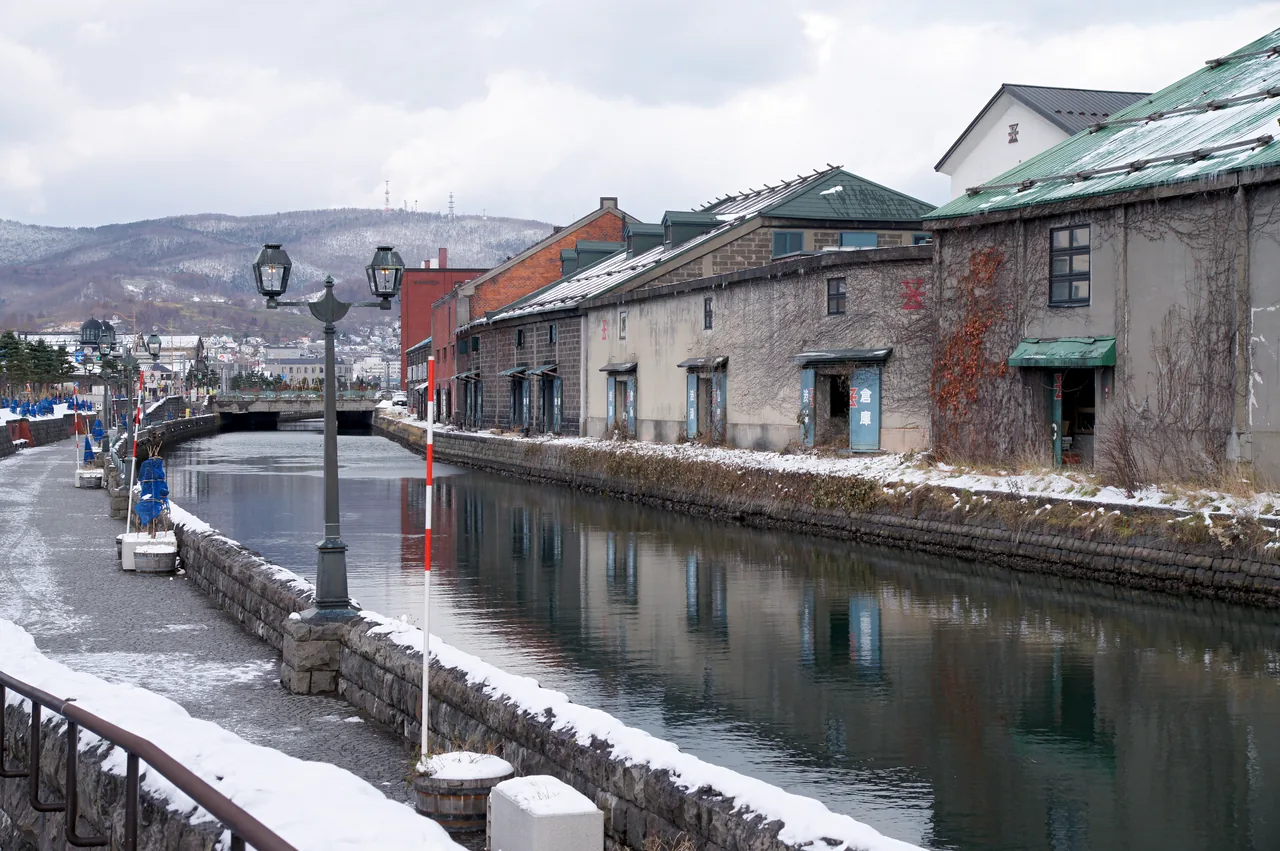
From December to February, daytime highs sit around freezing and nights drop to about -4 to -6°C. Snow settles and stays on the ground from mid-December, and there’s still snow on the streets until early April. Our guides to Japan in December and Japan in January have more on travelling around the country in winter.
| Month | Average high | Average low |
|---|---|---|
| December | 1.6°C | -3.8°C |
| January | -0.5°C | -5.8°C |
| February | 0.2°C | -5.7°C |
Walking on ice
Otaru City warns that lots of people fall on the roads in winter. The most slippery places are the white stripes on pedestrian crossings, pavements where cars cross in and out, bus stops and taxi ranks, and anything downhill. In Otaru that includes the walk from the station down to the canal and the slope from Minami-Otaru to Marchen Crossing.
Take short steps, the “penguin walk” the city recommends. You’re allowed to scatter sand from the sand boxes set out along the roads. Wear shoes with thick soles and deep treads, and if yours aren’t up to it, buy slip-on grips that fit over your shoes. They’re sold at the airport, at station kiosks, in shoe shops and at convenience stores. The city’s winter walking page has more.
The slope from Minami-Otaru Station to Marchen Crossing and the walk from Otaru Station down to the canal both run downhill. In winter, take them slowly with short steps, or take the bus.
What closes or changes in winter
Several sights close or cut back in winter, and a few change their hours. Check this list before planning a winter day.
| Place | In winter |
|---|---|
| Otaru Herring Mansion | Closed. Open early April to late November |
| Former Suhara Residence | Closed. Opens spring to mid-October |
| Otaru Aquarium | Short season on set dates. Marine mammal park and amusement area closed. Fully closed late November to mid-December and late February to mid-March |
| Otaru Art Base | Closed every Wednesday from November to April |
| Mt. Tengu Ropeway | No service from early to late November. Road to the top closed to cars |
| Otaru City General Museum (main building) | Some outdoor displays can’t be seen. Ticket 300 yen |
| Otaru Kihinkan | Open, but closes at 16:00 from November to March |
| Cape Kamui walking path | Gate closed from late November to late March |
| Otaru Canal Cruise | Runs, with covers and heated seats. Night cruises from 16:00 in December |
The canal cruise keeps running through the winter, apart from 31 December and 1 January. The boats get covers and heated seats, and in December night cruises start from 16:00 because the sun sets so early. For the bigger picture on winter travel, see the best time to visit Japan.
13. How to get to Otaru from the airport, Sapporo and Tokyo
From overseas and from Tokyo
From the US, the UK or Australia, you’ll most likely fly into New Chitose Airport, Sapporo’s airport, with a connection in Tokyo, Seoul or another hub. In winter there are also seasonal direct flights from North America and Australia. US, UK and Australian passport holders can stay in Japan for up to 90 days without a visa. Our Japan visa guide has the details for other passports.
You can also come all the way from Tokyo by train. Take the Hayabusa shinkansen to Shin-Hakodate-Hokuto (about 4 hours), change to the Hokuto limited express to Sapporo (about 3 and a half hours), then take a train on to Otaru (35 to 50 minutes). The fastest connections take about 8 hours 40 minutes with two changes. The nationwide Japan Rail Pass covers the whole route, including the Hayabusa, the Hokuto and the Rapid Airport trains that run through to Otaru. Our JR Pass guide explains how it works. If you’d like to break the journey where you change trains at Shin-Hakodate-Hokuto, our Hakodate travel guide covers the city.
From New Chitose Airport
The JR Rapid Airport train runs from the airport to Otaru for 2,040 yen, the same with an IC card. The quickest, the Special Rapid, takes 74 minutes, and most others take a little over 80. Only some trains run through to Otaru, about two an hour in the daytime. The rest end at Sapporo or Teine, where you change for Otaru. For a reserved seat, the u-Seat in car 4 costs 1,000 yen extra, or 800 yen if you book ticketless through Eki-net. Timetables are on JR Hokkaido’s airport page.
There’s also a direct bus from the airport, a newer route run by Hokkaido Chuo Bus. It costs 2,300 yen, takes about 90 minutes and runs 3 times a day in each direction. It stops in front of hotels near the canal, which saves dragging luggage down from the station, and you don’t need to book. See Chuo Bus’s airport bus page.
| New Chitose Airport to Otaru | Fare | Time | Notes |
|---|---|---|---|
| JR Rapid Airport, direct | 2,040 yen | 74 minutes (Special Rapid) to a little over 80 | 25 direct trains a day, about 2 an hour in the daytime |
| JR with a change at Sapporo or Teine | 2,040 yen | Depends on the connection | For the trains that end at Sapporo or Teine |
| u-Seat reserved seat (car 4) | 1,000 yen extra, 800 yen ticketless via Eki-net | On the Rapid Airport | |
| Direct bus (Hokkaido Chuo Bus) | 2,300 yen | About 90 minutes | 3 a day each way. Stops at hotels near the canal. No booking needed |
From Sapporo
JR is the simplest way from Sapporo. It costs 800 yen, rapid trains take 34 to 41 minutes and local trains 45 to 53 minutes, and trains run all day, from 6:09 until the last one from Sapporo at 23:50. Going back, the last train from Otaru to Sapporo leaves at 23:08. The highway bus, the Kosoku Otaru-go, is a little cheaper at 730 yen (1,360 yen return) and takes about an hour, longer in winter. There are more than 60 buses on weekdays, and you can pay in cash, by IC card or by tapping a credit card. Bus times are on Chuo Bus’s highway bus page.
| Sapporo to Otaru | Fare | Time | How often |
|---|---|---|---|
| JR rapid | 800 yen | 34 to 41 minutes | 75 trains a day in total, first 6:09, last 23:50 |
| JR local | 800 yen | 45 to 53 minutes | Included in the 75 a day |
| Highway bus Kosoku Otaru-go | 730 yen (1,360 yen return) | About 60 minutes, longer in winter | More than 60 on weekdays |
IC cards and JR Hokkaido passes
IC cards such as Kitaca and Suica work on JR between the airport, Sapporo and Otaru, and on Otaru’s city buses, the highway bus and the airport bus. Our guide to IC cards in Japan explains how to get one.
JR Hokkaido sells rail passes to anyone travelling on a non-Japanese passport, and you’ll need to show the original passport. The Sapporo-Noboribetsu Area Pass, which covers New Chitose Airport, Sapporo, Otaru and Noboribetsu, costs 10,000 yen for 4 days if you buy it in advance, or 11,000 yen at a station. The Hokkaido Rail Pass costs 22,000 yen for 5 days in advance, or 23,000 yen at a station. A return from Sapporo to Otaru is only 1,600 yen, so a pass only pays off if you’re travelling further as well, for example to Noboribetsu or elsewhere in Hokkaido. Check what each pass covers on JR Hokkaido’s pass page.
Otaru Station and the ferry
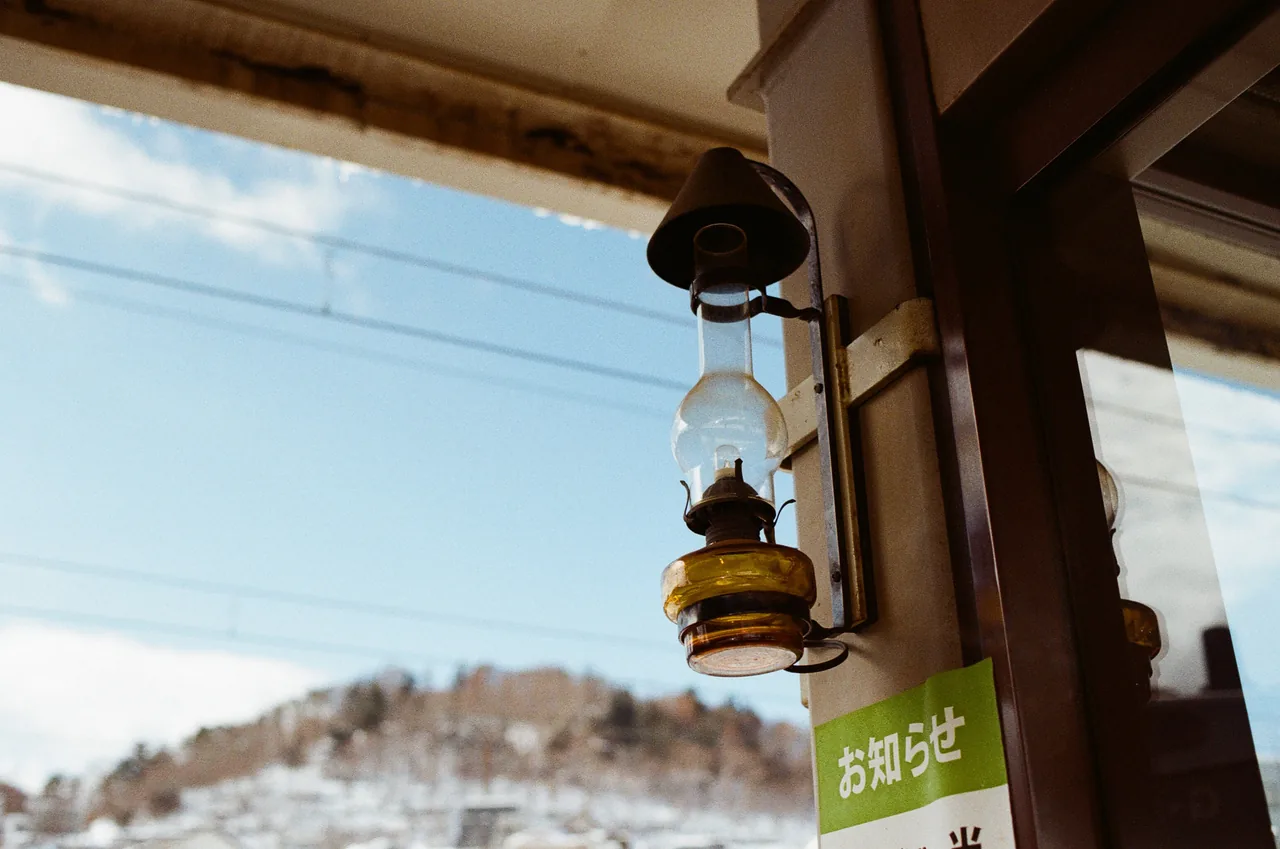
The building of Otaru StationMap dates from 1934 and is a Registered Tangible Cultural Property. It’s hung with 333 glass lamps donated by Kitaichi Glass, and platform 4 is called the Yujiro Home, after the actor Ishihara Yujiro.
Otaru also has a ferry port, with Shin Nihonkai Ferry sailings to Niigata and Maizuru on Honshu. The terminal is about 10 minutes by taxi from the station. The Hokkaido Shinkansen is being extended to Sapporo, with a Shin-Otaru station (a provisional name) planned, but it won’t open for many years.
14. Getting around Otaru: stations, buses, taxis and lockers
Three stations and walking times
Three JR stations matter for visitors. Otaru Station is the main one, Minami-Otaru is one stop towards Sapporo and closer to Sakaimachi Street, and Otaru-Chikko, one stop further, has the Wing Bay Otaru shopping mall and the Grand Park Otaru hotel. A JR ride between Otaru and Minami-OtaruMap costs 210 yen.
| Station | What’s near it |
|---|---|
| Otaru | The canal, Irinai, Sankaku Market, Temiya, buses to Mt. Tengu and Shukutsu |
| Minami-Otaru | The south end of Sakaimachi Street, Marchen Crossing, Tanaka Sake Brewery Kikkogura, Nantaru Market |
| Otaru-Chikko | Wing Bay Otaru shopping mall, Grand Park Otaru hotel |
The old town is small, and walking is the easiest way to see it. From Otaru Station it’s 8 to 10 minutes to the canal and about 25 minutes to Marchen Crossing. From the canal to Sakaimachi Street is 5 minutes. From Minami-Otaru it’s 5 to 7 minutes to Marchen Crossing and about 10 minutes to Kitaichi Glass No. 3.
City buses and the day pass
Otaru’s city buses are run by Hokkaido Chuo Bus and cost 240 yen a ride. If you’ll ride four times or more in a day, the 800 yen city day pass is cheaper. It’s sold on the buses (in limited numbers), at the ticket window of the bus terminal in front of the station, at the Otaru International Information Center, at the Canal Terminal and at the Authent Hotel. Details are on Chuo Bus’s day pass page.
The circular tourist bus that used to run around the sights is suspended, so don’t plan around it. For the old town, use the Yamate Line bus, which runs from Otaru Station past Minami-Otaru and Marchen Crossing to Kitaichi Glass for the normal 240 yen fare. It’s handy in winter, when the slope from Minami-Otaru is icy.
Taxis and rickshaws
Taxis start at 600 yen for the first 1.05 km and add 100 yen every 272 m. Some companies add a winter surcharge from mid-December to late March, and calling a taxi by phone costs an extra 200 to 300 yen. A taxi makes sense for the ferry terminal or for getting to your hotel with luggage.
Rickshaws from Ebisuya wait at Asakusa Bridge by the canal. A 12-minute ride costs 4,000 yen for one person or 5,000 yen for two. See Ebisuya’s Otaru page.
| Getting around | Price | Notes |
|---|---|---|
| City bus | 240 yen a ride | Hokkaido Chuo Bus. IC cards accepted |
| City bus day pass | 800 yen | Sold on buses (limited numbers), at the station bus terminal, the International Information Center, the Canal Terminal and the Authent Hotel |
| Yamate Line bus | 240 yen | Otaru Station, Minami-Otaru, Marchen Crossing, Kitaichi Glass |
| JR Otaru to Minami-Otaru | 210 yen | One stop |
| Taxi | 600 yen for the first 1.05 km, then 100 yen every 272 m | 20% winter surcharge at some companies from mid-December to late March. Phone booking 200 to 300 yen |
| Rickshaw (Ebisuya) | 4,000 yen for one, 5,000 yen for two, 12 minutes | From Asakusa Bridge |
Lockers and tourist information
JR Otaru Station has coin lockers for 400 to 800 yen, which you can use for up to 3 days, and there are more at Minami-Otaru and Otaru-Chikko stations. The Otaru Canal Tourist Information Center at Asakusa Bridge and the International Information Center have lockers too.
For help in English, the Otaru International Information CenterMap (Minatomachi 5-3) has staff who speak English, Chinese and Korean, and it’s open 9:00 to 20:00 every day. It also has a currency exchange machine, coin lockers and power banks to rent. The tourist information desk inside Otaru Station is open 9:00 to 18:00 every day and also helps in English, and there are two more offices, at Asakusa Bridge (9:00 to 18:00) and on Sakaimachi Street. The tourism association lists them all on its information center page.
15. Where to stay in Otaru and the lodging tax
Which area to stay in
For a first visit, the choice is between the station and the canal, which are only 8 to 10 minutes’ walk apart. Near the station you’re closest to the trains and to Sankaku Market for breakfast. Near the canal you can walk out to the gas lamps after dinner, and the airport bus stops right outside several hotels. The tourism association keeps a list of places to stay by area.
| Area | Hotels | Good for |
|---|---|---|
| Station area | Authent Hotel Otaru, Otaru Green Hotel, Dormy Inn Premium Otaru (Tomoshibi no Yu natural hot spring), Grids Premium Hotel Otaru | Trains, Sankaku Market for breakfast |
| Canal | Hotel Nord Otaru (7 minutes from the station), Hotel Sonia Otaru (natural hot spring on the top floor), OMO5 Otaru by Hoshino Resorts (in the former Otaru Chamber of Commerce building, 3 minutes from the canal), Hotel Trifit Otaru Canal, UNWIND HOTEL & BAR OTARU, Unga no Yado Otaru Furukawa | Evening walks by the canal, the airport bus |
| Otaru-Chikko | Grand Park Otaru (5 minutes from Otaru-Chikko Station, 7 minutes by car to the canal) | Wing Bay Otaru shopping mall |
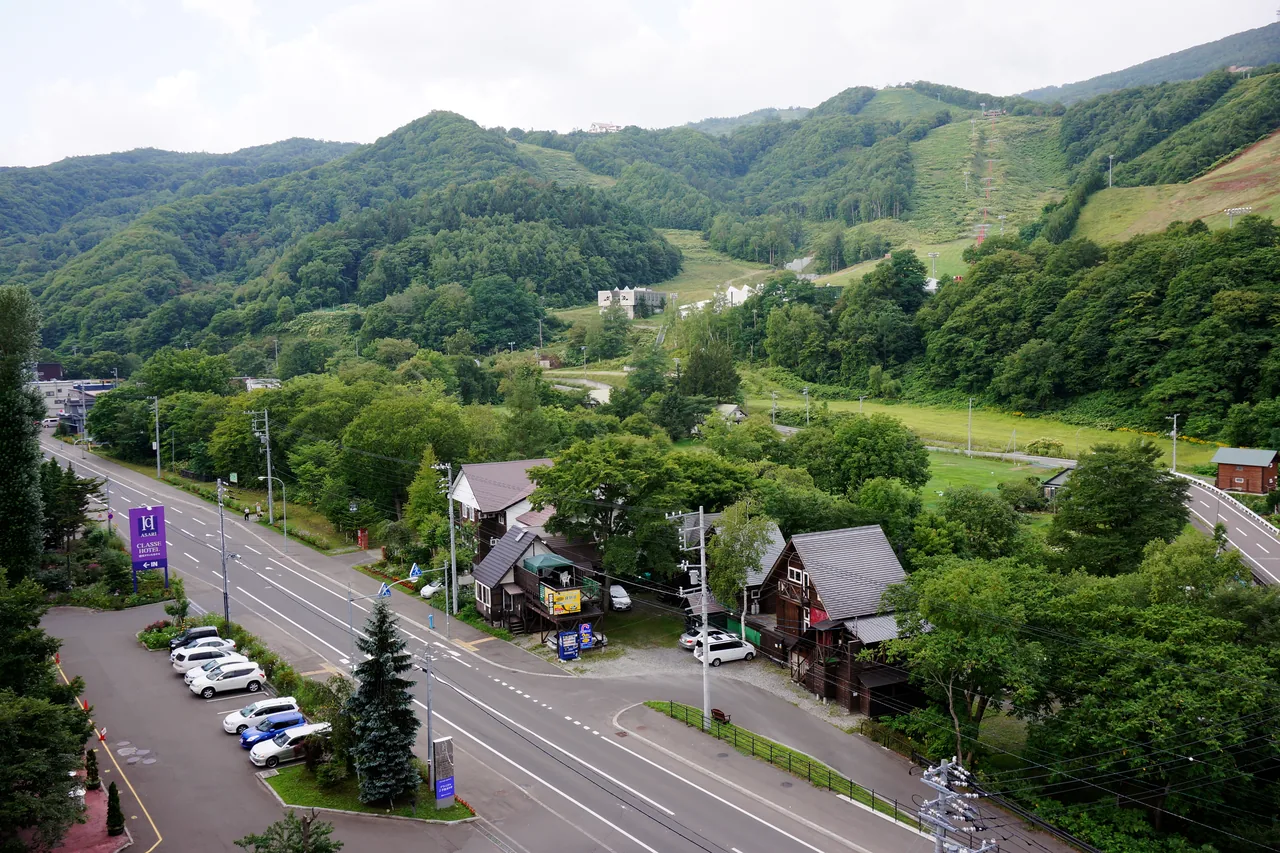
| Asarigawa Onsen | Otaru Asari Classe Hotel, Otaru Ryotei Kuramure, Hotel Musashitei | A hot-spring night in the hills, about 30 minutes by car from town |
| Shukutsu | Hotel Neue Schloss Otaru | Staying by the sea near the aquarium and the herring buildings |
The airport bus stops at Otaru Green Hotel, at Hotel Trifit and OMO5, at the Canal Terminal and at the Authent Hotel, so if you’re staying at one of these, you can ride from the airport to your door. On the hill in the Sakura district there’s also Ryotei Yuyado Ginrinso, a traditional inn.
Asarigawa OnsenMap is a hot-spring village in a valley surrounded by mountains, about 30 minutes by car from central Otaru. Stay there if the hot spring is the point of the night. Our guide to onsen and ryokan explains how the baths work, and if you have tattoos, read our guide to onsen with tattoos before you book. If you’d rather stay in Sapporo and come to Otaru for the day, see where to stay in Sapporo.
Lodging tax and hot-spring tax
For stays from April 1, 2026, Otaru charges a lodging tax. It’s made up of a flat 200 yen for the city plus Hokkaido’s own tax of 100, 200 or 500 yen depending on the room rate, so you pay 300, 400 or 700 yen per person per night in total. It applies at any age, and school trips are exempt. The tax usually isn’t included in the prices shown on booking sites, so expect it on top. Hotels with hot-spring baths also charge a bathing tax of 150 yen per night for each guest aged 15 and over. See Otaru City’s lodging tax page, and our guide to accommodation tax in Japan for other cities.
| Room rate per person per night | Lodging tax per person per night |
|---|---|
| Less than 20,000 yen | 300 yen |
| 20,000 yen to less than 50,000 yen | 400 yen |
| 50,000 yen and over | 700 yen |
| Hotels with hot-spring baths, guests aged 15 and over | Plus 150 yen bathing tax |
Reasons to stay the night
A day trip misses the evening. The gas lamps on the canal walkway are lit until midnight, and the warehouses until 22:30. Night cruises leave after sunset. The Mt. Tengu Ropeway takes its last passengers up at 20:48 in summer and 19:48 in winter, and in early to mid February the Snow Light Path runs from 17:00 to 21:00.
Staying also gives you the morning. Sankaku Market opens at 6:00, and Kitaichi Hall lights its lamps from 9:00. The next day you can head out to Yoichi or Shukutsu without watching the clock. If you do go back the same day, the last JR train from Otaru to Sapporo leaves at 23:08.
16. A day in Otaru on foot, from the station to Minami-Otaru
The walking route
This route runs from Otaru Station down to the sea and along the old town to Minami-Otaru Station, where you can catch a train back to Sapporo. Most of it is downhill or flat. Start at the station with a look at the lamps, then have breakfast or an early lunch at Sankaku Market next door. Walk down Chuo-dori and turn along the Former Temiya Line walk for a short stretch of the old rails.
From there, cross into Irinai for the Bank of Japan Otaru Museum, Otaru Art Base and the Former Nippon Yusen. Carry on down to the canal at Asakusa Bridge and walk along the water to Chuo Bridge, where the cruises leave. Then follow Sakaimachi Street past Kitaichi Glass and the sweet shops to Marchen Crossing for the Steam Clock and the Music Box Museum. Finish with the 5 to 7-minute walk up to Minami-Otaru Station, with a detour to the Kikkogura sake brewery if you want a tasting.
| Stop | What to see | Open |
|---|---|---|
| Otaru Station and Sankaku Market | The station lamps, a market breakfast | Market 6:00 to 17:00, restaurants from 7:00, every day |
| Former Temiya Line | The old rails | An open-air path |
| Bank of Japan Otaru Museum | The old bank and models of the bank street | 9:30 to 17:00 (10:00 from December to March), closed Wednesdays |
| Otaru Art Base | Five museums in old banks and warehouses | 9:30 or 10:00 to 17:00, closed every Wednesday from November to April |
| Former Nippon Yusen | The Love Letter library | 9:30 to 17:00, closed Tuesdays |
| Otaru Canal | The walkway, the cruise | Lamps from sunset to midnight, cruises every 30 minutes |
| Sakaimachi Street | Kitaichi Glass, sweets | Kitaichi Hall 9:00 to 17:30, sweet shops to 18:00 |
| Marchen Crossing | The Steam Clock, the Music Box Museum | Clock every 15 minutes, museum 9:00 to 18:00, organ at 10:00, 11:00, 12:00, 14:00, 15:00 and 16:00 |
| Kikkogura, near Minami-Otaru | Sake brewery tour and tasting | 9:05 to 17:30, every day |
Half a day, a full day or a night
With half a day, walk the route and choose one or two places to go inside, such as the Bank of Japan Otaru Museum and the Music Box Museum. If you want to see the lamps being lit at Kitaichi Hall at 9:00, do the route the other way round, starting at Minami-Otaru, but in winter remember that this means walking down the icy slope to Marchen Crossing.
With a full day, add one trip beyond the old town. Shukutsu fits in the morning or early afternoon, since the aquarium and the Herring Mansion close at 17:00, or 16:00 in autumn. Mt. Tengu fits at the end of the day for the view at dusk, by bus from Otaru Station. Yoichi needs at least half a day because the trains are infrequent, so if the Nikka tour is the priority, book it first and fit the old town around it.
With a night, walk the canal again after dark, take a night cruise, and have dinner on Sushi Street or at Naruto. The next morning, have breakfast at Sankaku Market and head out to Yoichi or Shukutsu, or spend the night at Asarigawa Onsen instead.
Changing the order in winter
In winter it gets dark early (December night cruises start at 16:00), and some places close earlier or on extra days. Do the outdoor walking first while it’s light: the Temiya Line, the canal and Sakaimachi Street. Keep the museums for the middle of the day, but remember the Bank of Japan Otaru Museum’s last entry is 16:30 and Otaru Art Base closes at 17:00. Then go back to the canal after dark for the lamps, or for the Snow Light Path, which is lit from 17:00 to 21:00.
Check the day of the week, too. On Wednesdays both the Bank of Japan Otaru Museum and, in winter, Otaru Art Base are closed. On Tuesdays the Former Nippon Yusen and the museum’s main building in Temiya are closed. Nantaru Market is closed on Sundays. And on the slope between Minami-Otaru and Marchen Crossing, take the Yamate Line bus rather than risk the ice.