
PokéPark Kanto: The Complete Guide to Tokyo’s New Pokémon Theme Park
Japan’s first permanent Pokémon theme park opened inside Tokyo’s Yomiuriland in February 2026. A forest where 600+ Pokémon roam, Pikachu and Eevee rides, shows in Sedge Town — here’s everything that’s actually there, plus how to lock in tickets before they sell out.
| What it is | PokéPark Kanto is Japan’s first permanent Pokémon theme park. It opened February 5, 2026, inside Yomiuriland in western Tokyo. |
|---|---|
| Three zones | Entrance Plaza (lab + big shop), Pokémon Forest (a 500m trail where 600+ Pokémon live, ages 5+), and Sedge Town (rides, shows, Pokémon Center, food). |
| Tickets | Town Pass (¥4,700+), Trainer’s Pass (¥7,900+), Ace Trainer’s Pass (¥14,000+). Prices vary by date, and all include Yomiuriland entry. |
| Booking | No walk-ins. Buy online ~2 months ahead (overseas visitors use the English site), and popular dates sell out fast. |
| Getting there | Keio Line to Keio-Yomiuriland Station, then a gondola or bus. About 25 minutes from Shinjuku. |
1. What is PokéPark Kanto, exactly?
2. Quick facts (location, hours, tickets, booking)
3. The three zones, and how they fit together
4. Pokémon Forest: a wild where 600+ Pokémon live
5. Sedge Town, Part 1: the two rides
6. Sedge Town, Part 2: shows, parade and meeting Pokémon
7. Pokémon Center, Poké Mart and merch heaven
8. Food: from Pikachu onigiri to Eevee lattes
9. The three tickets, decoded (which to buy)
10. How to book (buying from abroad is the key part)
11. Getting there: Keio Line + gondola is easiest
12. Tips to make the most of it (crowds, route, kids)
13. So, is it worth it? (who it’s for)
1. What is PokéPark Kanto, exactly?
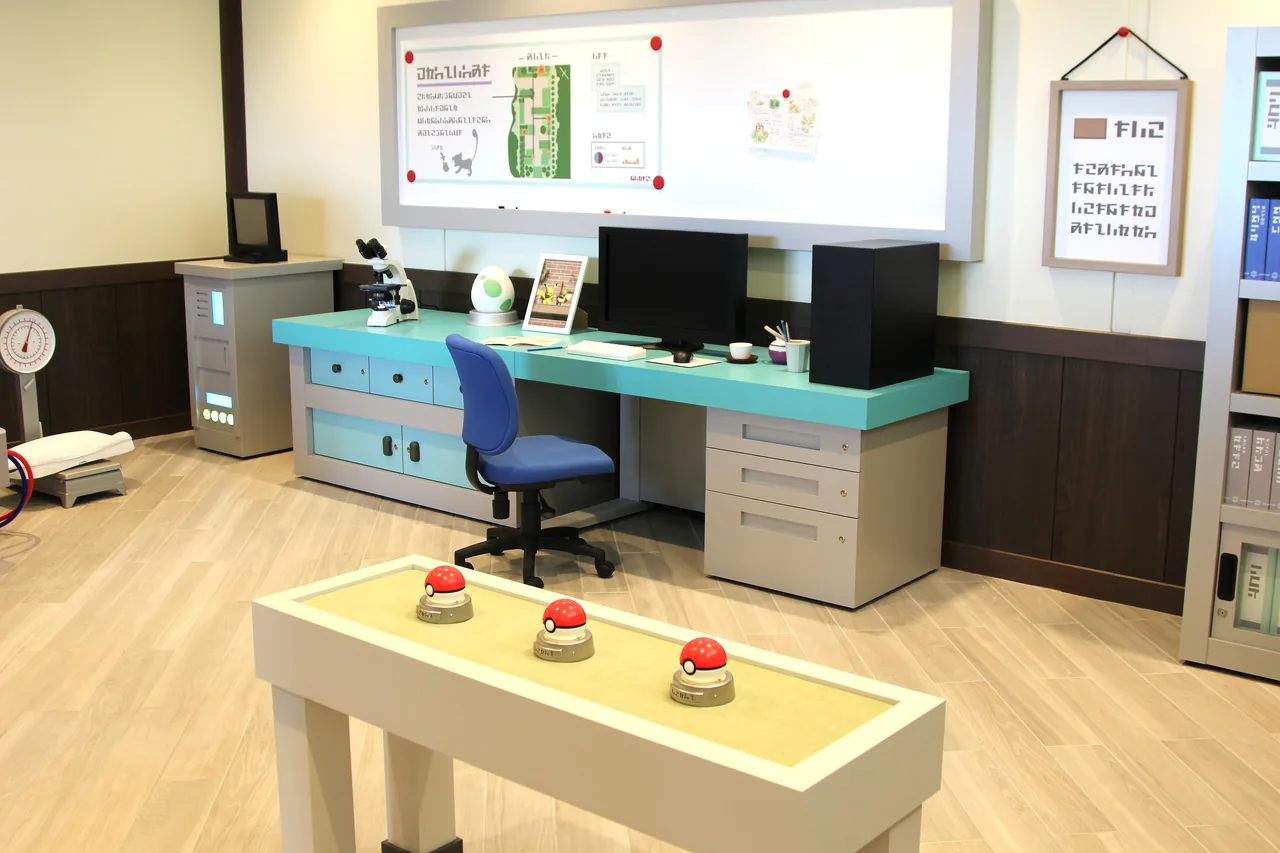
PokéPark KantoMap is Japan’s first permanent Pokémon theme park. It opened on February 5, 2026, in a roughly 26,000-square-meter corner of Yomiuriland, an amusement park in the hills of western Tokyo. There have been pop-up Pokémon events before, but this is the first proper, here-to-stay Pokémon land.
The whole idea is simple and lovable: you visit a place where Pokémon actually live. This isn’t character art stuck on walls. Over 600 Pokémon roam a forest, battle each other, and share Berries while you wander through. Then there’s Sedge Town, a little city where you ride attractions, catch a show, and “heal” your Pokémon at a real Pokémon Center.
2. Quick facts (location, hours, tickets, booking)
Before the deep dive, here’s everything you need at a glance.
| Official name | PokéPark KANTO |
|---|---|
| Opened | February 5, 2026 |
| Location | Inside Yomiuriland, Inagi City, western Tokyo (Tama Hills) |
| Size / Pokémon | ~26,000 m² / 600+ Pokémon |
| Hours | Roughly 10:00–18:00 (varies by date) |
| Zones | Entrance Plaza · Pokémon Forest · Sedge Town |
| Tickets | Town ¥4,700+ / Trainer’s ¥7,900+ / Ace ¥14,000+ (Yomiuriland entry included) |
| Booking | Online, in advance only (no walk-ins), from ~2 months out |
| Age limit | Pokémon Forest is ages 5 and up (lots of stairs and slopes) |
3. The three zones, and how they fit together
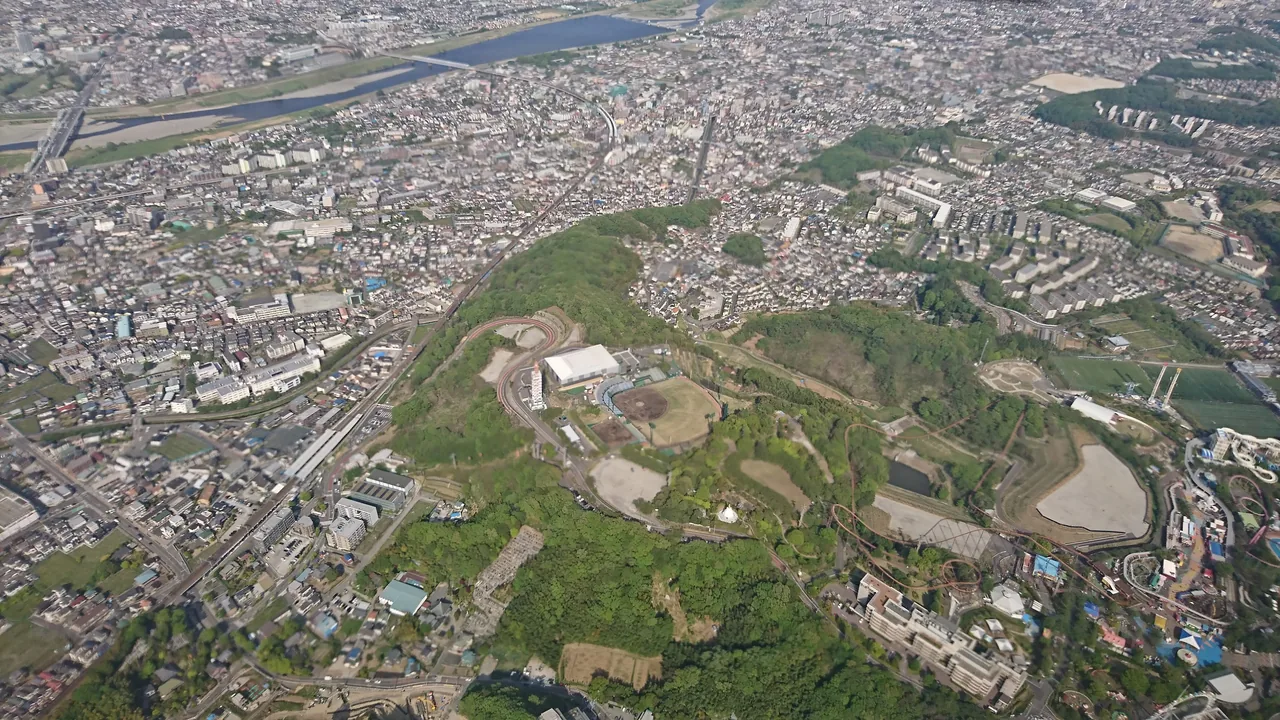
PokéPark Kanto breaks into three zones. Understanding the layout makes planning your day much easier.
| Zone | Vibe | What you do here |
|---|---|---|
| Entrance Plaza | Welcome gateway | Ticket check, Pokémon Research Lab, the big Daisuki Shop, and statues of Pikachu, Bulbasaur, Charmander, Squirtle and Eevee |
| Pokémon Forest | The wild (nature) | Walk a ~500m trail and watch 600+ Pokémon living in the wild (the real highlight) |
| Sedge Town | The Trainers’ town | Two rides, shows and a parade, the Pokémon Center and Poké Mart, food and meet-and-greets |
Think of it as “the wild” and “the town”: in the forest you observe Pokémon being Pokémon, and in Sedge Town you eat, shop, ride and play. The plaza is the gateway in between. Let’s take each one properly.
4. Pokémon Forest: a wild where 600+ Pokémon live
This is the part that makes PokéPark special. The Pokémon Forest is a roughly 500-meter trail — not a flat walkway, but real terrain with hills, tall grass, tunnels and rocky paths. As you make your way through, more than 600 Pokémon roam around you: some dart out of the grass, some battle each other, some share Berries.
The clever bit is that Pokémon live in themed habitats, just like in the games — a forest full of Pikachu and Eevee, a spot where Bidoof gnaw logs, a hill where Rhyhorn charge. Some sit right by the path; others move in the distance, so there’s a real spot-the-Pokémon treasure-hunt feeling as you walk.
| Know before you go | Detail |
|---|---|
| Age limit | Ages 5 and up only (slopes, rocks and stairs make it unsafe for toddlers) |
| Stairs | Around 110 steps along the route (wear comfortable shoes) |
| Entry | Trainer’s or Ace pass only. The standard Trainer’s Pass is one timed entry, no re-entry |
| Pokémon you’ll spot | Pikachu, Eevee, Nidoran, Bidoof & Greedent, Roselia & Bellossom, and most Kanto species plus others |
5. Sedge Town, Part 1: the two rides
Sedge Town is the little city where Pokémon and people live side by side. It has two rides — both gentle, spin-style attractions that kids can enjoy.
| Ride | What it is | Fee (per ride) |
|---|---|---|
| Pika Pika Paradise | Ride a Pikachu car that circles a pillar while floating gently up and down (think Disney’s Dumbo), with 30+ Electric-type Pokémon | ¥1,200 adult / ¥800 child |
| Vee Vee Voyage | A carousel of Eevee, Ponyta, Rapidash and Eevee’s evolutions in balloon-lifted carriages | ¥1,200 adult / ¥800 child |
6. Sedge Town, Part 2: shows, parade and meeting Pokémon
The other half of Sedge Town is shows, the parade, and character greetings — meeting Pokémon face to face is, let’s be honest, a big reason you came.
- Pika Pika Sparks!: a stage show in the Sedge Gym with dazzling visuals, remixed classic Pokémon music, and audience-participation moments. Ace Pass holders get a reserved seat.
- Pika Vee Bubble Parade: an outdoor parade where Pikachu, Eevee and friends wind through town amid bubbles, finishing at the Primarina fountain.
- Pokémon Playhouse: a greeting space with a rotating cast — Psyduck, Clefairy, Vulpix, Growlithe, Slowpoke, Gengar, Lapras, Dragonite and more.
- Pika Vee Playroom: a calmer photo session with Pikachu and Eevee in carnival outfits. Staff take a series of shots and you get the digital photos for free.
7. Pokémon Center, Poké Mart and merch heaven
For a fan, Sedge Town is merch heaven — the shops you’ve seen in the games and anime, made real.
- Pokémon Center: the red-roofed building. Chansey and a “Nurse Joy” greet you, and you can place your Pokémon on the Healing Machine to “heal” it. Bring a favorite Pokémon plush from home and the healing ritual is far more fun.
- Poké Mart: the blue-roofed convenience store. It sells themed drinks (Bulbasaur kiwi-melon, Charmander strawberry-black tea, Squirtle lemon) and treats like cookies decorated as pixel-art Poké Balls, Potions and Full Heals.
- Pokémon Trainers’ Market: a cluster of small stalls selling hats, headbands, keychains and plushies, with plenty of here-only items.
- Daisuki Shop: the big gift shop near the entrance — the widest range, from plush to apparel and accessories.
- Poké Ball Gacha: a blind pin-badge draw (¥1,200 each, one of 151 designs). Buy ten and you get a Premier Ball.
8. Food: from Pikachu onigiri to Eevee lattes
Theme parks live and die on snacks too. Sedge Town has a cluster of Pokémon-themed food — more “cute and here-only” than a full sit-down feast.
| Spot | Signature |
|---|---|
| Pikachu’s Onigiri Shop | Rice balls with charcoal-grilled karaage (fried chicken), served on a Pikachu tray |
| Eevee’s Café | Lattes with art of Eevee and its evolutions; Pikachu and Eevee ice pops |
| Snorlax’s Popcorn | Barbecue and milk-caramel flavors, in collectible character buckets |
| Altaria’s Roost Kitchen | Sandwiches, soups and other proper-meal options |
9. The three tickets, decoded (which to buy)
There are three ticket types, all on dynamic pricing (weekends and holidays cost more than weekdays). All three include entry to Yomiuriland too.
| Ticket | Adult price | Includes / notes |
|---|---|---|
| Town Pass | ¥4,700–5,500 | Sedge Town + Yomiuriland only (no Pokémon Forest). Cheapest; good for little kids and budgets |
| Trainer’s Pass | ¥7,900–9,400 | + Pokémon Forest, one timed entry (no re-entry). The sensible default |
| Ace Trainer’s Pass | ¥14,000–16,500 | All zones with no time limit + Forest re-entry + one priority-lane use per ride + reserved Sedge Gym seat + a Pikachu/Eevee photo session + exclusive merch |
If you’re not sure which to get, here’s the simple logic:
- With a child under 5 → they can’t enter the Forest anyway, so a Town Pass is enough.
- Most families and first-timers → the Trainer’s Pass is the best value: you see the Forest and get unlimited Sedge Town.
- Die-hard fans who want it all, unhurried → the Ace Pass. Just know it’s the first to sell out — and even it doesn’t cover everything (the Daisuki Shop and Playhouse can need separate booking), so it isn’t a must.
Booking the timed-entry ticket the moment the slot opens takes a working connection — our Japan eSIM guide covers which plan to buy and how to switch it on.
10. How to book (buying from abroad is the key part)
PokéPark has no walk-up sales — it’s advance online booking, full stop. And there’s one detail that matters most for overseas visitors.
- Overseas visitors use the English site: the Japanese site requires SMS verification with a Japanese phone number, which makes it painful for foreigners. The fix is the dedicated international booking site (ticket-en.pokepark-kanto.co.jp).
- Sales open ~2 months out: tickets for a given date go on sale roughly two months ahead (Japan residents also go through a lottery phase). Once your date is set, book the moment sales open.
- Credit card only, max 2 per person: payment is card-only. One person can buy up to 2 tickets, and once confirmed, no changes, cancellations or refunds. Choose your date, headcount and pass carefully.
- Popular dates sell out: weekends and holidays go fast. If your plans are flexible, weekdays (especially Tue/Wed) are cheaper and less crowded.
11. Getting there: Keio Line + gondola is easiest
PokéPark sits inside Yomiuriland, out in western Tokyo. It’s under an hour from the center, so it’s an easy day trip. There are two main ways in.
| From | Route | Approx. time / fare |
|---|---|---|
| Shinjuku | Keio Line → Keio-Yomiuriland Station | ~25 min / ¥314 |
| Shibuya | via the Keio Line | ~30 min / ¥314 |
| Tokyo Station | with a transfer | ~45 min / ¥522–600 |
| Haneda Airport | train (e.g. via Shinjuku) | ~1 hr 15–30 min / ¥776–913 |
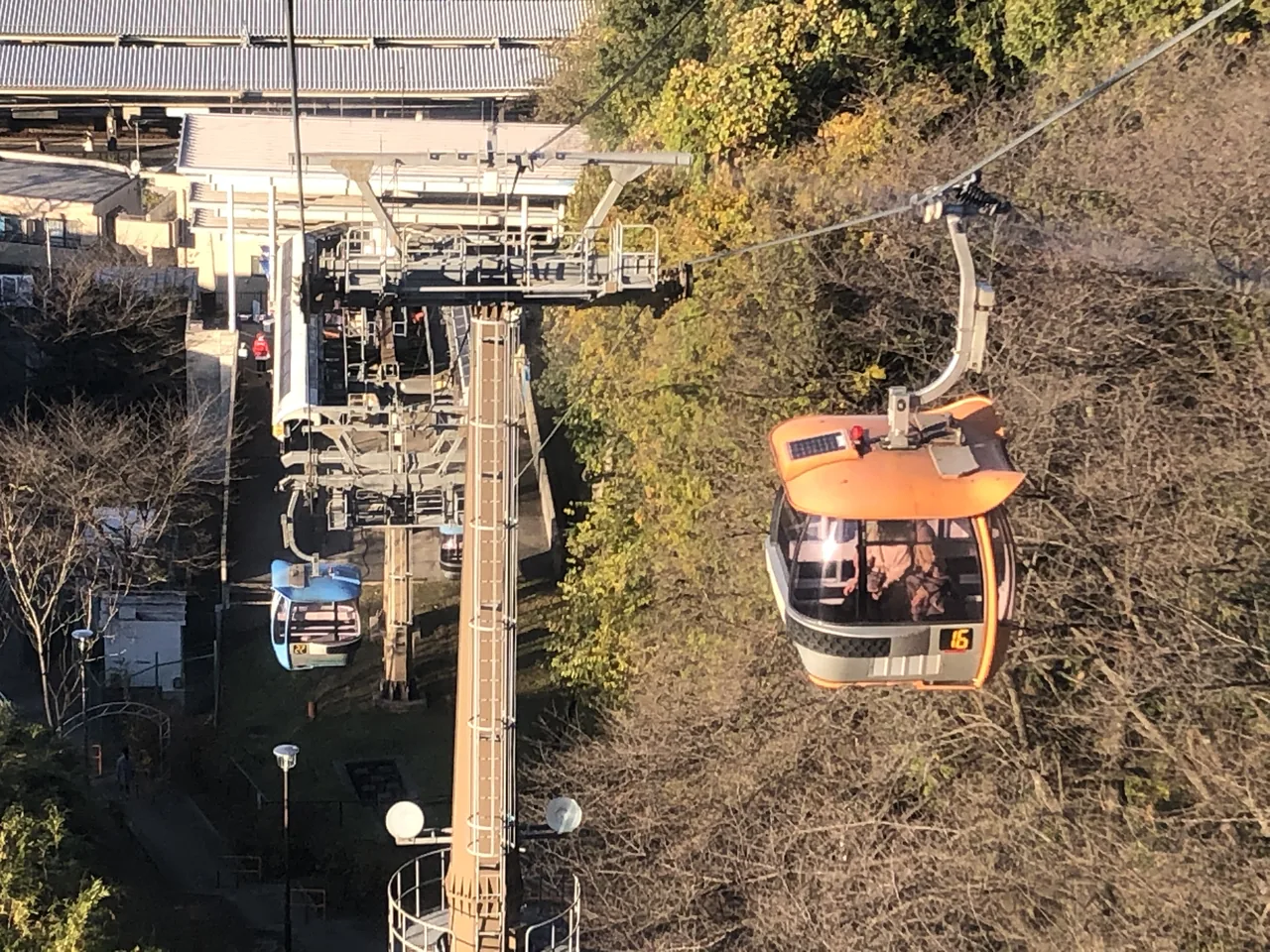
- From Keio-Yomiuriland StationMap, take the Sky Shuttle gondola up to the gate (5–10 min, ¥300 one-way). The aerial view makes it a mini-attraction in itself. There’s also a bus (~10 min, ¥240).
- You can also come via Yomiuriland-mae StationMap on the Odakyu Line, then a bus (~10 min, ¥240) or a ~16-minute walk.
- By car: there’s a 1,000-space lot (¥1,500 weekday, ¥2,000+ weekend), but the train is easier.
12. Tips to make the most of it (crowds, route, kids)
These on-the-ground tips make or break the day. In a compact park, order matters.
- Arrive before opening: get there early (say, ~8:40) and queue. The instant you’re in, book the limited experiences (shows, Playhouse, rides) first — leave it late and they’re gone.
- The app is mission control: ride and show reservations, greetings, wait times and the map all live in the official app. Open it the second you enter — which is why data is essential.
- Buy merch and cookies early: popular apparel runs out by size and the limited cookies disappear in the morning. Grab must-haves at the start.
- Comfy shoes + weather gear: the Forest has slopes and ~110 steps, so wear walking shoes. It’s outdoors, so bring water and a hat in summer, hand warmers in winter.
- With kids, take it slow: ages 4–8 love this place most. The Forest can feel small to adults, but kids get absorbed in spotting Pokémon. Pace yourselves.
13. So, is it worth it? (who it’s for)
Pokémon fans
Go. A forest full of 600+ Pokémon, healing at the Pokémon Center, here-only merch — the “I’m really here” feeling is real.
Families (ages 4–8)
The sweet spot. A Trainer’s Pass gets the forest + town. Note: under-5s can’t enter the Forest (Town Pass).
Adult / couple fans
Half a day may be plenty. Lean into photos, merch and lattes; no need to force a full day.
Want big thrills
This isn’t a thrill park. For big rides, Tokyo Disney is the answer (worth comparing).
Bottom line: if you love Pokémon, you won’t regret it — just know it’s compact (half to full day), and getting tickets is the real gate. For the big picture of a Tokyo trip, see our complete Japan travel guide, and for Tokyo’s other theme parks, our Tokyo Disney guide.