
Nara Day Trip from Kyoto or Osaka: Deer Park, Todai-ji, and How to Actually Plan It
Nara was Japan’s first permanent capital, decades before Kyoto ever held the title, and it packs the country’s oldest large-scale Buddhist architecture and about 1,200 to 1,500 free-roaming sacred deer into a walkable core smaller than most single Kyoto neighborhoods. It sits almost exactly between Kyoto and Osaka, so unlike Tokyo’s day-trip cluster, there’s no single obvious home base here — plenty of travelers reach it from either city, and this guide gives both routes equal, genuine attention. Here’s the honest version: what a half-day covers versus a full day, how to handle the deer safely without the fear-mongering, why one of Nara’s most photographed landmarks currently looks nothing like its postcard image, and which train company actually gets you closest to the park.
| Nara works as a genuine day trip from both Kyoto and Osaka, not just one of them. It sits close to dead center between the two, roughly 35-45 minutes by direct train either way, which is unusual among Japan’s classic day trips and means the choice of origin comes down to where you’re staying, not which city has the better connection. | |
| Kintetsu and JR serve Nara from both cities, and the difference between them matters more than most guides let on. Kintetsu-Nara Station is about a 5-minute walk from Nara Park and Todai-ji; JR Nara Station is 15-20 minutes on foot from the same spot. JR is the only one of the two ever covered by a Japan Rail Pass — Kintetsu is a private railway and no JR Pass, national or regional, ever covers it. | |
| The deer are genuinely safe to be around, and the record-setting population (about 1,465 in 2025, the highest count since surveys began in 1953) makes them more visible than ever, not more dangerous. No case of rabies or any other disease transmitted by a Nara deer has been recorded in over 50 years. Most bites and nips trace back to one specific mistake — teasing a deer with a cracker instead of handing it over — and a new April 2025 ordinance now formally bans harming the deer, protecting them as the natural monument they legally are. | |
| Kofukuji’s famous five-story pagoda is currently wrapped in construction scaffolding and will stay that way until March 2034. If a photo you’ve seen shows it standing open against the sky, that photo predates July 2023. It’s still worth visiting for the National Treasure Hall and the temple grounds — just don’t go in expecting the postcard shot. | |
| Half a day (about 4 hours) covers the two must-sees — the deer park and Todai-ji — comfortably; a full day (6-8 hours) is what it takes to add Kasuga Taisha, Kofukuji, Naramachi, and a garden without rushing. Nara rewards more time than the rushed 2-3 hour version most tour buses default to. | |
| Yoshikien Garden is free for any foreign visitor who shows a passport at the entrance — a widely overlooked tip. The garden right next door, Isuien, is not free for anyone, regardless of nationality, so don’t assume the same policy carries over; it’s a separate ¥900 admission. | |
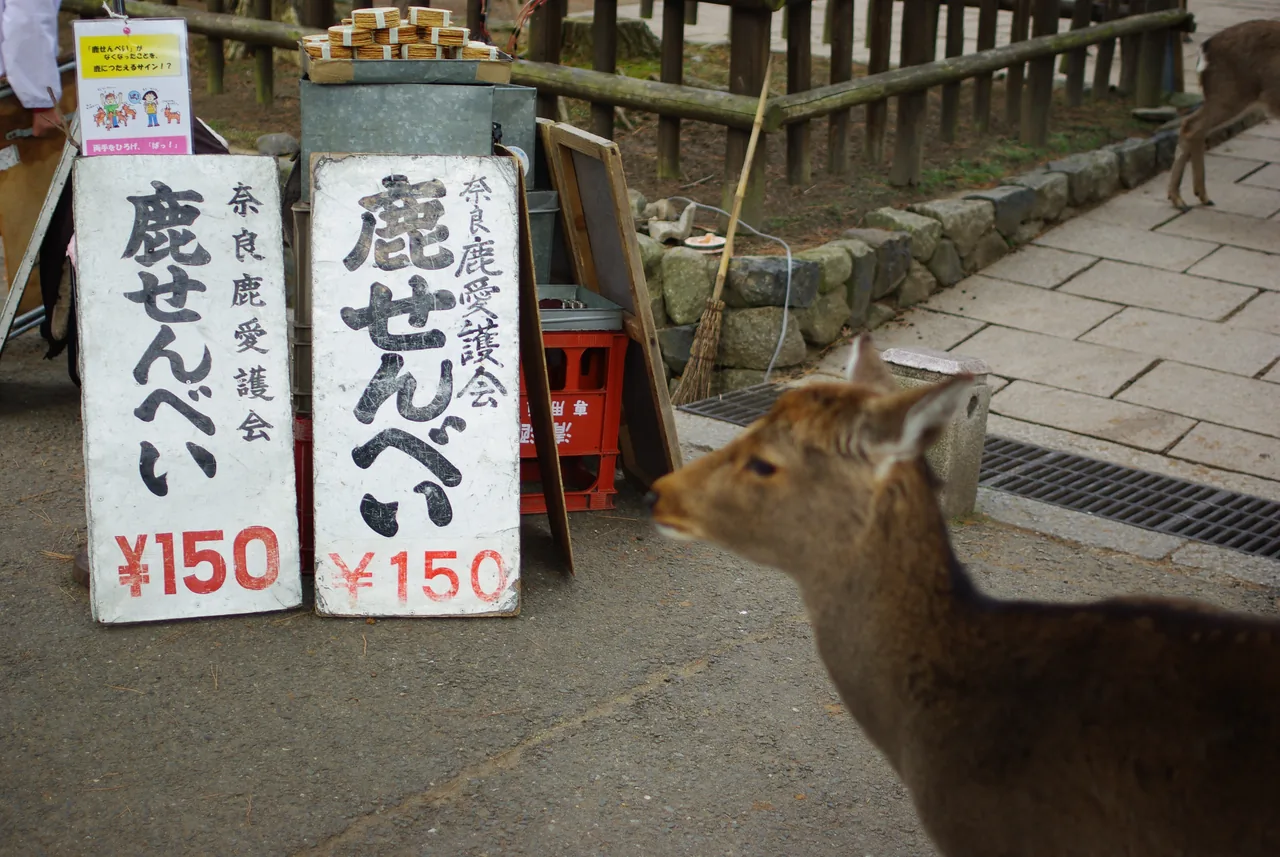
| Shika senbei (deer crackers) cost about ¥200 for a stack of roughly ten from the small cart vendors scattered through the park, versus about ¥500 for ten from the branded ‘I ❤ Deer’ vending machines — both are real options, just at very different price points, so don’t assume they’re interchangeable. |
1. Nara in brief: Japan’s first capital, and a day trip from both directions
2. Is Nara actually worth a day trip?
3. Getting to Nara from Kyoto
4. Getting to Nara from Osaka
5. Kintetsu vs. JR: the one distinction that actually matters
6. How many hours do you actually need in Nara?
7. Nara Park and the deer: what’s actually true about safety
8. Todai-ji and the Great Buddha
9. Kasuga Taisha and the lantern-lined approach
10. Kofukuji: an honest look at the covered pagoda
11. Naramachi and Nakatanidou: the old-town add-on
12. Yoshikien and Isuien: the free-for-foreigners garden tip
13. When to go: cherry blossoms, autumn foliage, and the Wakakusa Yamayaki fire festival
14. Sample itineraries: half-day and full-day plans
15. Practical essentials: luggage, budget, and connectivity
16. Nara vs. Kyoto vs. Osaka: how to actually fit it in
1. Nara in brief: Japan’s first capital, and a day trip from both directions
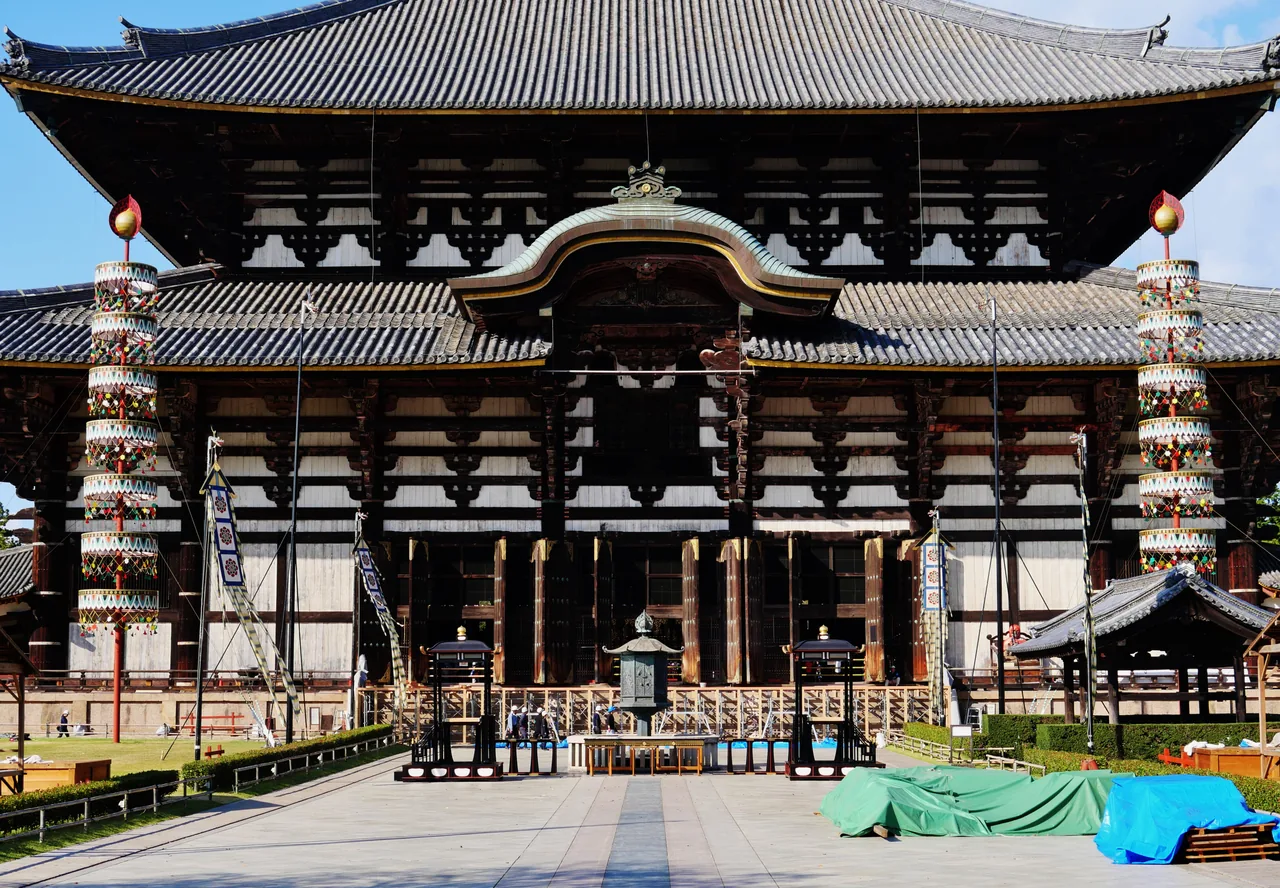
Nara City was Japan’s first permanent capital, established in 710 as Heijo-kyo, three-quarters of a century before Kyoto ever took the role — and today it packs some of the country’s oldest surviving large-scale Buddhist architecture, plus around 1,200 to 1,500 free-roaming sacred deer, into a core small enough to walk in an afternoon. It’s a fundamentally different kind of day trip from either Kyoto or Osaka, closer to a living museum of the 8th century than a modern city with old temples scattered through it.
The historic center is inscribed as a UNESCO World Heritage Site, “Historic Monuments of Ancient Nara,” covering Todai-ji, Kofukuji, Kasuga Taisha, Gango-ji, Yakushiji, Toshodai-ji, the Heijo Palace site, and the Kasugayama Primeval Forest behind the park. Most day-trippers only need the first three plus the deer park itself — Yakushiji and Toshodai-ji sit further west and are strictly optional add-ons for a second visit, not core to a first-time trip.
What makes Nara unusual among Japan’s classic day trips is geography: it sits almost exactly between Kyoto and Osaka, each about 35-45 minutes away by direct train. There’s no single “home base” the way Tokyo anchors Nikko or Hakone — plenty of travelers do this trip from Kyoto, and plenty do it from Osaka, and neither route is a compromise. Sections 3 and 4 cover both in full, side by side.
Todai-ji, Kofukuji, Kasuga Taisha, and Gango-ji sit inside or right beside Nara Park itself; Yakushiji and Toshodai-ji, a pair of temples further west near Nishinokyo, and the Heijo Palace site — the excavated and partially reconstructed footprint of the original 8th-century imperial palace — round out the UNESCO listing for travelers with an extra day to spend. The Kasugayama Primeval Forest, the wooded hillside rising behind Kasuga Taisha, has been protected from logging for over a thousand years specifically because it was considered the sacred backdrop to the shrine, and it’s one of the reasons the area still feels genuinely forested rather than landscaped.
The other thing that surprises first-time visitors is just how walkable it all is. Nara Park, Todai-ji, Kasuga Taisha, and Kofukuji cluster within roughly 2km of each other — one of the most compact major day trips in the country, with almost no local transit needed once you’ve arrived.
2. Is Nara actually worth a day trip?
Yes — Nara offers something neither Kyoto nor Osaka can: free-roaming deer that wander city streets and temple grounds unfenced, plus Buddhist architecture that predates almost everything in Kyoto by decades or centuries. It isn’t a smaller, quieter version of Kyoto; it’s a distinct destination in its own right, with its own headline attraction.
Kyoto has more temples in total and a wider spread of gardens, geisha districts, and seasonal spectacle. Osaka has the food scene, the castle, and the energy of a modern commercial city. Nara has neither of those things in the same volume — what it has instead is the Great Buddha at Todai-ji, cast in 752 and still housed in what was, for centuries, the largest wooden building on Earth, and a park where roughly 1,200-1,500 sacred deer walk right up to visitors in hopes of a cracker. That combination doesn’t really exist anywhere else in Japan.
The honest caveat: Nara’s center is small. If you’re chasing volume — the sheer number of temples, or a full afternoon of shopping and cafes — Kyoto wins that contest easily. Nara rewards a slower, more focused visit: two or three exceptional sights seen properly, rather than ten seen at a jog. Section 6 breaks down exactly how much time that focused visit actually needs.
It’s also worth being honest about crowds. Todai-ji and the deer park draw heavy tour-bus traffic, especially late morning through early afternoon and on weekends — in that sense Nara isn’t some undiscovered secret, and you should expect company at the headline sights. Where it does feel less crowded than central Kyoto is everywhere just one step off that headline path: Kasuga Taisha’s forested approach, Naramachi’s back streets, and either garden all see a fraction of the foot traffic that Todai-ji does, often within a ten-minute walk of it.
3. Getting to Nara from Kyoto
From Kyoto Station, the fastest way to Nara is the Kintetsu Limited Express in about 35 minutes; a slightly slower Kintetsu train or the JR Nara Line’s Miyakoji Rapid both take around 45 minutes for less than the Limited Express fare. Both companies depart from Kyoto Station, just from different platforms — Kintetsu and JR are entirely separate railways here, not two names for the same line.
| Option | Time | Fare (one-way) | Notes |
|---|---|---|---|
| Kintetsu Limited Express | ~35 min | about ¥1,280 (some fare classes closer to ¥1,490 with a premium car) | Reserved seat, the fastest option, arrives at Kintetsu-Nara Station — about 5 minutes on foot from Nara Park |
| Kintetsu ordinary/express | ~45 min | about ¥760 | No reservation needed, same arrival station as the Limited Express |
| JR Nara Line, Miyakoji Rapid | ~45 min | about ¥720 | Covered by the Japan Rail Pass; arrives at JR Nara Station — about 15-20 minutes on foot from Nara Park |
For most travelers based in Kyoto without a rail pass, the calculus is simple: pay a little more for the Limited Express and save time, or take the cheaper ordinary Kintetsu train and accept the extra ten minutes — either way, you’ll land at the station closest to the park. JR only pulls ahead if you’re already holding a Japan Rail Pass, since Kintetsu is never covered by any JR product (Section 5 covers that distinction in full).
Both railways run frequently throughout the day, so there’s no need to book ahead for a same-day trip — just walk into Kyoto Station, find the right platform, and go.
4. Getting to Nara from Osaka
From Osaka, Kintetsu’s Limited Express departs Osaka-Namba and reaches Nara in about 35 minutes for roughly ¥1,410 total; a cheaper Kintetsu ordinary or express train covers the same route in 35-40 minutes, and JR’s Yamatoji Rapid from JR Namba, Osaka, or Tennoji station takes about 45-50 minutes. Namba is the natural departure point for most Osaka-based travelers, since it connects directly into the city’s subway network.
| Option | Time | Fare (one-way) | Notes |
|---|---|---|---|
| Kintetsu Limited Express (from Osaka-Namba) | ~35 min | about ¥1,410 total | Reserved seat, the fastest option from the Namba area |
| Kintetsu ordinary/express (from Osaka-Namba) | ~35-40 min | about ¥560-680 | No reservation needed; fare varies slightly by source, budget toward the higher figure |
| JR Yamatoji Rapid (from JR Namba, Osaka, or Tennoji) | ~45-50 min | about ¥800 | Covered by the Japan Rail Pass; departure station depends on where you’re staying in Osaka |
Which station you leave from matters more in Osaka than in Kyoto, since the city has several plausible departure points. If you’re near Namba or Shinsaibashi, Kintetsu-Namba is the obvious choice and generally the fastest overall route into Nara. If you’re staying near Osaka Station, Umeda, or Tennoji and would rather not backtrack to Namba, the JR Yamatoji Rapid from your nearest of those three stations is a perfectly good alternative — just budget the extra 10-15 minutes over Kintetsu’s Limited Express.
As with the Kyoto route, no reservation or advance booking is required for a same-day trip on any of these options except the reserved-seat Limited Express, which you can typically book same-day at the station.
5. Kintetsu vs. JR: the one distinction that actually matters
Kintetsu-Nara Station is about a 5-minute walk from Nara Park and Todai-ji; JR Nara Station is 15-20 minutes on foot from the same spot (or a short bus/taxi ride) — and Kintetsu is a private railway that no Japan Rail Pass, national or regional, has ever covered. This one fact decides which train most day-trippers should actually take.
| Kintetsu | JR | |
|---|---|---|
| Walk to Nara Park/Todai-ji | ~5 minutes | ~15-20 minutes (or short bus/taxi) |
| Japan Rail Pass coverage | Never covered — a private railway | Covered (Yamatoji Rapid from Osaka, Miyakoji Rapid from Kyoto) |
| Speed from Kyoto | ~35 min (Limited Express) / ~45 min (ordinary) | ~45 min |
| Speed from Osaka | ~35 min (Limited Express) / ~35-40 min (ordinary) | ~45-50 min |
The bottom line is straightforward: if you’re already holding a Japan Rail Pass for the rest of your trip, ride JR and accept the longer walk — it costs you nothing extra and the walk itself isn’t unpleasant. If you don’t hold a JR Pass, Kintetsu is almost always the better call, since it’s comparably priced (sometimes cheaper on the ordinary trains) and lands you a 10-15 minute walk closer to everything you came to see.
6. How many hours do you actually need in Nara?
Half a day — about 4 hours — comfortably covers the two must-sees: the deer park and Todai-ji. A proper full day, 6 to 8 hours, is what it takes to add Kasuga Taisha, Kofukuji, Naramachi, and a garden without feeling rushed. Be honest with yourself about which trip you’re actually planning before you build an itinerary.
A lot of tour buses and rushed itineraries treat Nara as a 2-3 hour stop wedged between two other cities in one day — enough time to see some deer, snap a photo of the Great Buddha, and leave. That’s a real option if your schedule is truly tight, and it isn’t a wasted trip. But it does mean skipping Kasuga Taisha’s lantern-lined approach, Kofukuji’s treasure hall, and Naramachi’s old streets entirely, which is a lot of what makes Nara worth the train ride in the first place.
| Time available | What fits |
|---|---|
| ~2-3 hours | Deer park + Todai-ji’s Great Buddha Hall only — the bare-minimum highlights, no time to linger |
| ~4 hours (half-day) | Deer park + Todai-ji at a comfortable pace, including the Nandaimon Gate and a bit of wandering |
| 6-8 hours (full day) | Everything in the half-day plan, plus Kasuga Taisha, Kofukuji, a garden, and Naramachi for lunch |
The trade-off isn’t really about missing “extra” sights — it’s about missing the parts of Nara that feel least like a checklist. Todai-ji is the postcard stop, the one everyone photographs, and it deserves the attention. But Kasuga Taisha’s quiet, lantern-lined approach and Naramachi’s preserved streets are where Nara stops feeling like a monument you’re viewing from behind a rope and starts feeling like a place you’re actually walking through. If your schedule allows even an extra two hours beyond the bare minimum, that’s usually where it pays off best.
One more honest note: because the core sights sit within about 2km of each other, the constraint here is rarely transit time — it’s dwell time. Unlike a day trip where hours disappear into buses and transfers, in Nara the hours you don’t have are hours you’d otherwise spend actually standing in front of something worth seeing. Plan your available time around how long you want to linger, not around getting from A to B.
Section 14 walks through both the half-day and full-day versions hour by hour, so you can pick the one that actually matches your schedule rather than guessing.
7. Nara Park and the deer: what’s actually true about safety
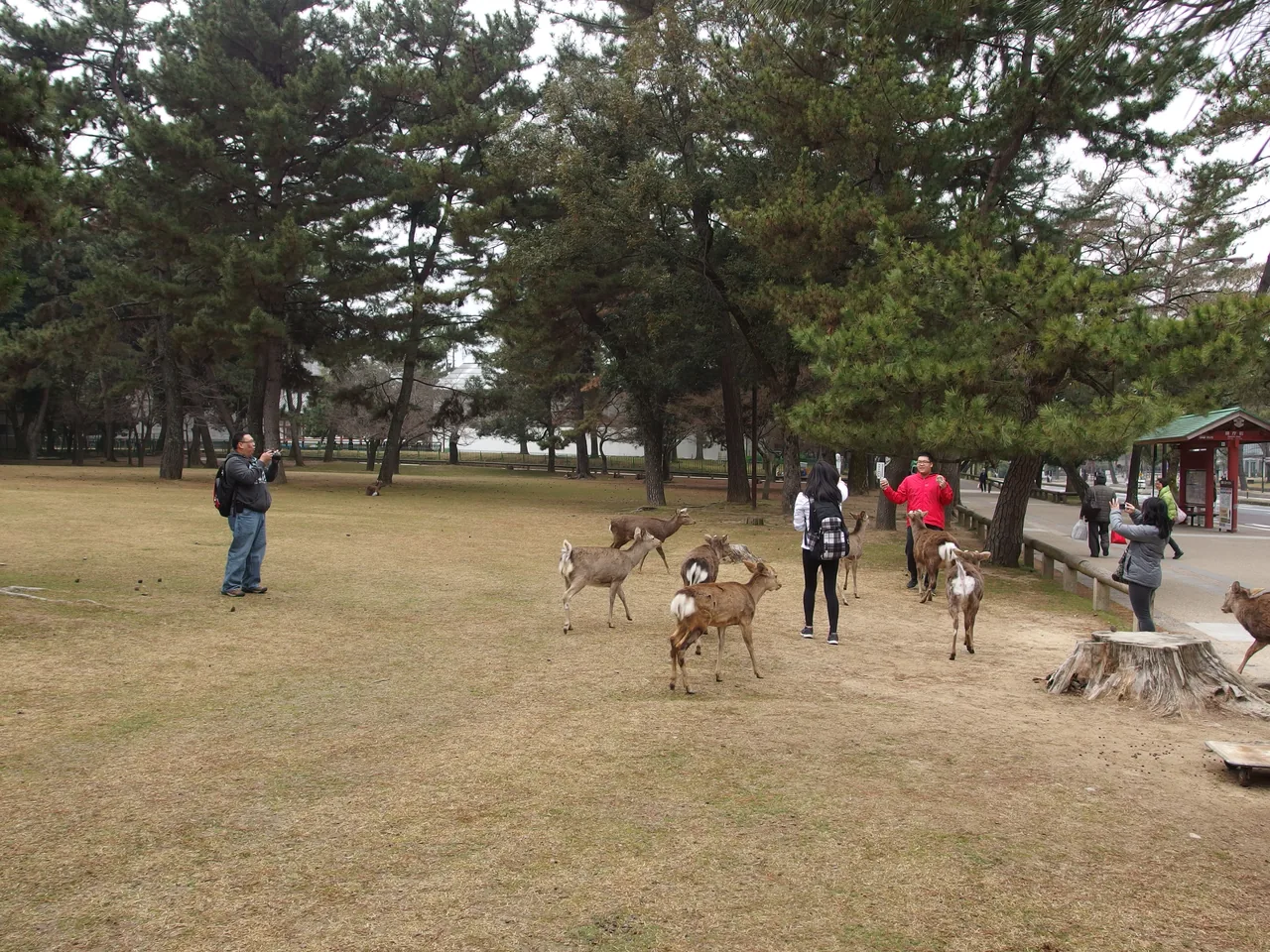
Nara’s deer population hit a record high of about 1,465 in 2025 — the highest count since surveys began in 1953 — and while nips and light bites are a routine, well-documented occurrence, no case of rabies or any other disease transmitted by a Nara deer has been recorded in over 50 years. Most incidents are minor: a nip at a jacket or bag, a light bite, being bumped off balance. Severe injuries are rare.
Nara ParkMap is not a fenced enclosure — the deer wander freely through the park, the surrounding streets, and the temple grounds, and have done so for over a thousand years as messengers of the deity at Kasuga Taisha, according to the shrine’s founding legend. They’re now protected as a natural monument, which is exactly why a new rule exists to protect them, not tourists, from harm: as of April 1, 2025, an amendment to the Nara Prefectural Urban Park Ordinance explicitly prohibits “harmful acts” toward the deer — kicking, hitting, or otherwise forcing them into situations that could injure them — enforceable under the Law for the Protection of Cultural Properties.
Deer crackers, called shika senbei, are the reason most visitors interact with the deer at all. Small green-roofed cart vendors scattered around the park — clustered especially near Todai-ji and Kasuga Taisha — sell a stack of roughly ten for about ¥200. Vending machines branded “I ❤ Deer” also sell a boxed, souvenir version for about ¥500 for ten — more expensive and more of a novelty than a necessity, so don’t assume the two are the same product at different prices; they’re different formats entirely.
| Do | Don’t |
|---|---|
| Hand crackers over right away | Hold a cracker out of reach for a photo |
| Show empty, upturned palms once you’re out | Keep waving an empty hand near a hungry deer |
| Keep bags and maps zipped or tucked away | Leave loose paper or plastic in easy reach |
| Buy crackers from cart vendors or “I ❤ Deer” machines only | Feed deer snacks or human food |
| Supervise kids closely near any deer with a cracker | Corner a deer or crowd it from multiple sides |
Plenty of Nara’s deer have learned to lower their heads in a “bow” before accepting a cracker — a charming, widely photographed behavior that’s earned them a reputation as the politest animals in Japan. But a bow isn’t a guarantee of good behavior; a hungry or teased deer can still nip or bump even mid-bow. Treat the gesture as endearing, not as proof the deer in front of you is fully docile. You’ll see the most deer on the open lawns between Kintetsu-Nara Station and Todai-ji’s Nandaimon Gate, and along Kasuga Taisha’s approach path.
Worth keeping in perspective: a record population of nearly 1,500 deer sharing a park with several million annual visitors inevitably produces a steady stream of minor incidents simply as a matter of volume, not because the animals have become more aggressive. The deer have shared this exact space with pilgrims and tourists for over a thousand years, and the same basic etiquette that’s worked for centuries — don’t tease, don’t corner, hand crackers over promptly — still works today.
8. Todai-ji and the Great Buddha
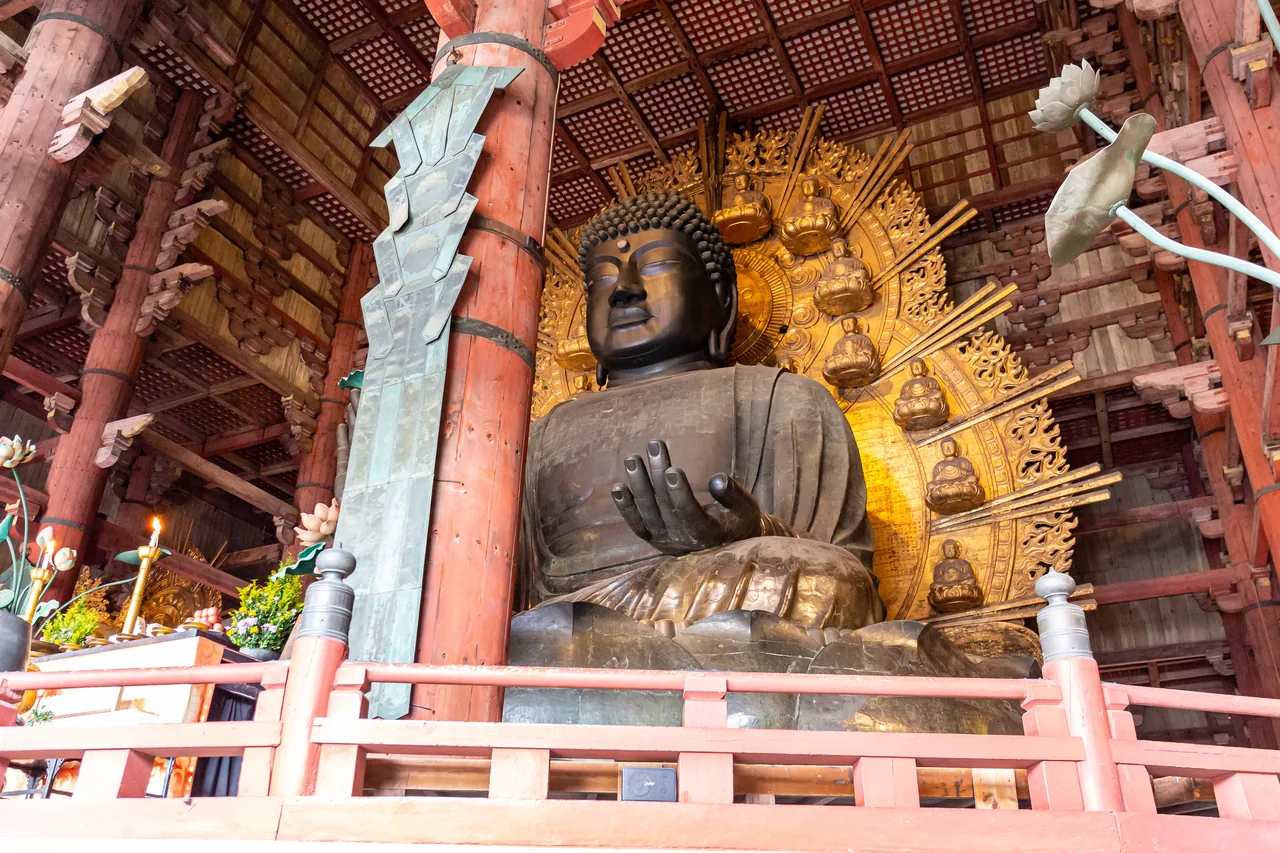
Todai-jiMap‘s Great Buddha Hall (Daibutsu-den) houses a 15-meter bronze statue of Vairocana Buddha cast in 752, inside a building that was, for centuries, the largest wooden structure on Earth — even today’s 1692 reconstruction, at roughly two-thirds the size of the original 8th-century hall, is still enormous. Admission is about ¥800 for an adult and ¥400 for a child aged 6-12; a combined ticket adding the Todai-ji Museum runs about ¥1,200 adult / ¥600 child. Hours run 7:30-17:30 April through October and 8:00-17:00 November through March.
| Nara’s big three | Admission | Signature sight |
|---|---|---|
| Todai-ji | ¥800 adult / ¥400 child; combo w/ museum ¥1,200 / ¥600 | The Great Buddha — a 15m bronze statue cast in 752 |
| Kasuga Taisha | Outer grounds free; inner sanctuary ¥700; garden ¥700 / ¥300 | ~3,000 stone and bronze lanterns lining the approach |
| Kofukuji | National Treasure Hall ¥900; combo w/ two halls ¥1,600 | The Ashura statue (the pagoda is currently under scaffolding) |
Before the paid inner grounds, the Nandaimon (Great South Gate) is free to view and worth a pause on its own — it houses two enormous Nio guardian statues, fierce wooden figures flanking the entrance that are among the most photographed guardian statues in the country. Inside the hall itself, look for the “Buddha’s nostril” pillar: a wooden column with a hole said to match the size of the Great Buddha’s actual nostril. Squeezing through it is a popular, genuinely tight photo tradition, said to bring enlightenment or good luck to anyone who manages it.
The scale of the original undertaking is worth appreciating on its own: Emperor Shomu ordered the Great Buddha’s construction in 743 as a nation-stabilizing project during a period of famine, epidemic, and political unrest, and the bronze casting alone reportedly took eight attempts and several years to complete, consuming a large share of Japan’s bronze production at the time. The statue and hall have survived two major fires and reconstructions since — in 1180 and again in 1567 — with the current head and hands dating to those later rebuilds even though the body core is largely original 8th-century bronze.
For a quieter view, Nigatsu-doMap is an elevated hall within the Todai-ji complex with a free-to-view terrace overlooking Nara city — always open, rarely as crowded as the main Daibutsu-den, and a good spot to catch your breath between the deer park and the rest of the temple grounds.
9. Kasuga Taisha and the lantern-lined approach
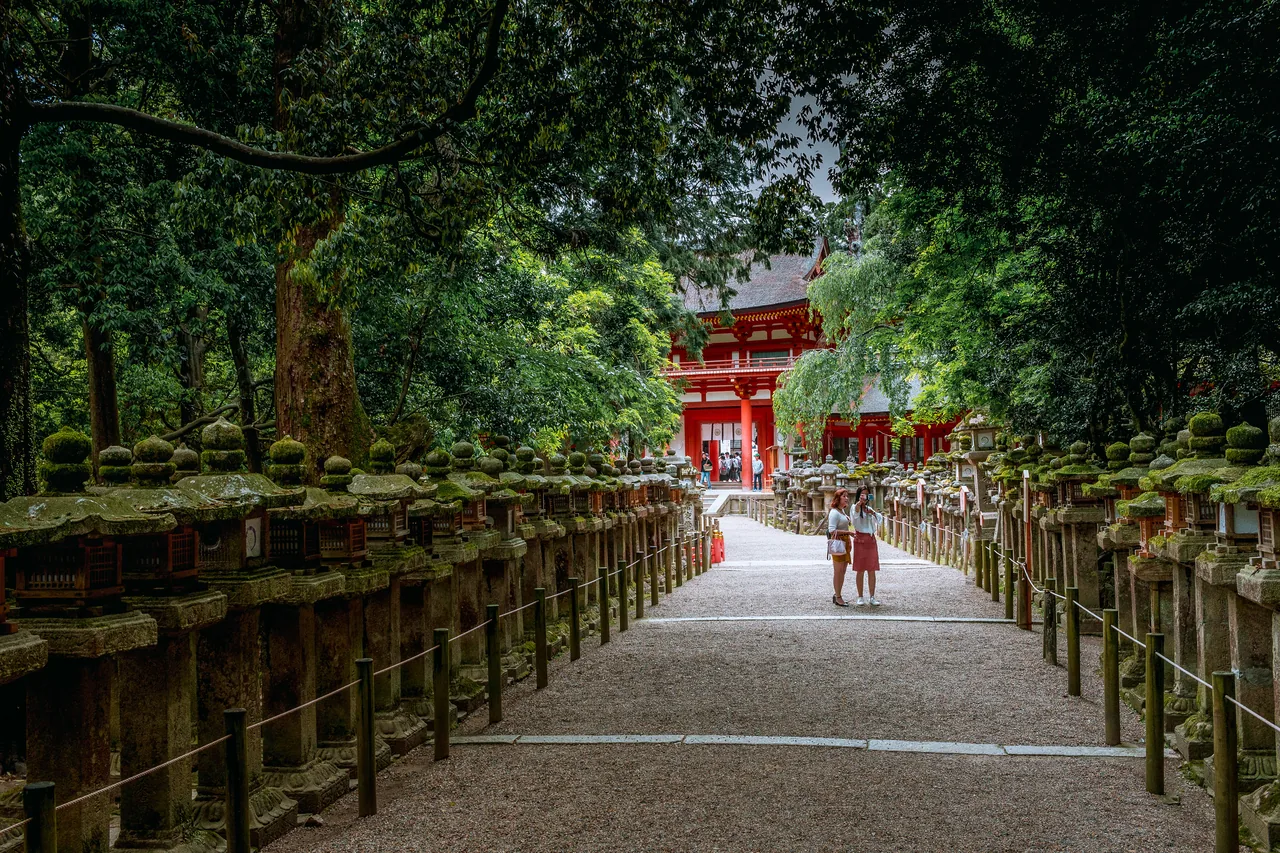
Kasuga TaishaMap, founded in 768, is lined with roughly 3,000 stone and bronze lanterns along its approach path and throughout the shrine grounds — lit only twice a year during the Setsubun and Obon lantern festivals (Mantoro), but visually striking even unlit, and one of the most atmospheric walks in the city. Deer are commonly present the entire way, wandering the forested approach as freely as they do in the open park.
The shrine is dedicated to four kami who protect the city, and its history is directly tied to Nara’s deer: according to the shrine’s founding legend, one of its deities arrived riding a white deer, which is why the animals have been treated as sacred messengers here for over a thousand years. The outer grounds and the lantern-lined approach itself are free to walk. Entering the inner sanctuary costs about ¥700 for an adult, and the adjacent Manyo Botanical Garden — a separate ticket — runs about ¥700 adult / ¥300 child.
Even travelers who skip the paid inner sanctuary get most of the visual impact just by walking the approach path under the cedar canopy, lanterns lining both sides the entire way. It’s a different mood entirely from Todai-ji’s grander, more crowded halls — quieter, greener, and easy to linger in.
The shrine’s main sanctuary buildings are themselves the namesake and textbook example of kasuga-zukuri, a distinctive architectural style built around a small, gabled main hall with a curved roof extension over the entrance — a form later copied at shrines across the country. Every 20 years, Kasuga Taisha undergoes a full ceremonial rebuilding and renewal known as shikinen zotai, in the same tradition as Ise Grand Shrine’s more famous version of the practice, though on a smaller scale; it’s part of why the buildings still look crisp despite their ancient founding date.
10. Kofukuji: an honest look at the covered pagoda
Kofukuji’s iconic five-story pagoda — Japan’s second-tallest and a National Treasure — is currently wrapped in construction scaffolding for a major renovation running from July 2023 to March 2034, over a decade. If you’ve seen a photo of the pagoda standing open against the sky, that photo is from before mid-2023. Any visit in 2026 will find it covered, not the postcard version most existing blog posts and stock photography still show.
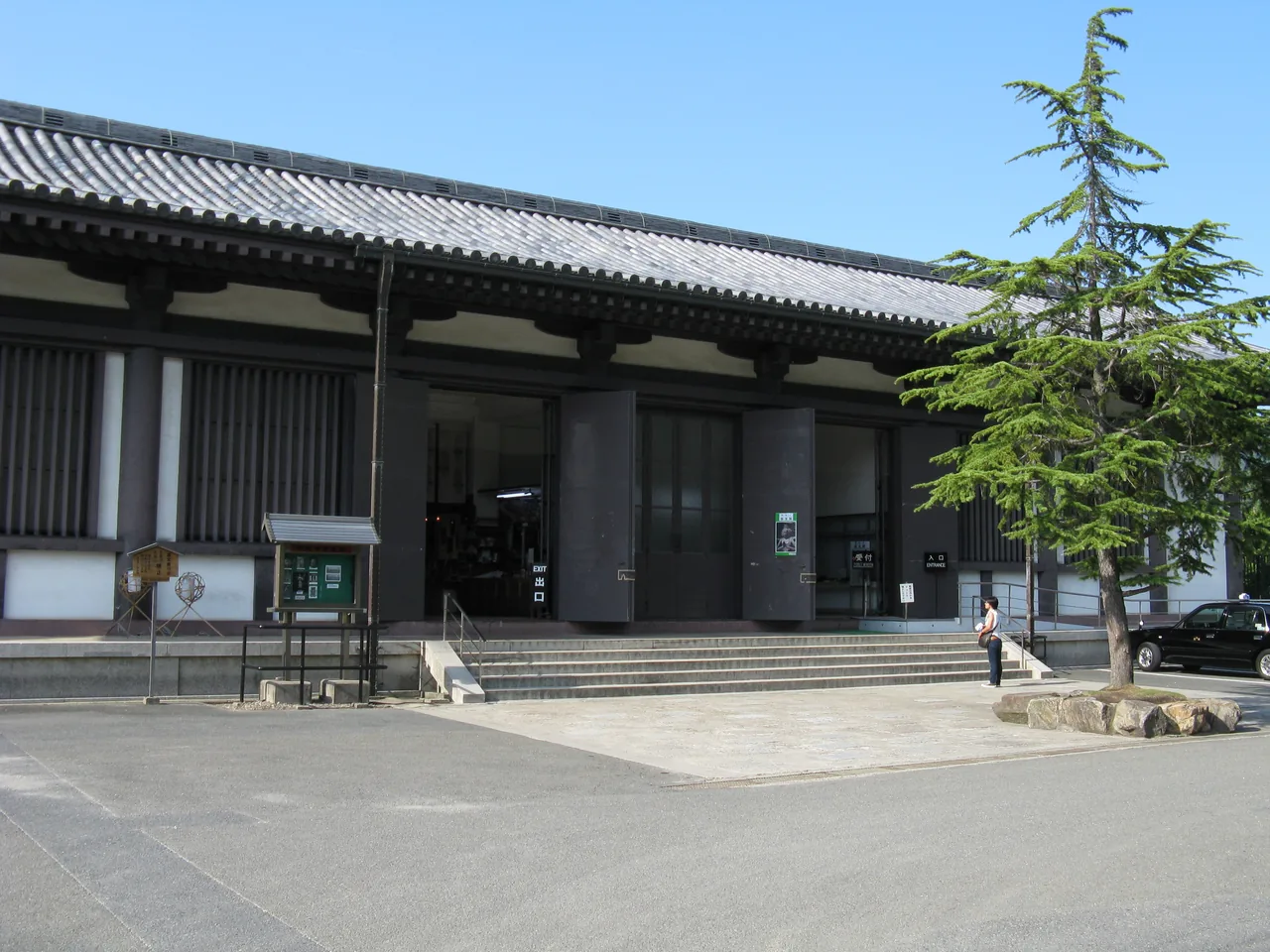
The good news: the rest of the temple remains fully open and worth the visit even with the pagoda covered. Founded in 710 as one of the most powerful temples in Japan and the former head temple of the Fujiwara clan, Kofukuji’s National Treasure Hall holds a remarkable collection, including the famous Ashura statue — a serene, three-faced, six-armed figure considered one of the finest surviving works of Nara-period Buddhist sculpture. Standalone admission to the National Treasure Hall is about ¥900 adult; a combined ticket adding the Eastern Golden Hall and Central Golden Hall runs about ¥1,600 adult.
Treat Kofukuji as a stop for the National Treasure Hall’s collection and the temple grounds, not for a pagoda photo — and you’ll leave satisfied rather than let down.
11. Naramachi and Nakatanidou: the old-town add-on
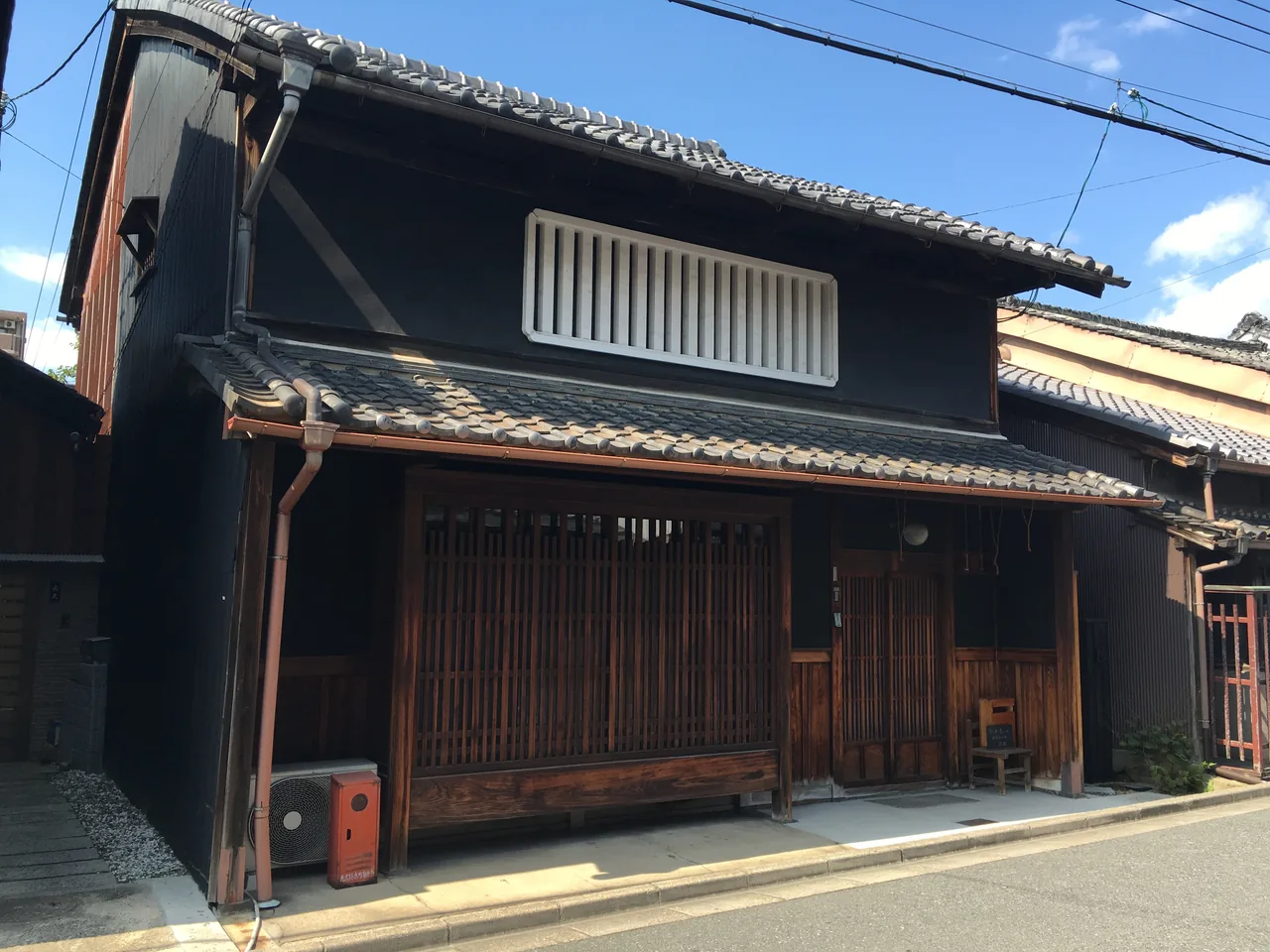
NaramachiMap, the former Edo and Meiji-era merchant quarter about 15-20 minutes on foot south of Nara Park and Kintetsu-Nara Station, is a walkable grid of preserved machiya townhouses now holding cafes, small museums, sake shops, and craft galleries. It’s the natural place to break for lunch between the temple sights and the walk back to the station, and a distinctly different texture from the grand halls of Todai-ji and Kofukuji.
The area’s best-known stop is Nakatanidou, a mochi shop famous for its rapid-fire, high-speed mochi-pounding performance (mochitsuki) — two men swinging heavy wooden mallets in a blur while a third turns the mochi between strikes, timed almost like a drum routine. It happens roughly every 30 minutes or whenever a crowd gathers, and it’s free to watch even if you don’t buy anything. The shop’s specialty is yomogi (mugwort) mochi with a sweet red bean filling, dusted in kinako soybean flour — best eaten fresh, within minutes of the pounding show finishing.
Beyond Nakatanidou, Naramachi rewards an unhurried wander more than a checklist: narrow lanes, lattice-fronted townhouses, and small shops selling everything from local crafts to sake tastings, none of it requiring an entrance fee to enjoy from the street.
Look for small, red cloth monkey dolls called migawari-zaru hanging under the eaves of many machiya doorways — a local charm believed to take on a household’s misfortune in place of its residents, unique enough to Naramachi that they’ve become an informal symbol of the neighborhood. Several of the old townhouses have been converted into small free-to-enter museums showcasing traditional merchant-era interiors, a good rainy-day fallback if the weather turns while you’re out at the temples.
12. Yoshikien and Isuien: the free-for-foreigners garden tip
Yoshikien Garden is free for any foreign visitor who shows a passport or other ID at the entrance (about ¥250 for everyone else), open 9:00-17:00 with last entry at 16:30 — a tip most first-time visitors never hear about. Isuien Garden, right next door, is a completely different pricing policy: about ¥900 for anyone, no exceptions, which includes admission to the adjacent Neiraku Museum.
| Yoshikien | Isuien | |
|---|---|---|
| Price | Free for foreign visitors w/ passport (¥250 otherwise) | ¥900 for everyone, incl. Neiraku Museum |
| Hours | 9:00-17:00, last entry 16:30 | 9:30-16:30, last entry 16:00 |
| Style | Five themed mini-gardens in one compact plot | Two eras, rear garden famous for shakkei borrowed scenery |
| Best for | A quick, budget-friendly stop | Photogenic pond views, worth the extra admission |
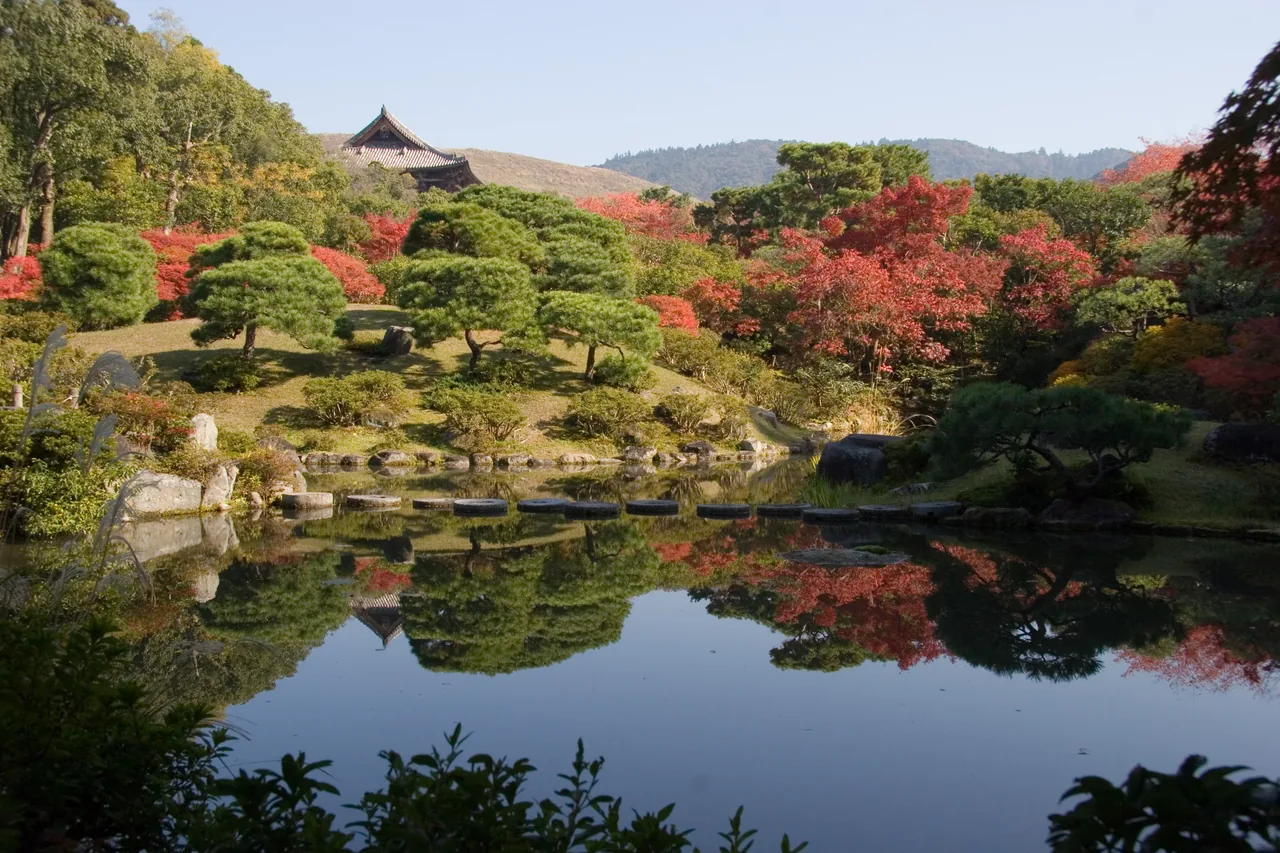
Don’t conflate the two gardens’ policies — they sit beside each other and look similar from the outside, but Yoshikien’s free-entry rule for foreign tourists does not carry over to Isuien GardenMap. Isuien is open 9:30-16:30 with last entry at 16:00, and its ticket price covers both the garden itself and the small museum attached to it, which holds a modest collection of ceramics and calligraphy.
Isuien is actually split into two connected sections built in different eras — an older front garden from the 17th century and a larger rear garden added in the early 20th century — and it’s the rear section that’s famous for its borrowed-scenery (shakkei) technique, where the pond composition is framed so that Mt. Wakakusa and the roofline of Todai-ji’s Nandaimon Gate appear to be part of the garden itself, well beyond the actual property line. Yoshikien, by contrast, is really five smaller themed gardens in one compact plot — a pond garden, a moss garden, a tea-ceremony flower garden among them — making it a quicker, denser stop if your time is limited.
Both gardens are quieter and less crowded than the major temples, making them a good pace-changer on a full-day itinerary — somewhere to slow down after Todai-ji or Kofukuji’s crowds before heading into Naramachi or back to the station. If your budget or time only allows one, Yoshikien’s free entry for foreign visitors makes it the easy pick; if you have time for both, Isuien’s borrowed-scenery pond views (framing the surrounding hills as part of the composition) are worth the extra admission.
13. When to go: cherry blossoms, autumn foliage, and the Wakakusa Yamayaki fire festival
Nara follows the same seasonal rhythm as the rest of Kansai — cherry blossoms typically late March into early April, autumn foliage typically mid-to-late November — plus one uniquely Nara event: the Wakakusa Yamayaki mountain-burning festival, held annually in mid-to-late January (the 2026 edition took place on January 24). Summer is seriously hot and humid, and worth planning around rather than pushing through.
| Season | What to expect |
|---|---|
| Late Mar-early Apr | Cherry blossoms in Nara Park, on the same general timing as Kyoto and Osaka |
| Mid-late Jan | Wakakusa Yamayaki — Mt. Wakakusa is deliberately set alight after an evening fireworks display (fireworks around 18:15, ignition around 18:30); check the current year’s exact date, since it shifts slightly year to year |
| Jul-Aug | Hot and humid, commonly 30-33°C highs — an early-morning start pays off more here than almost anywhere else in this guide; midday (11:00-13:00) is counterintuitively quieter at the temples as visitors retreat to shade or museums |
| Late Oct-early/mid Nov | Autumn foliage across the park and temple grounds, plus the Nara National Museum’s annual Shosoin Exhibition — a short-window special exhibition of treasures from Todai-ji’s Shosoin Repository, opened only for a few weeks each autumn; check the museum’s site closer to the date for the current year’s exact dates |
| Mid-late Nov | Peak autumn foliage in the park and around the temples, similar timing to Kyoto |
An early start is worth it in every season here, both for crowds and, in summer, for the heat — the same advice that applies across Japan’s best time to visit generally holds doubly true for a compact, walk-heavy day trip like this one.
14. Sample itineraries: half-day and full-day plans
A half-day plan of about 4 hours covers the deer park and Todai-ji comfortably; a full day of 6-8 hours adds Kasuga Taisha, Kofukuji, a garden, and Naramachi without rushing any of them. Both start the same way — arriving at Kintetsu-Nara Station and walking straight into the deer park.
Half-day plan (~4 hours)
| Step | What |
|---|---|
| Arrive | Kintetsu-Nara Station, ~5 min walk into Nara Park |
| Deer park | Open lawns near Nandaimon Gate, shika senbei from a cart vendor |
| Todai-ji | Great Buddha Hall, Nandaimon’s Nio guardians, the nostril-pillar tradition |
| Return | Walk back to the station, or continue on to Kyoto/Osaka |
Full-day plan (~6-8 hours)
| Time | What |
|---|---|
| ~9:00 | Arrive Kintetsu-Nara Station, into the park while morning crowds are still light |
| ~9:15-10:15 | Deer park — shika senbei from a cart vendor near Nandaimon, unhurried time before the tour groups arrive |
| ~10:15-11:30 | Todai-ji — Nandaimon Gate, the Great Buddha Hall, the nostril-pillar photo tradition if the line isn’t too long |
| ~11:30-12:30 | Kasuga Taisha — the lantern-lined approach, inner sanctuary if it interests you |
| ~12:30-13:15 | Kofukuji’s National Treasure Hall (the pagoda is under scaffolding — don’t plan around photographing it) |
| ~13:15-14:30 | Lunch in Naramachi, catching a Nakatanidou mochi-pounding show if the timing lines up |
| ~14:30-15:30 | Yoshikien Garden (free with a passport) or Isuien Garden next door |
| ~15:30-16:00 | Slower wander back toward Kintetsu-Nara Station, or a last pass through the park |
15. Practical essentials: luggage, budget, and connectivity
Nara is compact and walkable enough that most day-trippers never need local transit once they arrive; coin lockers are available at both Kintetsu-Nara and JR Nara stations for anyone carrying day-trip luggage. Budget and connectivity are both straightforward here compared to more spread-out day trips elsewhere in Japan.
A rough half-day budget covers round-trip train fare (about ¥1,500-3,000 depending on route and city of origin), Todai-ji admission (¥800), a stack of shika senbei (¥200), and lunch if you stay past midday — figure somewhere around ¥3,000-5,000 per person all in. A full day adds Kasuga Taisha’s inner sanctuary (¥700), Kofukuji’s National Treasure Hall (¥900), a garden (free with a passport at Yoshikien, or ¥900 at Isuien), and a proper lunch in Naramachi, pushing the total closer to ¥6,000-9,000 per person.
| Sight | Adult admission | Notes |
|---|---|---|
| Todai-ji Great Buddha Hall | about ¥800 (¥400 child) | about ¥1,200 combined with the Todai-ji Museum |
| Kasuga Taisha inner sanctuary | about ¥700 | Outer grounds and the lantern-lined approach are free |
| Manyo Botanical Garden (Kasuga Taisha) | about ¥700 (¥300 child) | Separate ticket from the inner sanctuary |
| Kofukuji National Treasure Hall | about ¥900 | about ¥1,600 combined with the Eastern and Central Golden Halls |
| Yoshikien Garden | Free for foreign visitors with passport/ID; about ¥250 otherwise | The single most underused discount in this guide |
| Isuien Garden | about ¥900 | Includes the adjacent Neiraku Museum; not free for any nationality |
Coin lockers at both stations run in the usual ¥300-700 range depending on bag size, and neither station is ever so crowded that you’ll struggle to find one, unlike some of Japan’s busier transit hubs.
Bicycle rental exists in Nara for travelers wanting to reach the further-out sights — Toshodai-ji and Yakushiji, both west of the central core — but isn’t necessary for anyone sticking to the core sights covered in this guide. A working data connection is well worth having for checking bus timings, confirming garden and temple hours (which shift by season), and pulling up gmap directions between sights on the fly. Sort a Japan eSIM before you go rather than relying on station Wi-Fi.
16. Nara vs. Kyoto vs. Osaka: how to actually fit it in
Combining Nara with Kyoto in a single day is generally the easier logistical fit, given Nara’s slightly faster and more frequent Kintetsu and JR connections from Kyoto Station — but combining it with Osaka works just as well, and plenty of travelers do exactly that from Namba or Tennoji without any real downside. Neither city has a monopoly on this trip; the right choice comes down to where you’re staying and what else you’re doing that day.
If you’re based in Kyoto, Nara slots naturally into a day that also includes a lighter Kyoto morning or afternoon, since round-trip travel time from Kyoto Station is under an hour and a half combined. If you’re based in Osaka, the same logic holds from Namba — Kintetsu’s Limited Express gets you there in about 35 minutes, just as fast as from Kyoto, making Osaka an equally legitimate launch point rather than a fallback option.
| Nara | Kyoto | Osaka | |
|---|---|---|---|
| Signature draw | Free-roaming sacred deer + the oldest large-scale Buddhist architecture in the country | Volume and variety of temples, shrines, and gardens; geisha districts; seasonal spectacle | Food culture, castle, modern city energy, nightlife |
| Time needed to feel “done” | Half a day to a full day | Several days minimum | Two to three days |
| Pace | Slow, focused — a few exceptional sights seen properly | Can be slow or fast depending on how many temples you chase | Fast, urban, food-and-walking heavy |
| Best paired with | Either Kyoto or Osaka as a day trip — works equally well from both | A multi-day Kansai base, with Nara and Osaka as day trips | A multi-day Kansai base, with Nara and Kyoto as day trips |
Guided day tours bundling Nara with Kyoto highlights like Fushimi Inari or Arashiyama are a real, popular product for travelers who’d rather not solve the train logistics themselves — worth considering if you’re short on planning time or traveling solo. Whichever city you’re starting from, our Kyoto travel guide and Osaka travel guide cover each city’s full itinerary planning in depth, and our complete Japan travel guide ties the whole Kansai region — and the rest of the country — together into one trip.