
Nagoya Travel Guide: Japan’s Best-Connected Hub City
Nagoya sits almost exactly between Tokyo and Kyoto on the Shinkansen and runs its own international airport, making it Japan’s most underused base for reaching the Alps, Kanazawa, and Ise-Shima. This guide treats it as the hub it actually is, not the skippable stopover its reputation suggests.
| How many days | 1.5-2 days covers Nagoya’s own sights properly; add a night or more if you’re using it as a base for Takayama, Shirakawa-go, or other regional day trips. |
|---|---|
| Getting here | Nozomi Shinkansen puts Tokyo about 1h34 away and Kyoto just 35 minutes away — Nagoya sits almost exactly between Japan’s two biggest tourist draws. |
| Nagoya Castle | the main keep has been closed to entry since 2018 with no confirmed reopening date, and admission jumps from ¥500 to ¥1,000 in October 2026. |
| Ghibli Park | tickets are advance-reservation-only, released on the 10th of each month for dates two months out — book this before you finalize anything else in the region. |
| Best regional base | from Nagoya you can reach the Japan Alps, Kanazawa, Ise-Shima, and both Tokyo and Kansai each within roughly 1-3 hours by train. |
| What to eat | miso katsu, hitsumabushi grilled eel, and tebasaki chicken wings define a distinct, hearty food scene that’s reason enough to stop here on its own. |
1. Nagoya in brief
2. How Nagoya fits together — the areas
3. When to go — seasons, weather, and festivals
4. How many days do you need — sample itineraries
5. Nagoya Station — the hub itself
6. Getting to Nagoya — Shinkansen and Centrair Airport
7. Getting around Nagoya — subway, IC cards, and passes
8. Your gateway to the Japan Alps — Takayama, Hida & Shirakawa-go
9. Your gateway beyond — Kanazawa, Ise-Shima, and Nagano/Matsumoto
10. Nagoya Castle
11. Atsuta Shrine
12. Osu — temple and shopping arcade
13. Sakae — MIRAI TOWER, Oasis21, and Hisaya-odori Park
14. Ghibli Park
15. Kinjo-futo — LEGOLAND Japan and the SCMAGLEV Railway Park
16. More Nagoya sights — art, aquarium, and Toyota’s museums
17. What to eat in Nagoya — 名古屋めし
18. Day trips from Nagoya — Inuyama, Gifu, Nabana no Sato, and Toyota City
19. Where to stay in Nagoya
20. Etiquette and responsible travel in Nagoya
21. Practical essentials — money, budget, and connectivity
1. Nagoya in brief
Nagoya is Japan’s fourth-largest city and the industrial heart of the Chubu region — and thanks to pure geography, it may be the single most useful base in the entire country. It sits almost exactly halfway between Tokyo and Kyoto/Osaka on the Tokaido Shinkansen, every train including the fastest Nozomi service stops here, and it runs its own international airport at Centrair. That combination makes Nagoya less a city you pass through and more a hub you should build an itinerary around.
The city proper holds around 2.3 million people, the capital of Aichi Prefecture and the traditional center of Japan’s auto industry — Toyota is headquartered in the neighboring city that quite literally bears its name, and Nagoya is often called the country’s manufacturing capital. Locals sometimes joke that Nagoya is Japan’s “nothing to see” city, a reputation that sticks mostly because it lacks one single mega-icon the way Kyoto has its temples or Tokyo has its scale. That reputation undersells it badly.
Nagoya Castle, Atsuta Shrine, a legitimately excellent food scene built around miso, and a modern showstopper in Ghibli Park already add up to a solid 1.5-2 day stop on their own. Layer on its role as the real gateway to the Japan Alps (Takayama, Shirakawa-go), Kanazawa, and Ise-Shima, and Nagoya becomes an excellent multi-day base rather than a box to check between the cities everyone’s already heard of. For the national planning picture — visas, rail passes, when to go — see our Japan travel guide; if you’re routing between Tokyo and Kyoto or Osaka, Nagoya is the natural stop in between, not a detour off the main line.
2. How Nagoya fits together — the areas
Nagoya splits into about eight areas, and most can be covered in a half day each — plan geographically and you can comfortably see the city’s core in two days. The station area anchors everything else, so most itineraries start and end there.
| Area | What’s there | Time needed |
|---|---|---|
| Nagoya Station / Meieki | The transit core — JR Central Towers, Midland Square, every rail/subway/bus connection | Half day if exploring the station itself; otherwise a pass-through base |
| Nagoya Castle area | The castle and Ninomaru Garden, on the Meijo subway loop line | Half day |
| Sakae | Downtown core — MIRAI TOWER, Oasis21, Hisaya-odori Park, main shopping and nightlife | Half day |
| Osu | Osu Kannon temple plus a dense covered shopping arcade | Half day |
| Atsuta | Atsuta Shrine and its forested grounds, southern Nagoya | Half day (2-3 hours) |
| Kinjo-futo | Reclaimed bay-area peninsula — LEGOLAND Japan Resort, SEA LIFE Nagoya, SCMAGLEV and Railway Park | Half to full day |
| Nagakute | Eastern suburb — Ghibli Park, the Toyota Museum of classic cars | Full day if doing Ghibli properly |
| Higashiyama | Higashiyama Zoo & Botanical Gardens, on the Higashiyama subway line | Half day, family-friendly option |
A practical grouping: Nagoya Castle and Sakae are a short subway ride apart and pair naturally in one day, with Osu an easy walking add-on between the two. Kinjo-futo and Nagakute are both self-contained day trips in their own right, since they sit at opposite ends of the city’s rail network.
3. When to go — seasons, weather, and festivals
Spring and autumn are Nagoya’s best weather windows, and unlike Kyoto, the crowds here stay manageable basically year-round. Summer is hot and humid like the rest of central Japan; winter is mild.
| Season | Conditions | What’s happening |
|---|---|---|
| Spring (Mar-May) | Mild, comfortable | Cherry blossoms at Nagoya Castle (about 900 trees), typically blooming late March into early April; the castle’s 2026 spring festival runs March 20-May 6, with a dedicated cherry blossom festival March 20-April 5 including night illumination |
| Summer (Jun-Aug) | Hot and humid, commonly low-to-mid 30s°C | Tsuyu rainy season runs roughly mid-June to mid-July |
| Autumn (Oct-Nov) | Mild, comfortable | Good foliage at Tokugawa-en garden and around Higashiyama, with noticeably fewer tourists than Kyoto sees in the same season |
| Winter (Dec-Feb) | Milder than northern/central Japan | Nabana no Sato’s illumination (in nearby Mie Prefecture) typically runs autumn through spring — the most recent season ran October 2025 to May 2026, with the next expected to resume around October |
Spring and autumn are the pick for weather, but Nagoya’s real advantage is that its crowd calendar barely moves — this is a city where you can show up in October and not fight the Kyoto-style crush at any of the major sights. For the national picture on timing your whole trip, see our best time to visit Japan guide, and if you’re traveling June through October, check our Japan typhoon season guide before booking flights.
4. How many days do you need — sample itineraries
Give Nagoya itself 1.5 to 2 full days, and add extra nights if you’re using it as a springboard into the Alps or other day trips. Itineraries group best by geography rather than trying to hit every district in order.
Half-day stopover (breaking a Shinkansen trip)
Nagoya Castle or Atsuta Shrine, plus a meal at or near the station — miso katsu or hitsumabushi. This is a realistic way to use a long layover between Tokyo and Kyoto/Osaka rather than just sitting in the station.
1 day
- Morning: Nagoya Castle
- Midday: lunch nearby
- Afternoon: Osu (temple and arcade)
- Evening: Sakae for MIRAI TOWER at dusk, or Atsuta Shrine if you’d rather trade shopping for quiet
2 days
- Day 1: Nagoya Castle, Osu, and Sakae — the city core
- Day 2: pick one — Ghibli Park (a full day in Nagakute), Kinjo-futo (LEGOLAND plus SCMAGLEV, good for families), or Atsuta Shrine paired with Tokugawa-en garden and the Tokugawa Art Museum for a quieter, cultural day
3+ days, or using Nagoya as a base
Add an overnight trip to Takayama and Shirakawa-go (better as an overnight than a rushed day trip, though guided day tours exist), or a day trip to Inuyama, Gifu, or Nabana no Sato if it’s illumination season.
5. Nagoya Station — the hub itself
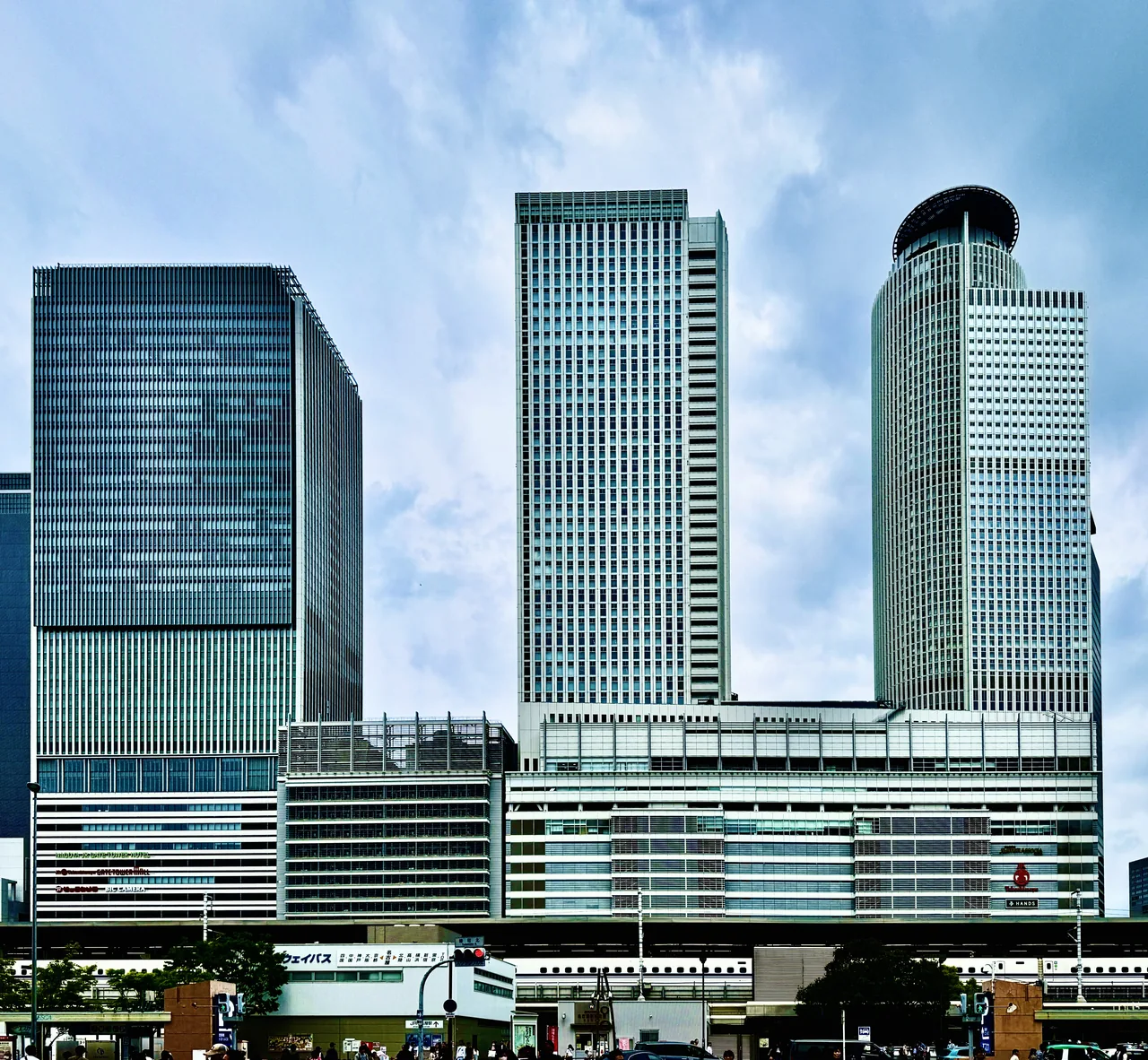
Nagoya Station — known locally as “Meieki” — is one of the most complex interchange stations in Japan, combining five separate rail operators under one sprawling complex. JR Central, Meitetsu, Kintetsu, the Nagoya subway, and the Aonami Line all converge here, and understanding the layout upfront saves real time on transfer days. Nagoya StationMap
The Shinkansen platforms sit on the west side of the complex — two island platforms, four tracks — while JR’s conventional lines (Tokaido Main, Chuo Main, and Kansai Main) occupy the east side across six island platforms and twelve tracks.
Meitetsu Nagoya Station (opened 1941) and Kintetsu Nagoya Station (opened 1938, underground) both sit just south and west of the JR station, each in its own separate building. All three connect via underground concourse, but it’s genuine walking distance, not a same-platform transfer.
Realistic transfer times
These are the buffers locals and travel sites actually use, not official JR figures — give yourself the higher end if you’re carrying luggage or unfamiliar with the station.
| Connection | Realistic transfer time |
|---|---|
| Shinkansen ↔ Higashiyama subway line | 10-15 min |
| Shinkansen ↔ Sakuradori subway line | ~10 min (runs directly beneath the JR concourse — the shortest of the two subway transfers) |
| Shinkansen ↔ Meitetsu | ~20 min |
| Shinkansen ↔ Kintetsu | ~15 min |
| Shinkansen ↔ Limited Express Hida platform | ~7 min |
Above the platforms, JR Central Towers (completed 1999, opened May 2000) is the complex’s twin-tower landmark — a 245.1-meter office tower and a 226.0-meter hotel tower that, at completion, held the largest station-building floor area in the world. It houses JR Central’s headquarters, a Takashimaya department store, and the Nagoya Marriott Associa Hotel — worth knowing about if you want a close-up look at a full-size replica of the castle’s gold shachihoko roof ornaments, since one is on display inside the hotel. Next door, Midland Square (opened 2007, 247 meters, Nagoya’s tallest building) has a 44th-to-46th-floor “Sky Promenade” that’s Japan’s highest-altitude outdoor observation deck.
Put it all together and Nagoya Station isn’t just a place you pass through — because Nozomi stops here and Meitetsu’s own airport line runs straight from this same station to Centrair, it functions as a genuine one-stop interchange between arriving in Japan, Tokyo, Kyoto/Osaka, and the Japan Alps. It’s arguably the single most useful transit point in the country for anyone building a multi-region itinerary.
6. Getting to Nagoya — Shinkansen and Centrair Airport
Nagoya is reachable by Nozomi Shinkansen in about 1h34 from Tokyo and just 35 minutes from Kyoto — and it has its own international airport, Centrair, so plenty of travelers can skip Tokyo’s or Osaka’s airports entirely. Here’s how the routes break down.
| From | Train | Time | Fare (reserved) |
|---|---|---|---|
| Tokyo | Nozomi | ~1h34-1h40 | ¥11,300 (¥11,100 via Smart EX) |
| Kyoto | Nozomi | ~33-35 min | ¥5,910 |
| Shin-Osaka | Nozomi | ~47 min | ¥6,680 |
Chubu Centrair International Airport (NGO)
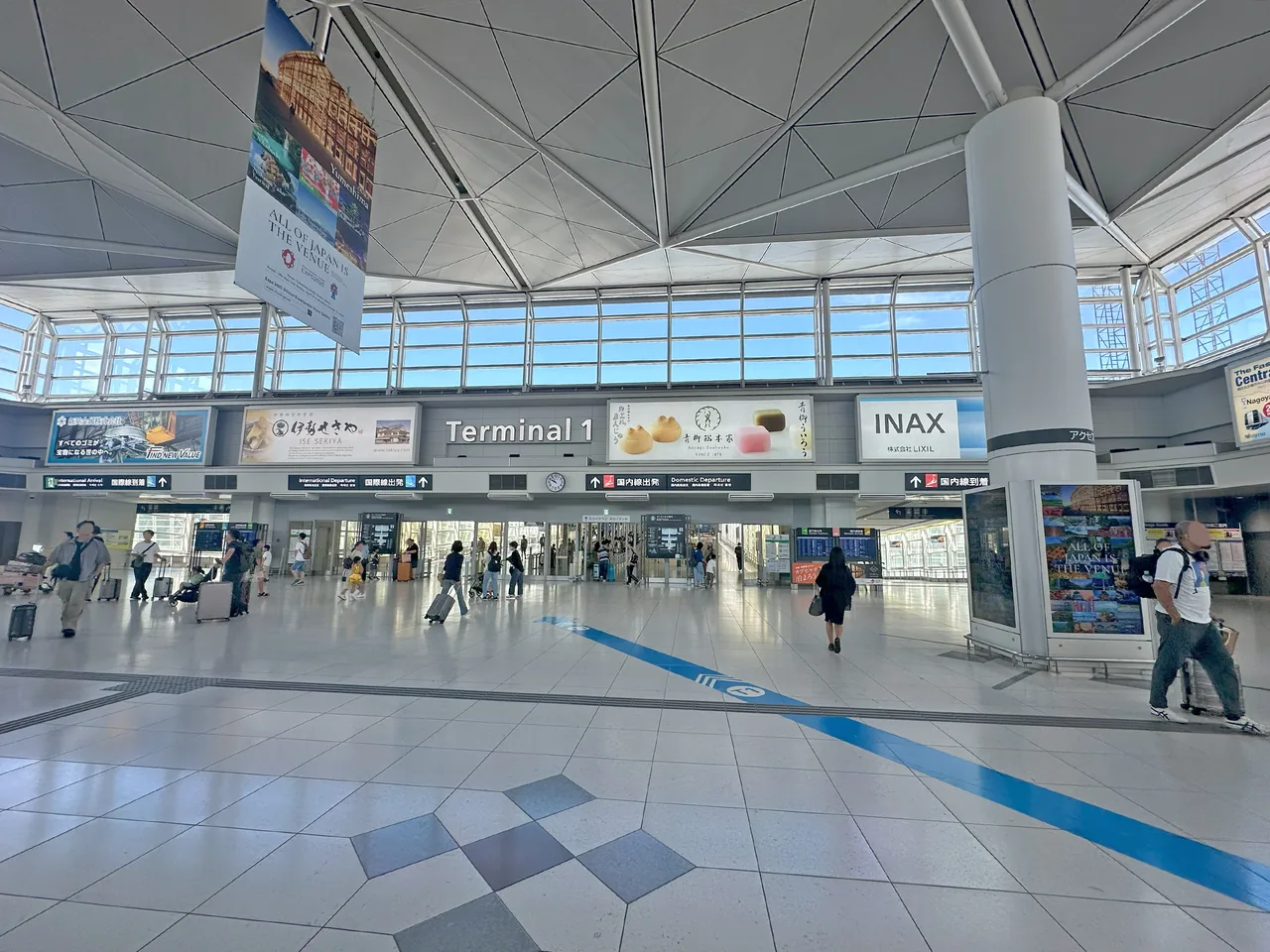
Nagoya’s own international gateway sits on an artificial island in Ise Bay, about 35km south of the city — Japan’s second offshore airport after Kansai, opened in February 2005. The Meitetsu Airport Line connects it directly to Nagoya Station.
| Service | Time | Fare |
|---|---|---|
| μ-SKY limited express | ~28 min | ¥1,430 (¥980 fare + ¥450 surcharge) |
| Regular limited/rapid express (no surcharge) | ~37-41 min | ¥980 |
Centrair runs a wide international network — Seoul (both Incheon and Gimpo), Cheongju, Busan, Taipei, Taichung, Kaohsiung, Qingdao, Tianjin, Shanghai, Hong Kong, Manila, Singapore, Bangkok, Hanoi, Ho Chi Minh City, Honolulu, Guam, and Helsinki on Finnair, the only European direct route. Korea connections are worth flagging specifically.
| Korea route | Details |
|---|---|
| Incheon-Nagoya | About 1h53 on Korean Air, Asiana, Jin Air, Jeju Air, Peach, and JAL |
| Busan (Gimhae)-Nagoya | Daily on Korean Air, 5x weekly on Jin Air — Air Busan does not currently serve this route, having pulled back from Japan as part of the Korean Air-Asiana merger’s slot conditions |
| Gimpo-Nagoya | Resumed on Peach Aviation in April 2025 after a decade-long gap |
| Cheongju-Nagoya | Launched on Aero K in January 2025 |
Airport highlights worth building extra time in for: the free Sky Deck on Terminal 1’s 4th floor, the closest public viewpoint to the runway; an outdoor “Fu no Yu” hot spring bath overlooking the runway; and “Flight of Dreams,” a real retired Boeing 787 on permanent display since October 2019.
7. Getting around Nagoya — subway, IC cards, and passes
Nagoya’s subway covers the city well, and for most visitors a rechargeable manaca IC card plus the occasional day pass is all you need. The system runs six lines, with one genuine quirk worth knowing before you plan a route.
The Meijo Line is Japan’s only fully circular subway loop, while Higashiyama, Meiko, Sakuradori, Tsurumai, and Kamiiada round out the rest. Only Higashiyama and Sakuradori actually stop at Nagoya Station itself — everything else connects via Sakae or Kanayama, so factor that transfer into your timing.
| Pass | Price | Best for |
|---|---|---|
| manaca IC card | Pay as you go | Day-to-day tapping — nationally interoperable with Suica, ICOCA, Pasmo, and the rest |
| Donichi Eco Kippu | ¥620 adult / ¥310 child | Unlimited subway + city bus, valid Saturdays, Sundays, public holidays, and the 8th of every month |
| Me~guru Bus day pass | ¥210 per ride or ¥500 day pass | Tourist loop bus from Nagoya Station covering about 11 stops including the castle and Tokugawa-en; runs Tuesday-Sunday |
| Aonami Line (one-way) | ¥360 | The dedicated line out to Kinjo-futo for LEGOLAND and SCMAGLEV, about 24 minutes end to end |
The Donichi Eco Kippu is a clean, easy-to-remember day pass — Saturdays, Sundays, holidays, and the 8th of every month, no exceptions to track. The Me~guru Bus is the one worth knowing about specifically for sightseeing: it loops from Nagoya Station past the castle, Tokugawa-en, and other tourist stops without requiring subway transfers, though it’s closed Mondays and over New Year’s. For the fuller national IC card comparison, see our Japan IC card guide.
8. Your gateway to the Japan Alps — Takayama, Hida & Shirakawa-go
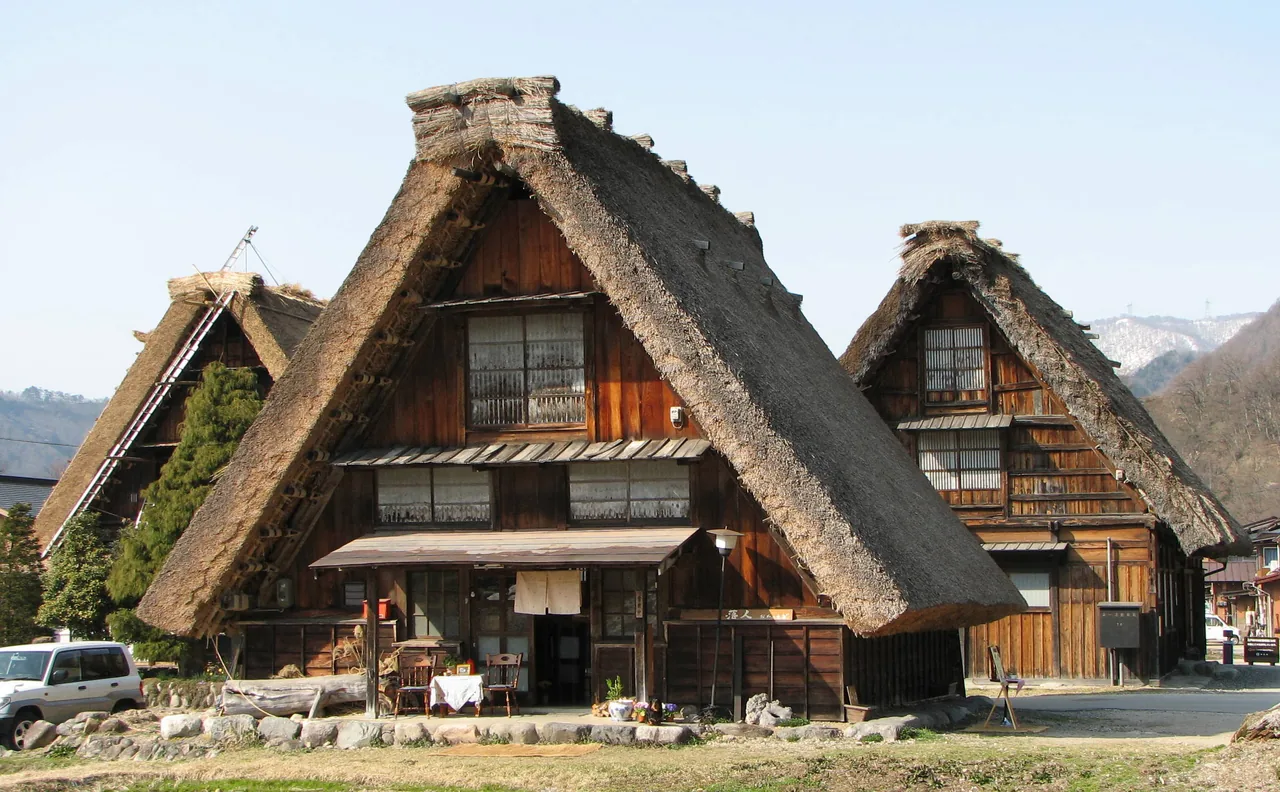
Nagoya is the most convenient rail gateway in Japan to Takayama, Hida, and Shirakawa-go — a connection Tokyo and Osaka simply can’t match as directly. This is arguably Nagoya’s single best argument as a base, not just a stopover.
Getting to Takayama and Hida
The Limited Express Hida runs directly from Nagoya Station — fully re-equipped with new HC85 diesel-hybrid trainsets by March 2023, so if you’ve seen it called “Wide View Hida,” that branding was dropped back in March 2022. The Nagoya-Takayama run takes about 2h30, with about 11 round trips a day (5 of them direct), running ¥5,610 unreserved or ¥6,140 reserved.
Getting to Shirakawa-go
A direct bus runs from Nagoya to Shirakawa-go, jointly operated by Gifu Bus, Meitetsu Bus, and Hokuriku Railroad (not Nohi Bus, which mainly handles the Takayama side of the route) — about 2h30 to 2h42, ¥3,600-4,700, and fully reservation-based, so book ahead rather than assume a seat.
Guided day tours from Nagoya covering both Takayama and Shirakawa-go in a single day are a well-established, popular option, and honestly the easier choice if you don’t want to juggle two separate tickets and transfers — just know it’s a long day, often 11 or more hours round trip.
This is Nagoya’s clearest advantage as a gateway to rural, mountain Japan — neither Tokyo nor Osaka can offer it nearly as conveniently.
9. Your gateway beyond — Kanazawa, Ise-Shima, and Nagano/Matsumoto
Beyond the Alps, Nagoya also puts Kanazawa, Ise-Shima, and Nagano within easy striking distance — and it’s actually closer to Kyoto and Osaka than it is to Tokyo, which matters for how you sequence a multi-city trip.
Kanazawa
Since the Hokuriku Shinkansen’s March 2024 extension to Tsuruga, the limited express Shirasagi now runs only between Nagoya/Maibara and Tsuruga (fully reserved-seat since the change), where you transfer to the Hokuriku Shinkansen’s Tsurugi service on to Kanazawa. The combined routing takes about 2h45 for ¥9,080 with one transfer — faster than the old pre-2024 direct routing, though a bit pricier. A direct highway bus (Meitetsu Bus and others) is the budget alternative, at about 3h49-4h.
Ise-Shima
Kintetsu runs direct from Kintetsu Nagoya Station (note: the JR Pass does not cover Kintetsu). Nagoya-Ise-shi takes about 1h20 for ¥3,080; Nagoya-Toba about 1h35 for ¥3,410. The luxury sightseeing train Shimakaze runs most days (check for exceptions) from Nagoya to Kashikojima in about 2h02 for ¥5,060.
Nagano and Matsumoto
The Chuo Line limited express Shinano (383-series trainsets) runs Nagoya-Matsumoto in about 2 hours for ¥5,630 unreserved / ¥5,960 reserved, and Nagoya-Nagano in about 3 hours for ¥7,000-7,330, with about 13 round trips daily.
| From Nagoya to | Time | Fare |
|---|---|---|
| Kyoto | ~35 min | ¥5,910 |
| Osaka (Shin-Osaka) | ~47 min | ¥6,680 |
| Tokyo | ~1h34 | ¥11,300 |
That table is the whole argument in one place: Nagoya sits closer to Kyoto and Osaka than to Tokyo, which is genuinely useful for itinerary planning. Someone doing Tokyo → Nagoya → Kyoto → Osaka has a cleaner, more linear route than backtracking through Tokyo at the end of the trip.
Put together, from Nagoya you can reach the Japan Alps, Kanazawa and the Hokuriku region, Ise-Shima, and both of Japan’s two biggest metro areas each within about 1-3 hours by train — genuinely one of the best-connected single bases anywhere in the country.
10. Nagoya Castle
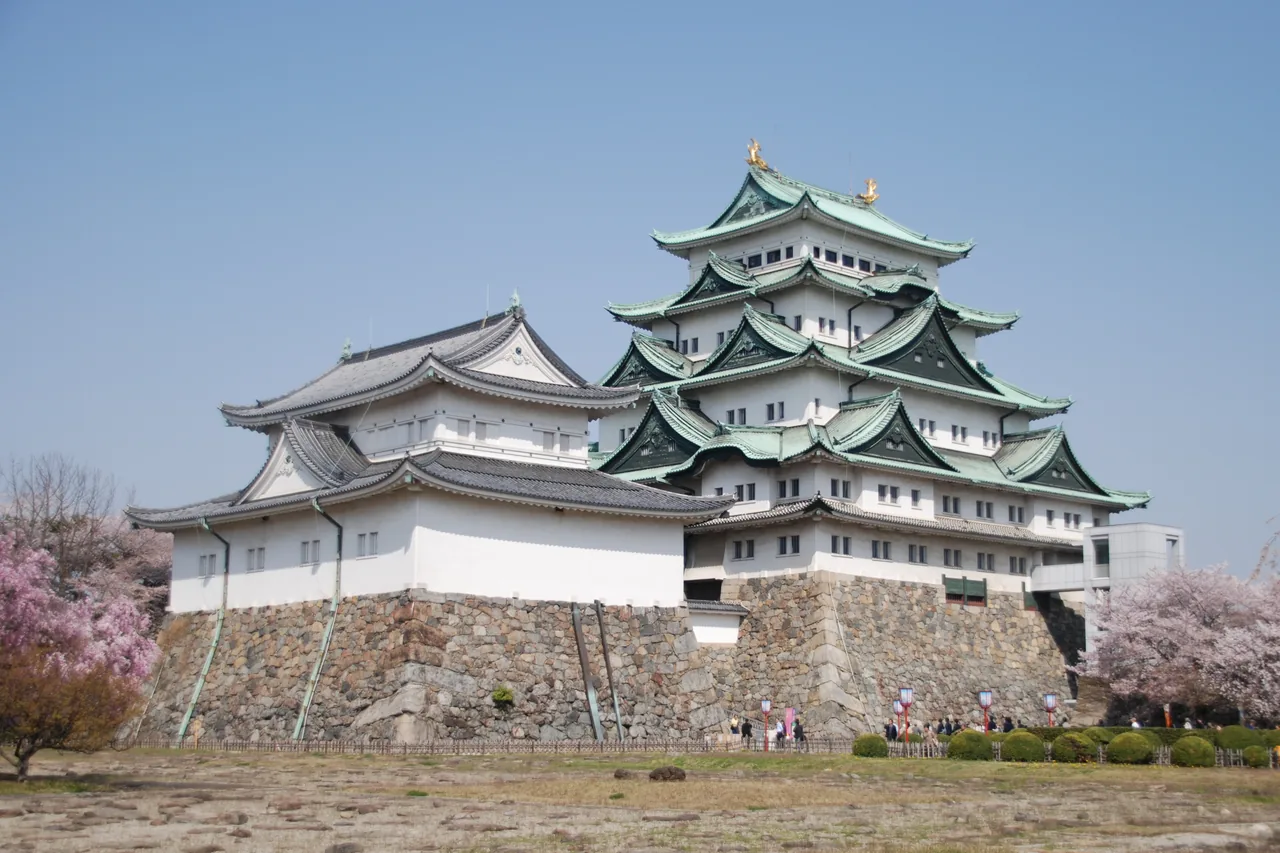
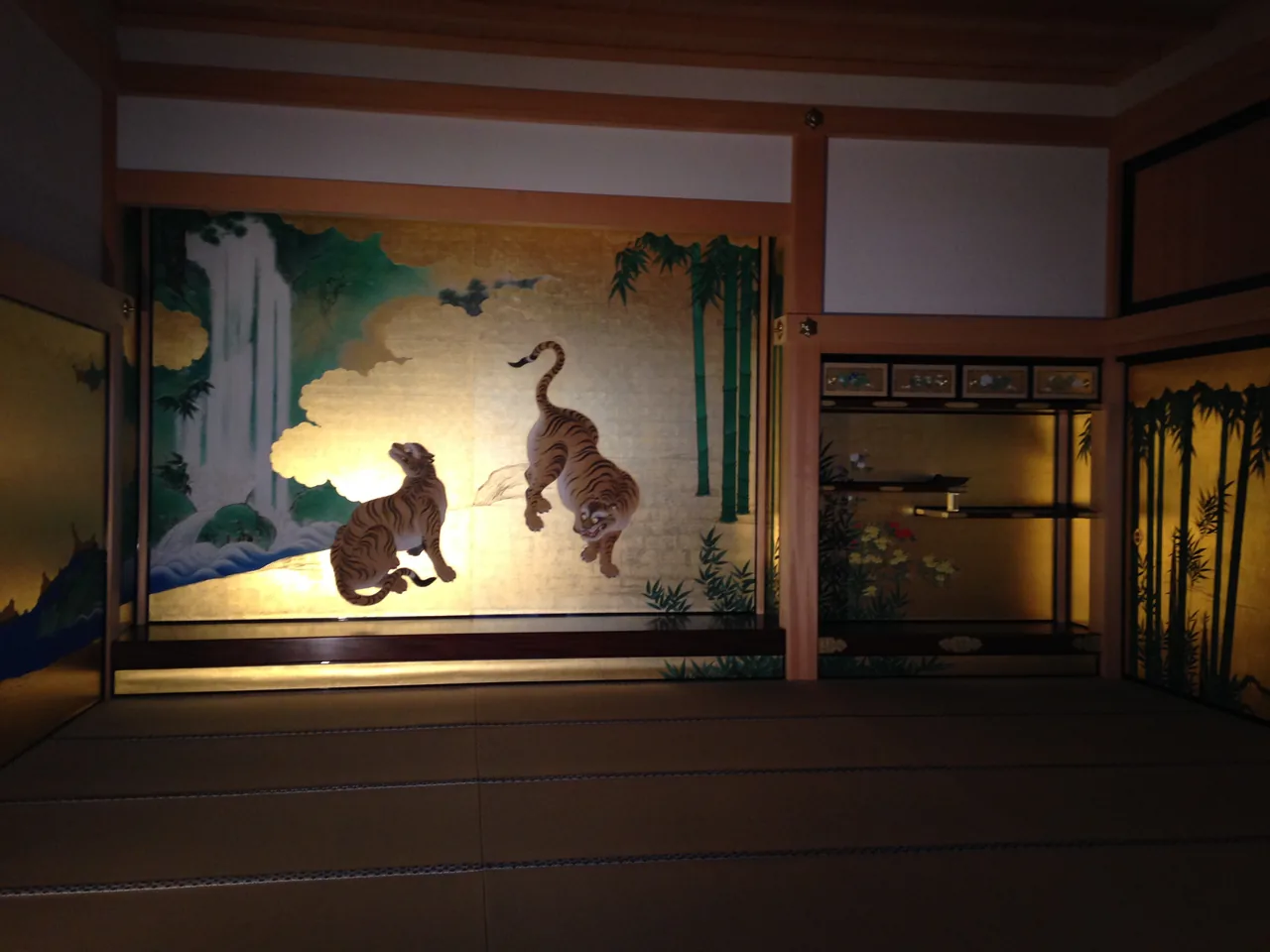
Nagoya Castle’s main keep has been closed to entry since May 2018, and there’s still no confirmed reopening date — plan around the grounds, the reconstructed palace, and the view from outside rather than expecting to go inside the tower itself. Nagoya CastleMap
This isn’t a temporary closure — it’s an ongoing seismic-safety measure. The plan to rebuild the keep in wood hasn’t been cancelled, but it’s stalled at the stone-wall-survey and preservation stage; Nagoya’s mayor said in February 2026 that construction could start within his current term (within roughly three years), with completion 7-10 years after that, while the Chunichi Shimbun has reported a realistic completion estimate no earlier than 2032. Treat any specific reopening date you read elsewhere with skepticism — the honest answer is “closed since 2018, no confirmed date, realistically not before the early 2030s.”
The castle’s famous gold shachihoko roof ornaments — the dolphin-like figures on the roofline — are now only viewable from outside and below, since the keep itself is closed. The current pair is a 1959 recreation with genuine gold plating about 0.15mm thick; the originals were lost in a 1945 air raid. If you want a close-up look, a full-size replica is on display inside the Nagoya Marriott Associa Hotel at Nagoya Station.
| Item | Price / detail |
|---|---|
| Admission, adult | ¥500 (rising to ¥1,000 from October 2026) |
| Admission, Nagoya-registered resident 65+ | ¥100 |
| Admission, junior high and under | Free |
| Combo ticket with Tokugawa-en garden | ¥640 |
| Hours | 09:00-16:30 (last entry to Honmaru Goten etc. 16:00) |
| Closed | Only 4 days a year — Dec 29-31 and Jan 1 |
Ninomaru Garden, a traditional Japanese garden within the castle grounds, is included in general grounds access. The combo ticket with Tokugawa-en is worth grabbing if you’re doing both the same day — they’re a short bus or subway hop apart, and both sit on the Me~guru Bus route.
11. Atsuta Shrine
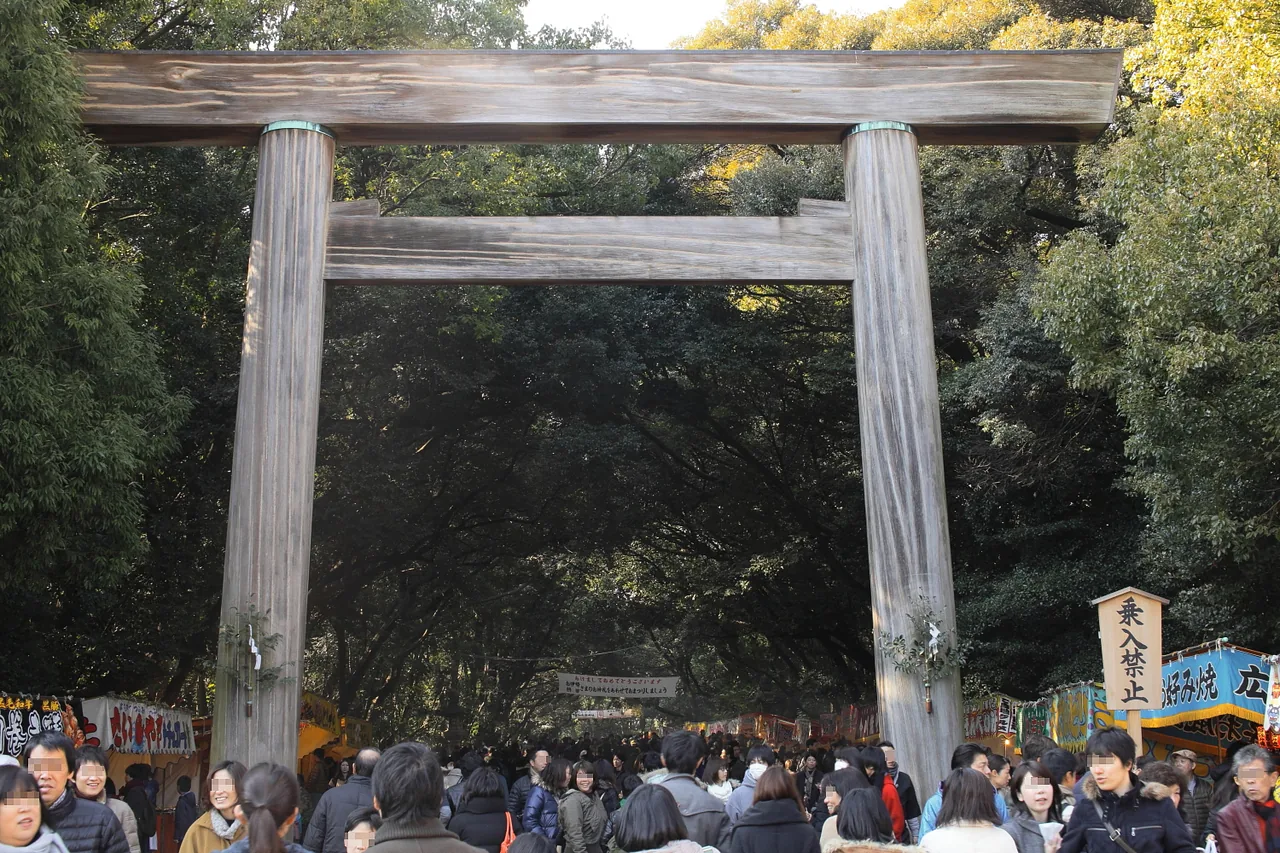
Atsuta Shrine is one of Japan’s most important Shinto shrines, free to enter, and open every day of the year — a quiet counterpoint to the castle’s crowds. Atsuta ShrineMap
Tradition holds that the shrine enshrines the Kusanagi sword, one of the three Imperial Regalia of Japan. According to legend, the sword was obtained by the god Susanoo after he slayed the eight-headed serpent Yamata-no-Orochi, later carried by the legendary prince Yamato Takeru, and eventually enshrined here by princess Miyazu-hime. Treat that whole chain as mythology, not verified history — and the sword itself has never been publicly displayed.
The grounds cover roughly 60,000 tsubo (about 198,000 square meters) of old-growth forest, free to wander with about 400 free parking spaces on site. A large camphor tree here is popularly said to be over 1,000 years old and planted by the monk Kobo Daishi — again, treat the age and attribution as tradition rather than fact, though it’s an atmospheric detail worth knowing before you walk past it.
| Item | Price / hours |
|---|---|
| Shrine grounds | Free, open 24/7/365 |
| Treasure Hall (Homotsukan) | ¥500 adult, 09:00-16:30 (last entry 16:10) |
| Kusanagi-kan sword hall (opened 2021) | ¥500, or ¥800 combined with the Treasure Hall |
The Kusanagi-kan holds around 450 swords in its collection with displays rotating monthly, so what’s on view will vary trip to trip. Between the two halls and the forested grounds, 2-3 hours is a realistic visit.
12. Osu — temple and shopping arcade
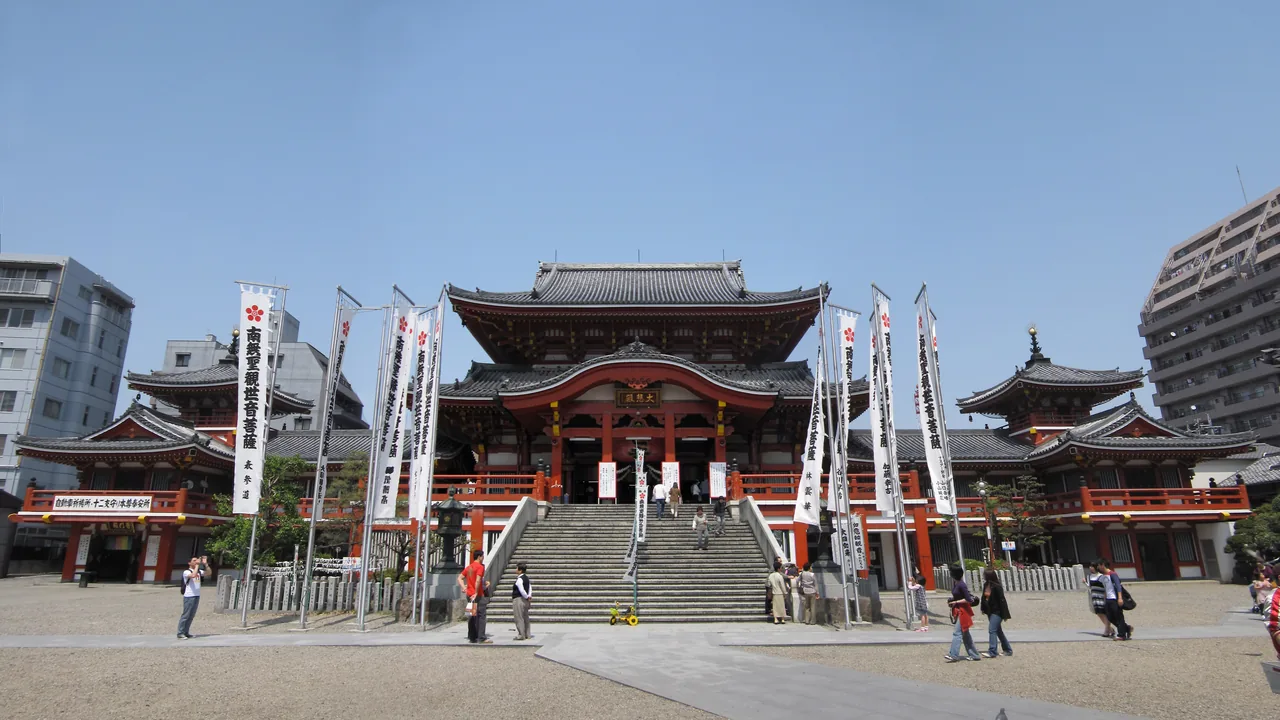
Osu pairs a truly old temple with one of Japan’s more chaotic, eclectic shopping arcades — electronics, anime goods, vintage clothing, and street food all crammed into the same few blocks.
Osu Kannon temple is free to enter. It originally stood in what’s now Gifu Prefecture and was relocated to its current site around 1612, when Tokugawa Ieyasu was building Nagoya Castle and flood risk made the old location impractical. Osu Kannon TempleMap
The Osu shopping arcade around it carries roughly 400 years of history as a temple-town market. Today it packs about 1,200 shops into a dense mix — electronics retailers (Osu was once considered one of Japan’s “big three” electronics districts alongside Tokyo’s Akihabara and Osaka’s Den Den Town), otaku and anime goods stores, maid cafes, secondhand “furugi” clothing shops, and street food stalls. It’s a real contrast to the more polished shopping arcades in Kyoto or Osaka — honestly one of Japan’s more eclectic districts to just wander through.
13. Sakae — MIRAI TOWER, Oasis21, and Hisaya-odori Park
Sakae is Nagoya’s downtown core — shopping, nightlife, and the city’s TV tower landmark, best saved for a sunset-into-evening visit.
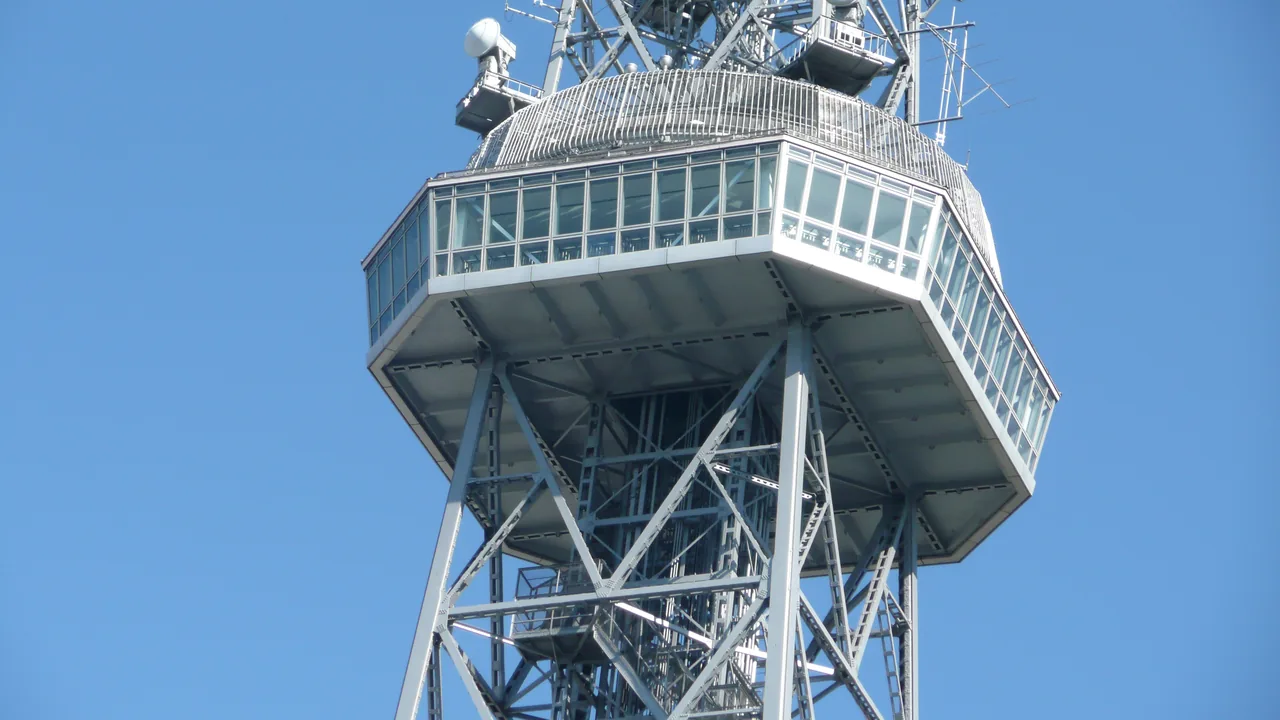
The tower itself is officially the Chubu Electric Power MIRAI TOWER (still commonly called Nagoya TV Tower by locals) — Japan’s first TV tower, completed in 1954 by the same designer as Tokyo Tower, Tachu Naito. It closed for 20 months from January 2019 to September 2020 for seismic retrofitting, reopening with an attached hotel, THE TOWER HOTEL NAGOYA, and in December 2022 became the first TV tower in Japan designated a national Important Cultural Property. Nagoya TV Tower (MIRAI TOWER)Map
| Item | Price / hours |
|---|---|
| Observation deck, adult (high school+) | ¥1,300 |
| Observation deck, child | ¥800 |
| Hours, weekdays & Sunday | 10:00-21:00 |
| Hours, Saturday | 10:00-21:40 |
Oasis21, right nearby, is part of Hisaya-odori Park rather than a standalone facility. Its rooftop “Water’s Spaceship” walkway is free and open 10:00-21:00, a popular photo and night-illumination spot, while the ground-level “Green Plaza” is free and open 24 hours with a bus terminal at ground level too.
Sakae itself is anchored by the roughly 400-year-old Matsuzakaya Nagoya department store, currently undergoing renewal. A new landmark tower, “The Landmark Nagoya Sakae” (about 211 meters), is planned to complete around summer 2026 — worth watching for as a fresh addition to the skyline, though confirm its completion status close to your travel dates.
14. Ghibli Park
Ghibli Park is one of the Nagoya area’s biggest modern draws — and its tickets are fully advance-reservation-only, so this is the one thing worth booking before you plan anything else. Ghibli ParkMap
It’s not actually in Nagoya proper — the park sits in Nagakute City, Aichi Prefecture, inside Aichi Forest Park (the former 2005 Expo site). From Nagoya Station, take the subway Higashiyama Line about 30 minutes to Fujigaoka, then transfer to the Linimo maglev line for about 15 minutes to Aichikyuhaku-kinen-koen Station, right at the park entrance — about 50 minutes total, roughly ¥670 one-way.
| Pass | Weekday | Weekend/holiday |
|---|---|---|
| O-Sanpo Premium Pass (all 5 areas) | ¥7,300 / ¥3,650 (adult/child) | ¥7,800 / ¥3,900 |
| O-Sanpo Standard Pass (Grand Warehouse + Mononoke Village + Valley of Witches area access) | ¥3,300 / ¥1,650 | ¥3,800 / ¥1,900 |
The Standard pass gets you into the areas but not every attraction inside them — the Valley of Witches’ Okino Residence (+¥400), Howl’s Moving Castle (+¥1,000), and Witch’s House (+¥400) are separate add-ons under that pass. Ages 0-3 are free on either pass.
The five areas
- Ghibli’s Grand Warehouse: the main exhibition hall, home to the Orion-za theater, which screens rotating Ghibli short films — including the park’s first original short, “The Night of the Witch’s Valley,” showing from July 8, 2026
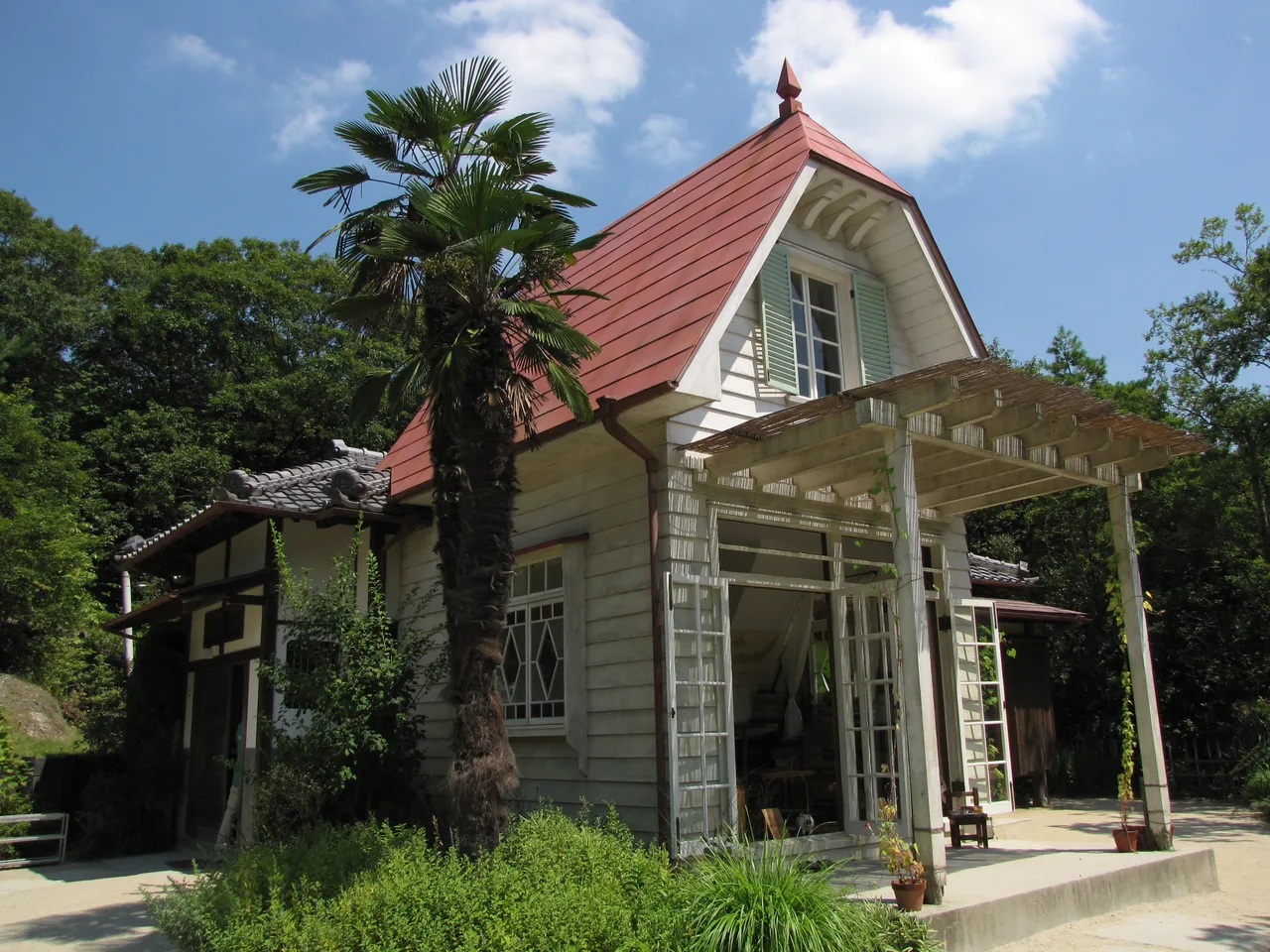
- Dondoko Forest: Totoro-themed, with a life-size reconstruction of the house from My Neighbor Totoro
- Valley of Witches: the Howl’s Moving Castle exterior, the Okino Residence from Spirited Away, and a witch’s house
- Hill of Youth: themed around Whisper of the Heart
- Mononoke Village: opened November 2023, themed around Princess Mononoke
Treat a Ghibli Park visit as a full-day commitment once you factor in the reservation lead time and travel time from Nagoya — book it before you lock in the rest of your Nagoya-area plans, since tickets do sell out and the monthly release windows are rigid.
15. Kinjo-futo — LEGOLAND Japan and the SCMAGLEV Railway Park
Kinjo-futo is Nagoya’s reclaimed bay-area peninsula, home to LEGOLAND Japan Resort and the SCMAGLEV and Railway Park — an easy pairing for a family day out. Both sit a short walk from the same station.
The Aonami Line runs from Nagoya Station to the Kinjo-futo terminus in about 24 minutes for ¥360.
LEGOLAND Japan Resort
LEGOLAND JapanMapA 1-day ticket starts from about ¥4,900 adult / ¥3,700 child (ages 3-18), but pricing is fully dynamic by date and can run considerably higher on weekends and peak dates — treat ¥4,900 as a starting point, not a flat number. Base hours run 10:00-17:00 with seasonal variation, so check the official calendar before you go. The park has 7 themed zones and Miniland Japan, a collection of famous Japanese landmarks rebuilt in LEGO bricks, aimed mainly at families with kids roughly 2-12.
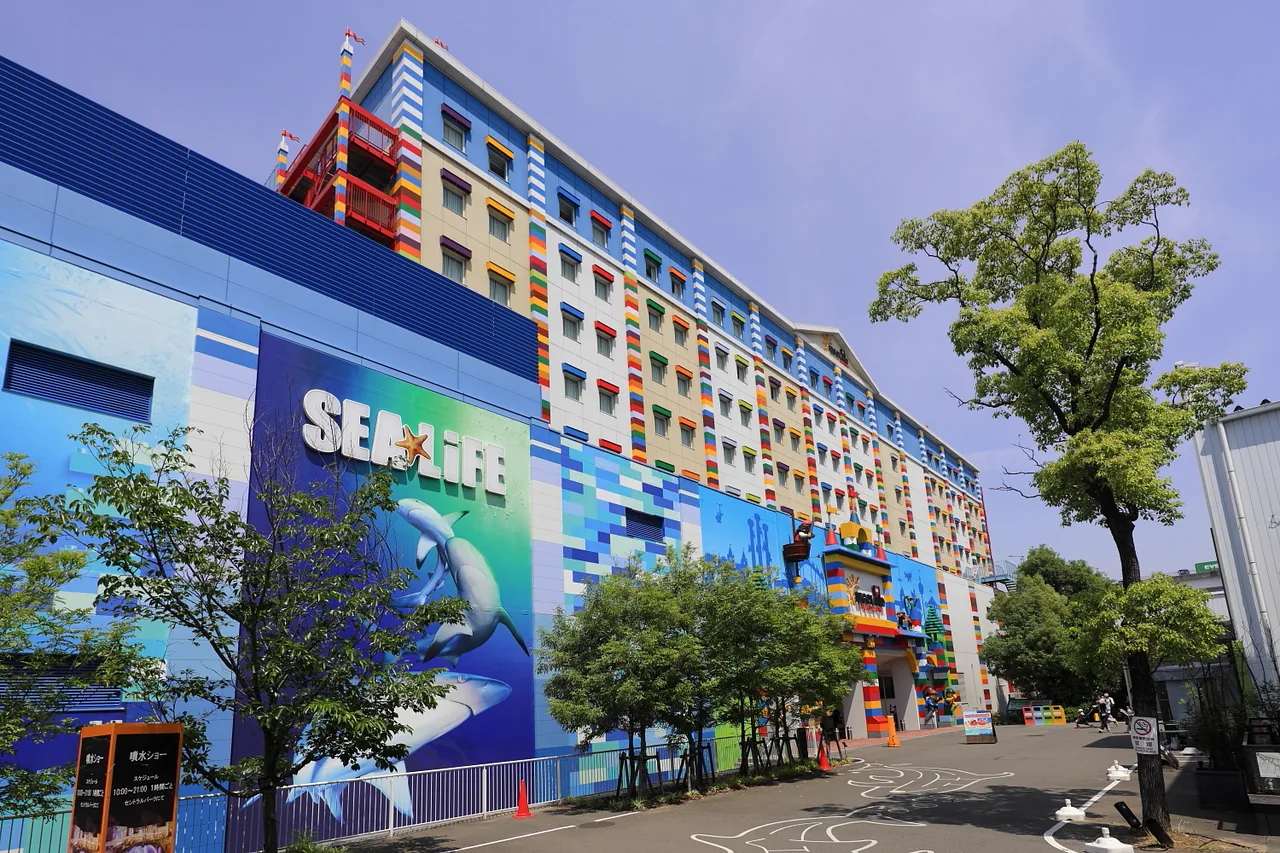
SEA LIFE Nagoya, a separate aquarium attached to the LEGOLAND Hotel building, offers combo tickets with the main park, and the LEGOLAND Hotel itself sits directly across from the main gate. A major expansion, “LEGO NINJAGO World,” is planned for spring 2027 and expected to grow the park’s area by about 2.4 times — worth knowing about if you’re weighing a visit now versus after it opens.
SCMAGLEV and Railway Park
Two minutes’ walk from Kinjo-futo Station, this rail museum runs ¥1,200 adult, ¥500 high schooler and elementary/junior high, ¥200 for ages 3+, with hours 10:00-17:30 (last entry 30 minutes before close). Its 39 real train cars on display are headlined by a C62 steam locomotive that set a 1954 narrow-gauge speed record at 129km/h, the Shinkansen test train 300X (1996, 443km/h), and the superconducting maglev test vehicle MLX01-1 (2003, 581km/h) — visitors can actually step inside this last one.
16. More Nagoya sights — art, aquarium, and Toyota’s museums
Beyond the headline sights, Nagoya has a National Treasure-grade art collection, an aquarium worth a caveat, and a museum that explains the city’s manufacturing identity firsthand.
Tokugawa Art Museum & Tokugawa-en Garden
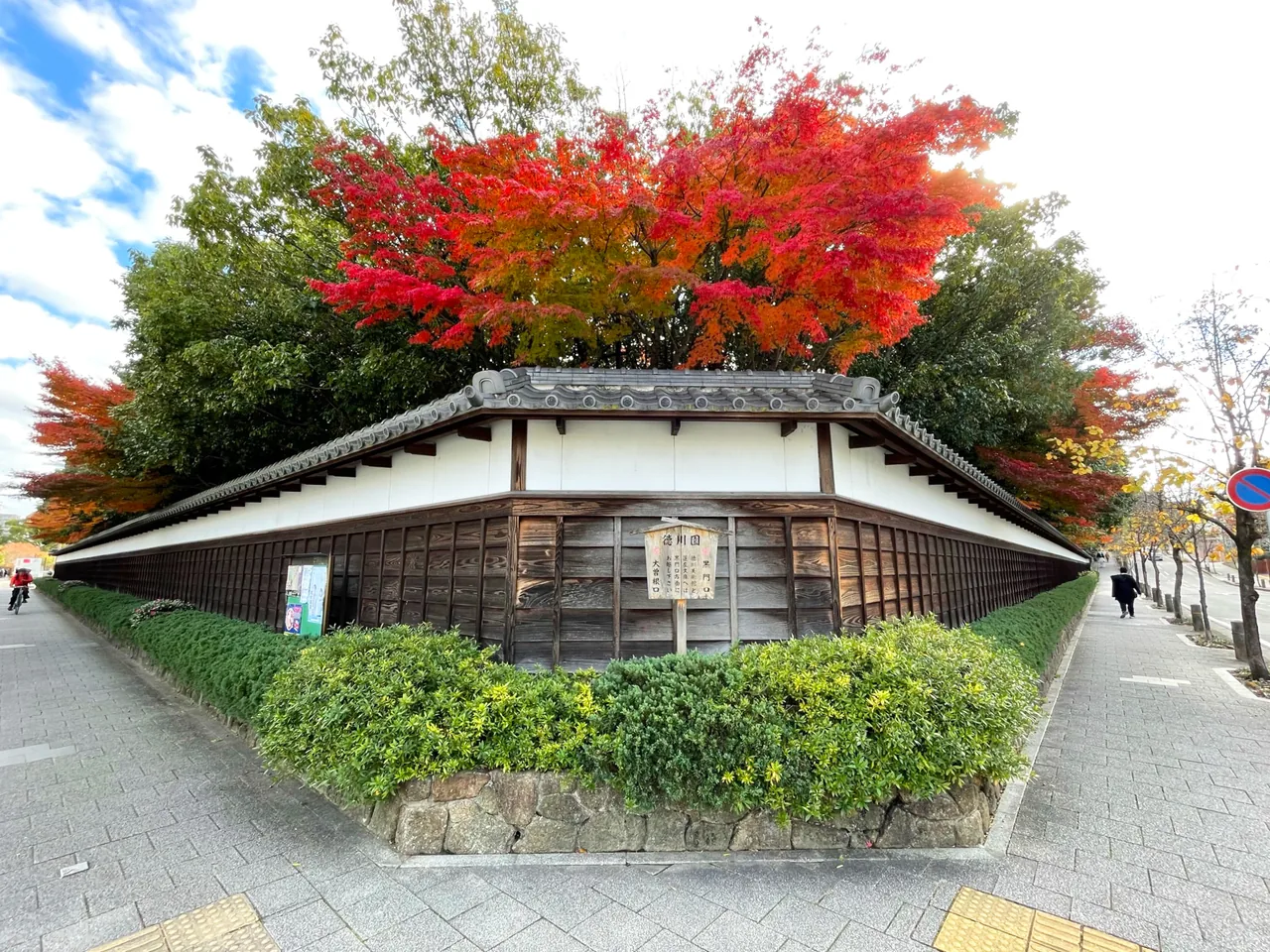
Tokugawa Art MuseumMapThe museum and garden are run under different management and sold as separate tickets. The museum holds armor, tea ceremony items, and Edo-period heirlooms from the Owari-Tokugawa family, plus its National Treasure centerpiece — the Tale of Genji Illustrated Handscrolls (Genji Monogatari Emaki).
| Item | Price / hours |
|---|---|
| Museum, adult | ¥2,000 (revised pricing as of April 7, 2026) |
| Museum, high school/university | ¥1,200 |
| Museum hours | 10:00-17:00 (last entry 16:30), closed Mondays |
| Tokugawa-en Garden, adult | ¥300 |
| Garden hours | 09:30-17:30 (last entry 17:00), closed Mondays |
A combined ticket covering the museum, garden, and Hosa Library is available if you’re doing all three.
Nagoya Port Aquarium
Nagoya Port AquariumMapAdmission runs ¥2,030 adult, with hours generally 9:30-17:30 (extended to 20:00 during Golden Week and summer), closed Mondays with some peak-season exceptions.
Toyota Commemorative Museum of Industry and Technology
In Nishi Ward, on the site of Toyota’s former spinning-mill headquarters, this museum runs ¥1,000 adult (¥600 age 65+, ¥500 university student, ¥300 middle/high schooler, ¥200 elementary), 09:30-17:00 (last entry 16:30), closed Mondays and the year-end/New Year period. Two main halls cover textile machinery (housed in the original Taisho-era building) and automobiles, plus a Toyota Group hall and a kids’ zone called Technoland.

17. What to eat in Nagoya — 名古屋めし
Nagoya’s food scene runs on miso, and it’s distinctive enough to be a legitimate reason to visit on its own — six dishes define it.
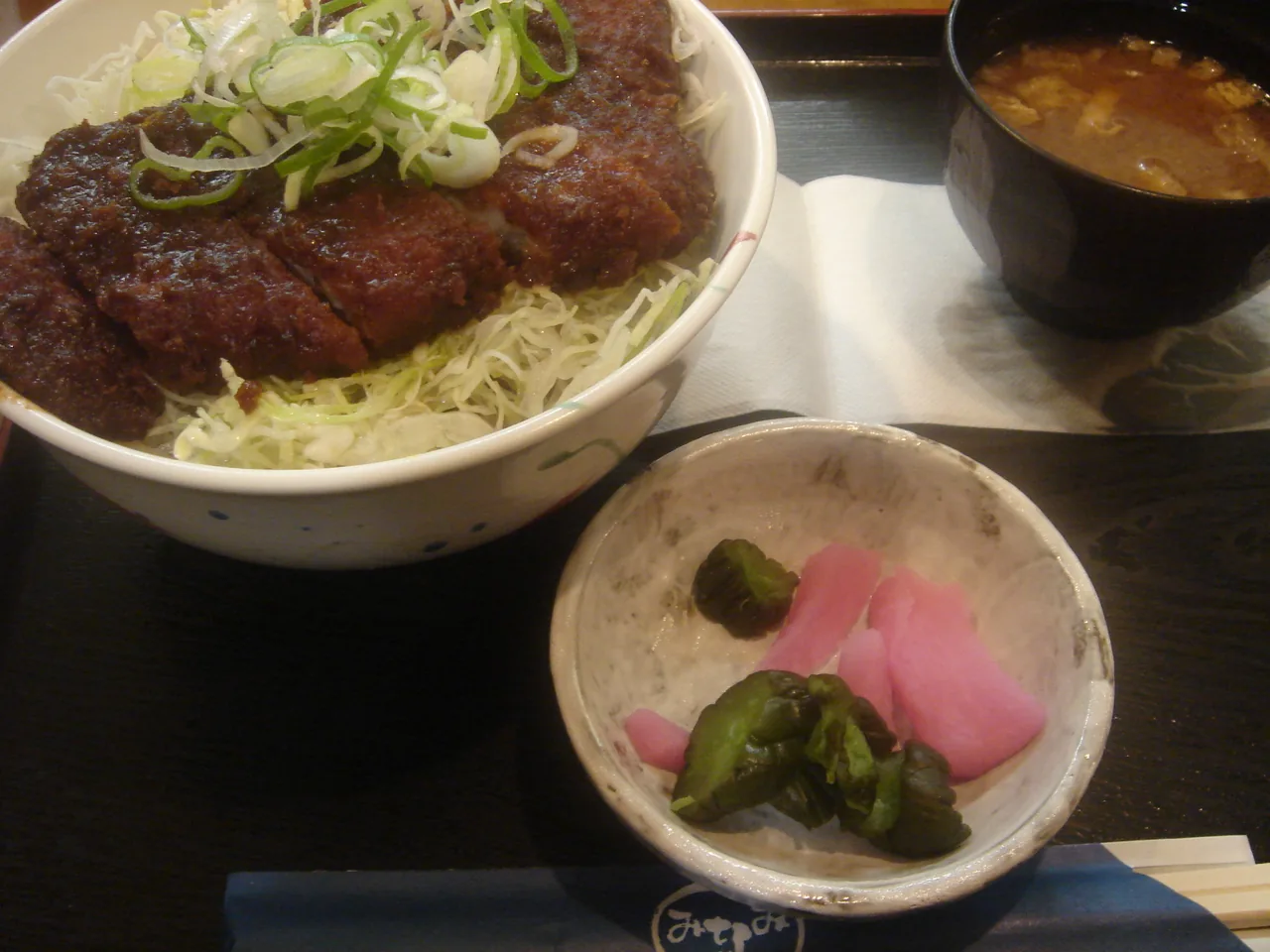
Miso katsu (味噌カツ)
A breaded pork cutlet finished with a rich hatcho-miso-based sauce, said to trace back to postwar food-stall culture where cooks dipped kushikatsu into a miso stew called dote-nabe. Yabaton, founded in 1947, is the emblematic chain — a set meal runs about ¥1,450, and the larger “waraji” cutlet about ¥2,000; for a budget version, Matsunoya’s miso katsu rice bowl runs about ¥630.
Hitsumabushi (ひつまぶし)
Grilled eel served over rice, credited to Atsuta Horaiken (founded 1873), which began finely chopping the eel to serve from a lacquered rice tub (ohitsu) for takeout and delivery. The proper way to eat it is in three stages across the meal — plain first, then with condiments like scallion, wasabi, and nori, then as ochazuke with tea poured over the rice. At Horaiken itself, expect about ¥4,400 for a regular portion, ¥6,600 for large, and a genuine 2-4 hour wait on weekends.
Tebasaki (手羽先)
Fried chicken wings, credited to Furaibo, whose founder reportedly swapped in chicken wings after a 1963 ingredient-order mistake meant for another dish entirely. Two rival chains now define the style, and trying both to compare is genuinely worth it: Sekai-no-Yamachan leans peppery and spicy (about ¥660 for 5), while Furaibo itself is sweeter and more savory (about ¥540 for 5).
Kishimen (きしめん)
Flat, wide udon noodles — one origin theory traces them to flat noodles from what’s now Kariya City in the Edo period, with the name appearing in print as early as 1728. Kishimentei, a long-running chain, and Yoshida Menkyo (founded 1890, serving a cold “zaru” kishimen for about ¥680) are both noted spots.
Ankake spaghetti (あんかけスパゲッティ)
A thick, ketchup-and-Worcestershire-style sauce over pasta, credited to Yokoi (opened 1963) — its “meat spaghetti” is considered the original version, running about ¥1,250 at the flagship location.
Ogura toast (小倉トースト)
Thick toast topped with red bean paste, often with butter too — a Nagoya coffee-shop (“kissaten”) staple said to date to the 1920s, when a student at a kissaten called Mannaka reportedly started dipping toast into sweet red-bean soup. Today it’s most associated with Komeda Coffee’s “morning service” — free toast plus a topping choice with any coffee order before 11am — a genuine only-in-Nagoya-area cafe culture worth experiencing on its own, not just a dish to try.
| Dish | Signature spot | Typical price |
|---|---|---|
| Miso katsu | Yabaton (founded 1947) | ~¥1,450 set meal |
| Hitsumabushi | Atsuta Horaiken (founded 1873) | ~¥4,400 regular |
| Tebasaki | Furaibo vs. Sekai-no-Yamachan | ~¥540-660 for 5 |
| Kishimen | Yoshida Menkyo (founded 1890) | ~¥680 cold zaru |
| Ankake spaghetti | Yokoi (opened 1963) | ~¥1,250 |
| Ogura toast | Komeda Coffee’s morning service | Free with coffee before 11am |
Where to eat: Nagoya Station’s underground concourse and department stores have easy versions of everything above for a quick meal between trains; Sakae and Osu have more sit-down options if you have time to linger.
18. Day trips from Nagoya — Inuyama, Gifu, Nabana no Sato, and Toyota City
Inuyama, Gifu, Nabana no Sato, and Toyota City are all realistic day trips from Nagoya, each under 30 minutes away by train.
| Destination | How to get there | Highlights |
|---|---|---|
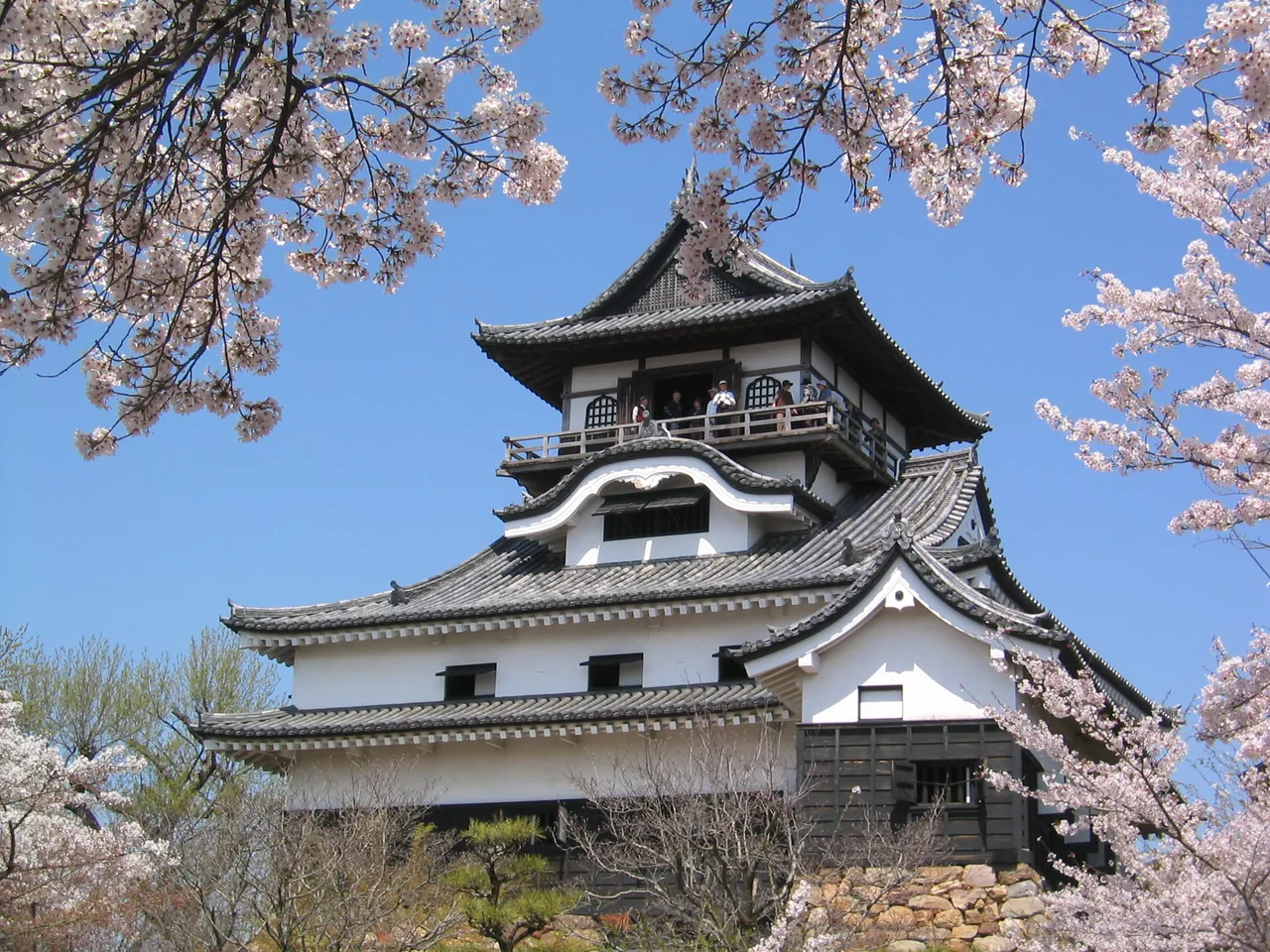
| Inuyama | Meitetsu limited express, ~26 min | Inuyama Castle (¥1,000 adult since March 2026, one of Japan’s 5 National-Treasure-keep castles and among the oldest surviving wooden keeps); Little World open-air museum of traditional dwellings from about 23 countries (¥2,200 adult); Meiji-mura Meiji-era architecture museum with about 60 relocated historic buildings (¥2,500 adult) |
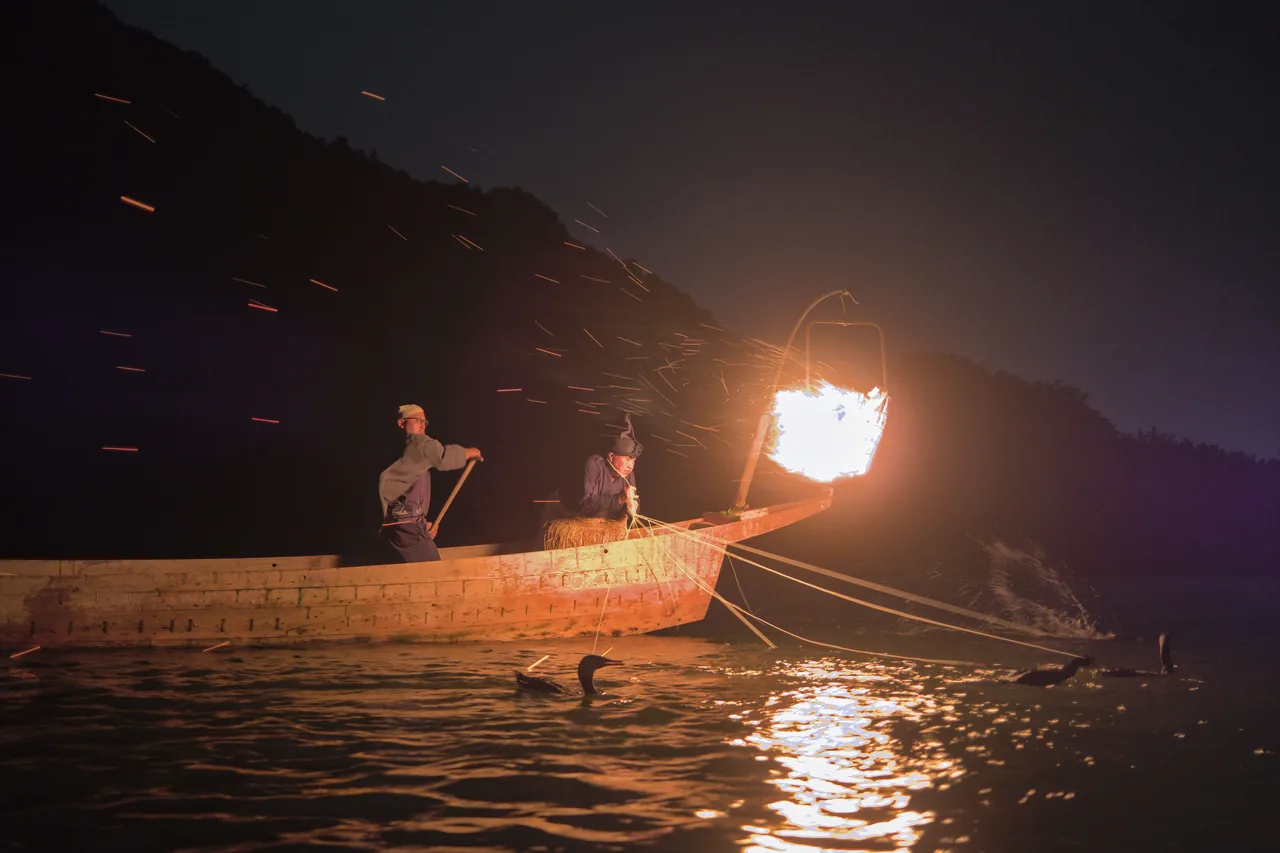
| Gifu | JR, ~20-28 min | Mt. Kinka ropeway (¥1,300 adult round-trip) and summit night view; Nagara River cormorant fishing (ukai), 2026 season May 11-Oct 15, evening departures around 19:45, adult fare around ¥4,200 (¥5,100 peak season) |
| Nabana no Sato | Direct bus from Nagoya Station, seasonal only, ~30 min | Seasonal illumination (most recent season ran Oct 2025-May 2026) and the Begonia Garden; admission ¥2,500-5,000 depending on season and date |
| Toyota City | Rail connection from Nagoya | Toyota Kaikan showroom at Toyota Motor’s actual headquarters — free, with factory tours by reservation |
Inuyama CastleMap Gifu CastleMap Nabana no SatoMap Toyota KaikanMap
Inuyama is the standout pick if you only have time for one — its castle keep is a genuine National Treasure, one of just five in the country alongside Matsumoto, Himeji, Hikone, and Matsue, and among the oldest surviving wooden keeps anywhere in Japan (sourcing on the bare “oldest” superlative varies, so “one of the oldest” is the safer claim). Nabana no Sato is technically in Kuwana, Mie Prefecture, not Aichi, but it’s a genuine Nagoya-area institution during its illumination season, and worth checking whether the current season is running before you plan around it. Toyota City is worth a mention specifically for anyone who found the Toyota museum in the previous section interesting — the free Toyota Kaikan showroom sits at Toyota Motor’s actual headquarters and is a different stop entirely from the Nagakute Toyota Museum.
19. Where to stay in Nagoya
Nagoya Station is the right call for first-timers and day-trippers, since every hub connection starts there; Sakae is better if nightlife and shopping matter more than transit convenience.
| Area | Best for | Note |
|---|---|---|
| Nagoya Station / Meieki | First-timers, day-trippers, Shinkansen connections | The most convenient base — every hub connection (Centrair, Shinkansen, Meitetsu, Kintetsu) starts here |
| Sakae | Nightlife, shopping, dining | Nagoya’s liveliest downtown core, still an easy subway ride from the station |
| Near Nagoya Castle | Quieter, closer to the castle and Tokugawa-en | Less convenient for transit, but noticeably calmer |
If you’re using Nagoya mainly as a base for the Alps, Kanazawa, or Ise-Shima day trips, staying near the station saves real time on early departures — you’re one walk away from the Hida platform, the Meitetsu terminal, and the Shinkansen gates alike.
20. Etiquette and responsible travel in Nagoya
Nagoya doesn’t carry any unusual local etiquette quirks beyond standard Japan-wide norms — quiet on trains, respectful behavior at Atsuta Shrine and the castle grounds, no double-dipping if you’re eating anything kushikatsu-adjacent. For the full national picture, we cover all of that in our Japan etiquette guide rather than repeating it here.
What is worth knowing: Nagoya is noticeably less crowded and less overtourism-sensitive than Kyoto or Osaka, which makes it a properly relaxed place to practice the basics without the crowd pressure those cities now carry.
21. Practical essentials — money, budget, and connectivity
Cards and IC cards cover most of Nagoya, but keep cash on hand for smaller eateries and shrine offerings — and know that Japan’s departure tax just tripled.
| Budget level | Per day (excluding accommodation) |
|---|---|
| Budget | ¥7,000-11,000 |
| Mid-range | ¥14,000-22,000 |
| Luxury | ¥35,000+ |
For the fuller national breakdown on cash, cards, and where each is expected, see our Japan money and cash guide. Get an eSIM sorted before you land so maps, transit, and translation all work the moment you’re off the plane — particularly useful in Nagoya specifically, given how many different rail operators you’ll be navigating through the station alone. See our Japan eSIM guide for the setup.
Put it together and Nagoya rewards exactly the approach this guide has been making the case for: treat it as a base, not a bypass. Between the castle, Atsuta Shrine, Ghibli Park, and its own properly excellent food scene, Nagoya earns its 1.5-2 days on its own merits — and as the best-connected single city in Japan for reaching the Alps, Kanazawa, Ise-Shima, and both Tokyo and Kansai, it might be the smartest place in the country to post up for a few extra nights. For the national planning picture, head back to our Japan travel guide, and pair this trip with our Kyoto travel guide or Osaka travel guide for the natural next stop.
🎡Things to Do8
🏨Where to Stay2
🚇Getting Around1
🗾Japan trip essentials23
Frequently asked questions
Nagoya is genuinely worth more than a stopover. It has its own legitimate 1.5-2 day sightseeing lineup — Nagoya Castle, Atsuta Shrine, Ghibli Park, and a distinct food scene built around miso. Its position almost exactly between Tokyo and Kyoto/Osaka on the Shinkansen, plus its own international airport, also makes it one of the best-connected bases in Japan for reaching the Alps, Kanazawa, and Ise-Shima. The “nothing to see” reputation is a local joke that undersells the city.
1.5 to 2 full days covers Nagoya’s own sights properly — the castle, Osu, Sakae, and either Atsuta Shrine or Ghibli Park. Add extra nights if you’re using Nagoya as a base for an overnight trip to Takayama and Shirakawa-go, or for day trips to Inuyama, Gifu, or Kanazawa.
No — Nagoya Castle’s main keep has been closed to entry since May 2018 for seismic-safety reasons, with no confirmed reopening date (realistically not before the early 2030s). You can still visit the reconstructed Honmaru Goten palace, walk the grounds and Ninomaru Garden, and see the gold shachihoko roof ornaments from outside, for ¥500 admission (rising to ¥1,000 from October 2026, the first increase in 32 years).
The Meitetsu Airport Line runs directly from Centrair to Nagoya Station. The μ-SKY limited express takes about 28 minutes for ¥1,430, or take the regular limited/rapid express (no surcharge) in about 37-41 minutes for ¥980.
For the full breakdown — every train option, which station to get off at, buses, taxis, IC cards and late-night arrivals — see our dedicated Centrair to Nagoya guide.
The Nozomi Shinkansen covers Tokyo-Nagoya in about 1h34 for ¥11,300 reserved. From Nagoya, Kyoto is just 33-35 minutes away for ¥5,910, and Shin-Osaka is about 47 minutes for ¥6,680 — Nagoya is actually closer to Kansai than it is to Tokyo.
No. Nozomi (and Mizuho on the Sanyo line) have never been covered by any Japan Rail Pass — this has been the rule since JR passes existed and hasn’t changed for 2026. Hikari and Kodama services are covered and still stop at Nagoya, just a bit slower.
Yes — Nagoya is the most convenient rail gateway in Japan to Takayama, Hida, and Shirakawa-go, a connection Tokyo and Osaka can’t match nearly as directly. The Limited Express Hida runs straight from Nagoya Station to Takayama in about 2h30, and a direct bus continues on to Shirakawa-go.
It’s possible via a guided day tour, which is a popular, well-established option, but expect an 11-plus-hour round trip. For independent travelers, an overnight is the smarter routing: train to Takayama first to explore the old town and morning market, then a connecting bus onward to Shirakawa-go, rather than backtracking the same stretch twice in one day.
From Nagoya Station, take the subway Higashiyama Line about 30 minutes to Fujigaoka, then transfer to the Linimo maglev line for about 15 minutes to Aichikyuhaku-kinen-koen Station, right at the park entrance — about 50 minutes total for roughly ¥670 one-way. Tickets are advance-reservation-only, released on the 10th of each month at 14:00 JST for dates two months out, so book before finalizing the rest of your Nagoya plans.
Beyond the castle, Nagoya has Atsuta Shrine (free, open 24/7), Osu’s temple and shopping arcade, Sakae’s MIRAI TOWER and Oasis21, Ghibli Park, LEGOLAND Japan and the SCMAGLEV Railway Park at Kinjo-futo, the Tokugawa Art Museum and Garden, and Nagoya Port Aquarium. It’s also a legitimately strong food destination on its own, built around miso katsu, hitsumabushi, and tebasaki.
Yes — Kinjo-futo pairs LEGOLAND Japan Resort with the SCMAGLEV and Railway Park for a family-friendly full day, and SEA LIFE Nagoya sits right next to LEGOLAND. Higashiyama Zoo and Botanical Gardens is another easy family option on the Higashiyama subway line, and Ghibli Park works well for families with older kids interested in the films.
Yes. Kanazawa is reachable via the Shirasagi limited express to Tsuruga, then a transfer to the Hokuriku Shinkansen, about 2h45 total. Ise-Shima is a direct Kintetsu run from Kintetsu Nagoya Station — about 1h20 to Ise-shi or 1h35 to Toba (note the JR Pass doesn’t cover Kintetsu).
Try miso katsu (breaded pork cutlet with a rich hatcho-miso sauce), hitsumabushi (grilled eel served over rice, eaten in three stages), and tebasaki (fried chicken wings, best compared between rival chains Furaibo and Sekai-no-Yamachan). Kishimen flat noodles, ankake spaghetti, and ogura toast (thick toast with red bean paste) round out Nagoya’s distinct, miso-forward food identity.
Nagoya Station/Meieki is the best base for first-timers and day-trippers, since every hub connection — Centrair, Shinkansen, Meitetsu, Kintetsu — starts there. Sakae is the pick for nightlife and shopping, while the area near Nagoya Castle is quieter but less convenient for transit.
Nagoya is noticeably less crowded than Kyoto or Osaka, and less sensitive to overtourism pressure. That holds basically year-round, which makes autumn foliage season or any other peak-season visit noticeably more relaxed here than in Kansai.
Not for its main keep — Gifu Castle’s keep is closed for renovation from May 19, 2026, with an expected reopening in autumn 2027, and its resource hall closed even earlier. It’s still worth the trip for the Mt. Kinka ropeway, the summit night view, and Nagara River cormorant fishing (ukai), which runs its 2026 season from May 11 to October 15.
The Linear Chuo Shinkansen (maglev) has no confirmed opening year as of mid-2026. The original 2027 Tokyo-Nagoya target was formally scrapped in March 2024, construction costs have risen substantially, and as of a July 2026 press conference, JR Central’s president said it isn’t even clear whether construction will resume on the stalled Shizuoka section. Nagoya will be the initial terminus whenever it does open, commonly discussed in media as sometime in the 2030s, but treat any specific year you read as unconfirmed.
Yes, at least some. Cards and IC cards (manaca, and any interoperable Suica/ICOCA/Pasmo) cover most transit and larger purchases, but smaller eateries, shrine and temple offering boxes, and some market-style stalls still expect cash.