Japan in January: Weather by Region, the Quiet Weeks and What to Avoid
On the same day it snows in Sapporo and cherry trees flower in Okinawa. January separates north and south further than any other month. Here is what fills the four weeks after New Year, and the eight days worth avoiding.
| North and south | Sapporo stays below freezing by day while Naha is close to 20°C, so pack for where you are going. |
|---|---|
| After New Year | 4 January up to the Coming of Age weekend is among the quietest stretches of the year. |
| Snow | Sapporo gets more snow in January than in any other month. |
| Blossom | Japan’s earliest cherry blossom festival starts at Mount Yaedake in Okinawa in mid-January. |
| Sumo | the January tournament runs for fifteen days in Tokyo from the second Sunday. |
| Avoid | three New Year days, the Coming of Age weekend, and two exam days. |
1. A different month starts once the New Year days are over
2. Snow in Sapporo and cherry blossom in Okinawa on the same day
3. Hokkaido gets more snow in January than in any other month
4. Okinawa has Japan’s earliest cherry blossom
5. Tokyo has more sunshine in January than in any other month
6. Coming of Age Day is the second Monday
7. Exam weekend falls in mid-January
8. New Year sales and lucky bags
9. The illuminations are still on
10. Hot springs are at their best now
11. What to eat in January
12. A sumo tournament runs in Tokyo in January
13. Monkeys bathing in a hot spring in the snow
14. Which days are busy and which are not
15. Snow delays flights and trains
16. Renting a car in Hokkaido
17. Accommodation and flights
18. What to wear
19. The air is very dry
20. North or south
21. What January cannot give you
22. How to decide
1. A different month starts once the New Year days are over
From 4 January the country goes back to normal. Shops that were shut reopen and the New Year crowds disperse. January before and after that line are not the same month.
Up to 3 January is a separate subject
From late December to 3 January a great deal is closed and shrines are packed. Those six days are set out in the New Year guide. Everything here is about what comes after.
From the 4th it is business as usual
Offices reopen, restaurants return to normal hours, and many museums that closed for the holiday are open again somewhere between the 2nd and the 4th. Unless the New Year atmosphere is the reason you are coming, after the 4th is far easier to travel in.
January is not a low season
Winter sounds quiet, but in most years January brings as many foreign visitors as February, or more. Snow and skiing bring people, and the New Year period is inside the month. The few days straight after the holiday genuinely are quiet, though.
2. Snow in Sapporo and cherry blossom in Okinawa on the same day
January is the month when north and south are furthest apart. Sapporo’s daytime high is below zero while Naha is close to twenty. In summer the two cities are only a few degrees apart. The monthly normals are on the Japan Meteorological Agency’s climate tables.
| City | Daytime high | Night low |
|---|---|---|
| Sapporo | −0.4°C | −6.4°C |
| Tokyo | 9.8°C | 1.2°C |
| Osaka | 9.7°C | 3.0°C |
| Fukuoka | 10.2°C | 3.9°C |
| Naha | 19.8°C | 14.9°C |
Where you go changes the whole trip
In other months, switching cities changes what you wear. In January it changes what kind of holiday you are having. North is a snow trip; south is close to spring.
Tokyo and Osaka are much the same
The two are barely a degree apart, so January weather is no reason to choose between them. Fukuoka is slightly milder than either.
Snow and blossom are in the same week
By mid-January snow is lying in Sapporo and the cherry blossom festivals are starting in Okinawa. Both are happening in the same country in the same week. Fitting both into one trip is not realistic, so decide which one first.
3. Hokkaido gets more snow in January than in any other month
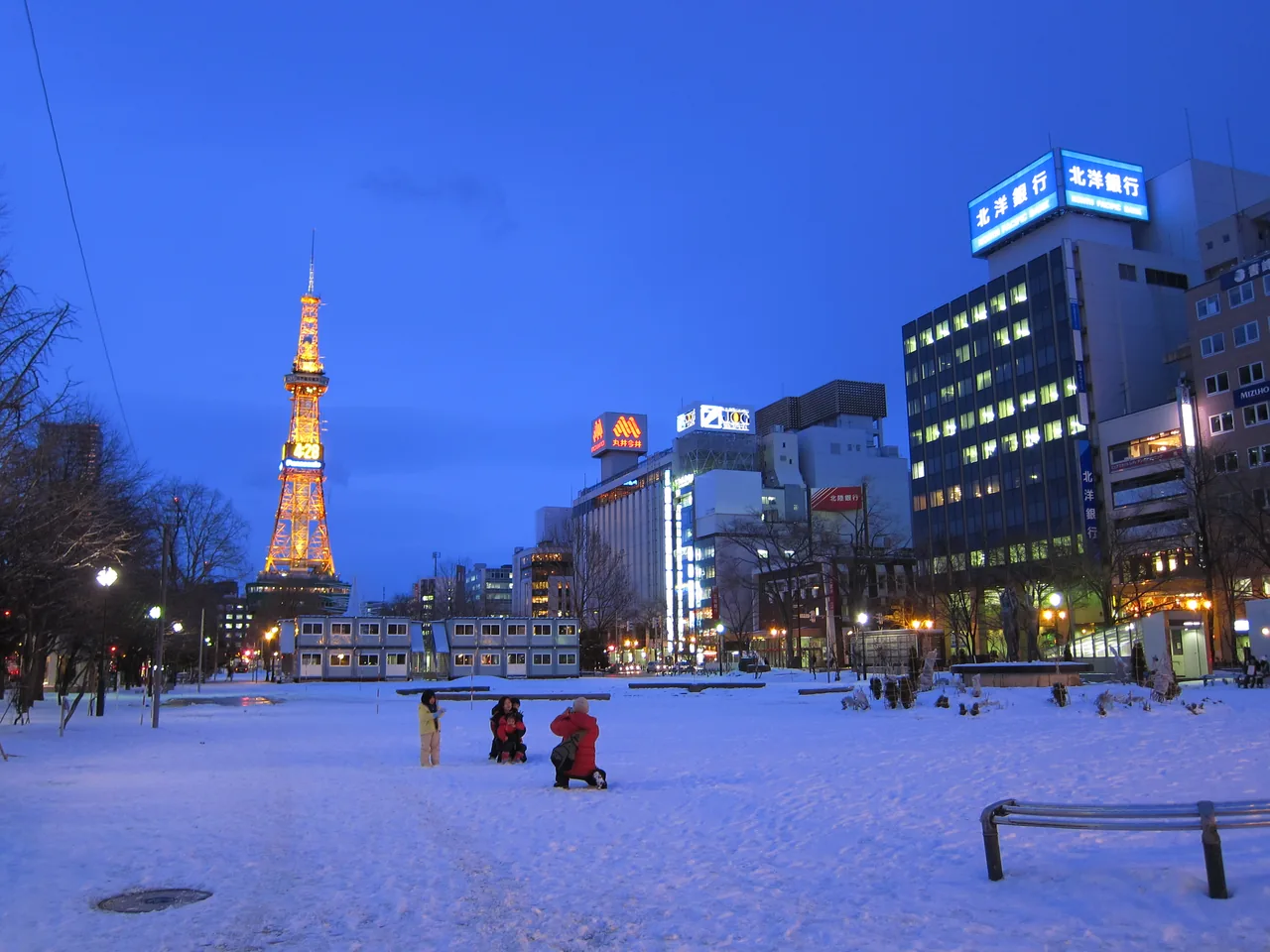
Sapporo gets more snow in January than in any other month. More falls than in December or February, and what lands stays on the ground until spring. If you want snow to be certain, this is the month. Map
Skiing is at its best
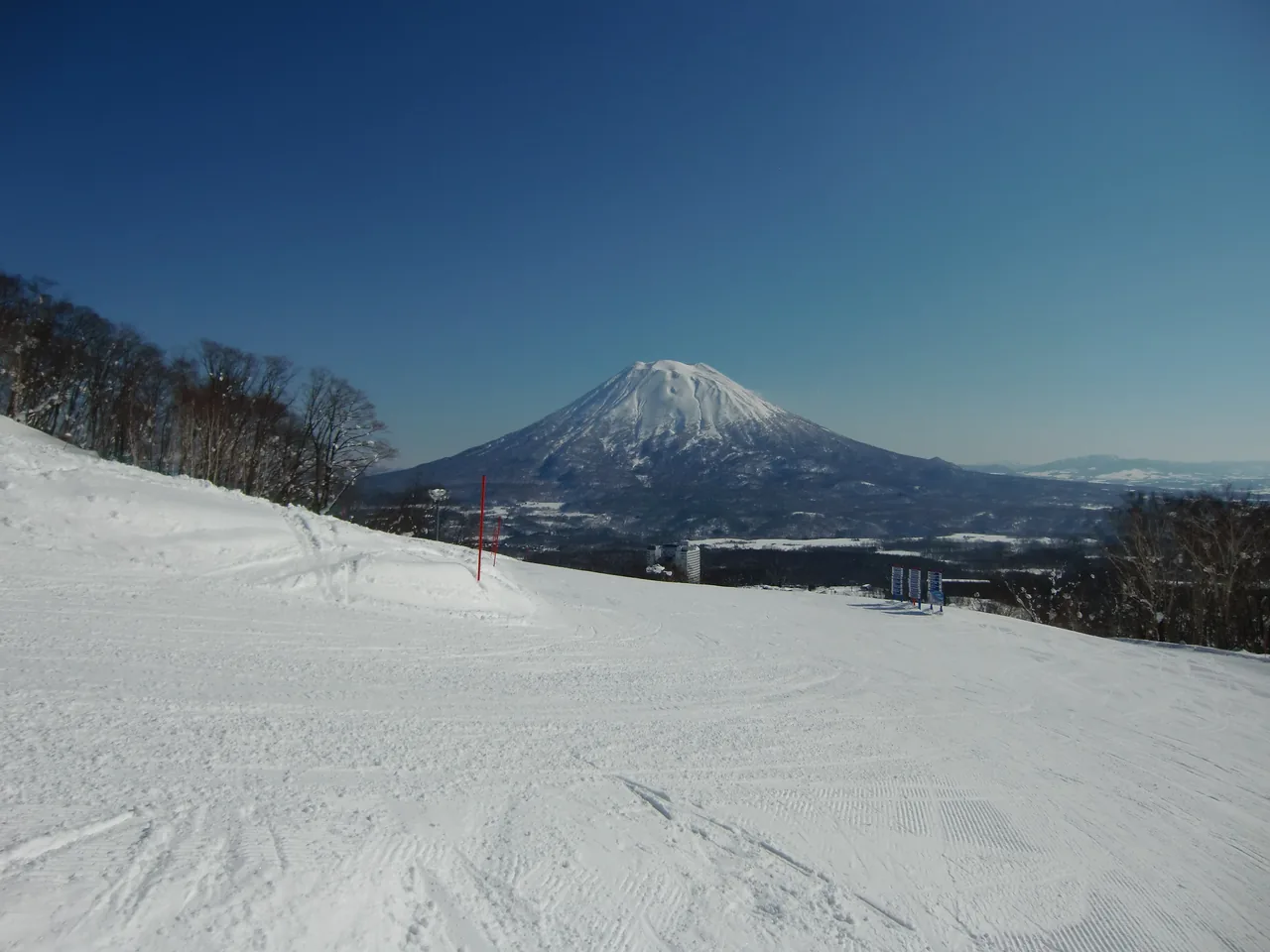
Fresh snow keeps arriving, so conditions hold up. Lift passes and accommodation are at peak prices in the same weeks. Resort-by-resort comparisons and which weeks cost most are in the Japan ski guide.
The Snow Festival is in February
Sapporo’s Snow Festival runs in February every year. Come in January and you can watch the large sculptures being built, but not the festival itself. Check the dates in the Snow Festival guide and plan for February if that is what you want.
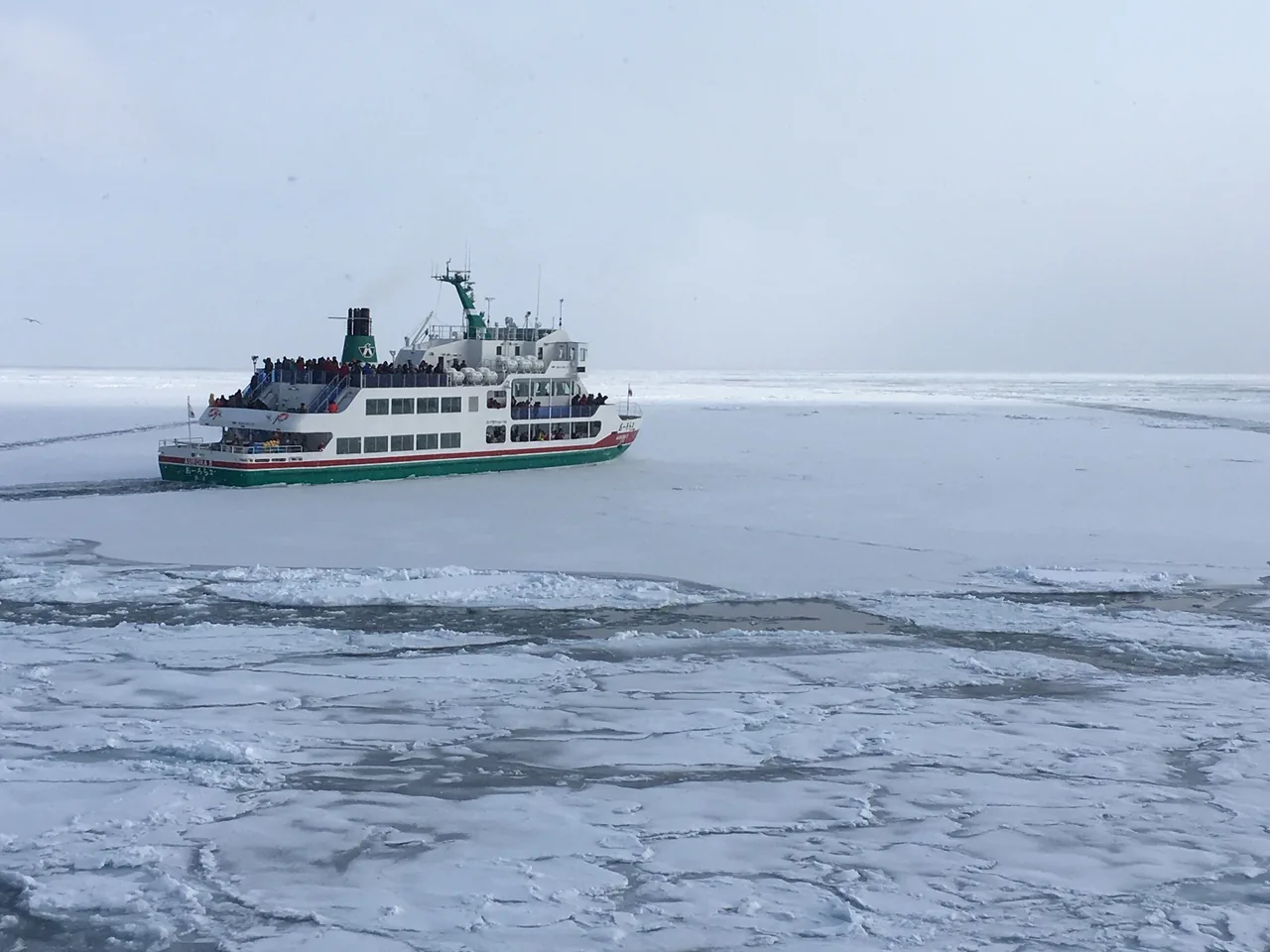
Drift ice boats start around 20 January
Sea ice comes down to Hokkaido’s Okhotsk coast. The icebreaker cruises from Abashiri and Monbetsu start around the 20th and run to the end of March, but the ice usually only covers the sea properly in February, so a January sailing can find open water. Sailing dates are on the Aurora icebreaker’s site. Map
You need proper cold weather clothing
Highs stay below freezing and nights drop to −6°C. What worked in Tokyo will not be enough. A scarf, gloves and shoes with grip are what let you stay outside for any length of time, and a hat that covers your ears changes how the day feels.
4. Okinawa has Japan’s earliest cherry blossom
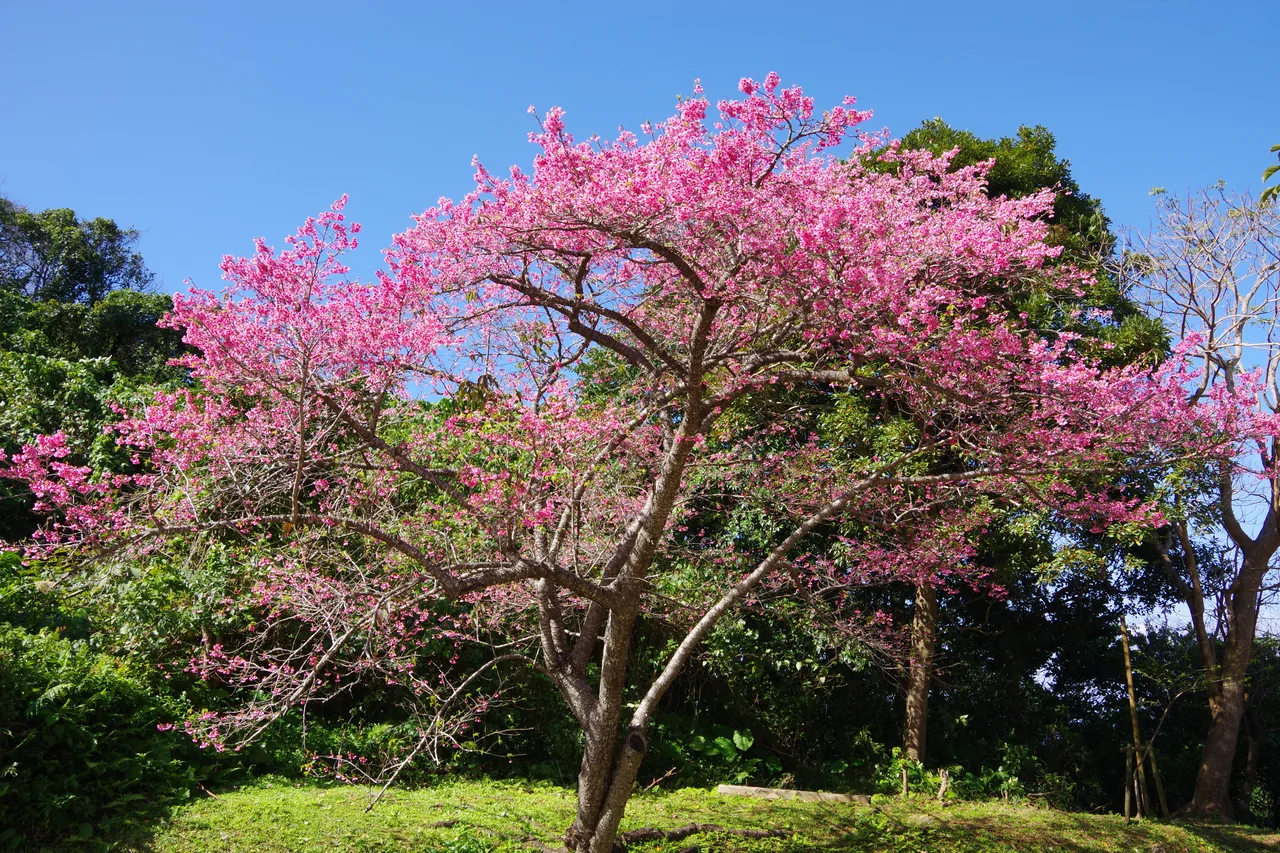
Cherry blossom festivals start in Okinawa from mid-January. The best known is on Mount Yaedake in Motobu, where the trees line the road up the hill. Map
| Where | When |
|---|---|
| Yaedake, Motobu | mid-January to early February |
| Nago Central Park (Nago Castle site) | last Saturday and Sunday of January |
It does not look like mainland blossom
The variety grown here is a deep pink one, quite different from the pale blossom people picture. The flowers hang downward rather than opening flat.
The top of the hill flowers later
Higher up the hill is colder, so the upper trees open after the lower ones. When the bottom is past its best the top is often in full flower, which makes exact timing matter less than it does on the mainland. The government’s Highlighting Japan feature on Yaedake explains how the blossom moves up the slope.
A car makes it much easier
Both Yaedake and Nago are an hour and a half to two hours’ drive north of Naha. With a car you can see both in a day. Map Getting around is covered in the Okinawa guide, and the whole south-to-north blossom sequence is in the cherry blossom guide.
5. Tokyo has more sunshine in January than in any other month
January is Tokyo’s sunniest month. It has far more clear days than rainy September, and it is one of the driest months of the year too.
Cold, but with good skies
Winter sounds grey and it is the opposite. Clear days run one after another, photographs come out well, and the air is clean enough to see a long way. For observation decks this is the best stretch of the year.
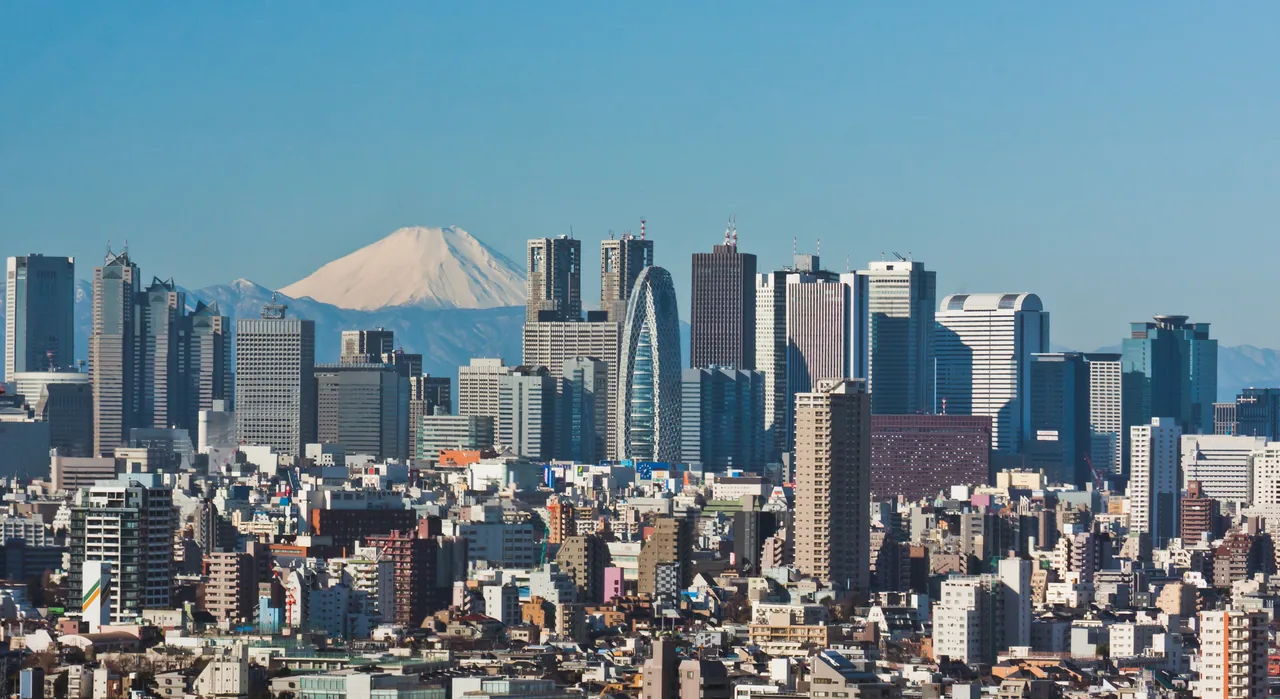
Mount Fuji is visible on many days
The days when Fuji can be seen from Tokyo cluster in winter. In summer humidity hides it almost entirely; in January there are runs of mornings when it is there. Any deck with a clear view west will do, and some are free, such as the observatories at the Tokyo Metropolitan Government Building in Shinjuku. Map
The wind is the problem, not the temperature
On paper Tokyo in January is mild enough. Add wind and it feels considerably colder. A windproof outer layer helps more than one very thick coat.
6. Coming of Age Day is the second Monday
January has two public holidays: the 1st and Coming of Age Day. The second falls on the second Monday, so the date moves each year and it always makes a three-day weekend.
Domestic travel concentrates on that weekend
Ski resorts and hot spring towns fill up and reserved shinkansen seats go early. If you are travelling in mid-January, either avoid those three days or book them well ahead.
You will see kimono on the street
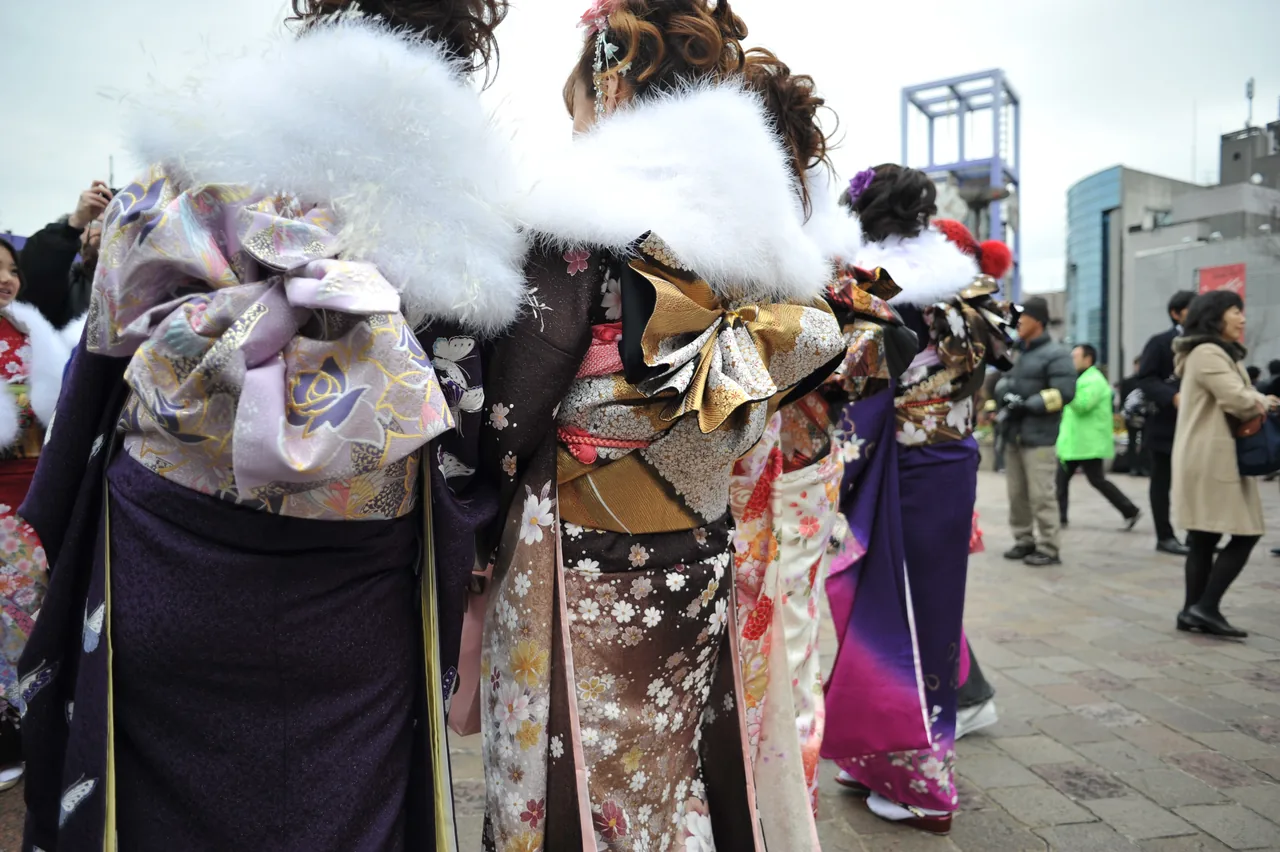
Everyone turning twenty that year attends a local ceremony in formal dress or kimono. Passing a shrine or a civic hall in the morning, you will see them. It is not put on for visitors, so keep some distance when taking photographs.
Almost nothing closes that day
Unlike New Year, shops and attractions run as normal. If anything it is busier. Places that close on Mondays open that day and take the substitute closure later in the week.
7. Exam weekend falls in mid-January
The national university entrance test is held on a Saturday and Sunday in mid-January. Hundreds of thousands of students travel to exam halls at the same hour on those two mornings. The dates for each year are posted by the National Center for University Entrance Examinations (Japanese only).
Morning trains are crowded
The test starts at 9.30am, so the movement is concentrated before that, especially at stations near universities. If you are changing trains with luggage on those mornings, allow extra time.
Hotels near universities book out
Students travelling from further away stay the night before with their families. Business hotels in university districts fill months in advance. Staying in one of those areas in mid-January means booking early.
Snow on those days makes the news
If it snows during that weekend, trains run late and exam times get adjusted. If you are moving on those days, check service information in the morning.
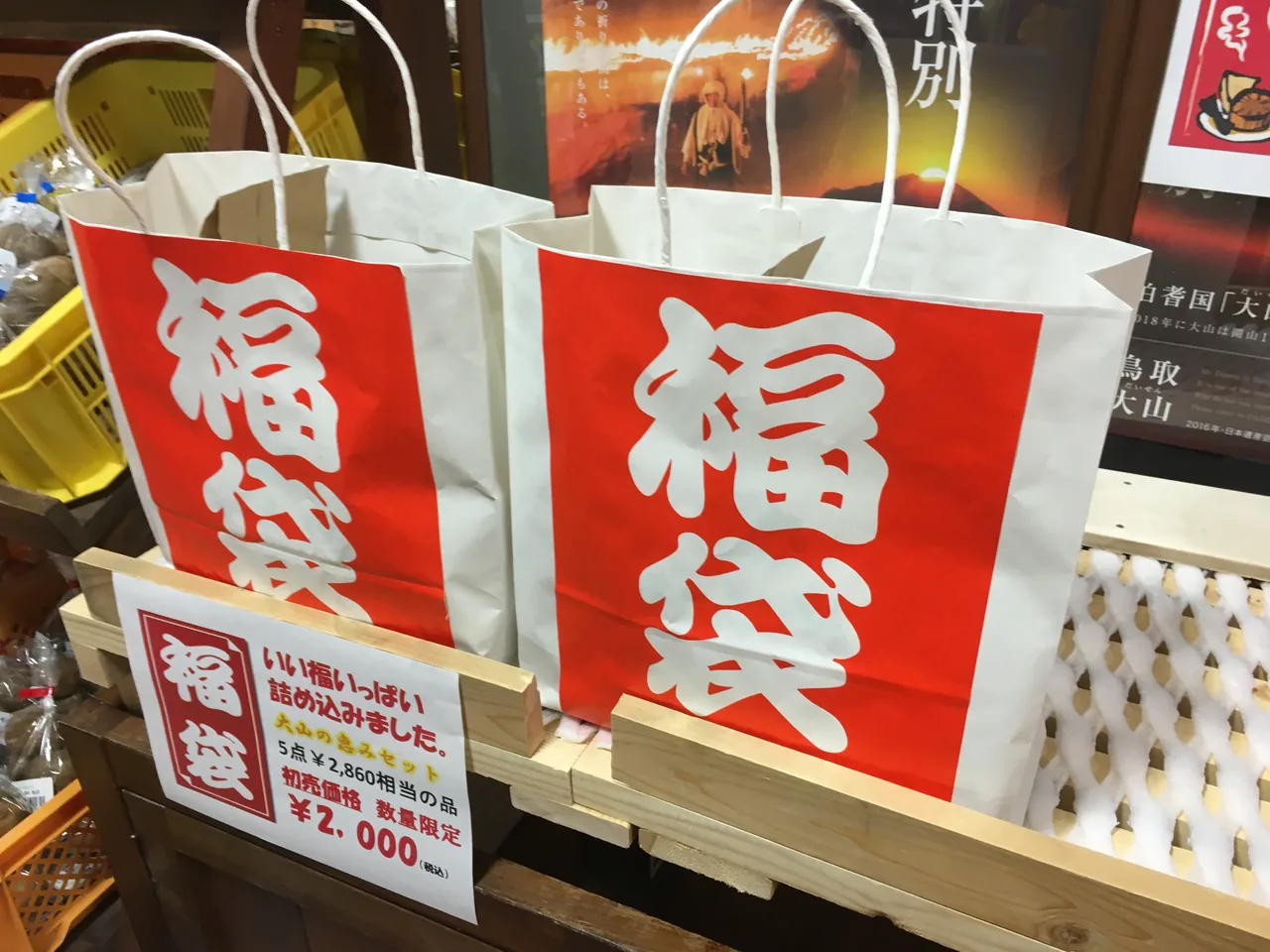
8. New Year sales and lucky bags
The first sale of the year is when the lucky bags go on sale. Large department stores close on 1 January and open their first sale on the 2nd or 3rd depending on the store, so check the one you have in mind.
You cannot see inside the bag
You pay a set price and find out the contents afterwards. More retailers now list what is inside in advance. Clothing, bags, cosmetics and food all get the treatment.
Queues start early in the morning
Popular stores have lines hours before opening. If that is not how you want to spend a morning, going a few days later still leaves plenty on the shelves.
The winter sales follow on
Once the first sales are done, winter clearance runs through the rest of January. It is a good month for buying cold weather clothing. The tax-free process is set out in the tax-free shopping guide.
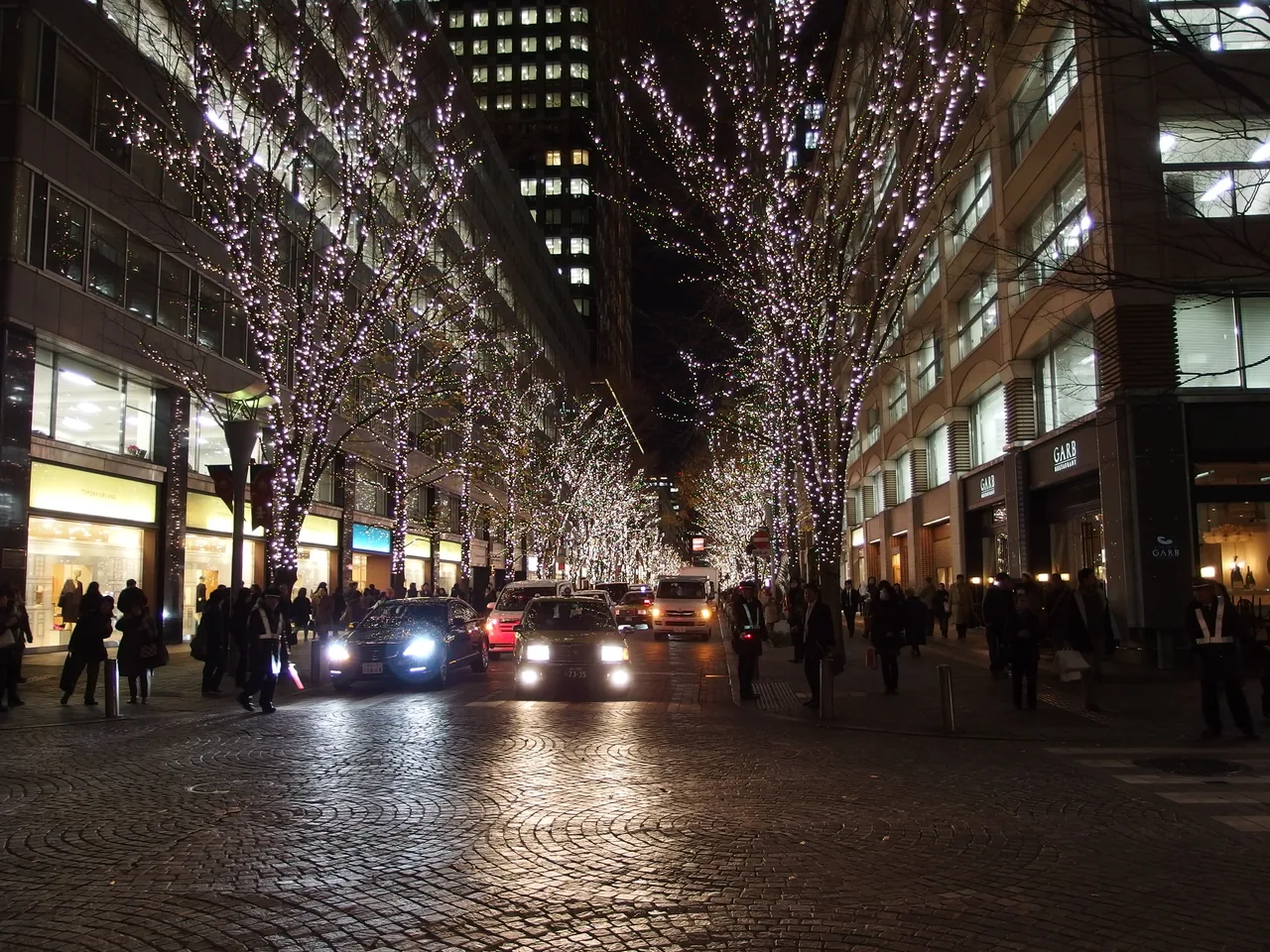
9. The illuminations are still on
Most of Tokyo’s illuminations stay lit well past New Year. Only a few finish at Christmas, and the big ones run into February or March.
| Where | Ends | Cost |
|---|---|---|
| Yomiuriland | early April | paid |
| Yebisu Garden Place | early March | free |
| Midtown Hibiya | end of February | free |
| Tokyo Midtown and Roppongi | late February | free |
| Marunouchi and Shinjuku | mid February | free |
January is the better time to see them
December crowds make some of these hard to walk through. By January the numbers drop sharply and the display is the same. Lighting times and walking routes are in the Tokyo illuminations guide. Map
Early darkness gives you a longer evening
It is dark by around five, so you can see the lights before dinner rather than after. The evening stretches further than it does in summer.
You end up standing outside for a long time
Looking at lights means being outdoors continuously, which gets cold quickly. Convenience stores sell hand warmers and vending machines sell hot drinks.
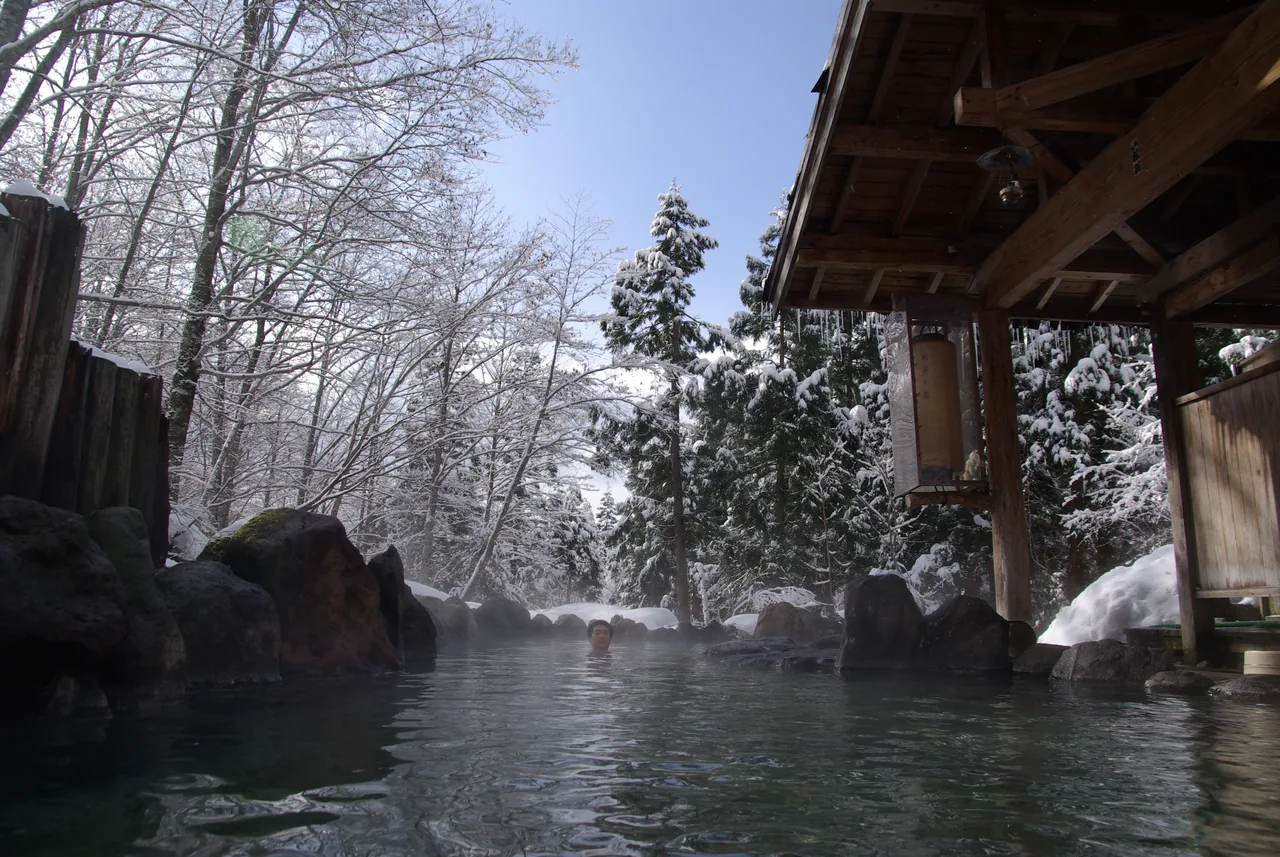
10. Hot springs are at their best now
An outdoor bath is better the colder it is outside. January is the coldest month, so the contrast is at its largest.
Sitting in hot water while snow falls
That is the reason people go to onsen in winter. Snow is reliable in Hokkaido and Tohoku and around Niigata and Nagano. Even Hakone, close to Tokyo, gets snowy days.
Outside the holidays there are rooms
Take out New Year and the Coming of Age weekend and January weekdays are reasonably easy to book. It is a peak season, but not the kind where places sell out months ahead as they do for blossom or autumn colour.
Check the tattoo policy first
Rules differ by property. Small tattoos can often be covered with a patch, and booking a private bath is another route. Which places allow what is in the tattoos and onsen guide.
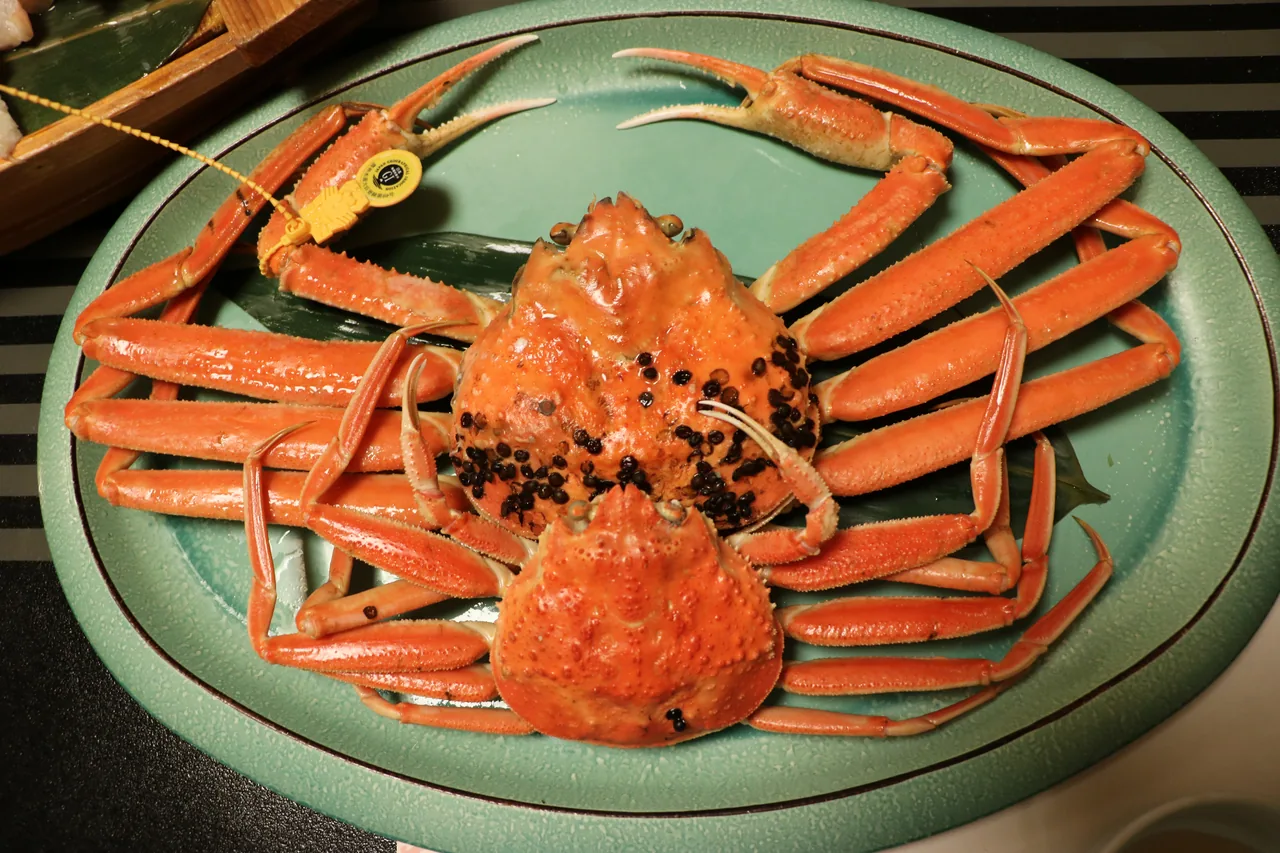
11. What to eat in January
Crab is in season. On the Sea of Japan coast, male snow crab is landed from 6 November to 20 March, so January sits in the middle of it.
| Item | When |
|---|---|
| Male crab | 6 November to 20 March |
| Female crab | fishing stops at the end of December in San’in and Hokuriku |
| Seven-herb rice porridge | 7 January |
Female crab is finished by January
The ports of San’in and Hokuriku stop landing female crab at the end of December under their own rules. If fresh roe is what you want, that means a December trip; what restaurants serve in January is mostly male. Tottori Prefecture sets out the season (Japanese only).
7 January is a rice porridge day
A simple porridge with seven herbs, eaten to settle the stomach after the rich New Year food. Convenience stores and supermarkets sell the herb sets for those few days.
Hot pot is everywhere
Restaurants add hot pot in the cold months and plenty do single portions. Convenience stores also sell versions they heat for you. It suits an evening after a long day outdoors.
Strawberries start appearing
Japanese strawberries begin in December, and from January into spring the markets have more of them than at any other time. Convenience store desserts and café menus fill up with them too.
12. A sumo tournament runs in Tokyo in January
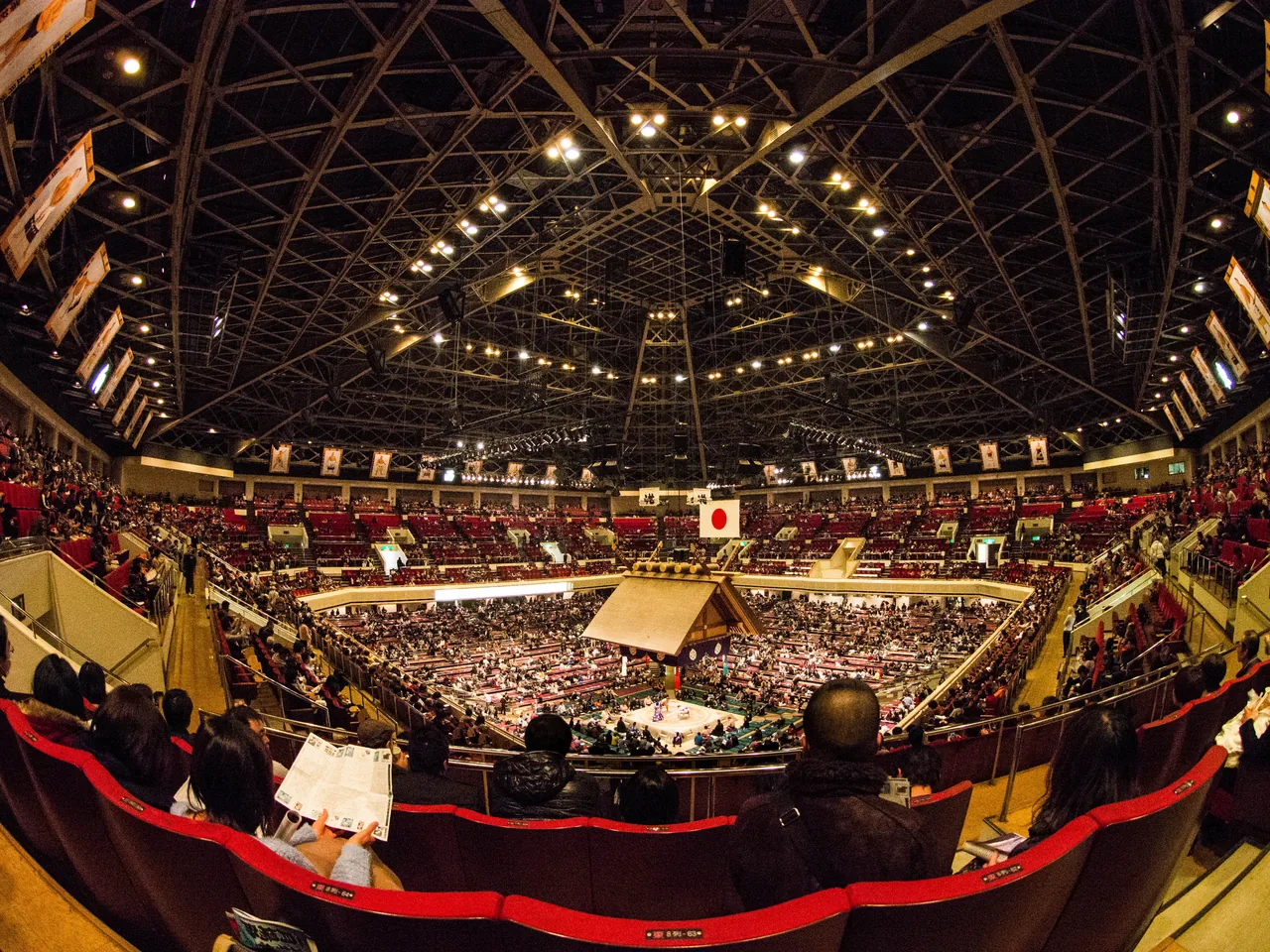
The first of the year’s six grand sumo tournaments is held in Tokyo in January. It runs for fifteen days at the Ryogoku Kokugikan, starting on the second Sunday of January. Each year’s dates are on the Japan Sumo Association schedule. Map
| Detail | |
|---|---|
| Where | Ryogoku Kokugikan, Sumida ward, Tokyo |
| When | fifteen days from the second Sunday of January |
| Format | starts on a Sunday and ends on a Sunday |
It runs all day
Lower divisions start in the morning and the well-known wrestlers appear late in the afternoon. You do not have to be there all day; arriving after lunch is normal. Once inside you can stay to the end, and you can step out and come back in once a day.
Buy tickets in advance
January tickets go on sale in early December. The first day, the last day and the weekends go first, and in some recent years the whole tournament has sold out, so book as soon as sales open once your dates are fixed.
It fills a whole indoor day in a cold month
Somewhere warm to spend hours suits January well. There are food stalls inside, and the sumo museum on the ground floor is free to enter with that day’s ticket. How it fits into the rest of the city is in the Tokyo guide.
13. Monkeys bathing in a hot spring in the snow
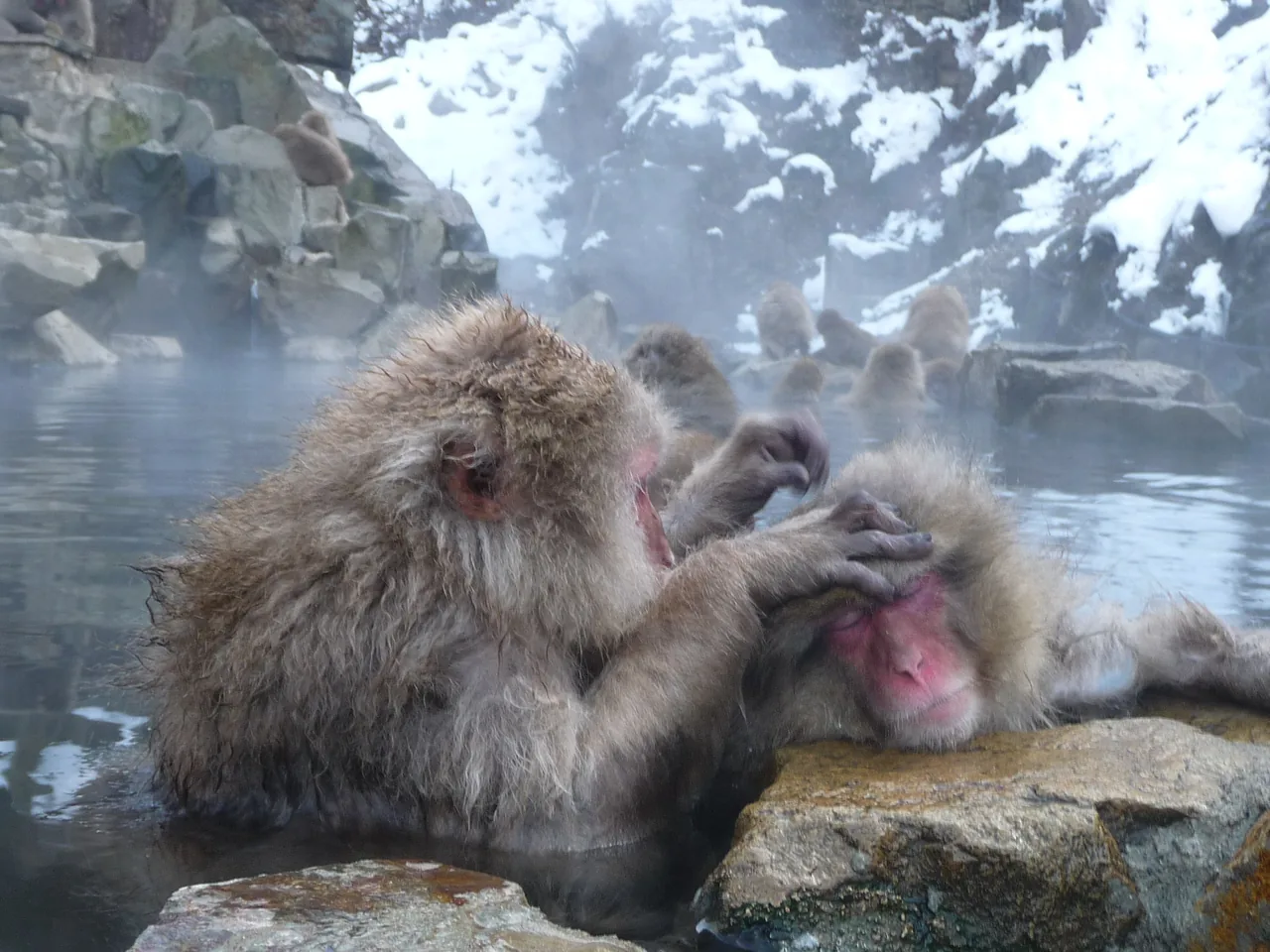
There is a park in the Nagano mountains where wild monkeys sit in a hot spring. It only looks the way the photographs do when there is snow, so January and February are the months for it.
You walk in
From the bus stop or the car park it is a walk of over half an hour through the woods, uphill and frozen in winter. The park itself asks visitors to come in boots or winter shoes with slip-on grips. Buses and the path are described on the Jigokudani Monkey Park access page. Map
The monkeys do not go in every day
The colder it is, the more of them get in the water. On a mild day they may stay around the pool without using it. A snowy or very cold day improves the odds.
It takes a full day from Tokyo
Shinkansen to Nagano, then a bus further in. It works as a day trip but it uses the whole day. There are hot spring towns nearby, so many people add a night.
14. Which days are busy and which are not
Take out a handful of dates and the rest of January is quiet. The busy days are fixed and easy to identify.
| When | What it is like |
|---|---|
| 1 to 3 January | shrines and attractions at their busiest |
| 4 January to the Coming of Age weekend | among the quietest stretches of the year |
| Coming of Age weekend | ski resorts and hot springs fill |
| Exam weekend | morning trains, hotels near universities |
| Late January | quiet again |
The quietest window is right after New Year
From 4 January up to the Coming of Age weekend is the best stretch of the year for city sightseeing. Japanese travellers are back at work and foreign arrivals have not built up. Famous temples and museums are as empty as they get.
Eight days are all you need to avoid
Three at New Year, three over the Coming of Age weekend, two for the exams. Step around those and the remaining three weeks are comfortable.
Lunar New Year lands in January some years
When it falls in late January, arrivals from elsewhere in Asia rise sharply for that week. Check the date for the year you are travelling.
15. Snow delays flights and trains
In January, planes at New Chitose Airport are routinely de-iced before take-off. That pushes departures back, and on heavy snow days flights are cancelled too. Map
De-icing happens even without snow
The process clears frost from the wings and coats them so it does not re-form, and it runs on clear winter days too. Plan on a winter departure from Sapporo leaving late, and do not schedule something tight for that evening.
Leave a day of slack on the way home
Flying out of Sapporo on the morning of your international connection is asking for trouble. Coming down to Tokyo or Osaka the evening before gives you room if a flight is cancelled.
Tokyo stops harder than Hokkaido does
Tokyo sees snow rarely, so a few centimetres delays trains and blocks roads. When snow is forecast there, cut the day back and move plans indoors. Hokkaido is used to it and keeps running.
16. Renting a car in Hokkaido
Rental cars in Hokkaido come with winter tyres fitted as standard. Some companies also add a snow brush and winter wipers.
There is a winter surcharge instead
The tyres are standard, but many companies add a daily winter charge for the season. It is listed separately from the car rate on the booking page, so compare totals. Nippon Rent-A-Car publishes its winter charge (Japanese only).
Equipment does not make ice safe
Four-wheel drive and winter tyres still slide on ice. If you have never driven on snow, keep the first day short and avoid long distances after dark.
Check whether you need a car at all
Sapporo, Otaru and Noboribetsu are all reachable by train and bus. A car matters once you go further in. For a first winter trip, look at the public transport version of the itinerary first.
17. Accommodation and flights
The days right after New Year are among the cheapest of the year. New Year itself and the Coming of Age weekend are the opposite.
| Period | Accommodation |
|---|---|
| 1 to 3 January | expensive, book ahead |
| 4 January to the Coming of Age weekend | among the cheapest of the year |
| Coming of Age weekend | ski and onsen towns jump |
| Late January | falls back again |
Ski areas work differently
While city hotels are cheap, anywhere near a ski resort is in peak season. Popular places like Niseko Map are booked from the summer. If skiing is the point, book the room before anything else.
Some cities charge a lodging tax
A per-person, per-night local tax applies in several cities and is frequently missing from the booking total. Which cities charge what is in the lodging tax guide.
Reserved seats open one month ahead at 10am
For shinkansen travel over the Coming of Age weekend, be ready then. The rest of January generally has seats on the day. Pass arithmetic is in the Japan Rail Pass guide.
18. What to wear
Staying on Honshu, ordinary winter clothing is enough. Going up to Hokkaido needs a step beyond that.
| Where | What you need |
|---|---|
| Tokyo, Osaka, Fukuoka | windproof outer layer, scarf |
| Hokkaido, Tohoku | the above plus gloves and shoes with grip |
| Okinawa | long sleeves and one light jacket |
Indoors is hot
Trains and shops are heated hard. Several thin layers you can shed work better than one thick coat, because the cold-hot cycle repeats all day.
Footwear matters most
In snowy regions, smooth soles are a genuine problem, and even city pavements have frozen patches in the morning. In Hokkaido you can buy slip-on grips locally.
Okinawa is a different packing list
Daytime highs near twenty mean no heavy clothing. The coast is windy, though, so bring one light jacket. The water is still too cold for swimming.
19. The air is very dry
Pacific-side cities like Tokyo and Osaka get little rain, and heating everywhere is turned up high, so interiors are extremely dry. A sore throat or a blocked nose in Japan in winter is usually this rather than an illness.
Hotel rooms are the worst of it
Some rooms have humidifiers and some do not. Running water in the bath or hanging a damp towel helps a little. Some front desks lend humidifiers if you ask.
Lip balm and hand cream
Easy to buy at any drugstore if you did not bring them, in a very wide range of types and prices.
Colds circulate at this time of year
Dry air plus people indoors together does what you would expect. Masks are sold in convenience stores and cold medicine is available over the counter.
20. North or south
In January, settle the direction before the city. No other month separates the two ends of the country this much.
| Direction | What you do | What it needs |
|---|---|---|
| North: Hokkaido, Tohoku | skiing, snow, outdoor baths in snow | winter kit, peak-season budget |
| Middle: Tokyo, Osaka, Kyoto | city sightseeing, illuminations, shopping | one jacket |
| South: Okinawa | early blossom, mild weather | a rental car |
The middle is the easy option
Tokyo has its clearest skies of the year in January, and both Tokyo and Kyoto are quieter once New Year is over. Nothing special is required and costs are below most of the year. For a first visit it is the straightforward choice.
North costs more in money and preparation
The snow is reliable but it is peak season and you need more clothing. In return there are things you cannot see at any other time. Even without skiing, an outdoor bath in the snow is reason enough.
Both directions in one trip is difficult
Sapporo and Okinawa in one itinerary means a travel day at each end and two sets of clothes. On a short trip, pick one.
21. What January cannot give you
Some things simply are not available this month. Knowing them in advance stops an itinerary being built around something that is closed.
| What | When it happens |
|---|---|
| Sapporo Snow Festival | February |
| Somei-yoshino cherry blossom on Honshu | from late March |
| Climbing Mount Fuji | early July to early September |
| Swimming in Okinawa | from late March |
| The alpine mountain routes | spring to autumn |
February for the Snow Festival
Arrive in January and the sculptures are still being carved. Seeing the finished festival means coming in February. It turns on a few days, so check before booking.
Mountain roads are closed
The scenic routes that climb into the mountains shut for winter. If you are planning from a summer photograph, confirm the season before committing to it.
What January does have instead
Outdoor baths in falling snow, Hokkaido powder, Okinawa’s early blossom and Mount Fuji visible from Tokyo are all winter-only. Build the trip from those rather than around what is shut.
22. How to decide
Decide whether the New Year days are in, then decide north or south. The rest follows from those two.
| If | Then |
|---|---|
| you want to avoid crowds and prices | 4 January to the Coming of Age weekend |
| you want to see New Year itself | 1 to 3 January, at a price |
| snow and skiing are the point | Hokkaido or Nagano, room first |
| you want warmth | Okinawa, with blossom included |
| city sightseeing is the point | Tokyo, in its sunniest month |
| onsen are the point | a January weekday, avoiding the holiday |
Only eight days need avoiding
Three at New Year, three over the Coming of Age weekend, two for the exams. Everything else in January is easy travelling.
Pack for the direction, not the country
Hokkaido clothing on a Honshu-only trip is dead weight, and Tokyo clothing in Hokkaido keeps you indoors. Settle the direction, then pack.
Where to read next
The six New Year days are in the New Year guide, and season-by-season comparison is in the best time to visit guide. Skiing is in the Japan ski guide and general planning in the Japan travel guide.
🎡Things to Do7
🏨Where to Stay2
🚇Getting Around4
🧭Travel Tips15
Japan in January questions
It depends entirely on where. Sapporo stays below freezing all day, Tokyo and Osaka average around 10°C by day, and Naha is close to 20°C. You need different clothes for each end of the country.
Once the New Year days are past, yes. From 4 January up to the Coming of Age weekend is among the quietest and cheapest stretches of the year, and Tokyo has its clearest skies of any month.
In Okinawa, yes. Festivals start at Mount Yaedake in Motobu from mid-January. On Honshu the Somei-yoshino trees do not open until late March.
No, it runs in early February. Visiting in January means seeing the large sculptures being built rather than the festival itself.
Two: 1 January and Coming of Age Day, which falls on the second Monday and creates a three-day weekend. Ski resorts and hot springs fill for those three days.
A great deal is closed and shrines are extremely busy, and accommodation is expensive. Unless the New Year atmosphere is what you want, travelling after 4 January is easier.
On Honshu, ordinary winter clothing. Indoors is heated hard, so thin layers work better than one thick coat. Hokkaido needs gloves and shoes that grip as well.
Yes. Sapporo gets more snow in January than in December or February. It is peak season though, so lift passes and rooms cost more and popular resorts are booked from the summer.
Mostly not. Only a few Tokyo displays end at Christmas, and places like Marunouchi run into February, with far fewer people than in December.
Crab is in season: male snow crab is landed until 20 March. Female crab fishing stops at the end of December in San’in and Hokuriku, so January is mostly male crab. Hot pot restaurants are everywhere in the cold months.
New Year and the Coming of Age weekend are. Between and after them, January is among the cheapest months. Ski areas are the exception and stay at peak prices all month.
The three New Year days, the three-day Coming of Age weekend and the two exam days. In years when Lunar New Year falls in late January, that week is busy too.
Indoor heating runs high in January, so rooms are very dry. Bring lip balm and hand cream or buy them at a drugstore. If the room has no humidifier, a damp towel helps a little.
Winter is the best time for it. January is Tokyo’s sunniest month and the air is clear enough to see a long way. Mornings from any deck with a view west give you the best chance.