
Okinawa’s Blue Cave: Snorkeling & Diving at Cape Maeda
A sea cave that glows electric blue, an hour from Naha, where total beginners can snorkel over coral and dive without a licence. Here’s how the Blue Cave actually works — snorkel or dive, beach or boat, when to go, and what it costs.
| What it is | the Blue Cave (Ao no Dōkutsu) at Cape Maeda in Onna — Okinawa’s most popular snorkel and dive spot, named for the unreal blue light inside. |
|---|---|
| Snorkel or dive | snorkelling suits total beginners and kids; a ‘trial dive’ needs no licence. Both are guided tours. |
| Beach or boat | beach entry is cheaper but means ~100 stairs and crowds; boat entry is easier and reaches the cave far more reliably. |
| Cost | snorkel tours from about ¥3,500, trial dives from about ¥7,000, usually including gear, a guide and photos. Book online to save. |
| Getting there | about 1 hour by car from Naha, in central-west Okinawa. Go in the morning for the brightest blue. |
1. What is the Blue Cave, and why everyone goes
2. Quick facts (location, price, who can go)
3. Why it glows blue (and what it’s like inside)
4. Snorkelling or diving — which should you pick?
5. Beach entry vs boat entry (the decision that matters most)
6. What a tour actually looks like, start to finish
7. What you’ll see underwater
8. Cape Maeda: parking, the stairs and the facilities
9. Tours, prices and what’s included
10. How to choose a good tour operator
11. Best time to go: month by month
12. Crowds, cancellations and backup plans
13. Getting there from Naha
14. What to bring and what to expect
15. Safety and who can go
16. Make a day of it nearby
17. So, is it worth it?
1. What is the Blue Cave, and why everyone goes
The Blue Cave — Ao no Dōkutsu in Japanese — is a sea cave tucked into the cliffs of Cape MaedaMap in Onna Village, on the central-west coast of Okinawa’s main island. It’s the island’s most famous snorkelling and diving spot, and on a good day it lives up to the hype.
The magic is the light. Sunlight pours into the cave mouth, passes through the clear water, and bounces off the white sand on the seabed — so the whole cave lights up an electric, glowing blue. Float in the middle of it and the water around you looks lit from within. Locals like to call it one of the world’s two great “blue caves,” alongside the famous one on Capri in Italy.
2. Quick facts (location, price, who can go)
Everything at a glance before the details.
| What | The Blue Cave (Ao no Dōkutsu) at Cape Maeda, Onna Village |
|---|---|
| Where | Central-west Okinawa, ~1 hour by car from Naha |
| Do it by | Snorkelling (beginners, kids) or trial diving (no licence) |
| Price | Snorkel from ~¥3,500; trial dive from ~¥7,000 (+ ¥300 facility fee, cash) |
| Time needed | A tour runs 2–3.5 hours; 30–80 min in the water |
| Best time | Morning (9:00–12:00) for the brightest blue; first tour to beat crowds |
| Who | Beginners, non-swimmers and children welcome (age limits vary by plan) |
3. Why it glows blue (and what it’s like inside)
The blue isn’t a trick of lighting or a filter — it’s physics. The cave faces the open sea, so sunlight enters low through the water, and the red and yellow wavelengths get absorbed first, leaving the blue. That blue light then reflects off the pale, sandy floor and fills the cave. The result is a soft, electric glow that’s strongest when the sun is high.
Inside, the water near the entrance is only about 6 metres deep with good visibility, so even first-time snorkellers can see straight to the bottom. You’ll usually spend a few minutes floating in the glow while the guide takes photos, then drift back out along the reef. It’s calm, shallow and short — much more “gentle wonder” than “adventure sport.”
4. Snorkelling or diving — which should you pick?
Both get you into the cave; they’re just different experiences. Here’s the honest breakdown.
| Snorkelling | Trial dive (no licence) | |
|---|---|---|
| Best for | First-timers, families, anyone unsure | People who want to go under and breathe underwater |
| Skill needed | None — you float on the surface in a vest | None, but you follow an instructor closely |
| Price (from) | ~¥3,500 | ~¥7,000 (combo snorkel + dive ~¥9,000) |
| Ages | Very wide (kids welcome, some from age 2) | Usually 10+ (varies by operator) |
If you’re not sure, start with snorkelling — it’s cheaper, gentler and you still float right into the blue. Many tours offer a snorkel + trial dive combo, which is a great way to try both in one morning. Certified divers can also book a normal “fun dive” to go deeper and longer.
5. Beach entry vs boat entry (the decision that matters most)
This is the choice that shapes your day, and a lot of people don’t realise it until they’re standing at the top of a long flight of stairs.
| Beach entry | Boat entry | |
|---|---|---|
| How | Walk down ~100 stairs at Cape Maeda, then swim ~5 min to the cave | A short ~10 min boat ride drops you near the cave |
| Reaches the cave | Less reliably — crowds and waves often block it | Far more reliably |
| Effort | Stairs up and down in gear (tiring after) | No stairs — easy on knees, kids, non-swimmers |
| Price | Cheapest | A little more |
6. What a tour actually looks like, start to finish
Never done it? Here’s the whole thing from arrival to dry towel, so nothing catches you out.
| Step | What happens |
|---|---|
| 1. Meet & sign in | Arrive at the shop or the Cape Maeda meeting point, fill in a short health form, pay any on-site fees |
| 2. Gear up | Get fitted for a wetsuit, mask and fins (snorkellers also get a life vest); stash valuables in a locker |
| 3. Briefing & practice | A safety talk, then a few minutes practising breathing through the snorkel in shallow, stand-up water |
| 4. To the cave | Walk down the stairs and swim ~5 min (beach), or take a ~5–10 min boat ride (boat), to the cave mouth |
| 5. The Blue Cave | Float in the glowing blue while the guide takes photos and you soak up the light |
| 6. Reef & fish feeding | Drift back over the reef; the guide feeds the fish so they swarm around you |
| 7. Out & shower | Back to land, rinse off in a hot shower, change, and collect your photos from the guide |
Door to door it’s usually 2–3.5 hours, of which only 30–80 minutes is actually in the water. The cave itself is a short, magical few minutes — the rest is the build-up, the swim and the fish.
7. What you’ll see underwater
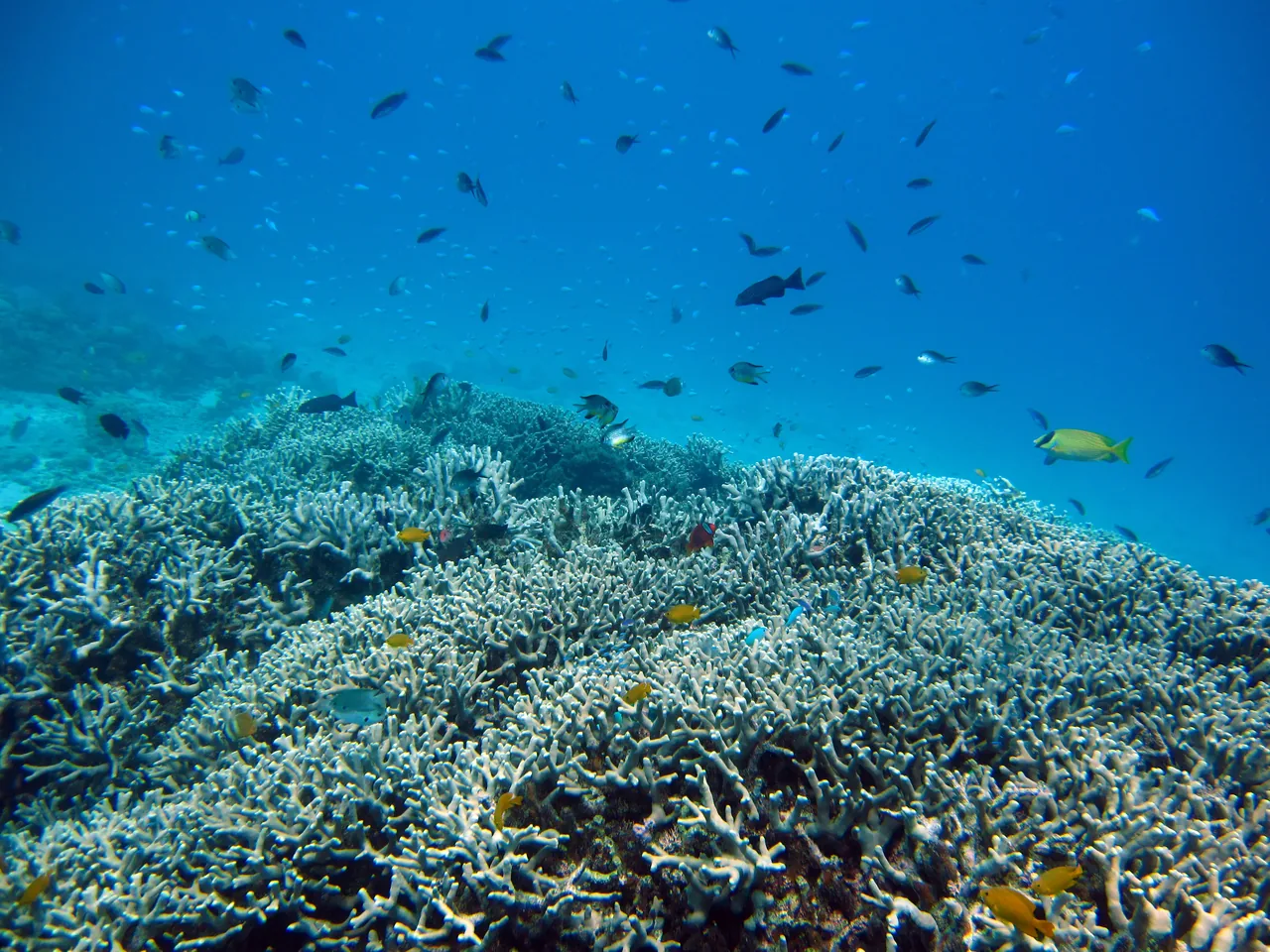
The cave is the headline, but the swim to and from it is half the fun. The water around Cape Maeda is famously clear — visibility often runs 25–30 metres, and it’s at its sharpest in autumn and winter when there’s less plankton. On a typical tour you’ll see:
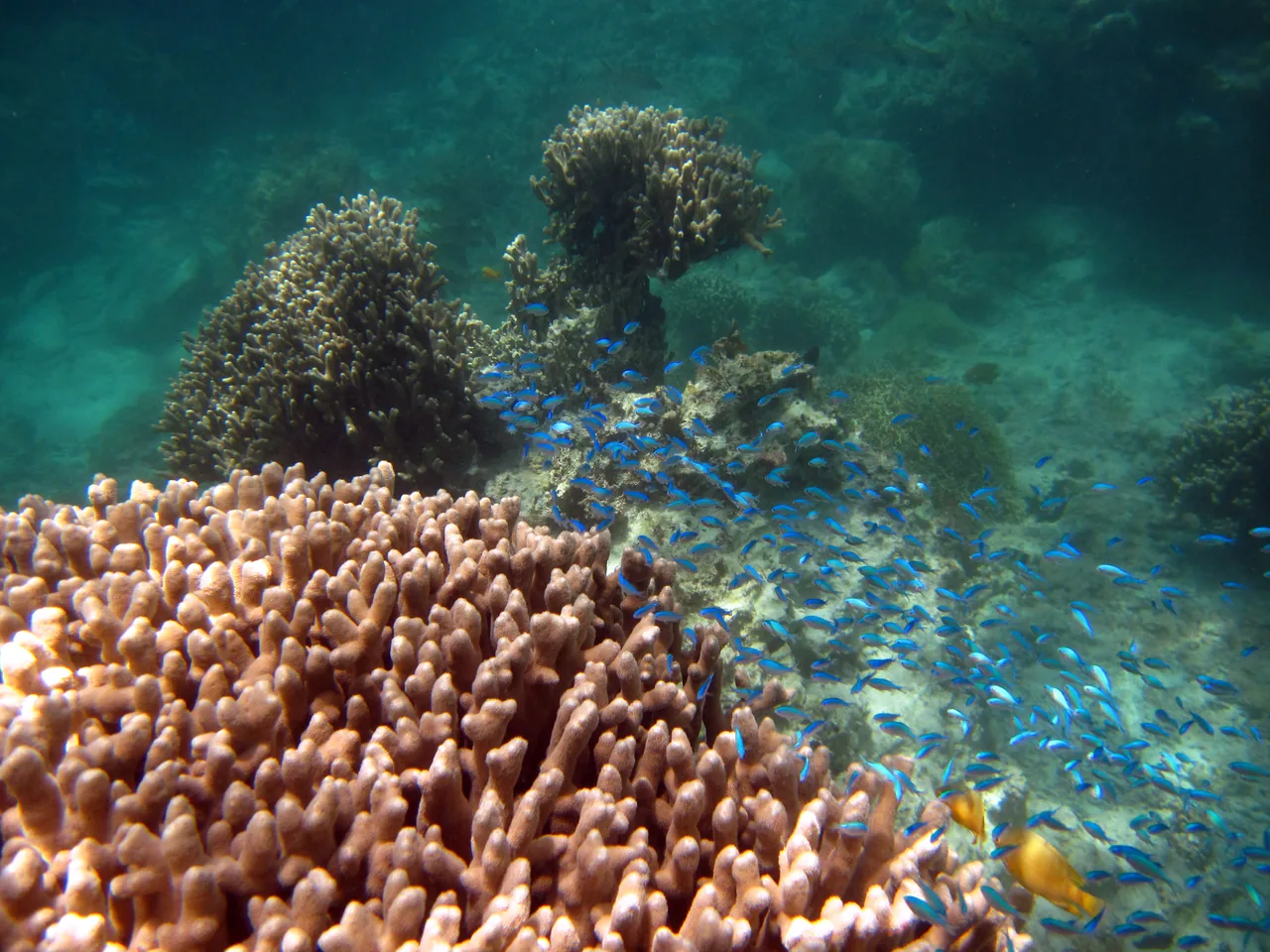
- Clouds of reef fish — sergeant majors, electric-blue damselfish, parrotfish nibbling coral, and butterflyfish.
- Coral and the sandy reef floor, clearly lit in the shallow water.
- Fish feeding — most guides bring food, so the fish swarm right up to you for photos.
- With luck, a green sea turtle, an octopus, or a (harmless, but keep your distance) banded sea snake.
8. Cape Maeda: parking, the stairs and the facilities
Cape Maeda is a proper, set-up spot rather than a wild cove, which is exactly what makes it beginner-friendly. Here’s what’s actually there.
| Parking | ~180 car spaces; around ¥100/hour (changing to ¥300 per 2 hours from April 2026). Open 7:00–18:00 |
|---|---|
| The stairs | About 90 steps down to the water, with a handrail — the entry itself is easy |
| Showers | Hot showers ¥200 (men’s and women’s), plus hair dryers ¥100 |
| Lockers & changing | Coin lockers ¥100, separate men’s/women’s changing rooms and toilets |
| Other | A small restaurant/café, a supply and drinks shop, vending machines and a shaded seating pavilion |
9. Tours, prices and what’s included
You can’t really do the Blue Cave solo — it’s guided tours only, which is a good thing for safety and for actually finding the cave. Most operators bundle in everything you need.
| Usually included | Detail |
|---|---|
| All gear | Wetsuit, mask, snorkel/fins, and a life vest for snorkellers |
| Guide & insurance | A licensed guide; small group; safety briefing first |
| Photos | Most tours take free underwater photos/GoPro video and share them |
| Fish feeding | Commonly included — the fish come to you |
Budget roughly ¥3,500+ for snorkelling and ¥7,000+ for a trial dive, plus a small ¥300 facility fee paid in cash on site (and parking is ¥300 per 2 hours from April 2026 if you drive). Booking online is usually noticeably cheaper than paying on the day, and it locks in your morning slot before it sells out.
10. How to choose a good tour operator
There are dozens of Blue Cave operators and they are not all equal. A few honest pointers for picking well:
- Prefer a shop with a real, fixed location. A physical store usually means proper insurance, after-care and accountability — not just a pop-up stand on the day.
- Be wary of the very cheapest. Rock-bottom prices can hide add-on fees, oversized groups or rushed sessions. Compare a few and read recent reviews.
- Check the group size. Smaller groups mean more attention, safer beginners and better photos — usually worth a little extra.
- Confirm what’s included: wetsuit, all gear, life vest, free photos, fish feeding, and whether facility and shower fees are on top.
- Pick the entry to suit your group. A good operator offers both beach and boat, and will tell you honestly which fits the conditions and your party.
- Language. Several operators run English- and Chinese-speaking guides, which makes the safety briefing far more reassuring.
11. Best time to go: month by month
Timing changes everything here, because the blue depends on the sun, the comfort depends on the water, and the experience depends on the crowds.
| For… | Go… |
|---|---|
| The brightest blue | A sunny day, sun high — but crowds peak 10:00–12:00, so take the first slot for light and space |
| Fewest crowds | The first tour of the day, weekdays, or shoulder season |
| Clearest water | Autumn and winter — less plankton, visibility 25–30 m |
| Best all-round | Late spring and October–early November: warm, clear, less busy |
And the water itself, by season:
| Season | Sea temp | Notes |
|---|---|---|
| May–Oct (peak) | 25–30°C | Warmest and easiest; July–Aug also the most crowded |
| Nov–Apr | ~20–23°C | Still very doable in a wetsuit; clearest water, fewest people |
You wear a wetsuit year-round, so winter snorkelling is genuinely fine — and quieter and clearer. One seasonal heads-up: the venomous box jellyfish (habu-kurage) is around from roughly June to October, but a full wetsuit covers you, which is one more reason the tours always put you in one.
12. Crowds, cancellations and backup plans
Two things can dull a Blue Cave trip: too many people, or a sea too rough to go. Plan for both and you’ll be fine.
- Summer crowds are real. From about 10:00 to 12:00 in July–August the cave can be packed, and on a beach tour you might not get in before time runs out. Book the first slot, or go in shoulder season.
- Winter swells block the stairs. When the sea is up, the Cape Maeda beach entry closes for safety — but boat tours can often still run, so book boat in the colder months.
- If it’s cancelled, don’t pin it on your last morning. Keep a flexible day, and take a cancellation as the operator putting safety first.
- Quieter alternatives: other Onna reefs are lovely and far less busy, and the Kerama Islands offer clearer, calmer snorkelling if you have a spare day. Advanced divers can look at sites like Manza Dream Hole.
13. Getting there from Naha

Cape Maeda is in Onna Village, on the central-west coast — about an hour’s drive north of Naha and the airport, right in the resort belt.
| How | Time & notes |
|---|---|
| Rental car | ~1 hr from Naha via Route 58. There’s a paid car park at Cape Maeda (¥300/2 hr from April 2026). Easiest by far |
| Tour pickup | Some tours offer hotel pickup in the Onna/resort area — handy if you’re staying nearby |
| Bus | Possible but slow; a highway/local bus toward Onna, then a taxi or walk. Most people drive |
Okinawa’s monorail only covers Naha, so for Cape Maeda you’ll want a car or a tour with pickup. For how transport works across the island, see our Okinawa travel guide.
14. What to bring and what to expect
- Wear your swimsuit underneath. Changing rooms and showers exist, but arriving ready saves time.
- Gear is provided. Wetsuit, mask, fins and vest come with the tour — you don’t need to buy anything.
- A towel and a change of clothes, plus flip-flops. Your hair and swimsuit will still be damp after.
- Reef-safe sunscreen (or skip it and let the wetsuit cover you). Protect the reef.
- Let the guide hold the camera. Most tours include photos, so you can just enjoy it; if you bring a phone, use a proper waterproof case with a float strap.
15. Safety and who can go
The Blue Cave is about as gentle as open-water snorkelling gets, but it’s still the sea. A few honest notes:
- Non-swimmers are fine for snorkelling — you wear a buoyant vest and a guide is right there. Choose boat entry for the easiest version.
- Kids are welcome on many snorkel plans (some from around age 2–6); trial dives usually start at 10 or older. Check the specific tour.
- Trial diving needs no licence, but you’ll do a short briefing and stay with the instructor. Tell them about any ear, heart or breathing conditions.
- Conditions rule. If the guide cancels for high waves, take it as a good sign they put safety first — don’t push it.
- Cape Maeda has no sandy beach. You enter off rocks into deep water, and there can be currents — which is exactly why you go with a guide and don’t wander off alone. On the public side, there’s a flag system; respect it.
- Jellyfish season is June–October. The venomous box jellyfish (habu-kurage) appears in warm months, but your full wetsuit covers you — keep it on and don’t touch anything in the water.
16. Make a day of it nearby
Cape Maeda sits in the middle of Okinawa’s resort coast, so it pairs easily with other stops. Most are 15–40 minutes away.
Cape Manzamo
The famous “elephant-trunk” cliffMap, a short drive north — a classic Okinawa photo stop.
American Village
A seaside shopping-and-dining district in ChatanMap, good for lunch and sunset on the way back to Naha.
Churaumi Aquarium
If you’re heading further north, fold in the whale-shark aquarium — Cape Maeda is roughly on the way.
Onna beaches
The whole coast here is resort beaches and viewpoints — easy to string together a relaxed day.
A common plan: Blue Cave snorkel in the morning, lunch in Onna or American Village, a beach or Manzamo in the afternoon. For the bigger picture, start with our Okinawa travel guide.
17. So, is it worth it?
First-timers / families
Yes. It’s the easiest way to have a “wow” snorkel in Okinawa, and kids love it. Take the boat entry.
Nervous swimmers
Also yes — vest, guide and shallow water make it very doable. This is often someone’s first time in the open sea.
Want a quiet, wild reef
Manage expectations: it’s popular and can be crowded. Go early, or look at quieter Onna reefs and the Kerama Islands too.
Divers
A fun, easy site rather than a challenging one. Great for a trial dive or a relaxed certified dive.
Bottom line: the Blue Cave deserves its fame — just go in the morning, pick boat entry if you have any doubts, and treat it as one stop on a wider Okinawa day. Start planning with our Okinawa travel guide, and pair it with the Churaumi Aquarium up north.