
Sapporo Travel Guide: How Many Days, Getting In, Food and Day Trips
A complete guide to Sapporo, the base city for travel in Hokkaido. How many days to give it, how to get in from the airport, how to move underground in winter, and what everything costs, taken from official sources.
| How long | Two days for the city and three with a day trip, since the central sights sit within about 2km of Odori Park. |
|---|---|
| Airport train | The Special Rapid Airport takes 33 minutes at best and costs 1,230 yen, from a station under the terminal. |
| Winter routing | Sapporo Station, Odori and Susukino connect through the 520m Chi-Ka-Ho walkway, so you need not go outside. |
| How cold | January averages -3.2°C with snowfall on 29.1 days in an average year, so a dry day is the exception. |
| When it fills | The Snow Festival runs eight days in early February, and in 2027 it overlaps the Taiwanese New Year holiday. |
1. How many days to give Sapporo
2. What kind of city Sapporo is
3. When to visit: the seasons here are nothing alike
4. Getting from New Chitose Airport into the city
5. Getting around: three subway lines and a streetcar
6. Crossing the centre without going outside
7. Where to stay in Sapporo, in outline
8. What to eat in Sapporo
9. Sights in the centre, with prices and hours
10. Sights a short ride out: night views and parks
11. Festivals and the events calendar
12. Day trips from Sapporo
13. If you are here to ski
14. Practical notes
1. How many days to give Sapporo
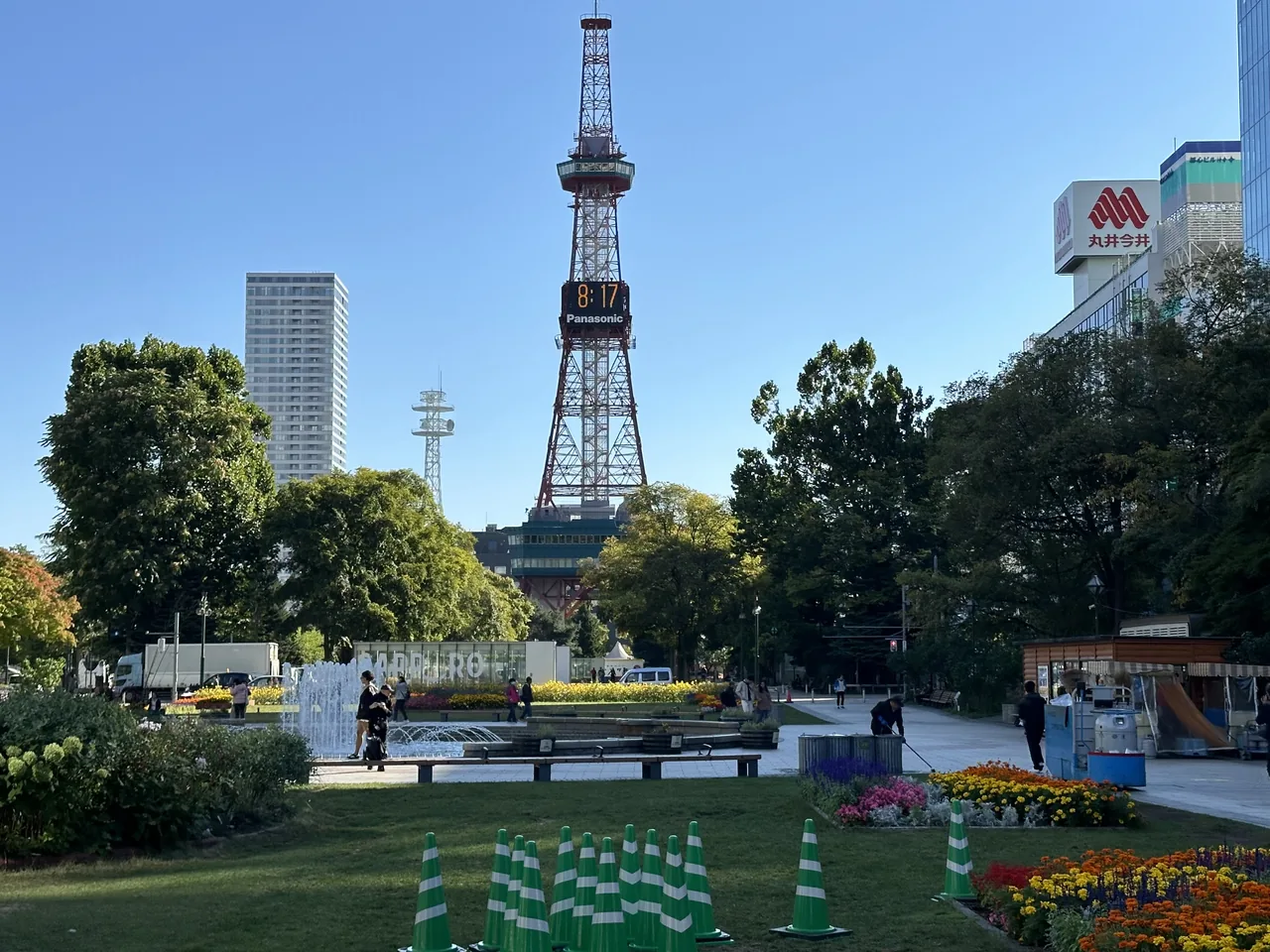
Two days covers the city itself, and three is the standard once you add a day trip to Otaru or Jozankei Onsen. The central sights sit within about two kilometres of Odori Park, so very little of your time goes on getting between them.
Most people are not in Sapporo for Sapporo alone. Hokkaido is roughly the size of Austria, and its rail and express bus network fans out from this one city, so in practice you book a room here and make day runs out and back.
| Days | What fits |
|---|---|
| 1 | Odori, Sapporo Station and Susukino. All of it inside the underground network |
| 2 | The above plus Mount Moiwa at night, the Akarenga building, the Clock Tower and Shiroi Koibito Park |
| 3 | The above plus a full day in Otaru or at Jozankei Onsen |
| 4 to 5 | Add Noboribetsu Onsen, Asahikawa or the Furano area, using Sapporo as your base |
Give yourself an extra day if you are coming in winter. Trains and buses run late on heavy snow days, and January sees snowfall on 29.1 days in an average year. A schedule with no slack in it has nowhere to absorb that.
2. What kind of city Sapporo is
Sapporo is the capital of Hokkaido Prefecture and a city of about 1.96 million people. The official estimate for 1 July 2026 puts it at 1,963,070, which is a large share of everyone living on the island.
What sets it apart from other big Japanese cities is how young it is. Where Kyoto and Nara accumulated over a thousand years, Sapporo was laid out from scratch during the colonisation of Hokkaido in the late nineteenth century, so what survives is Western style government architecture and wide straight avenues rather than temples and castle keeps.
That changes the shape of a visit. You are not working through a list of shrines and gardens; you eat, walk, and take days out of the city. The appeal is the comfort and the ease of moving around rather than the density of individual sights.
It also hosted the 1972 Winter Olympics, the first in Asia. The Okurayama ski jump built for those games and the Namboku subway line are both still in use, which is part of why the infrastructure here feels settled for a city of its age.
The address system tells you where you are
Addresses in central Sapporo are a grid reference. North and south are counted in jo, east and west in chome, from two baselines: Odori for the north-south count, and the Sosei River for the east-west one.
| Address | Reads as | Where that is |
|---|---|---|
| 大通西1丁目 | Odori West 1 | The origin point, right beside the TV Tower |
| 北5条西2丁目 | North 5, West 2 | Five blocks north of Odori, in front of Sapporo Station |
| 南4条西3丁目 | South 4, West 3 | Four blocks south of Odori, the middle of Susukino |
Because the numbers carry direction and distance, you can navigate on foot without a map. A block runs roughly 100 metres, so comparing two addresses gives you the walking time as well.
3. When to visit: the seasons here are nothing alike
Sapporo has the widest seasonal swing of any major Japanese city. January averages -3.2°C and August averages 22.3°C, which means what you pack and how you move around change completely depending on when you come.
Here is what the winter actually looks like in numbers. These are Japan Meteorological Agency normals for the Sapporo observation site, covering 1991 to 2020.
| Month | Mean temp | Mean daily min | Total snowfall | Deepest snow cover | Days with snowfall |
|---|---|---|---|---|---|
| December | -0.9°C | -4.0°C | 113cm | 47cm | 27.9 |
| January | -3.2°C | -6.4°C | 137cm | 76cm | 29.1 |
| February | -2.7°C | -6.2°C | 116cm | 95cm | 25.3 |
| March | 1.1°C | -2.4°C | 74cm | 82cm | 24.5 |
| August | 22.3°C | 19.1°C | none | none | 0 |
Every month from December to March records more than 24 days with snowfall. In winter, a day without snow is the exception here.
What each season is for
| Period | Conditions | Why people come |
|---|---|---|
| December to February | Below freezing, snow accumulating | Snow Festival, illuminations, skiing, crab and sea urchin |
| March to April | Thaw begins | Low season, easy hotel availability. Streets are slushy |
| May to June | Cool and clear | Lilac Festival, YOSAKOI Soran. Cherry blossom arrives in early May |
| July to August | Low twenties, no rainy season | Odori beer gardens, lavender, escaping the heat |
| September to October | Crisp | Autumn colour, seafood, thinner crowds |
| November | First snow | Illuminations start in the last week |
4. Getting from New Chitose Airport into the city
The JR Special Rapid Airport service reaches Sapporo Station in as little as 33 minutes for 1,230 yen. The station is directly beneath the domestic terminal, so you take an escalator down from arrivals and you are at the gates.
| Service | Fastest journey | Fare |
|---|---|---|
| JR Special Rapid Airport | 33 minutes | 1,230 yen |
| JR Rapid Airport | 37 minutes | 1,230 yen |
The fare is identical on both (JR Hokkaido fare information). The Special Rapid just makes fewer stops, so take whichever leaves first rather than waiting. Most trains carry a reserved u-Seat car, which costs extra on top of the fare.
Arriving on an international flight
International arrivals come into a separate terminal, connected to the domestic one by an indoor walkway. Walk across and take the train from the station under the domestic terminal.
The run into town is around 40 minutes, so there is little advantage to staying near the airport. Consider it only for an early morning departure.
New Chitose Airport MapMap Sapporo Station MapMap5. Getting around: three subway lines and a streetcar
Three subway lines cover almost everything a visitor needs. They are the Namboku, Tozai and Toho lines, and all three meet at Odori Station, so one interchange connects any two points on the network.
| Line | The stretch visitors use |
|---|---|
| Namboku | Sapporo, Odori, Susukino, Nakajima Koen |
| Tozai | Odori out to Maruyama Koen, for Hokkaido Jingu and Okurayama |
| Toho | Sapporo, Odori, Hosui Susukino |
| Streetcar | A loop through Chuo ward, and the approach to the Mount Moiwa ropeway |
Cards and day passes
If you already hold a Suica or an ICOCA there is nothing to buy. The nationwide IC cards are accepted on the subway, the streetcar and the buses here.
| Item | Detail |
|---|---|
| IC cards accepted | Kitaca, Suica, PASMO, manaca, TOICA, PiTaPa, ICOCA, Hayakaken, nimoca, SUGOCA |
| Local card | SAPICA, valid on the subway, streetcar, JR Hokkaido Bus, Jotetsu and Hokkaido Chuo Bus |
| Minimum subway fare | 210 yen |
| Donichika pass | 520 yen adult, 260 yen child. Saturdays, Sundays, public holidays and 29 December to 3 January |
| Subway one-day pass | 830 yen adult, 420 yen child, valid any day |
With a 210 yen minimum fare, the Donichika pass pays for itself on the third ride of a weekend day. The 830 yen weekday version needs four rides, so it only makes sense on a day when you are covering several districts.
6. Crossing the centre without going outside
Sapporo Station, Odori and Susukino are connected underground. Moving between those three in winter does not require going up to street level at all.
| Section | Detail |
|---|---|
| Chi-Ka-Ho underground walkway | Links Sapporo subway station to Odori station. 520m long, opened 12 March 2011 |
| Aurora Town and Pole Town | Shopping arcades running off Odori station. Pole Town continues to Tanukikoji and Susukino station |
In January and February the daytime high often stays below freezing, and every one of those months records more than 25 days with snowfall. Whether a place is on the underground network makes a real difference to how much walking you do in the cold.
What the network does not reach
Nakajima Koen, Maruyama and Jozankei all sit outside it. Going to any of them means being outdoors, so dress for it.
7. Where to stay in Sapporo, in outline
The main division between Sapporo districts is whether they connect to the underground network. Sapporo Station, Odori and Susukino do. Nakajima Koen and Jozankei do not.
| District | Character | Underground link |
|---|---|---|
| Around Sapporo Station | Direct JR connection from the airport. Convenient if you are leaving the city most days | Yes |
| Odori | All three subway lines meet here. The Snow Festival main site is on the doorstep | Yes |
| Susukino | The densest concentration of restaurants. Suits late nights | Yes |
| Nakajima Koen | One subway stop from Susukino. Residential and quiet | No |
| Jozankei Onsen | A hot spring town inside Sapporo city limits, about 60 minutes out by bus | No |
For a first visit, Odori or the station area are both safe choices. Odori puts all three lines within reach, and every airport train and intercity service leaves from Sapporo Station.
An accommodation tax applies to stays from 1 April 2026, levied by both the city and the prefecture. Per person per night it is 300 yen below 20,000 yen, 400 yen from 20,000 to under 50,000, and 1,000 yen above that.
It is not included in the rate you book and is collected separately at the property.
Our Sapporo accommodation guide compares the districts in detail, sets out the tax bands, and covers what kind of properties each area actually has.
Susukino MapMap Nakajima Koen MapMap Jozankei Onsen MapMap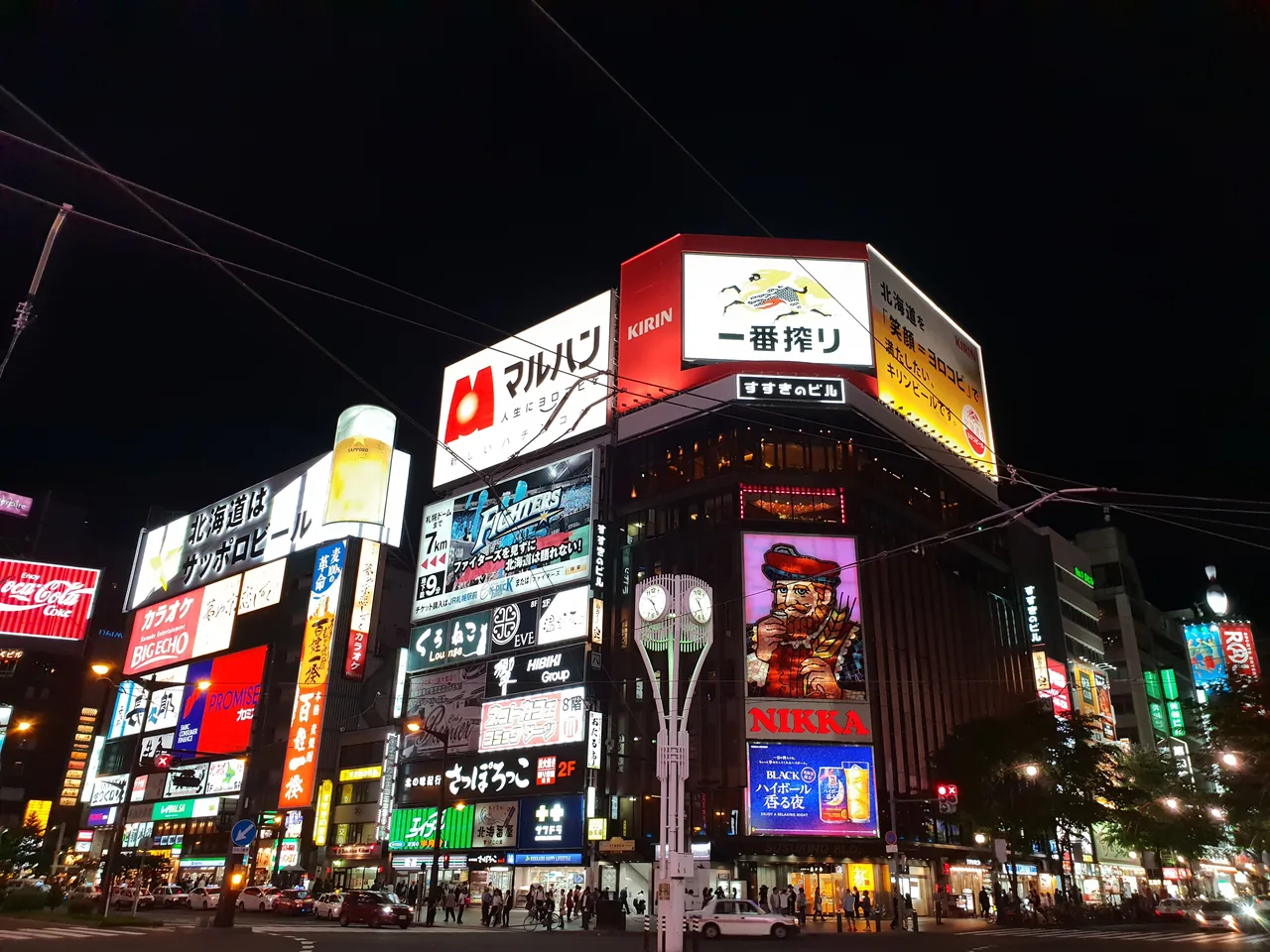
8. What to eat in Sapporo
Sapporo food comes down to four things: miso ramen, soup curry, jingisukan and seafood. There is also a local habit of finishing a night out with a parfait, which the city calls shime parfait.
| Dish | What it is | Worth knowing |
|---|---|---|
| Miso ramen | Ramen in a miso-based broth | Credited to a Sapporo shop in 1955, when soy sauce was the standard ramen base |
| Soup curry | Curry served as a thin, spiced soup | Comes with large pieces of vegetable and a chicken leg. You spoon rice into the soup |
| Jingisukan | Grilled mutton and lamb | Cooked on a domed metal pan, with vegetables round the rim |
| Seafood | Sea urchin, salmon roe, crab, scallops | Usually eaten as a breakfast rice bowl at Nijo or Jogai market |
| Shime parfait | A parfait after drinking | Specialist shops cluster in Susukino and stay open late |
How to fit it in
You will not get through all of it. On a two-day trip, jingisukan or seafood on the first evening and miso ramen or soup curry the following lunchtime covers the ground.
Miso ramen has a heavy broth with a layer of fat on top, which keeps it hot far longer than a lighter bowl. It is a cold-weather dish in the most literal sense, so move it up your list if you are visiting in winter.
Soup curry works the other way, thin and heavily spiced. Most shops ask you to choose a heat level and a rice portion when you order.
With jingisukan, the pan is domed so the fat runs off to the rim. Vegetables go round the edge first to catch it, so putting the meat on before the vegetables wastes the best part.
The two markets are not the same
Nijo Market is in the centre, walkable from Odori. Jogai Market sits beside the central wholesale market and needs a subway ride plus a short walk.
If you are short on time, Nijo wins on access. If you are giving a whole morning to it, Jogai is the bigger of the two. Both trade mainly in the morning, and a lot of stalls have shut by the afternoon.
Beer, and the summer stalls
Sapporo Beer began in this city. You can pay to taste at the Sapporo Beer Museum, and in summer Odori Park turns into a large open-air beer garden.
Those summer stalls also grill sweetcorn along the park, and soft serve is everywhere given how much dairy the region produces.
Nijo Market MapMap Jogai Market MapMap Ramen Yokocho MapMap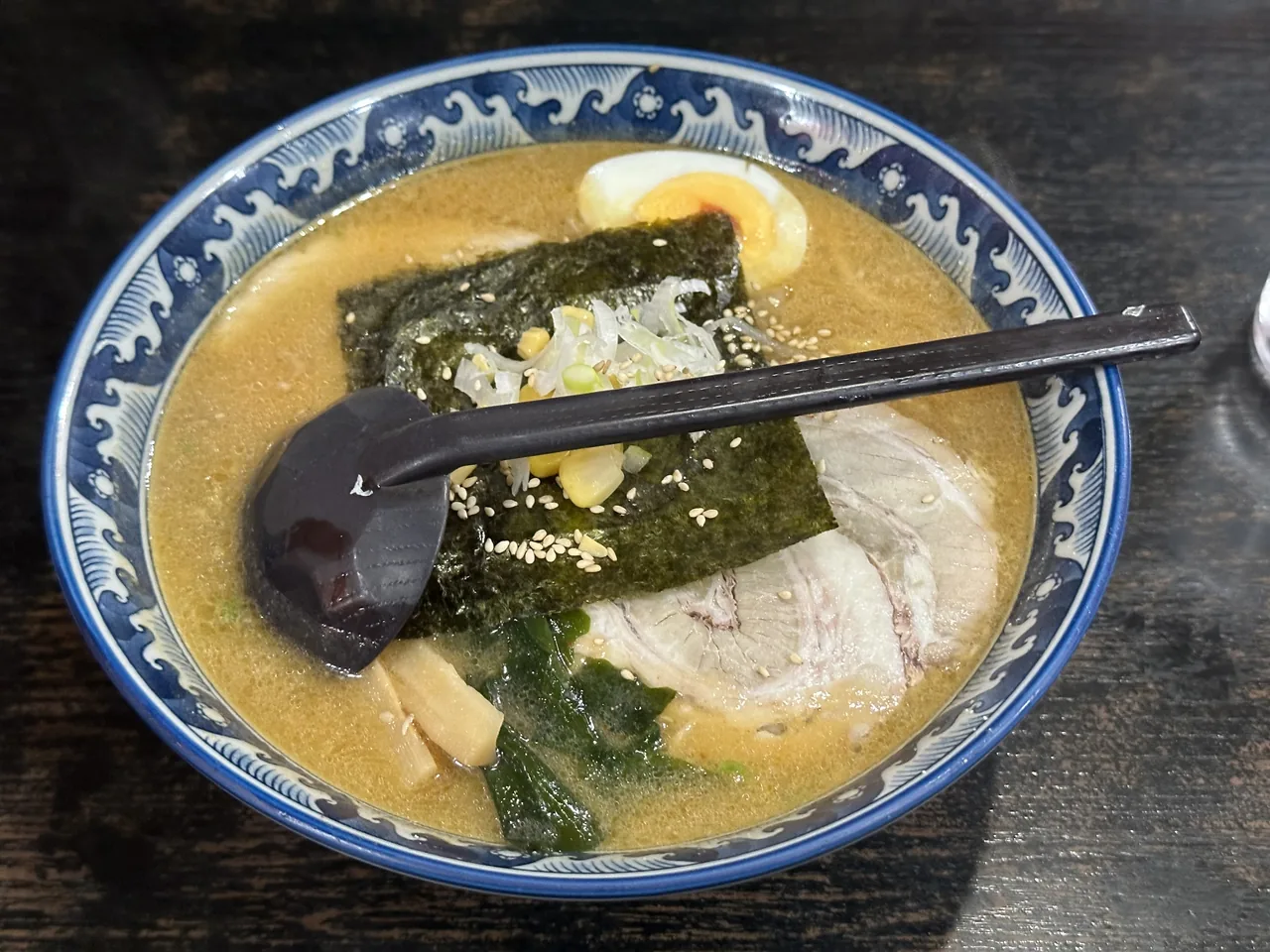
9. Sights in the centre, with prices and hours
The central sights are all within walking distance of Odori Park. The figures below come from each venue’s own published information.
| Venue | Admission | Hours |
|---|---|---|
| Sapporo Clock Tower | 350 yen adult, 150 yen university student, free for high school age and under | 08:45 to 17:10, last entry 17:00. Closed 1 to 3 January |
| Akarenga, the former government office | 300 yen general, 200 yen university and high school, free for junior high and under | 08:45 to 21:00, last entry 20:30 |
| Sapporo Beer Museum | 1,000 yen adult, 500 yen from junior high to under 20, free for primary age and under | 11:00 to 18:00, last entry 17:30. Closed 31 December |
| Odori Park | Free | Always open |
Odori Park and what stands along it
Odori Park runs from West 1 to West 12, about 1.5km long and covering roughly 7.8 hectares. It cuts across the centre from east to west, so walking its length takes you past the TV Tower, the Clock Tower and the Akarenga building in turn.
The Clock Tower is officially the former drill hall of Sapporo Agricultural College and is designated an Important Cultural Property. It is a modest wooden building on a small plot, so set expectations accordingly and give it twenty minutes.
Akarenga reopened on 25 July 2025 after more than five years of restoration. There are exhibition floors and a cafe inside now, and the octagonal tower viewing and the guided tour are charged separately.
An audio guide runs in five languages: Japanese, English, Korean, and Chinese in both traditional and simplified.
If you only want the beer, the Tasting Hall sells it by the glass. Black Label and Classic are 450 yen each and Kaitakushi Beer is 550 yen, with a 30 minute limit on seats.
Sapporo Clock Tower MapMap Akarenga former government office MapMap Sapporo Beer Museum MapMap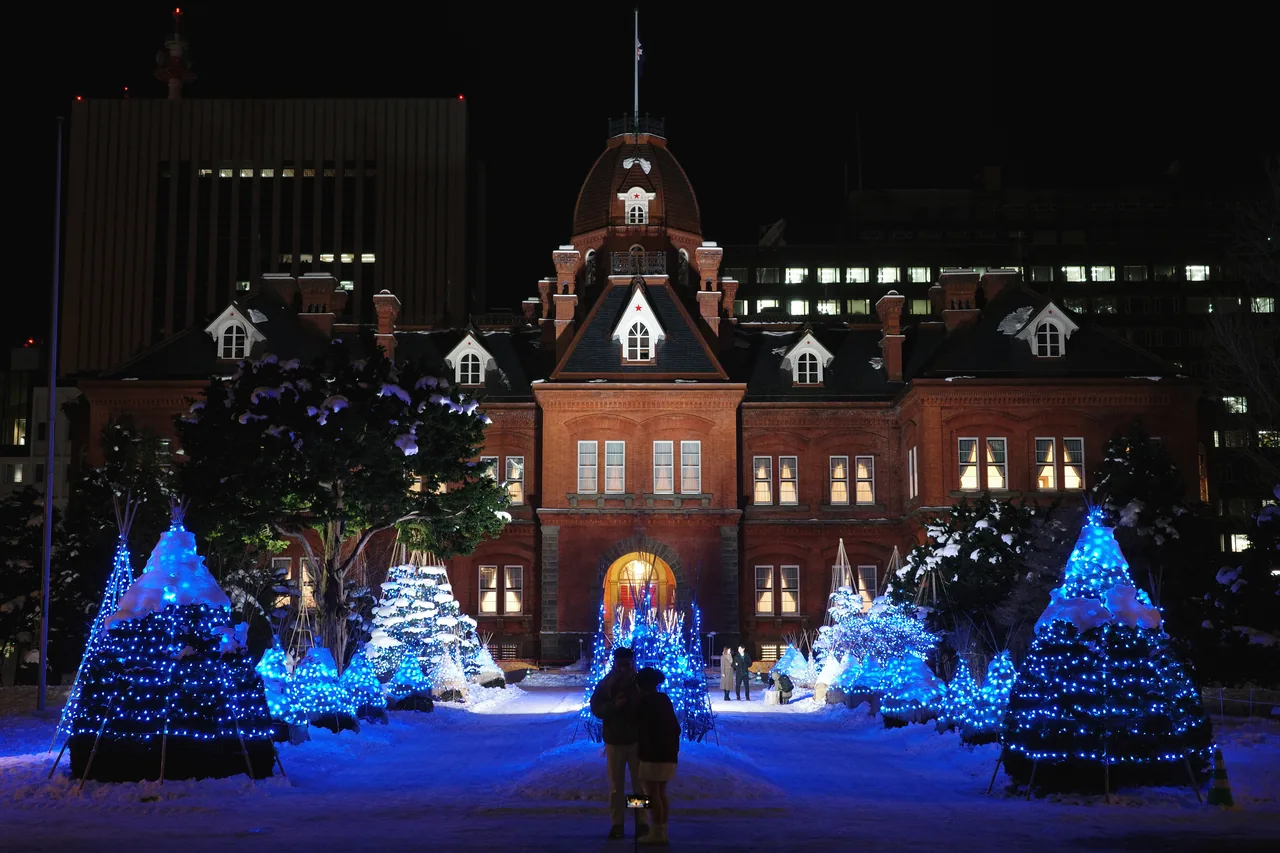
10. Sights a short ride out: night views and parks
Twenty to forty minutes out by subway or bus, the character of the sights changes. This is where the night views, the big parks and the Olympic venues are.
| Venue | Admission | Hours |
|---|---|---|
| Mount Moiwa ropeway and mini cable car | 2,100 yen adult return, 1,050 yen child, as a combined ticket | April to November 10:30 to 22:00, December to March 11:00 to 22:00. Last ascent 21:30 |
| Shiroi Koibito Park | Paid zone 1,200 yen adult, 600 yen child, free under 4 | 10:00 to 18:00, paid zone entry closes 16:30 |
| Moerenuma Park | Free, parking free | 07:00 to 22:00, last entry 21:00. Open year round |
Mount Moiwa
This is where you go for the night view. A ropeway takes you to the mid-station and a mini cable car covers the rest to the summit, sold together as a 2,100 yen return ticket. You reach the base by streetcar.
Shiroi Koibito Park
Run by the confectioner behind Shiroi Koibito, Hokkaido’s best known biscuit. The paid zone is 1,200 yen for adults, while the rose garden and the shop are free to enter. There are hands-on baking sessions, which is why it draws families.
Moerenuma Park
A 189 hectare park designed by the sculptor Isamu Noguchi, built on a former landfill site over 23 years. The whole landform is the artwork rather than a container for one.
Inside it are Mount Moere at about 62 metres, a glass pyramid called Hidamari, and a Sea Fountain that moves 3,000 tonnes of water. Entry is free and it is open all year, so it is easy to slot into any day.
Okurayama Ski Jump Stadium
The ski jump built for the 1972 Winter Olympics. A lift takes you to an observation lounge looking back over the city, and the Sapporo Olympic Museum is on the same site. It runs evening hours from July to September.
Get there by JR Hokkaido Bus from Maruyama Koen subway station. In summer a free shuttle links it with Shiroi Koibito Park, and a combined ticket is available.
11. Festivals and the events calendar
Sapporo puts a major event in Odori Park in every season. Because the park runs through the middle of the city, those events land directly on your walking route.
| When | Event | What happens |
|---|---|---|
| Early February | Sapporo Snow Festival | Eight days across three sites: Odori Park, Tsudome and Susukino |
| Late May | Lilac Festival | Odori Park, with outdoor cafes and a wine garden |
| Early June | YOSAKOI Soran Festival | Five days of dance teams, centred on Odori |
| Mid-July to mid-August | Odori beer gardens | Odori Park from West 5 to West 11, divided between the brewers |
| From late November | White Illumination | Runs into March, with each site finishing on a different date |
The Snow Festival
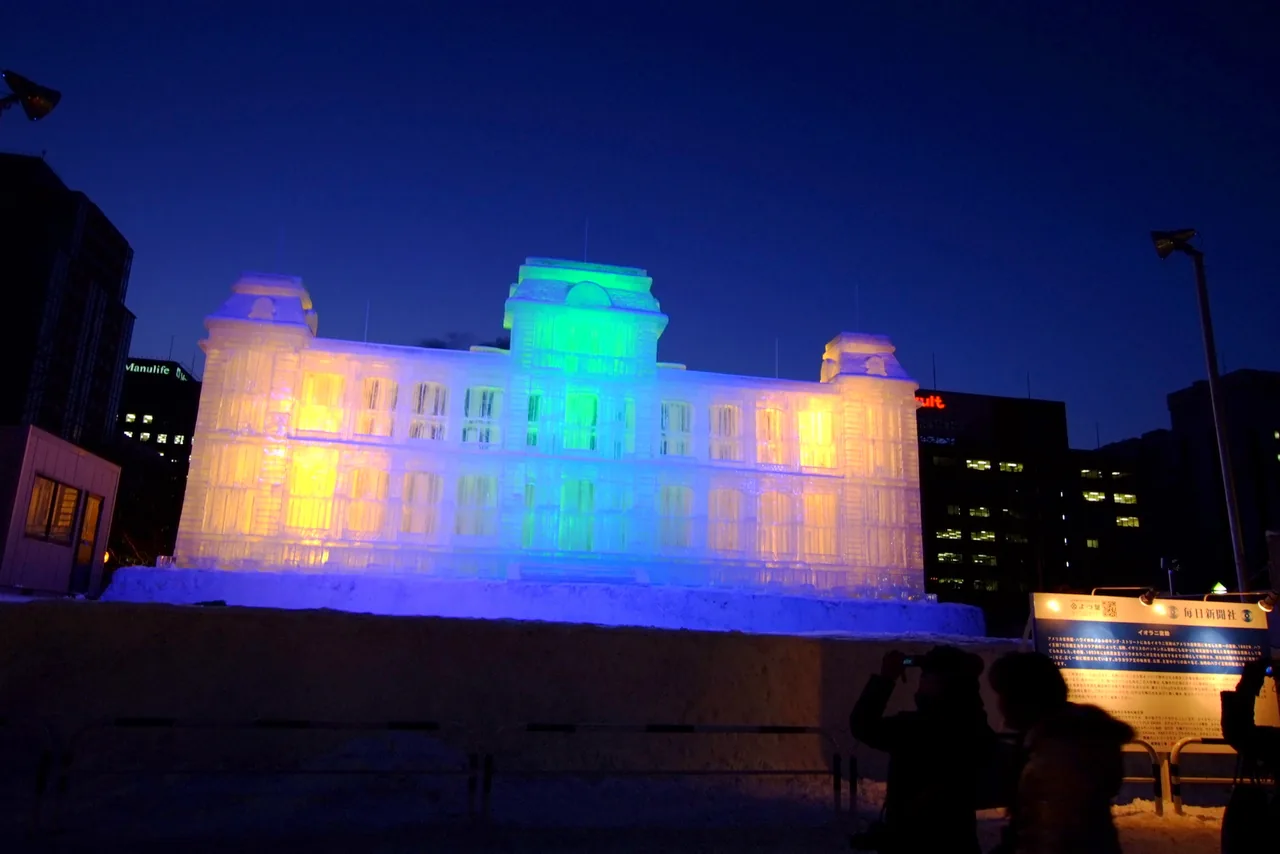
This is the big one (official site). The 77th edition runs from 4 to 11 February 2027, eight days. Odori Park holds the main sculptures, Tsudome has the slides and hands-on activities, and Susukino displays ice carvings.
Summer beer gardens
From mid-July to mid-August, Odori Park between West 5 and West 11 becomes an open-air drinking hall. Each block is run by a different brewer, and there are separate sections for imported beers and for German beer.
Winter illuminations
These start in late November and each site closes on its own date. Odori and the Munich Christmas Market finish at the end of December, the Ekimae-dori site runs to mid-February, and South 1 and the station south plaza continue to mid-March.
So if you come in February for the Snow Festival, the Odori illumination will already be down. The Ekimae-dori stretch will still be lit, and you pass it anyway.
12. Day trips from Sapporo
Using Sapporo as a base and going out and back is how most Hokkaido trips work. The rail and express bus network radiates from here.
| Destination | Getting there | What it is |
|---|---|---|
| Otaru | About 30 to 40 minutes by JR | Canal, glassware, music boxes, seafood |
| Jozankei Onsen | About 60 minutes by direct bus from Sapporo Station | Hot spring town within the city, in a river gorge |
| Noboribetsu Onsen | JR limited express to Noboribetsu, then a bus | Jigokudani. Hokkaido’s best known hot spring resort |
| Asahikawa | About 1 hour 25 minutes by JR limited express | The gateway for Asahiyama Zoo |
| Lake Toya | About 2 hours 40 minutes by express bus | Caldera lake and hot springs |
| Furano and Biei | Strongly a summer destination | Lavender fields and rolling farmland |
If you only have one day
Otaru is the easy answer. The canal walk is compact, about ten minutes from the station, with the glass workshops and the music box hall along the same stretch. The full walking route, the Nikka distillery at Yoichi and what closes in winter are in our Otaru travel guide.
In winter the snow-covered canal and its gas lamps draw crowds in the evening. The trip is under 40 minutes each way, so an afternoon start works and the last trains back run late.
For a hot spring, Jozankei is the most accessible. The direct bus from Sapporo Station takes about 60 minutes and costs 1,700 yen, or 1,460 yen booked online. Every service is reservation-based, though you can board without one if seats remain on the day.
Rail fares vary by section and seat class and are periodically revised, so check when you book. If you plan a lot of train travel around Hokkaido, work out whether a pass pays with our JR Pass and shinkansen guide. Hakodate is the one place people try to add here that does not work as a day trip: the limited express takes three to four hours each way, so it needs its own nights. What to do with them is in our Hakodate travel guide.
Otaru Canal MapMap Noboribetsu Onsen MapMap Lake Toya MapMap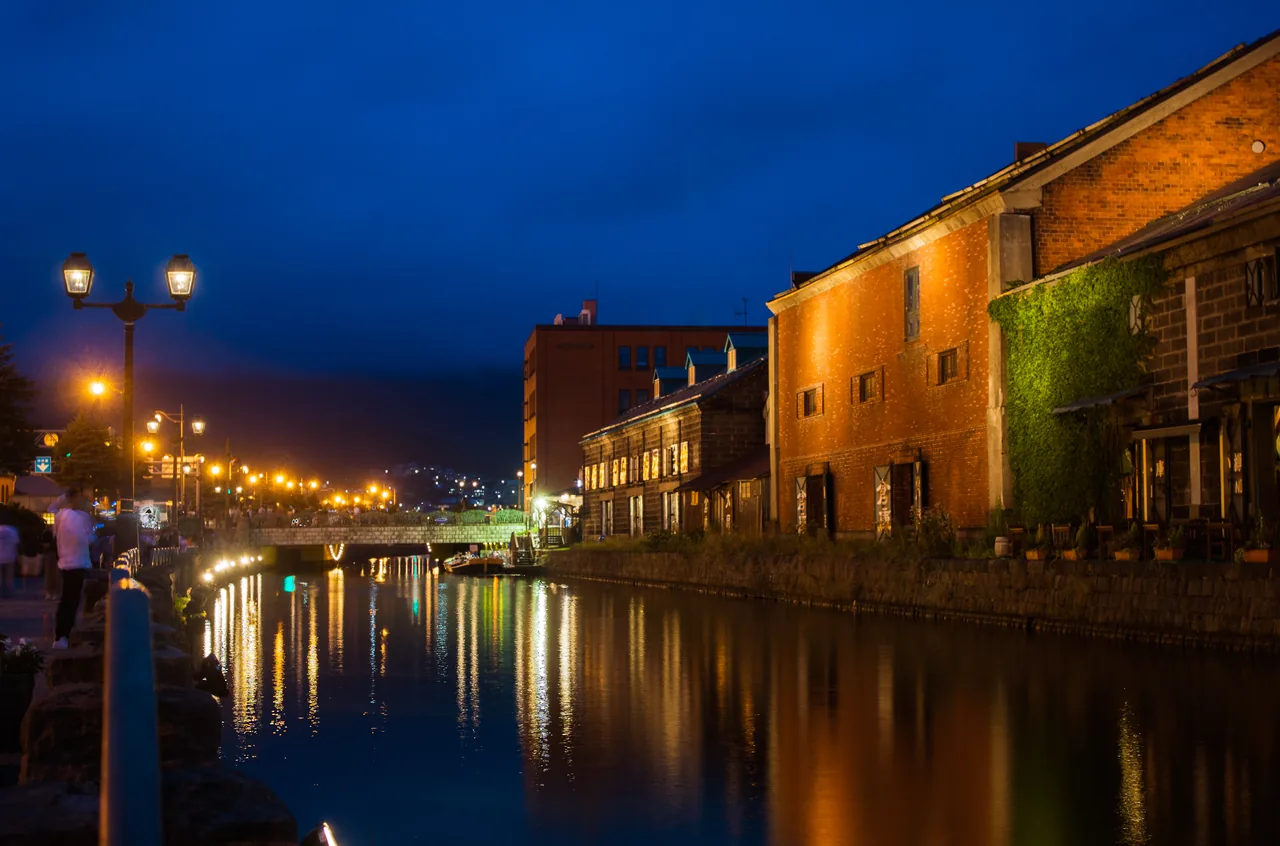
13. If you are here to ski
If skiing or snowboarding is the reason for the trip, stay at the resort rather than in Sapporo. A daily return trip from the city takes two to three hours out of every day.
Splitting the trip is common, though. A few nights in the city and then a move to the resort works well when you want the Snow Festival and the snow in the same visit.
Choosing a resort, lift passes, rentals and how the snow varies through the season are all covered in our Japan ski and snowboard guide.
14. Practical notes
In winter, the thing that catches people out here is the footing. Snow gets compacted and then freezes, and the pavements are genuinely slippery for months.
Winter kit
| Item | Detail |
|---|---|
| Footwear | Deeply treaded winter boots. Falls on frozen pavement are common |
| Grips | Slip-on studs for your soles, sold in convenience stores and variety shops locally |
| Outer layers | Indoor heating is strong, so layers beat one heavy coat |
| Gloves and hat | Something that covers the ears. The January daily minimum averages -6.4°C |
Connectivity and payment
Cards are accepted almost everywhere in the centre, but market stalls and smaller restaurants are often cash only. Carry some if the markets are on your list.
Phone batteries also drain fast in the cold. A handset left on in sub-zero air can cut out with charge still showing, so keep a power bank in an inside pocket where it stays warm.
Things to be aware of
Redevelopment is under way in front of Sapporo Station. The old station commercial building has been demolished, bus services are split across temporary stops, and the replacement facilities are scheduled for the 2028 fiscal year.
The Hokkaido Shinkansen is not due to reach Sapporo until 2038. For now the rail journey from Tokyo takes far longer than flying, so arriving by air is the realistic option.
For etiquette and the tax-free shopping process, see our Japan etiquette guide and tax-free shopping guide. Entry requirements are in the Japan visa and entry guide.