
Ghibli Park: The Complete Guide to Tickets, Areas and Getting There
Ghibli Park tickets sell out in minutes, and the July 2026 renewal quietly changed what each pass covers. Here is exactly how to grab a ticket, which pass to buy, and whether the trek out from Nagoya is worth it.
| It is reservation-only. There are no walk-up gate sales, ever. You must book a dated Ghibli Park ticket in advance and bring the passport you booked with. | |
| Tickets drop on the 10th at 14:00 JST. Each release covers admission dates two months ahead, and weekends and holidays can sell out within minutes. This single rule decides your whole trip. | |
| The July 2026 renewal shrank the Standard pass. It now covers only 3 of the 5 areas, and the Valley of Witches building interiors cost extra on the day. The Premium pass is the only all-access ticket. | |
| It is a walk-through park, not a rides park. No roller coasters. It is recreated film scenes, buildings you step inside, forest paths and photo spots. Ghibli fans love it; thrill-seekers get restless. | |
| It is in Nagakute, not Nagoya city. Budget about 45 to 50 minutes each way by subway plus the Linimo maglev, and plan a full half-day to full day. |
1. Ghibli Park in brief, and the two things that decide your trip
2. The one rule that matters: how ticket release works
3. Which Ghibli Park ticket should you buy? Premium vs Standard and more
4. How to actually buy tickets as a foreign visitor
5. How to get to Ghibli Park from Nagoya
6. The five areas, and what is actually in each
7. Ghibli’s Grand Warehouse, the indoor anchor
8. Valley of Witches, the newest area
9. The other three areas: Hill of Youth, Dondoko Forest, Mononoke Village
10. Can you see it all in one day? A realistic plan
11. When to go: weekday vs weekend, seasons and hours
12. Food and shopping at the park
13. Combining Ghibli Park with Nagoya
14. Practical tips for a smooth visit
15. Is Ghibli Park worth it? An honest verdict
1. Ghibli Park in brief, and the two things that decide your trip
Two things make or break a Ghibli Park visit: getting a ticket, and choosing the right pass after the July 2026 change. Everything else, from what is inside to how you get there, is easy once those two are sorted. Get them wrong and you either miss out entirely or pay to walk past buildings you cannot enter.
Ghibli Park is the real-world home of Studio Ghibli’s worlds, built into the forests and lawns of Aichi Expo Memorial Park (also called Moricoro Park), the former site of Expo 2005. First, the fact almost every guide gets loose about: Ghibli Park is in Nagakute City, Aichi Prefecture, not in Nagoya city itself. It is about 45 to 50 minutes east of Nagoya Station by train, which is why “how to get to Ghibli Park from Nagoya” is a genuine planning question and not an afterthought.
Three things to lock in before you read anything else:
- It is 100% advance reservation. There are no same-day gate sales for park entry. If you did not book ahead, you do not get in.
- The July 2026 ticket renewal reshuffled the passes. In one line: the all-access Premium pass now covers all five areas and every building interior, while the cheaper Standard pass shrank to three areas and no longer includes the Valley of Witches building interiors without paying extra on the day.
- It is a walk-through exhibition park, not a rides park. Set expectations honestly. This is world-building, film-scene recreations and photo spots, not roller coasters.
Plan on a full half-day to a full day. If you have the all-access Premium pass and want to see everything including the far-flung Totoro house, treat it as a full day with real walking. This is a spoke of our Nagoya travel guide, and it slots neatly into any wider Japan trip planned from the Japan travel guide. If Ghibli Park is your main reason for coming to central Japan, you can also easily bolt on Kyoto or a day in Tokyo by Shinkansen. Ghibli ParkMap
2. The one rule that matters: how ticket release works
Ghibli Park tickets go on sale on the 10th of every month at 14:00 Japan time, for admission dates two months ahead. Memorize that sentence. It is the single most important thing in this guide, and it is where most first-timers lose their trip before it starts.
Here is the logic. On the 10th of a given month, the park opens bookings for the whole of the month that falls two months later. So the tickets you can grab today were released on a fixed calendar day, and if the date you want is more than two months out, you simply cannot book it yet.
Why the urgency? Weekends and Japanese public holidays routinely sell out within minutes of release. Weekdays are far more forgiving and sometimes linger for days, which is one more reason to visit midweek if you can. Popular slots, especially the Grand Warehouse time slots, are the first to vanish.
A simple plan that works:
- Fix your admission date first, then work backward to the release date (the 10th, two months prior).
- Convert 14:00 JST to your home time zone and set a phone alarm 10 minutes early.
- Be logged in and ready to check out the moment sales open. Have your passport number to hand (more on that below).
- If a weekend is sold out the instant you refresh, check an authorized reseller like Klook, which sometimes holds separate inventory, and consider pivoting to a weekday.
3. Which Ghibli Park ticket should you buy? Premium vs Standard and more
If you want to see everything, buy the O-Sanpo Premium Pass. It is now the only ticket that covers all five areas and every building interior. The cheaper Standard pass is still good value, but after July 2026 it covers just three areas and charges extra to step inside the Valley of Witches houses. This is the flagship decision of your whole visit, so here is the full picture as of mid-2026.
| Pass | What it covers (after July 2026) | Adult (weekday / weekend-holiday) | Child, age 4 to junior high (weekday / weekend-holiday) |
|---|---|---|---|
| O-Sanpo Premium Pass (大さんぽ券プレミアム) | All 5 areas plus every building interior, including the Valley of Witches houses. Grand Warehouse by designated time slot; re-entry allowed in the other four areas. | ¥7,300 / ¥7,800 | ¥3,650 / ¥3,900 |
| O-Sanpo Standard Pass (大さんぽ券) | Only 3 areas: Grand Warehouse + Mononoke Village + Valley of Witches. Hill of Youth and Dondoko Forest are not included. Valley of Witches building interiors cost extra on the day (¥400 to ¥1,000 each, subject to availability). | ¥3,300 / ¥3,800 | ¥1,650 / ¥1,900 |
| Satoyama O-Sanpo Pass (里山さんぽ券) | New for July 2026. Covers the rural side: Hill of Youth + Dondoko Forest (the two areas dropped from Standard). The pass for people who mainly want the Whisper of the Heart antique shop and Totoro’s house. | Lower-priced area-focused set; exact price varies, so verify on the official ticket page before booking. | |
| Area tickets (エリア券) | Single-area entry. The Valley of Witches and Mononoke Village area tickets had their content expanded in the same July 2026 renewal. | Varies by area; check the ticket page. | |
Children aged 0 to 3 enter free on any pass.
Quick guidance by traveler type:
- First-time Ghibli superfan who wants it all: Premium. You will want to step inside Howl’s Castle and Kiki’s family home, and Premium removes every add-on gamble.
- Casual visitor happy with the big indoor hall and a couple of areas: Standard, and skip the paid building interiors.
- Here mainly for Totoro’s house and the antique shop: the Satoyama pass covers exactly Dondoko Forest and Hill of Youth.
- Tight on time or budget and want one thing done well: a single area ticket for Ghibli’s Grand Warehouse, the weather-proof anchor of the park.
4. How to actually buy tickets as a foreign visitor
Buy through the official English site, or through an authorized reseller like Klook or JTB. Bring the passport you booked with, because your name is checked at the gate. This is straightforward once you know the channels and the passport rule.
| Channel | Language | Notes |
|---|---|---|
| Official site (ghibli-park.jp/en/ticket) | English | Sells to international cards. The primary channel and where inventory appears first at 14:00 JST on the 10th. |
| Klook | English | Major authorized overseas reseller. Sometimes holds inventory when the official site shows sold out, and bundles ticket plus hotel or tour packages. |
| JTB (Boutique JTB) | English | Authorized reseller, most credit cards, and ticket-plus-tour packages for a hands-off option. |
| Boo-Woo Ticket / Lawson “Loppi” | Japanese only | Domestic channel via Lawson convenience-store kiosks. Mastercard tends to have the best success rate on the Japanese site. |
If you are booking from overseas and the official site is sold out for your date, the reseller route is your best friend: it is in English, takes most cards, and occasionally has stock the official page does not.
5. How to get to Ghibli Park from Nagoya
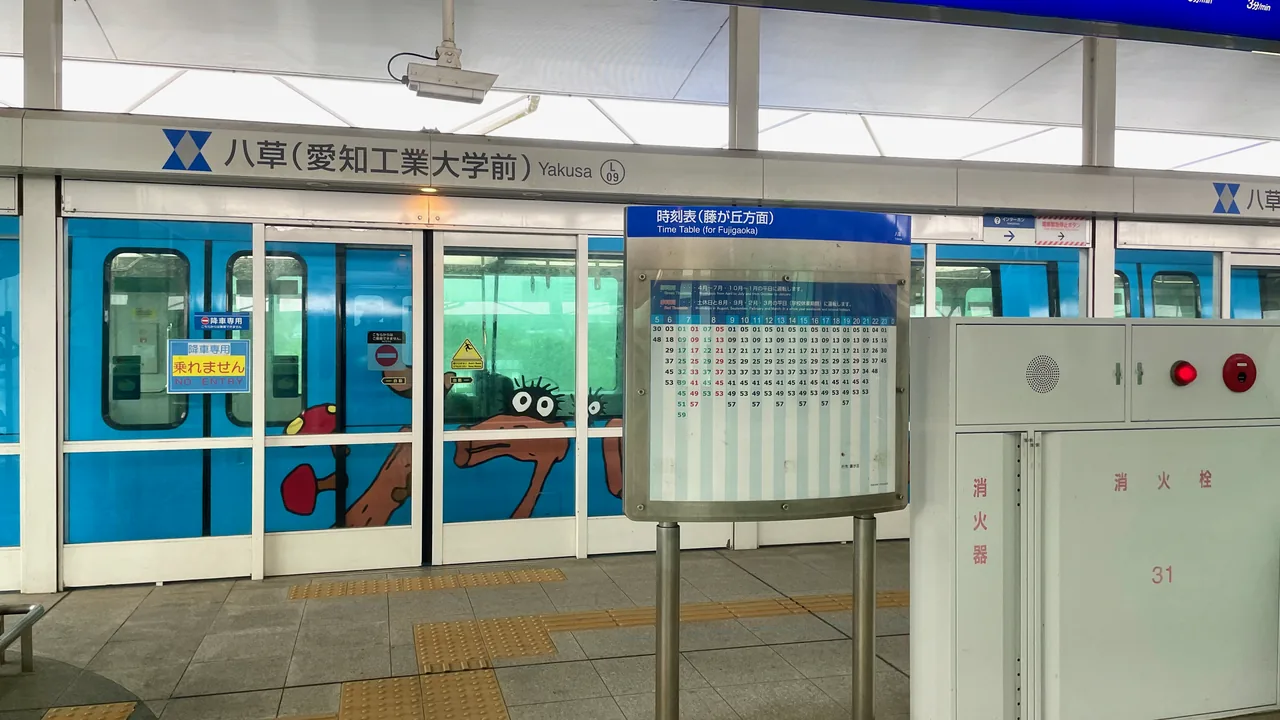
Take the yellow Higashiyama subway line east to Fujigaoka, then ride the Linimo maglev to Aichikyuhaku-kinen-koen station, which sits right at the park entrance. The whole trip runs about 45 to 50 minutes and roughly ¥630 to ¥680 one way, and your IC card works the entire route.
| Leg | Line | Time | Notes |
|---|---|---|---|
| Nagoya Station → Fujigaoka (藤が丘) | Higashiyama Line (yellow, “H”) | ~30 min | Ride the subway east to its terminus. |
| Fujigaoka → Aichikyuhaku-kinen-koen (愛・地球博記念公園) | Linimo (リニモ) maglev | ~13 to 15 min | Transfer at Fujigaoka. The park entrance is right at the station. |
| Total | ~45 to 50 min | ~¥630 to ¥680 one way | |
The last leg is a small treat: the Linimo is Japan’s only commercially operating maglev line, so the train that carries you to Ghibli Park glides on magnets. Kids (and plenty of adults) count it as part of the day out.
IC cards (Suica, ICOCA, manaca and the rest) work seamlessly across the subway and the Linimo, so there is no need to fuss with paper tickets. If you have not set one up yet, see our Japan IC card guide.
There is parking at Aichi Expo Memorial Park, but the lots fill on busy days and the train is genuinely simpler for visitors. Unless you are already driving central Japan, take the maglev.
6. The five areas, and what is actually in each
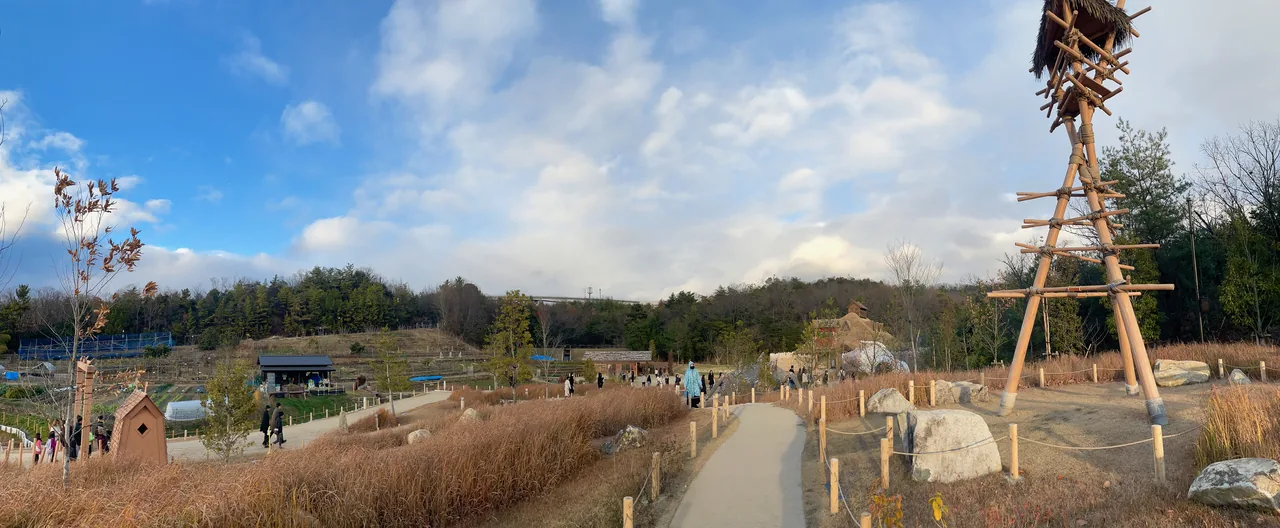
Ghibli Park is five themed areas spread across a large park, not one compact site. Some are indoor and weather-proof, some are a real walk away, and after July 2026 they are not all on the same pass. Here is the map at a glance before we dig into the highlights.
| Area | Film themes | Highlights | Indoor / outdoor | On which pass |
|---|---|---|---|---|
| Ghibli’s Grand Warehouse (ジブリの大倉庫) | Many films | Life-size scene recreations, Castle in the Sky’s Goliath, Central Staircase, kids’ play area, Cinema Orion short-film theater, shops, café | Indoor | Premium, Standard, area ticket |
| Hill of Youth (青春の丘) | Whisper of the Heart, The Cat Returns | World Emporium antique shop, elevator tower building | Outdoor | Premium, Satoyama (dropped from Standard) |
| Dondoko Forest (どんどこ森) | My Neighbor Totoro | Life-size Satsuki and Mei’s house, hilltop Dondoko-do playground | Outdoor | Premium, Satoyama (dropped from Standard) |
| Mononoke Village (もののけの里) | Princess Mononoke | Giant Okkoto-nushi boar, five-tail shishigami slide, Irontown building with grilled goheimochi | Outdoor | Premium, Standard, area ticket |
| Valley of Witches (魔女の谷) | Kiki’s Delivery Service, Howl’s Moving Castle, Earwig and the Witch | Howl’s Castle, Okino Residence, House of Witches, Guchokipanya bakery, carousel and aerial ride | Outdoor with buildings to enter | Premium (interiors included); Standard covers the area but interiors cost extra |
The takeaway: the Grand Warehouse is the anchor, the one indoor, weather-proof area everyone should prioritize. The Valley of Witches is the newest and most photogenic. Hill of Youth and Dondoko Forest now sit outside the Standard pass, so match the pass to the areas you actually care about.
7. Ghibli’s Grand Warehouse, the indoor anchor
Ghibli’s Grand Warehouse is the heart of the park and the one area with a designated entry time slot, so build your day around it. It is a huge indoor hall, which also makes it your rain plan. If you only do one area well, do this one.
Inside, it is a dense walk-through of Ghibli worlds. Expect:
- A long series of life-size film-scene recreations built specifically for photos, from cozy interiors to famous moments you can stand inside.
- The 6-meter “Air Destroyer Goliath” and the ruined gardens from Castle in the Sky.
- The Central Staircase, a signature architectural set piece.
- A children’s play area, gift shops and a café.
- Cinema Orion (オリオン座), the small theater that shows Ghibli short films on a rotating basis.
Cinema Orion is now home to something you cannot see anywhere else on earth. The park’s first-ever original short film, “A Night in the Valley of Witches” (魔女の谷の夜), premiered on July 8, 2026. It runs about 14 minutes and screens on a limited, rotating schedule, typically for around a month at a time as the theater cycles through several Ghibli shorts. If it is showing during your visit, catch it, and note the correct English title so you know what you are looking for: “A Night in the Valley of Witches.”
8. Valley of Witches, the newest area
Valley of Witches is the park’s newest and most photogenic area, opened March 16, 2024, and it is where the Standard-pass add-on fee bites. It brings three witch films to life, and under the Standard pass you can walk the area but must pay extra to step inside the headline buildings.
The area is themed on Kiki’s Delivery Service, Howl’s Moving Castle, and Earwig and the Witch. The buildings:
- Okino Residence (オキノ邸) is the two-story family home where Kiki grew up, from Kiki’s Delivery Service. (Yes, Kiki’s, not Spirited Away, a detail plenty of guides get wrong.)
- Howl’s Castle (ハウルの城) is the walking-castle exterior with an interior you can explore, including Calcifer’s furnace, Sophie’s room and Howl’s bedroom.
- House of Witches (魔女の家) is Bella Yaga’s house from Earwig and the Witch, complete with the workshop.
Around them you will find the Guchokipanya bakery from Kiki’s Delivery Service, a Ghibli-themed carousel, and a flying-machine aerial ride. It is the most Instagram-friendly corner of the park.
9. The other three areas: Hill of Youth, Dondoko Forest, Mononoke Village
These three areas give the park its outdoor, atmospheric heart, but two of them, Hill of Youth and Dondoko Forest, now need the Premium or Satoyama pass. They are quieter and greener than the Grand Warehouse, and they involve real walking.
Hill of Youth (青春の丘)
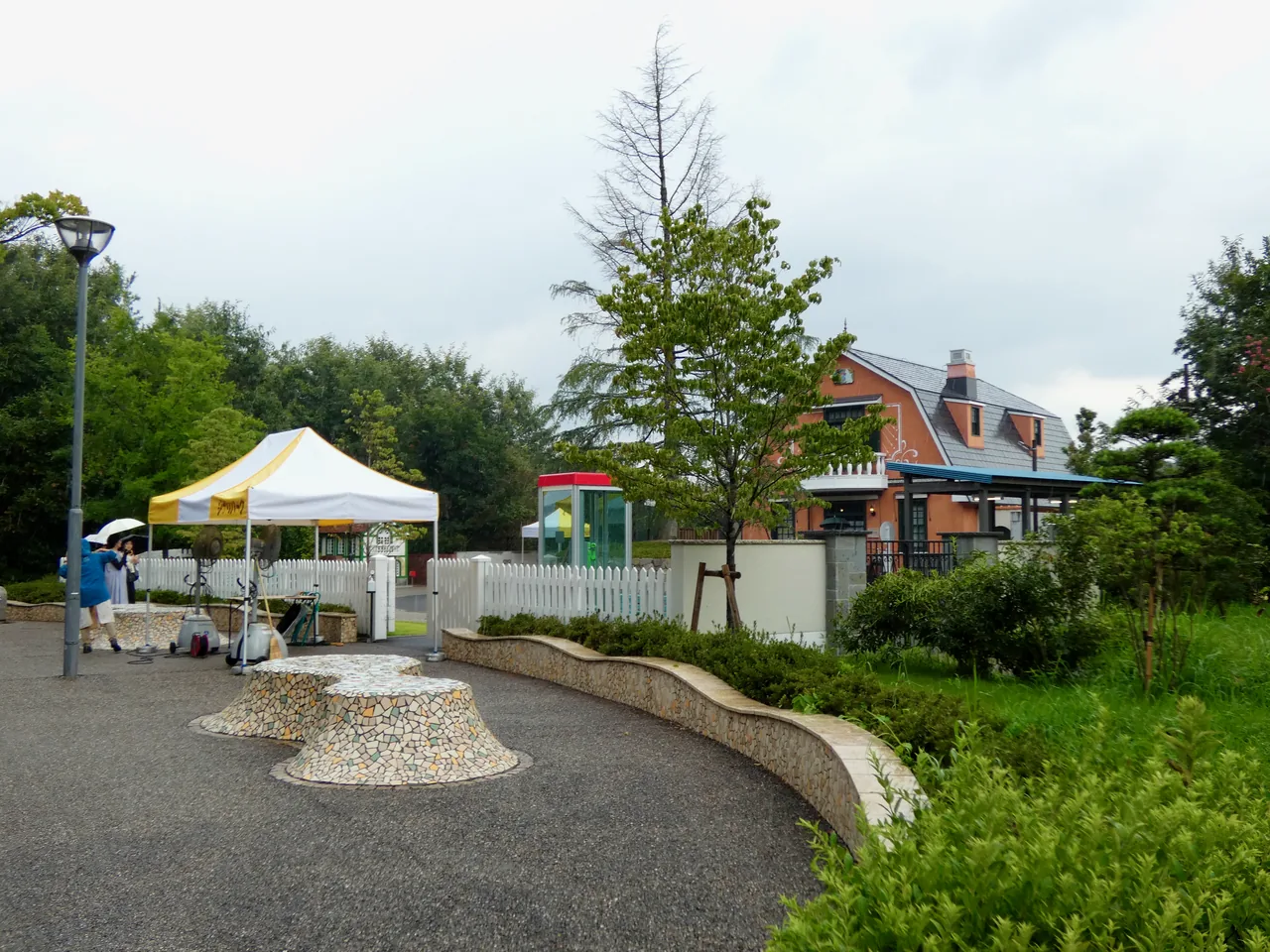
Themed on Whisper of the Heart and The Cat Returns. The star is the “World Emporium” antique shop, the Baron’s shop building, alongside the elevator tower. It is small, about 20 to 30 minutes, and a lovely photo stop. Dropped from the Standard pass in July 2026.
Dondoko Forest (どんどこ森)
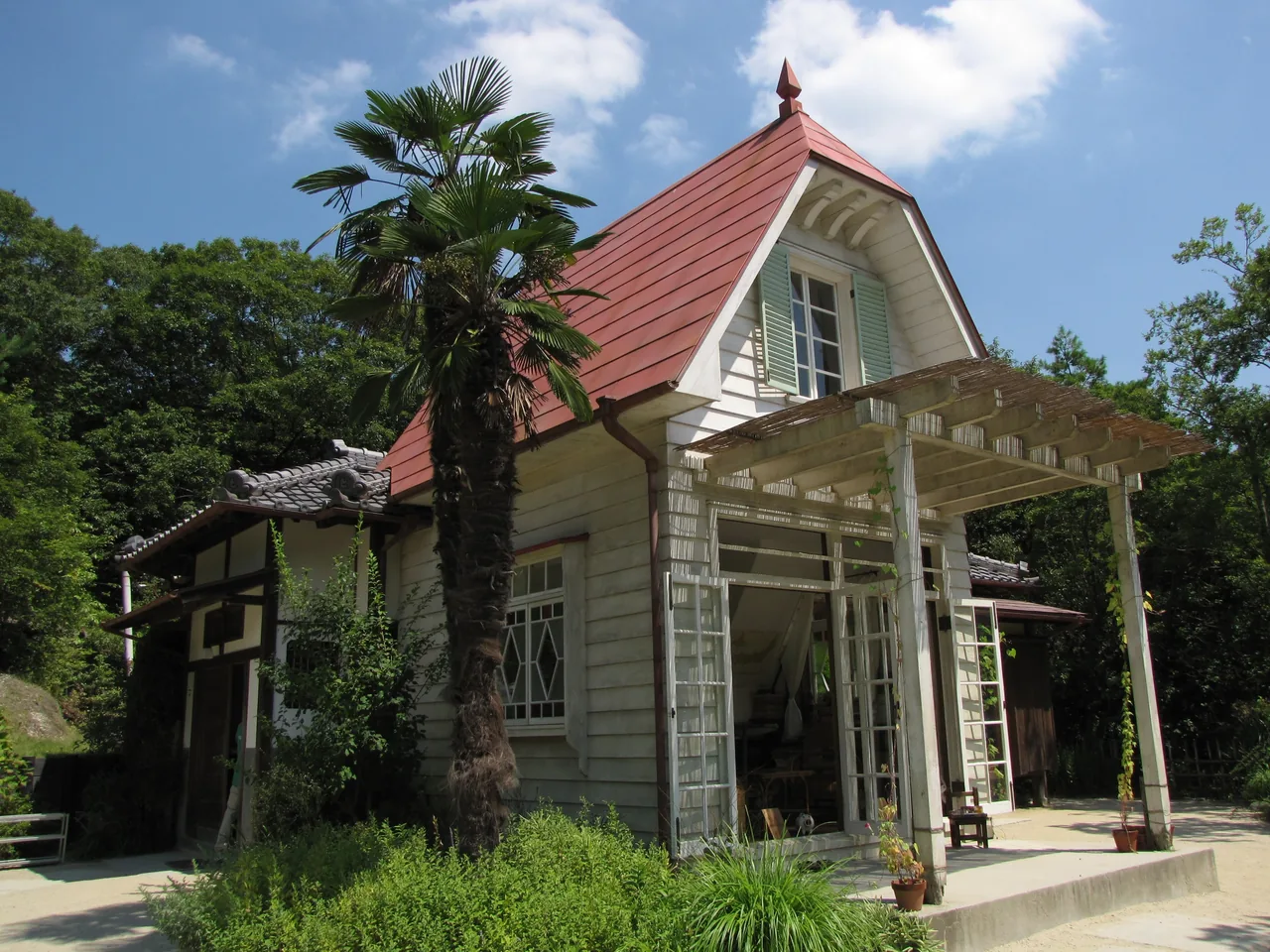
Home to the life-size Satsuki and Mei’s house from My Neighbor Totoro (the building actually predates the park, built for Expo 2005) plus the hilltop “Dondoko-do” playground reached by a short forest walk or a small slope car. Dropped from the Standard pass in July 2026.
Mononoke Village (もののけの里)
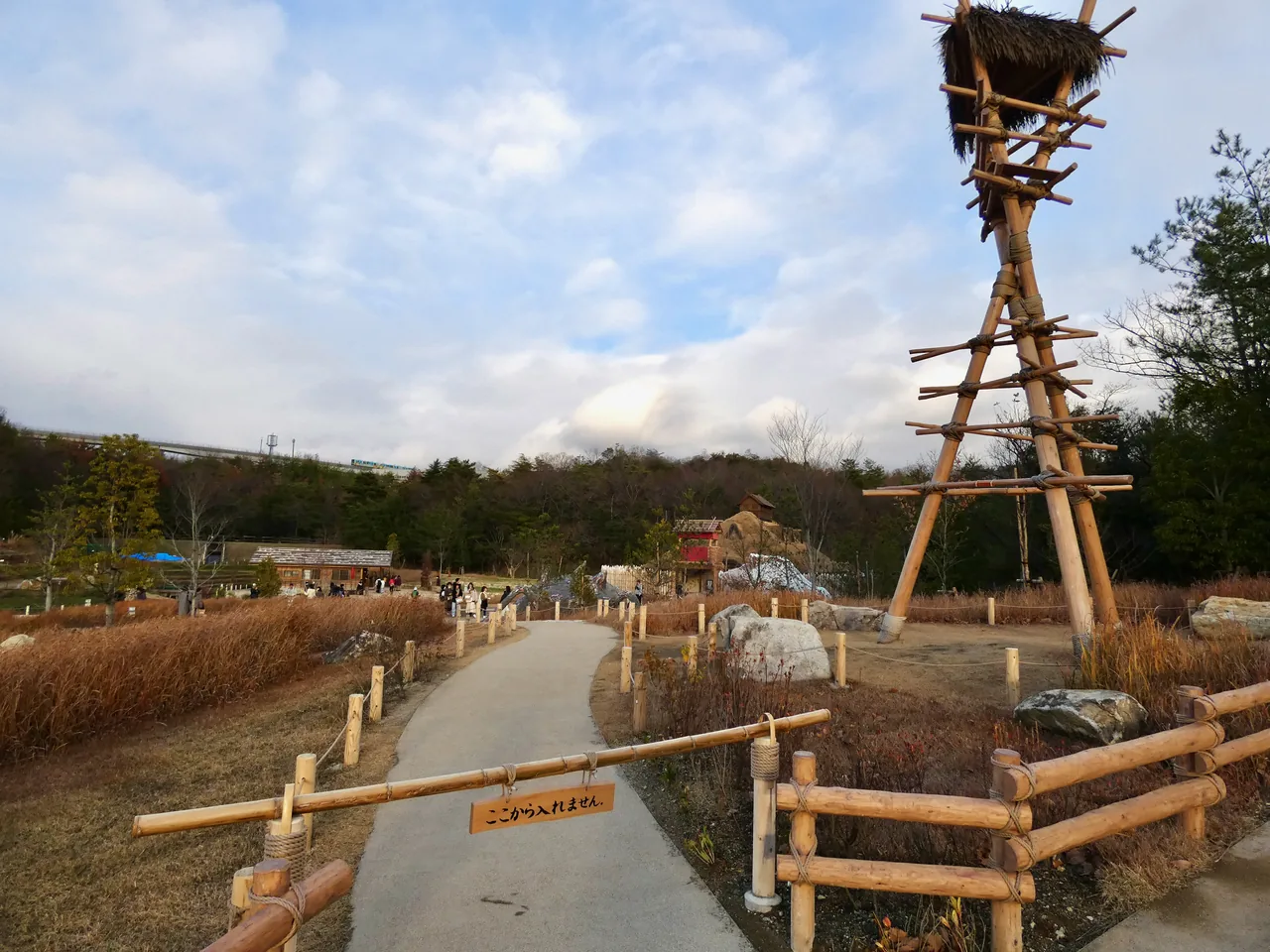
Themed on Princess Mononoke: a large Okkoto-nushi boar figure, the five-tail shishigami slide, and an Irontown (Tatara-ba) building where you can grill your own goheimochi rice-flour dumplings. An outdoor, rural-play area. Still on the Standard pass.
Because Hill of Youth and Dondoko Forest left the Standard pass, they are the areas most likely to catch people out. If you booked Standard assuming you would stroll up to Totoro’s house, you will not get in without the right pass.
10. Can you see it all in one day? A realistic plan
Yes, you can see all five areas in one day with the Premium pass, but it is a full day with real walking, so anchor it on your Grand Warehouse time slot. The park is spread out and partly hilly, so a loose plan beats wandering.
A sample full-day flow (adjust to your actual Grand Warehouse slot):
- Morning: Start with the outdoor areas while you are fresh. Hill of Youth, then the walk out to Dondoko Forest for Satsuki and Mei’s house.
- Midday: Head to the Valley of Witches for Howl’s Castle, Okino Residence and the bakery, and grab something to eat.
- Mid-afternoon: Mononoke Village for the Irontown building and grilled goheimochi.
- Your Grand Warehouse slot: Finish inside the weather-proof Grand Warehouse, ideally later in the day, and catch a short at Cinema Orion.
The terrain reality: distances between areas are on foot, Dondoko Forest involves a hill, and a hot or wet day makes it tougher. If you have young children, a stroller, or you simply want to linger and photograph everything, consider a two-day visit or a Standard-pass day focused on the central areas. There is no shame in doing less, well.
11. When to go: weekday vs weekend, seasons and hours
Go on a weekday if you possibly can. Tickets are cheaper, far easier to get, and the park is quieter. Weekends open earlier but sell out in minutes, and everyone is there at once.
| Opening hours | Tickets | Crowds | |
|---|---|---|---|
| Weekday | 10:00 to 17:00 | Cheaper; often available for days | Quieter |
| Weekend / public holiday | 09:00 to 17:00 (earlier start) | Pricier; can sell out within minutes of release | Busy |
On seasons: because most of the park is outdoors, weather matters. Spring and autumn are the most comfortable for all the walking. Summer is hot and humid, though the Grand Warehouse is air-conditioned and there are occasional seasonal night events on special summer dates. Winter is manageable if you dress for it. Whatever the season, the indoor Grand Warehouse is your reliable bad-weather backstop.
For a wider view of when central Japan is at its best, see our guide to the best time to visit Japan.
12. Food and shopping at the park
Dining on site is limited, so have a plan rather than assuming you will find a big food court. The shopping, on the other hand, is a genuine highlight, with themed gift shops in each area.
Food: there are a handful of cafés and food stands rather than a full restaurant scene. Expect the Grand Warehouse café, the “Ohana-labo” milk stand, and a few street-food-style spots. The standout hands-on bite is grilling your own goheimochi rice-flour dumplings at the Irontown building in Mononoke Village. Any sit-down or rotating restaurant spots can require a separate reservation, so do not count on walking in.
Shopping: each area has its own themed gift shop, and the Grand Warehouse has the largest selection. This is where a lot of the park’s magic lives for fans, so leave time and budget for it. Popular items can sell through, so if something catches your eye, buy it when you see it.
13. Combining Ghibli Park with Nagoya
Ghibli Park is a full half-day to full day out from the city, so pair it with the rest of Nagoya on separate blocks rather than cramming everything into one rushed day. Nagoya makes an easy base, with the park an hour’s door-to-door trip away.
A natural split:
- One block for Ghibli Park: travel out, do your areas at a human pace, travel back.
- Another block for Nagoya proper: Nagoya Castle, the Sakae district for shopping and nightlife, and the city’s famous food, from hitsumabushi eel to miso katsu.
Because the park eats a whole day, most travelers give it its own day and keep Nagoya’s sights for the day before or after. If you are building the wider itinerary, our Nagoya travel guide covers where to stay, what to eat and how to string the city together with a Ghibli Park day.
14. Practical tips for a smooth visit
Wear comfortable shoes, keep your phone charged and connected, and travel light, because Ghibli Park is a lot of outdoor walking with limited storage. A few small preparations make the day much easier.
- Shoes and clothing: you will walk a lot, including a hill out to Dondoko Forest. Comfortable shoes are non-negotiable, and dress for the weather since most of the park is outdoors.
- Photography: the park is built for photos, so bring your camera, but respect the exhibits and any posted rules, especially inside the buildings.
- Strollers and accessibility: the central areas are manageable, but the outdoor terrain and hills can be challenging with a stroller. Plan your route with the walking in mind.
- Storage: do not count on abundant lockers. Pack light and carry only what you need for the day.
- Stay connected: you will need data for maps, your mobile tickets and the passport-checked entry. A travel eSIM keeps you online for tickets and directions the whole trip.
For more on getting set up before you land, see our Japan eSIM and data guide.
15. Is Ghibli Park worth it? An honest verdict
Yes, Ghibli Park is absolutely worth the trek if you love Studio Ghibli, world-building and photography. It is a let-down only if you show up expecting rides. That is the whole verdict, and being clear-eyed about it is how you enjoy the day.
What you are paying for is atmosphere and detail: stepping into Howl’s Castle, standing in Kiki’s family home, walking up to the real Satsuki and Mei’s house, and finding film scenes recreated at life size everywhere you turn. For a Ghibli fan, that is unforgettable, and the new short film at Cinema Orion is a genuine only-here experience. For someone who wants roller coasters, this walk-through exhibition park will feel slow.
So, to recap the two decisions that make or break the trip:
- Get your ticket: the 10th of the month, 14:00 JST, two months ahead, and be ready to book the instant it opens.
- Choose the right pass: Premium for all-access with no add-on gambles, Standard for the three central areas, and the Satoyama pass if Totoro’s house and the antique shop are your priority.
Nail those two, wear good shoes, and you will have one of the most charming days in central Japan. Plan the rest of the trip from our Nagoya travel guide and the Japan travel guide, and if you are extending the journey, Kyoto is a short Shinkansen ride away.