
Sendai Travel Guide: Loople Bus, Matsushima, Akiu Onsen and Yamadera
The sightseeing loop bus around central Sendai makes its last departure at 4pm and only runs in one direction. That single fact shapes most Sendai itineraries. Here is what closes early, what opens late, and how to decide whether a given day belongs inside the city or outside it.
| Loop bus | first at 9am, last at 4pm, one direction only. |
|---|---|
| Tickets | the 630 yen day pass pays off on the third ride. |
| Passport | there is a one-day pass only foreign visitors can buy. |
| Onsen | Akiu and Sakunami are inside Sendai city limits. |
| Matsushima | the faster train leaves you a longer walk. |
| Yamadera | the entry fee is cash only. |
1. No single sight in Sendai will take you a whole day
2. The loop bus starts at 9am and stops at 4pm
3. The loop bus runs one way, so you cannot double back
4. The day pass pays for itself on the third ride
5. There is a one-day pass that only foreign visitors can buy
6. One line is missing from the English pass information
7. The castle site is free and only the exhibition hall charges
8. Show your loop bus pass at Zuihoden and the price drops
9. The city museum closes on more than just Mondays
10. Osaki Hachimangu is a national treasure and charges nothing
11. Both city viewpoints are free, and they open at different hours
12. The night here happens in narrow alleys called yokocho
13. Menus in the alleys are mostly in Japanese
14. The food this city puts its name to
15. The hot spring village is inside the city boundary
16. Getting around inside Akiu depends on the month and the day
17. Sakunami has a whisky distillery with free tours
18. Matsushima has two stations and the faster train walks you further
19. Zuiganji changes its closing time four times a year
20. Godaido is free but the bridge rules some visitors out
21. The two boat operators charge the same for the lower deck
22. Yamadera takes cash only at the gate
23. One school building has been left standing on the coast
24. Tanabata falls on the same three dates every year
25. The airport train reaches the city in around twenty minutes
26. Choose between the station district and the hot spring valley
27. Two days covers the city and Matsushima, three reaches Yamadera
28. Four manga monuments stand across the city
1. No single sight in Sendai will take you a whole day
The three paid attractions in central Sendai each take about an hour. Zuihoden, the mausoleum of the warlord Date Masamune. The Aoba Castle exhibition hall up on the castle site. The Sendai City Museum below it. There is no equivalent of a Kyoto temple complex or a Tokyo palace that swallows half a day. Map
Step outside the city and that changes immediately. Matsushima needs a boat and half a day. Yamadera needs a stone staircase up a mountainside and most of a day. Akiu, the hot spring valley, is usually an overnight. That is where visitors to Sendai actually spend their hours.
So the useful question here is not which sights to pick. It is whether a given day belongs inside the city or outside it, because those two kinds of day start and end at completely different times.
Half a day covers the centre
The loop bus links the castle site, Zuihoden, the museum and Osaki Hachimangu shrine, and one full circuit takes about seventy minutes. Get off at three of those and you leave in the morning and are back at the station by mid afternoon.
What to do with the remaining afternoon is the recurring Sendai problem. The city answers it with the hot spring and the night. The hot spring is a bus ride inside the city boundary. The night is a short walk from the station.
For the wider Tohoku region, this is the base
Sendai is the only city in Tohoku with shinkansen services, an airport with a rail link and a real supply of hotels. Anyone heading up to Yamagata, Iwate or Aomori tends to sleep here and set out in the morning. Where Sendai sits in a national itinerary is set out in our Japan travel guide.
Whether you are passing through for one night or basing yourself here for three changes which ticket you should buy on arrival, and that is worth settling before you leave the station.
2. The loop bus starts at 9am and stops at 4pm
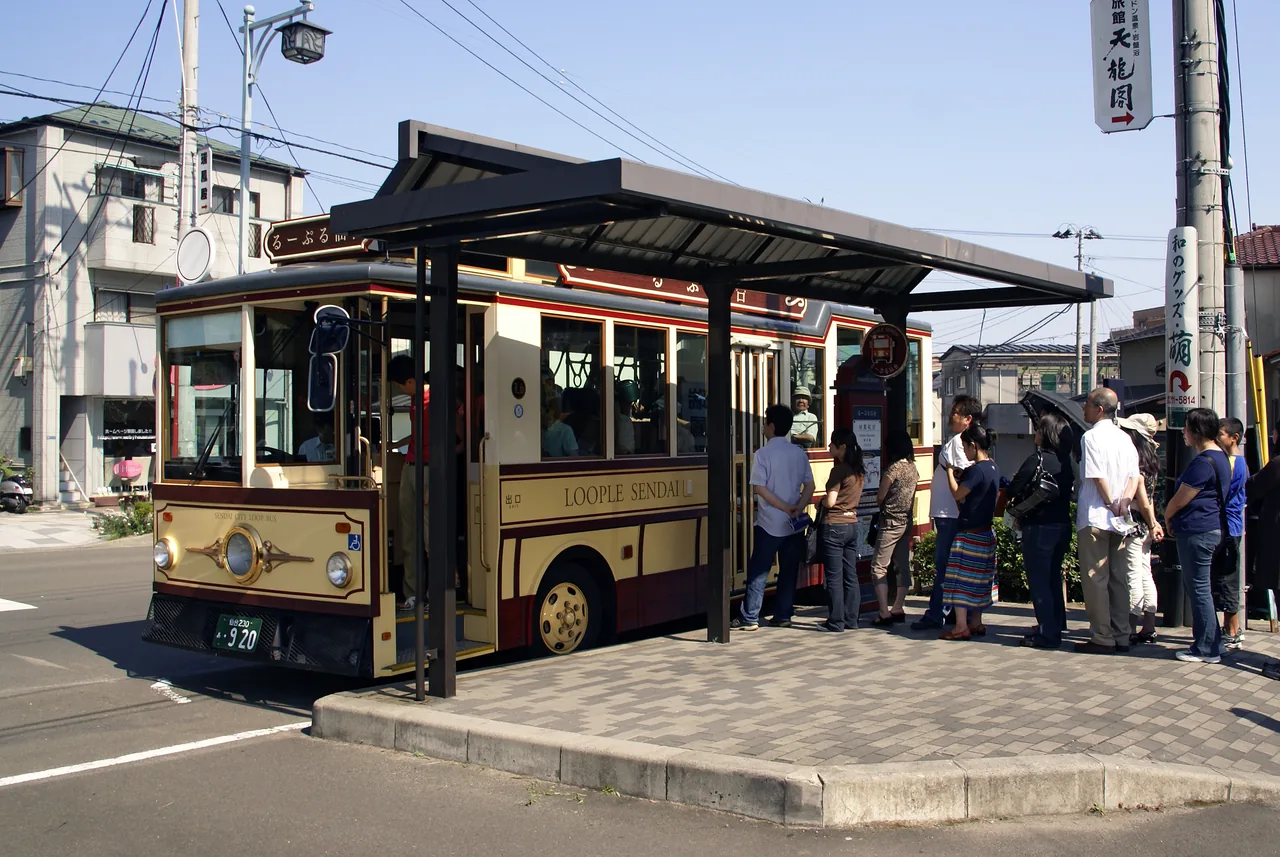
Loople Sendai, the sightseeing loop bus, makes its first departure from Sendai Station at 9am and its last at 4pm. A full circuit takes about seventy minutes, so the final bus gets back to the station in the early evening. There are sixteen stops on the route.
That timetable pushes hard on everything else. A late start eats directly into the sights, and after 4pm the loop bus is simply gone. From then on you are on ordinary city buses, the subway or a taxi.
| Service | Detail |
|---|---|
| First departure (Sendai Station) | 9:00 |
| Last departure (Sendai Station) | 16:00 |
| One circuit | about 70 minutes |
| Weekday frequency | every 20 minutes |
| Weekends and public holidays | every 15 minutes |
| August | every 15 minutes, all days |
August runs on the weekend timetable every day
Through August the buses run every fifteen minutes even on weekdays. The Sendai Tanabata Festival falls on the sixth, seventh and eighth of that month and the crowds arrive on either side of it. More on Tanabata further down.
Outside August, missing a weekday bus means twenty minutes waiting at the stop. Check the board before you wander off.
Buses leaving after 3pm do one lap and go out of service
Any bus leaving Sendai Station after 3pm completes the circuit and then returns to the depot. You cannot stay in your seat and ride round a second time. If you board late in the afternoon, know where you intend to get off.
When it is busy you may be waved onto the following bus, and ordinary city buses sometimes cover the route instead of the retro-styled loop vehicles. The stop is number 16 in the West Exit bus terminal.
3. The loop bus runs one way, so you cannot double back
There is no anticlockwise Loople service. If you finish at the castle site or at Zuihoden and want to go straight back to Sendai Station, boarding the loop bus means riding through every remaining stop. Depending on where you started, that is another forty minutes to an hour.
The visitor information published by Zuihoden states this plainly: to return directly to the station after a visit, take an ordinary route bus rather than the loop. The nearest ordinary stop is Otamayabashi Zuihoden-mae, and staff at the ticket window will hand you a map and a timetable if you ask.
The problem only bites at certain stops
The castle site and the museum sit roughly halfway round the circuit from the station, which is exactly where most people decide they have seen enough. Further along the route, at Osaki Hachimangu or Jozenji-dori, you can simply stay on board and you will reach the station shortly.
The Tozai subway line shadows part of the route, which gives you an alternative. Kokusai Center and Aobayama stations both sit close to the castle site and the museum.
Which stop is which
Several stop names give no clue as to what is there. These are the ones visitors actually use.
| Stop | What you get off for |
|---|---|
| Zuihoden-mae | Zuihoden mausoleum (fourth stop counting from the station) |
| Hakubutsukan Kokusai Center Ryokusaikan-mae | Sendai City Museum |
| Sendai-jo-ato | Castle site and Aoba Castle exhibition hall |
| Osaki Hachimangu-mae | Osaki Hachimangu shrine |
| Jozenji-dori Shiyakusho-mae | Jozenji-dori avenue, Kokubuncho |
| Aoba-dori Ichibancho subway station | Ichibancho arcades and the drinking alleys |
Both the castle site and Osaki Hachimangu involve steps between the bus stop and the building itself. If stairs are a problem, the access notes in the relevant sections below give you the alternatives.
4. The day pass pays for itself on the third ride
A single ride on Loople Sendai costs 260 yen and the all-day pass costs 630 yen. Three rides and the pass is ahead. A day that takes in Zuihoden, the museum and the castle site normally uses more than three, so most visitors buy the pass. Children pay 130 yen a ride and 320 yen for the pass.
There is also a combined pass covering the loop bus and the subway at 920 yen, and a subway-only day pass whose price depends on the day of the week.
| Ticket | Adult | Child |
|---|---|---|
| Loople single ride | 260 yen | 130 yen |
| Loople day pass | 630 yen | 320 yen |
| Loople and subway combined day pass | 920 yen | 460 yen |
| Subway day pass (weekdays) | 840 yen | 420 yen |
| Subway day pass (weekends and holidays) | 620 yen | 310 yen |
The subway pass is cheaper at weekends
On Saturdays, Sundays and public holidays the subway day pass drops to 620 yen. On weekdays it is 840 yen. Same ticket, 220 yen apart depending on when you use it. Weekdays that run on the Saturday timetable also get the lower price.
Sendai has two subway lines, Namboku running north to south and Tozai running east to west. Tozai is the one that reaches the sights, with Kokusai Center and Aobayama stations near the castle.
Where the passes are sold matters
The Loople day pass is sold at the information counter in the West Exit bus terminal, down the stairs and just beside stop 16. Some city hotels sell it, as do the Aoba Castle exhibition hall and the tourist information desk at Sendai Airport. The combined pass is also sold at subway station windows.
If you are paying cash on board, the farebox only changes coins and 1,000 yen notes. Break anything larger before you board. General guidance on transport cards across Japan is in our Japan IC card guide.
5. There is a one-day pass that only foreign visitors can buy
The SENDAI AREA PASS costs 1,420 yen for adults and is sold only to overseas visitors. You need a passport issued by a government other than Japan, valid both when you buy it and on the day you travel, and staff will ask to see it at the counter. Children aged six to eleven pay 720 yen.
The two-day equivalent is the Sendai Marugoto Pass at 2,930 yen for adults. That one carries no passport condition and anybody can buy it. It runs for two consecutive days.
| SENDAI AREA PASS | Sendai Marugoto Pass | |
|---|---|---|
| Validity | 1 day | 2 consecutive days |
| Adult | 1,420 yen | 2,930 yen |
| Child (6 to 11) | 720 yen | 1,470 yen |
| Passport | Required | Not required |
What the passes cover
Both cover the same area. JR lines between Sendai, Matsushima, Matsushima-Kaigan, Yamadera and Shiroishi. The whole Sendai Airport Access Line. All of Loople Sendai, the Sendai city buses and both subway lines. Miyagi Kotsu buses between Sendai Station and Akiu Otaki. The Abukuma Express between Tsukinoki and Abukuma.
If your plan includes both Matsushima and Yamadera across two days, the Marugoto Pass wins on price without much arithmetic. For a single day that never leaves the city, the 630 yen loop bus pass is enough.
Buying them is slightly awkward
They are sold at the JR East Travel Service Center on the third floor of Sendai Station, at reserved-seat ticket machines fitted with passport readers, and at JR ticket windows. You can buy up to a month before the date of use.
The machine at Sendai Airport Station sells same-day tickets only. You can buy one on landing and start using it straight away, but you cannot buy tomorrow’s pass there tonight. The Marugoto Pass comes with a coupon booklet giving discounts at attractions and restaurants.
6. One line is missing from the English pass information
The Japanese pass information says Takeya Kotsu buses are excluded. The English, Korean and Chinese versions of the same page do not mention Takeya at all. They list only the Rakuten shuttle bus as excluded.
This bites when you head for the Akiu hot spring. The fastest bus from Sendai Station to Akiu is the Takeya Kotsu Sendai Seibu Liner, about forty minutes, and that service is not covered by either pass. To travel on the pass you need the Miyagi Kotsu Akiu line instead, which takes about fifty minutes.
The fast bus is the one that is excluded
Read only the English page, walk into the west side bus pool and board whatever is heading for Akiu, and if it happens to be a Takeya vehicle you will pay the fare on top of a pass you already bought. The two operators use different stands, so the check is easy enough once you know to make it. Takeya uses stand 63.
Without a pass, take the faster one. With a pass, spend the extra ten minutes on Miyagi Kotsu. Either way the route ends up at the same place, with Akiu Otaki waterfall at the far end.
When official pages disagree
Japanese attractions and transport operators often update their language versions at different times, so fares and conditions can differ between them. Where money is involved it is worth glancing at the Japanese page as well, even if you only read the numbers.
Asking at the counter also works. The JR East Travel Service Center on the third floor of Sendai Station has English-speaking staff.
7. The castle site is free and only the exhibition hall charges
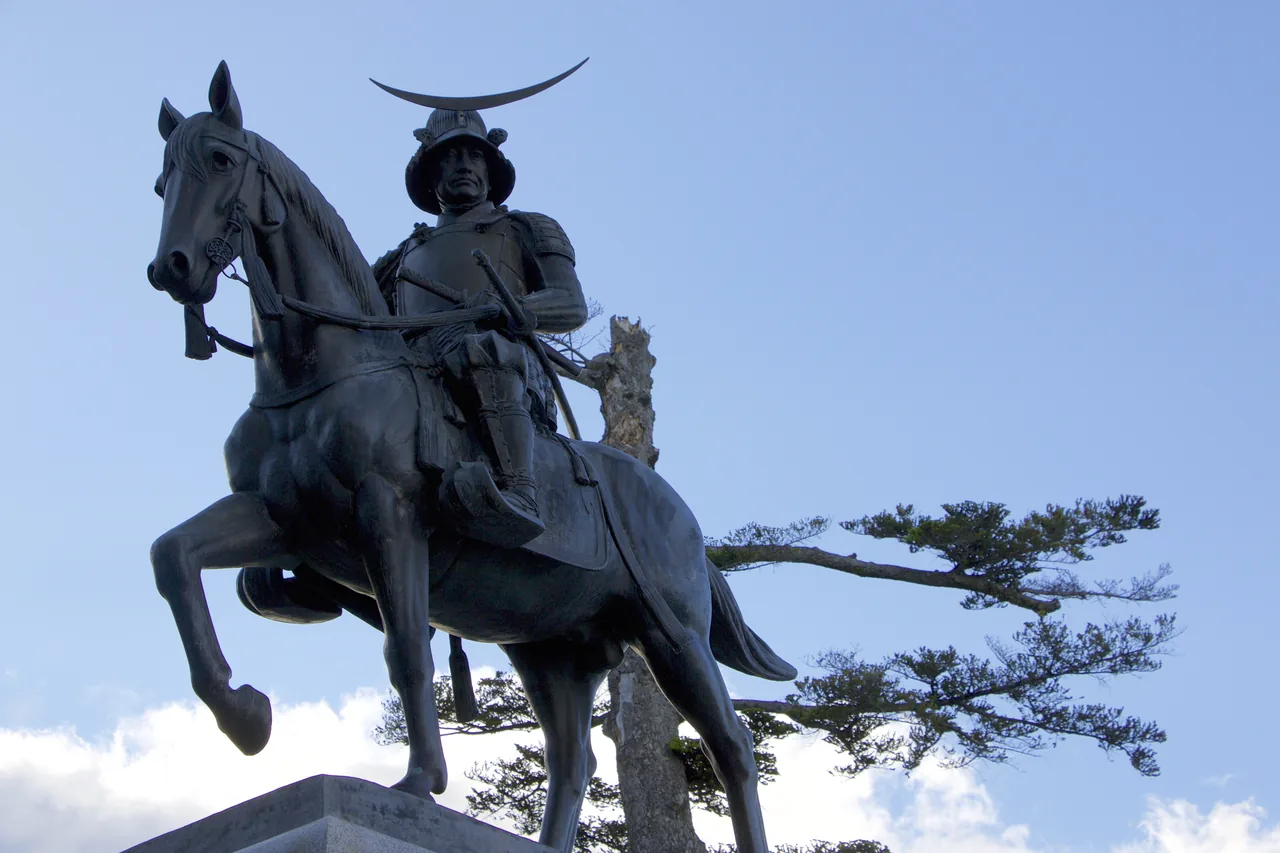
Walking onto the Sendai Castle site costs nothing. The equestrian statue of Date Masamune, the ruined stone walls and the view down over the city and out towards the Pacific are all free. The one paid element is the Aoba Castle exhibition hall, at 770 yen for adults, 550 yen for secondary students and 330 yen for primary school children. Map
No keep survives, so this is not a castle visit in the sense of Himeji or Matsumoto. It is a high vantage point with foundations. People come up in the late afternoon and after dark for the view.
The exhibition hall closes an hour earlier in winter
From April to October the hall opens at 9am and closes at 5pm, with last admission at 4.40pm. From November to March it closes at 4pm with last admission at 3.40pm. It has no closing days.
Read that against the loop bus finishing at 4pm. In winter, if you want the exhibition hall, you need to be on the hill early in the afternoon rather than late.
There are steps up from the bus stop
Getting off the loop bus at Sendai-jo-ato leaves you with a staircase up to the main enclosure. With a pushchair or a wheelchair, a car or taxi can take you to the upper car park instead. Parking is 600 yen for the first hour and 300 yen for each additional half hour, and there is a charge in the evening too.
The other route up is by city bus from Aobayama station on the Tozai subway line, taking the Yagiyama Zoological Park service and getting off at Sendai-jo-ato-minami.
8. Show your loop bus pass at Zuihoden and the price drops
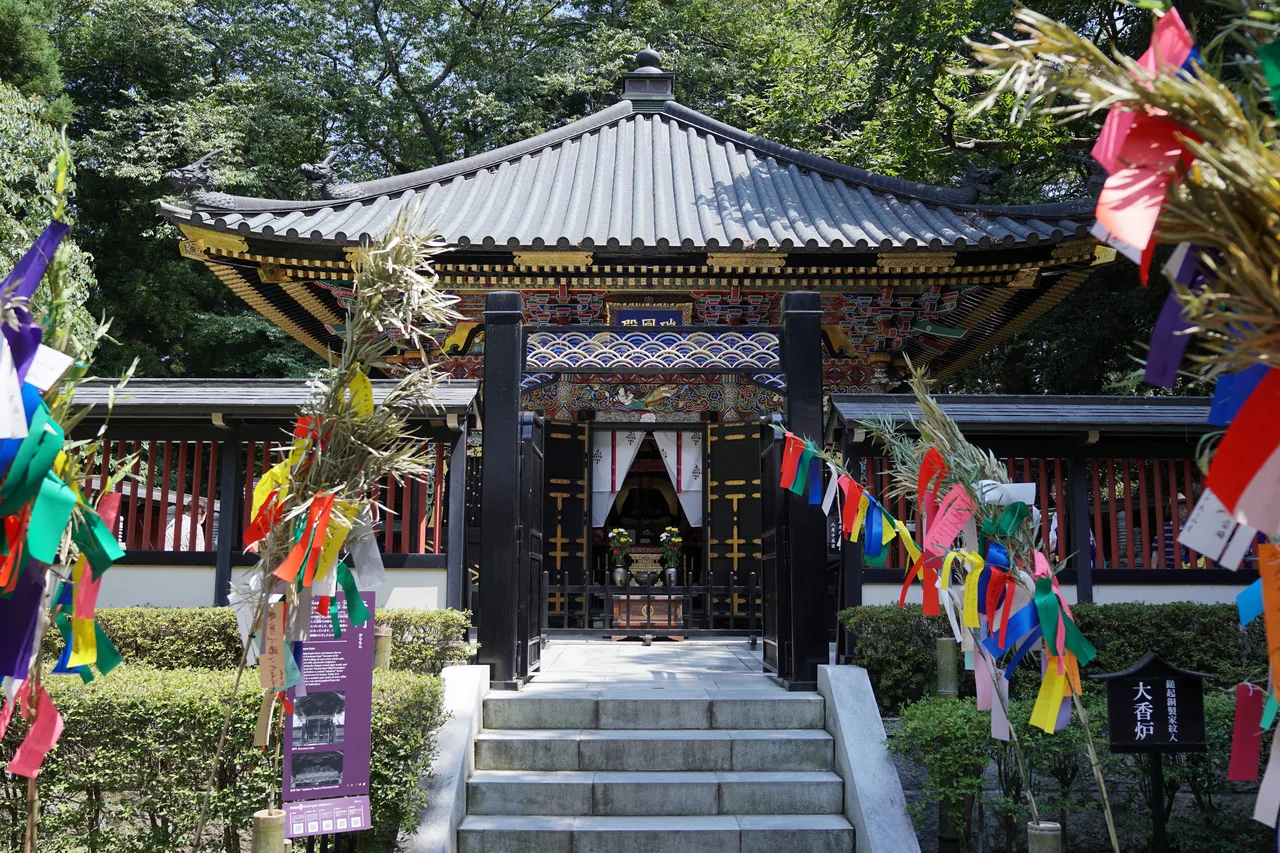
Admission to Zuihoden is 570 yen, but show a Loople Sendai day pass or a Sendai Marugoto Pass at the window and you pay the group rate of 460 yen. It applies even if you are on your own. High school students go from 410 to 310 yen, and primary and middle school children from 210 to 160 yen.
With the day pass at 630 yen, that single discount claws back 110 yen before you count the bus rides at all. Map
Winter closing is half an hour earlier
From February to November it opens at 9am and closes at 4.50pm, with last admission at 4.30pm. In December and January it closes at 4.20pm with last admission at 4pm.
It shuts for one day a year, on 31 December. On 1 January the mausoleum itself opens but Kansenden, Zennoden and the museum room stay closed, so a New Year visit gets you one of the three buildings.
| Period | Opens | Closes | Last admission |
|---|---|---|---|
| February to November | 9:00 | 16:50 | 16:30 |
| December and January | 9:00 | 16:20 | 16:00 |
Lockers here are free
There are free coin lockers to the left of the main entrance, and the car park is free as well. Credit cards and transport IC cards are both accepted at the ticket window.
On the loop bus this is the fourth stop counting the station itself. As covered above, getting back to the station directly means taking an ordinary route bus rather than the loop.
9. The city museum closes on more than just Mondays
Sendai City Museum closes on Mondays and also on the day after a public holiday. When a Monday is itself a public holiday the museum opens and closes on the Tuesday instead, unless that following day happens to be a Saturday, Sunday or holiday, in which case it opens. It also closes from 28 December to 4 January.
Those rules stack awkwardly in weeks containing a public holiday, so check before making the trip. Admission is 460 yen for adults and university students, 230 yen for high school students and 110 yen for younger children.
Opening hours are short
It opens at 9am and closes at 4.45pm, with last entry at 4.15pm. The building stands on the third enclosure of the castle grounds, which makes it a natural pairing with the castle site above.
The collection covers the Date family treasures donated to the city along with local history and art. When a special exhibition is running, it is sometimes ticketed separately from the permanent display.
Getting there
It is an eight minute walk from Kokusai Center station on the Tozai subway line. On the loop bus, get off at Hakubutsukan Kokusai Center Ryokusaikan-mae and walk three minutes. Parking is free.
There is a cafe inside with indoor seats and a terrace, which makes a reasonable stop before climbing up to the castle site.
10. Osaki Hachimangu is a national treasure and charges nothing
The main hall of Osaki Hachimangu is designated a national treasure and there is no admission fee. Date Masamune built it and the original structure survives, so the black lacquer and gold leaf on the facade can be seen up close. It has no closing days. Map
The loop bus stops right outside at Osaki Hachimangu-mae. An ordinary city bus from Sendai Station costs 230 yen. Leaflets are available in English, Chinese, Korean and German.
There are stone steps from the bus stop
A flight of stone steps runs from the road up to the hall. If you use a wheelchair, a car or taxi can bring you to the north approach car park and bypass them. Parking is free.
There are benches in the grounds. The shrine sits on the later part of the loop route, so boarding here means a short ride back to the station.
A fire festival takes over the grounds in midwinter
A fortnight or so into the new year the shrine holds Matsutaki Matsuri, in which New Year decorations are burned in a great bonfire and men walk in to worship wearing almost nothing. The grounds and surrounding roads are packed on that night.
If you are in Sendai around then it is worth building into the plan. Winter weather and what to wear are covered in our December in Japan guide.
11. Both city viewpoints are free, and they open at different hours
The observation terrace on top of the AER building by the station and the public floor of the SS30 tower are both free. Anyone who has paid several thousand yen for a Tokyo or Osaka observation deck finds this strange. Their hours differ, so the time of day decides which one is open to you.
AER opens at 10am and closes at 8pm. SS30 opens at 7am and closes at 9pm. Early morning and after 8pm, SS30 is the only one available.
| AER observation terrace | SS30 | |
|---|---|---|
| Height | 31st floor, 145.5m | 30th floor, 128m |
| Admission | Free | Free |
| Hours | 10:00 to 20:00 | 7:00 to 21:00 |
| Closed | 1 January | 1 January |
| From the station | 2 minute walk | 7 minute walk |
AER has an east side and a west side
The top floor of AER has two separate viewing areas. West looks over the city towards the Ou mountains with Zao among them. East looks across the Sendai plain to the Pacific. It is two minutes on foot from the second floor exit of JR Sendai Station.
A convenience store and coffee shops occupy the lower floors, which makes it easy to break the visit up.
SS30 is open from seven in the morning
SS30 gives over the south side of its thirtieth floor as a public space. A dedicated lift gets you up in about a minute. Open from 7am to 9pm, it covers both ends of the day.
It is a seven minute walk from the station and there is a restaurant on the floor below. For comparison with paid decks elsewhere, see our Tokyo observation decks guide.
12. The night here happens in narrow alleys called yokocho
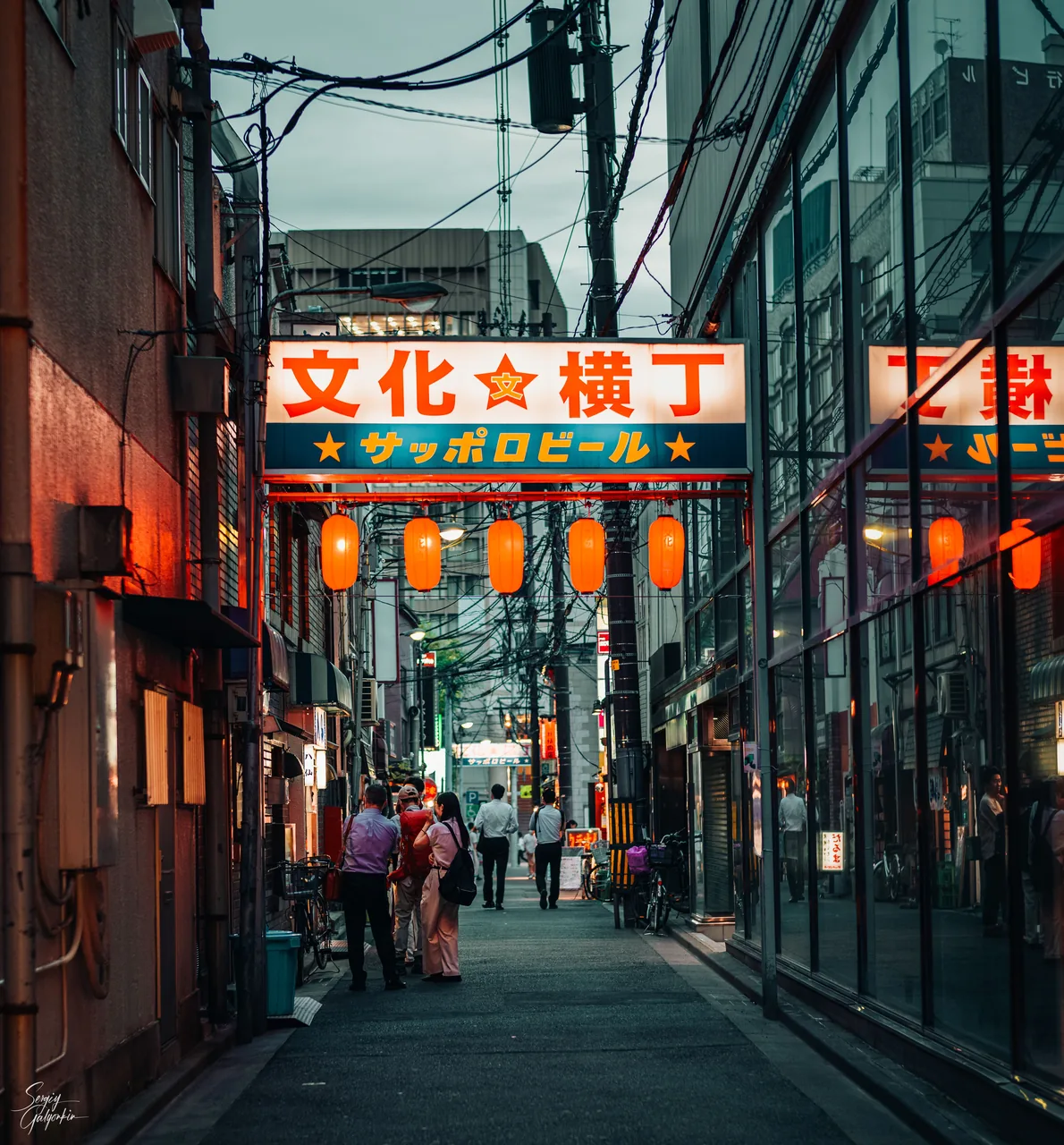
Sendai city hall defines its own night as roughly 6pm to 6am and publishes a guide to it. At the centre of that guide are the narrow lanes off Ichibancho, most of which began as postwar street markets and never stopped trading.
Each alley has a name and a slightly different set of tenants. They are one subway stop or a fifteen minute walk from Sendai Station, which makes an evening out straightforward. Map
What you find in each one
| Alley | What it is like |
|---|---|
| Bunka Yokocho | Known as Bunyoko. More than fifty places to eat and drink packed along one lane |
| Iroha Yokocho | Restaurants mixed with clothing and general goods shops |
| Toraya Yokocho and Inari Koji | Long-established beef tongue, oden and gyoza places |
| Higashi Ichi Ichiba | A market that started in postwar wooden shacks |
| Sendai Ginza | A short lane of izakaya |
Bunka Yokocho is named after a cinema
Bunka Yokocho grew out of a shopping row built in the Taisho era, and took its present name when a moving picture house called Bunka Kinema opened there the following year. The cinema is long gone and the restaurants remain. It is one minute on foot from Aoba-dori Ichibancho subway station.
The lane is narrow enough that the shopfronts face each other across it, so walking in means walking the whole length. Younger drinkers have moved in and it stays busy late.
Iroha Yokocho still has its well
Iroha Yokocho began as street stalls after the war and has been running for close to eighty years. Alongside the food there are clothing and household goods shops. A hand pump well survives in the lane, in use until the 1980s.
The retail units open during the day and the food places open in the evening, so it reads as two different alleys depending on when you walk through.
13. Menus in the alleys are mostly in Japanese
Many of the small places in the Sendai alleys have Japanese-only menus and no English-speaking staff. This is not Shinjuku or Dotonbori, where the tourist volume has forced translation on almost everyone. Places listed by the city itself note Japanese as the only language supported.
That is worth knowing rather than worth avoiding. The counters seat six or eight people and the cooking happens in front of you, so pointing works more often than it should.
Practical ways round it
Start with places that put photographs on the menu or plastic models in the window. Beef tongue restaurants tend to have set meals numbered on a board, which makes ordering a matter of holding up fingers. Chain izakaya near the station carry tablet menus with English.
Translation apps handle a printed Japanese menu reasonably well through the camera. Keeping data on your phone matters here, and our Japan eSIM guide covers the options.
Kokubuncho is the larger entertainment district
Kokubuncho is the biggest nightlife quarter in the whole Tohoku region and the city publishes a separate guide to it. Izakaya, bars, karaoke rooms and live houses run across several blocks between Jozenji-dori and Ichibancho, within walking distance of the alleys.
It is large enough that arriving without a plan means wandering. The city listings alone include whisky bars, a tiny live bar where customers play and sing, a darts bar, a board game cafe and a place serving Akita country cooking with a namahage folk performance.
Jozenji-dori changes character after dark
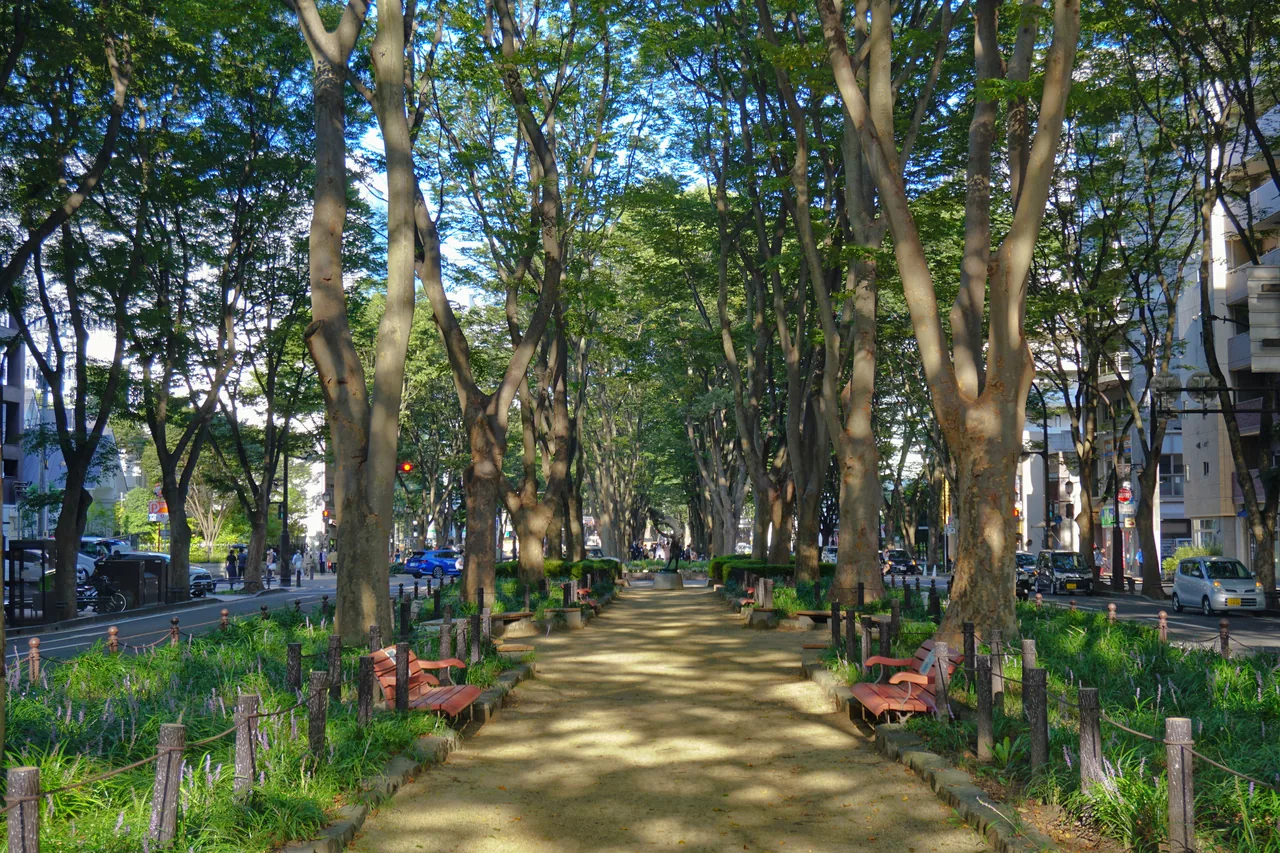
Jozenji-dori, next to Kokubuncho, is a broad avenue lined with zelkova trees. By day it is a place to walk under the canopy. At night the frontages light up.
On a weekend in mid September the avenue hosts the Jozenji Street Jazz Festival, staged mostly outdoors and free to attend as a rule. An Oktoberfest runs in the city centre around the same time.
14. The food this city puts its name to
Beef tongue is the obvious one, but Sendai claims several other dishes and names the restaurants that serve them. The city listings give addresses for long-established places, which saves a lot of searching.
Gyutan is grilled over charcoal and served as a set with barley rice and oxtail soup. You will find the restaurants inside the station, along Ichibancho and through Kokubuncho.
The original robatayaki restaurant is still trading
Robatayaki, where you sit around an open hearth and are handed grilled food across it, is said to have started in Sendai. The restaurant credited with beginning it is still open after more than seventy years and appears in the city listings.
Customers sit around a large hearth, which makes it easier to eat alone here than in a table restaurant. Seasonal Miyagi fish and vegetables are grilled in front of you.
Mapo tofu on fried noodles is a local dish
| Dish | What it is |
|---|---|
| Gyutan | Charcoal-grilled beef tongue set with barley rice and oxtail soup |
| Mabo yakisoba | Fried noodles topped with mapo tofu, from a Chinese restaurant founded in the Taisho era |
| Harakomeshi | Rice cooked in salmon stock, topped with salmon and roe |
| Hokkimeshi | Rice cooked with surf clam |
| Zukedon | Rice bowl topped with soy-marinated fish |
| Zunda mochi | Rice cakes under a paste of crushed young soybeans |
Mabo yakisoba started at one Chinese restaurant and is now served across the city. Harakomeshi and hokkimeshi are autumn and winter dishes in most places that make them.
The oldest surviving hamburger shop in Japan is here
A shop in Sendai is described by the city as the oldest surviving hamburger restaurant in Japan. It sits oddly between beef tongue and zunda, but it is on the official list all the same.
Oysters are everywhere too. One oyster bar in the centre is run by a grower from Ishinomaki up the coast.
15. The hot spring village is inside the city boundary
Akiu Onsen is administratively part of Sendai and sits forty to fifty minutes away by bus. Hot spring inns and hotels line the river, so the usual pattern is to go out in the late afternoon, stay the night and come back the next morning. It is counted among the oldest named hot springs in the country. Map
This is not the sort of excursion that Hakone is from Tokyo or Arima is from Osaka. You board a city bus and arrive.
Three ways there, all different lengths
| Service | From | Journey |
|---|---|---|
| Takeya Kotsu Sendai Seibu Liner | Stand 63 | about 40 minutes |
| Miyagi Kotsu Akiu line | Sendai Station west side bus pool | about 50 minutes |
| Sendai city bus | JR Ayashi Station | about 15 minutes |
| Car | Sendai Station | about 30 minutes |
On a Marugoto Pass or SENDAI AREA PASS you need the Miyagi Kotsu service. As set out above, Takeya Kotsu is not covered.
A waterfall at one end and a gorge at the other
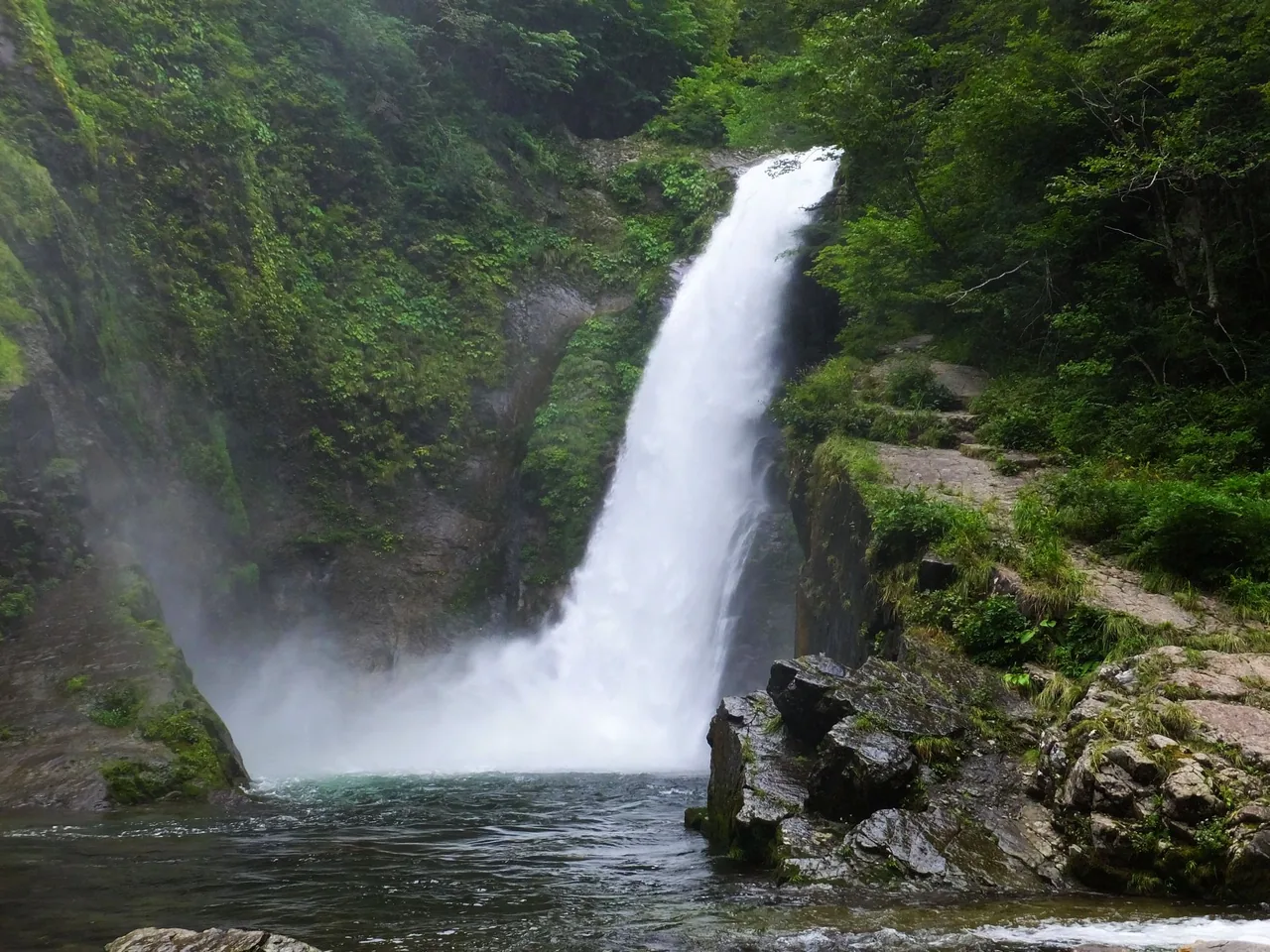
Akiu Otaki drops in a single fall, six metres wide and fifty five metres high, and is listed among the country’s hundred notable waterfalls as well as being a designated place of scenic beauty. It is another twenty minutes by car beyond the inns.
Rairaikyo gorge is right beside the hot spring village instead. The river has cut a narrow channel through the rock and a footbridge crosses above it, close enough to walk to from most of the inns.
It is also a valley of workshops
Potters, glassblowers, lacquerers, woodworkers and leatherworkers have studios scattered along the river here, and the city markets the area as a crafts valley. Several take visitors for a session at the wheel or to paint a wooden kokeshi doll.
Staying at an inn and spending the day among the workshops fits the geography well. Bathing customs and how a ryokan stay works are covered in our Japan onsen and ryokan guide.
16. Getting around inside Akiu depends on the month and the day
The Akiu Loop Bus, which circles the hot spring village and its surroundings, only runs in summer. It operates daily from mid July to the end of September and does not exist for the rest of the year. Planning local movement around it will strand you in any other month.
The shared taxi service, Gururin Akiu, runs on weekdays only, from 6am to 6pm. It does not operate on Saturdays or Sundays, which catches weekend visitors in particular.
Bicycles are lent out free
The Akiu Sato Center lends bicycles at no charge from 9.30am to 5pm, with the desk closing at 4pm. You leave a 1,000 yen deposit and get it back when the bicycle comes home.
From the inns to Rairaikyo gorge is comfortable cycling. The waterfall is uphill and better done by car or bus.
Check your inn shuttle first
The larger Akiu inns run free shuttle buses from Sendai Station, and most of them confirm the time and pick-up point when you book. If yours does, none of the bus timetables above matter to you.
If you are driving, there are car share stations in the village, at the Sato Center and in the car park of one of the big inns.
17. Sakunami has a whisky distillery with free tours
The Nikka Whisky Miyagikyo distillery runs free tours lasting about seventy minutes including the tasting. It stands in Sakunami in the western part of the city, on an address that literally contains the word Nikka. Paid seminars are offered separately. Map
Red brick buildings sit in a bowl of hills where two rivers meet, which makes simply walking the grounds worthwhile. Guidance is available in English, Chinese and Korean.
Bookings stop for an hour over lunch
Tour reception runs from 9am to 11.30am and then from 12.30pm to 2.30pm. For that hour in between nobody is signed in. Arriving around midday means waiting.
The shop and tasting bar open from 9.15am to 4.15pm with last entry at 4pm. You can skip the tour and visit those alone.
| Item | Times |
|---|---|
| Tour reception, morning | 9:00 to 11:30 |
| Tour reception, afternoon | 12:30 to 14:30 |
| Shop and tasting bar | 9:15 to 16:15 (last entry 16:00) |
| Tour length | about 70 minutes including tasting |
It closes for two blocks of the year
The distillery shuts from 18 to 20 August and again from 23 December to 7 January. Anyone in Sendai over the New Year period will find the gates shut.
A free shuttle bus runs from JR Sakunami Station. Sakunami is on the Senzan line out of Sendai Station, the same line that reaches Yamadera.
Jogi Nyorai is further up the same valley
Beyond Sakunami lies Jogi Nyorai Saihoji, a temple with a steady flow of worshippers and a row of shops outside selling deep-fried tofu pouches stuffed with rice.
Sakunami is itself a hot spring village, smaller and quieter than Akiu, which gives the two rather different characters.
18. Matsushima has two stations and the faster train walks you further
Two rail lines reach Matsushima from Sendai, and the quicker one drops you further from everything. The Tohoku Main Line takes about twenty five minutes to Matsushima Station, from which the sightseeing area is a twenty minute walk. The Senseki line takes about forty minutes to Matsushima-Kaigan Station, which is right beside it.
First-time visitors should take the Senseki line. Zuiganji, Entsuin, Godaido and the boat pier all sit within ten minutes on foot of Matsushima-Kaigan. Map
| Line | Station | Journey | Walk at the far end |
|---|---|---|---|
| Tohoku Main Line | Matsushima | about 25 minutes | 20 minutes |
| Senseki line | Matsushima-Kaigan | about 40 minutes | almost none |
The classic viewpoints are spread out
Four hillside viewpoints over the bay have been named since the Edo period, at Otakamori in Higashimatsushima, Tamonzan in Shichigahama, and Tomiyama and Ogidani in Matsushima itself. They are far enough apart that seeing all four in a day is difficult.
Within walking distance of Matsushima-Kaigan Station there are Saigyo Modoshi no Matsu Park and Sokanzan, which is the answer if you want height without a boat.
The tourist office closes early too
The Matsushima tourist information office opens at 9am and closes at 4pm from April to November, and at 3.30pm from December to March. If you want a map or advice, call in on arrival rather than later.
Matsushima empties in the evening as the sites shut. Leaving Sendai in the morning and returning in the afternoon is the shape that works.
19. Zuiganji changes its closing time four times a year
Zuiganji closes at 5pm from April to September and at 3.30pm in December and January. The months in between are different again. Opening is always 8.30am and last admission is thirty minutes before the gate shuts.
Winter visitors get caught here regularly. Have lunch in Sendai first, travel out afterwards, and admission has already closed by the time you arrive.
| Period | Opens | Closes |
|---|---|---|
| April to September | 8:30 | 17:00 |
| October and March | 8:30 | 16:30 |
| November and February | 8:30 | 16:00 |
| December and January | 8:30 | 15:30 |
The main hall and kitchen are national treasures
Date Masamune rebuilt Zuiganji over five years and both the main hall and the kuri, the temple kitchen, carry national treasure status. The Momoyama-era carving and decoration survive intact. Admission is 1,000 yen for adults and 500 yen for school-age children.
The painted screens that lined the inner rooms are kept in the treasure hall and reproductions stand in the main building. It is a ten minute walk from Matsushima-Kaigan Station.
Entsuin is next door
Entsuin sits immediately west of Zuiganji and enshrines the son of the second Date lord, who died at nineteen. It opens from 9am to 4pm and costs 500 yen for adults and 300 yen for school-age children.
The door of the inner shrine carries what is described as the oldest Western-style rose painted in Japan, attributed to the influence of goods brought back from Europe by the envoy Hasekura Tsunenaga. It is a seven minute walk from Matsushima-Kaigan Station.
20. Godaido is free but the bridge rules some visitors out
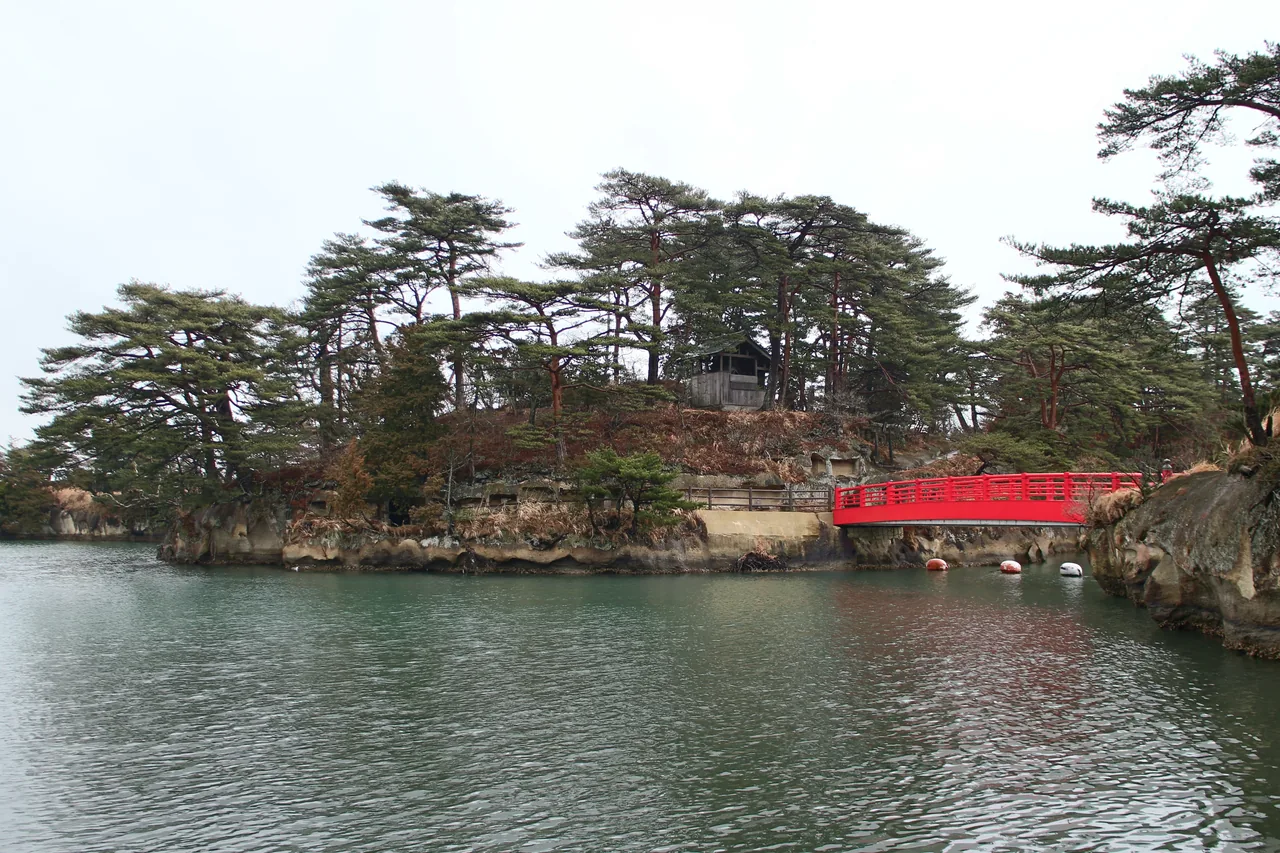
Godaido, the small hall on a rock in the bay that appears on every Matsushima photograph, charges nothing, but the bridge to it has open gaps between the planks and cannot be crossed in a wheelchair. The Matsushima tourist association flags this in advance.
You can see the sea moving below your feet as you walk over. The hall shuts in the evening, so arriving late means turning round at the bridge. Map
What is inside is shown once every thirty three years
The five wisdom king statues housed in Godaido are shown to the public once every thirty three years. The last opening was some time ago and the next is scheduled for 2039. The rest of the time you are looking at the exterior.
Under the eaves on each of the four sides are carvings of the zodiac animals set according to the compass directions. Date Masamune rebuilt it, and it is regarded as the oldest surviving Momoyama-era structure in the Tohoku region.
Two more places within walking distance
Kanrantei stands nearby, a tea pavilion said to have been given to the Date family by Toyotomi Hideyoshi and moved here, positioned to look straight out over the water. Tea is served inside.
A red bridge leads out to Oshima, a small island cut with meditation caves carved into the rock. It gets far fewer visitors and stays quiet.
21. The two boat operators charge the same for the lower deck
Two companies run sightseeing cruises out of Matsushima and both charge 1,500 yen for an adult on the lower deck. Departures are on the hour from 9am to 4pm for both, and the circuit takes fifty minutes either way. Primary school children pay 750 yen with either operator.
The difference is upstairs. One has an open observation deck on the second level, the other adds a first class cabin on a third.
| Matsushima Shimameguri | Marubun Matsushima Kisen | |
|---|---|---|
| Duration | 50 minutes | about 50 minutes |
| Lower deck | 1,500 yen | 1,500 yen |
| Second deck | plus 600 yen | 2,100 yen |
| Third deck | none | 2,900 yen |
| Preschool children | free | – |
The last sailing disappears in winter
Shimameguri drops the 4pm sailing during the darker months because the sun sets too early. In the same period the 9am sailing is sometimes run with a mid-sized vessel carrying around seventy passengers.
Marubun also swaps in a mid-sized boat at times, and when it does only the lower deck operates, with no second or third level. If you booked with the upper deck in mind, that is a wasted trip.
The upper deck is sold on board only
Shimameguri does not take reservations for its second-deck observation seats, selling them on the boat and closing sales once full. Access is by stairs, and there are priority wheelchair spaces on the lower deck.
Children of primary school age or younger cannot travel unaccompanied and cannot use the upper deck. Preschool children travel free, though a fare may be charged if they outnumber the adults with them. Pets can travel in a carrier.
The pier is a walk from the station
From Matsushima-Kaigan Station to the pier takes ten to fifteen minutes on foot, so leave time. When it is busy, boarding follows the order of the queue, which matters if you want a window seat.
Recorded commentary names the islands and the stories attached to them as you pass. Local beer, oyster rice balls and beef tongue jerky are sold on board.
22. Yamadera takes cash only at the gate
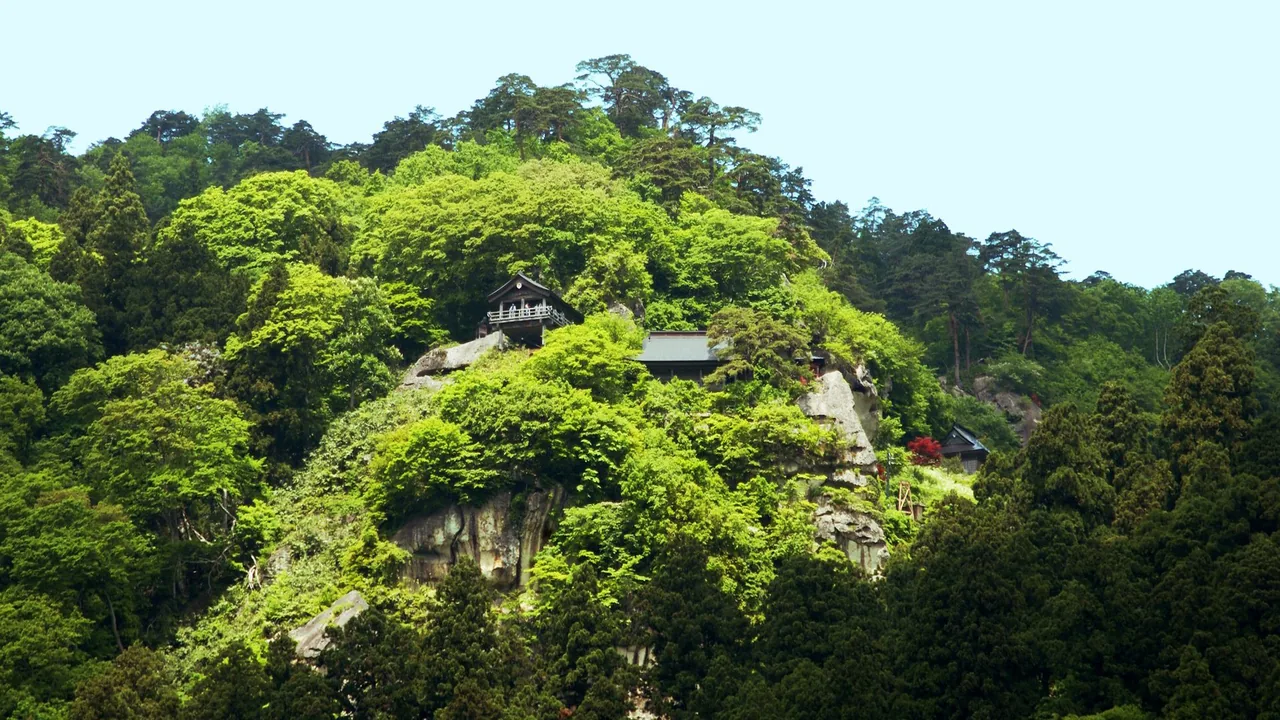
Entry to Yamadera costs 500 yen for adults and the office takes cash only. No credit cards, no transport IC cards. You pay at the temple office by the mountain gate and start climbing. Children from the age of four pay 200 yen.
The formal name is Hoju-san Risshakuji and it lies across the border in Yamagata Prefecture, reached on the Senzan line from Sendai. It falls inside the area covered by both Sendai passes. Map
It is a staircase
From Yamadera Station to the foot of the pilgrim path is a ten minute walk. From there, stone steps climb the mountainside to the inner sanctuary, passing small halls built against and into the rock, with a viewing platform near the top looking down the valley.
Wear proper shoes. In winter sections of the steps ice over.
There are further charges inside
| Item | Adult | Child |
|---|---|---|
| Mountain entry | 500 yen | 200 yen (from age 4) |
| Treasure hall | 200 yen (high school and above) | 100 yen (from age 4) |
| Inner sanctuary of the Konpon Chudo | 200 yen | – |
Groups of thirty or more pay 400 yen per adult, 300 yen for secondary students and 100 yen for children. Memorial services at the inner sanctuary are only accepted between 1 April and 30 November.
Same line as the distillery
The Senzan line connects Sendai with Yamagata and passes both Sakunami and Yamadera. Combining the distillery and the temple in one day is possible, though services are infrequent enough that you should read the timetable first.
Autumn brings crowds when the leaves turn. Timing across the region is covered in our Japan autumn foliage guide.
23. One school building has been left standing on the coast
Arahama Elementary School on the eastern coast of Sendai has been preserved as it was left by the 2011 tsunami, and there is no admission charge. The waterline reached the second floor, the damaged classrooms remain, and from the upper floors you look out towards the sea. Around three hundred and twenty pupils and residents survived by going up to the roof.
It opens at 9.30am and closes at 4pm, extending to 5pm in July and August. Map
It closes on Mondays and on the fourth Thursday
Closed every Monday and also on the fourth Thursday of the month, except when those fall on a public holiday. It closes over the New Year period as well. Checking only for Mondays will occasionally catch you out.
Take the Tozai subway line to Arai Station and then a city bus to the terminus, about fifteen minutes. By car it is ten minutes from the city and parking is free.
There is material in English and Korean
Display captions carry English alongside the Japanese, and leaflets are available in English, Korean, traditional and simplified Chinese and Thai. Some of the longer texts are in Japanese only.
The 3.11 Memorial Community Center stands separately in the same district, inside Arai subway station itself, which makes it easy to combine. Thirty minutes to an hour covers it.
The neighbourhood around it is now parkland
The houses that stood around the school are gone and the land is open park and farmland. A new sea wall runs along the shore and you can walk out to it.
An aquarium, an outlet mall and strawberry-picking farms are all close by, which gives the area another use if you are travelling with children.
24. Tanabata falls on the same three dates every year
The Sendai Tanabata Festival runs on 6, 7 and 8 August every year. The dates do not move with the days of the week. The original festival belongs to the seventh day of the seventh lunar month, and Sendai keeps to a calendar one month behind the modern one.
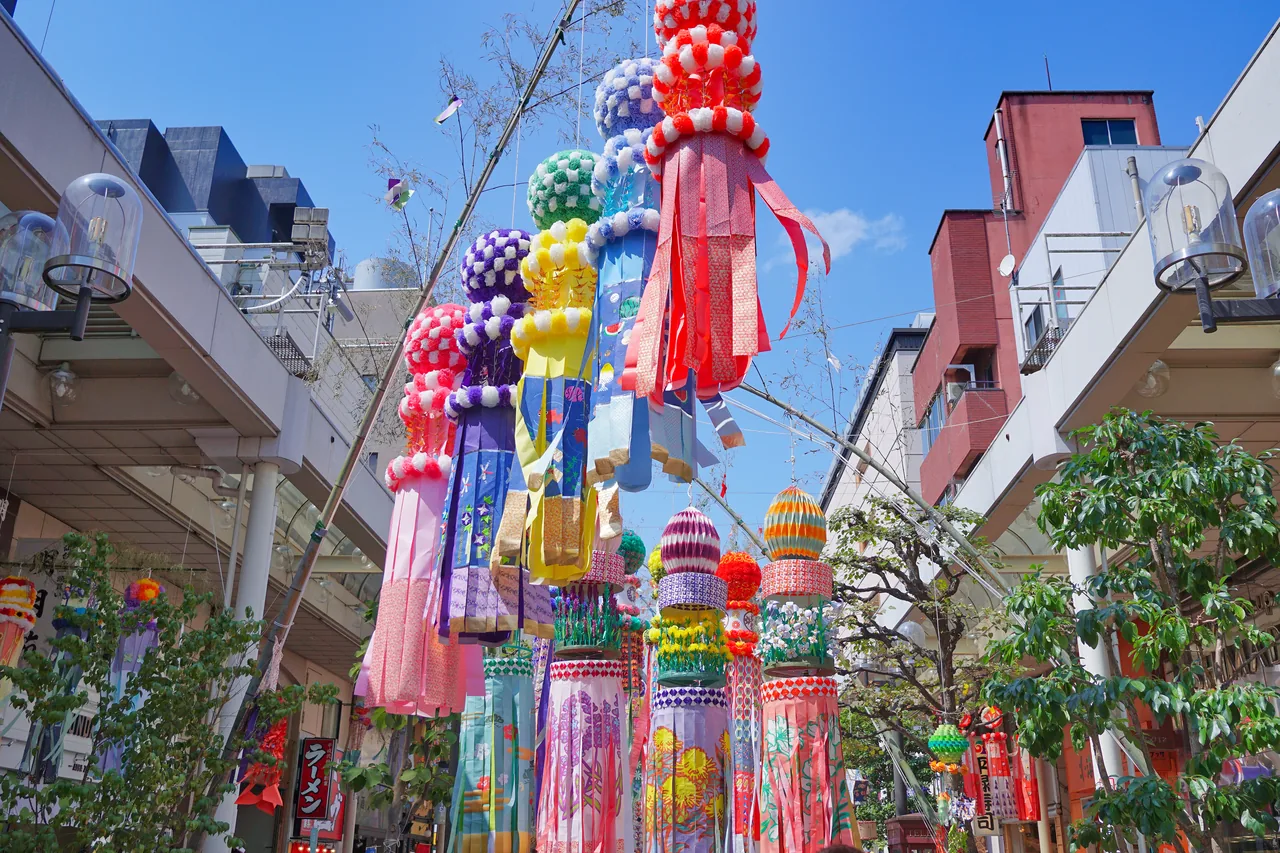
For those three days the covered shopping arcades fill with bamboo decorations hung from the ceiling, streamers of coloured paper reaching down almost to head height so you push through them as you walk. This is why the loop bus runs at weekend frequency every day in August.
Book beds well ahead
City hotels fill and rates climb during the festival. The fixed dates at least make it possible to book early. Leaving a day either side makes travel easier.
A fireworks display is held on the evening before the festival opens, which draws people in from the day before.
The rest of the year
| Season | What happens |
|---|---|
| Spring | Cherry blossom on the castle site and in the parks, late April in Tohoku |
| Summer | Tanabata Festival on 6, 7 and 8 August |
| Early autumn | Jozenji Street Jazz Festival and Oktoberfest, both in September |
| Late autumn | Foliage at Yamadera and in Naruko Gorge |
| Winter | Illuminations along Jozenji-dori, skiing at Zao and Izumigatake |
Blossom in Tohoku runs later than Tokyo, from late April into the first days of May. Regional timing is in our Japan cherry blossom guide.
Ski areas sit inside and outside the city
Izumigatake and Spring Valley are within Sendai city limits, while Zao and Shiroishi lie to the south of the prefecture. Either way you sleep in the city, go out in the morning and come back in the evening.
Rentals and lessons are covered in our Japan skiing guide.
25. The airport train reaches the city in around twenty minutes
The Sendai Airport Access Line runs to JR Sendai Station in seventeen to twenty five minutes for 660 yen one way. The station is built into the terminal, so you never step outside. Children pay 330 yen.
A limousine bus also runs, taking about fifty minutes for the same fare. Unless you are heavily loaded, the train is the sensible option. Map
Buying a pass at the airport has a catch
The machine at Sendai Airport Station sells the Marugoto Pass and SENDAI AREA PASS for same-day use only. Fine if you are starting immediately, but you cannot buy tomorrow’s pass on arrival tonight.
There is a tourist information desk inside the terminal that sells the Loople day pass, which is one way to have your city ticket before you reach the centre.
Arriving by shinkansen
From Tokyo the Tohoku Shinkansen reaches Sendai in around an hour and a half. Sendai Station gathers the shinkansen platforms, the local lines, both subway lines and the bus terminals into one building, so connections are short.
The loop bus leaves from stand 16 in the West Exit bus terminal. Rail pass arithmetic is set out in our Japan Rail Pass and shinkansen guide.
26. Choose between the station district and the hot spring valley
Accommodation in Sendai divides into two places: around the station and out at Akiu Onsen. The station district is dense with business hotels. Akiu is a line of hot spring inns along a river. They suit different evenings, and splitting a stay between them works well.
If you are using Sendai as a base for the wider region, stay near the station. Early shinkansen and Senzan line departures make that decision for you.
Near the station you can walk home from dinner
From the west exit to Ichibancho and Kokubuncho is under fifteen minutes on foot. That matters if you plan to drink, because it means walking back rather than working out a last train. Hirose-dori and Aoba-dori Ichibancho subway stations sit in the same area.
There are hotels on the east side of the station too. Quieter and generally cheaper, but further from the arcades.
Akiu puts dinner and breakfast inside the stay
Most Akiu inns include dinner and breakfast in the rate, which means the evening and the following morning both happen inside the building. If you were planning to eat in the city, the two do not combine.
The larger inns run free shuttles from Sendai Station. Confirm yours when booking and the bus timetables stop mattering.
A lodging tax is charged separately
Miyagi Prefecture and Sendai City both levy a lodging tax. It is not always included in the rate shown by booking sites and is sometimes collected at check-in.
Rates across the country are set out in our Japan accommodation tax guide. During Tanabata prices rise sharply, so check the dates before you book.
27. Two days covers the city and Matsushima, three reaches Yamadera
One day in Sendai fills up with a loop bus circuit and an evening in the alleys. Two days adds Matsushima. Three lets you add either Yamadera or Akiu. Because the loop bus stops at 4pm, any city day has to start in the morning.
The outlines below assume full days, not the afternoon you arrive.
If you only have one day
Take the loop bus from Sendai Station at 9am and get off at Zuihoden, the museum and the castle site in that order. Three rides makes the day pass worth buying, and showing that pass at the Zuihoden window brings the admission down.
Spend the afternoon on the castle terrace looking over the city, then walk the Ichibancho arcades. Eat in one of the alleys and finish at SS30 for the view after dark.
If you have two days
| Day | Plan |
|---|---|
| One | Loop bus circuit of the city, dinner in the alleys |
| Two | Senseki line to Matsushima, Zuiganji and a boat, back in the afternoon |
Two days of JR travel makes the Marugoto Pass the reasonable buy. Matsushima closes early, so leave in the morning.
If you have three days
The third day is a choice between Yamadera and Akiu. One is a climb up a mountain staircase, the other is a soak in hot water, which is about as different as two days can be.
In rain or snow, take Akiu. The Yamadera steps get slippery. Arahama Elementary School takes half a day, which is another way to use a third morning.
Going further into Tohoku
North of Sendai the shinkansen reaches Iwate and Aomori, and west the Senzan line runs into Yamagata. Hiraizumi, Ginzan Onsen and Naruko Gorge are all within a day trip.
Sendai city hall promotes destinations in neighbouring prefectures alongside its own, which tells you how the city is actually used. For a full country itinerary see our Japan golden route itinerary.
28. Four manga monuments stand across the city
Sendai has appointed characters from the volleyball manga Haikyu as tourism ambassadors and installed four commemorative monuments around the city. Miyagi is the setting for the series, so the city lists them on its official tourism pages. They stand far enough apart that seeing all four takes planning.
Each monument shows a pair of characters. None of them charges anything to view.
Where they are
| Location | Access |
|---|---|
| Outside Sendai City Museum | 8 minutes from Kokusai Center subway station, 3 minutes from the loop bus stop |
| Tomizawa Park | 5 minutes from Tomizawa station on the Namboku subway line |
| Tsutsumimachi | 5 minutes from Kita-Sendai station on the Namboku subway line |
| Akiu Sato Center | 40 to 50 minutes by bus from Sendai Station |
The museum one needs no detour
The monument outside Sendai City Museum sits directly on the route up to the castle. Getting off the loop bus at the museum puts you past it between the museum and the castle site, so it costs no extra time.
Tomizawa and Kita-Sendai are both on the Namboku subway line, which makes them easy to pair. A subway day pass covers both, and at weekends that pass is 620 yen.
The Akiu one comes with the onsen trip
The Akiu monument stands outside the Akiu Sato Center, which is free to enter, opens from 9am to 6pm and has no closing days. The Akiu Onsen tourist information desk is inside the same building.
This is also where the free bicycles mentioned earlier are lent out, so anyone going to the hot spring passes it anyway.