
Japan in October: Region-by-Region Weather, Autumn Foliage, Festivals & Best Dates
October is one of Japan’s two best months to travel: clear, dry, comfortable, with the first autumn colors arriving up north and in the mountains.
| Weather | Clear, dry and comfortable. City highs slide from about 23 to 25C early in the month to 18 to 20C by late October, with cool evenings. |
|---|---|
| Foliage | October leaves are a north-and-high story: Hokkaido, Tohoku and the Alps. Tokyo, Kyoto and Osaka don’t turn until November. |
| Typhoons | Still possible early and mid-month but roughly half as frequent as September, tapering toward late October. |
| Crowds | Busy in early October (China’s Golden Week, Oct 1 to 7) and the Oct 10 to 12 long weekend. The sweet spot is mid-October. |
| Best dates | Roughly October 15 to 21: weather, crowds and prices are best balanced, after the holidays and before the foliage price ramp. |
1. Is October a good time to visit Japan?
2. October weather, city by city
3. Why October feels so good
4. Autumn foliage in October: north and high
5. Typhoons in October: still possible, but tapering
6. Mount Fuji in October
7. The October crowd calendar
8. October festivals
9. Halloween in Japan
10. Cosmos and kochia: October’s autumn flowers
11. Autumn flavors: what’s in season in October
12. Beaches and Okinawa in October
13. What to pack for October
14. Japan in October, region by region
15. Crowds, prices and the best dates in October
16. Pick your October by what you want
17. October quick checklist
18. What to read next
1. Is October a good time to visit Japan?
Yes. October is one of the two best months of the year to travel in Japan, alongside November. The summer heat, the rainy season and the worst humidity are behind you, the air turns clear, dry and stable under autumn high pressure, typhoon risk is falling, and the first autumn colors begin in the north and the mountains. For most travelers, this is as comfortable as sightseeing in Japan gets.
That said, here are three honest caveats so October doesn’t surprise you:
- Early-month typhoon tail. Typhoons are much less frequent than in September, but early and mid-October can still see one. Build in a buffer day and watch the forecast.
- Early-month crowds. China’s Golden Week runs October 1 to 7, which fills Tokyo, Kyoto and Osaka with visitors and pushes hotel prices up. Japan’s own Sports Day long weekend (October 10 to 12 in 2026) adds domestic travel on top.
- Foliage is north-and-high only. If you’re picturing red maples in Kyoto temples, that’s November, not October. In October the color is in Hokkaido, Tohoku, the Alps and a handful of high spots near the cities.
For a wider view of how October fits the year, see our best time to visit Japan guide and the month before in our Japan in September guide.
2. October weather, city by city
October weather in Japan cools noticeably across the month, so the date matters as much as the city. Early October still carries late-summer warmth, with big-city daytime highs around 23 to 25C. By late October those highs ease to about 18 to 20C, and evenings drop to roughly 10 to 13C. Plan for the half of the month you’re actually traveling, not just the monthly average.
The north-to-south spread is wide. Sapporo and the northern and high areas are already in clear autumn, while Naha in Okinawa is still summery with daytime highs in the high 20s. Here are the official JMA 1991 to 2020 normals (full-month averages) for seven cities:
A quick way to read the numbers: the north (Sapporo) is already in autumn, the centre (Tokyo, Kyoto, Osaka, Nagoya, Fukuoka) is comfortable, and the south (Naha) is still summer.
| City | Avg high (C) | Avg low (C) | Monthly rain (mm) |
|---|---|---|---|
| Tokyo | 22.0 | 14.8 | 234.8 |
| Kyoto | 23.4 | 14.4 | 143.2 |
| Osaka | 23.7 | 16.0 | 136.0 |
| Nagoya | 23.3 | 14.8 | 164.7 |
| Fukuoka | 23.7 | 16.0 | 94.5 |
| Sapporo | 16.4 | 8.0 | 109.9 |
| Naha (Okinawa) | 28.1 | 23.5 | 179.2 |
Source: Japan Meteorological Agency climate normals, data.jma.go.jp. Remember these are full-month averages: late October will feel cooler than the number suggests, especially after dark and up north.
3. Why October feels so good
October feels so good because it brings Japan’s best all-around weather: low humidity, mostly clear skies, stable conditions and plenty of sunshine under autumn high pressure. The summer heat and stickiness are gone, the rainy season is long over, and the air turns crisp and easy to be out in all day.
This is why October and November are widely considered the two best months to visit. The trade-off between them is simple:
- October is a little warmer, gives you northern and mountain foliage, and carries a small early-month typhoon tail.
- November brings the famous city foliage, but with bigger crowds and chillier air.
One honesty note on rain: Tokyo’s October normal is a high-looking 234.8 mm, partly from an early-month autumn rain front and any leftover typhoon rain. The “dry and clear” character is really about the within-month trend and how the humidity feels, which improves as the month goes on.
4. Autumn foliage in October: north and high
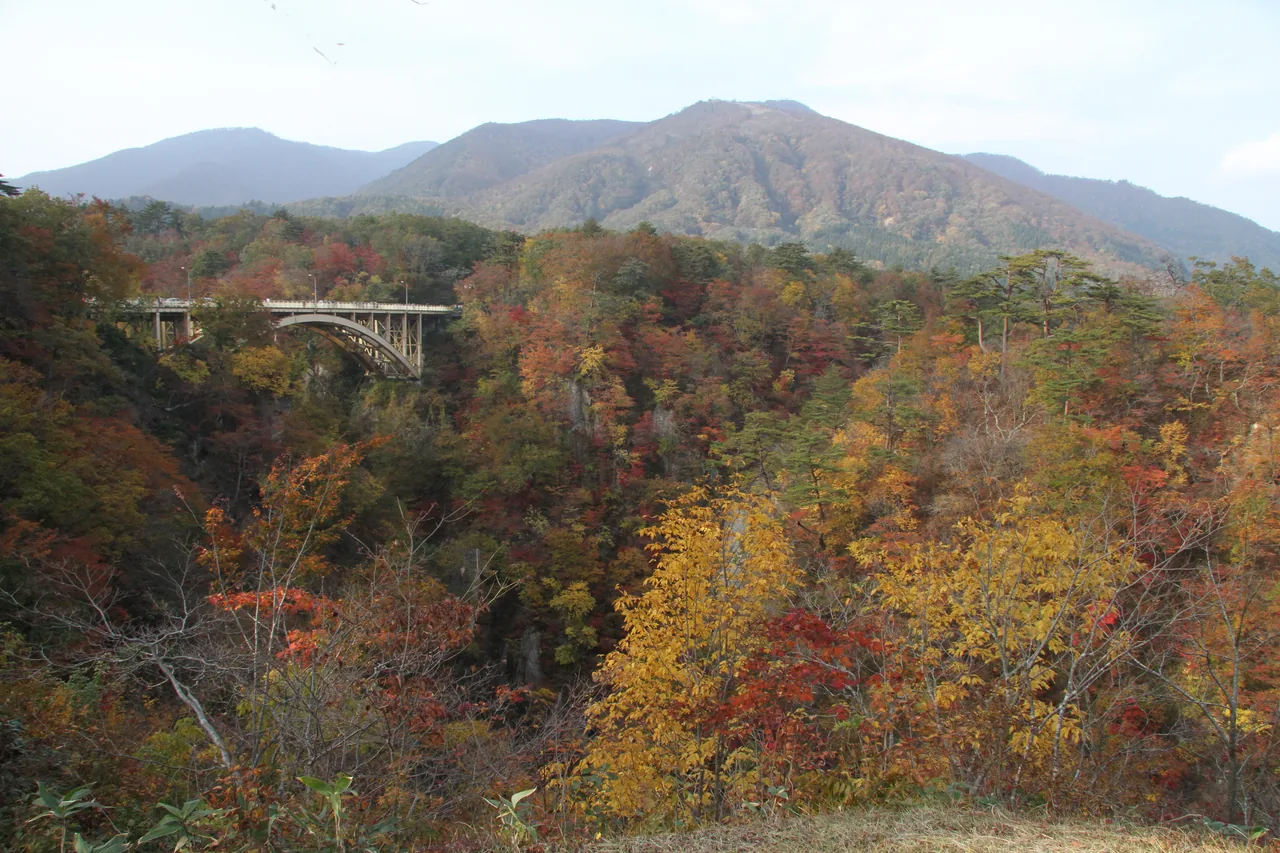
In October, autumn foliage in Japan is a north-and-high affair: you’ll find it in Hokkaido, Tohoku, the Japan Alps and a few high-elevation spots near the cities, but not in the cities themselves yet. The simple rule that runs through this whole guide is north and high turn in October, while Tokyo, Kyoto and Osaka turn in November.
Here is a typical-October lineup, from earliest to latest. Treat the “typical peak” as a window, not a promise:
| Spot | Region | Typical October peak | Note |
|---|---|---|---|
| Asahidake / Kurodake (high peaks) | Hokkaido, Daisetsuzan | Mid to late September (often over by October) | Japan’s first color; first snow possible in October |
| Sounkyo Gorge | Hokkaido | Early to mid October | Cliffs and an onsen town in the gorge |
| Jozankei Onsen | Hokkaido (near Sapporo) | Mid October | About an hour from Sapporo |
| Mt. Hachimantai | Tohoku (Iwate / Akita) | Early to mid October | Highland; about two weeks ahead of the area around it |
| Tateyama Kurobe Alpine Route (high) | Alps (Toyama / Nagano) | Early to mid October | Snow, red leaves and evergreen layered together; snow usually November |
| Oku-Nikko / Senjogahara | Nikko (Tochigi) | Early to mid October | Nikko’s highest ground leads the area |
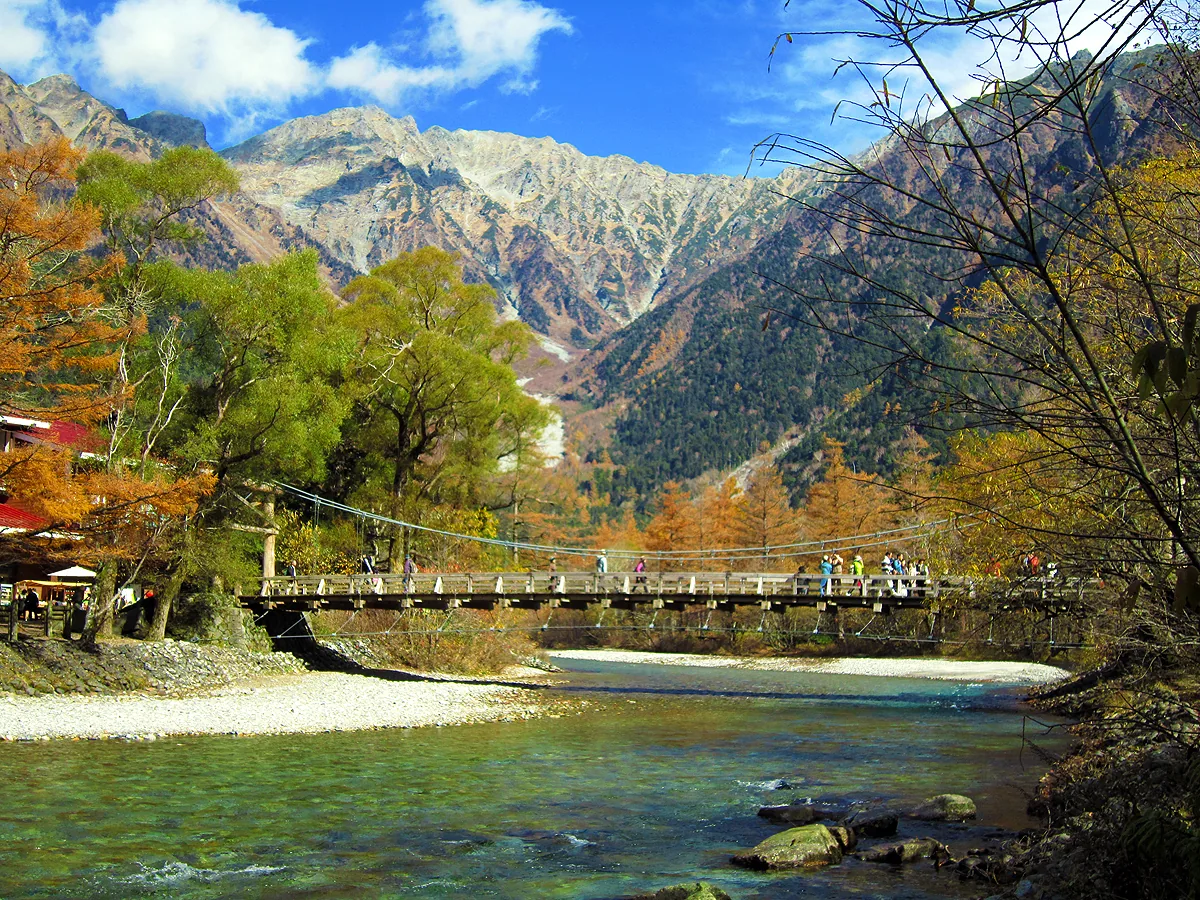
| Kamikochi | Alps (Nagano) | Mid to late October | Azusa River, Kappa Bridge, golden larch |
| Lake Towada | Tohoku (Aomori) | Mid to late October | Yellow beech and red maple |
| Hakone Owakudani (high) | Kanto (Kanagawa) | Late October | Only Hakone’s high ground turns in October; Yumoto and the lower areas are mid November |
| Oirase Stream | Tohoku (Aomori) | Late October into early November | A 14 km mountain-stream trail |
| Kurobe Gorge (Unazuki) | Toyama | Late October into early-mid November | Big elevation range stretches the season |
| Naruko Gorge | Tohoku (Miyagi) | Late October into early November | Among Tohoku’s latest |
Worth pinning if you’re routing a trip: Daisetsuzan National ParkMap, Sounkyo GorgeMap, Tateyama Kurobe Alpine RouteMap, KamikochiMap, Oirase StreamMap and Oku-NikkoMap.
One big caveat: every foliage date shifts by a few days to two weeks each year with the temperatures, and recent warming has nudged peaks slightly later. So these are typical windows only. Check a live forecast just before you go, using the japan-guide.com koyo report or a Japanese service such as tenki.jp. For 2026, official forecasts may not be published yet, so confirm closer to your dates.
5. Typhoons in October: still possible, but tapering
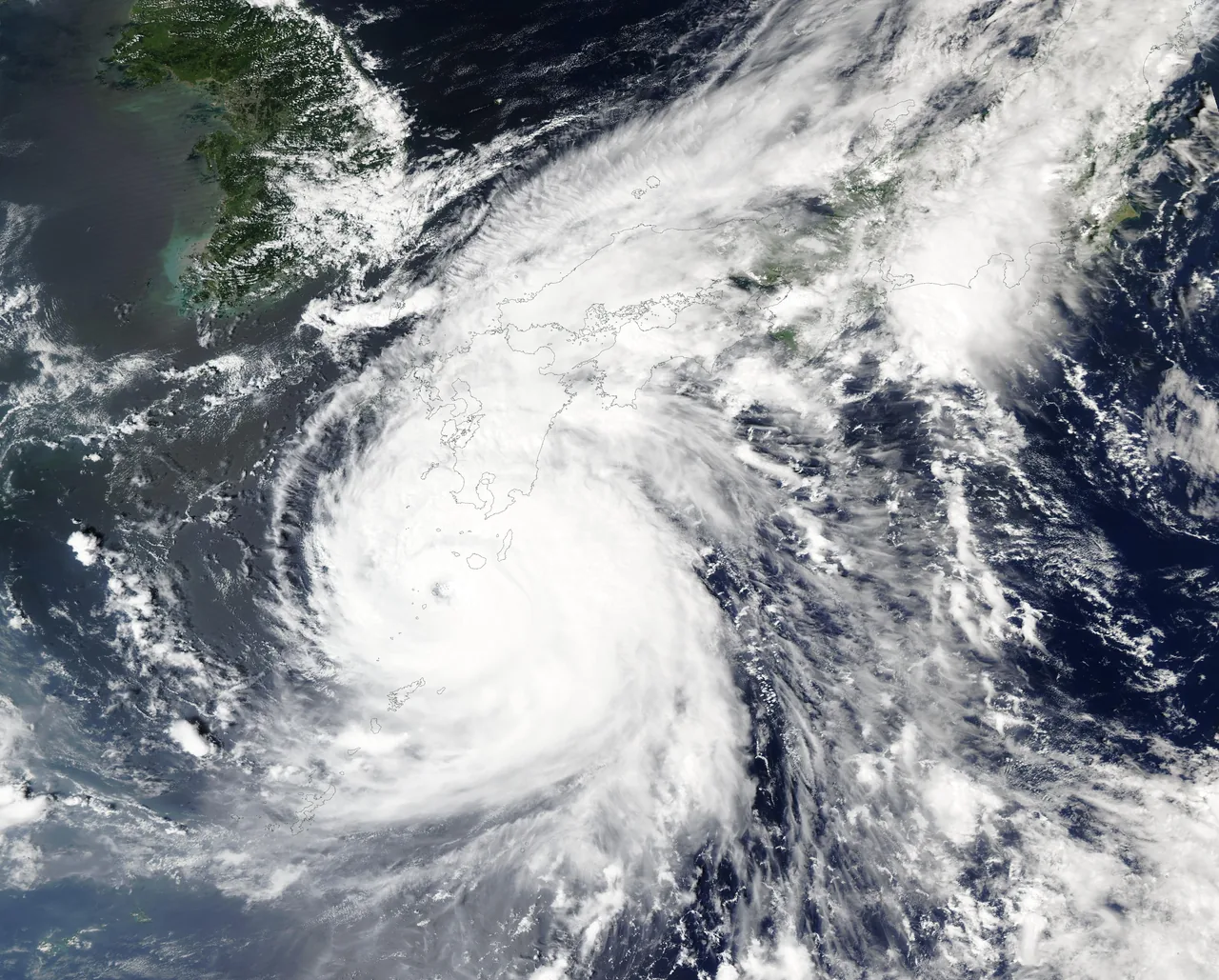
Typhoons are still possible in October, mostly early and mid-month, but they are roughly half as frequent as in September and ease off as the month goes on. They are part of the season, not a reason to skip it. Here is what the long-term averages look like:
| Monthly average | September | October |
|---|---|---|
| Forming (NW Pacific) | 5.0 | 3.4 |
| Approaching Japan | 3.3 | 1.7 |
| Making landfall | 0.8 | 0.6 |
The most exposed areas are Okinawa, Kyushu and the Pacific coast (Shikoku, the Kii Peninsula and the Tokai region). The autumn rain front that was active from late August through early October drifts south and fades as the month goes on.
An honest note on the rare big one: in October 2019, Typhoon Hagibis made landfall on October 12 and caused widespread heavy rain and river flooding. It’s a reminder that, although uncommon, a serious typhoon can still arrive in October. We won’t put hard casualty figures on it here, but the lesson stands: respect the forecast.
Practical planning: trains and flights run planned suspensions ahead of a major storm, so build in a buffer day and keep indoor backups in mind (museums, aquariums, department stores, covered shopping streets). For real-time approach tracking, watch the JMA typhoon information.
6. Mount Fuji in October
You cannot climb Mount Fuji in October: the 2026 official climbing season ends on September 10 for the Yoshida and the other main trails. After that the mountain huts and buses stop, the trails are controlled, and off-season climbing is prohibited and dangerous. If a climb is on your list, plan for the open season and read our Mount Fuji climbing guide first.
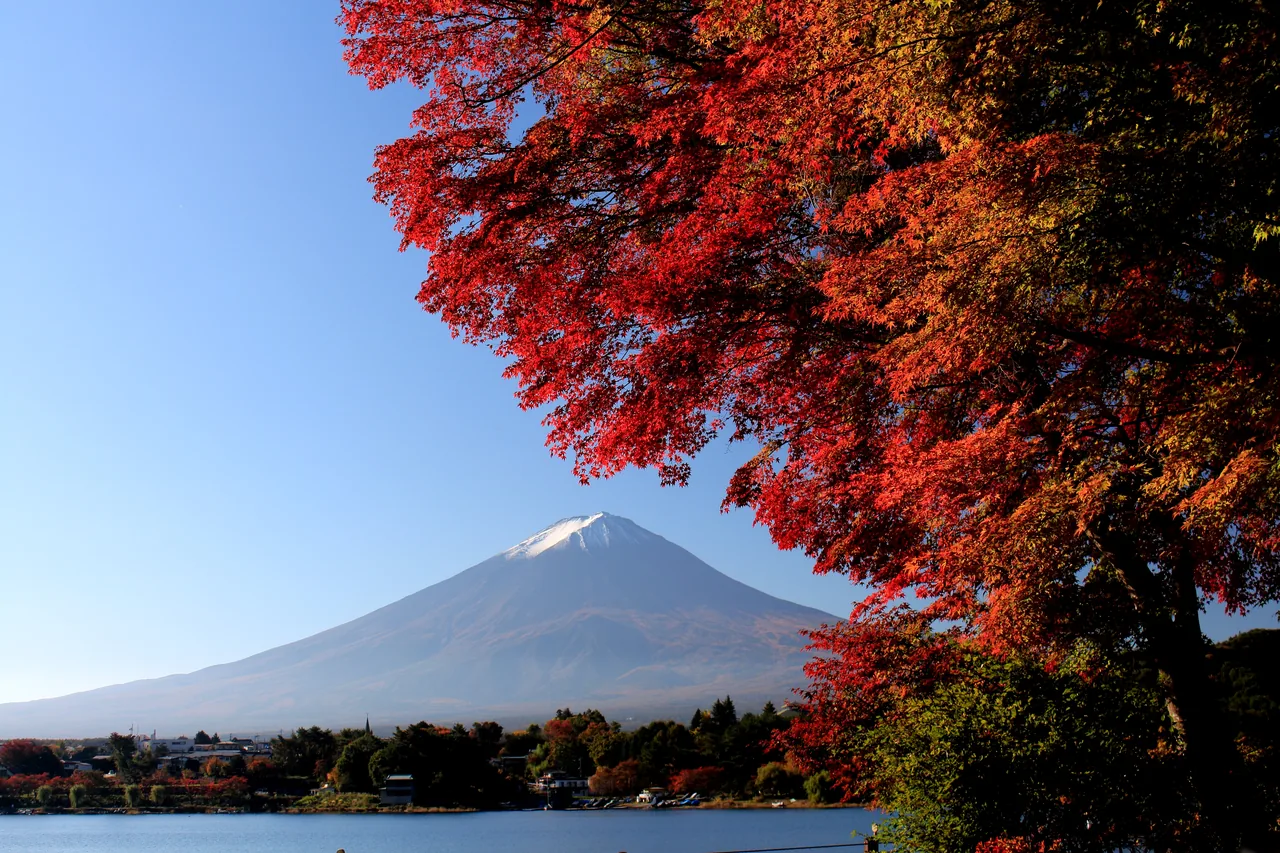
What October is great for is viewing Fuji. The clear, crisp autumn air makes the mountain stand out sharply, and the first snowcap often appears around now. Historically the first dusting (hatsukanmuriyuki) averages around October 2, as announced by the Kofu Local Meteorological Office, which has recorded it since 1894. But it varies a lot year to year: in 2024 the first snowcap was the latest on record, not arriving until early November after a snow-free October. So expect an early-October cap in a typical year, while knowing it can run late.
For viewing, head to the lakes and viewpoints; a good anchor is Mount Fuji Yoshida 5th StationMap (reachable even when climbing is closed). Note that the lakeshore maple foliage, including the Kawaguchiko momiji festival, peaks in mid November, not October. If you want to pair Fuji with a day from the city, see our Mount Fuji day trip from Tokyo guide. For the official climbing window, the Fuji climbing site is the authority.
7. The October crowd calendar
October crowds in Japan cluster at the start of the month, then ease into a sweet spot in the middle. China’s Golden Week runs October 1 to 7 in 2026, which noticeably increases visitors in Tokyo, Kyoto and Osaka and pushes hotel prices up in early October. Treat early October as the busiest, priciest stretch in the big cities.
On top of that, Japan’s Sports Day creates a domestic long weekend. In 2026 Sports Day falls on Monday, October 12, making October 10 to 12 a three-day weekend. Domestic travel rises a little (less than Golden Week, Obon or Silver Week, but enough to notice at popular spots). Then, toward late October, foliage season starts ramping prices up in the leaf-watching regions.
That leaves the middle of the month as the clear winner. Roughly October 15 to 21, after the holidays and before the foliage price climb, gives you the best balance of weather, space and cost.
8. October festivals
October is one of Japan’s best festival months, with several major events on fixed or near-fixed dates. The table runs north to south, so it doubles as a festivals-by-region map. Here are six worth planning around in 2026:
| Festival | Place | 2026 dates | In one line |
|---|---|---|---|
| Kawagoe Festival | Kawagoe, Saitama (Kanto) | Oct 17 to 18 | UNESCO-listed; ornate floats face off |
| Takayama Autumn Festival (Hachiman) | Takayama, Gifu (Chubu) | Oct 9 to 10 | One of Japan’s three great float festivals; lantern procession at night |
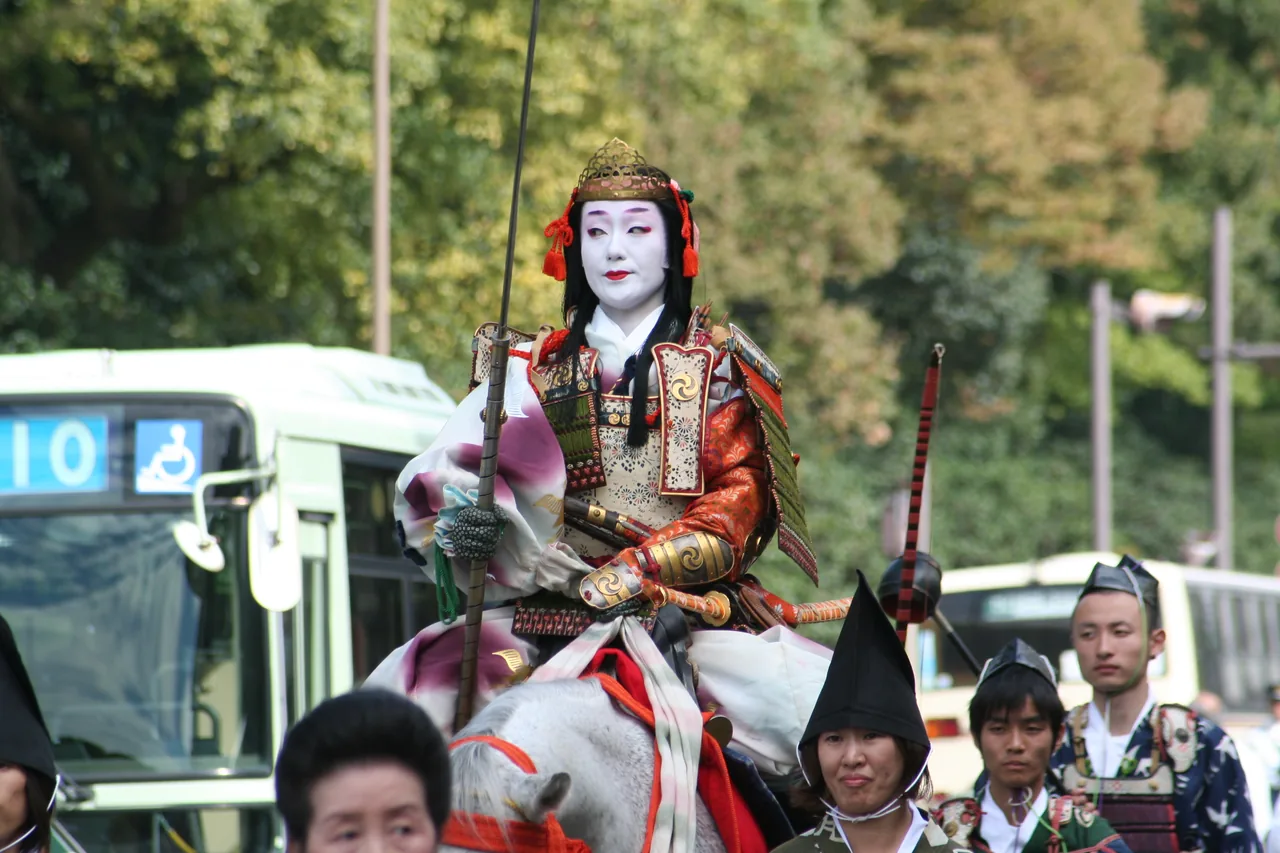
| Jidai Matsuri | Kyoto (Kansai) | Oct 22 (Thu) | Procession of historical costumes through the centuries |
| Kurama Fire Festival | Kurama, Kyoto (Kansai) | Night of Oct 22 | Flaming torch procession |
| Nada no Kenka Matsuri | Himeji, Hyogo (Kansai) | Oct 14 to 15 | The “fighting festival”; portable shrines clash |
| Nagasaki Kunchi | Nagasaki (Kyushu) | Oct 7 to 9 | Suwa Shrine; Japanese, Chinese and Dutch-influenced dragon dances since 1634 |
Map anchors: Takayama Old TownMap, Heian Shrine KyotoMap (Jidai Matsuri starts here) and Kurama-deraMap. A bit of festival etiquette goes a long way; brush up with our Japan etiquette and manners guide.
9. Halloween in Japan
For Halloween in Japan, the place to enjoy it is the theme parks, not the streets. Tokyo Disney Resort (Disneyland and DisneySea) runs its “Disney Halloween” event, and Universal Studios Japan in Osaka runs “Halloween Horror Night,” both typically across much of the autumn and into late October or early November. Confirm the exact 2026 dates on the official sites, but the season is in full swing throughout October.
Shibuya’s street Halloween, on the other hand, is actively discouraged. Shibuya Ward bans street drinking during the Halloween period and asks nearby convenience stores to hold off on alcohol sales, and the mayor has put out a clear message (in English, Chinese and Korean) telling international visitors not to come, with heavier security in place after crowd-safety concerns. The practical advice is simple: enjoy Halloween at a theme park, and skip the Shibuya scramble.
10. Cosmos and kochia: October’s autumn flowers
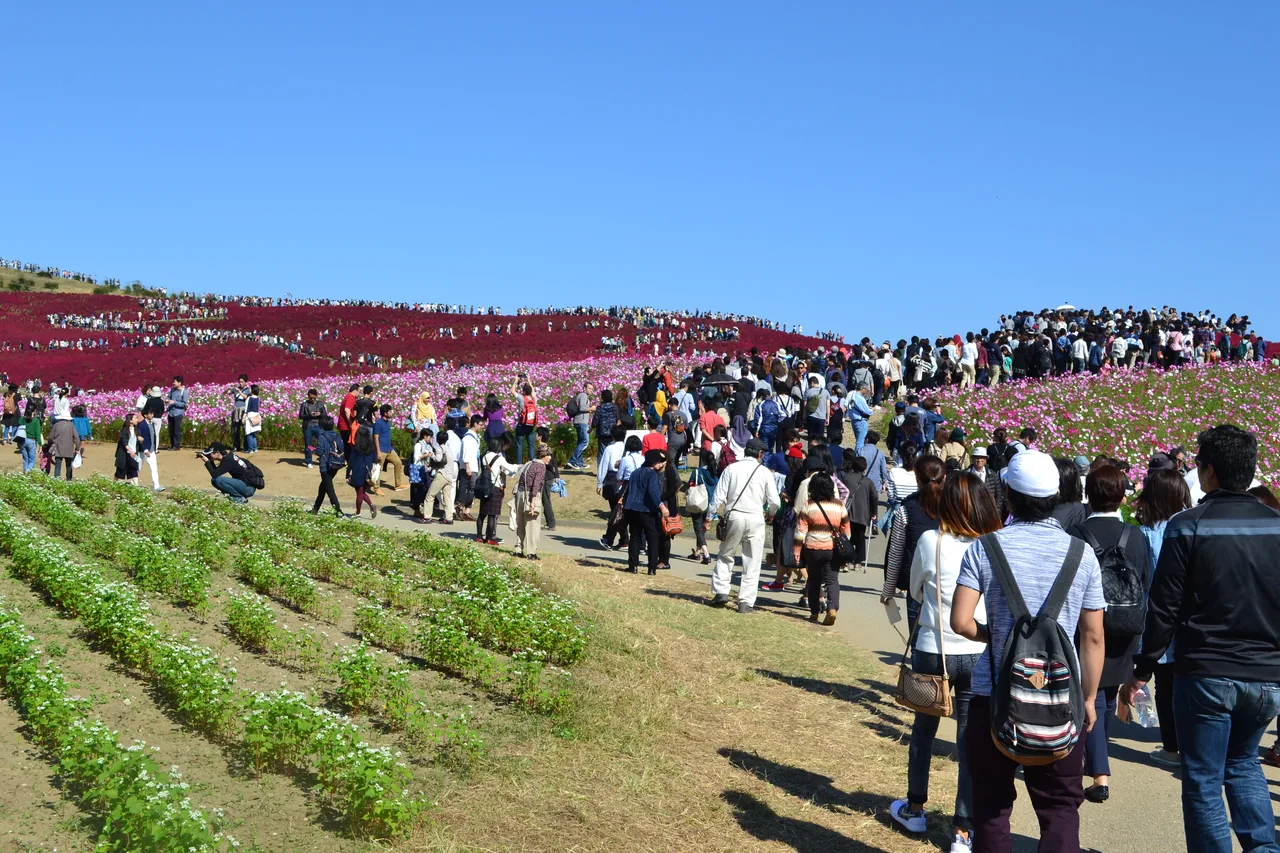
October is peak season for two of Japan’s signature autumn flowers: fiery red kochia and fields of cosmos. The headline act is the kochia (summer cypress) at Hitachi Seaside ParkMap in Ibaraki, where the mounds typically turn red around October 14 to 22, reddest about October 18 to 20. The red window is short, only about a week, and before roughly October 10 the kochia is still green, so timing is everything.
Cosmos run longer and more forgivingly. Hitachi Seaside Park pairs cosmos with its kochia, and Showa Kinen ParkMap in Tachikawa, Tokyo, holds a cosmos display into late October. These are easier to catch on a flexible date.
11. Autumn flavors: what’s in season in October
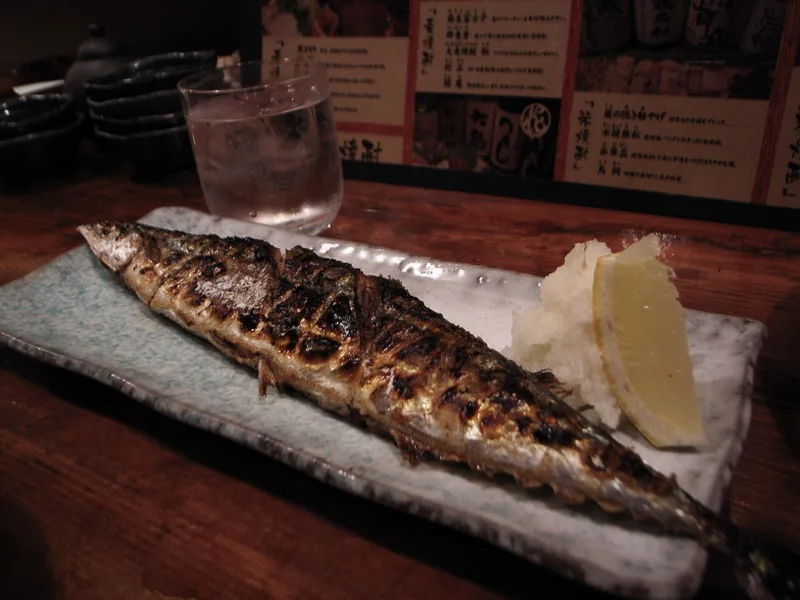
October is one of the best eating months in Japan, when the autumn “shun” (peak-season) ingredients arrive. The classic of the season is sanma (Pacific saury), grilled whole with salt; Tokyo even holds the Meguro Sanma Matsuri in October near Meguro StationMap. Alongside it come matsutake mushrooms, the prized and pricey king of autumn (September into October).
The sweeter side of the season is just as good:
- Chestnuts (kuri) in rice and Mont Blanc desserts
- Persimmons (kaki) and the last of the pears and grapes
- New-crop rice (shinmai, from October)
- Roasted sweet potato (yaki-imo) from street vendors
Culturally, October is made for the timeless pairing of momijigari (leaf-viewing) and an open-air onsen, a north-and-high autumn combination.
A lot of the best autumn eating happens at festival stalls and small vendors that prefer cash, so it helps to carry some. See our Japan money, cash and cards guide before you go.
12. Beaches and Okinawa in October
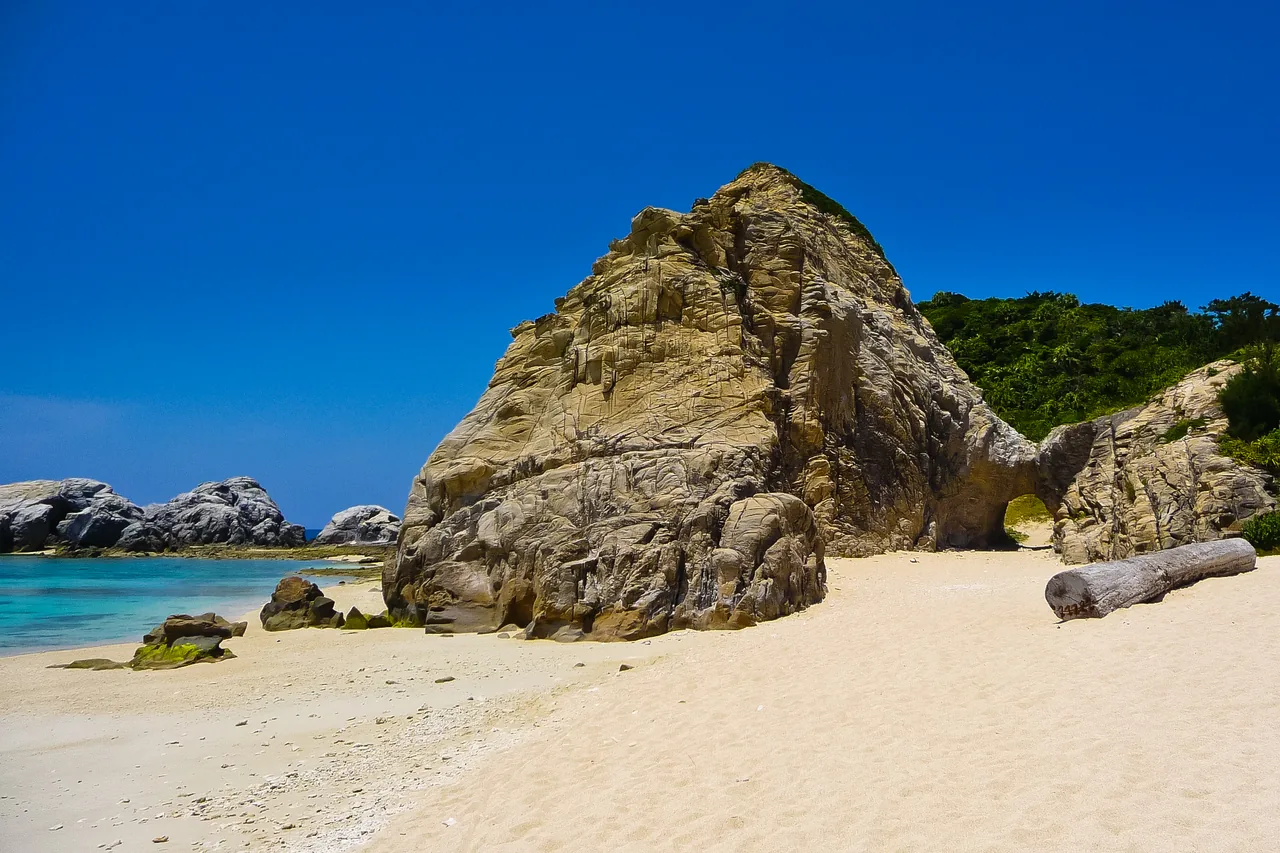
Yes, you can still swim in October, especially in the south and Okinawa, which makes this the last proper beach window of the year. Around Naha the sea stays around 27C and daytime highs sit near 28C, and by late October most typhoons have passed, so beaches are warm and far less crowded. For island beach time, the Kerama IslandsMap off Okinawa are a classic choice.
Two cautions. First, Okinawa is the most typhoon-exposed part of the country in October, so watch the forecast and keep a flexible day in your plan. Second, the autumn sun is still strong this far south, so pack sun protection even though it no longer feels like midsummer back on the main islands.
13. What to pack for October
The key to packing for October in Japan is layering: warm afternoons paired with cool mornings and evenings, especially in the north and the mountains. The one item to add over a summer wardrobe is a light jacket, sweater or cardigan you can put on and take off through the day.
- Layers over a heavy coat. You don’t need a thick coat in October, with the exception of cold nights in the highlands or late-month Hokkaido.
- A compact umbrella or light rain shell, mainly for early-month showers and any leftover typhoon rain.
- Comfortable walking shoes, since the good weather makes this a walking-heavy month.
- Okinawa and the far south: essentially summer clothes plus one thin layer.
14. Japan in October, region by region
October splits the country neatly into three: the north and the high Alps are deep in foliage, the central cities are at their most comfortable, and the far south is still beach weather. Use the matrix below to match a region to what you want this month, from the earliest autumn color to the last swim of the year.
| Region | Temps and weather | Foliage (October) | Key festival or event | Best for |
|---|---|---|---|---|
| Hokkaido (Sapporo) | Highs near 16C, mornings near 8C; dry, clear, already autumn | The lead act for Japanese foliage: Sounkyo (early-mid Oct), Jozankei (mid Oct), Lake Shikotsu, Noboribetsu. High Daisetsuzan peaks finish by late September with first snow possible | Autumn harvest food (seafood and produce at their seasonal peak) | Foliage plus food plus crisp trekking |
| Tohoku (Sendai, Aomori) | Clear, cooling autumn days | The October foliage heartland: Oirase Stream (late Oct to early Nov), Lake Towada (mid-late Oct), Naruko Gorge (late Oct to early Nov), Mt. Hachimantai (early-mid Oct) | Few big festivals; the foliage itself is the event | The peak of foliage trekking |
| Kanto (Tokyo, Yokohama) | Highs about 23 to 25C early, easing to 18 to 20C late; comfortable | City color is still November. Only high ground turns: Oku-Nikko (early-mid Oct), Hakone Owakudani (late Oct). Flowers: Hitachi kochia (mid Oct), Showa Kinen cosmos | Kawagoe Festival (Oct 17 to 18); Halloween at Tokyo Disney (skip the Shibuya streets) | Comfortable city sightseeing plus day-trip foliage and flowers |
| Chubu and the Alps (Nagoya, Nagano, Toyama) | Comfortable on the plains, chilly at altitude | Alpine showpieces: Tateyama Kurobe (snow, red leaves and evergreen layered, early-mid Oct), Kamikochi (mid-late Oct), Kurobe Gorge (late Oct onward) | Takayama Autumn Festival (Oct 9 to 10), one of Japan’s three great float festivals | Alpine foliage and Takayama; Fuji’s first snowcap is nearby too |
| Kansai (Kyoto, Osaka, Kobe) | Warm early, then comfortable | City foliage is still November | Jidai Matsuri and the Kurama Fire Festival (same night, Oct 22); Nada no Kenka (Himeji, Oct 14 to 15) | Comfortable city sightseeing plus the Kyoto night of Oct 22 |
| Chugoku and Shikoku (Hiroshima, Takamatsu) | Mild and comfortable, with lighter crowds | Lowlands are November; some mountains turn late October | No major October festival | Quiet, mild sightseeing |
| Kyushu (Fukuoka, Nagasaki) | Mild, highs around 23C, the driest of the cities (Fukuoka 94.5 mm); some typhoon exposure | November | Nagasaki Kunchi (Oct 7 to 9), a fusion of Japanese, Chinese and Dutch dragon dances | Mild weather, Nagasaki Kunchi and good food |
| Okinawa (Naha) | Still summer: highs near 28C, sea around 27C; most typhoon-exposed (early-mid month) | None | Ocean activities (diving and snorkelling) | The last beach and dive trip of the year |
Quick reads off the matrix:
- Chasing color? Tohoku and the Alps are the October heartland, with Hokkaido a touch earlier.
- Want the best weather? The Kanto and Kansai cities are crisp and clear, just not yet red.
- One last beach? Okinawa and the far south stay warm, with typhoons easing toward late month.
If your route hops between the northern foliage and the cities, a rail pass can pay off; see our Japan JR Pass and shinkansen guide to check whether it’s worth it for your itinerary.
15. Crowds, prices and the best dates in October
The best dates in October are in the middle of the month, because the crowds and prices bunch up at the start and the end. Early October is busy and pricier in the big cities thanks to China’s Golden Week (October 1 to 7), and the October 10 to 12 long weekend adds domestic travel. Late October brings the foliage price ramp in the leaf-watching regions.
So the calendar shakes out like this: early month is crowded (Golden Week), the Oct 10 to 12 weekend is a mini-bump, mid-month is the calm sweet spot, and late month climbs again with foliage demand. Booking accommodation early is wise around all the busy windows.
16. Pick your October by what you want
Choose your October trip around your priority, and the rest of the plan follows. Here are four ways to shape it:
🍁 Northern foliage
Go to Hokkaido, Tohoku and the Alps, and aim early-to-mid month for the high routes. Check a live koyo forecast before locking dates.
☀️ Best-weather sightseeing
Base in Tokyo, Kyoto or Osaka for crisp, comfortable days. The color won’t be in the cities yet, but the weather is at its best.
🏮 Festivals
Time your trip to Takayama (Oct 9 to 10), Nagasaki Kunchi, Nada no Kenka, Kawagoe, or the Kyoto night of Oct 22.
🏖️ Last beach
Head south to Okinawa for warm sea and lighter crowds, watching the typhoon forecast as you go.
For the big picture and how to stitch these together into a full itinerary, start with our complete Japan travel guide.
17. October quick checklist
Here’s the fast version to run through before you go:
- ☑️ Pick your week: early October is warmer but busy (Golden Week) and carries the typhoon tail; mid-month (about Oct 15 to 21) is the sweet spot; late month cools and the foliage price ramp begins.
- ☑️ Pack layers and a light jacket; skip the heavy coat unless you’re in the highlands or late-month Hokkaido.
- ☑️ Leave a buffer day for an early-month typhoon, and keep indoor backups in mind.
- ☑️ Expect crowds around China’s Golden Week (Oct 1 to 7), the Oct 10 to 12 weekend and foliage season; book accommodation early.
- ☑️ If your home market has an October long weekend, book flights early to dodge airfare spikes.
- ☑️ Remember Mount Fuji climbing has ended for the season (Sept 10); October is for viewing only.
- ☑️ Sort out an eSIM and some cash for stalls and small vendors.
For more on timing, compare with our Japan in September and Japan in November guides and the year-round best time to visit Japan guide.
18. What to read next
Japan in September
The month before: warmer, wetter and more typhoon-prone. Read the September guide.
Best time to visit Japan
How every month stacks up across the year. See the month-by-month guide.
JR Pass and shinkansen
Whether a rail pass pays off for your route. Check the JR Pass guide.
Japan eSIM and data
Get online for forecasts and maps. Read the eSIM guide.
Money, cash and cards
For festival stalls and vendors that prefer cash. Read the money guide.
Complete Japan travel guide
The master guide that ties it all together. Open the master guide.