Japan Tax-Free Shopping for Tourists — and the Big 2026 Refund Change
Foreign visitors can claim back Japan’s 10% consumption tax on purchases over ¥5,000 — but from 1 November 2026 the whole system flips to ‘pay full price now, claim the refund at the airport.’ Here’s exactly how tax-free works today, what changes, and how to not lose your refund at the gate.
| What tax-free is | as a short-stay foreign visitor you can buy without Japan’s 10% consumption tax (8% on food and drink) at licensed Tax-Free Shops, as long as you spend at least ¥5,000 tax-excluded per store, per day. |
|---|---|
| How it works now (until 31 Oct 2026) | you get the tax knocked off in the store — either at a tax-free register, or at a department-store tax counter (which often skims a ~1.55% handling fee, so the net refund lands nearer 8.45%). |
| The big change (from 1 Nov 2026) | you’ll pay the full tax-included price in the shop, then claim the consumption-tax refund at the airport on departure, once Japan Customs confirms you’re actually exporting the goods. |
| What gets simpler | the general-goods vs consumables split, the sealed-bag rule, and the ¥500,000/day consumables cap are all scrapped; the export window stretches from 30 days to 90 days. |
| What to plan for | after Nov 2026 you front the full price (mind your card limit), and you must keep purchases handy for the customs check in case they ask to see them — and note that liquids over 100ml (sake, whisky, big cosmetics) can’t go in your carry-on, so clear customs before you check those bags. |
1. What is tax-free shopping in Japan?
2. Who qualifies for tax-free shopping?
3. How tax-free works NOW (until 31 October 2026)
4. What changes on 1 November 2026: the refund reform
5. Why Japan changed the rules
6. Where tourists actually shop tax-free
7. Reading the price tag: tax-included vs tax-excluded
8. The ¥5,000 minimum and how it’s counted
9. At the airport under the new system (from Nov 2026)
10. How the refund reaches you — and the fees
11. Budgeting & big-ticket buys (the Western traveller angle)
12. Tax-free vs duty-free vs the departure tax
13. Common mistakes to avoid
14. Related guides
1. What is tax-free shopping in Japan?
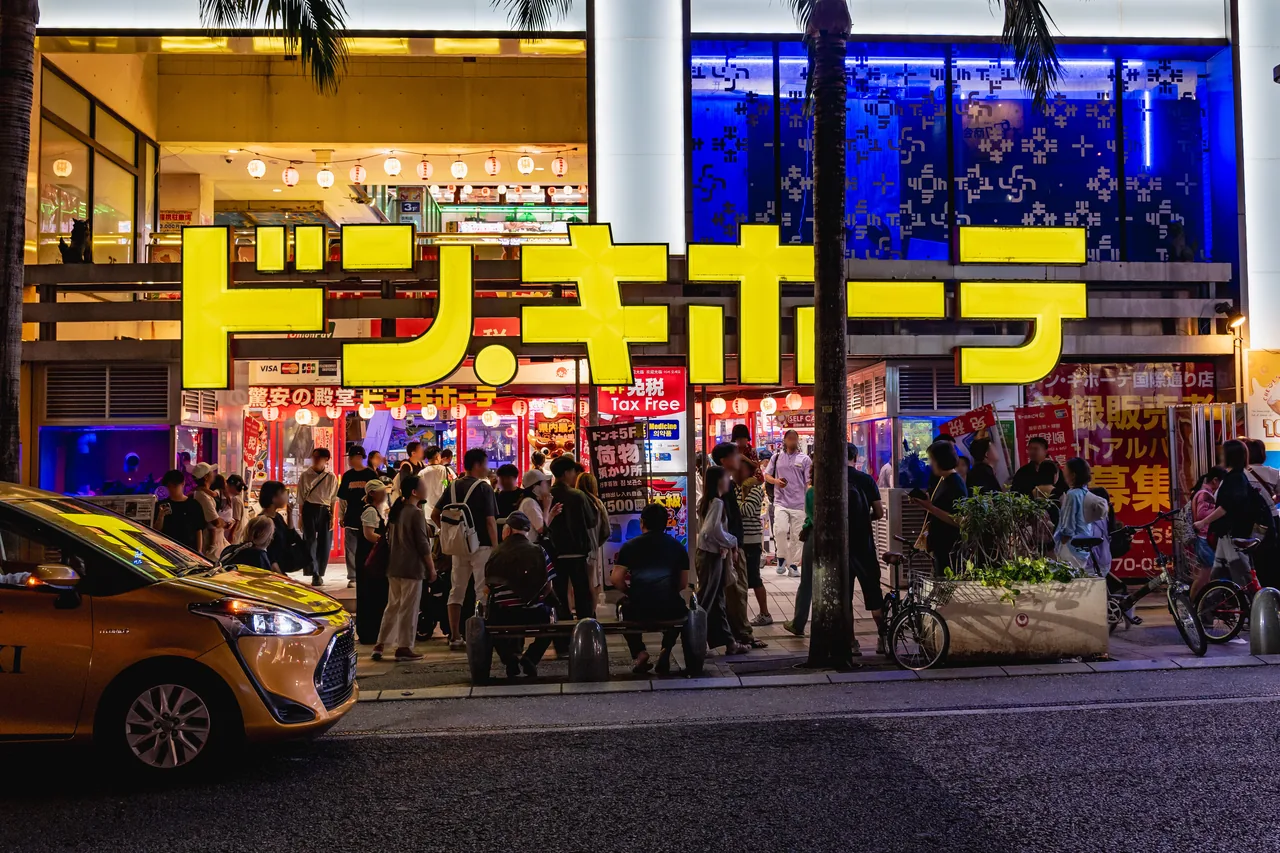
Tax-free shopping in Japan means foreign visitors can buy goods without paying Japan’s consumption tax — 10% on most items, 8% on food and drink — at licensed Tax-Free Shops (免税店), as long as you spend at least ¥5,000 (tax-excluded) per store, per day and carry your passport. It’s a genuine discount, not a gimmick: knock 10% off a ¥120,000 camera and you’ve saved ¥12,000, real money on a big purchase.
The word to watch for is “Tax-Free” or the kanji 免税 on a sticker at the door or register. Only licensed shops can do it — not every store in Japan is a tax-free store, so don’t assume. The discount applies to the national consumption tax only; there’s no separate sales tax on top in Japan, so the shelf price (plus tax) is genuinely all you pay.
This guide is the canonical English explainer, kept current because the rules change in a big way on 1 November 2026. If you’re shopping before then, you use the old in-store system; from that date, a new “refund at the airport” system takes over. We’ll cover both, clearly. For the wider trip, see our complete Japan travel guide 2026.
2. Who qualifies for tax-free shopping?
You qualify if you’re a non-resident foreign visitor on a short stay — within 6 months of entering Japan on a temporary-visitor (tourist) status — and you carry your passport when you shop. The shop scans or records your passport at purchase to confirm you’re eligible.
A few details worth getting right:
- Foreign tourists: in Japan as a short-term visitor (typically within 6 months of entry). This is the usual case — almost every leisure traveller.
- Japanese nationals living abroad: also eligible, but they must show proof of overseas residence. A Japanese passport alone isn’t enough.
- Not eligible: foreign residents of Japan (work, student or long-stay visas), and anyone who can’t show the right status. Tax-free is for people who’ll leave and take the goods with them.
3. How tax-free works NOW (until 31 October 2026)
Until 31 October 2026, Japan uses a point-of-sale exemption: you show your passport and the consumption tax is taken off in the store, so you walk out having paid the tax-free price. You don’t wait for a refund — it happens at purchase.
There are two in-store models, and which one you meet depends on the shop:
| Shop type | How you get the exemption | What you pay |
|---|---|---|
| Electronics, drugstores, Don Quijote (Bic Camera, Yodobashi, Matsumoto Kiyoshi, Donki) | A dedicated tax-free register at checkout handles it on the spot. | The tax-free price, there and then. |
| Department stores (Isetan, Takashimaya, Mitsukoshi) | Pay full price at each counter, then take your receipts to a central tax-free desk to process the exemption. | Refunded at the desk, often minus a ~1.55% handling fee — so net refund ≈ 8.45%. |
Under this system, goods split into two categories, each with its own rules:
- General goods — electronics, clothing, bags, watches. No upper limit; can be used after you leave Japan.
- Consumables — cosmetics, medicine, food, drinks. Between ¥5,000 and ¥500,000 per day, sealed in a tamper-proof bag you must not open or use in Japan, and exported within 30 days.
4. What changes on 1 November 2026: the refund reform
From 1 November 2026, Japan switches to a refund method: you pay the full tax-included price in the shop, then claim the consumption-tax refund at the airport on departure, after Japan Customs confirms you’re exporting the goods. Nothing comes off the price in-store anymore — the refund happens when you leave.
This is a real shift in how you budget and shop. Here’s the before-and-after at a glance:
| Until 31 Oct 2026 (old) | From 1 Nov 2026 (new) | |
|---|---|---|
| Where you save | In the store — pay the tax-free price | At the airport — pay full price, refund on export |
| Minimum spend | ¥5,000 tax-excluded / store / day | ¥5,000 tax-excluded / store / day (unchanged), any item type |
| General vs consumables | Two categories, different rules | Distinction abolished — one set of rules |
| Sealed tamper-proof bag | Required for consumables | Abolished |
| Consumables cap | ¥500,000 / day | Abolished |
| Export deadline | 30 days (consumables) | 90 days from purchase |
So the new system is, in some ways, simpler and more generous: no fiddly categories, no sealed bags, no half-million-yen cap, and a longer 90-day window to get the customs export confirmation. The trade-off is purely cash-flow — you front the tax and reclaim it later.
5. Why Japan changed the rules
Japan moved to a refund-at-export model to stop fraud: under the old in-store system, people bought goods tax-free and then resold them inside Japan without ever exporting them — a documented loophole worth billions of yen, especially in luxury watches and bags. Taking the discount up front made it easy to abuse.
The logic is simple. If the tax only comes off after customs sees you carrying the goods out of the country, you can’t pocket the discount and then flip the item to a buyer in Tokyo. The refund is tied to a confirmed export, which closes the loophole. It’s the same principle many other countries already use for tourist VAT refunds.
For an honest, legitimate traveller this means a little more admin at the airport, but the underlying deal — no consumption tax on what you take home — is unchanged. It’s worth knowing the why, because it also explains the parts that are stricter now: customs may want to actually see your goods (more on that below).
6. Where tourists actually shop tax-free
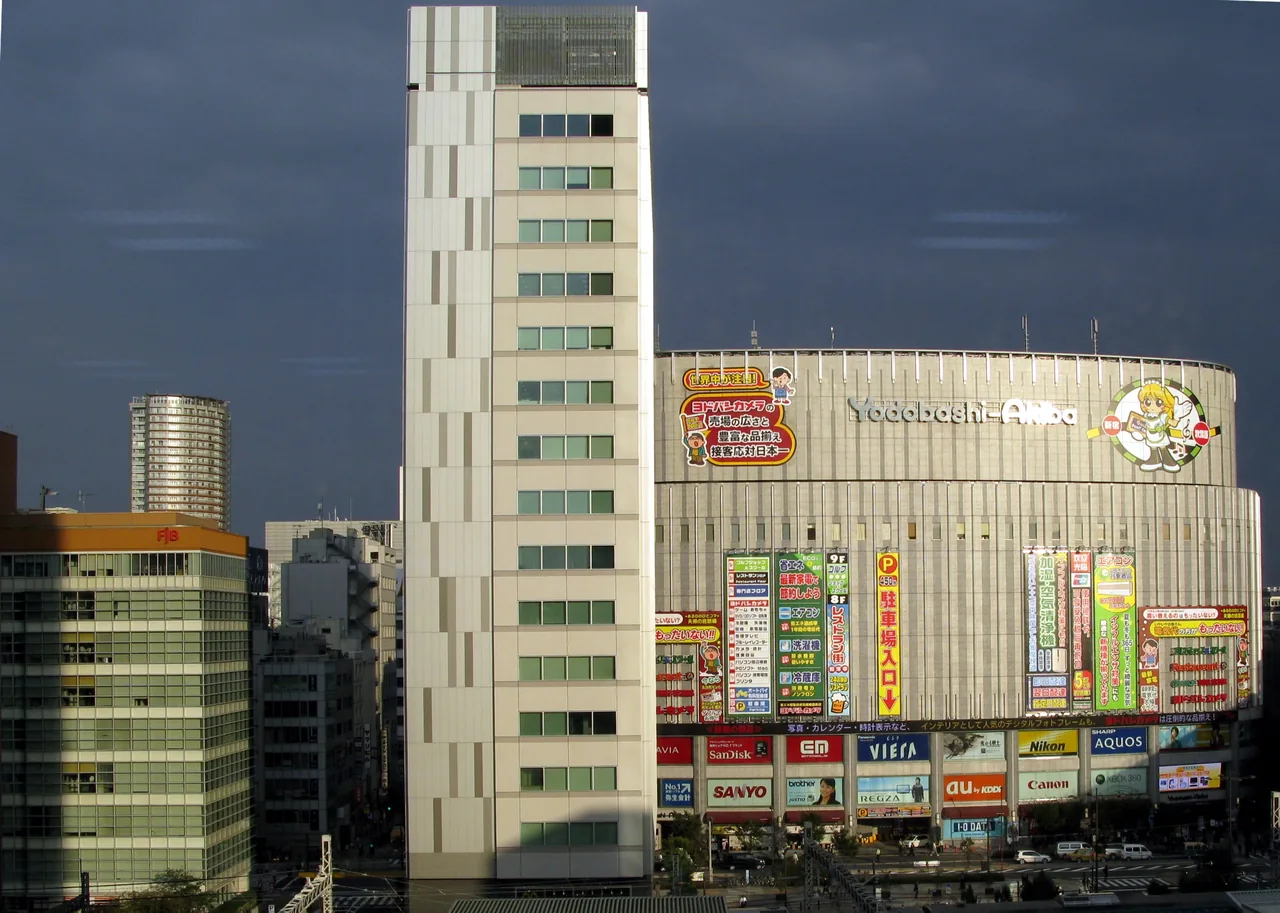
The everyday tax-free stops for visitors are Don Quijote, drugstores like Matsumoto Kiyoshi, the big electronics chains (Bic Camera, Yodobashi), department stores (Isetan, Takashimaya, Mitsukoshi), and luxury boutiques — look for the “Tax-Free” sticker at the door. Here’s the lay of the land:
Don Quijote (“Donki”)
The tourist favourite — cosmetics, snacks, souvenirs, electronics, all under one roof, often open very late. Big branches like Tokyo’s Don Quijote ShibuyaMap have dedicated tax-free counters.
Electronics megastores
Cameras, gadgets, kitchen tech. Yodobashi Camera AkihabaraMap and Bic Camera YurakuchoMap are the classics, with tax-free registers and multilingual staff.
Drugstores
Matsumoto Kiyoshi and rivals — skincare, cosmetics, medicines. Tax-free is standard once you hit ¥5,000.
Department stores & luxury
Isetan, Takashimaya, Mitsukoshi and brand boutiques. One central tax-free desk handles the whole store’s receipts.
Whole districts are built for this. Akihabara Electric TownMap in Tokyo is wall-to-wall electronics, while Shinsaibashi Shopping StreetMap in Osaka packs drugstores and department stores into one arcade, with the landmark Don Quijote DotonboriMap and its Ferris wheel a few steps away.
One thing the old hands know: at Don Quijote and many chains, a tourist coupon is applied on top of the tax-free price. The coupon (often a few percent off) is calculated on the already-tax-free price — an extra discount layered on the tax saving, not simply added to the 10%. Grab one before you shop.
If you’re basing yourself in the capital, our Tokyo travel guide maps the shopping districts — Shibuya, Shinjuku, Ginza, Akihabara — by what they’re best for. For the electronics district specifically, our Akihabara guide covers which shops sit where. Note that only 44 of the 552 branches open 24 hours and one in three sells medicine, which our Don Quijote guide breaks down along with the free discount coupon.
7. Reading the price tag: tax-included vs tax-excluded
The ¥5,000 tax-free threshold is measured on the tax-excluded price (税抜, zeinuki), not the tax-included price (税込, zeikomi) — so get the right number off the tag before you assume you’ve qualified. Japanese price tags often show both, and the bigger, bolder number isn’t always the one that counts.
| Label | Means | Use it for |
|---|---|---|
| 税抜 (zeinuki) / 本体価格 | Tax excluded | This is the figure the ¥5,000 minimum is checked against. |
| 税込 (zeikomi) | Tax included | What you actually hand over (under the new system, and at non-tax-free shops). |
Why it matters: a shelf tag might show ¥4,950 tax-excluded with ¥5,445 tax-included underneath. The tax-included number is over ¥5,000, but you don’t qualify — because the threshold is the ¥4,950 tax-excluded figure, which falls short. Add one more small item to clear ¥5,000 tax-excluded and you’re in.
8. The ¥5,000 minimum and how it’s counted
The minimum is ¥5,000 tax-excluded per store, per calendar day — and you cannot combine totals across different stores to reach it. Spend ¥3,000 at one shop and ¥3,000 at another and you get nothing; spend ¥5,000 at a single shop and you’re tax-free.
The counting rules, plainly:
- Per store, per day: the ¥5,000 is for one shop on one calendar day. Two separate ¥3,000 buys at the same shop on the same day usually combine fine — two shops don’t.
- A department store counts as one store: buy across several floors and brands inside, say, Isetan, and the central tax-free desk totals them together. That’s why department stores are easy to clear the minimum at.
- Old system, two buckets: until 31 Oct 2026, general goods and consumables each had to clear ¥5,000 on their own (and consumables capped at ¥500,000/day). From 1 Nov 2026 that split disappears — it’s one combined ¥5,000 minimum for everything.
9. At the airport under the new system (from Nov 2026)
From 1 November 2026, you’ll claim your refund at the airport on departure by showing your passport, boarding pass and purchase records to customs — and you may be asked to present the actual goods for inspection — after which the consumption-tax refund is paid back to you. No customs confirmation, no refund.
What you can plan around right now:
- Bring everything you need: passport, boarding pass, and the purchase records (receipts / digital records) for your tax-free buys.
- Keep small goods accessible: customs may want to see the items, so keep carry-on-safe purchases (electronics, clothing, glasses) in your hand luggage until they’re confirmed.
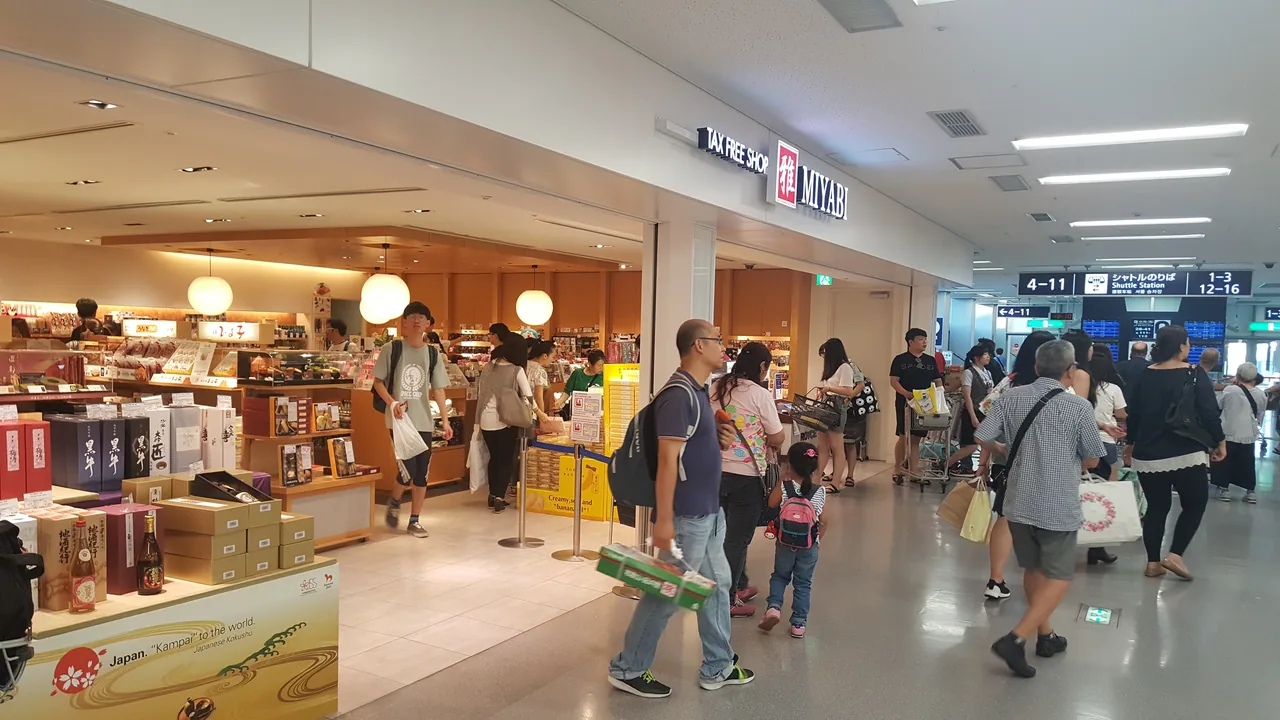
- Liquids over 100ml must be checked in: aviation security won’t let you carry sake, whisky, large cosmetics or jelly drinks through the checkpoint in your carry-on. For these, get the customs / tax-free confirmation done before you check the bag — at the airline check-in counter or the designated customs desk — then check it into the hold.
- Allow extra time: this is a new step in the departure flow — give yourself a buffer before your flight, especially at peak hours.
Honest caveat: the precise airport procedure — self-service kiosks versus manual counters — is still being rolled out and may differ by airport. We won’t pretend there’s one settled step-by-step yet. Check your departure airport’s official guidance close to your travel date, and our Japan travel guide for updates.
10. How the refund reaches you — and the fees
Under the new airport system, the refund is paid back via the shop’s or operator’s chosen method — credit card, bank transfer, or cash — and the timing varies (card refunds roughly 1–2 weeks, bank transfer often longer); the exact fees are still being finalised. So don’t expect instant cash in every case.
| Refund method | Typical timing | Notes |
|---|---|---|
| Credit card | Roughly 1–2 weeks | Lands back on the card you bought with, or a nominated card. |
| Bank transfer | Often longer | May suit larger refunds; depends on the operator. |
| Cash | Varies | Where offered — availability differs by operator and airport. |
For reference, the old in-store system already had a fee at department stores — a handling charge of about 1.55% of the pre-tax price, which is why the net refund there was nearer 8.45% rather than the full 10%. Whether and how a similar handling fee applies under the airport refund model is one of the details still being confirmed, so we’re flagging it honestly rather than quoting a number we can’t stand behind.
11. Budgeting & big-ticket buys (the Western traveller angle)
Because the new system makes you pay the full tax-included price first and refund later, big purchases — a camera, a luxury watch, designer bags, premium whisky — need real headroom on your card and patience for the refund. A ¥500,000 watch means fronting ¥50,000 of tax you’ll only see again weeks later.
Things worth thinking through before you splurge:
- Card limit: you’re charged the full amount including tax, so make sure your card has the headroom — and tell your bank you’re travelling so a large Tokyo charge doesn’t trip a fraud block. Our money, cash & cards guide covers travel cards and fees.
- Foreign-transaction fees: a no-FX-fee or multi-currency card saves you 1–3% on top — meaningful on a big purchase.
- Warranties & voltage: for electronics, check the warranty is valid in your country and the voltage/plug works at home. Tax savings don’t help if the gadget won’t run.
- Whisky and the like: premium Japanese whisky is a popular tax-free buy — just mind your home country’s customs allowance on alcohol when you land.
12. Tax-free vs duty-free vs the departure tax
These are three different things: tax-free shops refund the consumption tax on goods you export; airport duty-free shops sell already-untaxed goods (mainly liquor, tobacco, cosmetics) after security; and the departure tax is a separate fee bundled into your airfare. Mixing them up is the most common confusion, so here’s the clean version:
| Term | What it is | Where / when |
|---|---|---|
| Tax-free (免税) | Consumption tax (10% / 8%) removed or refunded on goods you take out of Japan. | In-licensed shops in town (and, from Nov 2026, refunded at the airport). |
| Duty-free | Shops selling goods already free of tax/duty — mostly liquor, tobacco, perfume, cosmetics. | At the airport, after you pass security/immigration. |
| Departure tax | The ¥1,000 International Tourist Tax — a fee, not shopping at all. | Bundled into your air or ferry ticket price. |
So tax-free is about your shopping in Japanese stores; duty-free is a category of airport shop; and the departure tax is just a line inside your airfare. For the departure tax specifics — who pays, exemptions, and the latest amount — see our dedicated Japan departure tax guide.
13. Common mistakes to avoid
The mistakes that cost people their refund are all avoidable: opening sealed consumables early, checking goods before customs confirms them, not carrying items for inspection, getting your residency status wrong, assuming every shop is tax-free, and trying to combine purchases across stores. Run through this list before you shop.
- Opening sealed consumables (old system): until 31 Oct 2026, don’t crack open the tamper-proof bag of cosmetics/snacks/whisky in Japan, or you forfeit the exemption.
- Checking goods before confirmation (new system): from 1 Nov 2026, don’t put tax-free items in your hold luggage before customs confirms the export. Keep carry-on-safe items in your hand luggage — but remember liquids over 100ml (sake, whisky, big cosmetics) can’t pass security, so get those confirmed at customs and check them in first.
- Not carrying goods for inspection: customs may ask to see the items at departure. Have them accessible, not buried or already shipped.
- Residency-status errors: foreign residents of Japan don’t qualify; tax-free is for short-stay visitors. Bring your real passport.
- Assuming every shop is tax-free: only licensed Tax-Free Shops can do it. Look for the sticker; ask if unsure.
- Combining purchases across stores: the ¥5,000 minimum is per store per day — separate shops’ receipts don’t add up.
14. Related guides
Sorted on tax-free? Here’s what pairs with it for a smooth trip.
🗺️ Japan Travel Guide 2026
The big picture — budgets, itineraries and where to base yourself.
💳 Money, cash & cards
How to pay, card-limit headroom for big buys, and avoiding fees.
🧾 Departure tax
The separate exit tax bundled into your airfare — who pays and exemptions.
🏙️ Tokyo guide
Shibuya, Shinjuku, Ginza, Akihabara — the shopping districts mapped.
📅 Best time to visit
Sale seasons when tax-free stacks with real markdowns.
📱 eSIM & data
Stay connected to check prices and refund guidance on the go.
🎫 IC cards (Suica & ICOCA)
Tap-to-pay for trains and konbini between shopping stops.