Japan in August: The Hottest Month, Typhoons, Obon — and the Festivals That Make It Worth It
August is Japan at its most extreme: brutal heat, peak typhoon season, and the Obon travel crush. It’s also the country’s greatest festival month. Here’s the honest weather and exactly how to plan around it.
| The hottest, most humid month — full stop. Cities run 32–35°C and spike to 37°C, with 70%+ humidity and warm “tropical nights.” It can feel like 40°C. Heatstroke is a genuine risk. | |
| Peak typhoon season. August and September bring the most storms; Okinawa and Kyushu are most exposed. A direct hit is still the exception, but build buffers and watch the forecast. | |
| Obon (Aug 13–16) is the big planning factor. Japan’s biggest domestic travel period — packed trains, closed businesses, peak hotel prices. Book everything weeks ahead if you’ll move regions around then. | |
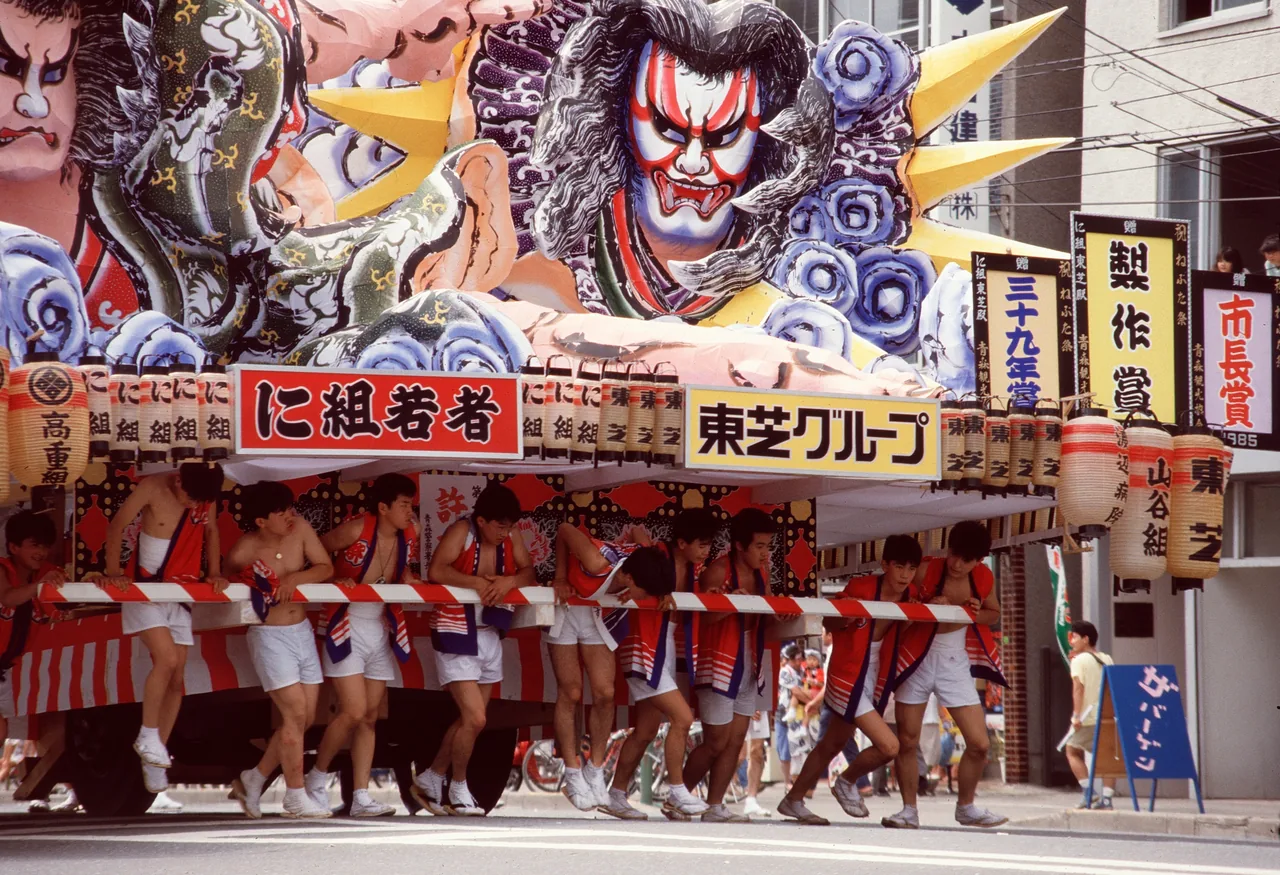
| It’s the festival peak, though. Aomori’s Nebuta, Tokushima’s Awa Odori, Sendai’s Tanabata, Kyoto’s Daimonji bonfires, and the year’s biggest fireworks all land in August. | |
| Want cool? | Hokkaido (21–26°C) and the highlands stay comfortable. Okinawa is hot with warm seas — prime beach time, typhoons permitting. |
|---|---|
1. Should you even go to Japan in August?
2. August weather, city by city (the numbers)
3. The heat: the hottest, most dangerous weather of the year
4. Beating the heat: heatstroke is a real risk in August
5. Typhoons: August is peak season
6. Obon (Aug 13–16): the travel crush you must plan around
7. The other side of Obon: lanterns, bon dances and Kyoto’s bonfires
8. August festivals: the greatest matsuri month of the year
9. Fireworks (hanabi) at their peak
10. What to pack for August
11. Escaping the heat: where to go to stay cool
12. Beaches and Okinawa in August
13. Climbing Mt. Fuji in August (the season’s almost up)
14. Crowds, prices and the best dates in August
15. Where to go in August, by what you want
16. Quick August checklist
17. What to read next
1. Should you even go to Japan in August?
Let’s be honest up front, because August divides people. It is the hottest, stickiest month of the year, it’s the peak of typhoon season, and it contains Obon — the single busiest domestic travel window in Japan. If you hate heat and crowds, this is the month to think twice about.
And yet August is also, arguably, the greatest festival month in the entire Japanese calendar. The giant illuminated floats of Aomori’s Nebuta, the all-night dancing of Awa Odori, Sendai’s streamers, Kyoto’s mountainside bonfires, and the year’s most spectacular fireworks all happen now. Add warm seas in Okinawa and cool escapes in Hokkaido, and August can be unforgettable — if you go in with your eyes open and plan around the three big factors below.
2. August weather, city by city (the numbers)
August is hot almost everywhere on the main islands — the difference is just how hot. Hokkaido is the standout exception. Here’s a typical August day; expect occasional heat waves pushing several degrees higher.
| City (region) | Typical high / low | Feel |
|---|---|---|
| Tokyo (Kanto) | ~31°C / 26°C | Hot, humid, tropical nights |
| Kyoto (Kansai) | ~34°C / 25°C | Hottest — basin heat |
| Osaka (Kansai) | ~34°C / 26°C | Very hot and sticky |
| Nagoya | ~33°C / 25°C | Muggy, frequent heat waves |
| Fukuoka (Kyushu) | ~32°C / 25°C | Hot — typhoon-exposed |
| Sapporo (Hokkaido) | ~26°C / 19°C | Warm, drier — the escape |
| Naha (Okinawa) | ~32°C / 27°C | Hot, warm seas, typhoon risk |
Two things to register. First, nights barely cool down — a “tropical night” (over 25°C) is normal in the cities, so don’t count on the evening for relief. Second, those highs hide heat waves: a run of mōshobi (days over 35°C) is common, and the humidity makes 33°C feel like 38–40°C. Hokkaido, 8–10°C cooler and far less humid, is in a different league.
3. The heat: the hottest, most dangerous weather of the year
This is the core fact of August. The rainy season is long gone, the Pacific high sits over Japan, and the result is relentless, humid heat with little nighttime relief. Two local terms tell the story: mōshobi (a “fiercely hot day” of 35°C+) and nettaiya (a “tropical night” that stays above 25°C). Both are routine in August.
The danger isn’t the number on the thermometer; it’s the humidity. At 70–80%, sweat can’t evaporate, so your body can’t shed heat — and the warm nights mean you never fully recover overnight. This is why August sends the most people to hospital with heatstroke, and why visitors who try to walk a packed temple itinerary through midday are exactly the ones who struggle.
The upside: it’s gloriously, intensely summer — deafening cicadas, brilliant skies, festivals every weekend, and the sea at a bath-warm 29–30°C. You just have to plan around the heat rather than through it, which is the next section.
4. Beating the heat: heatstroke is a real risk in August
Take this seriously — August is the peak month for heatstroke (netchūshō) in Japan. The good news is that it’s very preventable with a few habits.
- Hydrate before you’re thirsty — water plus electrolytes. Pocari Sweat, OS-1 and salt candy are in every konbini; sip constantly.
- Re-time your day. Sightsee outdoors early morning and after 5pm; spend the 11am–4pm peak indoors — museums, department stores, aquariums, cafés, the konbini.
- Gear up for a few hundred yen. Convenience stores and Don Quijote sell handheld fans, neck coolers, cooling wipes and sprays; a frozen drink doubles as an ice pack.
- Dress for it: light, loose, breathable, plus a hat and a parasol (used by everyone here — not fussy).
- Know the warning signs — dizziness, headache, cramps, nausea, or suddenly not sweating. Get to shade/AC, cool the neck and armpits, and drink fluids fast. Watch children and older travellers closely.
Japan’s hospitals are excellent but not free to visitors, and August stacks the odds with heatstroke and typhoon disruption. A short travel-insurance plan is cheap cover for both.
5. Typhoons: August is peak season
If July’s weather risk was the rainy-season tail, August’s is the typhoon. August and September are the peak, producing the year’s strongest storms. A direct hit on your exact dates is still the exception — but the odds are real, so this is the month to plan with a buffer.
- Geography matters. Typhoons track up from the south, so Okinawa is most exposed (roughly a couple of approaches a month in August), followed by Kyushu and Shikoku. Tokyo and the north are hit less often. If your trip is beach-and-islands in the south, treat a flexible day as essential.
- Trains and flights pause, then resume. Ahead of a big storm, shinkansen and flights pre-emptively suspend (a keikaku unkyū, planned shutdown), then restart quickly once it passes. It’s orderly, not chaotic.
- Have an indoor day ready — aquarium, museum, onsen, shopping, a long lunch. A typhoon usually blows through in a day or two.
- Don’t book tight connections in August, especially a same-day island-to-flight-home hop. Leave slack.
6. Obon (Aug 13–16): the travel crush you must plan around
This is the most important practical thing about August. Obon is a Buddhist period when families return to their hometowns to honour their ancestors — and it triggers the single largest domestic travel movement of the Japanese year, alongside New Year and Golden Week.
The core dates are August 13–16, but the travel chaos is wider: the rush builds from around August 8 and runs to about August 18, with the homecoming peak near August 10–11 and the “U-turn” back to the cities around August 15–16.
- Trains and flights are packed. Shinkansen reserved seats sell out, and unreserved cars get standing-room only. If you must travel between regions in this window, book reserved seats the moment they open (one month ahead).
- Hotels are full and pricey. Prices peak and availability vanishes across the country. Lock in accommodation weeks in advance.
- Smaller businesses close. Many family-run restaurants, shops and even some attractions shut for a few days around the 13th–16th. Big chains, department stores and tourist sites stay open.
- Cities can actually quieten. As locals leave Tokyo and Osaka for the countryside, the big cities sometimes feel a little emptier — pleasant, if everything you want is still open.
7. The other side of Obon: lanterns, bon dances and Kyoto’s bonfires
Obon isn’t only logistics — it’s one of the most atmospheric times to be in Japan. Beyond the crowds, this is a gentle, beautiful festival of remembrance.
- Bon Odori — community dances held in parks and shrine grounds across the country through mid-August, with everyone in yukata circling a central tower. Visitors are welcome to join; just follow along.
- Tōrō nagashi — paper lanterns floated down rivers and out to sea to guide ancestors’ spirits home. Quietly moving to watch.
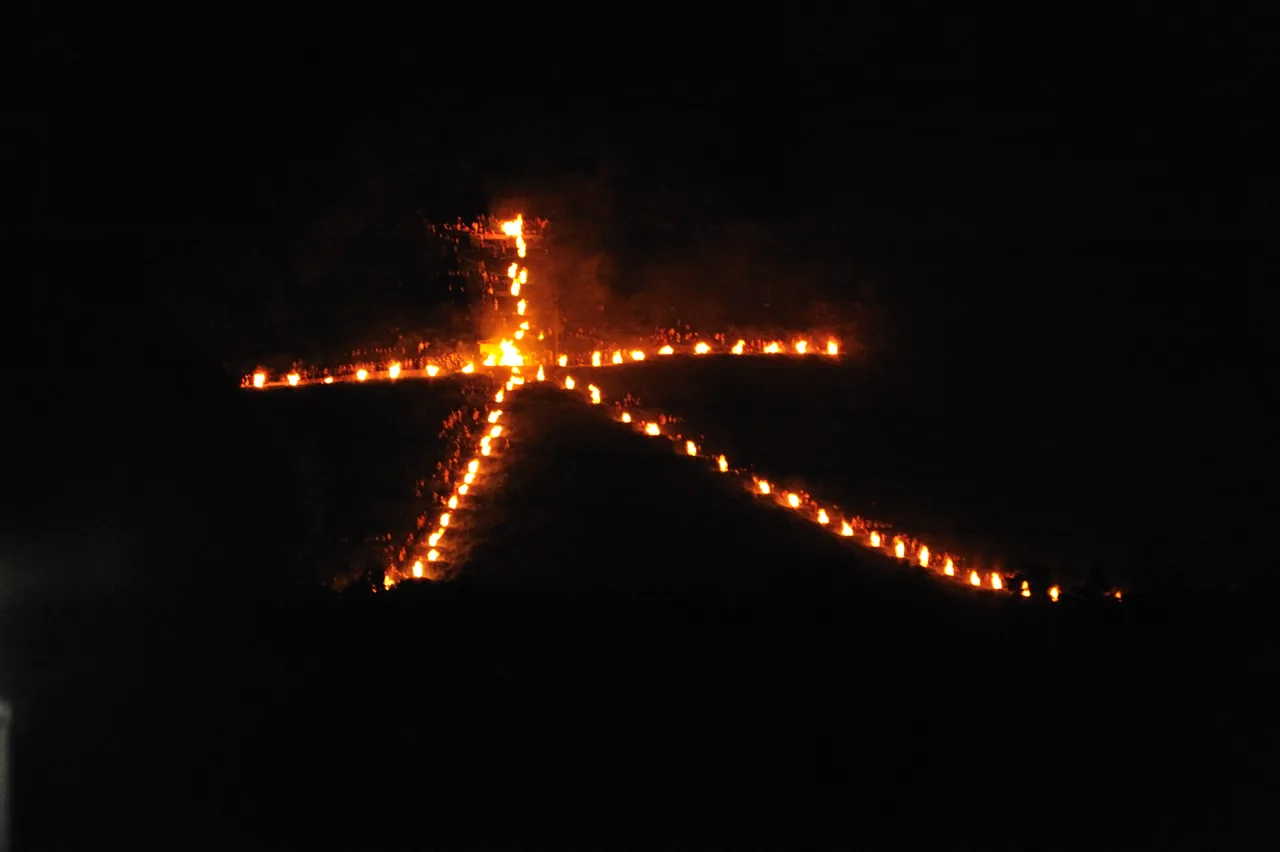
- Gozan no Okuribi (Daimonji) Daimonji KyotoMap — on the night of August 16, giant kanji and shapes are set ablaze on five mountainsides around Kyoto to send the spirits off. It’s one of the city’s most famous sights, visible from rooftops and riverbanks across town.
At any of these, a little etiquette goes a long way — quiet respect, no flash where asked. Our manners guide has the essentials.
8. August festivals: the greatest matsuri month of the year
If you build one trip around Japanese festivals, make it August. The northern Tōhoku region in particular hosts a run of spectacular matsuri in the first week, and they’re worth the journey.
- Aomori Nebuta Matsuri Aomori StationMap: Aug 2–7. Enormous illuminated paper floats of warriors and gods are hauled through the streets at night to chanting and drums, finishing with a sea parade and fireworks. Japan’s most dazzling float festival.
- Akita Kantō Matsuri Akita StationMap: Aug 3–6. Performers balance 12-metre bamboo poles hung with dozens of glowing lanterns on their foreheads, hips and shoulders. Astonishing skill.
- Sendai Tanabata Matsuri Sendai StationMap: Aug 6–8. The country’s grandest Tanabata, with the whole downtown draped in vast, colourful streamers (Sendai keeps the old lunar-calendar date, a month after July 7).
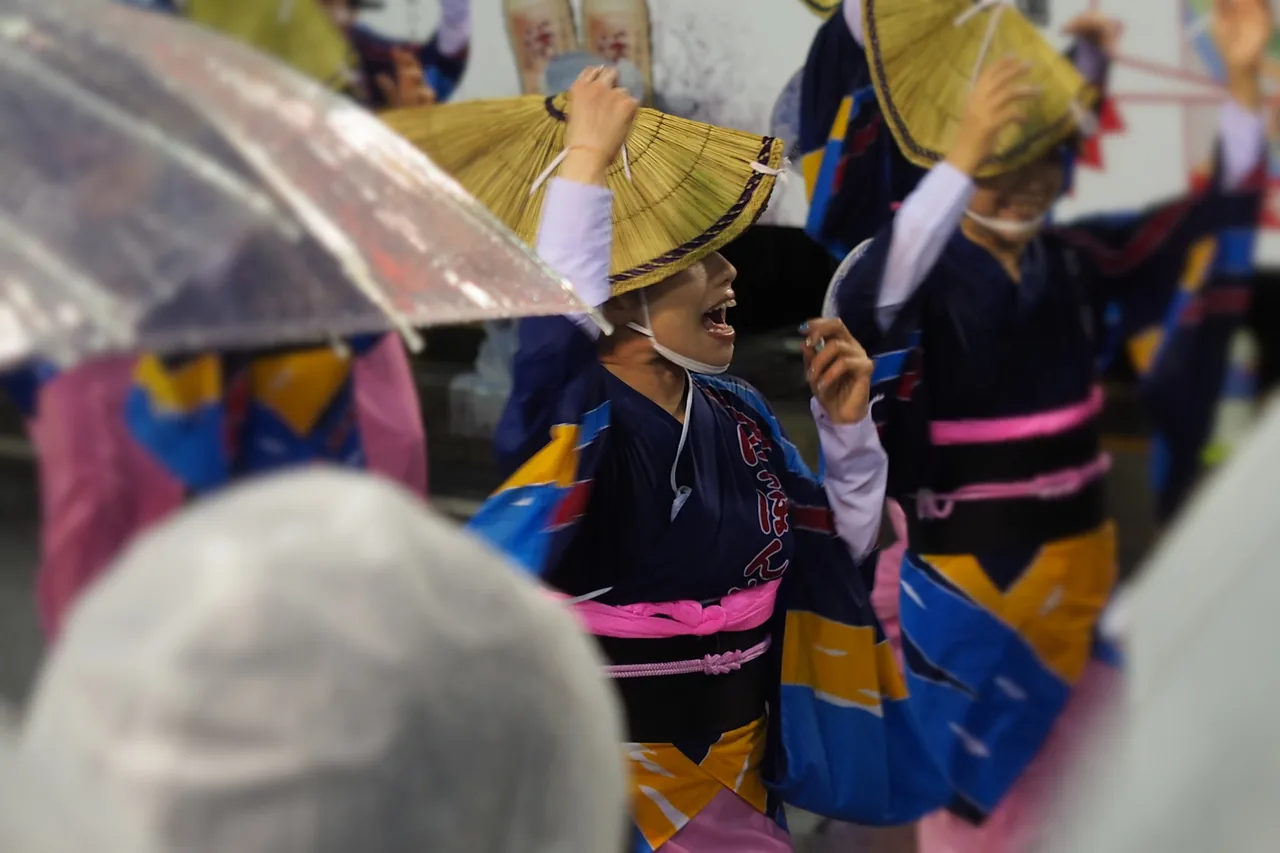
- Awa Odori Tokushima StationMap: Aug 12–15, Tokushima. Japan’s most famous dance festival — tens of thousands of dancers fill the streets to an infectious two-beat rhythm. (A big offshoot runs in Tokyo’s Kōenji on Aug 23–24.)
9. Fireworks (hanabi) at their peak
August is the absolute height of hanabi season — barely a weekend passes without a fireworks festival somewhere, and these are some of the largest displays on earth.
- Nagaoka Festival Fireworks Nagaoka NiigataMap: Aug 2–3, Niigata — one of Japan’s three greatest fireworks shows, famous for its enormous “Phoenix” sequence over the river.
- City and riverside shows run all month across the country — many of the festivals above end with major fireworks, and most towns hold their own. Ask at your hotel for the local one.

10. What to pack for August
Pack for extreme heat and humidity, sudden typhoon rain, and aggressively cold indoor AC.
- Light, breathable, quick-dry clothes — and more tops than you think; you’ll sweat through them daily.
- A compact umbrella for both sun and typhoon downpours, plus high-SPF sunscreen, sunglasses and a hat.
- A thin layer for cold trains, malls and restaurants.
- Comfortable, slip-off shoes (temples, ryokan and some restaurants — see our etiquette guide), plus sandals for the beach.
- A refillable water bottle, a portable fan and a small towel — the summer survival trio. Buy cooling wipes and a neck cooler locally.
- A yukata is rentable on the spot near festivals, so no need to pack one.
11. Escaping the heat: where to go to stay cool
August is when a cool destination pays off most. Head north or up, and you swap 34°C-and-humid for genuinely pleasant. Karuizawa is the closest of these to Tokyo, about an hour on the Shinkansen, and the one that was built as a summer retreat in the first place: Karuizawa travel guide.
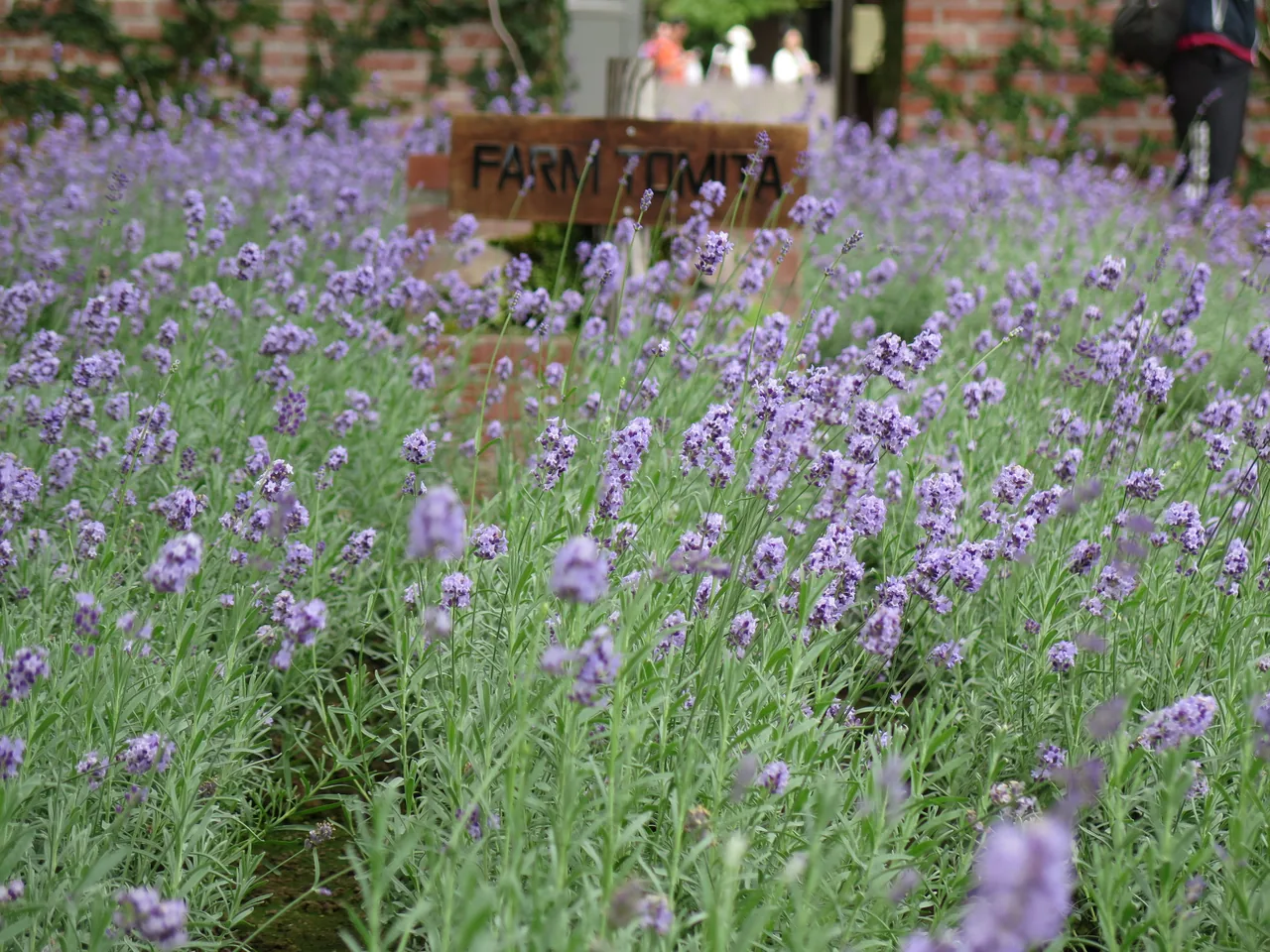
- Hokkaido — around 21–26°C and far less humid. Sapporo, the lakes, the national parks; lavender at Furano Farm Tomita FuranoMap lingers into early August.
- Kamikōchi KamikochiMap — a cool alpine valley in the Northern Alps, green and walkable, easy from Matsumoto or Takayama.
- Karuizawa KaruizawaMap — the leafy highland resort an hour from Tokyo by shinkansen; Tokyoites’ classic summer escape.
- Hakone & Nikkō HakoneMap — onsen, lakes and forest at altitude, noticeably cooler and easy from Tokyo.
If you’re covering ground between these, check whether a JR Pass or regional pass pays off — and remember to reserve seats early if your travel touches the Obon window.
12. Beaches and Okinawa in August
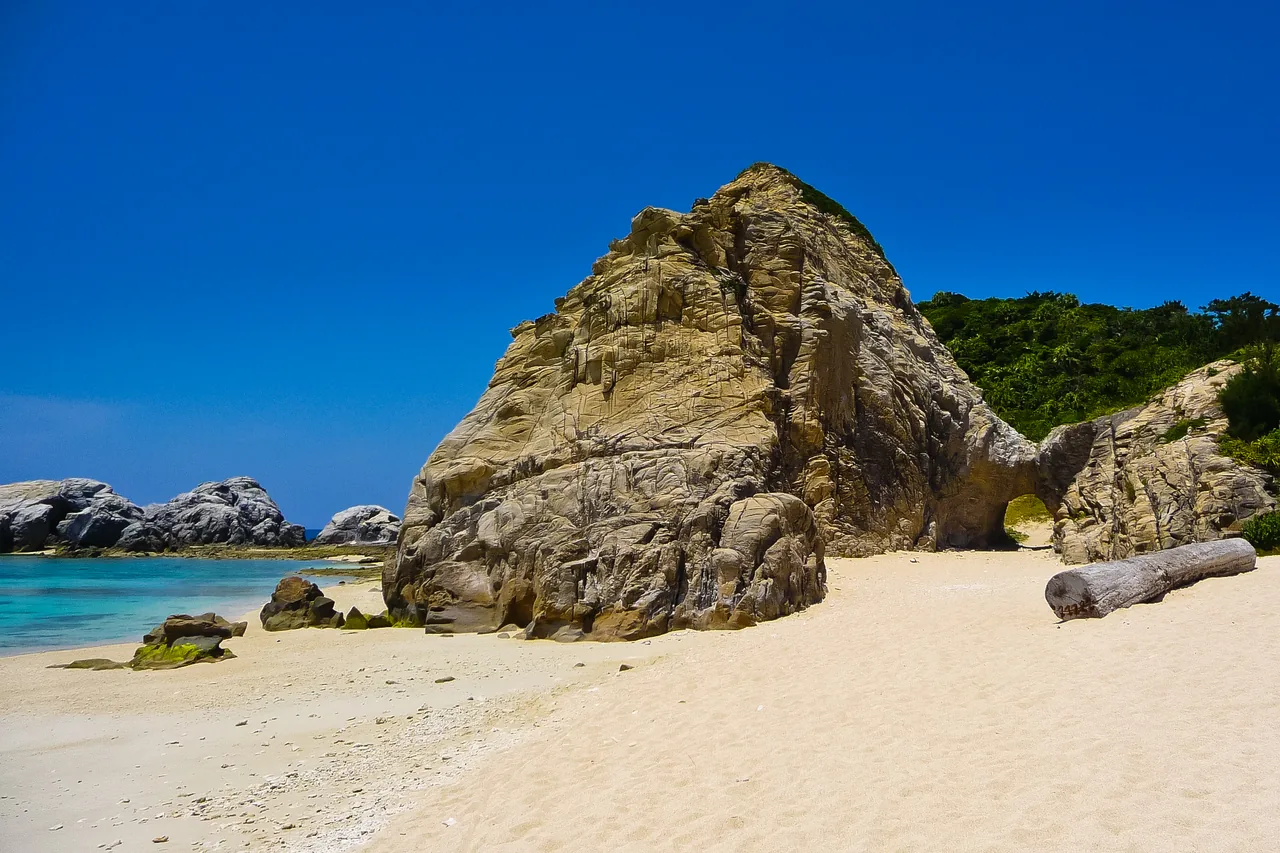
August is prime beach season. The sea is at its warmest of the year (around 29–30°C), and Okinawa delivers white sand, coral and sunshine. Mainland beaches near the big cities are busy and fun too.
- The catch is typhoons. Okinawa sees the most storm approaches now, and a typhoon can ground flights and ferries for a day or two. Build in a flexible day and don’t book non-refundable island-hop connections too tightly.
- Sun and sea are intense — reef-safe high-SPF sunscreen, a rash guard, and plenty of water. The midday sun on the water is no joke.
- It’s domestic peak too, so Okinawa resorts fill up and prices rise around Obon and the school holidays. Book ahead.
13. Climbing Mt. Fuji in August (the season’s almost up)
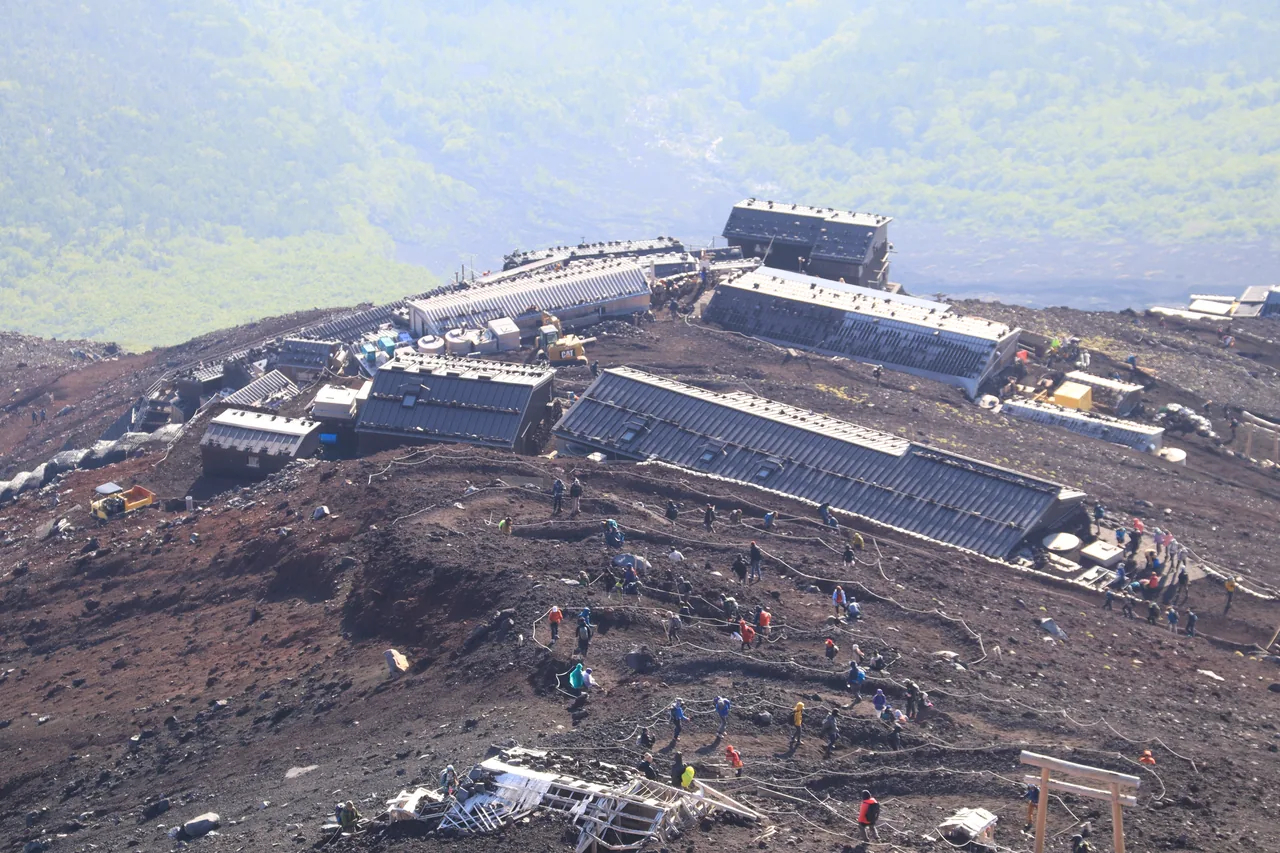
Mt. Fuji Mount Fuji Yoshida 5th StationMap is still climbable in August — the season runs to early September — but two things to know. First, Obon week (mid-August) and weekends are the most crowded of the whole season, with congested trails and full huts. Second, it’s regulated: a climbing fee (around ¥4,000), a daily cap on the Yoshida Trail, and a mountain-hut reservation required to pass the overnight gate.
- Reserve your slot and hut well ahead, and avoid the Obon dates if you can — aim for early or late August on a weekday.
- It’s cold up top even now — near freezing at the summit at dawn. Real layers, headlamp, gloves and rain gear, and check the typhoon forecast before you set off.
- Not climbing? The Fuji Five Lakes (Kawaguchiko) give you the view without the climb, and run cooler than the cities.
14. Crowds, prices and the best dates in August
August has two distinct crowd waves. Knowing them lets you dodge the worst.
- Obon (around Aug 10–18) is the spike — packed transport, peak prices, some closures. Avoid moving between regions then if you can.
- School summer holidays run the whole month, so domestic family travel, beaches and theme parks stay busy throughout, easing a little toward the end of August.
- Early August (before the Obon rush) and the very end of the month are the calmer, better-value windows — though late August also nudges up the typhoon odds.
15. Where to go in August, by what you want
Match the trip to what you’re after — it really pays off this month.
🏮 Festivals
Head to Tōhoku in the first week for Nebuta, Kantō and Sendai Tanabata, or Tokushima (Awa Odori) and Kyoto (Daimonji) mid-month. Book early.
❄️ Beat the heat
Hokkaido or the highlands — Kamikōchi, Karuizawa, Hakone. Cool, green, and a relief from the cities.
🏖️ Beach & sea
Okinawa: warmest seas of the year, prime beaches — just keep a flexible day for typhoons.
🎆 Fireworks
Almost every weekend, everywhere — from giant shows like Nagaoka to your neighbourhood riverbank.
Whichever you choose, the rest of the planning — getting around, money, and a first-trip route — is in the guides below and the complete Japan travel guide.
16. Quick August checklist
Pin this before you go:
- ☑️ Packed for extreme heat + humidity + typhoon rain: light breathable clothes, compact umbrella, sunscreen, hat, a layer for AC.
- ☑️ A heat kit: water bottle, portable fan, cooling wipes/neck cooler (buy locally), electrolytes.
- ☑️ Checked the Obon dates (Aug 13–16) and either avoided region-hopping then or reserved trains/hotels weeks ahead.
- ☑️ Built a flexible buffer day for typhoons, especially in Okinawa/Kyushu.
- ☑️ Booked early for any festival (Nebuta, Awa Odori, Sendai) or Mt. Fuji slot — and avoided the Obon climbing peak.
- ☑️ Sorted data for typhoon alerts and a little cash for festival stalls.
- ☑️ Travel insurance in place for heat and storm what-ifs.
Wondering how August compares to other months? See our guide to the best time to visit Japan, the gentler cousin Japan in July, and the cooler month that follows, Japan in September.
17. What to read next
Planning an August trip? These slot in right after the weather.
🌦️ Japan in July
The other summer month — rainy-season tail, slightly less heat.
🍁 Japan in September
The month after — typhoon peak early, then a cool, great-value sweet spot.
📅 Best time to visit
How August stacks up against the rest of the year.
🚄 JR Pass & Shinkansen
Reserving seats around the Obon crush.
📱 eSIM & data
Live typhoon alerts the moment you land.
💴 Cash vs cards
Cash for festival stalls, cards for the rest.
🗺️ Japan Travel Guide
Where to go, how long, and a first-trip route.