
Where to Stay in Nagoya: 6 Best Areas & 30 Hotels Compared
Meieki, Sakae, Fushimi, Kanayama, Osu or out by the theme parks — which Nagoya area actually fits your trip, decided by how you’ll use the city rather than by which neighbourhood photographs best.
| Best all-round | Meieki (Nagoya Station). Five rail operators under one roof, and almost everything here starts with a train. |
|---|---|
| Best evenings | Sakae. The station area empties once commuters leave; the restaurants and bars are here. |
| Best value | Kanayama. Cheaper than the centre, four lines cross, and it’s a stop closer to Centrair (¥910 vs ¥980). |
| Check dates first | Asian Games 19 Sep – 4 Oct 2026, Para Games 18–24 Oct. Rooms normally ¥8,000 were reported at ¥20,000–30,000. |
| Lodging tax | none in Nagoya city. Only Tokoname, where the airport is, charges ¥200 per person per night. |
| Theme parks | don’t. One hotel at LEGOLAND, one near Ghibli Park — stay central and ride out. |
1. The short answer: which Nagoya area is right for you?
2. Before anything else: check your dates against the Asian Games
3. The three questions that actually decide where you stay
4. How Nagoya fits together: the triangle you’re choosing inside
5. The six areas side by side
6. Meieki (Nagoya Station): the default, and usually the right one
7. Sakae: where Nagoya actually has an evening
8. Fushimi & Nayabashi: the quiet compromise most people overlook
9. Kanayama: cheaper, well connected, and closest to the airport
10. Osu & Kamimaezu: cheapest central base, with a caveat
11. Should you stay next to the theme parks? Usually not
12. What a room really costs: no lodging tax in Nagoya
13. Booking Nagoya well: timing, and what to check before you pay
14. The decision matrix: pick your traveller type
15. Planning the rest of your Nagoya trip
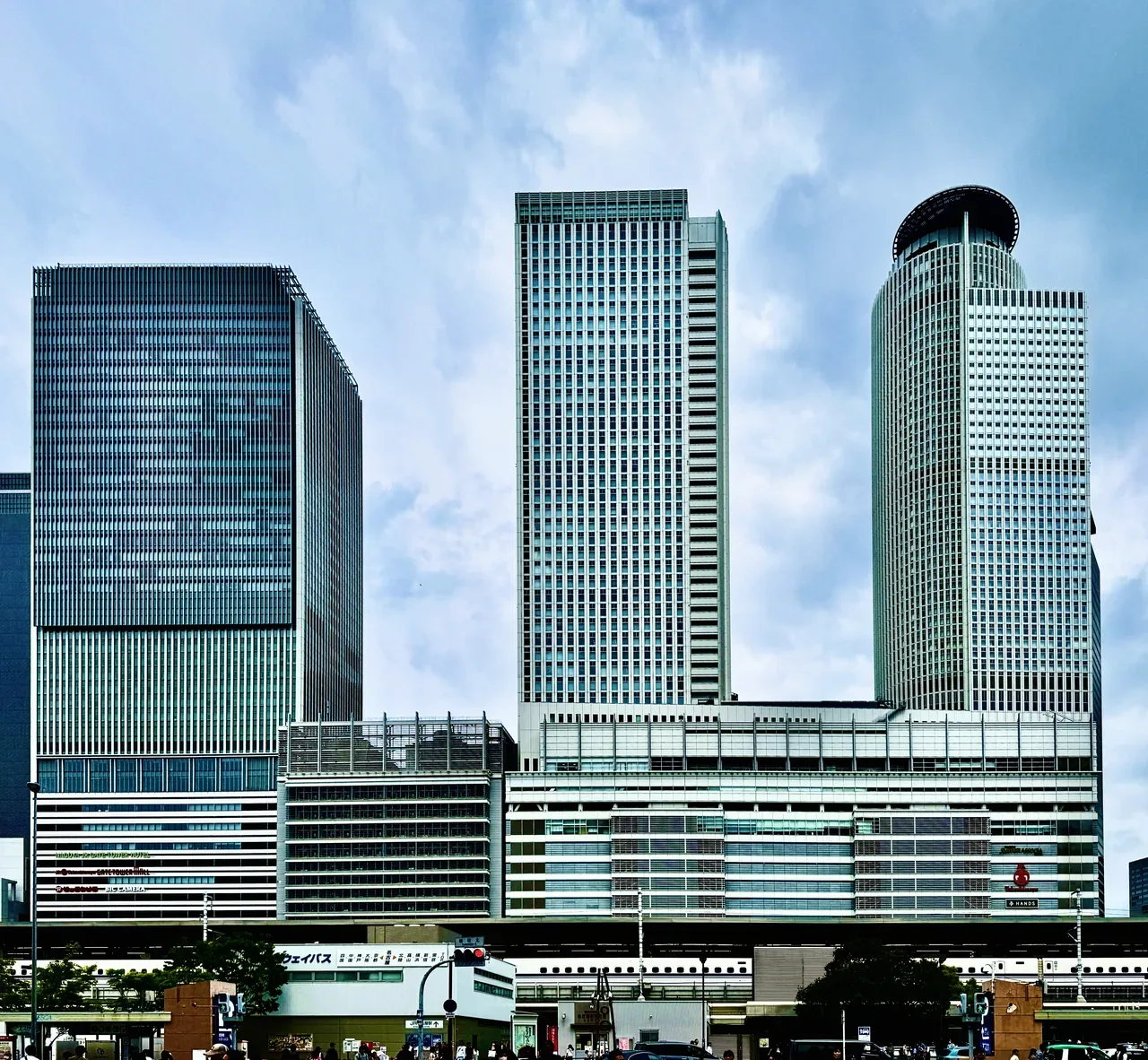
1. The short answer: which Nagoya area is right for you?
Stay in Meieki if you want the easiest trip, Sakae if you want an evening worth walking out into, and Kanayama if you want to spend less or catch an early flight. Those three cover perhaps nine out of ten visitors, and the gap between them is small enough that none of them is a mistake.
Nagoya rewards a different instinct than Kyoto or Osaka. There is no single atmospheric quarter you’ll regret missing, and the city’s attractions are scattered — the castle north, Atsuta south, Ghibli Park a genuine 50 minutes east. What matters is which station you can reach on foot with luggage, and which subway lines actually stop there.
Read the table as a menu, then jump to the area sections for the honest detail, drawbacks included.
| Area | In three words | Best for | Mid-range/night | Evening life | First-timer? |
|---|---|---|---|---|---|
| Meieki (Nagoya Station) | Connected, practical, busy | Hub trips, day trips, heavy luggage | ¥12,000–25,000 | Quiet after commuters leave | ★ Great (safest pick) |
| Sakae | Downtown, lively, social | Food, bars, shopping, first visits | ¥11,000–24,000 | The liveliest in the city | ★ Great |
| Fushimi & Nayabashi | Central, calm, business | Walking to both cores for less | ¥10,000–20,000 | Restaurants, few bars | ◎ Good |
| Kanayama | Cheap, transfers, low-key | Budget, early flights, longer stays | ¥8,000–15,000 | Local izakaya, little else | ◎ Good |
| Osu & Kamimaezu | Scruffy, cheap, fun | Backpackers, apartments, self-catering | ¥5,000–12,000 | Street food, closes early | △ Fine if you travel light |
| Theme parks | Isolated, specific, quiet | Rope-drop mornings with kids | ¥15,000–35,000 | Essentially none | ✕ Only for a reason |
Prices are rough guides for a mid-range double in normal season. Two things move them hard: the Asian Games period, and Nagoya’s convention calendar — this is a business and trade-fair city, so midweek can cost more than the weekend, the reverse of most tourist destinations.
2. Before anything else: check your dates against the Asian Games
If your trip touches 19 September – 4 October 2026, or 18–24 October, book now or plan around it. Nagoya is hosting the Asian Games and then the Asian Para Games, and accommodation is the single biggest practical problem those dates create.
Aichi and Nagoya are hosting the 20th Asian Games, with the opening and closing ceremonies at Paloma Mizuho Stadium in Nagoya. The Asian Para Games — the fifth edition, and the first ever held in Japan — follow in late October. Events are spread across more than twenty cities in the prefecture, with some as far as Gifu, Shizuoka, Osaka and Tokyo.
What makes this unusual is that the organisers did not build an athletes’ village. Instead, the cruise ship Costa Serena is berthed at Kinjo Pier housing roughly 4,000 athletes, temporary timber villas went up at the Port of Nagoya’s Garden Pier, and around fifty to a hundred existing hotels were block-booked for the remaining officials — roughly 12,000 accredited people in total.
So you have three honest options. Book immediately and accept the price, if the dates are fixed. Stay outside the city — Gifu, Toyohashi and Ichinomiya are all comfortable commutes and were already expected to absorb the overflow. Or move your trip.
If you’re flexible and want autumn, 5–17 October is the gap between the two events. Foliage season is just beginning, the games crowd has gone home, and the Para Games surge hasn’t started. It is the single best-value window in an otherwise brutal autumn.
3. The three questions that actually decide where you stay
Forget neighbourhood character for a moment. In Nagoya, three practical questions settle the choice, and they take about a minute to answer.
1. Are you using Nagoya as a base, or visiting Nagoya? If you’re day-tripping to Takayama, Kyoto, Ise or Gifu, or continuing on the Shinkansen, the walk to Nagoya Station with a suitcase is the thing you’ll repeat most. Stay in Meieki. If Nagoya itself is the trip, that advantage mostly evaporates and you should optimise for evenings instead.
2. Do you want somewhere to go after dinner? This is where Nagoya surprises people. The station area is a commercial district: it’s dense and impressive by day and noticeably flat by 21:00. Sakae is where the city actually stays up. If you like walking out of your hotel and finding somewhere, that difference matters more than five minutes on a train.
3. How early is your flight, and how tight is your budget? Both point the same direction. Kanayama is cheaper than the centre and is a stop closer to Chubu Centrair, which almost nobody mentions.
| If this is you… | Stay here | Why |
|---|---|---|
| Day-tripping the region, or passing through | Meieki | Every line you need is under one roof |
| First visit, want food and atmosphere | Sakae | The only area with a real evening |
| Want both, willing to walk a little | Fushimi | Between the two, cheaper than either |
| Budget-conscious or flying out early | Kanayama | Lower rates, four lines, airport train stops |
| Backpacking, or staying a week-plus | Osu | Hostels and apartments with kitchens |
| Small children, LEGOLAND or Ghibli is the trip | Theme parks | Only if you want the first hour of the day |
4. How Nagoya fits together: the triangle you’re choosing inside
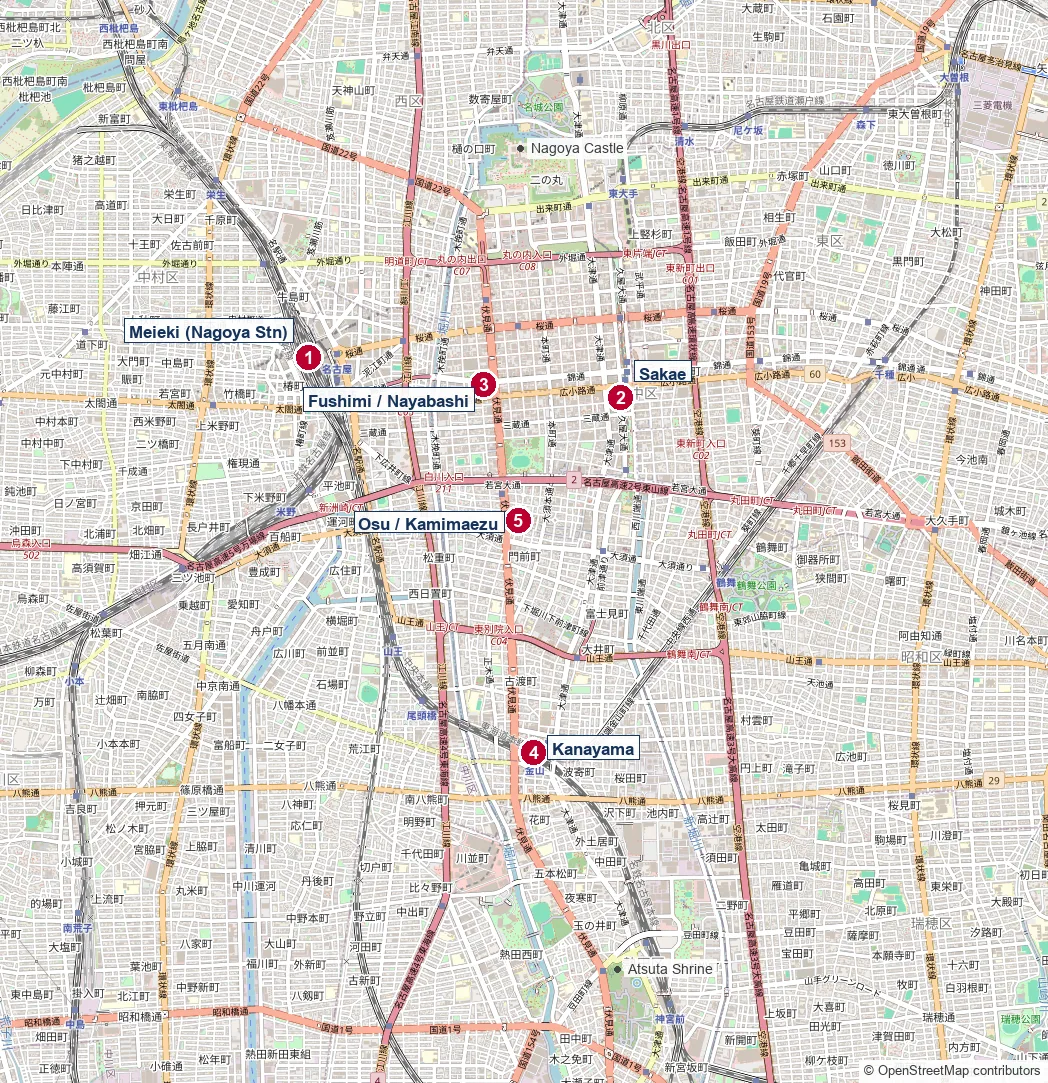
Nagoya’s centre is a triangle: Nagoya Station west, Sakae east, Kanayama south. Each side is about five minutes by subway, and almost every hotel worth considering sits on or inside it.
Nagoya StationNagoya Station, Nagoya and Sakae Sakae Station, Nagoya sit roughly two kilometres apart, joined by the Higashiyama subway line — five minutes, or a twenty-five minute walk through Fushimi if the weather is kind. Kanayama Kanayama Station, Nagoya closes the triangle to the south, about five minutes from either.
There’s one piece of local knowledge that changes hotel decisions more than anything else in this guide, and most visitors learn it too late.
Worth knowing too: Nagoya Station is one of Japan’s most complex interchanges, with JR Central, Meitetsu, Kintetsu, the subway and the Aonami Line all in one complex. Transfers are a real walk, not a same-platform step — allow 10–15 minutes from the Shinkansen to the Higashiyama line, around 20 to Meitetsu.
The two theme-park areas sit well outside the triangle: Kinjo-futo, home to LEGOLAND and the SCMAGLEV and Railway Park, is about 24 minutes south-west on the Aonami Line, and Ghibli Park is about 50 minutes east in Nagakute. Both are covered below, and both are usually better as day trips than as places to sleep.
5. The six areas side by side
Here is the whole decision on one screen. The last two columns are the ones people underestimate — evening life, and how far you are from the station you’ll actually use most.
| Area | Character | To Nagoya Stn | To Centrair | Price level | Watch out for |
|---|---|---|---|---|---|
| Meieki | Transit core, towers, department stores | — | 28 min μ-SKY / ¥1,430 | ¥¥¥ | Quiet at night; station walks are long |
| Sakae | Downtown, nightlife, parks | 5 min subway | ~35 min via Kanayama | ¥¥¥ | Some blocks noisy at weekends |
| Fushimi | Offices, river, restaurants | 3 min subway / 15 min walk | ~35 min via Kanayama | ¥¥ | Dead on Sundays |
| Kanayama | Interchange, local, unpolished | 5 min | 24 min μ-SKY / ¥1,360 | ¥¥ | Little to see in the area itself |
| Osu | Arcades, second-hand, street food | 10 min via Kamimaezu | ~35 min | ¥ | Mostly apartments and hostels |
| Theme parks | Purpose-built, isolated | 24–50 min | Awkward from both | ¥¥¥ | Almost no dinner options |
Rate links in the hotel tables are Trip.com affiliate links — we may earn a small commission at no extra cost to you, and it’s always worth comparing the live price for your dates before booking.
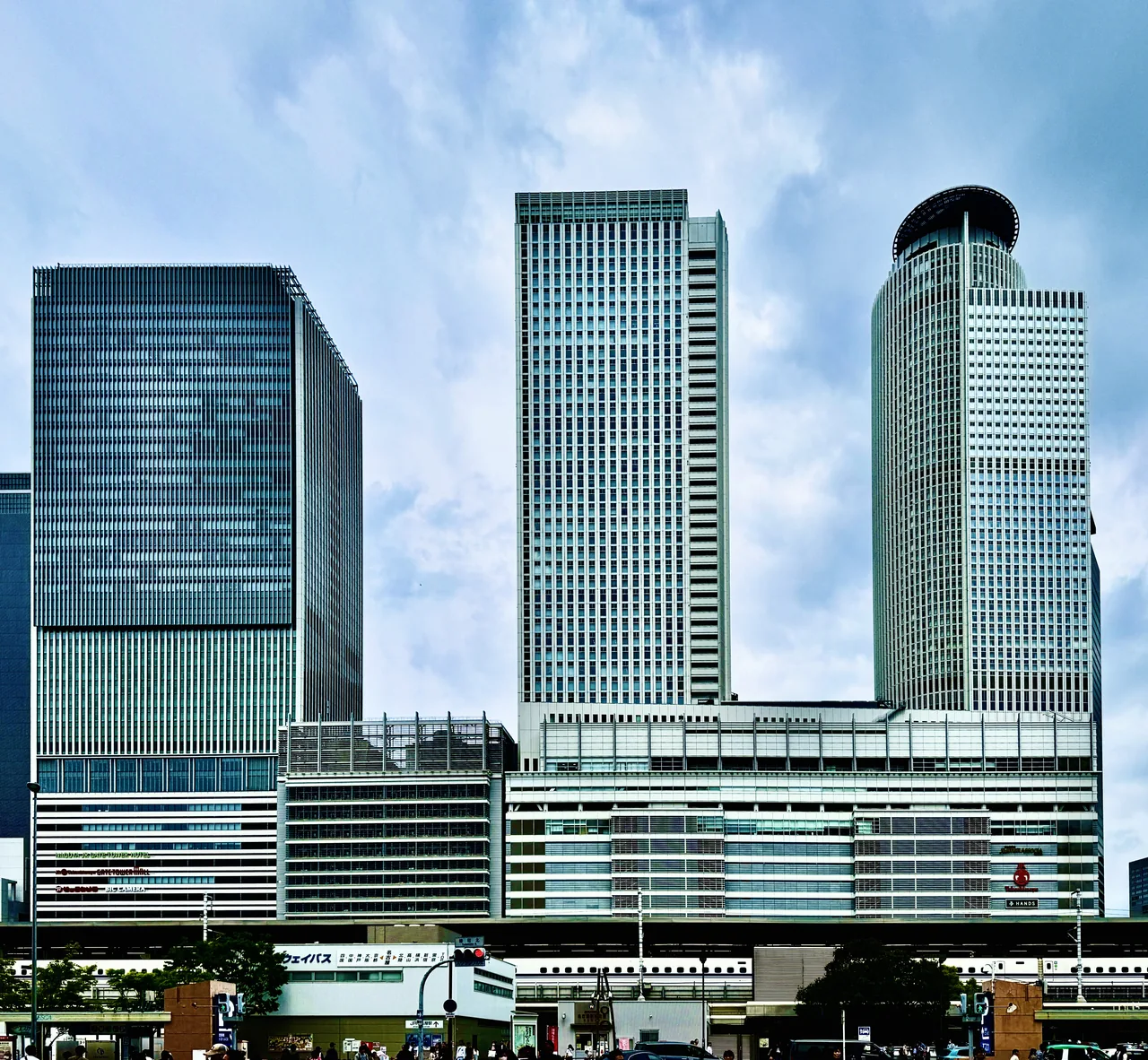
6. Meieki (Nagoya Station): the default, and usually the right one
At a glance: five rail operators under one roof, and since nearly everything you’ll do here begins with a train, that single fact outweighs the area’s lack of charm.
Stay here if you’re day-tripping to Takayama, Kyoto or Ise, continuing on the Shinkansen, arriving late or leaving early, or travelling with luggage you’d rather not drag across town. Skip it if you want to walk out of your hotel into somewhere lively — this district works for you by day and goes quiet at night.
The area is officially Meieki, and locally that’s what people call it. Above the station sit the JR Central Towers and Midland Square, whose 46th-floor Sky Promenade is Japan’s highest open-air observation deck. Underneath is a sprawl of underground shopping that genuinely takes a day or two to stop getting lost in.
| Hotel | Style | Price band | Position | Photos & rates |
|---|---|---|---|---|
| Nagoya Marriott Associa Hotel | Luxury | ¥¥¥¥ | Inside JR Central Towers, station-connected | 📷 Photos, check price |
| Nagoya JR Gate Tower Hotel | Upper/full-service | ¥¥¥ | Directly above the station | 📷 Photos, check price |
| Nagoya Prince Hotel Sky Tower | Upper/design | ¥¥¥ | Sasashima Live, 31st floor and up | 📷 Photos, check price |
| The Strings Hotel Nagoya | Upper/quiet | ¥¥¥ | Sasashima Live, one stop out | 📷 Photos, check price |
| Four Points Flex by Sheraton Nagoya Station | Mid, international | ¥¥ | West of the station | 📷 Photos, check price |
| Meitetsu Inn Nagoya Ekimae | Business | ¥¥ | Short walk, Meitetsu side | 📷 Photos, check price |
Who each suits: the Marriott Associa is the classic choice for anyone who values walking from bed to Shinkansen in under ten minutes, and its 200-metre-high rooms are the best station views in the city. JR Gate Tower is newer, similarly connected and often better value. The two Sasashima Live hotels trade a few minutes of walking for noticeably calmer surroundings. Four Points Flex and Meitetsu Inn are the sensible mid and budget picks.
7. Sakae: where Nagoya actually has an evening
At a glance: the downtown core, and the only area where stepping out after dinner leads somewhere. If your Nagoya trip is about the city rather than the trains, this is the better base.
Stay here if you want restaurants, bars and shopping on your doorstep, you’re visiting for the first time and want a sense of place, or you’re heading to the castle, Osu or the museums. Skip it if you have an early Shinkansen — you’ll be adding a subway ride with luggage at the worst possible hour.
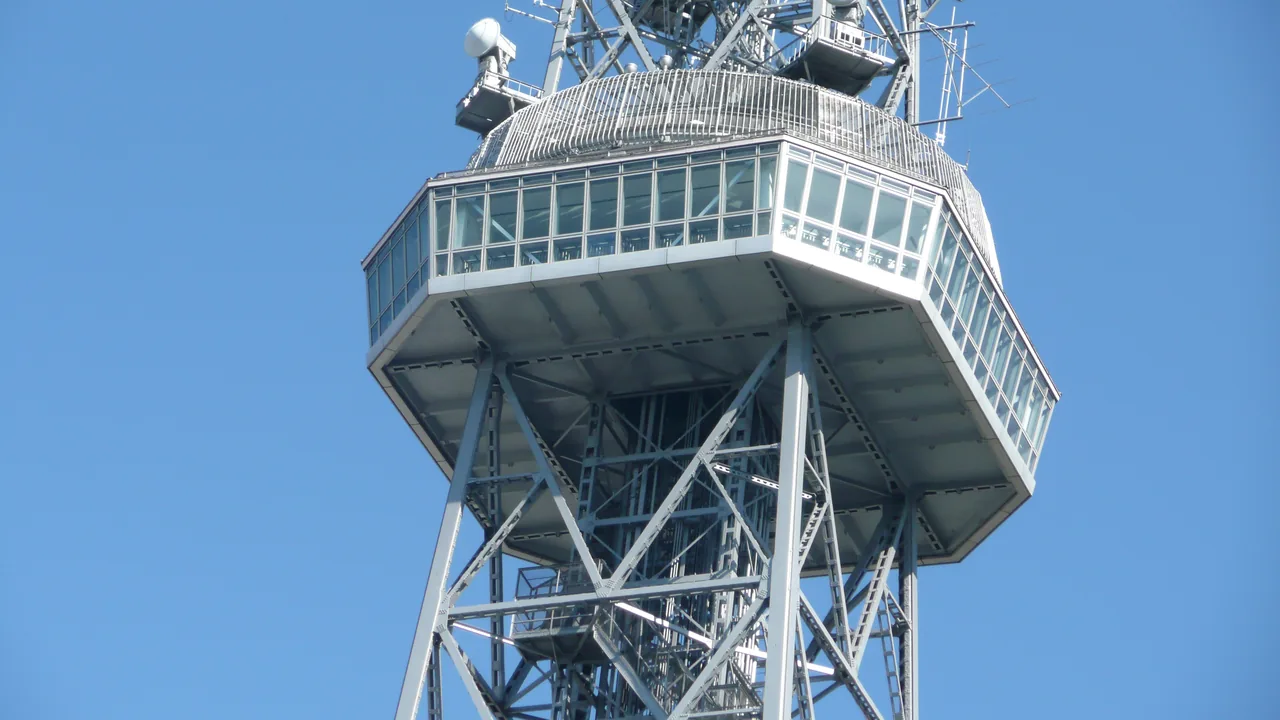
Sakae is built around Hisaya-odori Park, which runs north to south through the middle of the district, with the Chubu Electric Power MIRAI TOWER standing over it. The tower is Japan’s oldest — completed in 1954 by the same architect as Tokyo Tower — and in 2022 became the first TV tower in the country designated an Important Cultural Property. Oasis 21, with its glass “Water’s Spaceship” rooftop, sits beside it and is free to walk.
| Hotel | Style | Price band | Position | Photos & rates |
|---|---|---|---|---|
| THE TOWER HOTEL NAGOYA | Luxury/landmark | ¥¥¥¥ | Inside MIRAI TOWER itself | 📷 Photos, check price |
| The Royal Park Hotel Iconic Nagoya | Upper/new | ¥¥¥ | Central Sakae | 📷 Photos, check price |
| Nagoya Tokyu Hotel | Upper/classic | ¥¥¥ | Quieter southern Sakae | 📷 Photos, check price |
| Best Western Plus Nagoya Sakae | Mid, international | ¥¥ | Walk to Nishiki nightlife | 📷 Photos, check price |
| Nagoya Sakae Washington Hotel Plaza | Business | ¥¥ | Central, near the park | 📷 Photos, check price |
| KOKO HOTEL Nagoya Sakae South | Value/new | ¥ | South Sakae, toward Osu | 📷 Photos, check price |
Who each suits: THE TOWER HOTEL is the one genuinely memorable place to sleep in Nagoya — fifteen rooms inside a 1954 national monument, and priced accordingly. The Royal Park Iconic is the strongest modern upper-mid choice. The Tokyu sits far enough south to be quiet without losing the walk. Below that, Best Western and the Washington are dependable, and KOKO is the value pick if you only need a good bed near the action.
8. Fushimi & Nayabashi: the quiet compromise most people overlook
At a glance: one stop from the station, one stop from Sakae, cheaper than both, and quieter than either. Its entire argument is position.
Stay here if you want to walk to both centres, you value a calm street at night, or you want an international-brand hotel without paying station-adjacent rates. Skip it if you want life outside your door on a Sunday — this is an office district, and weekends are noticeably empty.
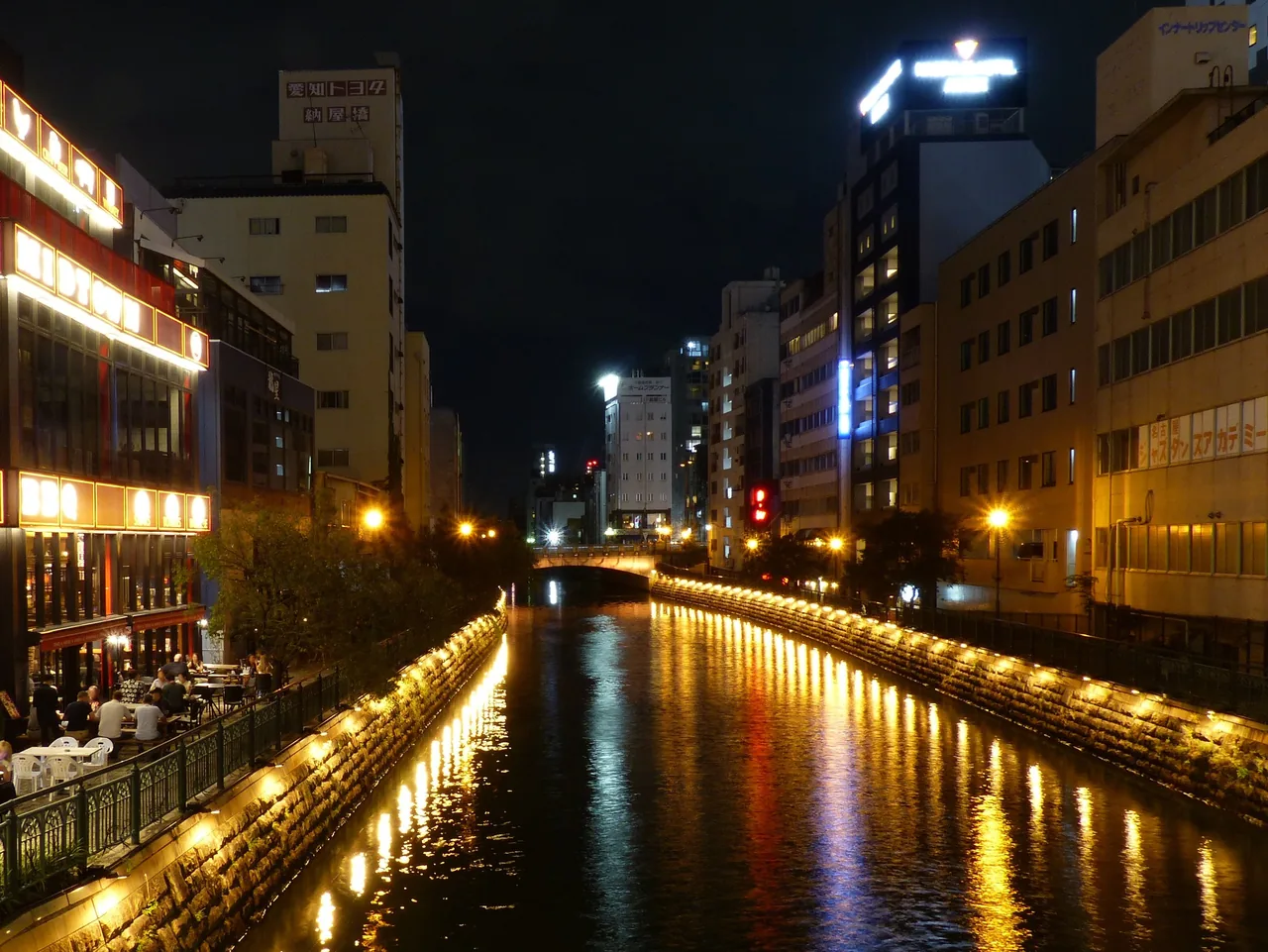
Fushimi runs along the Horikawa river between the station and Sakae. It’s Nagoya’s business address, which is exactly why the international brands cluster here and why rates soften when the conventions aren’t in town. From Fushimi Station it’s three minutes to Nagoya Station and two to Sakae on the Higashiyama line, and both are walkable in fifteen to twenty minutes.
| Hotel | Style | Price band | Position | Photos & rates |
|---|---|---|---|---|
| TIAD, Autograph Collection | Luxury/design | ¥¥¥¥ | Fushimi, newest in the city | 📷 Photos, check price |
| Hilton Nagoya Hotel | Luxury/international | ¥¥¥ | Fushimi, pool and spa | 📷 Photos, check price |
| Courtyard Nagoya | Upper/international | ¥¥¥ | Nayabashi, riverside | 📷 Photos, check price |
| Mitsui Garden Hotel Nagoya Premier | Upper-mid | ¥¥¥ | Between Fushimi and the station | 📷 Photos, check price |
| Kuretake Inn Premium Nagoya Nayabashi | Mid | ¥¥ | Nayabashi, riverside | 📷 Photos, check price |
| Henn na Hotel Premier Nagoya Fushimiekimae | Mid/novelty | ¥¥ | Fushimi Station front | 📷 Photos, check price |
Who each suits: TIAD is Nagoya’s most interesting recent opening and the choice if you want design over a view. The Hilton is the reliable full-service option with a proper pool, rare in this city. Courtyard, opened in 2022 on the Horikawa, puts Arimatsu shibori — the local indigo dyeing craft — into its rooms, which is a nicer nod to place than most chains manage. Below that, Kuretake Inn is solid mid-range and Henn na is the robot-staffed one, a fine novelty if you’re travelling with children.
9. Kanayama: cheaper, well connected, and closest to the airport
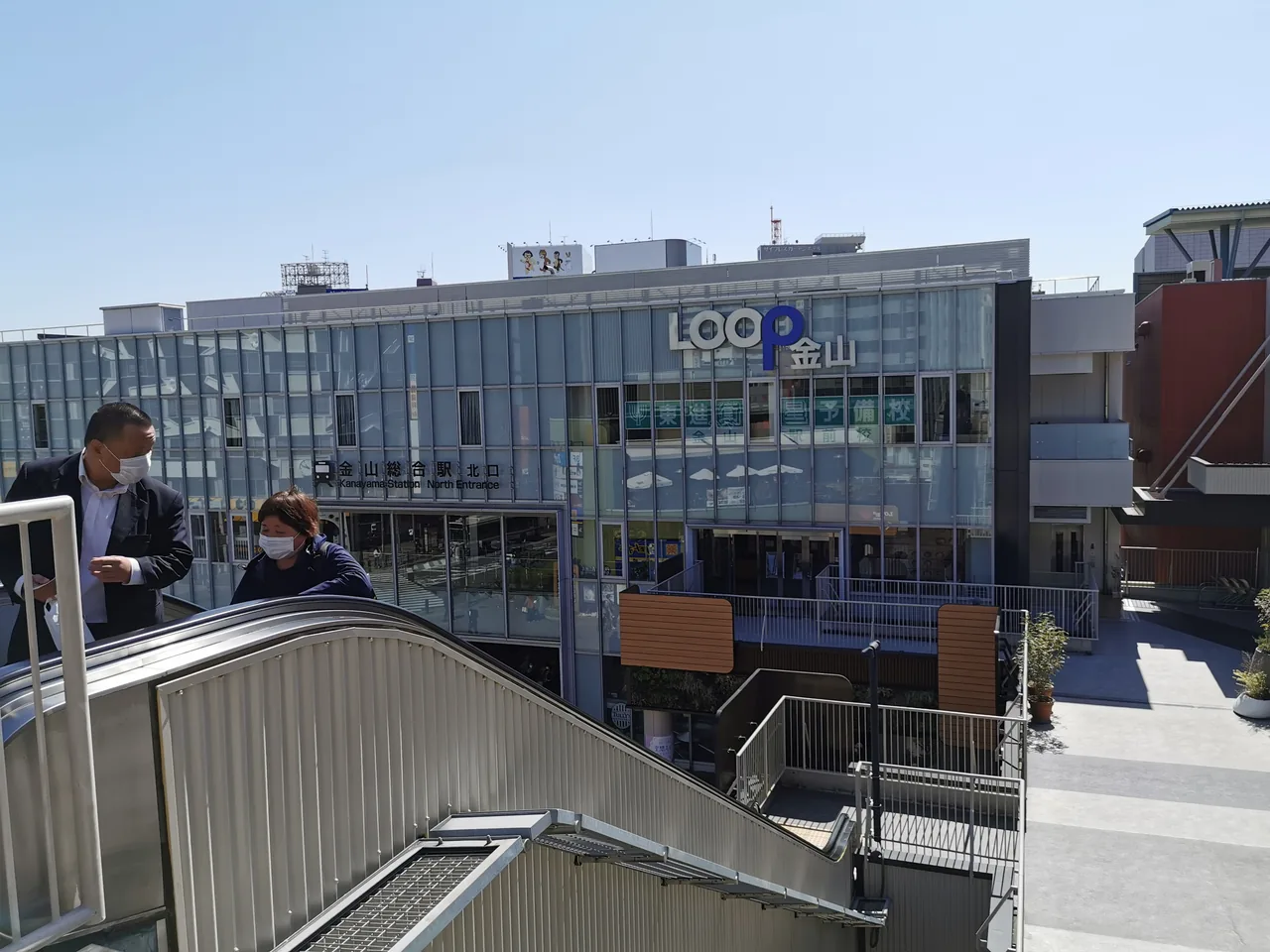
At a glance: Nagoya’s second interchange, where JR, Meitetsu and two subway lines cross. Rates run lower than the centre and — the part almost nobody mentions — the airport train stops here on its way south.
Stay here if you’re watching the budget, staying more than a few nights, have an early flight, or simply want fewer tourists around you. Skip it if you want to walk to sights — Kanayama is a junction, not a destination, and there is little to see in the area itself.
The airport maths is the real argument. From Kanayama, the Meitetsu fare to Chubu Centrair is ¥910, with the μ-SKY limited express taking about 24 minutes for ¥1,360 including the ¥450 reserved-seat supplement. From Nagoya Station the same trip is ¥980, or ¥1,430 and about 28 minutes on the μ-SKY. So Kanayama is a stop closer, a few minutes quicker and ¥70 cheaper — and the hotels are cheaper too.
| Hotel | Style | Price band | Position | Photos & rates |
|---|---|---|---|---|
| ANA Crowne Plaza Hotel Grand Court Nagoya | Upper/full-service | ¥¥¥ | Kanayama’s flagship | 📷 Photos, check price |
| Nagoya Kanayama Hotel | Mid | ¥¥ | Station-side | 📷 Photos, check price |
| Comfort Hotel Nagoya Kanayama | Mid, breakfast included | ¥¥ | Short walk from the station | 📷 Photos, check price |
| Meitetsu Inn Nagoya Kanayama Annex | Business | ¥¥ | Beside the Meitetsu line | 📷 Photos, check price |
| Toyoko Inn Nagoya Kanayama | Budget | ¥ | Station-side | 📷 Photos, check price |
Who each suits: the ANA Crowne Plaza is the one full-service hotel here and reliably costs less than an equivalent room in Meieki. Below it the field is honest business accommodation — Comfort Hotel throws in breakfast, Meitetsu Inn Annex rates unusually well for the price, and Toyoko Inn is the floor. None of them will be the highlight of your trip, and that’s the trade you’re making.
10. Osu & Kamimaezu: cheapest central base, with a caveat
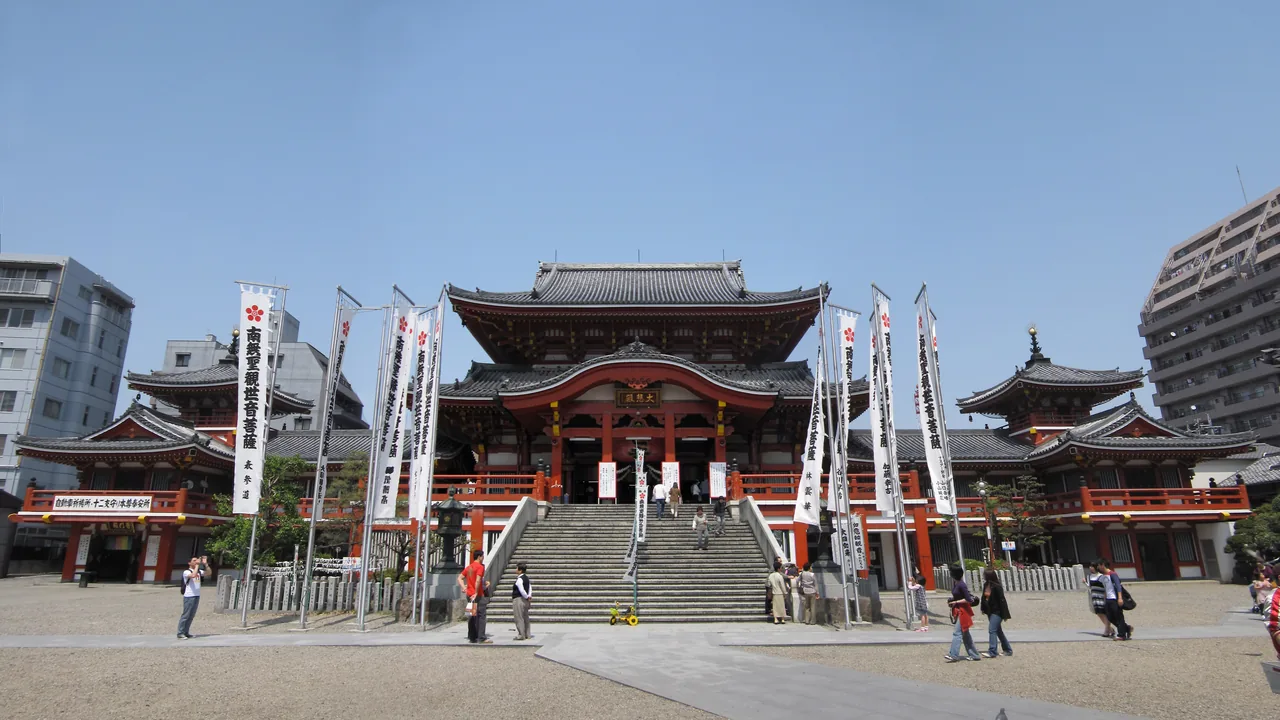
At a glance: covered arcades, second-hand electronics, vintage clothing and street food around Osu Kannon temple. The cheapest way to sleep centrally — but be clear that most of what’s available here isn’t hotels.
Stay here if you’re on a tight budget, travelling solo, staying a week or more and want a kitchen, or you simply like scruffier, younger districts. Skip it if you want a front desk at 2am, daily housekeeping, or a bellhop for your suitcase.
The honest caveat first: Osu’s accommodation is dominated by serviced apartments, guesthouses and hostels rather than conventional hotels. That’s a genuine advantage for long stays — a washing machine and a kitchen change the economics of a week in Japan — but it means service is thin and check-in is often a keypad rather than a person.
What you get in return is the most characterful street life in central Nagoya. The arcades run for several blocks around Osu Kannon Osu Kannon, Nagoya, mixing electronics shops, anime stores, vintage clothing and some of the best cheap eating in the city. Kamimaezu on the Tsurumai and Meijo lines is the practical station for the eastern end.
| Property | Style | Price band | Position | Photos & rates |
|---|---|---|---|---|
| Hotel Abest OSU Kannon Ekimae Hane No Yu | Mid, with large public bath | ¥¥ | In front of Osu Kannon Station | 📷 Photos, check price |
| Grand Base OSU | Serviced apartment | ¥¥ | Central Osu, kitchen and laundry | 📷 Photos, check price |
| Usatsuno OSU | Budget rooms | ¥ | Osu arcades | 📷 Photos, check price |
| Trip & Sleep Hostel | Hostel | ¥ | Walkable to Osu and Sakae | 📷 Photos, check price |
Who each suits: if you want an actual hotel in Osu, Hotel Abest is effectively the one — and its large communal bath is a real perk after a long day. Grand Base is the pick for a longer stay. Usatsuno and Trip & Sleep are for travellers whose budget is the binding constraint, and both rate well for what they are.
11. Should you stay next to the theme parks? Usually not
At a glance: there is exactly one hotel at LEGOLAND and essentially one near Ghibli Park. Unless you specifically want the first hour of the morning, staying central and travelling out is the better trip.
This deserves plain speaking, because a lot of pages advertise “hotels near Ghibli Park” or “10 hotels closest to LEGOLAND” and then list properties in Seto, Toyota or Tokai — different cities entirely, thirty to forty minutes away, with no useful relationship to the park.
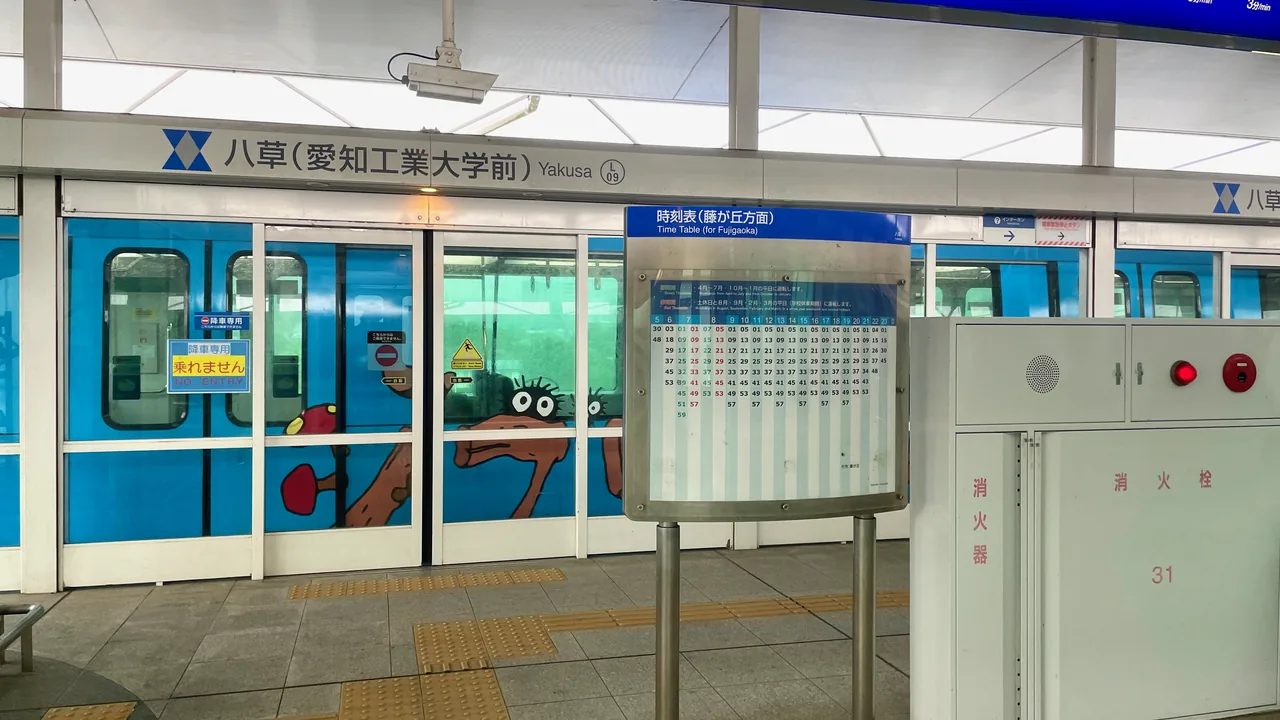
The actual situation. At Kinjo-futo, the LEGOLAND Japan Hotel is the only on-site accommodation, a minute from the park gate and five from the station. Near Ghibli Park, in Nagakute, the realistic option is HOTEL ROUTE-INN Grand Nagoya Fujigaoka Ekimae — opened in December 2024, 230 rooms, four minutes from Fujigaoka Station, with a large public bath. Fujigaoka is where you change from the Higashiyama subway line to the Linimo maglev, and the park is 13 minutes further on.
| Property | For | Price band | Position | Photos & rates |
|---|---|---|---|---|
| Legoland Japan Hotel | LEGOLAND, young children | ¥¥¥ | 1 min from the park gate, Kinjo-futo | 📷 Photos, check price |
| HOTEL ROUTE-INN Grand Nagoya Fujigaoka Ekimae | Ghibli Park, early starts | ¥¥ | 4 min from Fujigaoka Stn, 13 min by Linimo to the park | 📷 Photos, check price |
| NAGAKUTE TENT VILLAGE | Glamping, warm months | ¥¥ | 2.2 km from Ghibli Park | 📷 Photos, check price |
A note on the third: NAGAKUTE TENT VILLAGE is a glamping site rather than a hotel, and at the time of writing it had only a handful of reviews. That’s not a criticism so much as a warning that there isn’t yet enough feedback to know what you’re getting — treat it as an experiment, not a safe booking.
Ghibli Park tickets are advance-only, released on the 10th of each month at 14:00 Japan time for dates two months ahead, so your park date is usually fixed long before your hotel is. Plan in that order. Our full Ghibli Park guide covers the ticket types and what each pass actually gets you.
12. What a room really costs: no lodging tax in Nagoya
Nagoya city charges no lodging tax. Kyoto, Osaka and — from 2027 — Tokyo all do. On a week’s stay for two, that’s a small but real saving, and it’s one of the quiet arguments for basing yourself here.
Aichi Prefecture doesn’t levy one either. The city has begun studying the idea — a ¥200 nightly charge would raise roughly ¥2 billion a year, and Nagoya is facing a projected ¥92.2 billion shortfall for fiscal 2026 — but nothing has been decided and no start date exists. For now, the price you’re quoted is the price, plus the standard 10% consumption tax.
| Where | Lodging tax |
|---|---|
| Nagoya city | None |
| Tokoname (Centrair airport hotels) | ¥200 per person, per night |
| Kyoto | Tiered by room rate |
| Osaka | Tiered by room rate |
| Tokyo | Planned for 2027 |
One more cost that isn’t a tax: the international departure tax rose from ¥1,000 to ¥3,000 on 1 July 2026. It’s bundled into your airfare rather than paid at the airport, and tickets issued on or before 30 June 2026 keep the old rate.
13. Booking Nagoya well: timing, and what to check before you pay
The most useful habit in Nagoya is checking the event calendar before the hotel calendar. This is a manufacturing and trade-fair city, so demand often peaks midweek — the opposite of Kyoto.
Port Messe Nagoya and the city’s convention business can fill central hotels on a Tuesday and leave them soft on a Saturday. If your dates are flexible by a day or two, checking both directions is worth more here than the usual advice about booking early.
When to book. For the Asian Games and Para Games windows, immediately — those rooms are already thin. For cherry blossom season in late March and early April, and for autumn foliage in November, two to three months out is comfortable. Outside those, a few weeks is usually enough, and Nagoya rarely sells out the way Kyoto does.
What to check before you pay. Four things matter more here than elsewhere:
| Check | Why it matters in Nagoya |
|---|---|
| Which exit, not which station | Nagoya Station is huge; “5 minutes from the station” can mean 15 with a suitcase |
| Which subway lines stop nearby | Only two of six lines serve Nagoya Station — check yours actually does |
| Large public bath (daiyokujo) | Common in Nagoya business hotels and genuinely good after a day of walking |
| Coin laundry on site | Standard in business hotels, rare in the apartments and hostels around Osu |
If you’re moving around the region, remember that Nagoya sits directly on the Tokaido Shinkansen between Tokyo and Kyoto, and every service including Nozomi stops here — though Nozomi is not covered by any Japan Rail Pass. Our JR Pass and Shinkansen guide works through whether a pass pays off for a Nagoya-based trip, and the IC card guide covers manaca and its nationwide cousins.
For getting around town cheaply at weekends, the Donichi Eco Kippu gives unlimited subway and city bus travel for ¥620 on Saturdays, Sundays, public holidays and the 8th of every month.
14. The decision matrix: pick your traveller type
If you’ve read this far and still can’t choose, find yourself in the left column.
| You are… | Stay in | Second choice | The reasoning |
|---|---|---|---|
| First-timer, 2 nights, want to see the city | Sakae | Fushimi | You’ll be walking, eating and going out — not commuting |
| Using Nagoya as a base for Takayama, Kyoto, Ise | Meieki | Kanayama | Repeated station trips with luggage decide it |
| One night, passing through on the Shinkansen | Meieki | — | Don’t add a transfer for a single night |
| Family with young children, LEGOLAND focus | Kinjo-futo | Meieki | Only if the early start matters; otherwise commute |
| Ghibli Park is the whole reason you’re here | Fujigaoka | Sakae | Park tickets are fixed months ahead — book around them |
| Budget traveller, week-long stay | Osu | Kanayama | Kitchen and laundry beat daily housekeeping |
| Early flight from Centrair | Kanayama | Meieki | A stop closer, ¥70 cheaper, quicker on the μ-SKY |
| Business trip, expense account | Fushimi | Meieki | International brands, quiet streets, central to both |
| Travelling during the Asian Games | Gifu or Toyohashi | Anywhere booked early | Nagoya rooms are blocked and priced accordingly |
15. Planning the rest of your Nagoya trip
Once the hotel is settled, the rest of Nagoya falls into place quickly — it’s a compact city with a few genuinely excellent day trips hanging off it.
Start with our full Nagoya travel guide, which covers the castle, Atsuta Shrine, the food you should actually eat here, and how many days the city really needs. If you’re arriving by air, the Centrair to Nagoya guide compares every route into town with current fares.
For days out, the Takayama day trip guide covers the Hida limited express through the mountains — the single best reason to use Nagoya as a base — and the Ghibli Park guide explains the ticketing, which is more complicated than it should be.
Heading onward? Nagoya sits halfway between Tokyo and Kyoto, so it pairs naturally with either. Our Kyoto travel guide and where to stay in Osaka guide pick up where this one leaves off, and the Japan travel guide ties the whole route together.
🎡Things to Do7
🚇Getting Around1
🗾Japan trip essentials17
Nagoya accommodation FAQ
Meieki if you’ll be catching trains often — day trips, an onward Shinkansen, an early departure. Sakae if you want restaurants and bars within walking distance of your hotel. They’re five minutes apart on the Higashiyama subway line, so neither choice is a mistake; it comes down to whether your trip is built around trains or around evenings.
No. Nagoya city and Aichi Prefecture both charge no lodging tax, unlike Kyoto, Osaka and (from 2027) Tokyo. The city has started studying the idea but nothing is decided. The exception is Tokoname, where Chubu Centrair airport is — hotels there add ¥200 per person per night with no exemption threshold.
Two nights covers the city itself comfortably — the castle, Atsuta Shrine, Sakae and Osu. Add nights if you’re using Nagoya as a base: Ghibli Park is a full day, Takayama works best as an overnight, and LEGOLAND with the railway museum fills another day.
Yes, for most people. Five rail operators meet there, which matters because nearly everything in and around Nagoya starts with a train. The two drawbacks are that the area is quiet at night, and that the station is so large that a hotel “5 minutes away” can be a 15-minute walk with luggage — check which exit you’re nearest before booking.
Realistically, either central Nagoya or HOTEL ROUTE-INN Grand Nagoya Fujigaoka Ekimae, which is four minutes from Fujigaoka Station and 13 minutes by Linimo from the park. Most pages listing “hotels near Ghibli Park” are actually selling hotels in Seto or Toyota, well away from it. From central Nagoya the park is about 50 minutes and ¥670 each way, which is an easy commute.
The LEGOLAND Japan Hotel is the only accommodation at the park, one minute from the gate. Otherwise stay central — Kinjo-futo is 24 minutes and ¥360 from Nagoya Station on the Aonami Line. Staying out there only makes sense for a rope-drop morning with young children, since there’s nowhere to eat once the park closes.
Osu, if you’re happy with apartments and hostels rather than hotels. For conventional hotel rooms, Kanayama is the best value — lower rates than the centre, four rail lines, and closer to the airport than Nagoya Station.
Meieki or Sakae for general trips: both have larger rooms in full-service hotels and easy access everywhere. Kinjo-futo only if LEGOLAND is the main event. Business hotels around Kanayama and Fushimi often have large public baths, which children tend to enjoy more than adults expect.
The Meitetsu Airport Line runs to both Kanayama and Nagoya Station. To Nagoya Station: μ-SKY limited express takes about 28 minutes for ¥1,430, or a regular limited express 37–41 minutes for ¥980. To Kanayama: ¥910 base fare, about 24 minutes on the μ-SKY for ¥1,360, or 38 minutes without the supplement. The μ-SKY is fully reserved, so book the seat if you’re landing late.
Substantially, if your dates fall in 19 September – 4 October or 18–24 October 2026. Around 12,000 officials need beds, roughly fifty to a hundred hotels have been block-booked, and reported prices went from about ¥8,000 to ¥20,000–30,000 a night. If your dates are fixed, book now; if not, 5–17 October falls between the two events and is the best-value autumn window.
Parts of it. The blocks around Nishiki, Nagoya’s main nightlife district, are busy until late on Fridays and Saturdays. Southern Sakae toward Yabacho and the streets near Hisaya-odori Park are considerably quieter while still being walkable to everything.
Yes — about 25 minutes through Fushimi, and pleasant enough along the way. Most people take the Higashiyama subway line, which does it in five minutes. Staying in Fushimi puts you roughly halfway between the two.
No. Six subway lines, extensive rail and the Me~guru tourist loop bus cover everything, and central parking is expensive. A car only makes sense for the wider Chubu region — Shirakawa-go, the Kiso valley — and even then the trains and buses usually win.
Only the Higashiyama and Sakuradori lines. The Meijo (Japan’s only loop line), Meiko, Tsurumai and Kamiiida lines don’t — you change at Sakae, Kanayama or elsewhere. It’s worth checking against your plans before booking, because it can make Sakae or Kanayama the more convenient base despite the station’s reputation.
Yes. Nagoya is a low-crime city and Osu is a busy shopping district rather than a nightlife strip. The practical caveats are about service rather than safety: many properties are unstaffed apartments or hostels with keypad entry, so there’s often no one to help at 2am.