The Best Time to Visit Japan in 2026 (Season by Season)
Short answer: late March to early April for cherry blossoms, mid-to-late November for autumn colour. But the right month really depends on what you want — here’s the honest breakdown.
| Best overall | Late March–early April (cherry blossoms) and mid-to-late November (autumn leaves). Mild weather, the famous scenery, and the reason most people come. |
|---|---|
| Cherry blossoms 2026 | Tokyo hits full bloom around March 26, Kyoto and Osaka around March 31 — a few days earlier than usual after a warm winter. Aim for roughly March 29–April 7. |
| Autumn colour 2026 | Tokyo and Kyoto peak from about November 20 into early December. Kyoto’s Arashiyama and Tofuku-ji are at their best around November 23. |
| Skip if you can | The rainy season (June to mid-July) and the worst of the heat (late July–August, often 35°C and sticky). Also dodge Golden Week (late Apr–early May) and the New Year holidays — domestic travel goes wild. |
| Underrated | Winter. Crisp, dry, fewer crowds, world-class powder snow up north, and the Sapporo Snow Festival (Feb 4–11, 2026). Cheaper too. |
1. So when should you actually go?
2. Spring: cherry blossoms (the main event)
3. Summer and the rainy season (the honest truth)
4. Autumn: the colour (the quiet favourite)
5. Winter: snow, festivals, and elbow room
6. Month-by-month cheat sheet
7. The dates to avoid (crowds and prices)
8. So, which season is yours?
1. So when should you actually go?
If you only remember one thing: spring and autumn are the headline seasons, and for good reason. The weather is mild, you’re not melting or freezing, and the scenery — pink blossoms or fiery maples — is the Japan you’ve seen in photos. If you can travel then, do.
But “best” depends on you. Want the cherry blossoms? That’s a narrow, crowded, expensive window in late March. After fewer people and lower prices? Winter is quietly brilliant. Chasing festivals and fireworks even if it means sweating? Summer delivers. The rest of this guide walks through each season honestly — the good and the catch — so you can match the trip to the month.
2. Spring: cherry blossoms (the main event)
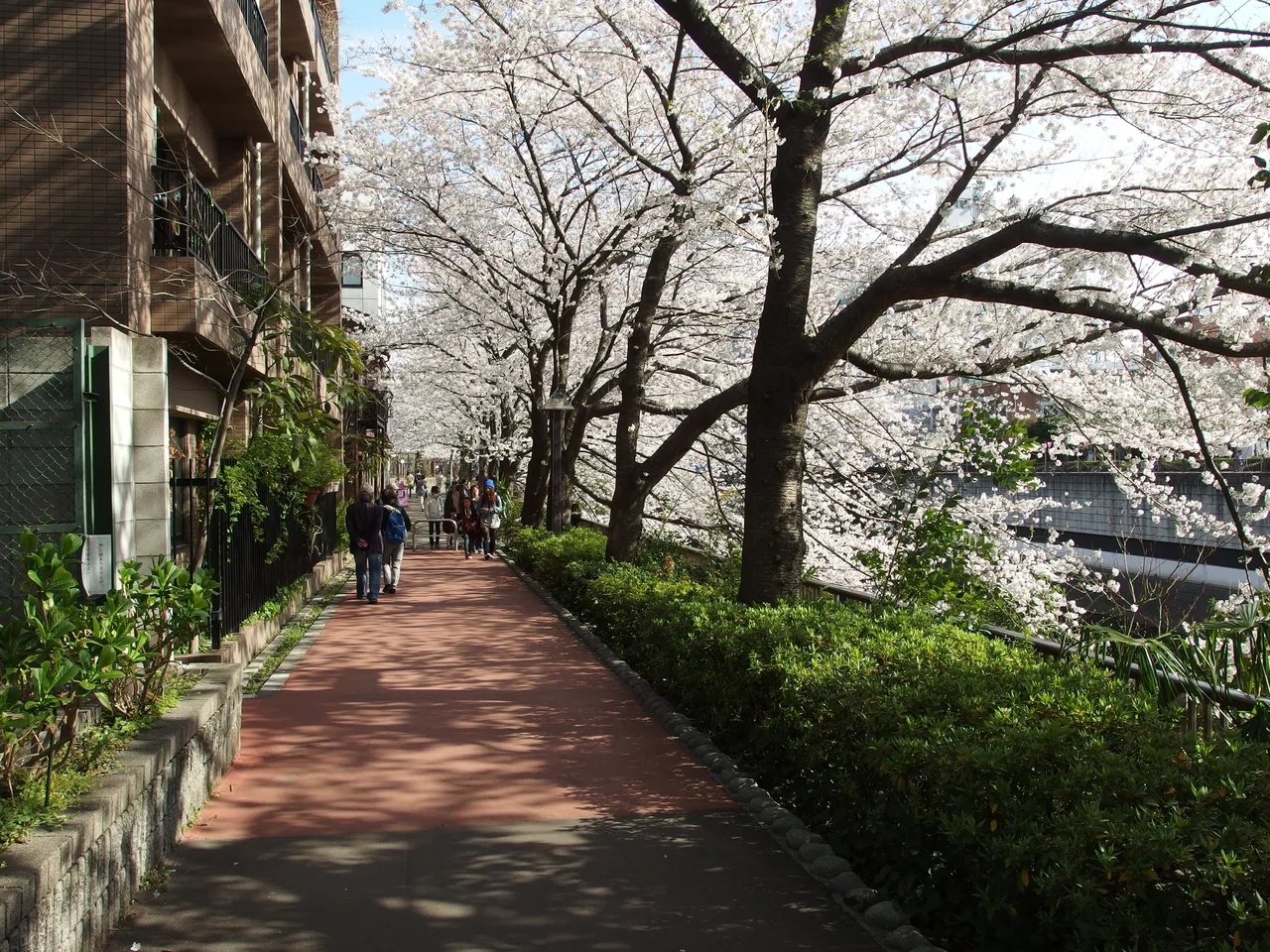
This is the season everyone asks about, so let’s be precise. Cherry blossoms (sakura) bloom from south to north across Japan over several weeks, but for the cities most visitors actually go to, here’s the 2026 forecast.
| City | Full bloom (2026 forecast) | Best viewing window |
|---|---|---|
| Tokyo | around March 26 | late March – early April |
| Kyoto | around March 31 | late March – early April |
| Osaka | around March 31 | late March – early April |
Two things to know. First, the peak is short — a tree stays in bloom for maybe 10–14 days, but the gorgeous, fully-open, petals-still-on phase lasts only about five to seven days. Second, 2026 is running a touch early after a warm winter, so the safe bet is roughly March 29 to April 7, which catches Tokyo, Kyoto and Osaka together.
If you miss the central cities, don’t despair: the blossom front moves north, so Tohoku and Hokkaido bloom into late April and even early May. Going early? Spring is also when you’ll want your trains sorted — see our JR Pass and shinkansen guide.
3. Summer and the rainy season (the honest truth)
Here’s the part the glossy guides skip. Early June to mid-July is the rainy season (tsuyu) across most of Japan — cloudy, damp, humid, with the heaviest rain around late June. Then when the rain lifts, the heat takes over: late July and August are hot and sticky, with Tokyo regularly hitting 35°C and humidity that doesn’t quit. Heatstroke warnings are normal.
So is summer a no? Not at all — you just go in with eyes open. The rainy season isn’t a wall of rain; it’s showers between dry spells, the gardens are lush and green, and crowds thin out. And summer is festival season: fireworks (hanabi), Kyoto’s Gion Matsuri in July, the lantern-lit Obon period, and cool escapes up in Hokkaido or the mountains where it’s genuinely pleasant.
| Summer factor | What to expect |
|---|---|
| Rainy season | Early June to mid-July (Okinawa earlier, Tohoku later). Pack a light umbrella. |
| Heat | Late July–August, often 35°C with high humidity. Plan indoor breaks. |
| Typhoons | Peak late August into September. Build slack into travel days. |
| The upside | Festivals, fireworks, green mountains, cool Hokkaido, fewer foreign tourists in June. |
4. Autumn: the colour (the quiet favourite)
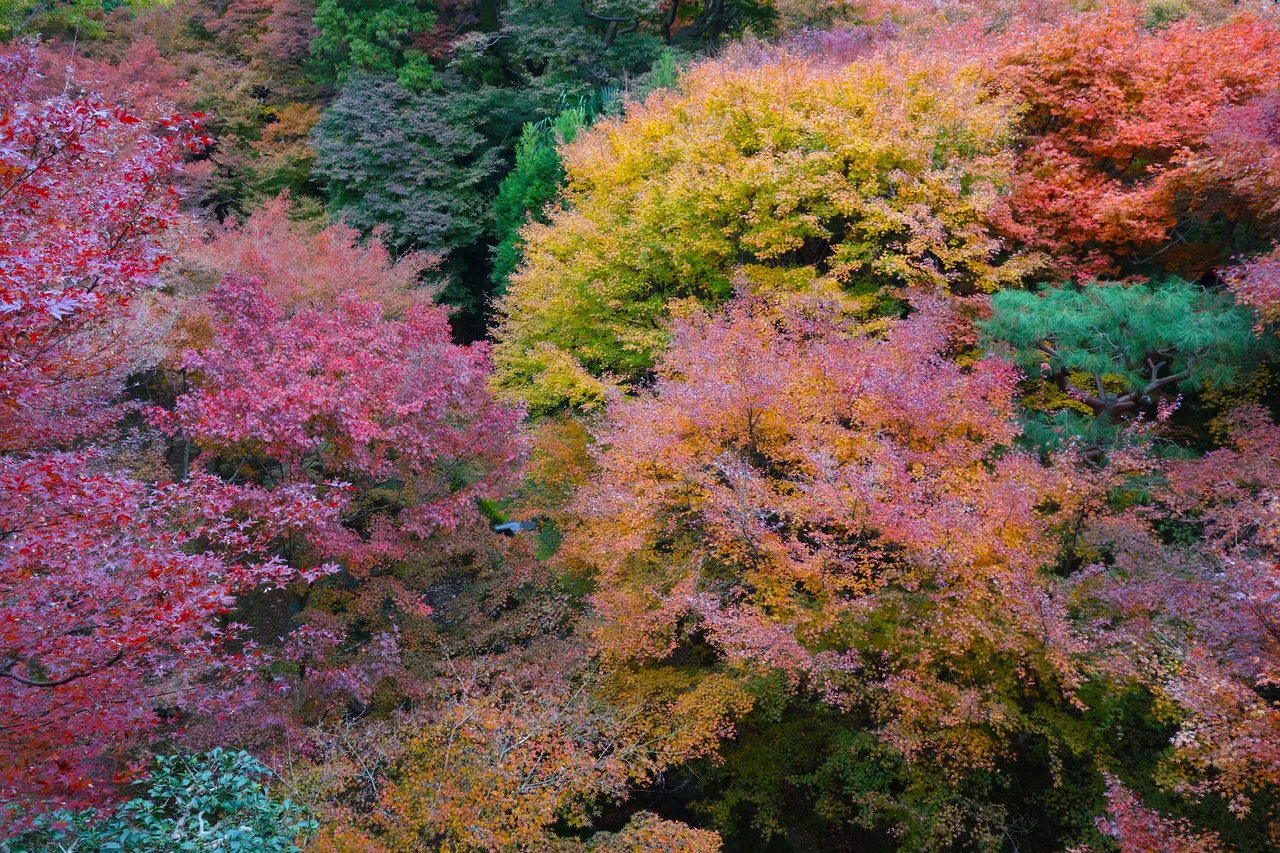
Plenty of seasoned Japan travellers will tell you autumn beats spring, and they have a point. The weather is crisp and stable, the crowds are smaller than at sakura, and the koyo (autumn leaves) turn temples and mountainsides deep red and gold. Here’s the 2026 timing for the main spots.
| Area | Peak colour (2026) |
|---|---|
| Hokkaido | late September – October |
| Japanese Alps / Tohoku | October |
| Tokyo | late November – early December |
| Kyoto | around November 20 – early December (Arashiyama & Tofuku-ji ~Nov 23) |
The colour front moves the opposite way to spring — north to south — starting in Hokkaido in late September and reaching Kyoto in late November. For most first-time visitors doing Tokyo and Kyoto, mid-to-late November into early December is the sweet spot. Bonus: late autumn brings evening illuminations at Kyoto’s temples, where lit maples reflect in the ponds — genuinely unforgettable.
5. Winter: snow, festivals, and elbow room
Winter is Japan’s most underrated season. December to February is cold but mostly dry and clear on the Pacific side (Tokyo, Kyoto), so you get crisp blue skies, the lowest crowds of the year, and the cheapest flights and hotels outside the holiday peaks. Trade-off: it’s properly cold, and daylight is short.
Two big reasons to come in winter:
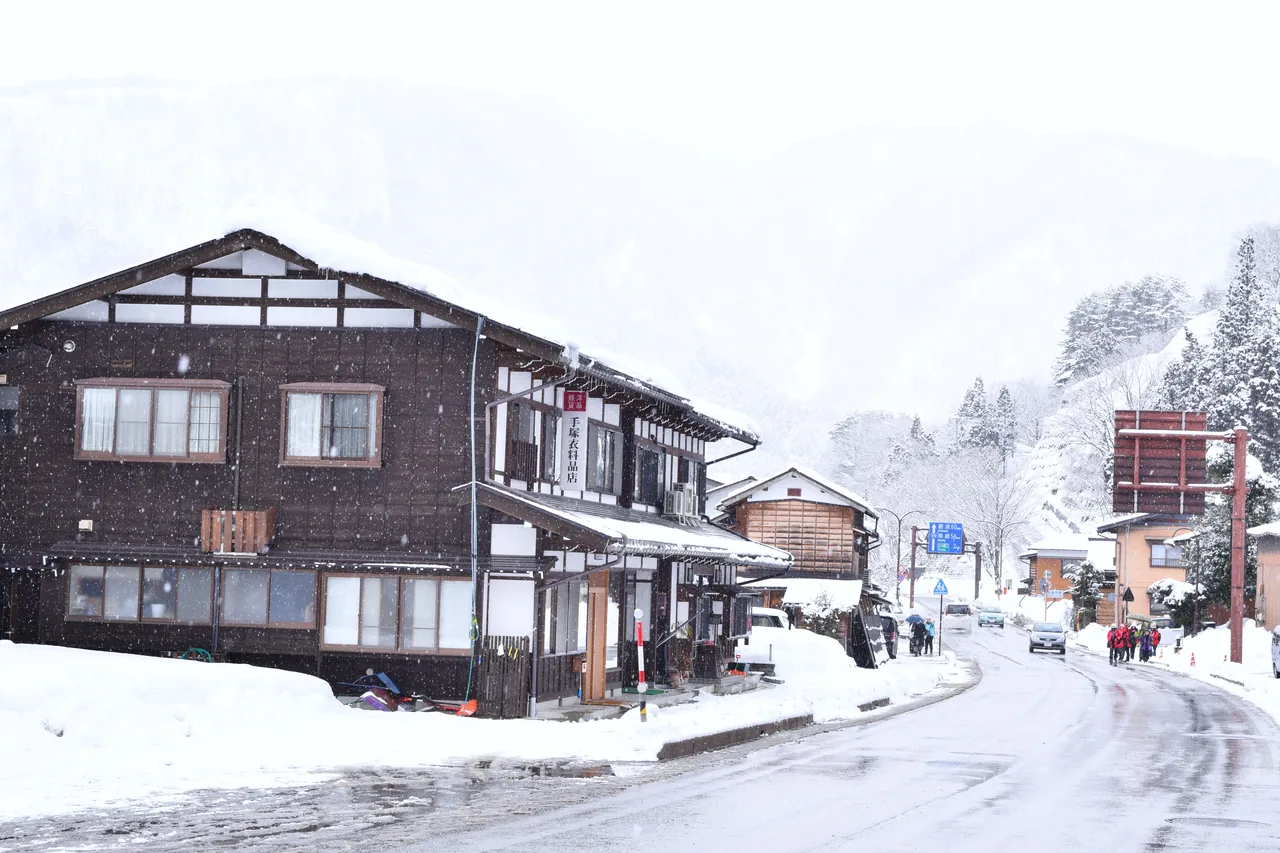
- Snow. Up north and along the Sea of Japan, the powder is world-class — Hokkaido (Niseko, Furano) and Nagano draw skiers and snowboarders from everywhere. Even non-skiers get snow monkeys bathing in hot springs and storybook villages like Shirakawa-go under deep snow.
- The Sapporo Snow Festival. Running February 4–11, 2026, this is the big one: building-sized snow sculptures and illuminated ice carvings across Odori Park and Susukino, lit until 10pm. Sapporo in February sits around -11 to 1°C with snow most days, so dress for it.
And winter is peak onsen (hot spring) season — there is nothing like soaking in a steaming outdoor bath while snow falls. City illuminations light up Tokyo and Osaka through December too.
6. Month-by-month cheat sheet
If you’d rather just scan, here’s the whole year at a glance.
| Month | Weather & vibe | Verdict |
|---|---|---|
| January | Cold, dry, clear. Snow up north. Very quiet after New Year. | Great value, low crowds |
| February | Cold; Sapporo Snow Festival; plum blossoms start. | Underrated |
| March | Warming up; cherry blossoms open late month. | Excellent (late) |
| April | Cherry blossoms early; mild and lovely. Golden Week starts end of month. | Peak season |
| May | Warm, pleasant, green. Golden Week crowds early on. | Very good |
| June | Rainy season begins. Humid, showery, lush. | Mixed |
| July | Rain ends mid-month, then hot. Festivals & fireworks. | Hot but lively |
| August | Hottest, most humid; Obon crowds; typhoons begin. | Tough (go north) |
| September | Still warm; typhoon risk; colour starts in Hokkaido. | Improving |
| October | Crisp, stable, lovely. Foliage in the north & Alps. | Excellent |
| November | Autumn colour peaks in Tokyo & Kyoto. Comfortable. | Peak season |
| December | Cold, clear; illuminations. Avoid the New Year rush. | Good (until ~Dec 28) |
7. The dates to avoid (crowds and prices)
Whatever season you pick, steer around Japan’s domestic travel peaks. These aren’t bad times — they’re just when locals all travel at once, so everything is fuller and pricier.
- Golden Week (roughly April 29 – May 5): a run of national holidays. Trains, flights and hotels book out and prices jump. Lovely weather, brutal crowds.
- Obon (mid-August): a major holiday when many Japanese return to their hometowns. Transport is heaving and some city businesses close.
- New Year (Dec 29 – Jan 3): shops and restaurants close, trains are packed, prices climb. Beautiful for shrine visits, awkward for sightseeing logistics.
8. So, which season is yours?
Quick decision-maker:
Go in spring
You want the cherry blossoms and don’t mind crowds or higher prices. Target late March–early April and book everything early.
Go in autumn
You want great weather and gorgeous colour with fewer people than spring. Mid-to-late November is ideal — arguably the best all-round season.
Go in winter
You want low crowds, low prices, snow, ski slopes, hot springs, or the Sapporo Snow Festival. Skip only the New Year week.
Go in summer
You’re tied to summer dates or love festivals and fireworks. Embrace the heat, head north when you can, and pack for rain in June.
Picked your season? Now build the rest of the trip — where to go, how long to stay, and what it costs — with our complete Japan travel guide for 2026.