
JR Pass & the Shinkansen in 2026: Do You Actually Need the Pass?
Short version: most first-timers don’t. Here’s how to work it out in two minutes, how the bullet trains really work, and the regional passes that quietly save you a fortune.
| Probably skip the nationwide pass. It jumped in price and now only pays off if you’re criss-crossing the whole country fast. A normal Tokyo–Kyoto–Osaka trip is cheaper on single tickets. | |
| The maths is simple. A 7-day pass is ¥50,000 (¥53,000 from Oct 2026 if you buy through an agent). Tokyo to Kyoto one-way is about ¥14,000. Add up your big trips and compare — that’s it. | |
| Regional passes are the sweet spot. Staying around Kansai, or just doing Kyushu? A regional pass costs a fraction of the national one and usually wins. | |
| For cities, just tap an IC card. Suica or ICOCA handles all the local trains. You don’t need a rail pass to get around Tokyo. | |
| Reserve a seat if you’ve got a big suitcase. Bags over 160cm (all sides added up) need a free reservation in the oversized-baggage spot on the Shinkansen. |
1. So, do you need the JR Pass?
2. The two-minute maths
3. How the Shinkansen actually works
4. Regional passes: usually the smarter buy
5. Reserving seats — and the suitcase rule
6. From the airport into town
7. Quick decision guide
1. So, do you need the JR Pass?
Let’s get the big question out of the way, because it’s the one everyone asks. For years the advice was “going to Japan? Buy the JR Pass.” That advice is mostly out of date now. The price went up a lot in 2023, and it’s creeping up again, so the pass only makes sense if you’re going to ride a lot of long-distance trains in a short time.
Here’s the honest test. If your trip is the classic Tokyo → Kyoto → Osaka loop and back, you’ll spend less buying single tickets than buying the pass. If you’re planning to bounce from Tokyo up to the north, down to Hiroshima, over to Kyushu, all in one frantic week — then yes, the pass might win. Most people aren’t doing that.
2. The two-minute maths
You don’t need a spreadsheet. The nationwide pass costs this much:
| Nationwide JR Pass (ordinary) | Now | From Oct 1, 2026* |
|---|---|---|
| 7 days | ¥50,000 | ¥53,000 |
| 14 days | ¥80,000 | ¥84,000 |
| 21 days | ¥100,000 | ¥105,000 |
Now compare that to what you’d actually pay. A one-way Shinkansen from Tokyo to Kyoto is about ¥14,000. So a 7-day pass at ¥50,000 needs roughly three or four long hops before it earns its keep. A Tokyo–Kyoto–Osaka trip with a couple of day trips? You’ll struggle to spend ¥50,000 on trains. Single tickets win.
3. How the Shinkansen actually works
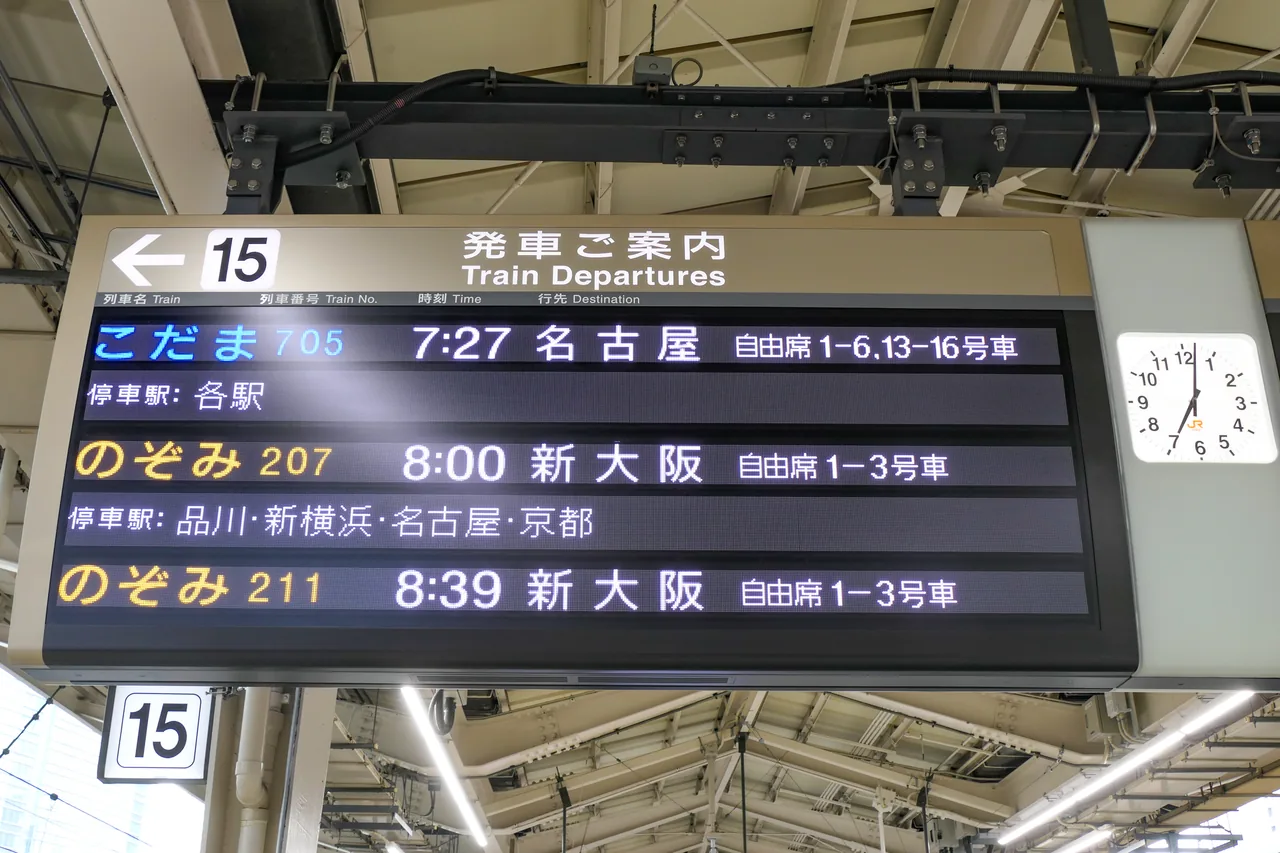
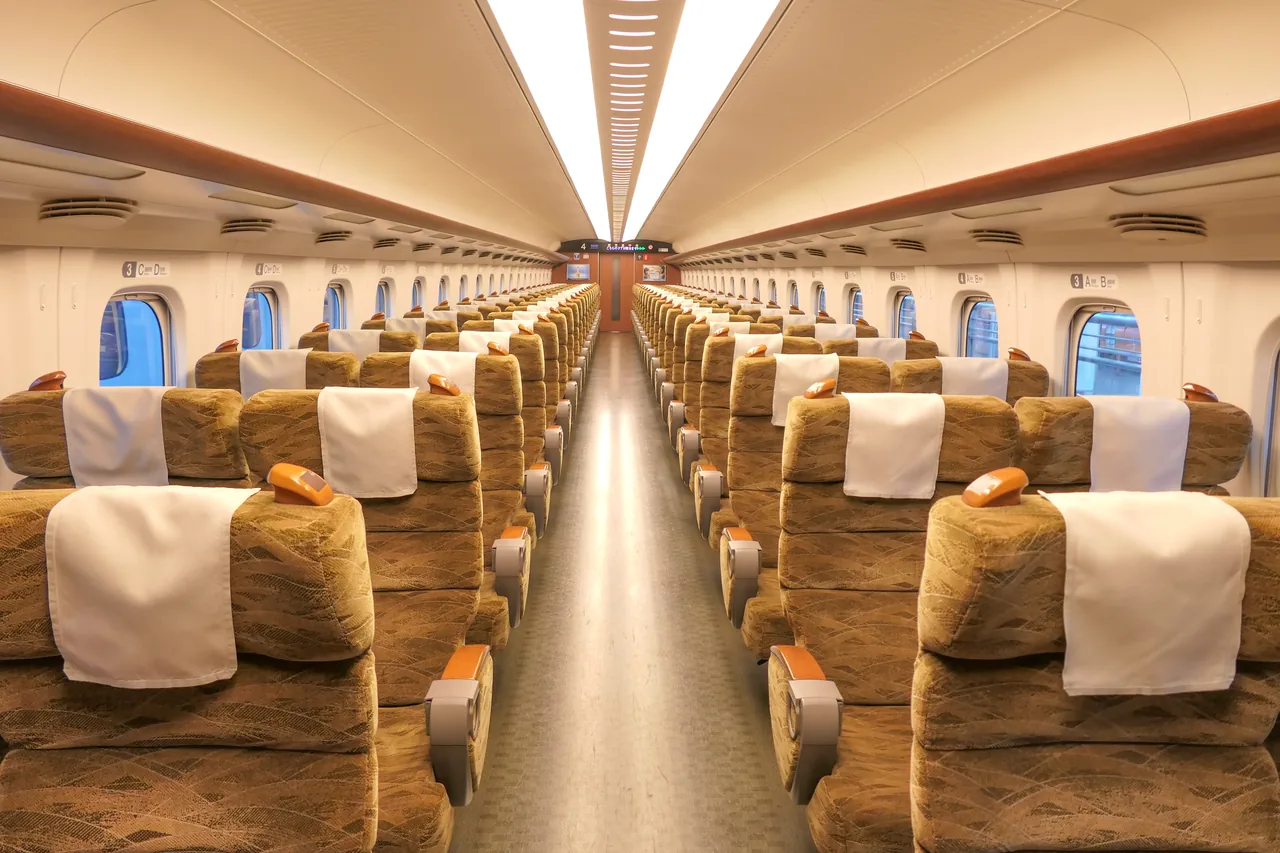
Riding the bullet train is easier than people expect. There are two kinds of seats: reserved (you get a specific seat) and non-reserved (first come, first served in certain cars). On a normal day, non-reserved is totally fine and a bit cheaper. Around big holidays, reserve.
You buy tickets at the green ticket machines or the counter in any big station, tap through the Shinkansen gate (it’s separate from the local train gate), and watch the board for your train and platform. They leave exactly on time, so don’t dawdle.
For getting around inside a city — Tokyo’s subway, the loop line, buses — you don’t touch any of this. You just tap an IC card (Suica or ICOCA) at the gate. We’ve got a separate guide on those; the short version is: get one on day one.
4. Regional passes: usually the smarter buy
This is the part the “just buy the JR Pass” crowd skips. Japan Rail sells loads of regional passes, and if you’re staying in one part of the country they’re far better value than the national one.
- Kansai–Hiroshima Area Pass: five days of unlimited JR around Osaka, Kyoto, Kobe, Nara, Himeji and out to Hiroshima — including the Sanyo Shinkansen. Perfect if Kansai is your base and you want to tack on Hiroshima and Miyajima.
- JR Kyushu passes: built for the Fukuoka–Beppu–Yufuin–Kumamoto kind of trip. If you’re doing a Kyushu loop, this is the one.
- JR East passes: handy if you’re heading north from Tokyo to Tohoku or the snow.
5. Reserving seats — and the suitcase rule
Reserving a seat is free with a pass and cheap without one, and it’s worth doing for the famous views. Heading west out of Tokyo, sit on the right-hand side for a shot at Mt. Fuji on a clear day.
There’s one rule that trips up first-timers with big luggage. If your bag is over 160cm measured by adding up all three sides (and most large checked suitcases are), you need to reserve a seat in the oversized-baggage area on the Shinkansen. The reservation itself is free — but if you just turn up with a giant case and no reservation, you can be charged a fee.
6. From the airport into town
Quick one, because it’s a common first question. From Narita, the Narita Express (N’EX) runs into central Tokyo; from Haneda you’re closer in and the train or monorail is quick and cheap. From Kansai Airport, the Haruka express runs to Kyoto and Osaka.
If you’ve bought a JR Pass, some of these airport trains are covered, which is a nice bonus on arrival day. If you haven’t, just tap your IC card or buy a single ticket — no need to overthink it.
7. Quick decision guide
Still not sure? Here’s the cheat sheet:
Buy the nationwide pass if…
You’re covering serious distance fast — say Tokyo, Hiroshima, Kyushu and the north in one or two weeks. Heavy long-haul riders only.
Buy a regional pass if…
You’re staying mostly in one area (Kansai, Kyushu, the north) and just want a couple of bigger day trips.
Buy nothing — just tickets + IC card if…
You’re doing Tokyo–Kyoto–Osaka, or one or two cities. This is most first trips. Single Shinkansen tickets plus a Suica is cheapest.
When you’ve got your route sorted, the rest of the plan — when to go, where to stay, what to eat — is in our full Japan travel guide.