
Suica & IC Cards in Japan (2026): Get One on Day One
The rechargeable tap card that runs Japan’s trains, buses and corner shops. Here’s which one to get, whether to go physical or on your phone, and the one charging gotcha that trips people up.
| Get one | an IC card taps you onto every train and bus and pays at convenience stores — no tickets, no coins. Sort it on arrival. |
|---|---|
| All the same | Suica, PASMO and ICOCA all work on transport nationwide. Grab whichever’s in front of you. |
| Phone or plastic | iPhones add Suica to Apple Wallet in two minutes; most non-Japanese Android phones can’t, so get a physical card. |
| Charging gotcha | Apple Pay top-ups often reject foreign Visa — use a Mastercard or Amex, or just pay cash at any machine. |
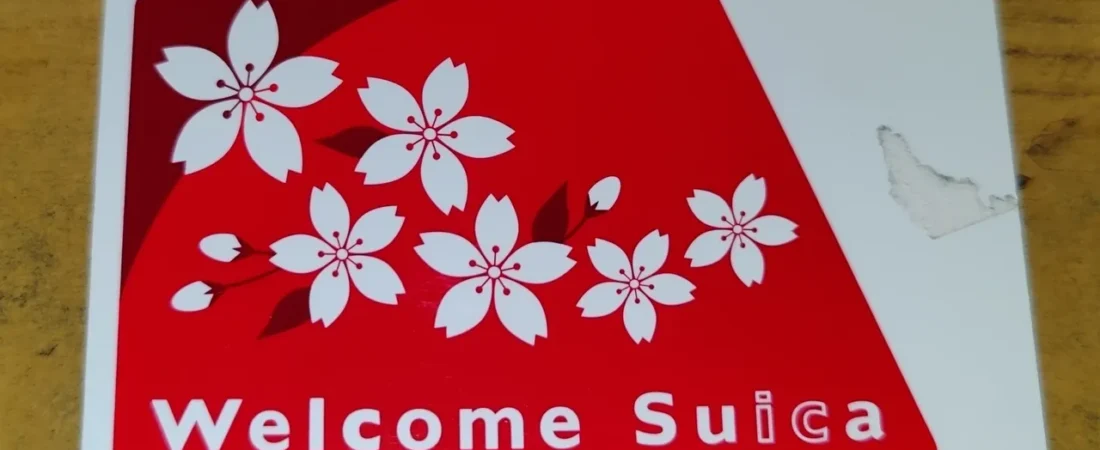
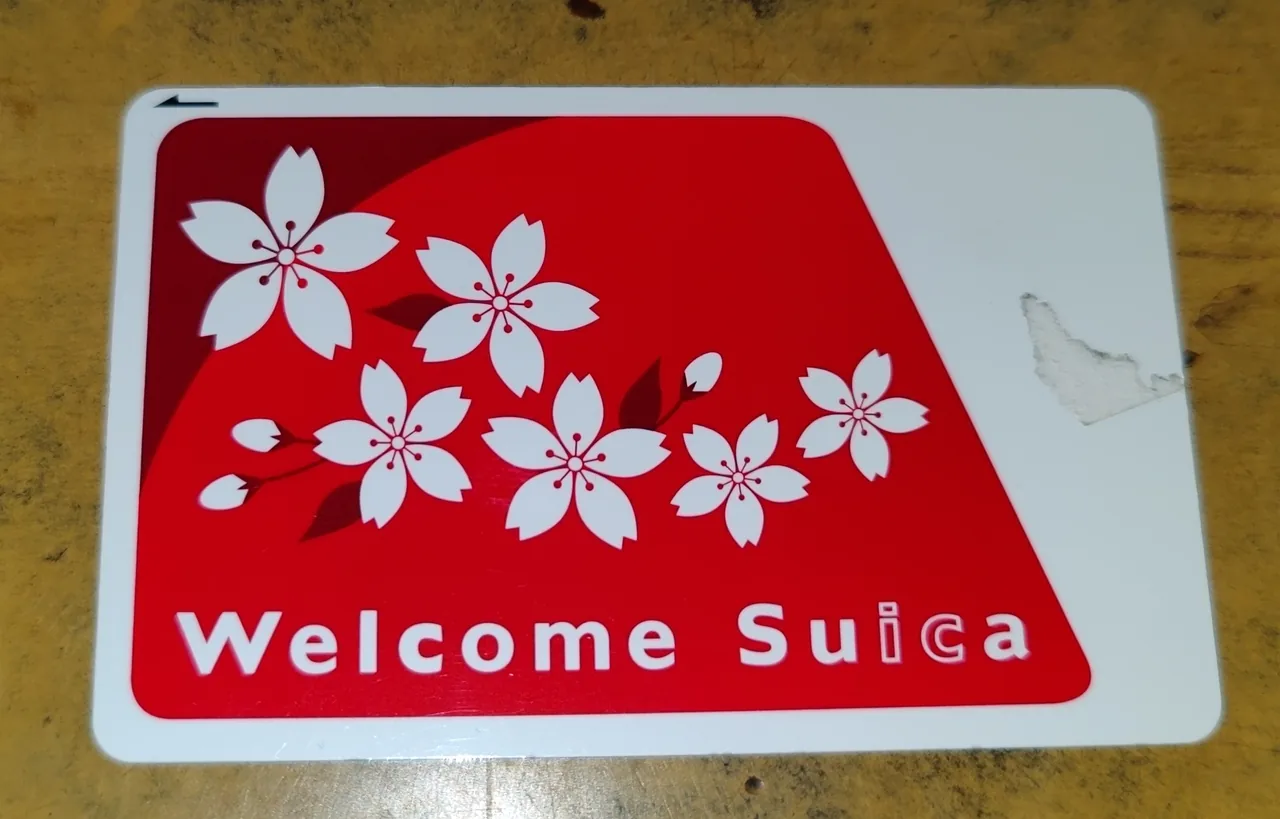
| Welcome Suica | the no-deposit tourist card sold at airports — note it expires in 28 days and the balance isn’t refundable. |
1. What an IC card is (and why day one)
2. Suica vs PASMO vs ICOCA — honestly, the same
3. On your phone or a physical card?
4. The Welcome Suica and other tourist options
5. How to put money on it
6. What you can actually pay for
7. Leftover balance when you leave
8. Add Suica to your iPhone, step by step
9. Every IC card in Japan (the full list)
10. Where to buy — airports and stations
11. Using it on buses (different from trains)
12. If the gate won’t open (fare adjustment)
13. Quick answer for your situation
1. What an IC card is (and why day one)
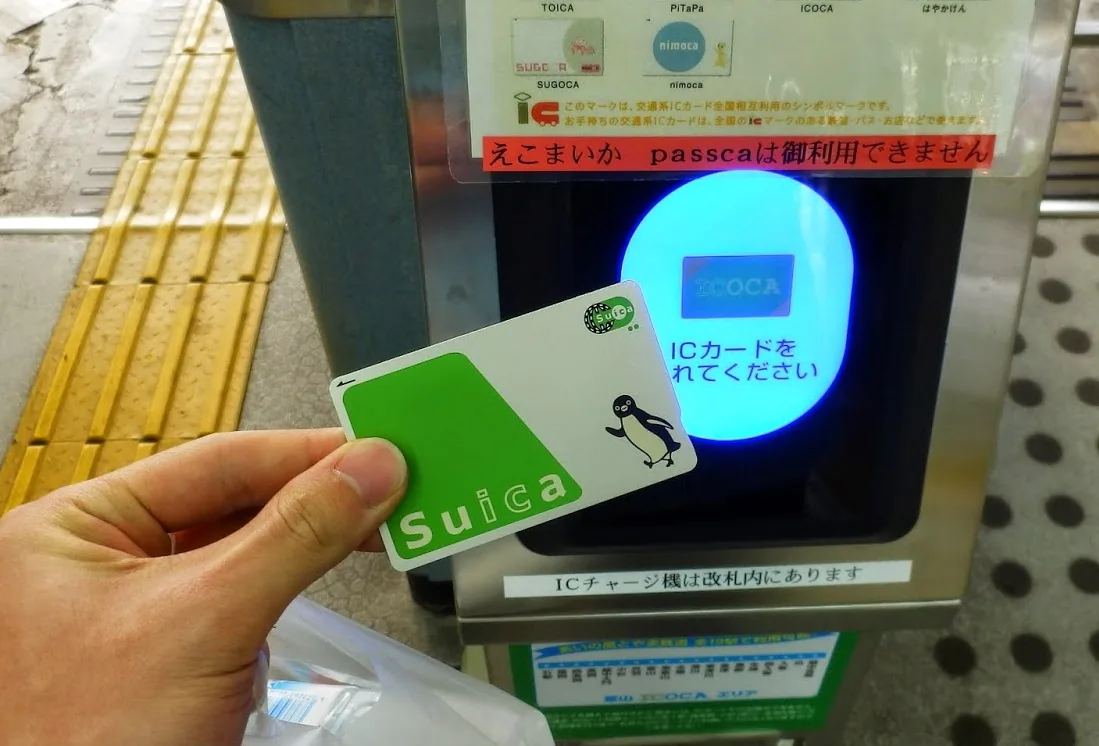
An IC card is a rechargeable tap-to-pay card for getting around Japan. You load money onto it, then tap it on the reader at any train or bus gate and the fare comes off automatically — no working out ticket prices, no feeding coins into machines. It’s the single thing that makes Japanese transport feel effortless, so sort it the moment you land.
And it’s not just transport. The same card pays at convenience stores, vending machines, coin lockers, lots of cafés and more. You’ll use it ten times a day without thinking about it.
2. Suica vs PASMO vs ICOCA — honestly, the same
People agonise over which card to get. Don’t. Suica, PASMO and ICOCA — plus a handful of regional ones — all do the same job and all work on transport nationwide. A Suica bought in Tokyo works fine in Osaka or Fukuoka, and an ICOCA from Osaka works in Tokyo.
| Card | From | Works nationwide? |
|---|---|---|
| Suica | JR East (Tokyo area) | Yes |
| PASMO | Tokyo subways/private rail | Yes |
| ICOCA | JR West (Kansai/Osaka) | Yes |
So the real decision isn’t which brand — it’s phone or physical card, which is the next section. Just grab whichever card is sold where you happen to be.
3. On your phone or a physical card?
This is the choice that actually matters.
📱 On your phone (best, if it works)
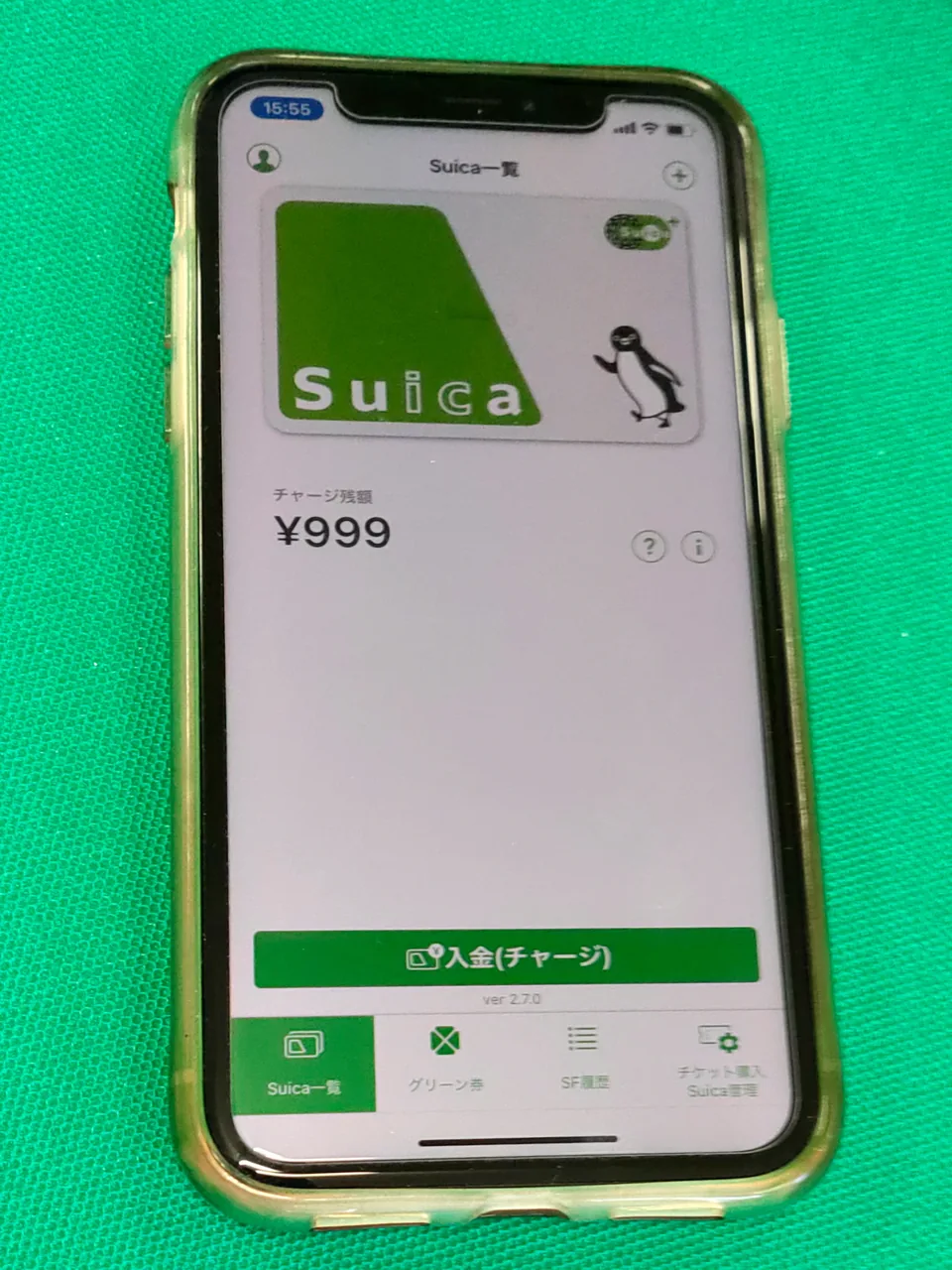
Got an iPhone (8 or newer) or Apple Watch? Add Suica in the Wallet app, top it up with a card, and you tap your phone at the gate. No queues, no deposit, recharge anywhere. This is the smoothest option.
💳 A physical card
Cheap, simple, works for everyone. Buy one at an airport or station machine, charge it with cash, done. The pick if your phone can’t do mobile Suica.
4. The Welcome Suica and other tourist options
If you want a physical card and don’t want to mess with a deposit, there’s a tourist version.
- Welcome Suica (the red one): made for visitors. No ¥500 deposit — the whole amount you load is yours to spend. Sold at JR East Travel Service Centers and machines at Haneda Terminal 3, Narita, Tokyo and Shinjuku stations.
- Regular Suica / PASMO / ICOCA: full sales resumed in 2025 after a chip shortage, though stock still varies by station. These carry a refundable ¥500 deposit you get back when you return the card.
5. How to put money on it
Topping up is easy, with one catch worth knowing.
- Cash, at any machine: the grey ticket machines in every station top up any IC card in seconds. This always works, with any card.
- Cash, at convenience stores: tell the clerk, hand over cash, done — 7-Eleven, Lawson, FamilyMart all do it.
- By card, in Apple Pay: recharge your mobile Suica straight from your phone, anytime.
6. What you can actually pay for
Once it’s loaded, you’ll be surprised how much it covers:
- All local transport — JR lines, subways, private railways and city buses, nationwide.
- Convenience stores and supermarkets — tap to pay at the register.
- Vending machines — including the drink machines on platforms.
- Coin lockers, many cafés, fast food and shops — look for the IC mark.
One small habit: keep maybe ¥2,000–3,000 on it and top up before it runs low, so you’re never stuck at a gate.
7. Leftover balance when you leave
End of the trip, money still on the card? Here’s the deal:
- Mobile Suica: nothing to return — the card just sits in your Wallet for next time. Come back next year and it’s still there.
- Regular physical card: you can refund the balance and get the ¥500 deposit back at a JR East office (a small handling fee applies), or just keep it for your next trip.
- Welcome Suica: no refund, so try to run the balance down on your last day — a konbini run does the trick.
8. Add Suica to your iPhone, step by step
If you’ve got an iPhone, set it up before you even fly — no queuing once you land. Here’s the whole thing.
- Open the Wallet app and tap the + button (top right).
- Choose Transit Card, then pick Suica from the list (ICOCA and PASMO are there too).
- Set how much to load — ¥2,000–3,000 is plenty to start.
- Pay with Apple Pay. ⚠️ This is where foreign Visa often fails, so have a Mastercard or Amex in your Wallet.
- Done. Tap your iPhone at the gate to go through — it works as an “Express” card without even unlocking the phone.
9. Every IC card in Japan (the full list)
We’ve only talked Suica, PASMO and ICOCA, but there are actually ten regional IC cards across Japan — and they’re all interchangeable, so whichever you buy works nationwide. Just for reference:
| Card | Region |
|---|---|
| Kitaca | Hokkaido (Sapporo) |
| Suica | Greater Tokyo & Tohoku (JR East) |
| PASMO | Tokyo subways & private rail |
| TOICA | Nagoya area (JR Central) |
| manaca | Nagoya subways & private rail |
| ICOCA | Kansai & Chugoku (JR West) |
| PiTaPa | Kansai private rail (⚠️ postpay, residents only) |
| SUGOCA | Kyushu (JR) |
| nimoca | Fukuoka (Nishitetsu) |
| Hayakaken | Fukuoka city subway |
10. Where to buy — airports and stations
Most people grab one at the airport on arrival. By gateway:
| Airport | Where |
|---|---|
| Narita & Haneda (Tokyo) | JR East Travel Service Centers, Keisei counters, station machines. The Welcome Suica is sold here. |
| Kansai (Osaka/Kyoto) | JR and Nankai counters, station machines — grab an ICOCA. |
| Fukuoka | Subway station machines (Hayakaken, nimoca). |
Missed it at the airport? No problem — any city station has a machine or counter, and on an iPhone you can add one to your phone right there.
11. Using it on buses (different from trains)
Trains are a simple tap. Buses vary by region and trip up first-timers, so just remember two patterns:
- Flat-fare buses (central Tokyo, etc.): tap once when you board — same fare wherever you get off.
- Distance-fare buses (most of the country): tap once on, once off. You usually board at the rear (or middle) door and tap, then tap again at the front door as you leave; the fare is deducted by distance.
12. If the gate won’t open (fare adjustment)
Low on balance? The gate flaps snap shut. Don’t panic — it’s common and the fix is quick.
- Blocked on the way in: top up at the machine beside the gate and tap again.
- Blocked on the way out (not enough balance): pop your card into the fare-adjustment machine near the gate and pay the difference in cash. If it’s confusing, just show the card to the staff at the window and they’ll sort it.
13. Quick answer for your situation
iPhone user
Add Suica to Apple Wallet before you even land. Top up with a Mastercard/Amex. Easiest possible setup.
Android user (non-Japanese phone)
Mobile Suica won’t work — grab a physical Welcome Suica at the airport and charge it with cash.
Short trip, keep it simple
Welcome Suica (no deposit) + cash top-ups. Don’t overthink the brand.
With tapping sorted, the rest of your planning — when to go, trains, budget, where to base yourself — is in our full Japan travel guide.